Inside the Shinola Hotel on Woodward Avenue, San Morello has become the kind of Detroit Italian restaurant people plan around. The dining room fills quickly, bar seats vanish fast, and the wood-fired aromas drifting through the space make waiting for a table feel like a serious test of patience.
There is a certain energy here that makes the whole meal feel like an occasion, from the stylish hotel setting to the plates coming out of the kitchen with just the right amount of confidence. Getting a reservation can feel like a small win, but once you sit down, San Morello makes it clear why locals keep talking about it.
Where Detroit Meets Southern Italy on Woodward Avenue
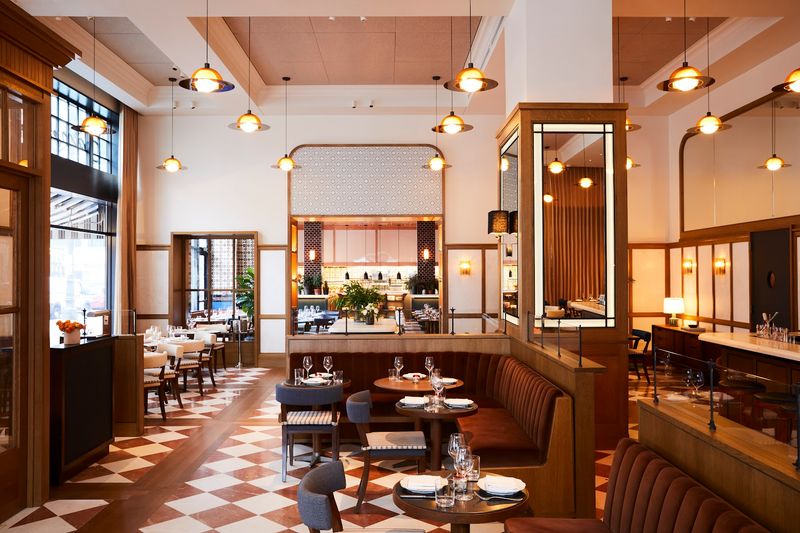
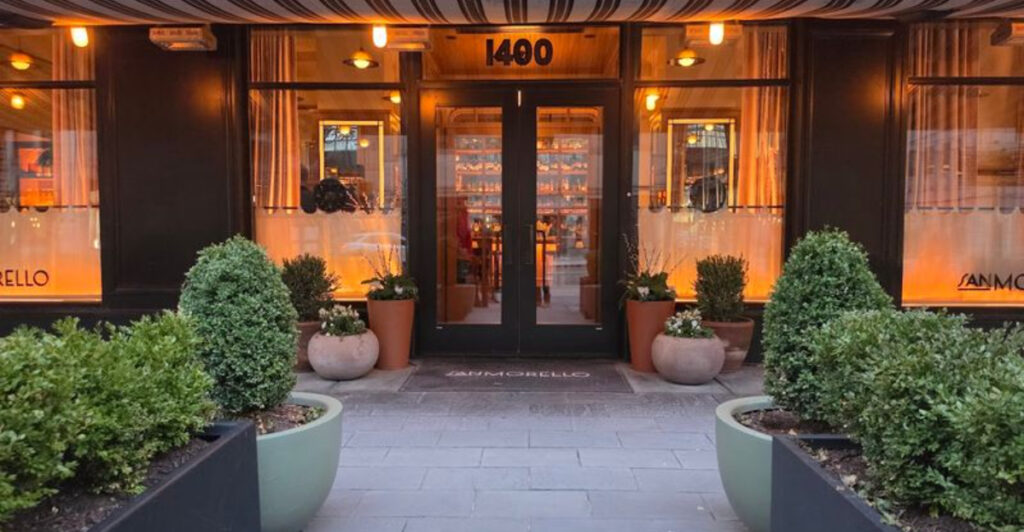
San Morello occupies one of the most talked-about addresses in downtown Detroit, sitting right inside the Shinola Hotel at 1400 Woodward Ave. The location is not accidental. Woodward Avenue is the spine of Detroit, a street that carries the city’s history in every crack of its pavement, and placing an upscale Italian restaurant here puts it in direct conversation with Detroit’s ongoing downtown revival.
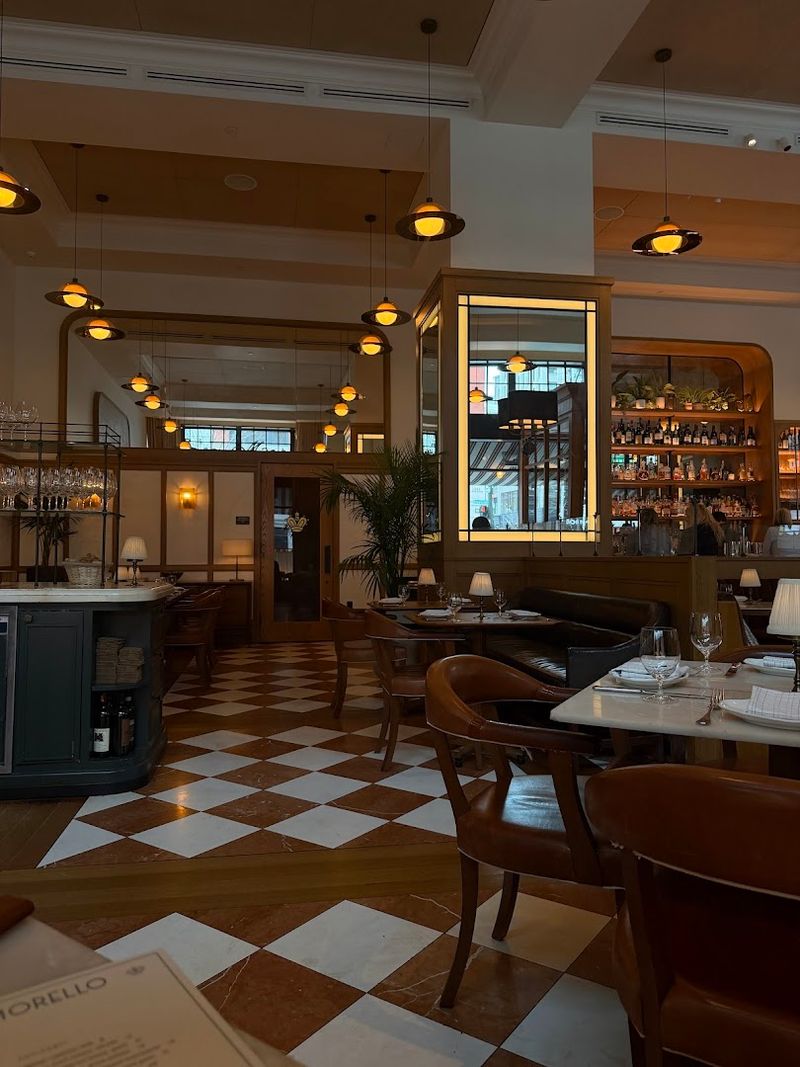
The dining room feels considered. Warm lighting, clean architectural lines, and a layout that balances intimacy with energy make the space work for a quiet dinner date just as well as a celebratory group meal.
The wood-fired oven is the visual anchor of the kitchen, and its presence signals immediately that this is not a place cutting corners on technique or ingredients.
Being inside a boutique hotel adds a particular layer to the experience. Hotel guests stumble in for breakfast and end up staying well past their second coffee.
Locals plan their evenings around securing a dinner reservation. Visitors heading to nearby venues like the Detroit Opera House have learned to stop in before the curtain rises.
Michigan has no shortage of Italian restaurants, but the specific combination of location, hotel setting, and culinary ambition makes San Morello feel distinct. The address alone draws curiosity, but the room earns the repeat visits.
Booths line the walls, bar seating offers a lively alternative for walk-ins, and the outdoor patio becomes prime real estate when Detroit’s weather cooperates.
The kitchen operates with seasonal ingredients, meaning the menu shifts and surprises regulars. That unpredictability is part of the draw.
Showing up without knowing exactly what will be available creates a sense of occasion that most restaurants at this price point struggle to manufacture.
The Pasta Program That Makes Reservations Disappear in Hours
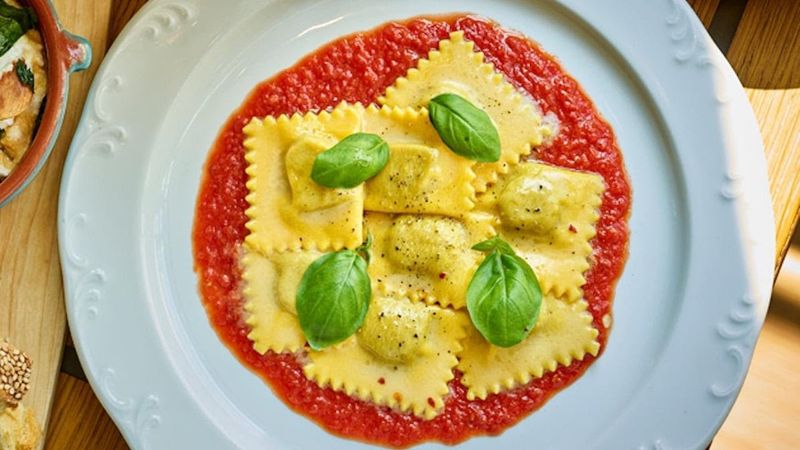
Handmade pasta is the backbone of San Morello’s dinner menu, and the kitchen treats it with the kind of discipline that takes years to develop. The agnolotti di zucca arrives with a delicate butternut squash filling, folded and sealed by hand, served in a sauce that manages to be both rich and restrained.
Cutting into one releases a small burst of steam and flavor that makes the table go quiet for a moment.
The fusilli gigante is a different experience entirely. The pasta itself is thick and coiled, built to hold sauce rather than just carry it.
Whatever preparation the kitchen applies to it on a given night tends to be deeply savory, built from ingredients that complement the pasta’s substantial texture rather than compete with it.
Spaghetti alla chitarra is a dish worth understanding before ordering. The chitarra method cuts pasta with a wire instrument that gives each strand a slightly squared edge, which creates more surface area for sauce to cling to.
The result is a bowl where every forkful delivers the full depth of the preparation rather than a diluted version of it. Some diners find the texture toothy and very al dente, which is exactly the point.
Lamb bolognese appears on the menu in various forms and consistently draws strong reactions. The richness of a slow-cooked lamb ragu behaves differently from a beef version, carrying a slightly gamey depth that works beautifully against the acidity of tomato and the earthiness of fresh pasta.
Reservations for dinner service at San Morello fill quickly, and the pasta dishes are a significant reason why. Word spreads through Detroit’s food community with remarkable speed when a kitchen is doing something genuinely well with fresh, handmade dough.
Breakfast at San Morello Is the Best-Kept Secret on the Menu
Most people chasing a table at San Morello are thinking about dinner, which means breakfast operates at a slightly different pace and offers a genuinely underrated entry point into the kitchen’s capabilities. The restaurant opens at 7 AM daily, and the morning menu reads like an Italian take on what a great hotel breakfast should actually be.
Eggs al forno is the standout morning dish. Baked eggs prepared in a ceramic vessel arrive at the table still bubbling slightly, the whites just set and the yolks retaining enough softness to break into the surrounding sauce.
It is the kind of dish that rewards slow eating, and the restaurant’s unhurried morning atmosphere makes that easy to do.
The pastry basket is a rotating selection of housemade breads and small pastries that changes based on what the kitchen is working with. Paired with a strong coffee, it functions as either a light start or a satisfying standalone meal depending on how hungry you arrive.
The coffee program here is taken seriously, which matters more than people give it credit for when evaluating a breakfast menu.
Fruit, yogurt, granola, and more substantial egg preparations round out the morning options. The menu has enough range to accommodate someone who wants something light before a meeting and someone who wants to treat breakfast like the main event of their day in Detroit, Michigan.
The dining room at breakfast carries a different energy than it does at dinner. Fewer people, more light, and a staff that moves with purpose rather than urgency.
For hotel guests, it is the kind of morning experience that makes checking out feel like a minor inconvenience. For locals, it is a well-kept advantage worth exploiting on a slow weekend morning.
Desserts That Justify Saving Room No Matter What
San Morello’s dessert menu operates with the same seasonal logic as the rest of the kitchen, which means the lineup shifts but the quality stays consistent. The dark chocolate budino has become something of a signature, arriving as a deeply rich chocolate pudding with a creamy espresso ice cream balanced on top.
The bitterness of the espresso cuts through the chocolate’s intensity in a way that makes the combination feel more sophisticated than indulgent.
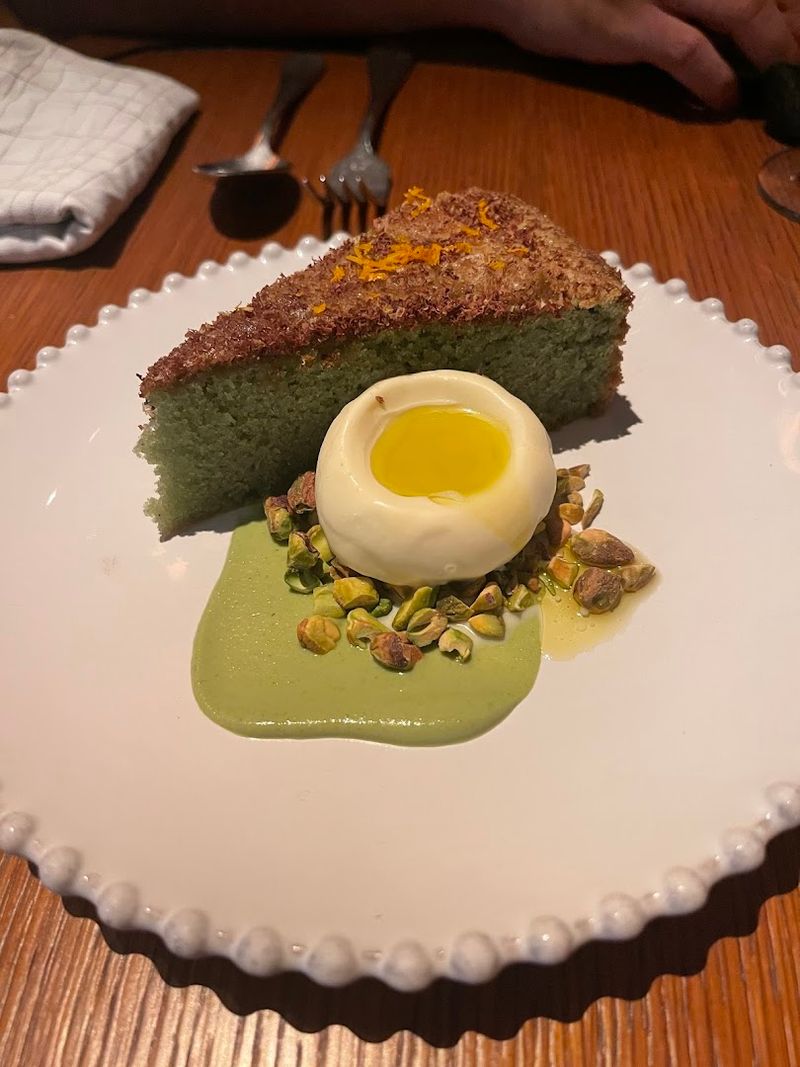
Pistachio cake appears regularly and earns its reputation. Paired with olive oil gelato, it delivers a combination of nuttiness and grassy richness that works in a very different register from traditional dessert sweetness.
The olive oil gelato in particular tends to surprise people who have not encountered it before, carrying a silky texture and a flavor that lingers pleasantly.
The strawberry tiramisu is a seasonal variation that reframes a familiar structure. Rhubarb sorbet alongside it adds tartness that the classic version would never attempt, and the contrast between the creamy tiramisu layers and the sharp sorbet makes the plate feel more alive than a standard dessert course.
Gelato and sorbet options rotate frequently. Banana Biscoff gelato, blueberry ricotta gelato, and raspberry and mango sorbet have all appeared on the menu at various points, each reflecting the kitchen’s willingness to work creatively within the dessert category rather than simply offering safe, predictable options.
Birthday celebrations at San Morello tend to be handled with real attention. Complimentary gelato with a candle, staff acknowledgment throughout the meal, and a dining room atmosphere that makes a celebration feel genuinely special rather than performatively cheerful.
For anyone planning a milestone dinner in Detroit, the dessert course alone makes the reservation worth pursuing.
Starters and Small Plates That Outshine Most Main Courses Elsewhere
Before the pasta arrives, the appetizer section at San Morello does serious work. Housemade rosemary focaccia is the kind of bread that arrives warm and pulls apart easily, carrying enough olive oil and salt to make the table argue about whether to save room for the rest of the meal.
Paired with whipped ricotta or marinated olives, it becomes a course rather than a preamble.
The burrata crostini operates differently from what most Italian restaurants attempt. The combination of fig, burrata, and hazelnuts creates a plate that functions almost like a composed charcuterie moment, with each component contributing something distinct.
The sweetness of the fig, the creaminess of the burrata, and the crunch of the hazelnuts work together without any single element dominating.
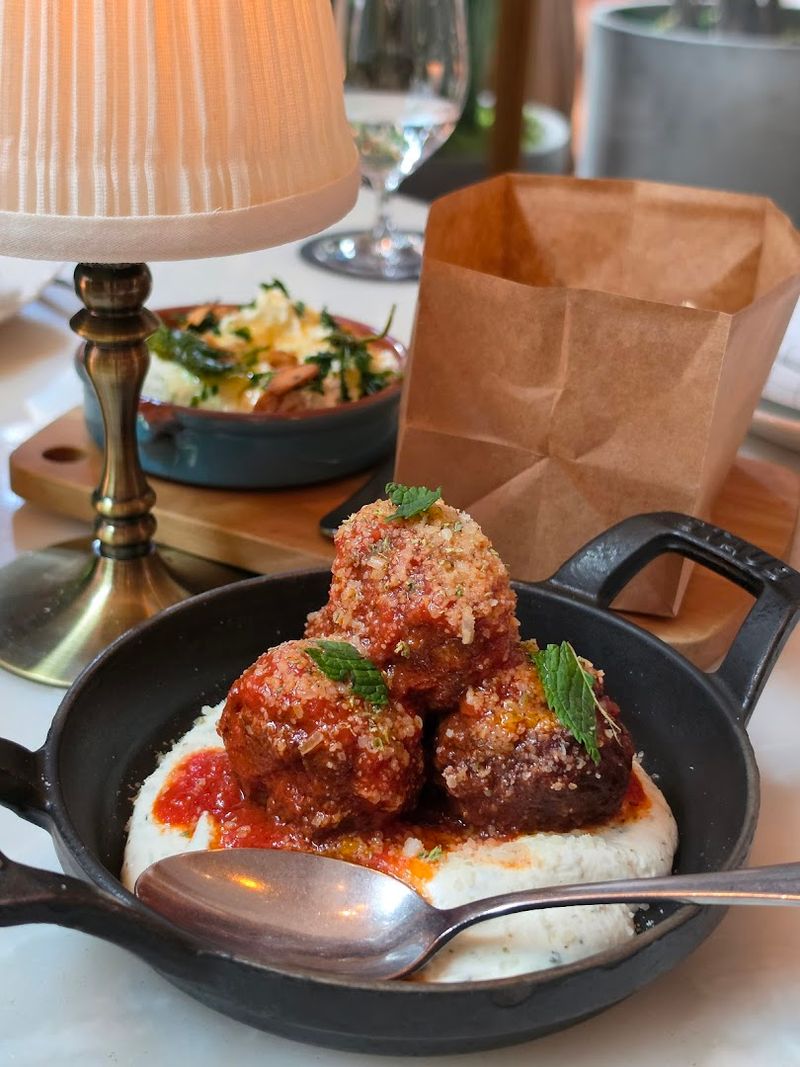
Lamb meatballs have developed a loyal following among regular diners. They are tender rather than dense, seasoned with enough complexity to make them interesting on their own, and served in a preparation that complements rather than masks the lamb’s natural character.
Ordering them alongside the focaccia for dipping is a practical move that most tables figure out quickly.
Arugula with figs, prosciutto, and garlic vinaigrette offers a lighter path through the appetizer section. The bitterness of fresh arugula against sweet figs and salty prosciutto is a classic Italian combination, but the kitchen’s execution keeps the proportions balanced.
The vinaigrette is bright enough to make the greens feel lively rather than dressed down.
Caesar salad with toasted sesame is a departure from the traditional preparation that actually holds up to scrutiny. The sesame addition shifts the flavor profile just enough to make it feel original without losing the structural logic of the dish.
Among Detroit’s Italian restaurants, this starter level of quality is not a given, which makes San Morello’s consistency at this stage of the meal notable.
Wine, Cocktails, and the Bar Seat That Might Save Your Evening
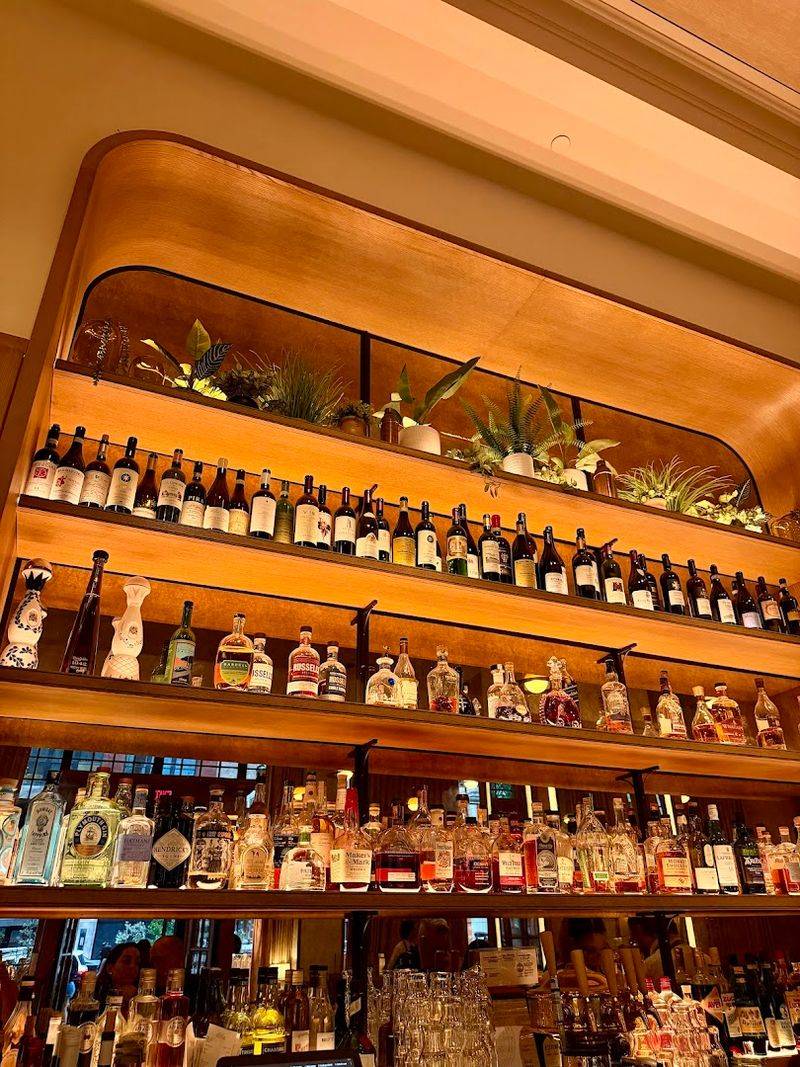
When the dining room is fully booked, which happens more often than not on weekends, the bar at San Morello becomes the most valuable piece of real estate in the building. Walk-in bar seating is available on a first-come basis, and the full food menu is accessible from those seats.
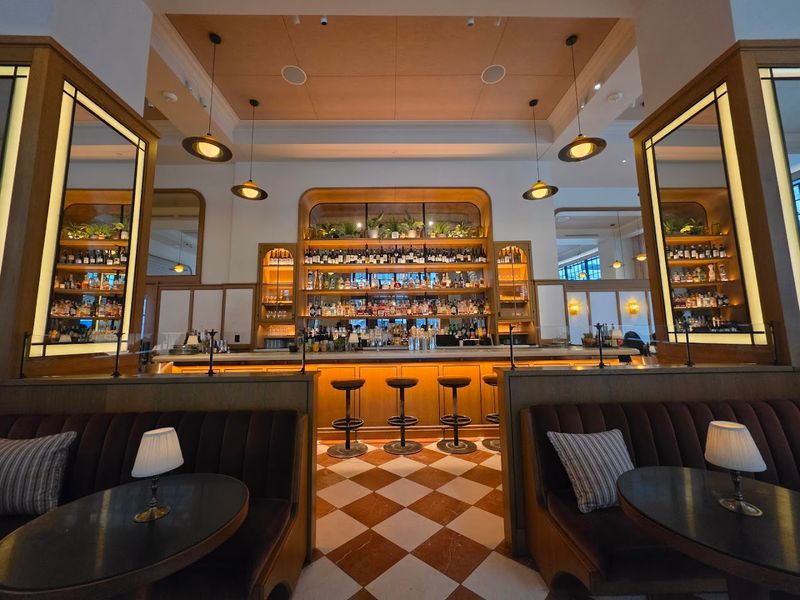
The bar itself is a visual statement, anchored by a backlit wall of spirits that makes the entire section feel like a destination rather than a consolation prize.
The cocktail program leans into Italian-American flavor territory without being predictable about it. Spanish coffee has drawn consistent attention from diners who order it expecting something standard and find something considerably more interesting.
The kitchen’s relationship with citrus and seasonal ingredients extends into the bar program, keeping the cocktail list from feeling static.
Wine service at San Morello is handled with genuine care. The sommelier’s involvement in the dining experience is not performative.
Recommendations are specific and informed, and the wine pairings suggested for the pasta and meat courses are built around enhancing the food rather than simply upselling. For diners who are curious about Italian wine regions beyond the obvious selections, conversations with the floor staff tend to be productive.
Cocktail pours lean generous, which regulars factor into their ordering strategy. A heavier pour on a well-made cocktail at dinner pricing is a trade-off that works in the diner’s favor when the quality holds up.
The bar’s energy at night, with the liquor wall glowing behind the bartender and the dining room humming at full capacity nearby, creates a specific kind of downtown Detroit atmosphere that is difficult to replicate.
For anyone who shows up without a reservation, the bar is the move. Arrive early, claim a seat, and treat the full menu as your own private dining room for the evening.
How to Actually Get a Table and Make the Most of Your Visit
San Morello operates seven days a week, opening at 7 AM every morning and running through dinner service that closes at 10 PM on weekdays, 11 PM on Saturdays, and 9:30 PM on Sundays. That schedule is more generous than it might appear, but the dinner windows between 6 and 9 PM fill with reservations faster than most people expect when they decide to plan a visit.
Making a reservation in advance is the clearest path to a guaranteed table. The reservation process can be set up with the help of the front desk staff, and going into the booking with specific requests, preferred seating areas, or occasion details makes the experience smoother.
Staff members like Gisela, who handles reservations and guest communications, have been noted for giving excellent suggestions and setting the tone for the evening before diners even arrive.
Arriving with a reservation during a busy service period still requires some patience at the host stand. The front-of-house operation runs at high volume during peak hours, and communication between the host stand and the floor can occasionally lag.
Building in a few extra minutes before your reservation time is a practical buffer that reduces stress on both sides.
Breakfast and lunch are significantly easier to access without advance planning. The morning service in particular offers a low-pressure way to experience the kitchen’s range without competing against Detroit’s full dinner-reservation crowd.
For first-time visitors who want to assess the restaurant before committing to a prime-time dinner slot, a breakfast or lunch visit is a smart approach.
The outdoor patio is worth requesting when the weather in Michigan is cooperative. Sitting outside on Woodward Avenue with a glass of wine and a bowl of handmade pasta while downtown Detroit moves around you is an experience that earns the effort of securing the table in the first place.
Share this story