Tennessee’s state parks offer some of the most stunning waterways you’ll ever paddle through, from calm coves to winding rivers surrounded by lush forests. Whether you’re a seasoned kayaker or just getting started, these parks provide the perfect spots to glide across glassy waters while soaking in natural beauty.
Paddling through Tennessee means discovering hidden corners of the state where wildlife thrives and the scenery takes your breath away. Get ready to explore ten incredible state parks where your kayak becomes your ticket to adventure.
1. Harrison Bay State Park – Harrison
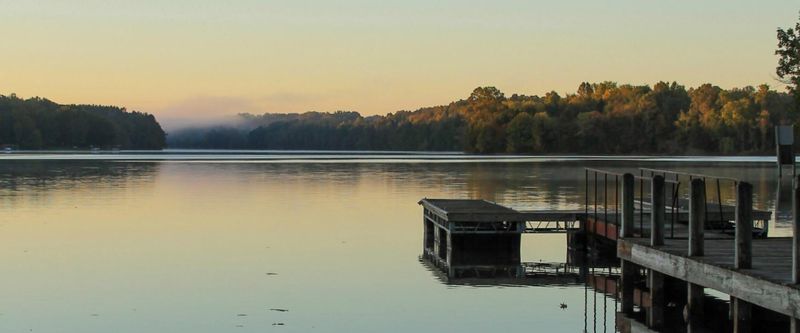
Paddling across Chickamauga Lake at Harrison Bay feels like entering a peaceful world where the water mirrors the sky perfectly. The park sits on a peninsula that juts into the reservoir, giving you miles of shoreline to explore without fighting crowds or noise.
You can launch from the boat ramp and head toward quiet coves where herons fish in the shallows and turtles sun themselves on fallen logs.
The lake here stays relatively calm, making it ideal for beginners who want to build confidence before tackling more challenging waters. Experienced paddlers appreciate the longer routes that wind along the forested edges, offering chances to spot bald eagles during winter months.
The park also provides easy access to camping if you want to make a weekend out of your kayaking adventure.
Early morning launches are magical when mist rises off the water and the world feels brand new. Bring your fishing rod too because the lake is packed with bass, crappie, and catfish that bite throughout the warmer months.
Harrison Bay delivers that rare combination of accessibility and natural beauty that keeps paddlers coming back season after season.
2. Booker T. Washington State Park – Chattanooga
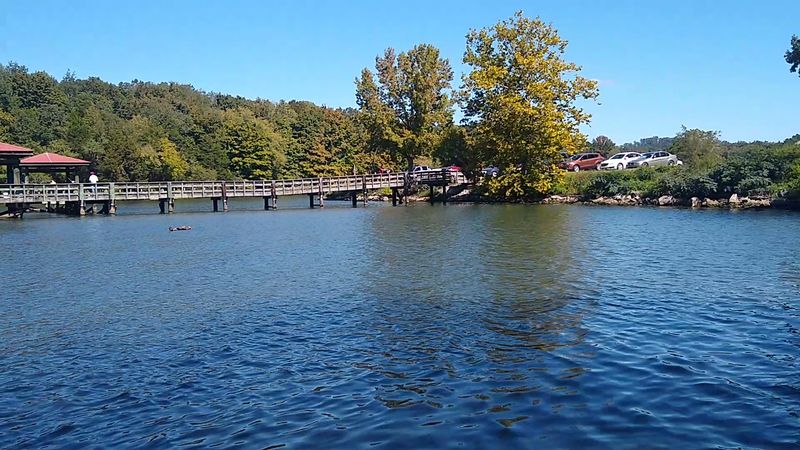
Chickamauga Lake stretches wide and welcoming at Booker T. Washington State Park, where the water stays calm enough for families to paddle together comfortably.
This park earned its name honoring the famous educator, and it lives up to that legacy by offering an educational experience about the natural environment around you. The protected coves here create perfect practice zones for kids learning to handle a paddle for the first time.
You’ll find plenty of room to roam without bumping into other boaters, even on busy summer weekends. The shoreline features a mix of rocky outcrops and sandy patches where you can beach your kayak for a picnic or quick swim.
Wildlife watchers should keep their cameras ready because deer often come down to drink at the water’s edge during quieter hours.
The park maintains excellent facilities including clean restrooms and picnic areas that make full-day trips comfortable for everyone. Sunset paddles here are absolutely stunning when the fading light paints the water in shades of orange and pink.
Whether you’re seeking a peaceful solo journey or a fun outing with friends, this park delivers memorable moments on the water every single time.
3. Paris Landing State Park – Buchanan
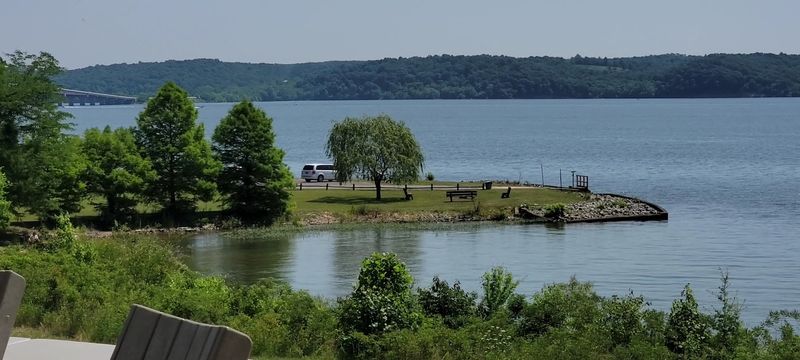
Kentucky Lake unfolds like an endless blue highway at Paris Landing, offering some of the most expansive paddling territory in the entire state. The sheer size of this reservoir means you could kayak for days and still discover new channels, islands, and hidden inlets worth exploring.
Anglers love this spot because the fish population thrives in these nutrient-rich waters, but kayakers appreciate it for entirely different reasons.
The open water here demands a bit more skill and attention to weather conditions than smaller lakes. Wind can pick up quickly across these broad stretches, creating choppy conditions that challenge even experienced paddlers.
That said, staying closer to shore lets you enjoy protected routes where cypress trees dip their roots into the water and create natural tunnels to navigate through.
Spring and fall bring migrating waterfowl that turn the lake into a birdwatcher’s paradise. The park’s marina provides convenient launching points and rental options if you don’t own your own kayak yet.
Camping facilities mean you can wake up steps from the water, load your gear, and start paddling while morning fog still hovers above the surface in dreamy wisps.
4. Pickwick Landing State Park – Counce
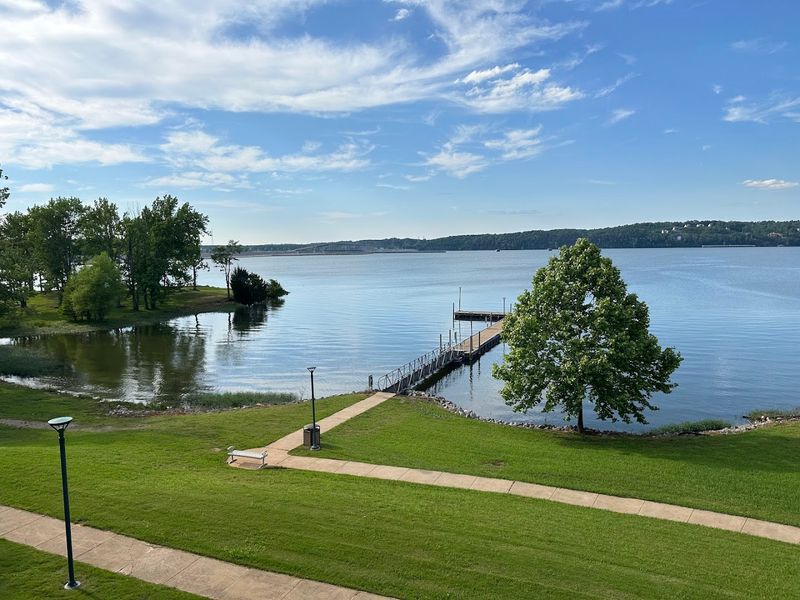
Pickwick Lake spreads across the Tennessee River like liquid glass on calm days, creating paddling conditions that feel almost too perfect to be real. The dam here controls water levels, which means you won’t deal with dramatic fluctuations that leave muddy banks or dangerous currents.
Instead, you get consistent conditions that let you focus on enjoying the scenery rather than worrying about safety hazards.
The park sits right where Tennessee, Mississippi, and Alabama meet, giving the area a unique geographic flavor. Limestone bluffs rise along certain stretches of shoreline, providing dramatic backdrops for your paddling photos.
These rocky formations also create homes for various bird species that nest in the crevices and swoop down to catch fish near the surface.
Summer weekends see plenty of powerboats zipping around, but kayakers can easily find quieter arms and coves away from the main channels. The water stays warm enough for comfortable swimming breaks during hot months.
Local paddlers recommend exploring the areas upstream from the dam where the river narrows and feels more intimate. Pickwick Landing combines big-water adventure with accessible facilities that make planning your trip refreshingly simple and stress-free.
5. Edgar Evins State Park – Silver Point
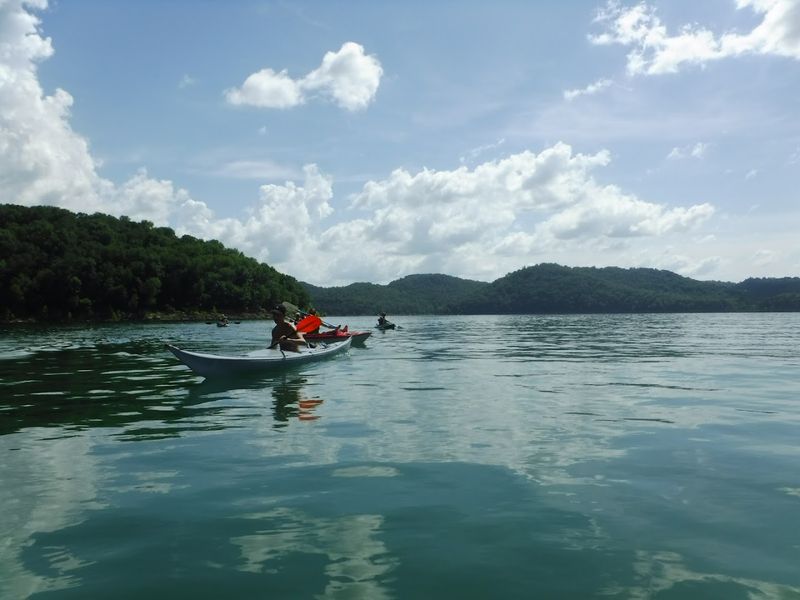
Center Hill Lake wraps around Edgar Evins State Park like a blue ribbon, creating countless coves and channels that beg to be explored by kayak. The lake formed when engineers dammed the Caney Fork River, flooding valleys and creating a paddler’s paradise with over 400 miles of shoreline.
You could spend entire summers here and never paddle the same route twice.
The water here runs deep and stays cool even during scorching July afternoons, fed by springs that bubble up from the limestone bedrock below. This makes it incredibly refreshing when you tip over during practice rolls or just want to cool off between paddling sessions.
The surrounding hills create a bowl effect that often keeps winds manageable compared to more exposed reservoirs.
Fall transforms this area into a kaleidoscope of reds, oranges, and yellows that reflect perfectly on the water’s surface. The park offers both primitive camping and modern cabins, letting you choose your comfort level while staying close to launch points.
Fishermen crowd certain spots chasing smallmouth bass, but kayakers can always find peaceful stretches where the only sounds are paddle strokes and bird calls echoing across the water.
6. Long Hunter State Park – Hermitage
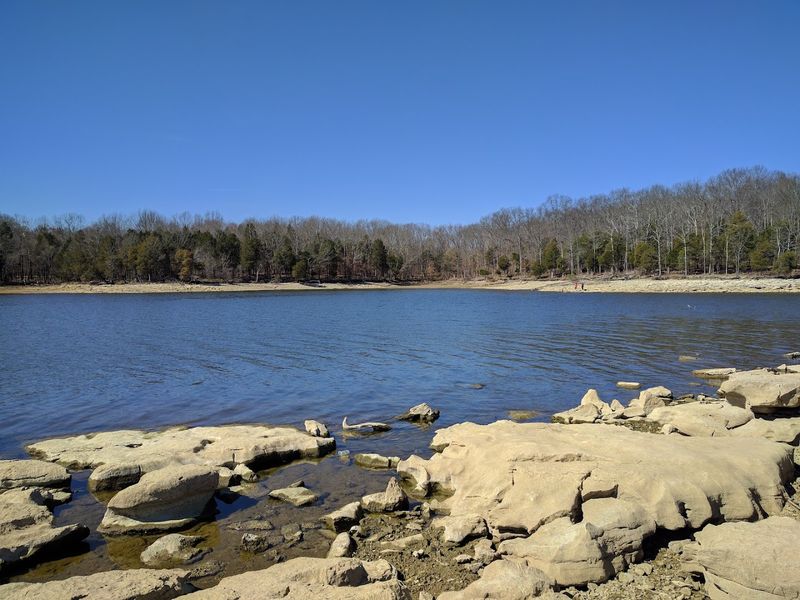
Just minutes from Nashville’s bustling streets, Long Hunter State Park offers an escape into nature that feels worlds away from urban chaos. Percy Priest Lake dominates the landscape here, providing over 14,000 acres of water surface perfect for kayaking adventures.
The proximity to the city means you can finish work, grab your kayak, and still catch golden hour on the water without rushing.
The park features multiple access points along its shoreline, giving you options depending on wind direction and desired difficulty level. Couchville Cedar Glade State Natural Area connects to the park, adding ecological diversity that makes paddling here feel like a natural history lesson.
You might spot osprey diving for fish or watch beavers working on their lodges near quieter inlets.
Weekday paddles offer the most solitude since weekend crowds can get thick during peak season. The lake bottom drops off quickly in many areas, creating that deep blue color that looks amazing in photos.
Winter kayaking is possible here too, though you’ll want to dress appropriately and check water temperatures before launching. Long Hunter proves you don’t need to drive hours into remote wilderness to find quality kayaking experiences worth your time and effort.
7. Warriors’ Path State Park – Kingsport
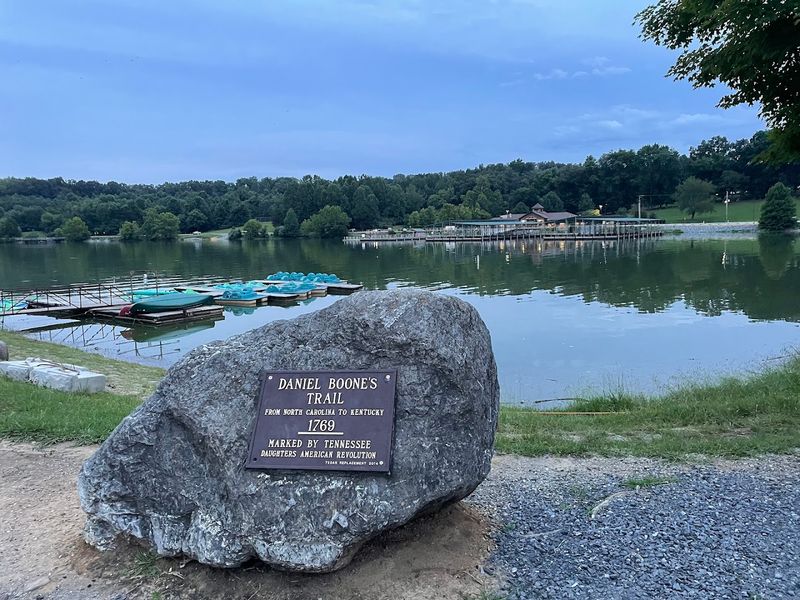
Warriors’ Path takes its name from the ancient trail Cherokee and other tribes used for centuries, and paddling here connects you to that deep history. The park centers around a 165-acre lake created specifically for recreation, meaning it was designed with activities like kayaking in mind from the very beginning.
The manageable size makes it perfect for shorter outings or for paddlers who prefer knowing they can easily return to shore if weather changes.
Unlike the massive reservoirs found at other Tennessee state parks, this lake feels more intimate and contained. You can paddle the entire perimeter in a few hours while still finding quiet corners that feel secluded and private.
The park maintains the surrounding forest carefully, keeping it natural while preventing overgrowth that might block water access or scenic views.
Families appreciate the gentle conditions here since strong currents and boat traffic aren’t concerns like they are on bigger lakes. The park offers paddleboat and kayak rentals if you’re visiting from out of town without your own equipment.
Summer evenings bring fireflies that twinkle along the shoreline, creating magical moments as you glide across the darkening water back toward the launch area.
8. Big Ridge State Park – Maynardville
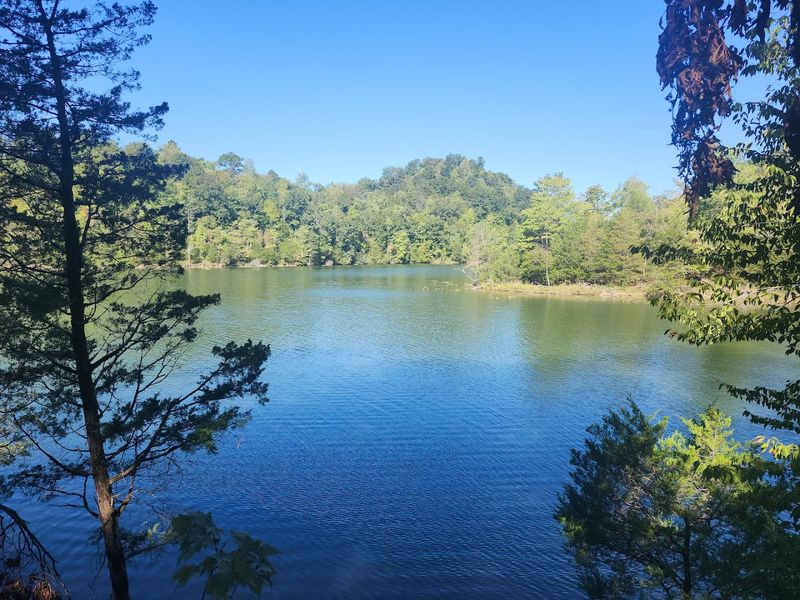
Norris Lake earned its reputation as one of Tennessee’s cleanest and most beautiful reservoirs, and Big Ridge State Park gives you front-row access to its pristine waters. The lake formed in 1936 when the Tennessee Valley Authority built Norris Dam, creating a playground that’s remained popular with paddlers ever since.
The water clarity here often exceeds that of other state park lakes because the watershed stays relatively protected from heavy development.
The park sits in a particularly scenic section where mountain ridges rise steeply from the water’s edge. Paddling here feels more like exploring the Smokies than typical flatland reservoirs found elsewhere in the state.
The park’s name comes from the prominent ridge that defines the landscape, and following the shoreline at its base reveals new vistas around every bend.
Camping options range from basic tent sites to RV hookups, all within easy walking distance of lake access. The cooler water temperatures make summer paddling comfortable even during heat waves that send temperatures soaring inland.
Spring wildflowers bloom along the banks, adding splashes of color to your paddling experience. Big Ridge combines mountain scenery with excellent kayaking conditions in a package that feels authentically Tennessee through and through.
9. Nathan Bedford Forrest State Park – Eva
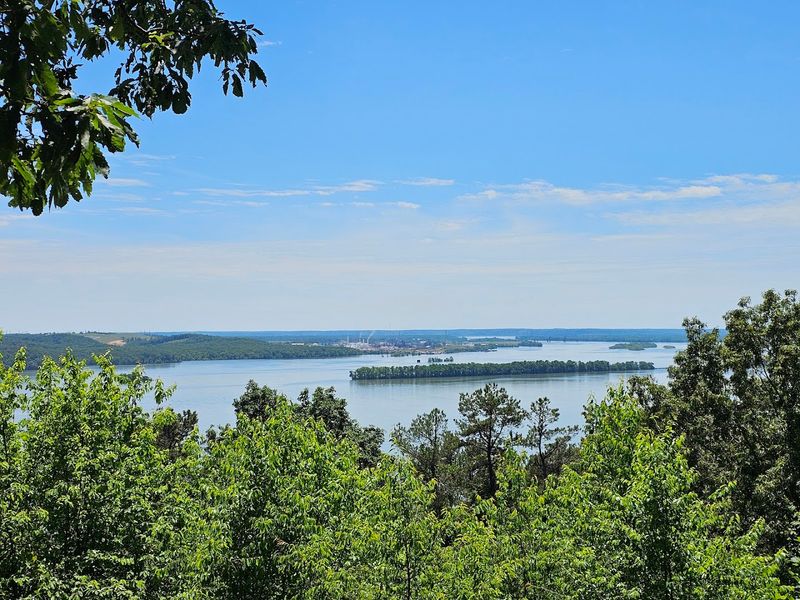
Perched on bluffs overlooking Kentucky Lake, Nathan Bedford Forrest State Park offers dramatic elevation changes that create stunning views before you even launch your kayak. The park commemorates a Civil War battle fought nearby, adding historical depth to your outdoor adventure.
Once you’re on the water, though, history fades into the background as natural beauty takes center stage.
The Tennessee River section here flows wider and calmer than upstream areas, creating conditions that suit paddlers of various skill levels. Pilot Knob, the highest point on the western Tennessee River, rises within the park and serves as a landmark visible from miles away on the water.
You can beach your kayak and hike up for panoramic views that stretch across the lake and into distant counties.
Spring brings amazing wildflower displays along the shoreline that you can only fully appreciate from water level. The park stays less crowded than some other lake destinations, partly because it sits farther from major cities.
This relative isolation means more wildlife encounters and fewer interruptions from motorized boats. Sunset paddles here rank among Tennessee’s finest, with the sun sinking behind western ridges while painting the sky in brilliant colors reflected perfectly on the lake’s surface.
10. Meeman-Shelby Forest State Park – Millington
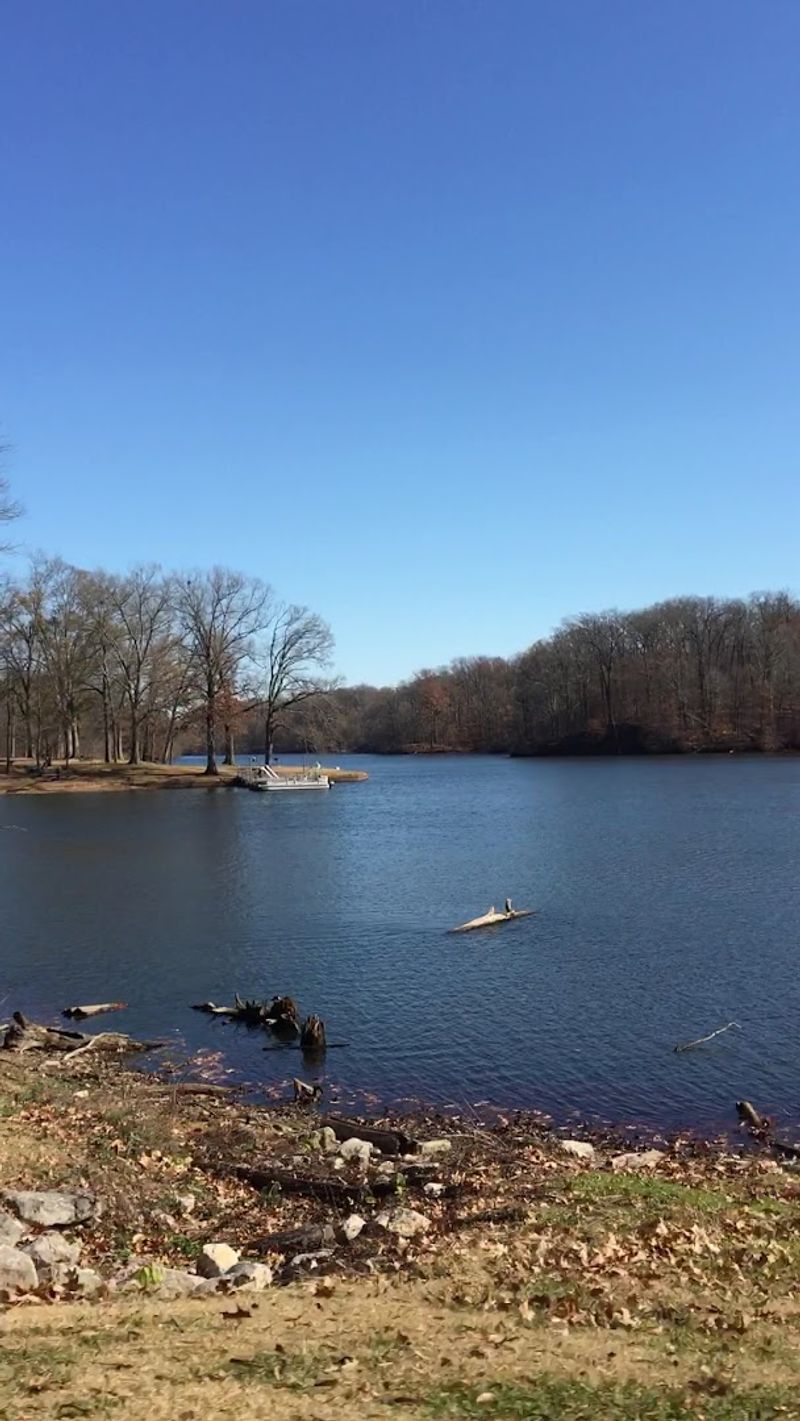
Meeman-Shelby Forest State Park protects one of Tennessee’s last remaining bottomland hardwood forests, creating a kayaking environment unlike anywhere else in the state. The Mississippi River forms the park’s western boundary, but most paddlers prefer exploring the interior lakes and sloughs where cypress trees rise from the water draped in Spanish moss.
This is as close to Louisiana bayou country as you’ll find without leaving Tennessee.
Poplar Tree Lake serves as the main paddling destination within the park, offering a contained environment perfect for observing wetland ecology up close. The still, dark water reflects the surrounding forest like a mirror, creating an almost mystical atmosphere especially during early morning hours.
Alligator gar, ancient fish that look prehistoric, cruise these waters alongside more common species.
The park sits just north of Memphis, making it accessible for city dwellers seeking quick nature escapes. Birdwatching reaches peak quality during spring and fall migrations when countless species stop here to rest and feed.
The forest canopy provides welcome shade during summer, keeping temperatures cooler than open reservoir paddling. Meeman-Shelby offers a completely different kayaking experience compared to other Tennessee state parks, proving the state’s incredible ecological diversity.
Share this story