You do not have to leave Michigan to feel like you have escaped somewhere entirely different. Surrounded by four of the five Great Lakes, the state is home to islands that many travelers never get the chance to see.
Some are easy to reach by ferry, while others take a little more effort, but that effort is almost always worth it. From car-free escapes to wild, untouched wilderness, each island has its own personality.
Whether you are a lifelong Michigander or a curious visitor, these 11 islands are guaranteed to surprise you.
1. Harsens Island
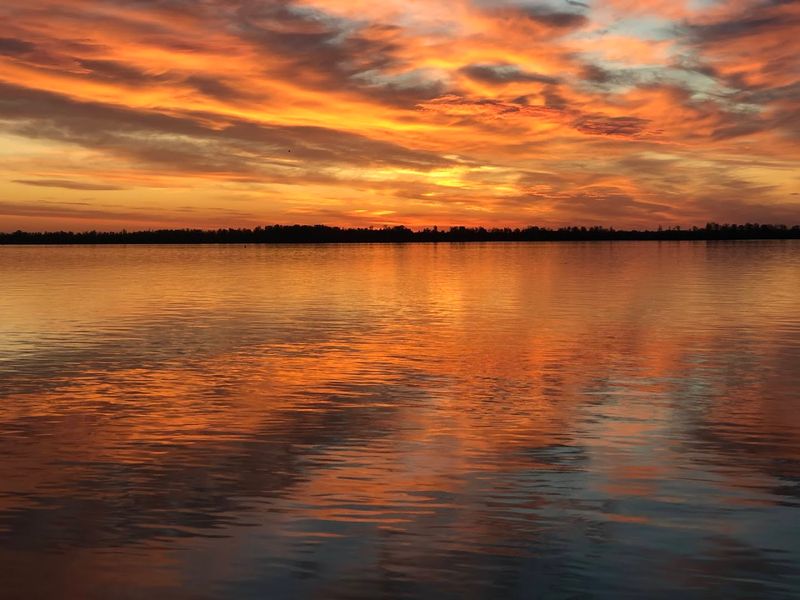
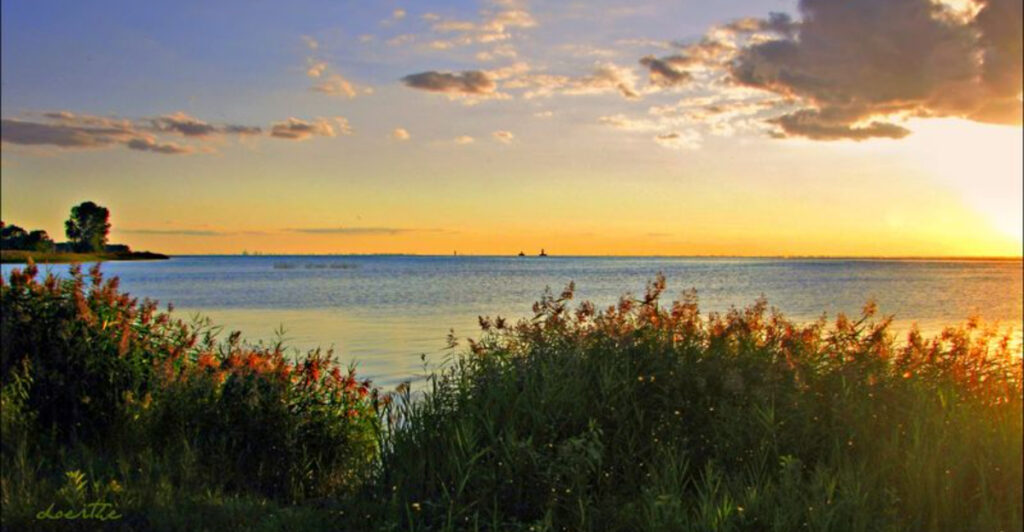
Most people drive past the turnoff for Harsens Island without ever knowing it exists, and that is exactly what makes it so special. Located in the St. Clair River delta at the southern tip of Lake St. Clair, this island is only reachable by ferry — a short ride that somehow feels like crossing into a completely different era.
The ferry runs regularly, but there are no bridges, no big box stores, and no traffic lights once you arrive.
Harsens Island is known as one of Michigan’s best-kept secrets for duck hunting and fishing. The surrounding wetlands and marshes create an incredible ecosystem that draws serious outdoor enthusiasts year after year.
If you’re not into hunting or fishing, the island still has plenty to offer — quiet roads perfect for cycling, charming old cottages, and waterfront views that feel almost too peaceful to be real.
The island has a small, tight-knit community that gives it a nostalgic, unhurried vibe. Locals take pride in keeping things low-key, which means you won’t find tourist traps or overcrowded restaurants here.
The Old Club, a historic private club on the island, has been hosting members since the 1880s, adding a layer of fascinating history to the landscape. Visiting on a warm summer evening, with boats drifting on the water and the sun setting over the delta, is the kind of experience that sticks with you.
Harsens Island won’t show up on many top-ten lists, and that’s honestly part of the charm. If you want Michigan at its most genuine and unfiltered, this quiet delta island is a great place to start.
2. Bois Blanc Island
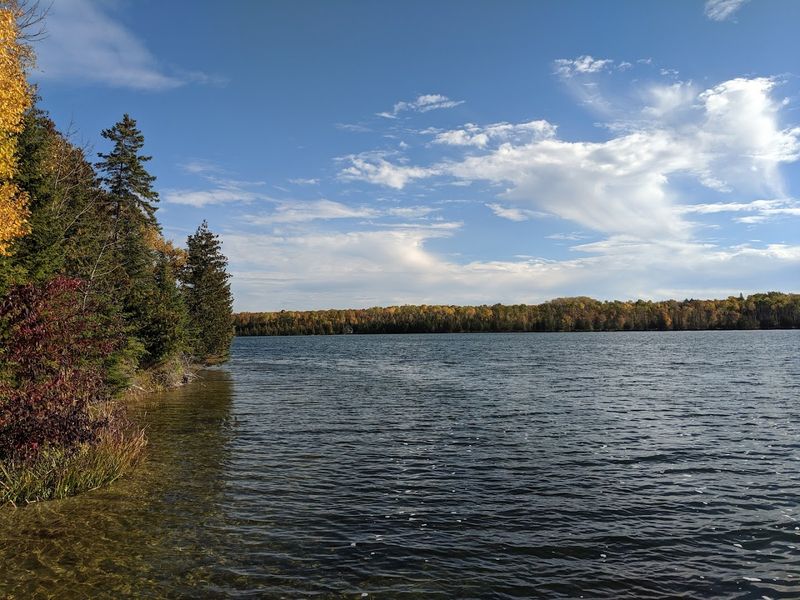
Pronounced “Bob-lo” by locals — a nickname that sounds nothing like its French spelling — Bois Blanc Island sits in Lake Huron just south of Mackinac Island, yet it gets a tiny fraction of the visitors. That contrast is striking when you consider how beautiful this place actually is.
Thick forests, clean shorelines, and an almost meditative quiet define the experience of being here.
The island is accessible by ferry from Cheboygan, and once you arrive, you’ll quickly realize that modern conveniences are minimal by design. There’s no fancy resort, no fudge shop on every corner, and no horse-drawn carriage tours.
What you do get is an honest, unpolished version of Great Lakes island life — one where the loudest sound is often the wind moving through the trees or a loon calling across the water.
Bois Blanc is popular with a loyal crowd of cabin owners and repeat visitors who return each summer like clockwork. Hiking, kayaking, and wildlife watching are the main draws, and the island’s interior forests are home to deer, eagles, and a surprising variety of birds.
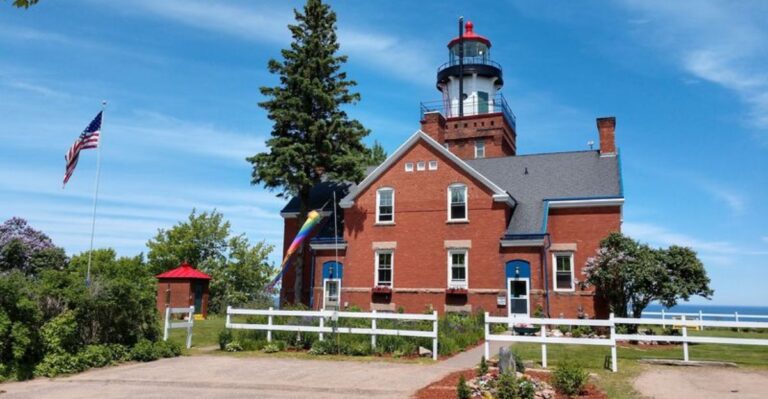
The lighthouse on the northern tip of the island adds a photogenic landmark to any exploration route. Roads on the island are mostly unpaved, which gives the whole place a rugged, off-grid character that feels increasingly rare in today’s world.
If you’re the type of traveler who prefers a hammock between two pines over a hotel pool, Bois Blanc is calling your name. It rewards patience and a willingness to slow down in ways that more popular destinations simply cannot match.
3. St. Helena Island Nature Preserve
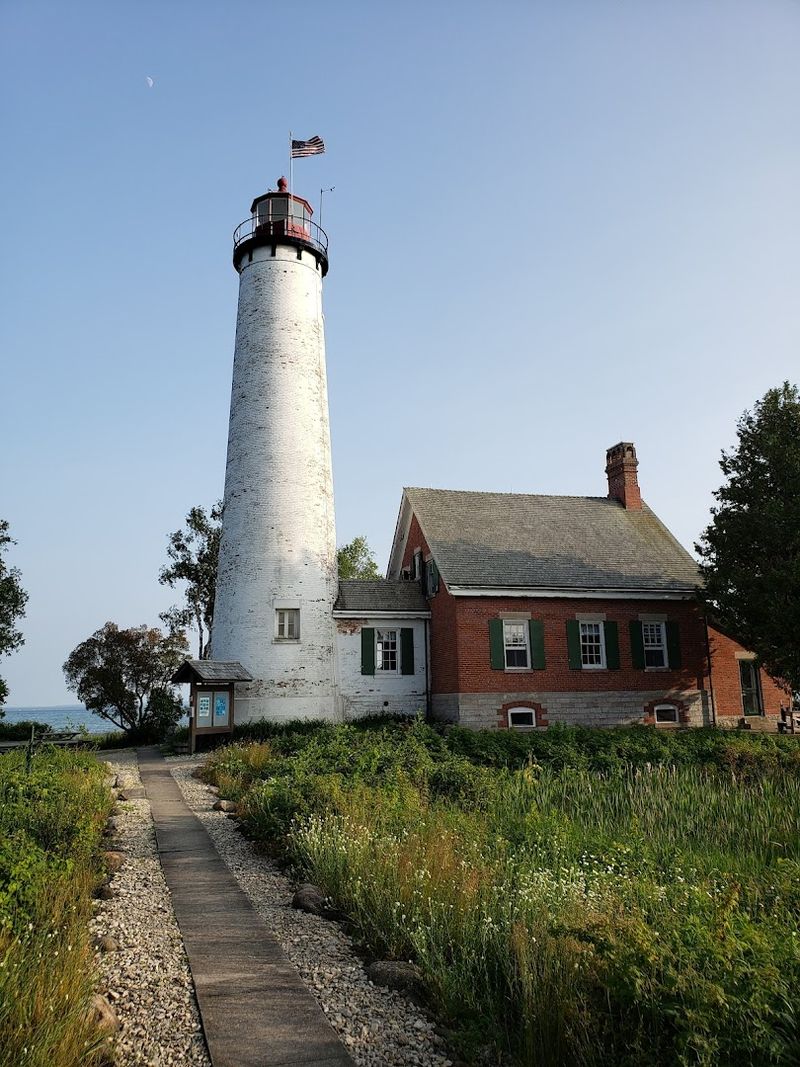
Standing on St. Helena Island feels like stepping into a photograph from another century. Located in the Straits of Mackinac between the Upper and Lower Peninsulas, this small island is home to one of Michigan’s most beautifully restored lighthouses — a structure that dates back to 1873 and has been painstakingly brought back to life by the Great Lakes Lighthouse Keepers Association.
Getting here takes some effort, which is exactly why it remains so unspoiled.
The island is uninhabited and has no regular ferry service, meaning most visitors arrive by private boat or kayak. That barrier keeps the crowds away and preserves a stillness that feels genuinely rare.
Once ashore, you can explore the lighthouse grounds, walk through open meadows, and follow forest trails that wind around the island’s perimeter. The shoreline alternates between sandy beaches and rocky outcroppings, giving the landscape a dynamic, ever-changing character.
The lighthouse restoration project has been a labor of love spanning decades, with volunteers doing much of the hands-on work. Work camps are held during the summer, offering visitors a unique chance to participate in the ongoing preservation effort while staying overnight on the island.
It’s one of those experiences that combines history, physical work, and natural beauty in a way that’s hard to find anywhere else. Birding is also excellent here, with migratory species passing through during spring and fall.
The views across the Straits toward the Mackinac Bridge are absolutely stunning on a clear day, offering a perspective on Michigan’s geography that few people ever get to witness firsthand. St. Helena Island is proof that the most rewarding places often require a little extra effort to reach.
4. High Island
High Island has one of the most unusual histories of any island in the Great Lakes. In the early 1900s, it became home to a religious colony led by a self-proclaimed king named Benjamin Purnell, whose House of David sect established a community here that lasted for decades.
The remnants of that era — old foundations, orchards gone wild, and crumbling structures — still linger in the landscape, giving the island an eerie, layered quality that history buffs find absolutely fascinating.
Located in northern Lake Michigan as part of the Beaver Island archipelago, High Island is now uninhabited and managed as a state wildlife area. Getting here requires a private boat, which limits visitors considerably.
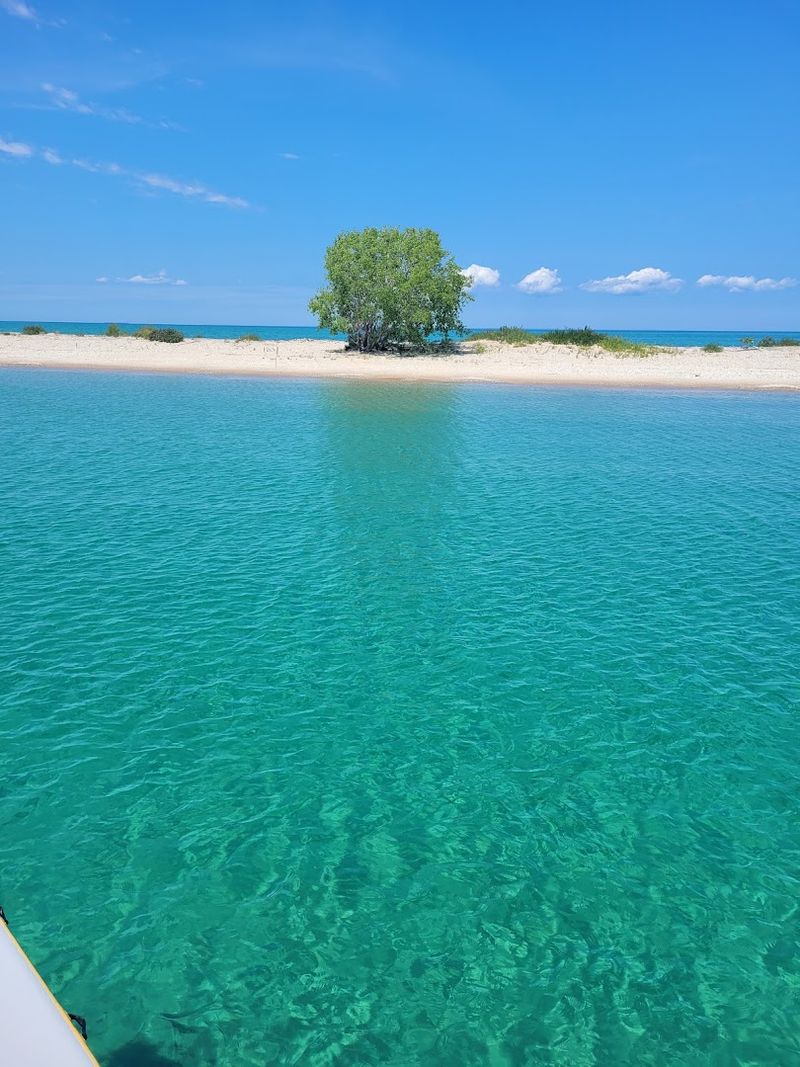
Those who make the trip are rewarded with wild beaches, towering bluffs, and an interior forest that feels completely untouched. Wildlife thrives here, including nesting bald eagles and a healthy population of white-tailed deer.
The island’s elevation — higher than most surrounding islands, hence the name — gives it a dramatic topography that sets it apart visually. Hiking through the interior reveals meadows reclaimed by nature, old-growth trees, and the occasional mysterious artifact from the colony days.
There’s no infrastructure, no maintained trails, and no services of any kind, so visitors need to come fully prepared with supplies and navigation tools. That raw, unmanaged quality is precisely what draws adventurous travelers who want something beyond a typical island day trip.
High Island doesn’t cater to anyone — it simply exists on its own terms, wild and unhurried, waiting for the rare visitor willing to meet it halfway. Few places in Michigan offer this combination of strange history and untamed wilderness in one package.
5. Belle Isle
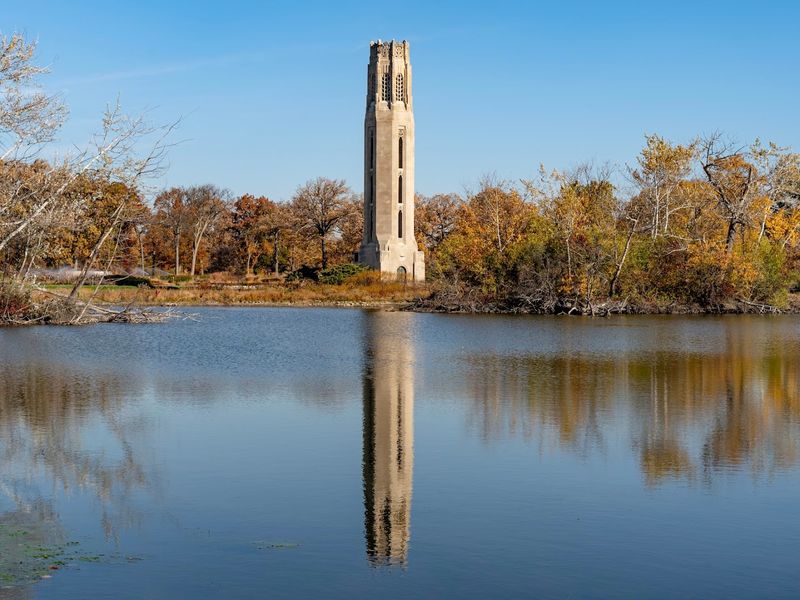
Sitting right in the middle of the Detroit River, Belle Isle is one of the most surprising urban escapes in the entire Midwest. It’s technically a state park now — Michigan took it over from the city of Detroit in 2014 — but it still carries the spirit of a grand public park designed for everyone.
Frederick Law Olmsted, the same landscape architect behind New York’s Central Park, originally drew up plans for Belle Isle in the 1880s, and that legacy of thoughtful design is still visible today.
The island is connected to Detroit by the MacArthur Bridge, making it one of the most accessible spots on this list. But accessible doesn’t mean ordinary.
Belle Isle packs an impressive range of attractions into its 982 acres, including a nature center, an aquarium that’s one of the oldest in the country, a stunning marble fountain, miles of shoreline, and open meadows where deer roam freely. On a clear day, the views of the Detroit skyline and the Windsor, Ontario waterfront are genuinely spectacular.
Weekend visits can get busy during summer, especially for events and festivals, so arriving early on a weekday morning is a solid strategy for a more peaceful experience. The beach area draws swimmers and sunbathers, while cyclists and joggers loop the island’s perimeter path throughout the day.
The Anna Scripps Whitcomb Conservatory, one of the oldest public conservatories in the U.S., houses an impressive collection of tropical plants and orchids worth seeing. Belle Isle reminds visitors that you don’t have to travel far or spend a lot of money to find a genuinely beautiful, layered, and historically rich island experience.
Detroit’s crown jewel deserves far more recognition than it typically gets.
6. Isle Royale
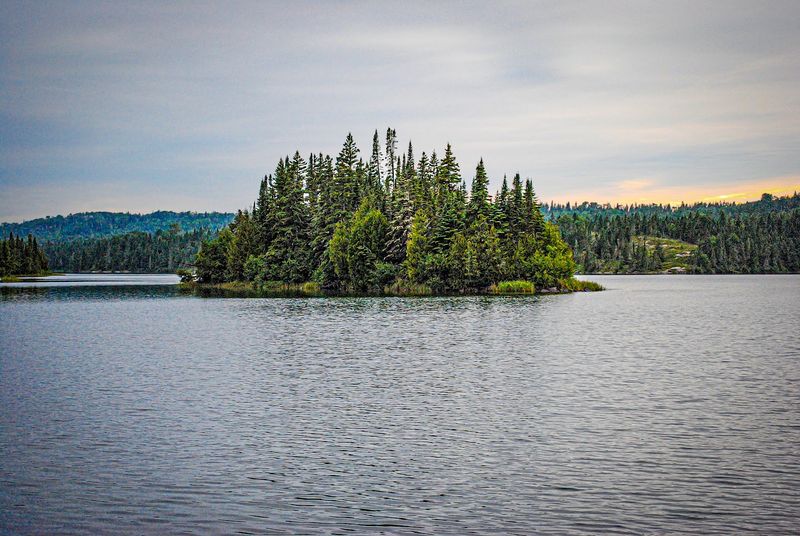
Isle Royale is not for the faint of heart — and that’s meant as the highest compliment. This remote island national park sits in the northwest corner of Lake Superior, closer to Minnesota and Canada than to most of Michigan’s population centers.
There are no roads connecting it to the mainland, no cell service, and no casual day-trip option. Getting here requires a ferry ride of several hours or a floatplane, and the park closes entirely from November through mid-April due to brutal winter conditions.
What awaits those who make the journey is one of the most pristine wilderness experiences in the entire United States. Isle Royale has been a national park since 1940 and a UNESCO Biosphere Reserve since 1980, recognizing its extraordinary ecological value.
The island is famous for its ongoing wolf and moose research — one of the longest-running predator-prey studies in the world has been conducted here since 1958. Spotting a moose wading in one of the island’s many inland lakes is the kind of wildlife encounter that stays with you forever.
Backpackers and kayakers are the primary visitors, tackling the Greenstone Ridge Trail or paddling the island’s rugged coastline. The park sees fewer than 30,000 visitors per year — making it one of the least-visited national parks in the country, which is remarkable given how spectacular it is.
Lodging is available at Rock Harbor and Windigo for those who prefer not to camp, but even the lodge experience here is rustic and intentional. The night skies over Isle Royale are among the darkest in the Midwest, offering stargazing that urban and suburban residents rarely experience.
If Michigan has one island that truly earns the word “unreal,” Isle Royale is it.
7. Beaver Island
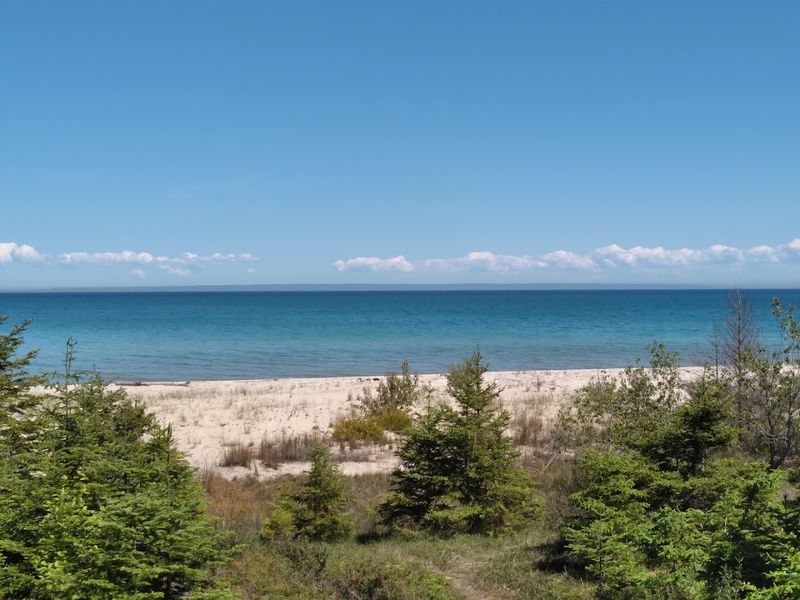
Beaver Island calls itself the Emerald Isle of America, and once you arrive, it’s easy to see why the nickname stuck. A significant Irish immigrant population settled here in the 1800s, and traces of that heritage are woven into the island’s culture, place names, and annual festivals.
The island is the largest in Lake Michigan, covering about 56 square miles, and it sits roughly 32 miles off the coast of Charlevoix — far enough to feel like a genuine escape, close enough to reach by ferry in about two hours.
The town of St. James is the island’s social hub, with a handful of restaurants, a grocery store, a hardware store, and a few shops that cater to both locals and visitors. Life here moves at a pace that feels almost rebellious compared to the mainland.
Locals embrace the isolation rather than fighting it, and that attitude gives the whole community a warmth and self-sufficiency that’s genuinely infectious. Year-round residents number only around 650, but the summer population swells considerably.
Outdoor activities are the main draw for most visitors — kayaking, cycling on quiet forest roads, fishing, and hiking through the island’s interior nature areas. The Beaver Island Archipelago includes several smaller surrounding islands that can be explored by boat.
History runs deep here too: in the 1850s, a self-declared Mormon king named James Strang ruled the island before being assassinated by his own followers, making it the setting of one of the strangest stories in Michigan history. The island’s two museums do a fantastic job of capturing both the Strang era and the Irish heritage that followed.
Beaver Island is layered, lively, and completely one-of-a-kind.
8. Drummond Island
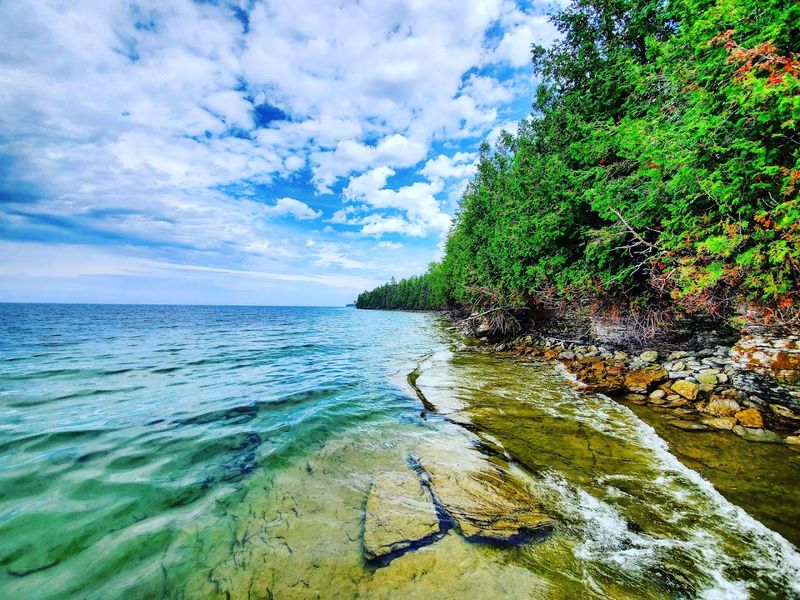
Drummond Island earns its nickname — “the gem of the Huron” — through sheer geological drama. Located in the northeastern corner of Lake Huron near the St. Mary’s River, the island is famous for its extraordinary limestone formations, crystal-clear water, and rugged terrain that rewards explorers willing to get off the main roads.
It’s reachable by a short ferry ride from Detour Village on the eastern Upper Peninsula, making it one of the more accessible UP island destinations.
The island covers about 136 square miles, making it the largest U.S. island in Lake Huron, though you’d never guess its size from the quiet, unhurried pace of daily life here. ORV trails crisscross the interior, making Drummond a popular destination for off-road enthusiasts who want to cover serious ground through forests and along dramatic shoreline routes.
Fishing is exceptional, particularly for walleye, perch, and smallmouth bass in the surrounding waters. The island also has a growing reputation for kayaking, with the exposed limestone shoreline creating a visually stunning paddling environment.
Small resorts, rustic cabins, and campgrounds provide lodging options that suit a range of budgets and comfort levels. The community is small and welcoming, with locals who genuinely seem happy to share their island with visitors who appreciate what makes it special.
Wildflowers bloom prolifically in spring and early summer, and fall color on Drummond is nothing short of spectacular. The combination of geological uniqueness, outdoor recreation, and genuine Upper Peninsula character makes Drummond Island a destination that stands apart from anything you’ll find on the Lower Peninsula.
First-time visitors almost always leave already planning a return trip — that’s just the Drummond Island effect.
9. Sugar Island
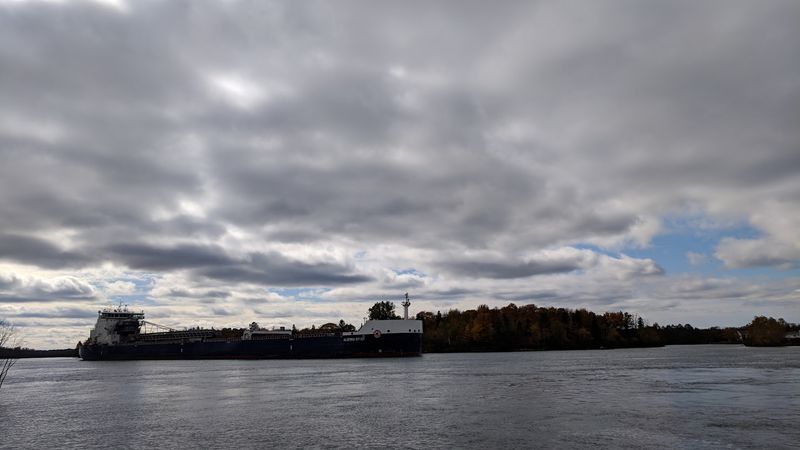
Tucked between the United States and Canada in the St. Mary’s River, Sugar Island occupies one of the most geographically interesting positions of any island in Michigan. It sits just east of Sault Ste.
Marie, with Canadian territory visible across the water on one side and the Upper Peninsula on the other. That borderland character gives the island a quietly unique identity — it’s American soil, but it feels like it exists in its own in-between world.
A free ferry operated by Chippewa County connects Sugar Island to the Sault Ste. Marie area, making it one of the easiest UP islands to visit without a boat of your own.
The island is home to a small permanent community, a mix of full-time residents and seasonal cabin owners who value the privacy and natural surroundings that island life provides. Roads are unpaved and sparse, which keeps the pace slow and the landscape largely undisturbed.
The Ojibwe people have deep historical ties to Sugar Island, and the Bay Mills Indian Community maintains a presence and cultural connection to the land that adds meaningful context to any visit. Fishing is a major draw, particularly for walleye and northern pike in the St. Mary’s River system.
Wildlife watching is rewarding throughout the year, with bald eagles, great blue herons, and river otters frequently spotted along the shoreline. Fall is arguably the best time to visit, when the island’s mixed hardwood and pine forests erupt in color and the crowds thin out considerably.
Sugar Island doesn’t try to impress anyone with amenities or attractions — it simply offers solitude, natural beauty, and a connection to a part of Michigan that most people drive right past without stopping.
10. Neebish Island
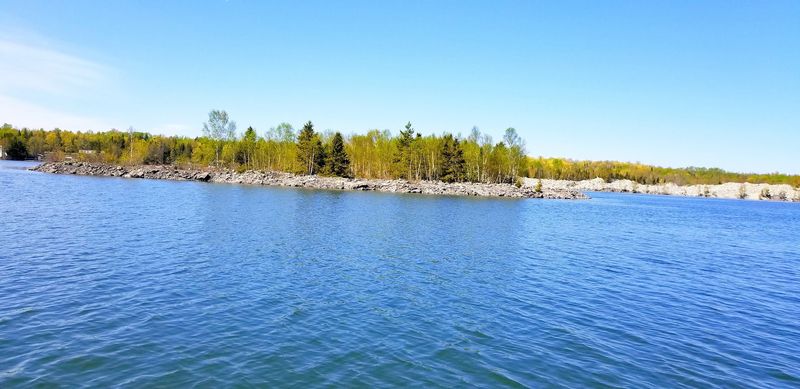
Neebish Island might be the least-known entry on this list, and that obscurity is a badge of honor. Also located in the St. Mary’s River between the Upper Peninsula and Ontario, Neebish sits just south of Sugar Island and shares that same borderland atmosphere.
A small cable ferry connects it to the mainland, and the island’s population is so sparse that visiting feels less like tourism and more like stumbling onto a well-kept secret.
What makes Neebish genuinely remarkable is the front-row seat it offers to one of the world’s busiest freshwater shipping lanes. Giant Great Lakes freighters — some stretching over 1,000 feet long — pass through the Neebish Channel so close to shore that you can practically read the names painted on their hulls.
For anyone fascinated by maritime history or industrial scale, watching these massive vessels navigate the narrow channel is a mesmerizing experience unlike anything else in Michigan.
The island’s interior is heavily forested, with minimal development and a handful of seasonal cabins scattered through the trees. Hiking, fishing, and wildlife observation are the primary activities, and the absence of crowds makes all of them more enjoyable.
The St. Mary’s River ecosystem is rich and productive, supporting diverse fish populations and a wide variety of bird species that use the river corridor as a migration route. Sunsets over the river channel, with a freighter silhouetted against the orange sky, are the kind of visuals that make photographers weep with joy.
Neebish Island is genuinely off the radar, and for travelers who measure the quality of a destination by how few other people know about it, this quiet river island is pure gold.
11. Mackinac Island
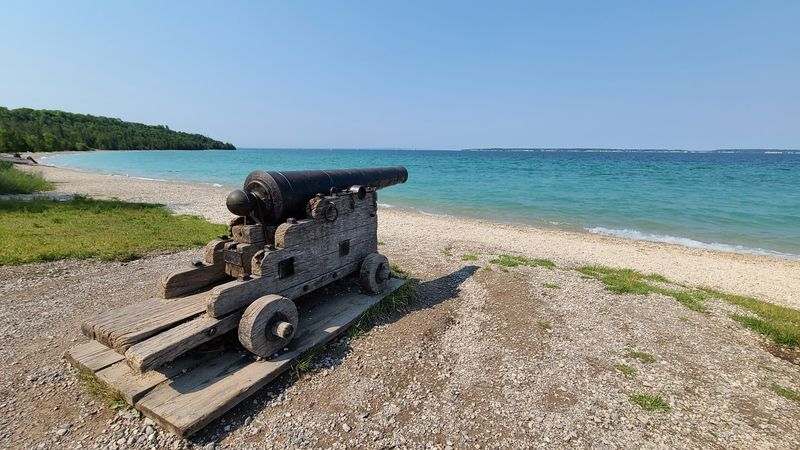
No list of Michigan islands would be complete without Mackinac Island, and no amount of hype has ever managed to outrun the reality of actually being here. Situated in the Straits of Mackinac between the Upper and Lower Peninsulas, this island banned motorized vehicles over a century ago — and somehow, that decision made it more relevant with every passing decade rather than less.
Horses and bicycles are the primary modes of transportation, and the absence of car noise gives the whole place a sensory quality that modern life rarely offers.
The island is famous for its fudge — seriously, the fudge shops are legendary — but reducing Mackinac to candy would be doing it a disservice. Fort Mackinac, perched on a limestone bluff above the town, offers one of the most engaging living history experiences in the Midwest, with costumed interpreters, cannon firings, and sweeping views of the Straits.
The Grand Hotel, with its 660-foot front porch (the longest in the world), has been hosting guests since 1887 and remains one of the most iconic buildings in Michigan.
Cycling the 8-mile perimeter road around the island is a rite of passage for visitors, with stunning water views at nearly every turn. Arch Rock, a naturally formed limestone arch rising 146 feet above Lake Huron, is a geological showstopper that genuinely earns the effort of the climb.
The island draws around 900,000 visitors per year, making it the busiest destination on this list by a significant margin — but even with the crowds, Mackinac manages to deliver an experience that feels genuinely transporting. Arriving by ferry on a clear morning, with the white buildings and green bluffs coming into view, is a moment that never gets old no matter how many times you’ve made the trip.
Share this story