
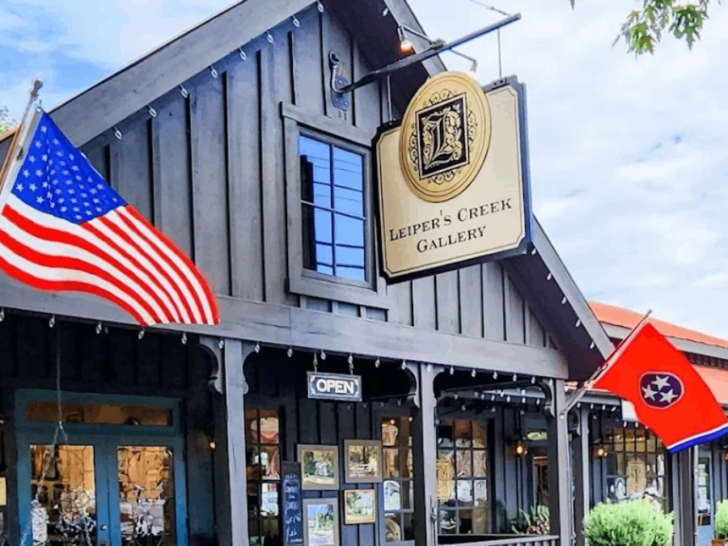
Tucked away in the rolling hills of Williamson County, Tennessee, there’s a tiny village that seems frozen in a different era. Leiper’s Fork is a hidden gem where life moves slower, front porches still matter, and neighbors actually know each other by name.
With a population of just 650 people spread across about 1,100 acres, this unincorporated village offers something rare in today’s fast-paced world: a genuine escape to simpler times that feels nothing like the bustling cities and tourist-packed towns Tennessee is known for.
A Tiny Village Hidden in the Hills of Tennessee
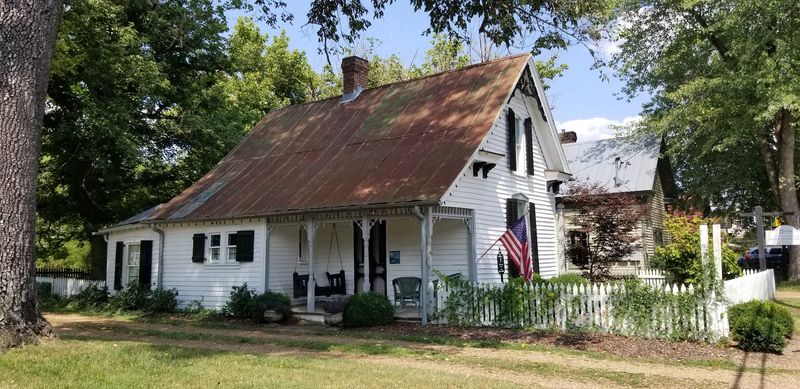
Most people driving through Tennessee never even know Leiper’s Fork exists. This unincorporated village sits quietly in Williamson County, about 30 miles southwest of Nashville, where the landscape shifts from suburban sprawl to genuine countryside. Unlike the honky-tonks of Broadway or the tourist crowds in Gatlinburg, this place remains authentically untouched by modern development.
The village covers roughly 1,100 acres and is home to around 650 residents who prefer it that way. There are no chain restaurants, no big-box stores, and no traffic lights to interrupt the peaceful rhythm of daily life. Instead, you’ll find winding country roads, historic buildings, and a community that still values face-to-face conversations over digital connections.
What makes Leiper’s Fork truly special is how it preserves a version of Tennessee that’s becoming harder to find. While the rest of the state races toward growth and tourism, this tiny village chooses preservation and authenticity, creating an atmosphere that feels more like stepping into a storybook than visiting a real place.
Where Front Porches, Country Roads, and Slow Living Still Exist
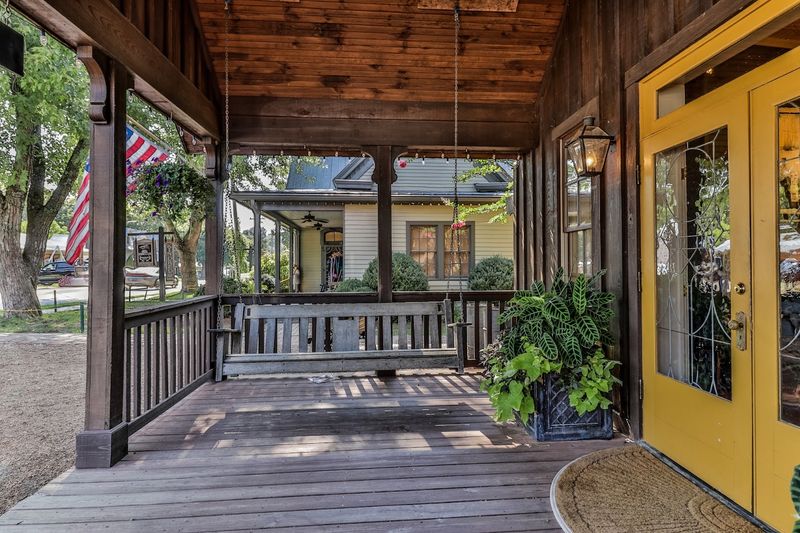
Walking through Leiper’s Fork feels like traveling back to when people actually sat on their front porches and waved to passersby. The village operates on what locals call “porch time” rather than clock time, where conversations matter more than schedules.
The roads here don’t rush anywhere in particular. They meander past historic homes, family farms, and open fields where horses graze peacefully. There’s no need for GPS or complicated directions because everything important sits within a short walk or leisurely drive.
This unhurried pace isn’t just charming—it’s intentional.
Residents and visitors alike find themselves naturally slowing down here. Whether you’re browsing a local shop, enjoying live music, or just sitting outside watching the world go by, Leiper’s Fork reminds you that life doesn’t always need to move at breakneck speed.
Historic Buildings That Tell the Story of the Village
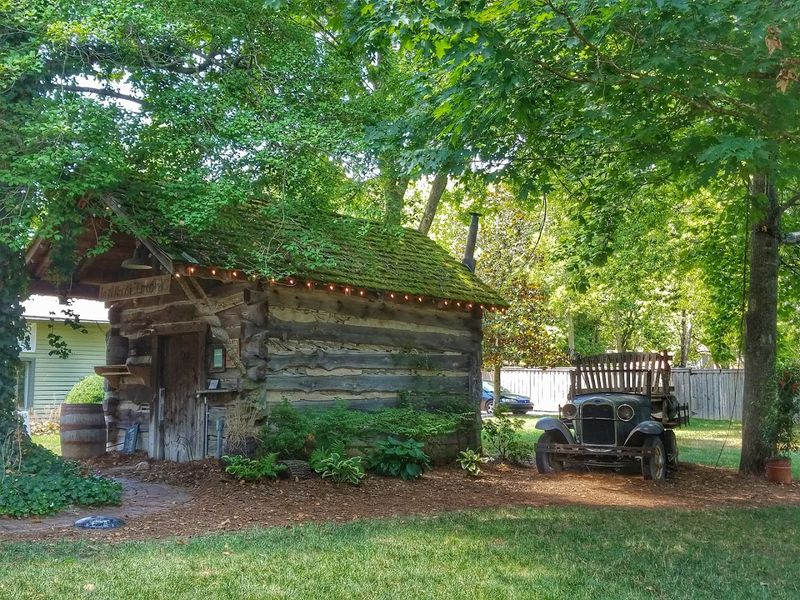
The buildings in Leiper’s Fork aren’t just old—they’re storytellers. Many structures date back to the 1800s, when the village served as a stopping point for travelers and farmers bringing goods to market.
Look closer and you’ll spot different treasures: the old blacksmith shop, historic homes with original details intact, and buildings that once housed essential businesses when Leiper’s Fork was a thriving rural center. Each structure carries marks of its past—worn wooden floors, hand-forged hardware, and construction techniques rarely seen anymore.
People still shop, eat, work, and gather in spaces their great-grandparents might have visited. This living history creates an authentic connection to the past that you simply can’t experience in newer developments or carefully curated historic districts.
Art Galleries, Boutiques, and Creative Local Shops
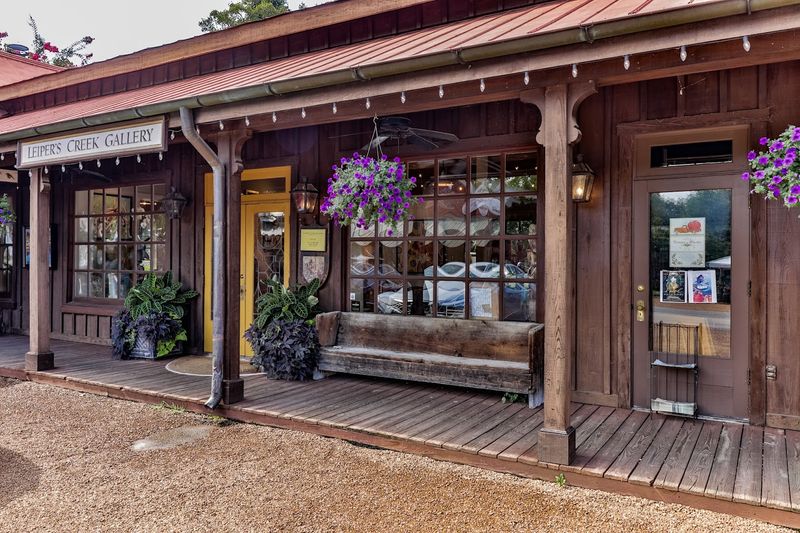
Despite its tiny size, Leiper’s Fork punches way above its weight when it comes to arts and culture. The village has become a haven for artists, craftspeople, and creative entrepreneurs who’ve transformed historic buildings into galleries, studios, and boutiques.
Local artisans sell pottery, jewelry, leather goods, and other one-of-a-kind items you’d never find in a mall. The shopping experience itself feels personal, with owners often present to share stories about their work and creative process.
This creative energy didn’t happen by accident. Artists discovered Leiper’s Fork decades ago, drawn by affordable spaces, natural beauty, and a community that values craftsmanship over mass production. Their presence transformed the village into a cultural destination where visitors come specifically to discover unique pieces and support independent makers.
Live Music and the Sound of Tennessee Culture
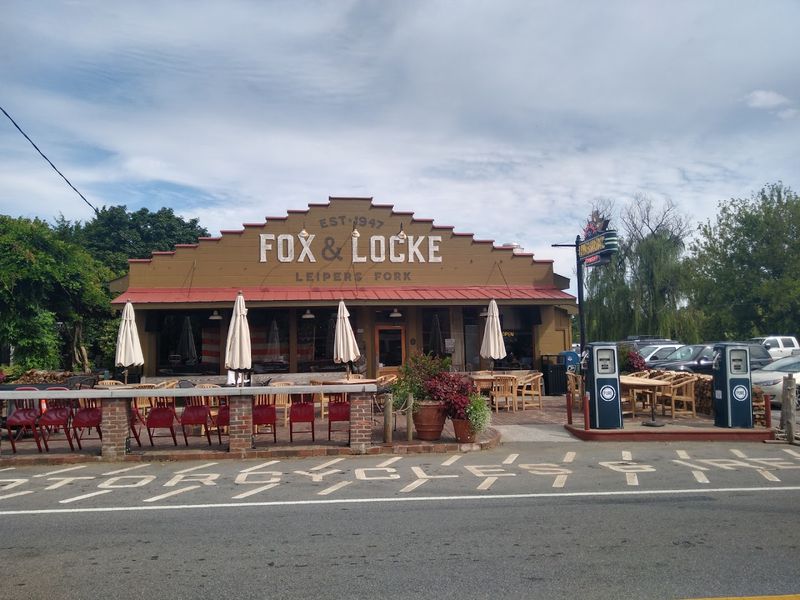
Music isn’t just entertainment in Leiper’s Fork—it’s the heartbeat of the community. Any given weekend, you’ll hear live performances echoing from Fox & Locke, where local and touring musicians play everything from bluegrass to country to folk. The venue is small, the atmosphere intimate, and the talent often surprisingly world-class.
Performers might include Grammy winners testing new material alongside talented singers just starting their careers.
The village celebrates this musical heritage year-round, but it reaches fever pitch during events like the annual songwriter nights and impromptu jam sessions. Locals say you haven’t truly experienced Tennessee music culture until you’ve heard it in a setting like this—where the focus stays on the songs, the stories, and the shared experience rather than flashy production or commercial appeal.
Famous Faces and Why Celebrities Love This Quiet Village
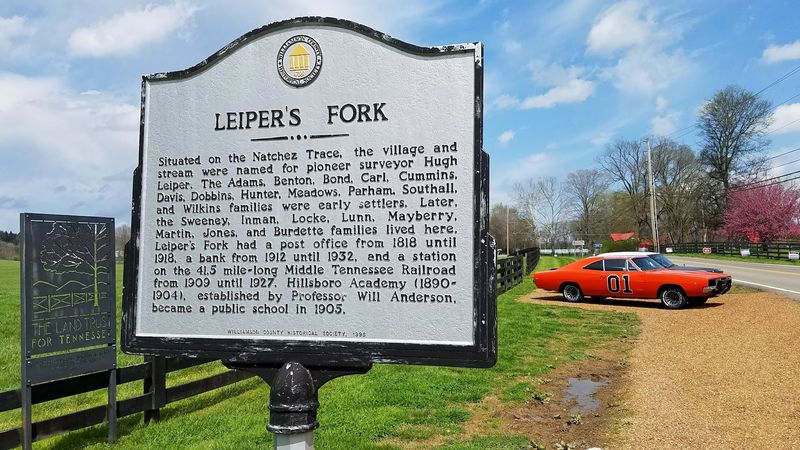
Here’s a surprising fact: some of country music’s biggest stars call Leiper’s Fork home. Artists like Sheryl Crow, Kacey Musgraves, and members of Kings of Leon have all spent significant time in this tiny village. But don’t expect celebrity sightings to turn into paparazzi chaos—that’s precisely why famous folks love it here.
Leiper’s Fork offers something money can’t buy in most places: genuine privacy. Celebrities can grab coffee, browse shops, or enjoy dinner without being mobbed by fans or followed by photographers. The locals treat everyone the same, whether you’ve won Grammys or work at the local hardware store.
This respect for privacy creates an environment where famous faces can actually relax and be themselves.
The village’s creative spirit also appeals to artists seeking inspiration away from Nashville’s music industry pressures. Many maintain homes or studios here, drawn by the same qualities that attract everyone else—natural beauty, authentic community, and that rare commodity in modern life: peace and quiet.
Why Leiper’s Fork Feels Like a Step Back in Time

Visiting Leiper’s Fork creates an almost magical sense of time travel. The village has managed something incredibly rare in modern America: it has grown and changed without losing its soul. While surrounding areas have succumbed to suburban sprawl and commercial development, this tiny community made conscious choices to preserve what makes it special.
There’s no McDonald’s golden arches here, no Walmart parking lot, no cookie-cutter housing developments. Instead, the landscape looks remarkably similar to how it appeared decades ago—rolling hills, historic buildings, and wide-open spaces where development remains deliberately limited.
Leiper’s Fork offers something rare: a genuine connection to the past that doesn’t feel tourist-focused. It’s become one of Tennessee’s most charming hidden destinations precisely because it refuses to become just another roadside attraction, choosing instead to remain exactly what it’s always been—a real village where real people live real lives.