
Hidden away in Gray, Tennessee, the Gray Fossil Site offers a fascinating glimpse into a prehistoric world that has completely changed what scientists thought they knew about ancient Appalachia.
This is not the kind of place with a few dusty displays and old fossils sitting behind glass. It is an active paleontological dig where researchers are still making incredible discoveries, uncovering fossils from animals that once roamed this region millions of years ago.
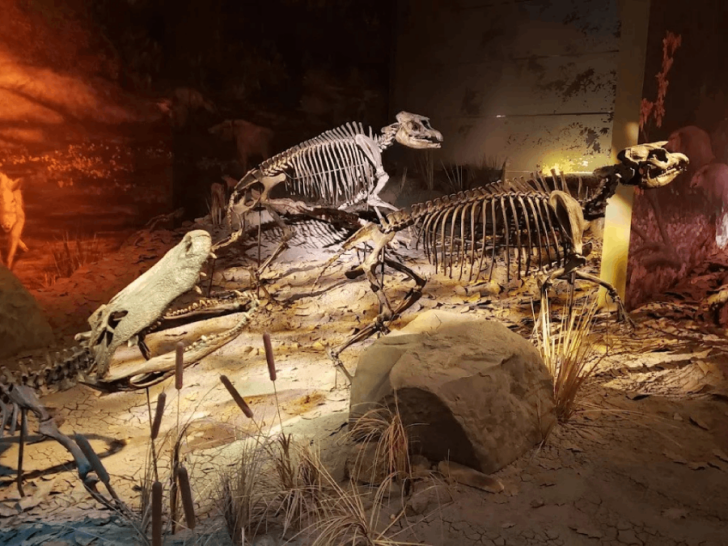
It’s almost hard to picture rhinos, red pandas, and alligators living in the same Tennessee landscape, but that surprising mix is exactly what makes this site one of the state’s most unique and remarkable hidden gems.
A Prehistoric Treasure Hidden in Gray, Tennessee
Most people zoom past Gray on their way to bigger destinations, completely unaware they’re driving by one of North America’s most significant fossil discoveries. Back in 2000, road construction workers stumbled upon something extraordinary—a sinkhole packed with millions of years of perfectly preserved prehistoric life.
What started as a construction delay turned into a paleontological goldmine that’s still yielding new discoveries today.
The site preserves a snapshot of life from around 4.5 to 7 million years ago, when Tennessee looked nothing like it does now. Instead of rolling hills and forests, this area was a lush subtropical environment teeming with exotic animals. The fossils here aren’t scattered bits and pieces—they’re incredibly well-preserved specimens that tell vivid stories about ancient ecosystems.
What makes this place truly special is that it’s not locked away in some remote research facility. Visitors can watch real paleontologists doing actual fieldwork, see fossils being cleaned in the laboratory, and explore exhibits featuring creatures that seem impossibly out of place in Tennessee.
The discovery transformed our understanding of Ice Age migration patterns and climate change across millions of years, all from one remarkable sinkhole in Gray.
What Makes the Gray Fossil Site So Unique
Unlike typical fossil sites where bones are scattered across vast areas, the Gray Fossil Site functions like a prehistoric time capsule. The ancient sinkhole acted as a natural trap, collecting animals, plants, and sediment over thousands of years.
The preservation quality here rivals some of the world’s best fossil sites. Delicate bones that usually crumble away survived intact, along with plant material, pollen, and even traces of soft tissue in some specimens. Scientists have identified over 100 different species from this single location, including animals never before found in North America.
What really sets Gray apart is the mix of creatures discovered together. Rhinos, tapirs, red pandas, alligators, and giant tortoises all shared this ancient Tennessee landscape—a combination that seems wildly improbable today. This bizarre menagerie tells us that eastern North America once had a climate and ecosystem more similar to modern Southeast Asia than anything we see in Tennessee now.
The site continues producing new species discoveries regularly, with paleontologists estimating they’ve barely scratched the surface of what’s buried here.
Visitors Can Watch a Real Active Fossil Dig in Progress
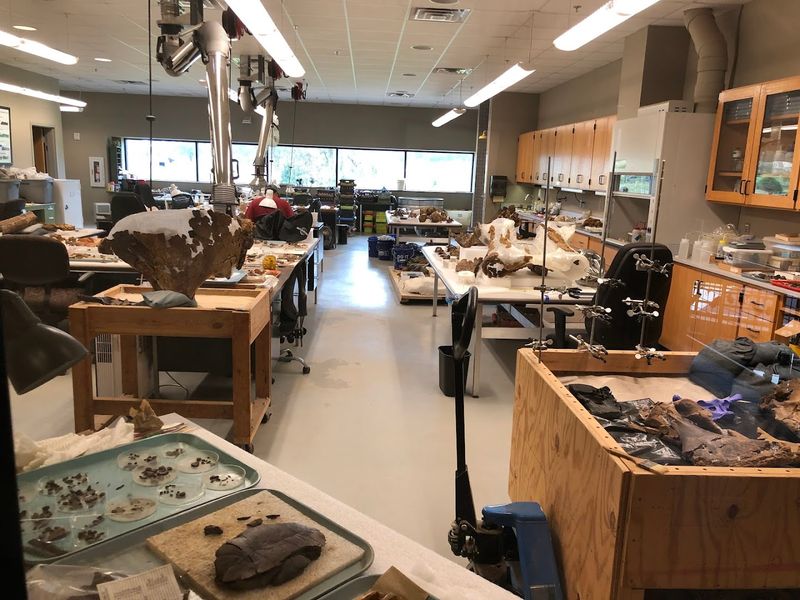
The Gray Fossil Site operates as an active research facility where real scientists conduct ongoing excavations and analysis. On most days, you can watch paleontologists carefully brushing away sediment, documenting discoveries, and extracting fossils that haven’t seen daylight in millions of years.
The two-dollar tour upgrade gets you even closer to the action with guided access to the dig site itself. Knowledgeable docents explain what researchers are currently working on and help visitors understand the painstaking process of fossil recovery. You might see someone photographing a newly exposed bone or carefully applying preservative to a delicate specimen.
Through large viewing windows, you can also observe the preparation laboratory where fossils get cleaned and stabilized after excavation. Watching technicians work under microscopes with tiny tools gives you serious appreciation for how much skill goes into preparing fossils for study and display.
The combination of seeing fossils in the ground, watching them being prepared in the lab, and viewing finished specimens in exhibits creates a complete picture of paleontological work that most museums can’t offer.
Inside the Museum, Fossils Bring Ancient Tennessee to Life
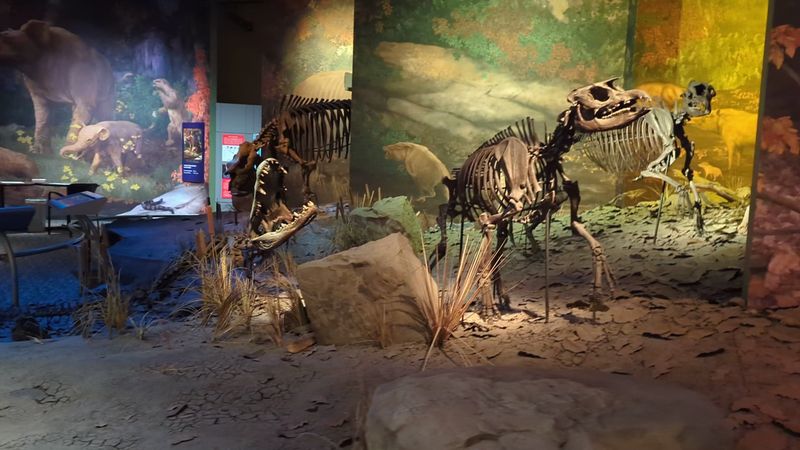
Step inside the museum and it feels like you’ve been dropped straight into Tennessee’s prehistoric past.
The exhibits feature an impressive collection of original fossils, not replicas, and that makes a real difference. These are the actual bones and remains pulled from the ground just outside, and seeing them up close creates a connection that simple casts and reproductions just can’t offer.
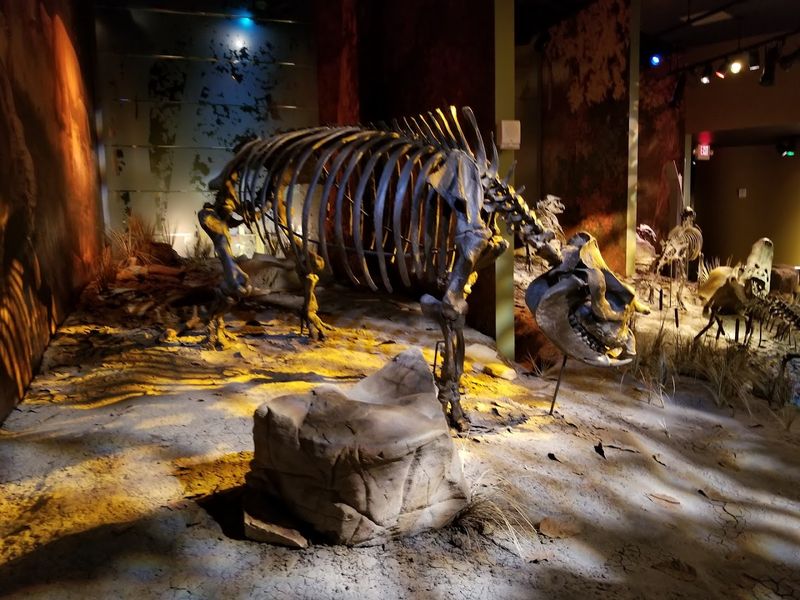
As you move through the displays, the story of ancient Gray starts to come together in a way that feels both fascinating and surprisingly vivid. You might come face to face with the skull of a rhinoceros that once grazed where the parking lot now sits, or see the jaws of an alligator that lived in prehistoric ponds in this very area.
There are also delicate bones from smaller, lesser-known animals that most visitors have probably never heard of before. The visuals and exhibit design help make sense of it all, showing how scientists use scattered fossils and tiny details to reconstruct entire ancient environments.
What makes the museum especially memorable is that it goes beyond simply displaying fossils. It also helps visitors understand why this site matters so much in the bigger scientific picture. You can learn how climates shifted over millions of years, how animals moved between continents, and why some species disappeared while others managed to survive.
The hands-on discovery areas are another highlight, giving kids and, honestly, plenty of adults too, the chance to touch real fossils, study casts, and try out some of the techniques paleontologists use. It turns what could feel like complicated science into something approachable, engaging, and genuinely enjoyable for visitors of all ages.
The Surprising Creatures That Once Roamed This Region
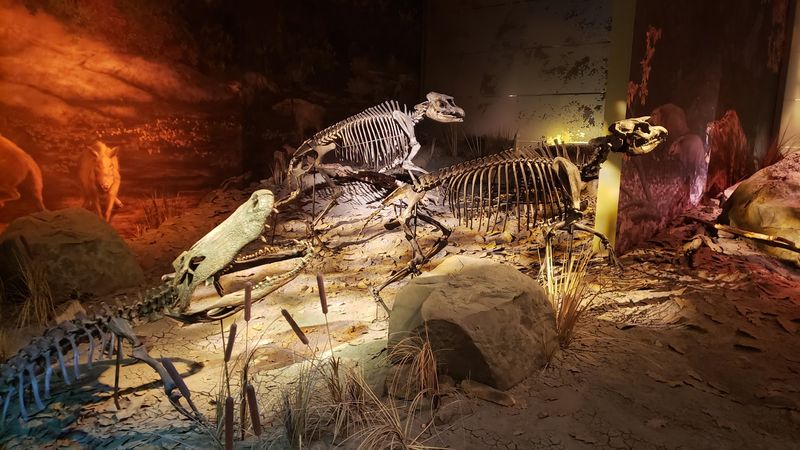
Rhinos in Tennessee? Red pandas wandering Appalachian forests? It sounds like fantasy, but fossils don’t lie.
The Gray Fossil Site has revealed a cast of characters so unexpected that early researchers had trouble believing the identifications. Teleoceras, a barrel-bodied rhinoceros built more like a hippo than modern rhinos, wallowed in ponds where strip malls now stand.
Red pandas—yes, those adorable tree-climbing animals currently found only in Asia—once scampered through ancient Tennessee woodlands. Their presence here rewrites the story of how these animals spread across continents.
Giant tortoises lumbered through the underbrush, some with shells over three feet long. Alligators thrived in warm, swampy areas that characterized the region’s subtropical climate.
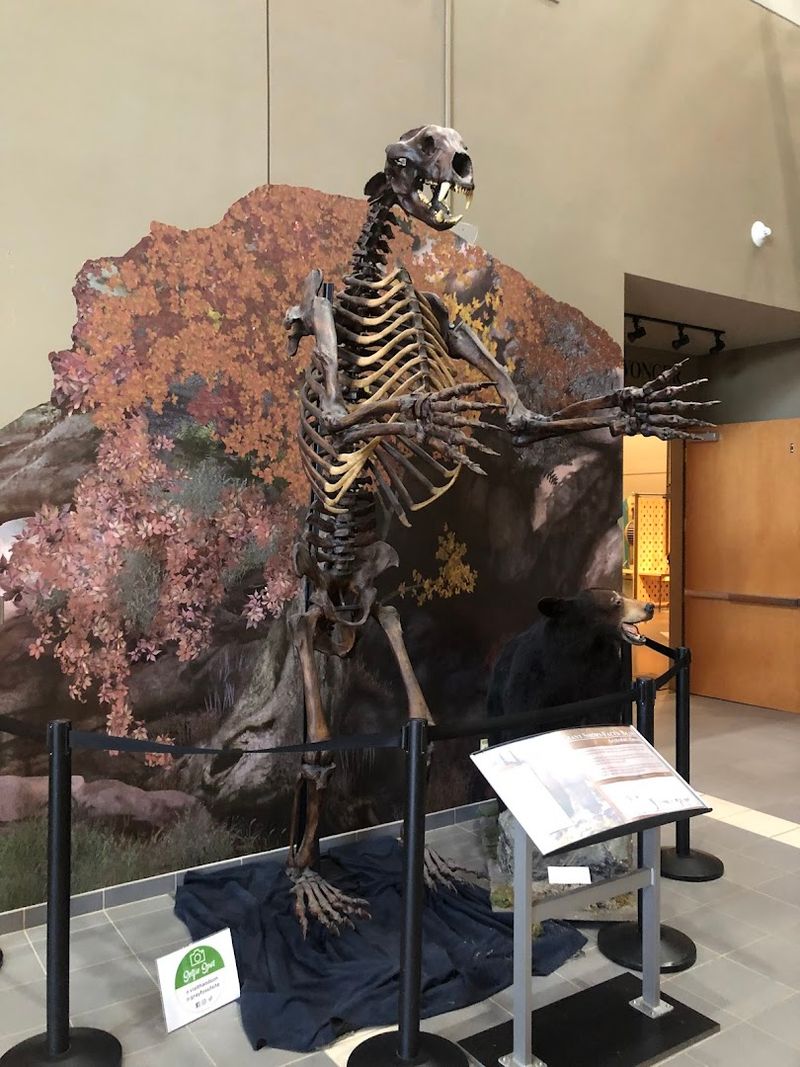
Tapirs, saber-toothed cats, ancient horses, and bizarre pig-like creatures called peccaries rounded out this improbable ecosystem. Even more surprising are the smaller discoveries—primitive camels, dozens of rodent species, and birds that provide crucial evidence about ancient migration patterns.
This menagerie proves that Tennessee’s prehistoric past was far more exotic and diverse than anyone imagined, challenging our assumptions about how and when North American ecosystems developed into what we see today.
Why the Gray Fossil Site Is Worth Visiting for All Ages
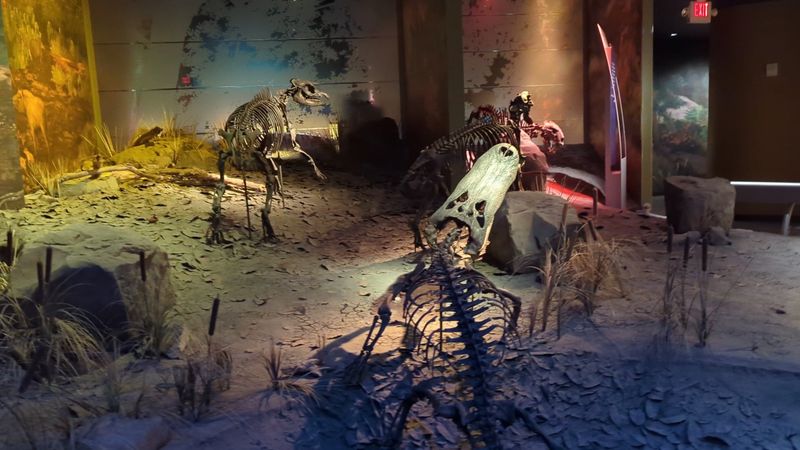
Whether you’re six or sixty, there’s something genuinely captivating about standing where ancient giants once walked. Young kids love the hands-on discovery center where they can build, explore, and touch real fossils without worrying about breaking priceless artifacts. The interactive exhibits turn abstract science into tangible experiences—launching rockets, building bridges, and exploring patterns make learning feel like play.
Older children and teens appreciate the real-science aspect of watching actual paleontologists at work. Unlike staged demonstrations, this is genuine research happening in real time. For aspiring scientists, seeing professionals in action and asking questions directly provides invaluable insight into potential career paths.
Adults find plenty to appreciate beyond chaperoning duties. The scientific significance of the discoveries, the quality of the fossil preservation, and the ongoing research make this a legitimate destination, not just a kid-focused attraction. Visitors consistently mention spending far longer than expected, with many families easily filling three to four hours exploring everything the site offers.
The affordable admission price and welcoming staff create an atmosphere where curiosity thrives and learning happens naturally across all age groups.
Plan a Visit to One of Tennessee’s Most Fascinating Attractions
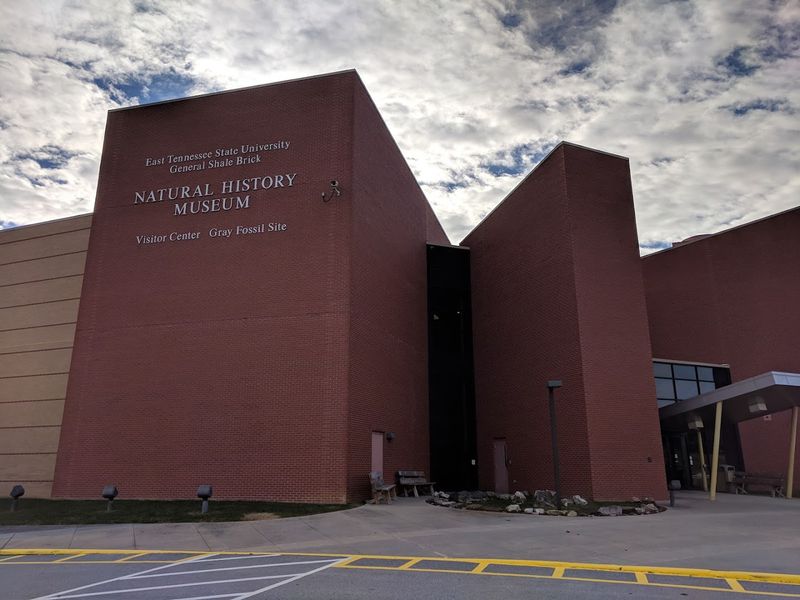
Located at 1212 Suncrest Drive in Gray, the facility operates Tuesday through Saturday from 10 AM to 5 PM, with Sunday hours from 1 PM to 5 PM. They’re closed Mondays, so plan accordingly. Arriving earlier in the day gives you more time to explore without feeling rushed—several reviewers mentioned showing up late and missing exhibits or outdoor areas.
Admission prices remain remarkably affordable, especially considering the quality of the experience. The basic ticket gets you into all main exhibits, but consider upgrading for the two-dollar dig site tour—visitors consistently rate it as worthwhile.
Pack a lunch if you’re planning a longer visit, as there’s no on-site food service. Picnic tables out front and in the garden area provide pleasant spots to refuel. The facility works best for children roughly five years and older, though the discovery areas offer some activities for younger kids.
Check their website for special events like sensory-friendly nights, which accommodate visitors who need quieter, less stimulating environments.