Hikes feel a lot more exciting when the trail comes with feathers, tracks, movement, and a few unexpected wildlife sightings. Across Michigan, certain paths give walkers a better chance to notice birds, deer, frogs, butterflies, and other animals while still enjoying forests, wetlands, lakeshores, and open scenery.
The appeal comes from paying closer attention, because the smallest rustle or flash of color can turn an ordinary walk into something memorable. These trails reward patience, quiet observation, and a willingness to look beyond the obvious view.
For anyone who wants a Michigan hike with scenery and a little wild surprise built in, these paths deserve a closer look.
1. Saul Lake Bog Nature Preserve Trails – Rockford
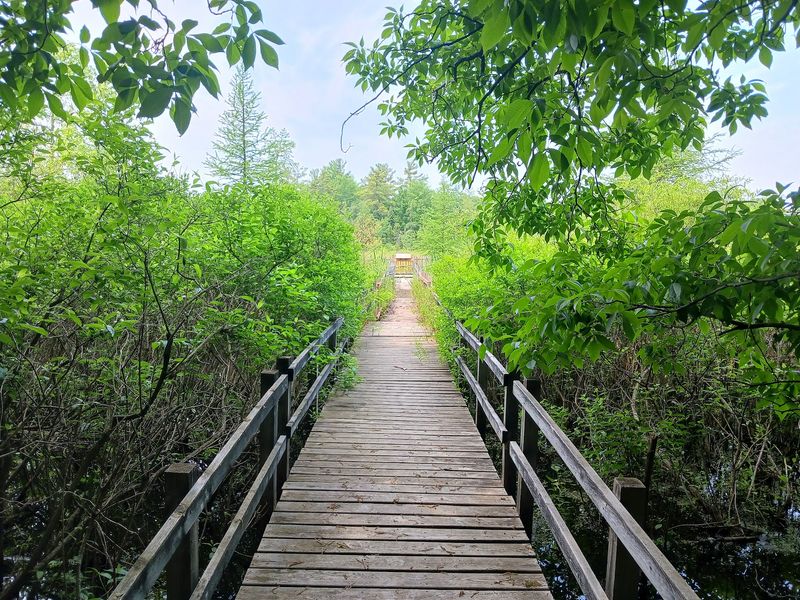
Right away, Saul Lake Bog changes the mood of a normal walk. The ground is wetter, the trees grow in tighter clusters, and the air often carries that cool, earthy smell that says you are somewhere a little different from a neighborhood park.
Because bog habitats are unusual, they attract a mix of plants and animals that make every slow step more interesting. You might notice frogs calling from hidden pockets of water, dragonflies zipping over the surface, or birds moving between tamarack and pine.
A quieter pace works best here, since wildlife usually shows up when the trail is not filled with heavy footsteps and loud voices.
Morning is a smart time to visit if you want better odds for animal activity. Light comes in softer, temperatures stay lower, and many birds are busiest then.
Bringing binoculars can turn a quick glimpse into a real sighting, especially when songbirds stay high in the branches.
Footwear matters more than many first timers expect. Even on maintained paths, wet ground nearby can make the area feel damp, so sturdy shoes help you stay comfortable.
Bug spray is also a good idea during warmer months, since marshy spaces often come with mosquitoes.
Kids usually enjoy this preserve because it invites a little detective work. Instead of rushing toward a big overlook, you are scanning for movement, listening for calls, and peeking into pockets of water and brush.
That makes the wildlife part of the hike instead of a bonus at the end.
If you go in with patience, Saul Lake Bog rewards careful attention. Every bend offers a chance to notice tracks, wingbeats, ripples, or tiny flashes of color that many hikers would pass without ever seeing.
2. Chapel Basin Trails – Munising
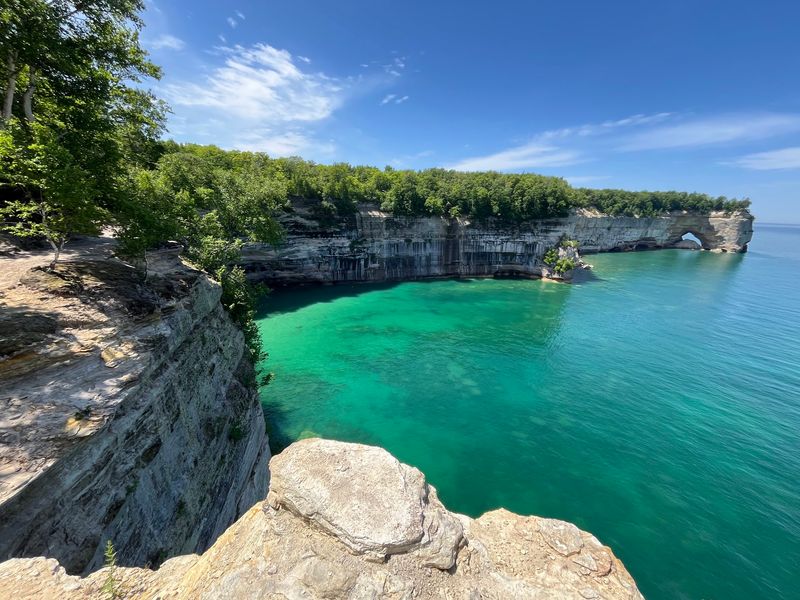
Big scenery tends to grab all the attention at Chapel Basin, but the wildlife adds plenty to the story. Between the forest, the shoreline, and the open sky near Lake Superior, this area gives animals many different places to live and move.
As you hike, keep looking beyond the dramatic views for smaller signs of life. Birds often provide the first clue, whether it is a quick flutter in the woods or a call coming from high above the cliffs.
Near wetter spots, you may notice insects, frogs, and animal tracks that remind you the trail is busy even when people are not around.
The changing terrain can also shape what you see. Dense wooded stretches feel enclosed and calm, then an overlook opens up and suddenly the world gets wider, with chances to watch soaring birds ride the breeze.
That contrast is part of the fun, because wildlife watching here is never locked into one setting.
Plan extra time instead of treating this as a speed hike. Rushing to the next landmark makes it easy to miss movement in the trees or along the path edges.
A few quiet pauses at overlooks or shady bends can reveal far more than constant walking.
Bring water, layers, and a camera with some zoom if you have one. Wildlife is best enjoyed from a respectful distance, and the basin gives you many chances to observe without getting too close.
Sturdy shoes help too, since trail conditions can vary with weather and elevation changes.
Chapel Basin works especially well for hikers who want a trail with both excitement and attention to detail. One minute you are taking in a sweeping view, and the next you are listening for a bird in the spruce or spotting motion near the forest floor.
3. Ferguson Bayou Trail – Saginaw
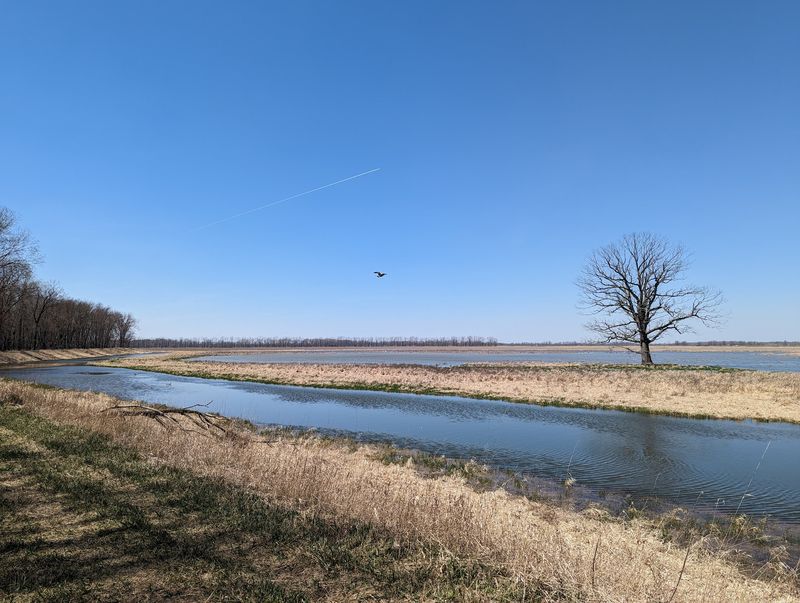
Wetland trails have a way of turning a short outing into a wildlife hunt, and Ferguson Bayou proves it. Water, reeds, and quiet edges give animals cover, so there is often more happening here than you first notice.
Birdwatchers have good reason to stay alert along this route. Marshy places can attract wading birds, ducks, and smaller species that dart through brush instead of posing in the open.
Even when the water looks still, it is smart to scan logs, muddy banks, and grassy patches for turtles, insects, and sudden ripples.
Unlike a rugged backcountry trail, this one can feel accessible and close to town, which makes the wildlife sightings more surprising. You are not deep in the wilderness, yet nature still puts on a strong showing.
That balance makes the trail appealing for families, beginners, and anyone who wants an easy way to practice noticing more.
Sound can help as much as sight here. Try pausing for a minute without talking, and the place starts to reveal itself through chirps, splashes, wingbeats, and rustling stems.
A slow walk beats a power walk every time when your goal is spotting animals instead of counting steps.
Shoes that can handle a little dampness are useful, and bug spray can save your mood in warm weather. A hat and binoculars also help, especially on bright days when the sun reflects off the water.
If you bring kids, give them a simple challenge like spotting three different kinds of movement: flying, swimming, and crawling.
Ferguson Bayou Trail works best when you let curiosity lead. Look low, look high, and keep checking the waterline.
The more patient you are, the more the bayou starts to feel active, layered, and full of small surprises.
4. Empire Bluff Trail – Empire
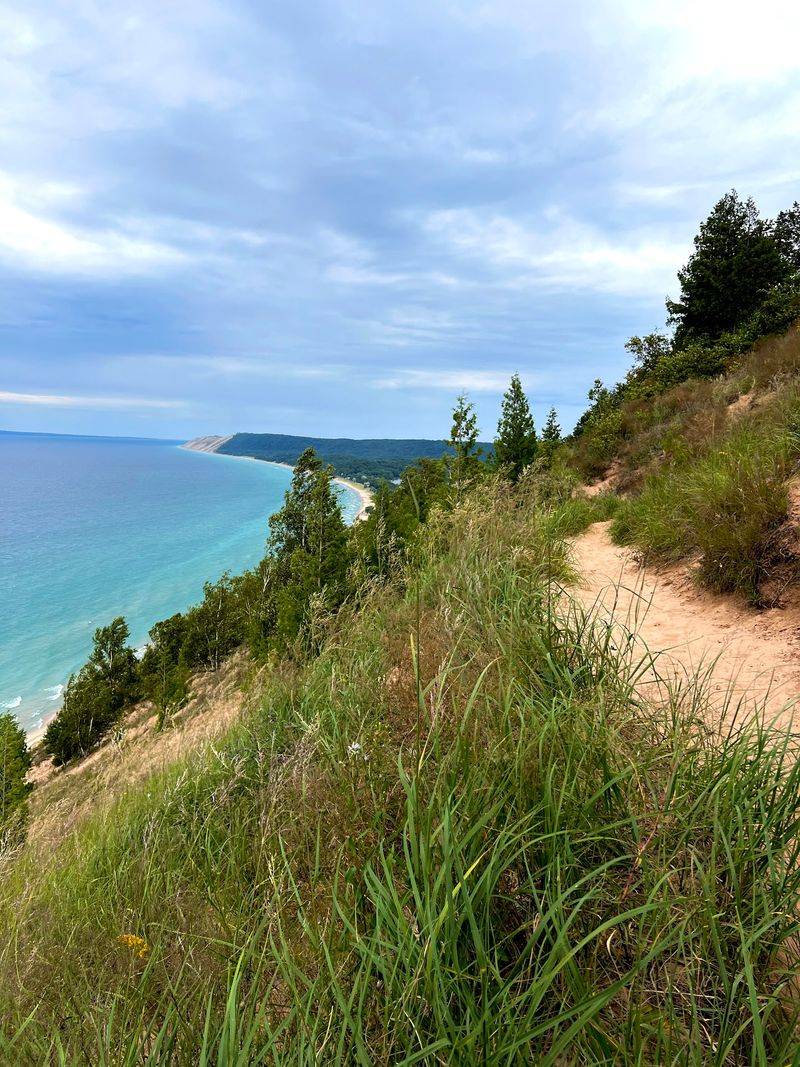
Empire Bluff is famous for the view, yet the wildlife angle makes the walk even better. The mix of forest, dune country, and open lake creates a setting where you can watch nature in layers instead of all at once.
On the wooded section, pay attention to rustling leaves and quick movement near the trail edge. Small birds can be active in the trees, and quiet hikers sometimes catch deer slipping through cover before they vanish.
Once the trail opens up, your focus shifts from the ground to the sky and shoreline, where birds may glide on wind coming off Lake Michigan.
That change in perspective is one of the trail’s strongest features. Few hikes move so smoothly from enclosed forest to a broad overlook where you can scan a huge stretch of landscape.
Wildlife watching becomes less about one close encounter and more about reading the whole scene.
Wind can be stronger at the bluff than it was back in the trees, so dress with that in mind. On warm days, sunscreen and water matter because the exposed overlook can feel brighter and hotter than expected.
A small pair of binoculars fits this trail especially well, since distant movement over the lake or near the dunes is easy to miss with the naked eye.
Families often like Empire Bluff because the reward arrives quickly, but it still helps to slow down before and after the main view. Animals do not gather only at the dramatic spot.
Many sightings happen on the approach, where people tend to hurry.
Give yourself time to watch, not just look. A few extra minutes at the overlook can turn a scenic stop into a chance to notice birds crossing the sky, shifting light on the water, and the lively edges where land meets lake.
5. Lost Lake Trail – Ludington
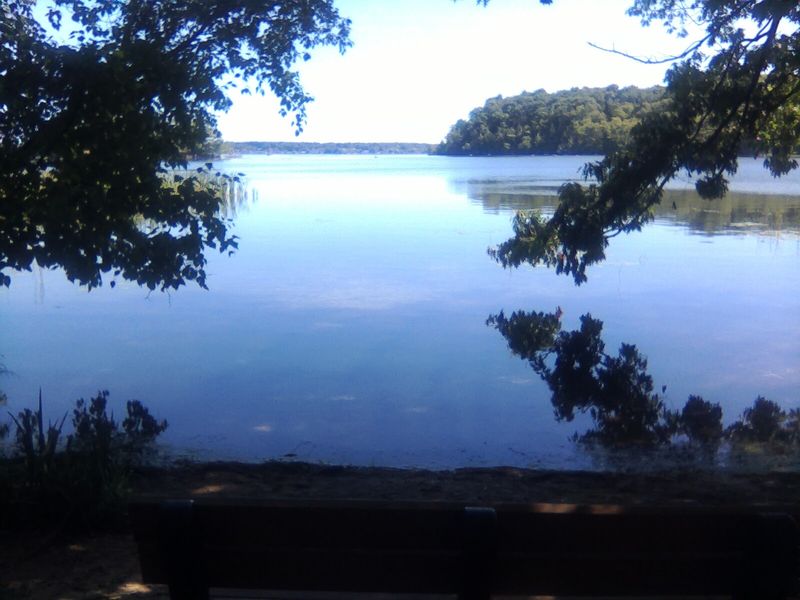
A trail named Lost Lake already sounds like an invitation to wander a little slower. Near Ludington, that slower pace pays off, because lakeside woods often hold more wildlife than busy hikers realize.
The combination of forest cover and water draws many kinds of creatures into the same area. Birds move through the treetops, frogs and insects gather near wetter ground, and deer may appear at calmer times of day.
You do not need expert skills to notice the action, but you do need to trade speed for attention.
One helpful trick is to stop at natural transitions. Where the woods thin near the lake, where the trail bends around damp ground, or where sunlight hits an open patch, animals often show up or leave signs behind.
Tracks, feathers, nibbled plants, and ripples on the water all count as part of the experience.
Early morning and late afternoon usually offer a friendlier wildlife window than the middle of a hot day. During those quieter hours, the trail can feel more alive without ever becoming noisy.
If you are hiking with kids, turning the outing into a scavenger hunt for sounds and shapes can keep them engaged without pushing them to chase animals.
Comfort matters here too. Closed toe shoes, water, bug spray, and a light snack help keep the focus on the trail instead of small annoyances.
Phones work for quick photos, but binoculars can make a bigger difference when birds stay high or far across the water.
Lost Lake Trail has an easygoing appeal that suits hikers who want scenery without nonstop crowds or nonstop effort. Stay observant and the lake becomes more than a backdrop.
It becomes part of a living scene, with motion in the reeds, calls from the canopy, and the occasional surprise waiting just beyond the next curve.
6. Loda Lake Wildflower Sanctuary Trails – White Cloud
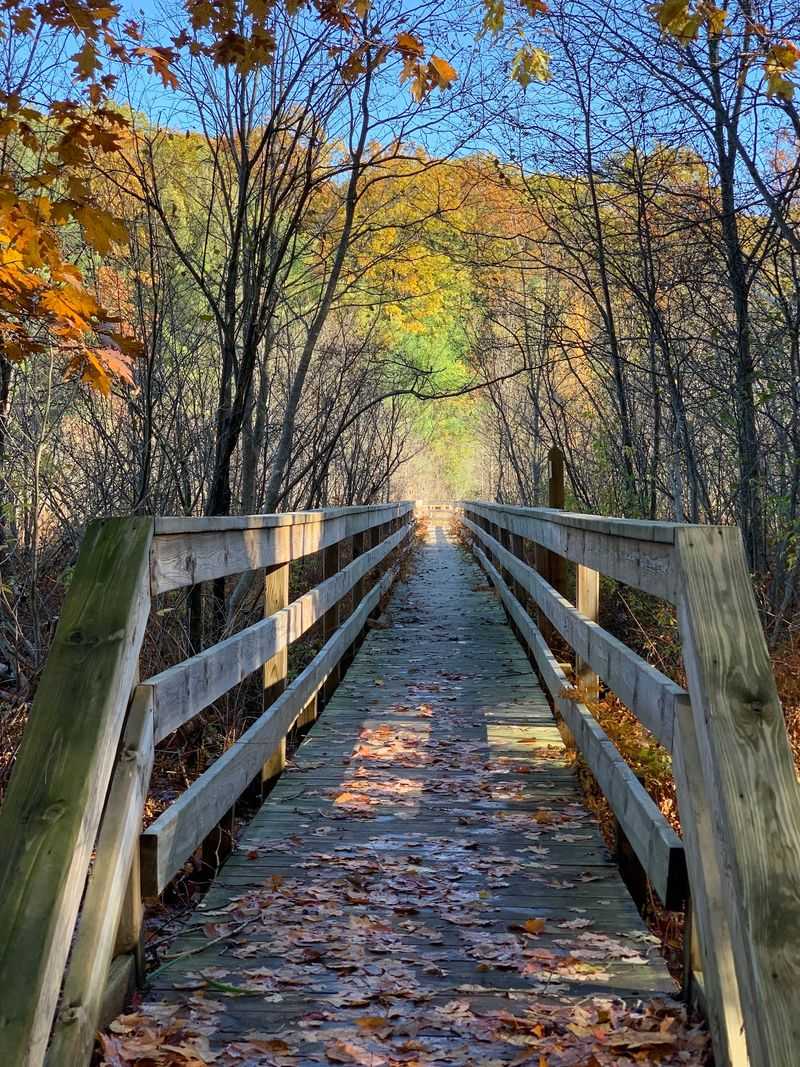
Color is the first thing many hikers notice at Loda Lake Wildflower Sanctuary, and that color often brings wildlife with it. Flowers, water, and woodland edges can create a lively mix where birds and insects stay busy through much of the warmer season.
Butterflies and pollinators may steal the show when blooms are strong, so this is a trail where looking close to the ground matters just as much as looking into the trees. Dragonflies can patrol open spaces, while birds hop through brush or call from overhead.
Even a short visit can feel full because your attention keeps shifting from petals to wings to movement near the water.
This is also a good place to practice respectful wildlife watching. Stick to the trail, avoid picking plants, and give every creature room to keep doing its thing.
When habitats are small or delicate, one careless step can disturb more than most people realize.
Spring and early summer can be especially fun, but every season changes the cast of characters. One visit may center on flowers and insects, while another highlights bird activity and changing leaves.
That variety makes repeat walks interesting without needing a long route or major climb.
Bring a camera or phone for close-up shots, though patience matters more than equipment. If you move slowly and pause often, small details begin to stand out.
Kids usually respond well here because the trail offers frequent points of interest instead of one single destination at the end.
Loda Lake is a smart pick for hikers who enjoy the smaller side of wildlife adventure. You are not scanning for huge dramatic encounters.
Instead, you are watching a connected system at work, where blooms attract insects, insects attract birds, and every few steps offer another reason to stop and take a closer look.
7. Escarpment Trail – Ontonagon
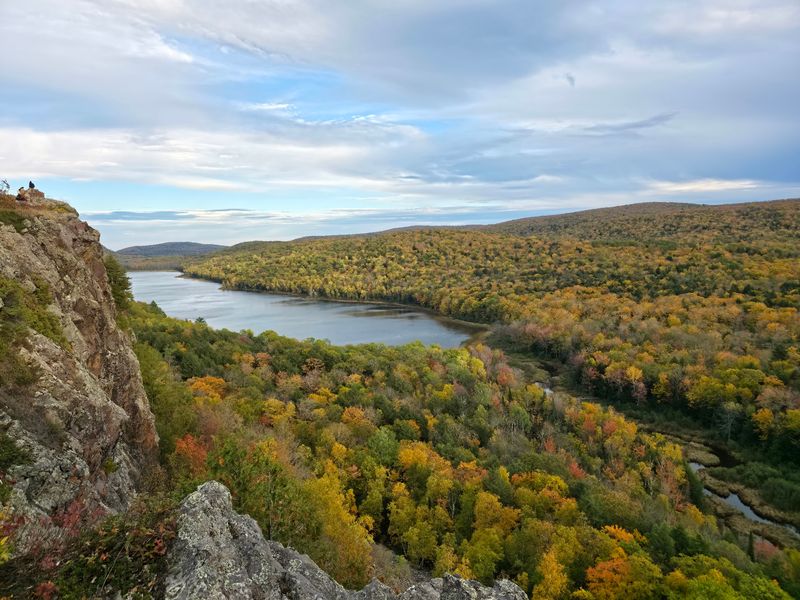
Some trails ask you to pay attention to your footing first and the wildlife second, and Escarpment Trail can be one of them. That is part of its appeal.
The changing elevation and rugged setting give the hike a sharper edge, while the surrounding forest keeps the animal watching interesting.
Because the route moves through higher ground and wooded sections, your wildlife experience can shift as you go. In one stretch, the trees may close in and fill the air with bird calls.
In another, an open viewpoint gives you the chance to scan wider areas for movement overhead or along distant slopes.
The trail rewards hikers who know how to slow down without losing focus. You are not likely to stroll casually and catch every detail here.
Instead, it helps to stop at safe spots, listen carefully, and let your eyes adjust to the textures of rock, trunks, shadows, and sky. Animals can blend in fast in this kind of landscape.
Preparation matters more than on a flatter nature path. Wear dependable shoes, carry water, and check conditions before heading out.
Weather and terrain can shape the whole feel of the hike, especially in the Upper Peninsula where conditions can shift quickly.
If you want better wildlife odds, aim for quieter times and keep noise low. Conversations carry, and animals often notice people before people notice them.
A small backpack with layers and binoculars makes sense here, since you may move from sheltered woods to exposed sections where wind picks up.
Escarpment Trail fits hikers who want their nature outing to feel active, observant, and a little bold. You are working for the views and the sightings, and that effort changes the rhythm of the day.
Each pause becomes a chance to catch a bird overhead, a sound in the trees, or motion along the ridge.
8. Island Park Trails at Alpena Wildlife Sanctuary – Alpena
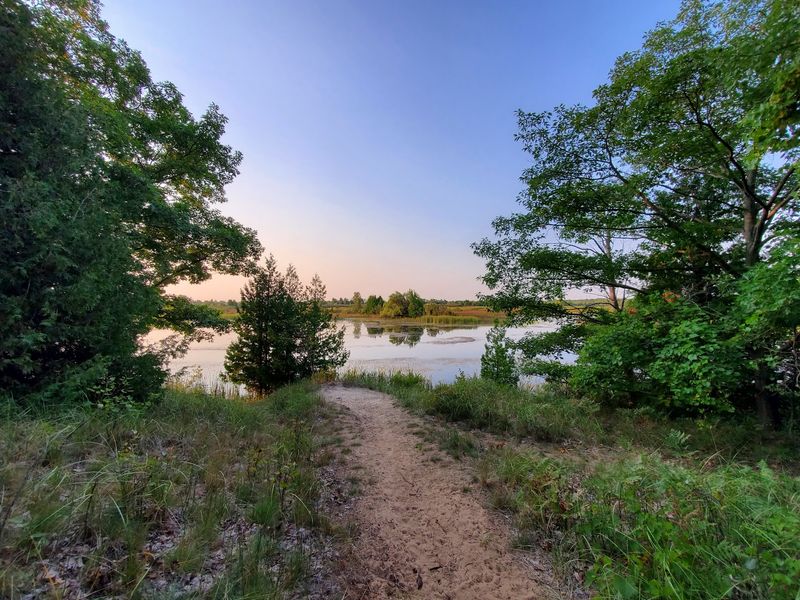
Here is the kind of trail that can surprise people in the best way. Island Park Trails at Alpena Wildlife Sanctuary mix easy access with plenty of chances to spot birds and other small wild residents, making the outing feel bigger than the map suggests.
Water nearby changes everything. It creates feeding areas, shelter, and movement, so your eyes have several zones to check at once.
Watch the shoreline for ducks or ripples, scan branches for perched birds, and do not ignore the lower plants where smaller creatures hide from plain view.
The setting works well for beginners because the wildlife watching does not require a huge backcountry commitment. You can focus on slowing down, noticing sounds, and practicing patience without also managing a difficult trail.
That makes it a smart place for families, casual walkers, or anyone getting into birding for the first time.
One easy strategy is to visit more than once at different times of day. Morning may bring more bird activity, while evening light can make the area feel calm and help you notice movement near the water’s edge.
Even if the species change, the trail still teaches you how much timing affects what you see.
Pack lightly but bring the basics. Water, bug spray, and binoculars go a long way.
A field guide app can add fun if you hear calls you cannot identify, though it is just as satisfying to simply observe shape, color, and behavior without naming everything.
Island Park Trails are great for building attention. You start by hoping to see something obvious, then suddenly you are tracking fluttering leaves to find a bird or studying the shallows for hidden motion.
That kind of close looking turns a simple walk into an active wildlife experience without needing a long drive into remote country.
9. Old Indian Trail – Honor
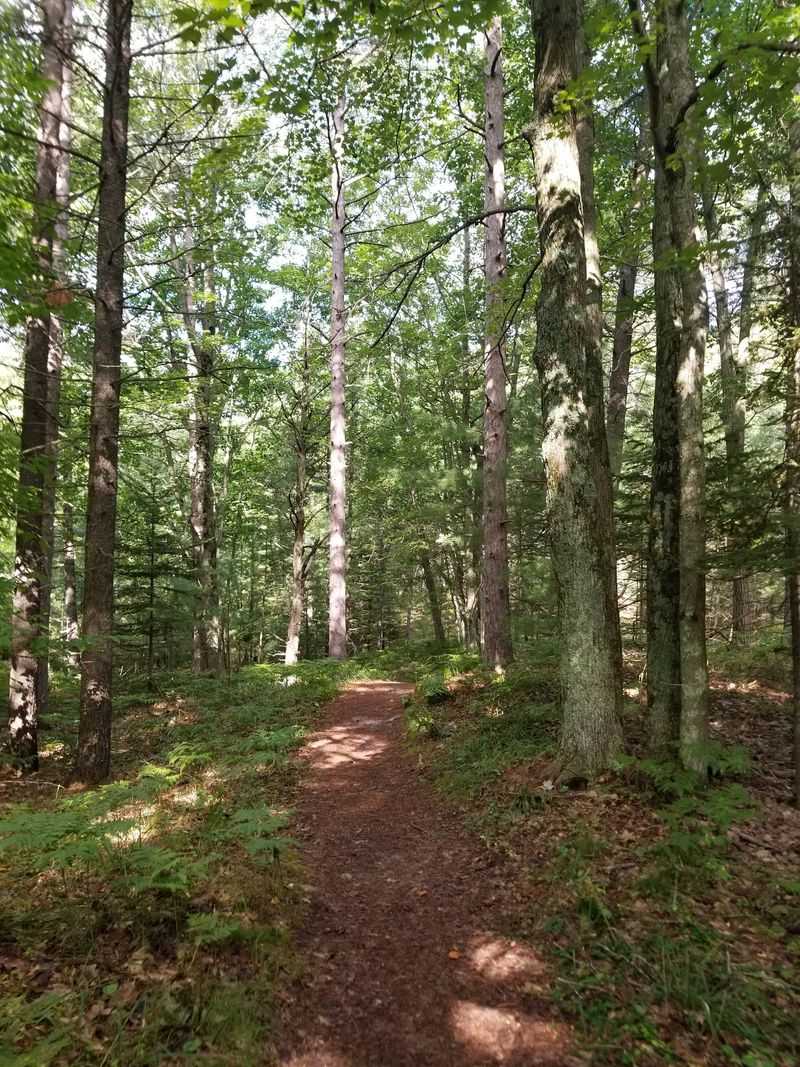
Old Indian Trail has the kind of name that already makes the walk feel storied, and the natural setting adds to that mood. Around Honor, the path gives you a chance to notice wildlife in a landscape where forest and open areas can trade places fast.
That mix matters because animals use different spaces for different reasons. Dense woods can hide songbirds, squirrels, and deer, while more open spots may give you a better chance to spot birds in flight or movement farther ahead on the trail.
A hike here works best when you keep adjusting your attention instead of staring in just one direction.
Try listening as much as looking. Footsteps on sand, leaves moving, distant calls, and sudden silence can all tell you that something nearby has shifted.
Kids often enjoy this trail more when they are invited to play nature detective rather than race to the finish.
Because wildlife can be shy in popular areas, a quieter visit often produces more than a busy one. Start earlier, keep voices down, and pause near transitions where habitat changes.
Those edge zones are often where movement catches your eye first.
Old Indian Trail is also a good reminder that not every wildlife moment comes with a perfect close-up. Sometimes the reward is a brief deer crossing, a bird call that echoes through the trees, or fresh tracks pressed into soft ground.
Those details still make the trail feel active and connected.
Wear comfortable shoes and bring water, especially in warmer months. A small pair of binoculars can help, but the main tool is patience.
On this trail, the adventure comes from paying attention to clues and staying open to quick, quiet encounters. The more alert you are, the more the path reveals its living side between one bend and the next.
10. Wilderness State Park Trails – Carp Lake
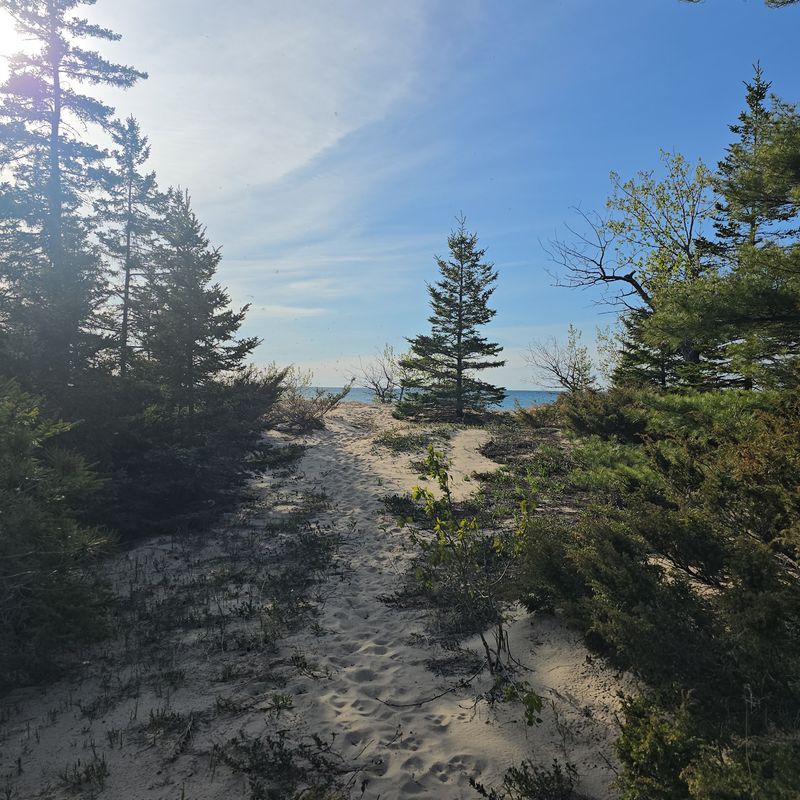
The name sets a high bar, and Wilderness State Park Trails have a broad, untamed character that helps deliver. Around Carp Lake, the variety of habitats means your wildlife watch can shift from forest scanning to shoreline searching in the same outing.
That range is a major advantage. Wooded stretches can hold birds, deer, and smaller animals that stay tucked into cover, while open areas near water may reveal very different movement patterns.
You are not locked into one style of nature viewing, which keeps the hike lively even on a long day.
Because the park offers multiple trail experiences, it helps to choose your route based on what kind of wildlife outing you want. A shorter path may suit families or casual walkers, while a longer one gives patient hikers more time to catch activity during quieter hours.
Either way, the best approach is to build in stops instead of treating the trail like a workout course.
Wind, weather, and light can all change what you notice. Calm mornings may make bird sounds easier to track, while evening can bring a softer pace across the landscape.
Layers are useful since conditions near open water can feel cooler than inland sections.
This is also a place where respecting distance really matters. Large natural areas give animals room, and you should do the same.
Watching from afar often leads to better behavior and better memories than pushing closer for one quick photo.
Wilderness State Park suits hikers who want options without losing that north Michigan outdoor feel. Every section asks you to read the landscape a little differently.
One moment you are listening in the trees, and the next you are checking the shoreline or meadow edge for motion. That variety keeps the wildlife side of the adventure active from start to finish.
11. Boardman Lake Loop Trail – Traverse City
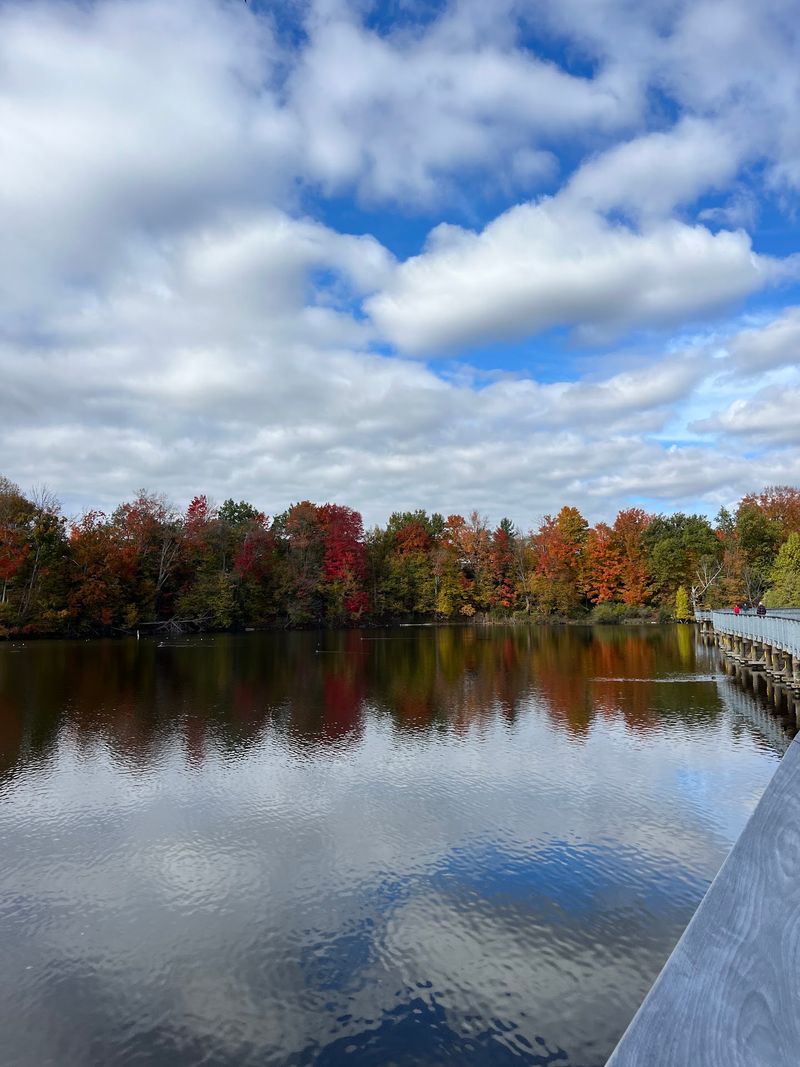
Not every wildlife trail has to be remote to be fun. Boardman Lake Loop Trail shows how a well-used path in Traverse City can still give you solid nature moments when water, trees, and patient observation line up.
The lake is the main draw for animal activity, so start there with your eyes. Waterfowl, shore birds, and ripples from unseen swimmers can hold your attention, but the edges matter too.
Brushy sections, overhanging branches, and quieter corners often hide more action than the busiest open views.
Because the loop can attract walkers, runners, and cyclists, timing helps. Earlier hours usually feel calmer and may improve your chances of spotting wildlife before the trail gets busier.
Even then, the trick is not to expect deep wilderness. Instead, enjoy the contrast of watching living nature thrive close to everyday city life.
One nice part of this trail is how easy it is to fit wildlife watching into a casual outing. You can take a short stroll, stop at a good viewing spot, and still leave with a handful of sightings.
For beginners, that makes the experience feel approachable rather than demanding.
Binoculars are useful, especially for birds farther out on the lake, but you can still see plenty with just careful scanning. Move your gaze in sections instead of all at once: water, shoreline, low plants, tree branches, then back again.
That method helps you catch details that quick glances miss.
Boardman Lake Loop works best when you treat it like a slow circuit instead of a race. Let other people pass, listen for calls between traffic sounds, and watch how the lake changes at each stretch of the loop.
The result is a wildlife outing that feels easy to reach yet full of small discoveries.
12. North Country Trail at Tahquamenon Falls State Park – Paradise
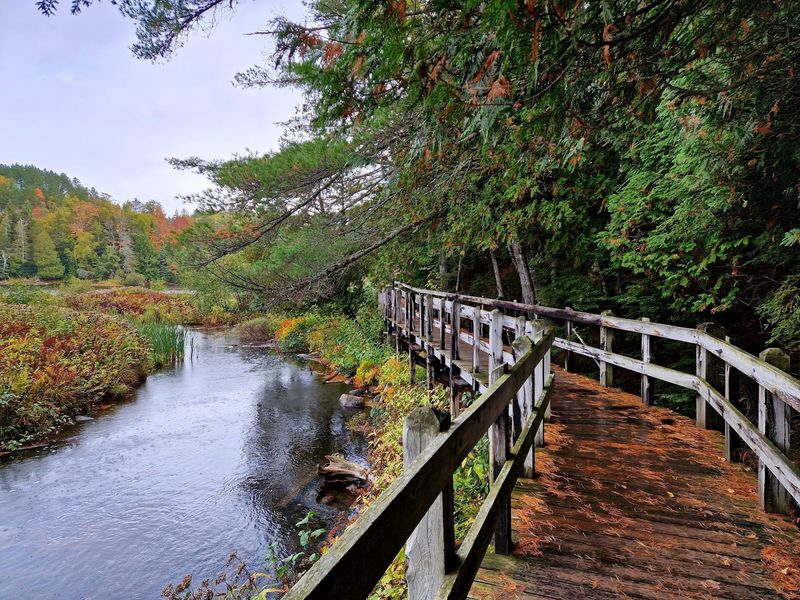
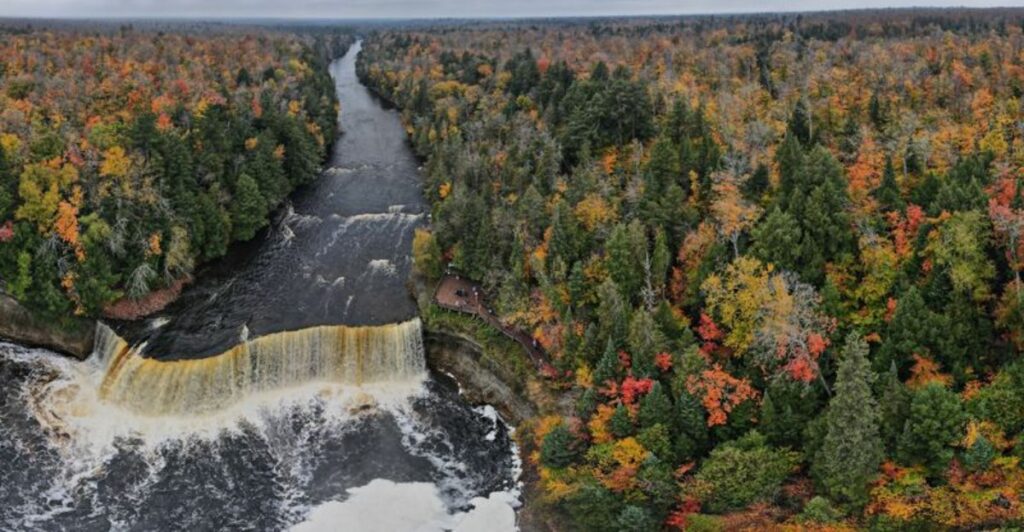
Some trails make wildlife watching feel like part of a larger expedition, and the North Country Trail at Tahquamenon Falls State Park does exactly that. Around Paradise, the forest can feel deep, the river adds constant energy, and every stretch seems ready to reveal a new sound or quick movement.
The size of the park works in your favor. Bigger natural areas often give animals more room to move naturally, which means your sightings may feel less staged and more like true encounters.
Birds can be active in the canopy, deer may appear along quieter sections, and smaller creatures use the forest floor, water edges, and fallen logs in ways that reward careful eyes.
Since this trail can invite longer hiking days, pacing matters. Save enough energy to stay observant, because wildlife often appears when hikers stop forcing the mile count and start noticing details.
A short rest near a calm section of trail can produce more excitement than ten rushed minutes on the move.
Bring the usual basics, then add a little extra preparation. Water, snacks, layers, bug protection, and dependable shoes all help in a large state park setting.
A map or downloaded route information is useful too, especially if you plan to explore beyond the most obvious areas.
The best wildlife strategy here is simple: quiet down, look in layers, and expect variety. Scan the path for tracks, the understory for movement, the midlevel branches for birds, and open spaces for wider activity.
You may not see everything at once, but the trail keeps giving you reasons to pay attention.
At Tahquamenon, the adventure is not limited to the famous falls. The North Country Trail adds a broader, wilder dimension, where the walk itself becomes the event and the wildlife turns each section into a fresh part of the story.
Share this story