Tennessee is packed with amazing places that don’t cost a dime to explore. While everyone knows about the big tourist spots, some of the state’s best experiences are tucked away in small towns and quiet corners, waiting to be discovered.
From quirky museums to sprawling parks and historic battlefields, these free attractions prove you don’t need to spend money to have an unforgettable adventure across the Volunteer State.
1. West Tennessee Delta Heritage Center & Tina Turner Museum, Brownsville
Brownsville doesn’t show up on most Tennessee bucket lists, but this free museum complex is worth the detour. The West Tennessee Delta Heritage Center tells the story of the region’s agricultural roots, music legacy, and cultural evolution in ways that feel personal rather than textbook-dry.
You’ll find exhibits on cotton farming, blues history, and everyday life in the Delta that bring the past into sharp focus.
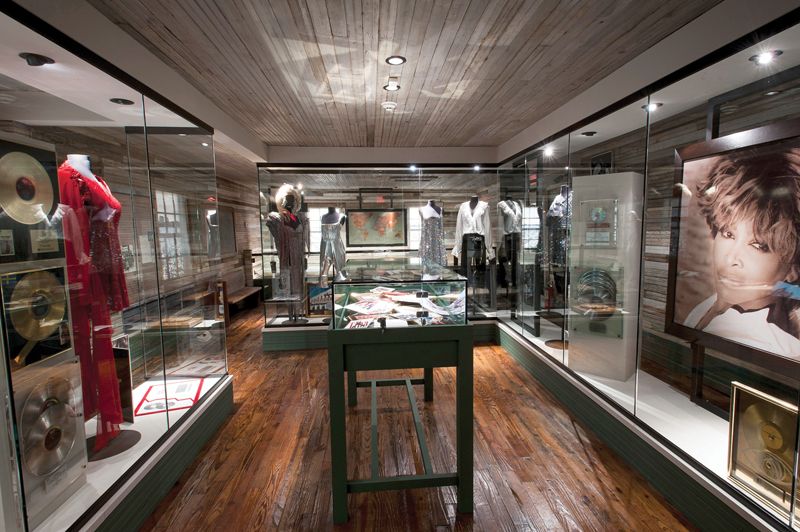
The real surprise here is the Tina Turner Museum, which sits on the same grounds. Her childhood one-room schoolhouse was moved here and restored, giving visitors a glimpse into the early years of one of music’s biggest legends.
Walking through that tiny building makes her rise to superstardom feel even more remarkable.
Self-guided admission is completely free, so you can take your time wandering through the exhibits without worrying about a ticking clock or entry fee. The museum isn’t massive, but it packs a lot of storytelling into a manageable space.
Expect to spend about an hour here, maybe more if you’re a music history buff.
What makes this place feel like a hidden gem is how unexpectedly rich it is for a small-town attraction. You won’t find crowds or long lines, just thoughtful displays and a chance to learn about a side of Tennessee that often gets overshadowed by Nashville and Memphis.
Plus, the staff is genuinely friendly and happy to answer questions.
2. Shelby Farms Park, Memphis

Memphis has Shelby Farms Park, and calling it just a park feels like an understatement. This place spans more than 4,500 acres, making it one of the largest urban parks in the entire country.
That’s bigger than New York’s Central Park, and unlike many city green spaces, admission here is free.
You could spend an entire day exploring and still not see everything. There are miles of paved and unpaved trails perfect for walking, running, or biking.
Heart Lake sits at the center, where you can paddleboard, kayak, or just sit by the water and watch the world go by. Open fields stretch out in every direction, giving you room to breathe in a way that feels rare for a major city.
Families love this place because there’s something for every age. Kids can burn energy on playgrounds, while adults might prefer a quiet hike through wooded sections or a picnic under the shade trees.
Wildlife sightings are common, from deer to herons, adding a touch of wilderness to your visit.
What really sets Shelby Farms apart is how it manages to feel both vast and welcoming. You’re never far from a trail marker or a rest area, but you can still find pockets of solitude if that’s what you’re after.
The park hosts free events throughout the year, from outdoor concerts to fitness classes, making it a community hub as much as a nature escape.
Whether you’re a Memphis local or just passing through, Shelby Farms offers a refreshing break without costing you anything. Bring a water bottle, lace up your sneakers, and prepare to be impressed by how much space and freedom this park provides.
3. Trenton Teapot Museum, Trenton
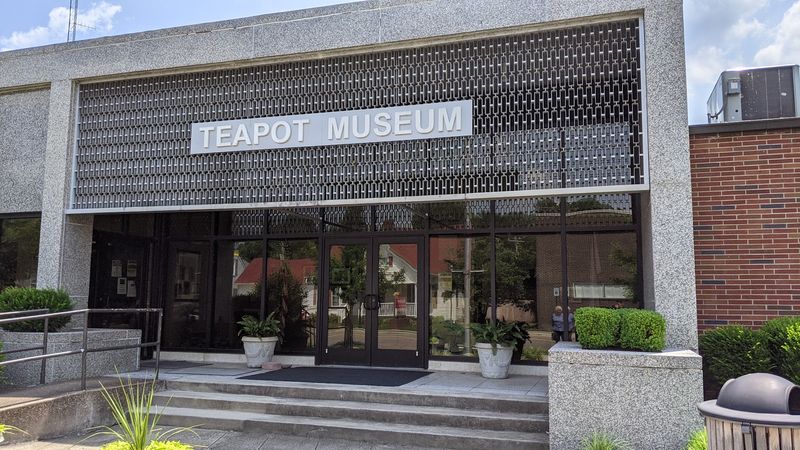
Trenton is a tiny town in West Tennessee, and it’s home to one of the quirkiest free attractions you’ll ever stumble across. The Trenton Teapot Museum is exactly what it sounds like: a museum dedicated entirely to teapots.
Hundreds of them. Maybe even thousands, depending on when you visit and what’s on display.
Walking into this place feels surreal in the best way. Shelves and cases are packed with teapots of every imaginable shape, size, and design.
Some are delicate and ornate, others are downright bizarre. You’ll see teapots shaped like animals, buildings, famous people, and objects you didn’t think could be turned into tea-serving vessels.
The collection started as a personal hobby and grew into something too big to keep private. Now it’s a full-fledged museum that welcomes visitors free of charge.
The sheer variety is what keeps people engaged, even if they walked in skeptical about how interesting teapots could possibly be.
What makes this museum feel like a hidden gem is how unexpected it is. You don’t expect a small Tennessee town to house such an eccentric and well-curated collection.
There’s no pretense here, just pure enthusiasm for a unique subject and a willingness to share it with anyone curious enough to stop by.
Plan for about 30 to 45 minutes to wander through and take in all the details. It’s the kind of place that makes you smile and shake your head at the same time, in the most delightful way.
If you’re driving through the area and want a break from the usual roadside stops, this museum delivers charm and weirdness in equal measure.
4. Tennessee State Museum, Nashville
Nashville’s Tennessee State Museum is the kind of place that surprises people with how good it is, especially since general admission is free. This isn’t a dusty, outdated museum stuck in the past.
It’s a modern, thoughtfully designed space that covers Tennessee’s entire history, from ancient Indigenous cultures to the Civil Rights Movement and beyond.
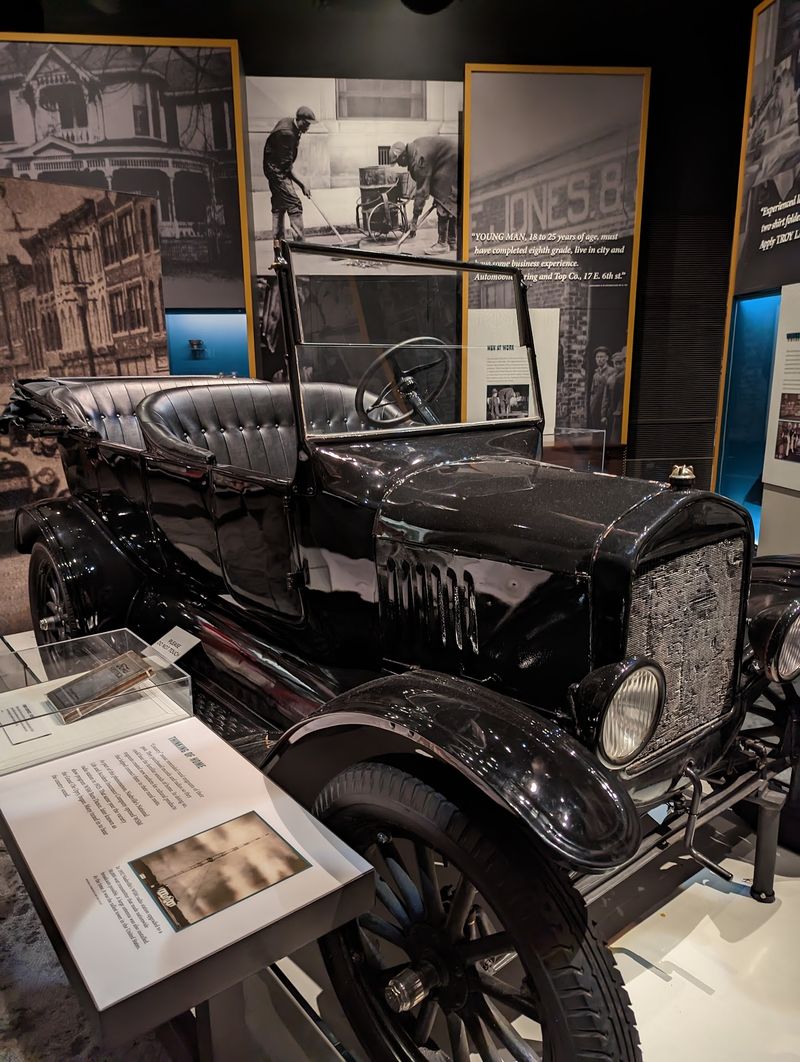
The exhibits are arranged chronologically, making it easy to follow the state’s story as you move through the galleries. You’ll see everything from prehistoric artifacts and Native American tools to Civil War memorabilia and vintage country music instruments.
Each section is packed with detail but never feels overwhelming or boring.
Interactive displays and multimedia elements keep things engaging, especially for younger visitors who might zone out in a traditional museum setting. The museum also rotates special exhibits, so there’s often something new to see even if you’ve been before.
Art, culture, archaeology, and military history all get their moment in the spotlight.
What really stands out is how much ground the museum covers without charging a dime. You could easily spend two or three hours here and still feel like you missed something.
The building itself is beautiful, with plenty of natural light and open spaces that make exploring feel comfortable rather than cramped.
Located in downtown Nashville, it’s easy to add this stop to a day of sightseeing without rearranging your whole schedule. Parking can be tricky, but once you’re inside, you’ll forget about the hassle.
Whether you’re a history nerd or just looking for a free way to spend an afternoon, the Tennessee State Museum delivers quality and depth that rivals paid attractions across the state.
5. Stones River National Battlefield, Murfreesboro
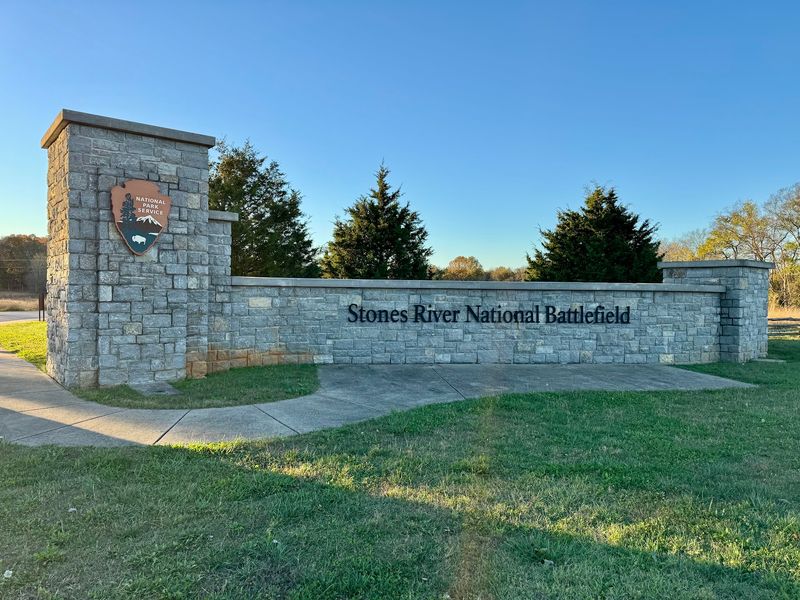
Murfreesboro’s Stones River National Battlefield preserves the site of one of the Civil War’s bloodiest battles, and visiting costs nothing. The battlefield sprawls across hundreds of acres, with well-marked trails, monuments, and interpretive signs that help you understand what happened here in the winter of 1862 and 1863.
Walking these grounds feels heavy with history. You can follow the same paths where soldiers marched, stand where critical decisions were made, and see the landscape that shaped the battle’s outcome.
The National Cemetery sits nearby, a sobering reminder of the human cost of war.
The visitor center offers free entry and provides context through exhibits, maps, and a short film that sets the stage before you head outside. Rangers are available to answer questions and sometimes lead guided tours, adding layers of insight you wouldn’t get on your own.
Even without a tour, the self-guided experience is powerful and informative.
Trails range from easy walks to longer hikes, so you can tailor your visit to your energy level and interest. Some paths take you through wooded areas, while others cross open fields where you can imagine the chaos and strategy of battle.
Monuments dot the landscape, each marking a specific regiment or moment in the fight.
What makes this battlefield feel like a hidden gem is how peaceful it is now, despite its violent past. You won’t fight crowds or pay admission fees, just quiet reflection and a chance to connect with a pivotal moment in American history.
Bring comfortable shoes and a water bottle, and plan to spend at least an hour exploring the grounds and visitor center.
6. Old Stone Fort State Archaeological Park, Manchester
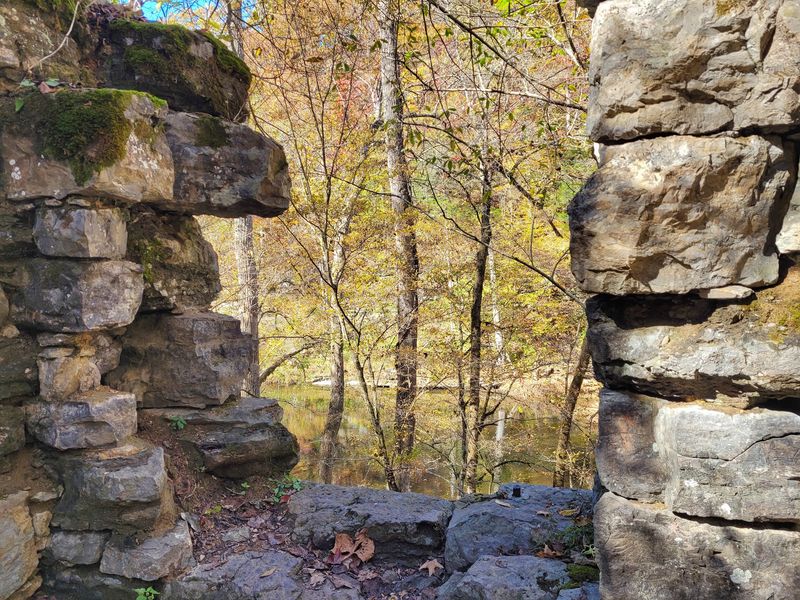
Manchester’s Old Stone Fort State Archaeological Park is one of those places that feels like several attractions rolled into one, and you don’t pay a cent to experience any of it. The centerpiece is an ancient earthwork structure built by Native Americans nearly 2,000 years ago.
Walking along these raised walls, you can’t help but wonder about the people who shaped this land long before European settlers arrived.
The park sits where two rivers meet, creating dramatic waterfalls and lush, wooded scenery that makes the archaeological significance feel even more special. Trails wind through the forest, leading to overlooks, water features, and quiet spots perfect for taking a break.
The combination of history and natural beauty gives this park a unique character that’s hard to find elsewhere.
A small museum on-site offers free admission and provides context about the earthworks, the people who built them, and the area’s geological features. It’s not a huge museum, but it’s well done and worth a quick visit before or after you explore the grounds.
The exhibits help you appreciate what you’re seeing outside rather than just wandering aimlessly.
Families enjoy this park because it offers both education and outdoor fun. Kids can run the trails, explore the waterfalls, and learn something without realizing they’re in a history lesson.
The park is well-maintained, with clear signage and picnic areas that make it easy to spend a few hours here.
Whether you’re a history buff, a nature lover, or just someone looking for a free afternoon activity, Old Stone Fort delivers on multiple levels. It’s the kind of hidden gem that makes you feel like you’ve discovered something special, even though it’s been here for millennia.
7. Cookeville History Museum, Cookeville

Cookeville’s history museum is easy to miss if you’re not looking for it, but that’s part of what makes it feel like a hidden gem. Tucked away in the heart of town, this small museum is packed with local history, rotating exhibits, and stories that bring the area’s past to life.
Best of all, admission is completely free.
The collection focuses on Cookeville and the surrounding Upper Cumberland region, covering everything from early settlers and railroad history to local industry and everyday life in decades past. You’ll find old photographs, vintage tools, clothing, and artifacts that paint a picture of how this community evolved over time.
The exhibits change regularly, so repeat visits often reveal something new.
What sets this museum apart is the attention to detail and the clear love for local history. It’s not trying to compete with big-city museums or cover broad topics.
Instead, it zeroes in on the specific stories and people that shaped Cookeville, making the experience feel personal and genuine.
Volunteers and staff are usually on hand to chat and answer questions, adding a friendly, welcoming vibe that bigger museums sometimes lack. They’re happy to share extra details or point you toward exhibits that match your interests.
That personal touch makes the visit feel more like a conversation than a solo tour.
Plan to spend about 30 to 45 minutes here, though you could stretch it longer if you’re really into local history or genealogy. The museum is small enough to explore in one go but thoughtful enough to leave an impression.
If you’re passing through Cookeville or looking for a free indoor activity, this museum offers a quiet, engaging way to connect with the area’s roots.
8. Sculpture Fields at Montague Park, Chattanooga
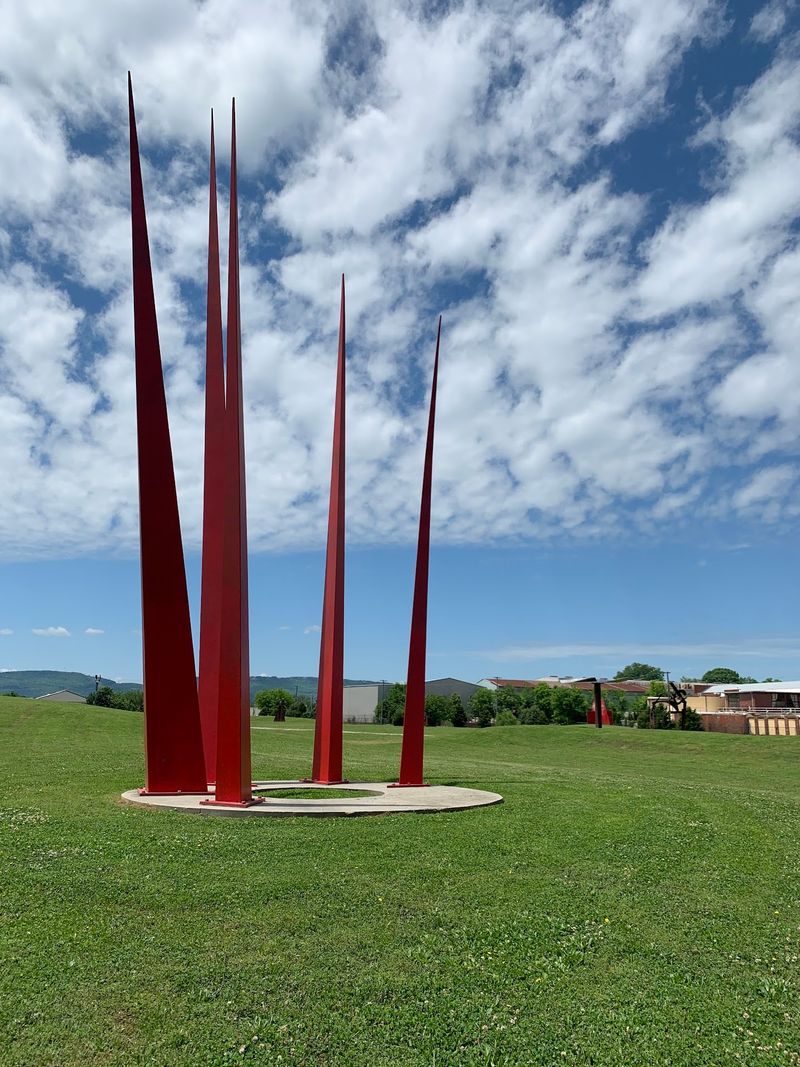
Chattanooga’s Sculpture Fields at Montague Park is an outdoor art gallery where you don’t need a ticket or a reservation. Just show up and wander among massive contemporary sculptures spread across acres of open land.
The combination of art, sky, and rolling green space creates an experience that feels both meditative and energizing.
The sculptures themselves range from abstract metal forms to stone installations, each one large enough to make an impact from a distance. Walking up close reveals details you can’t catch from afar, like textures, welds, and the way light plays across different surfaces.
Some pieces invite you to walk around or through them, adding an interactive element that traditional galleries can’t offer.
Because this is an outdoor park, you can visit any time during daylight hours without worrying about museum schedules or entry fees. Bring a picnic, a camera, or just a sense of curiosity.
The open layout means you can take your time with each piece or breeze through quickly, depending on your mood and schedule.
Families find this park especially appealing because kids can run around and engage with the art in ways that would never fly indoors. There’s no “don’t touch” rule here, at least not for most pieces.
What makes Sculpture Fields feel like a hidden gem is how unexpected it is. Not every city offers free access to this caliber of outdoor art, and Chattanooga doesn’t make a huge fuss about it. You just have to know it’s there.
Whether you’re an art lover or just looking for a unique place to stretch your legs, this park delivers creativity and beauty without asking for anything in return.
9. McClung Museum of Natural History & Culture, Knoxville
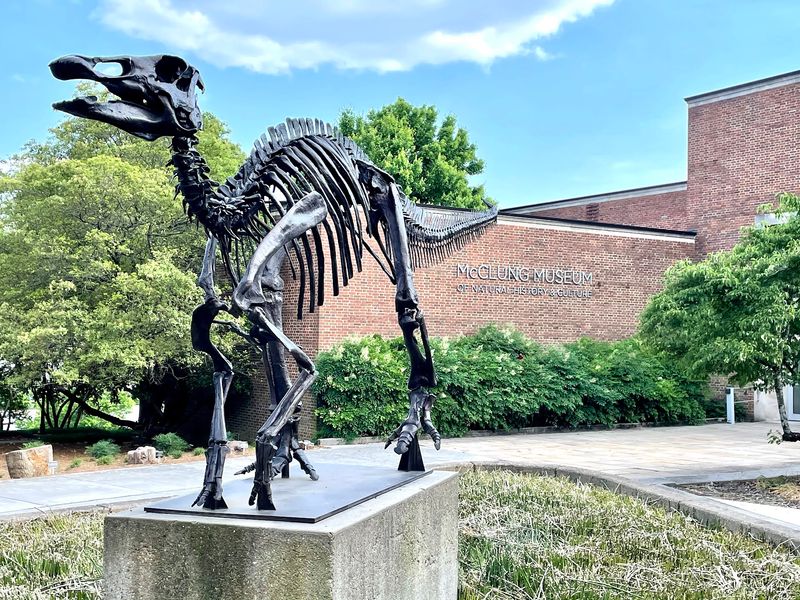
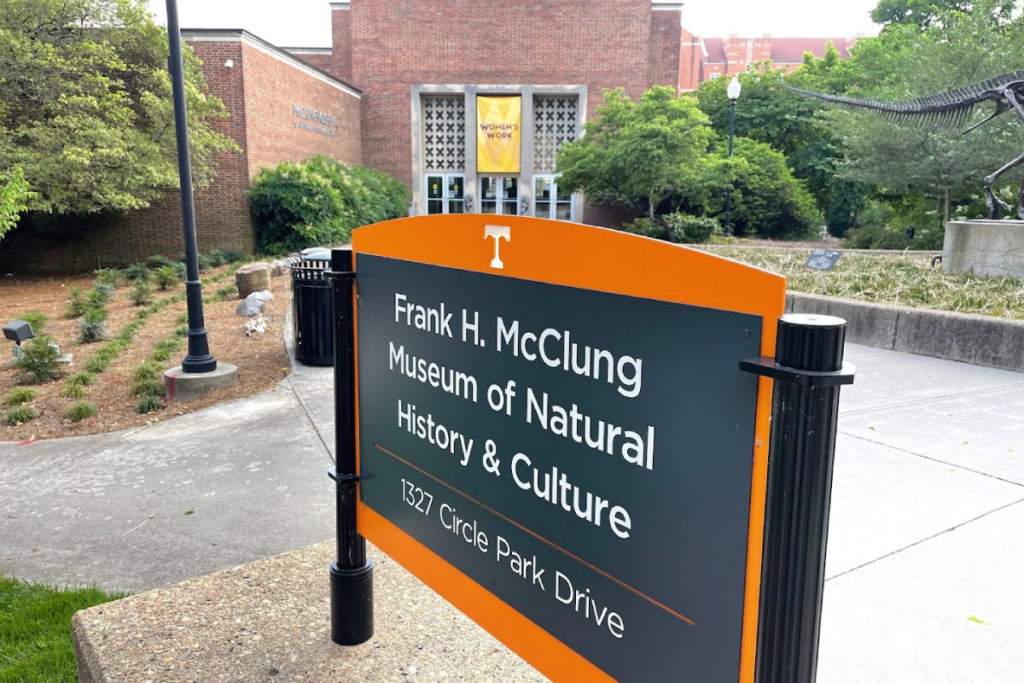
Knoxville’s McClung Museum sits on the University of Tennessee campus, and it’s one of those places that locals love but visitors often overlook. General admission is free, which seems almost too good to be true once you see how much the museum offers.
Fossils, archaeology, Tennessee history, art, and cultural exhibits all share space under one roof.
The natural history section features dinosaur bones, ancient marine life, and geological specimens that help you understand the region’s deep past. Kids especially love the fossil displays, where massive skeletons and colorful minerals capture attention and spark questions.
The exhibits are well-labeled and thoughtfully arranged, making complex science accessible to casual visitors.
On the cultural side, you’ll find artifacts from Native American communities, early settlers, and various periods of Tennessee history. Rotating art exhibits add variety and ensure there’s always something new to see, even if you’ve visited before.
The museum also hosts lectures, workshops, and special events, many of which are free or low-cost.
Because it’s located on a university campus, the museum has an academic feel without being stuffy or overly formal. Students, families, and curious adults all mix together, creating a welcoming atmosphere that encourages exploration and learning.
Parking can be a challenge during the school year, but it’s manageable if you plan ahead.
Plan to spend at least an hour here, maybe two if you’re really into the exhibits. The museum isn’t enormous, but it’s dense with interesting content that rewards a slower pace.
Whether you’re a Knoxville resident or just passing through, the McClung Museum proves that free doesn’t mean low-quality. It’s a hidden gem that deserves more attention than it gets.
10. Andrew Johnson National Historic Site, Greeneville
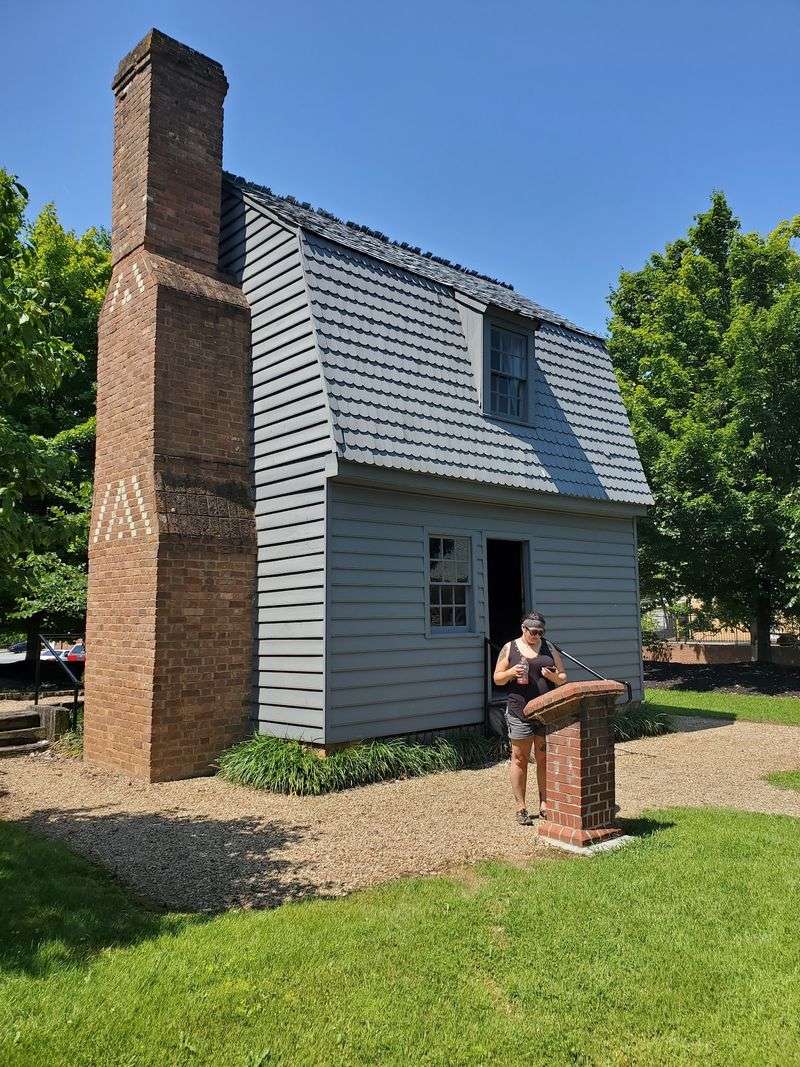
Greeneville might not be on your Tennessee radar, but it’s home to the Andrew Johnson National Historic Site, where you can explore the life and legacy of the nation’s 17th president without spending a dime. The site includes several buildings connected to Johnson’s life, including his tailor shop, homestead, and the cemetery where he’s buried.
Free tickets are available for guided tours of the historic Homestead when staff and capacity allow. Even if tours are full, you can still explore the visitor center, watch a short film about Johnson’s life, and walk the grounds at no cost.
The visitor center offers exhibits on his presidency, impeachment, and the turbulent Reconstruction era, providing historical context that goes beyond basic biography.
Johnson’s story is complicated and controversial, which makes this site more interesting than a simple celebration of a president. The exhibits don’t shy away from difficult topics, giving visitors a more nuanced view of his leadership and the era he governed.
Whether you agree with his policies or not, understanding his role in American history adds depth to your knowledge of the Civil War and its aftermath.
The buildings themselves are well-preserved and give you a tangible sense of 19th-century life in East Tennessee. Standing in the same rooms where Johnson lived and worked creates a connection that textbooks can’t replicate.
The cemetery is peaceful and worth a visit, offering a quiet spot for reflection after touring the historic structures.
Plan for about an hour or two to see everything, depending on whether you catch a homestead tour. The site is small enough to explore without feeling rushed but substantial enough to feel worthwhile.
If you’re interested in presidential history or Civil War-era politics, this free attraction delivers insight and authenticity in a town that feels frozen in time.
11. Sycamore Shoals State Historic Park, Elizabethton
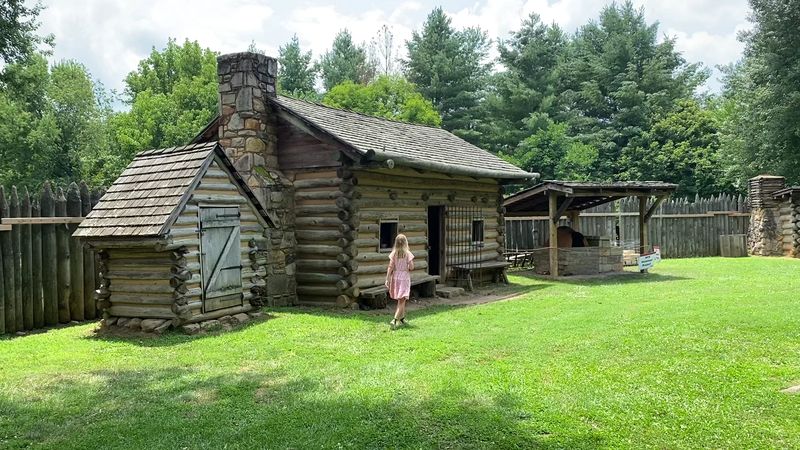
Elizabethton’s Sycamore Shoals State Historic Park preserves a Revolutionary War-era site that played a critical role in early American history, and it’s completely free to visit. The park centers on the reconstructed Fort Watauga, where you can walk through the wooden structures and imagine life on the frontier in the 1770s.
The fort isn’t original, but it’s built on the actual site and designed to match historical records.
The visitor center provides context through exhibits, artifacts, and displays that explain the significance of this location. Sycamore Shoals was the gathering point for the Overmountain Men before they marched to the Battle of Kings Mountain, a turning point in the Revolutionary War.
Learning about their journey and the role this remote outpost played in securing American independence makes the park feel more important than its quiet setting suggests.
Riverside grounds offer walking paths, picnic areas, and open space where you can relax and enjoy the scenery. The Watauga River flows nearby, adding natural beauty to the historical significance.
It’s a peaceful spot that invites you to slow down and soak in both the landscape and the stories it holds.
The park hosts living history events and reenactments throughout the year, bringing the past to life in ways that static exhibits can’t. Even without a special event, the site offers plenty to see and explore.
Rangers and staff are available to answer questions and share additional details that enhance your understanding of the area’s history.
Whether you’re a history enthusiast or just looking for a free outdoor activity in East Tennessee, Sycamore Shoals delivers on multiple levels. It’s the kind of hidden gem that reminds you how much fascinating history exists in small towns and overlooked corners of the state.