Tennessee is packed with natural beauty, incredible music history, and charming small towns that make it one of the most visited states in the South. But not every popular spot lives up to the hype, especially when you factor in crowds, traffic, and over-the-top commercialization.
Some places that show up on every must-see list can actually drain the fun right out of your trip if you’re looking for a more authentic or relaxing Tennessee experience. Here are eight spots that I’ve personally decided to skip next time I’m planning a trip through the Volunteer State.
1. Downtown Gatlinburg
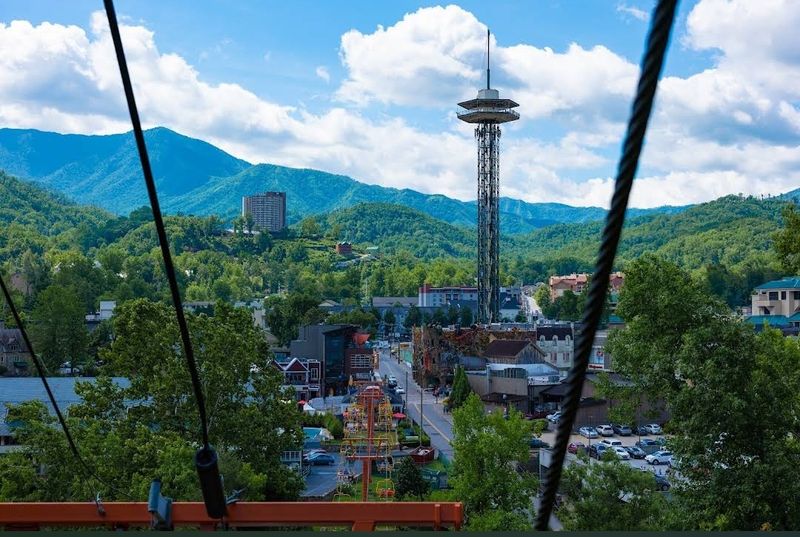
Walking through downtown Gatlinburg feels less like exploring a quaint mountain town and more like navigating a bustling shopping mall squeezed into a narrow valley. The sidewalks overflow with tourists snapping photos, kids clutching candy bags, and groups trying to decide which pancake house to hit next.
It’s shoulder-to-shoulder chaos most of the year, and finding a parking spot can take longer than the actual visit.
Sure, there are fun attractions like the aquarium and sky lift, but the whole area has this manufactured vibe that doesn’t match what you came to the Smokies for in the first place. Every other storefront sells the same T-shirts, fudge, and moonshine samples.
The charm gets buried under layers of neon signs and gift shop clutter.
Traffic crawls at a snail’s pace, especially during peak tourist season or holiday weekends. You might spend 20 minutes just trying to move two blocks.
Honking horns and idling engines aren’t exactly the soundtrack you expect when you’re supposed to be surrounded by peaceful mountain air.
If you’re craving that authentic Appalachian experience, this isn’t the spot. The constant noise, commercial overload, and sheer volume of people make it hard to relax or feel connected to the natural beauty that’s literally right outside town.
It’s exhausting before you even get to the trailhead.
Plenty of folks love the energy and convenience of having everything in one walkable strip, and that’s totally fair. But if you’re someone who values a quieter pace and a more low-key mountain vibe, downtown Gatlinburg might leave you feeling drained instead of refreshed.
There are so many better ways to experience the Smokies without fighting through a sea of selfie sticks and airbrushed license plates.
2. Lower Broadway
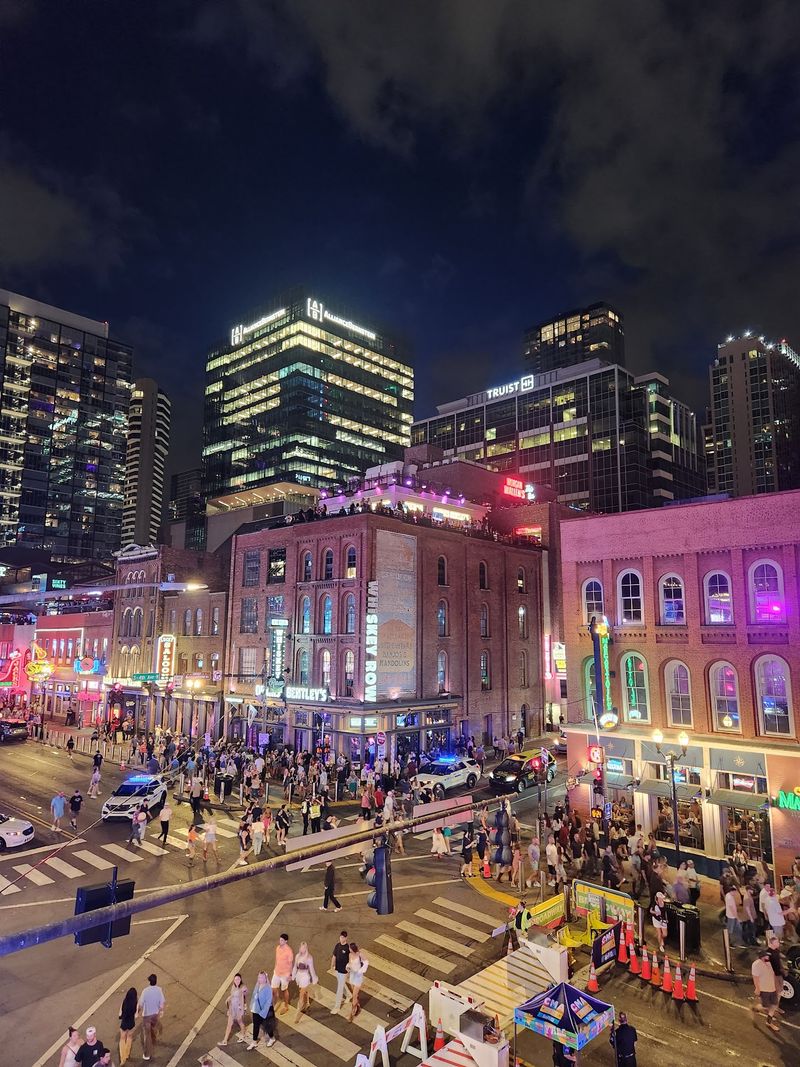
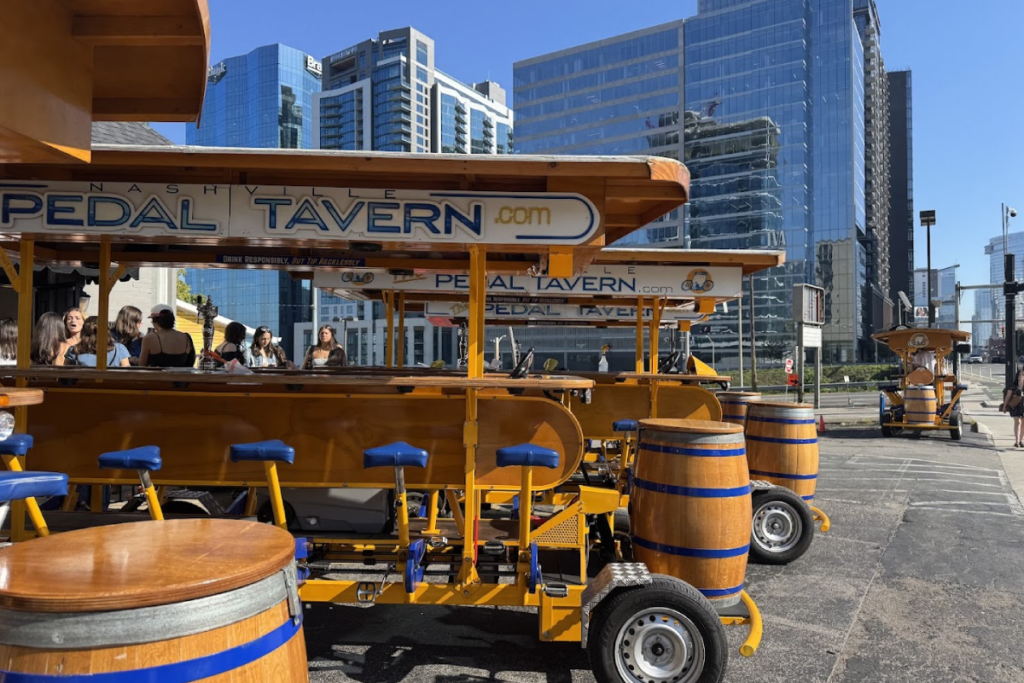
Lower Broadway is Nashville’s most famous strip, and there’s no denying the live music pouring out of every honky-tonk is impressive. But once you add in the bachelorette parties, pedal taverns, and massive weekend crowds, the whole scene can feel more like a spring break destination than a genuine music experience.
It’s loud, chaotic, and often way more expensive than it needs to be.
Drinks cost a premium, and cover charges have started creeping into bars that used to be free. You’re packed in like sardines, and good luck having an actual conversation over the noise.
The vibe skews heavily toward party mode, which is great if that’s what you’re after, but not so much if you came to Nashville for its rich musical heritage.
Pedal taverns weave through traffic while blasting music and cheering at passersby, adding another layer of sensory overload to an already overstimulated environment. It’s fun for about 20 minutes, then it just becomes background chaos.
The constant stream of tourists snapping photos and blocking the sidewalk makes it tough to move around comfortably.
If you’re a local or a repeat visitor, Lower Broadway can start to feel like a place you avoid rather than enjoy. The same cover bands play the same songs, and the whole experience becomes predictable and a little hollow.
There’s so much more to Nashville’s music scene that doesn’t involve dodging drunk crowds on a Saturday night.
Sure, it’s iconic, and everyone should probably see it once just to say they did. But after that first visit, there are quieter neighborhoods with better food, more authentic venues, and way less chaos where you can actually hear yourself think.
Lower Broadway is Tennessee tourism at its most intense, and sometimes that intensity just isn’t worth the headache or the credit card bill.
3. Beale Street
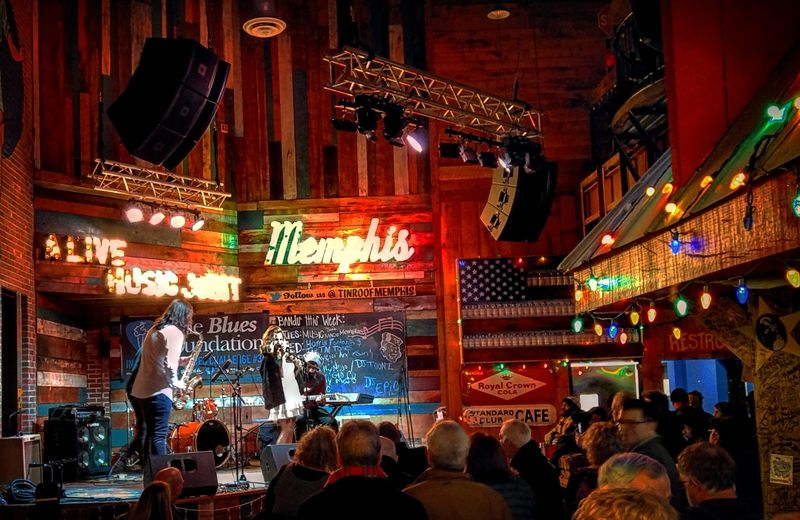
Beale Street holds a legendary place in American music history, and the blues legacy here is absolutely real. But the modern reality involves navigating massive crowds, overpriced drinks, and a nightlife scene that caters more to out-of-towners than to anyone seeking an authentic Memphis experience.
Weekends and special events turn the street into an almost unbearable crush of humanity.
The clubs are packed wall-to-wall, and getting a drink or finding a seat becomes a competitive sport. Cover charges add up quickly, and the quality of the music can be hit or miss depending on which venue you wander into.
Some spots still showcase incredible talent, but others feel more like karaoke bars with a blues theme slapped on.
Street performers, vendors, and party-goers create a sensory overload that can be fun for a little while but exhausting if you’re trying to spend a whole evening there. The smell of fried food mixes with spilled beer, and the noise level makes conversation nearly impossible.
It’s the kind of place where you’re constantly bumping into strangers and apologizing.
If you’re genuinely interested in Memphis music history, there are smaller venues and lesser-known spots around town where you can hear incredible blues without the tourist circus. Beale Street has become a greatest-hits version of itself, polished and packaged for maximum commercial appeal.
The soul is still there somewhere, but you have to dig through layers of souvenir shops and neon signs to find it.
For first-time visitors, it’s probably worth a quick walk-through just to say you’ve been. But don’t expect a deep or meaningful connection to the music that made Memphis famous.
The crowds and commercialization have turned Beale Street into more of a party zone than a cultural landmark, and that shift changes the whole experience into something less special than it used to be.
4. Cades Cove
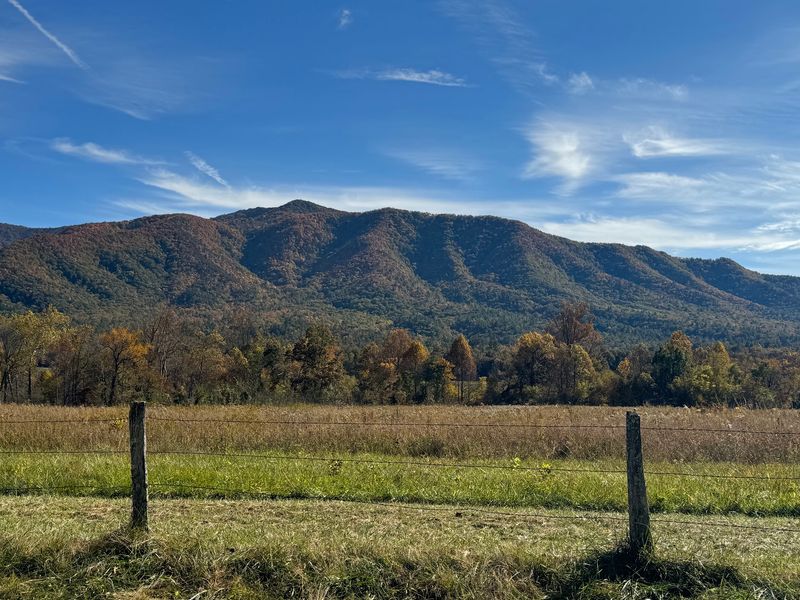
Cades Cove offers some of the most stunning mountain scenery in the entire Smoky Mountains, with historic cabins, open meadows, and wildlife sightings that make it a photographer’s dream. But the one-lane loop road turns into a parking lot during peak season, and what should be a peaceful nature drive becomes a frustrating test of patience.
Cars inch forward at a glacial pace, and you can easily spend three hours covering just 11 miles.
Everyone stops whenever they spot a bear or a deer, which is understandable but creates bottlenecks that ripple backward for a quarter mile. People pull over in the middle of the road, block traffic to take photos, and generally forget that other humans exist behind them.
It’s beautiful, sure, but the constant stop-and-go kills any sense of tranquility.
If you arrive after 9 a.m. on a weekend, you might wait 30 minutes just to enter the loop. The parking areas at the historic sites fill up instantly, forcing you to either skip stops or circle back later.
Restrooms are few and far between, and when you finally find one, there’s usually a line.
Biking or hiking the loop early in the morning solves some of these problems, but most visitors don’t have that option or don’t know about it. The result is a clogged, slow-moving parade of vehicles that turns a nature experience into something closer to a theme park ride.
You spend more time staring at the bumper in front of you than actually enjoying the view.
Cades Cove is objectively gorgeous, and the historical value is real. But the crowds and traffic have reached a point where the experience feels more stressful than restorative.
There are dozens of other trails and scenic drives in the Smokies where you can find solitude and beauty without the bumper-to-bumper headache that defines Cades Cove on most days.
5. The Island in Pigeon Forge
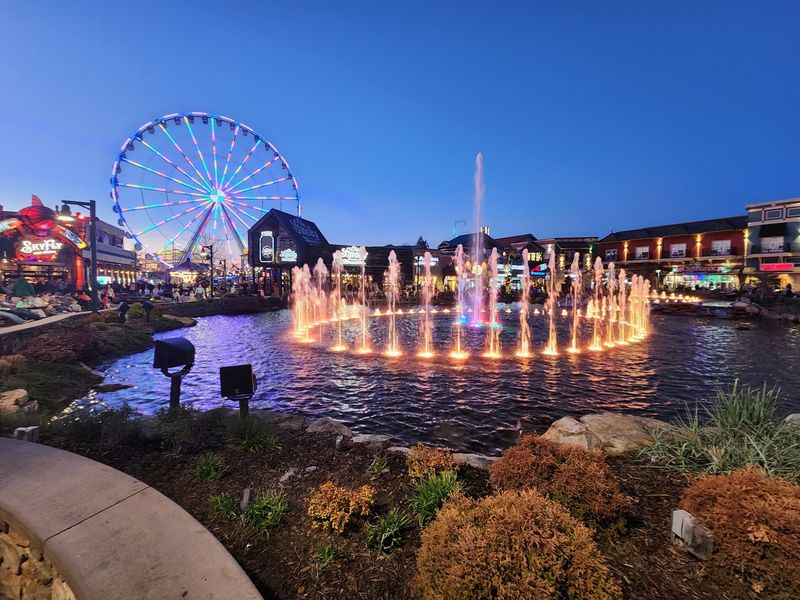
The Island in Pigeon Forge packs restaurants, rides, shops, and a giant Ferris wheel into one sprawling outdoor complex designed to keep tourists entertained without ever leaving the property. It’s colorful, family-friendly, and undeniably convenient if you want everything in one spot.
But it also feels aggressively commercial, like a manufactured version of a town square built specifically to extract vacation dollars as efficiently as possible.
Every corner has something trying to sell you an experience, from escape rooms to mirror mazes to overpriced souvenir stands. The whole place hums with that artificial energy that comes from carefully planned entertainment districts.
If you came to Tennessee for the mountains and natural beauty, The Island feels like the exact opposite of that vibe.
Crowds pack the walkways, especially during summer and holiday breaks, making it hard to move around comfortably. Kids dart between groups, strollers clog the pathways, and the constant noise from attractions and music creates sensory overload.
It’s fun for about an hour, then the novelty wears off and you’re left wondering why you’re not hiking instead.
The food options are mostly chain restaurants with inflated prices, and the unique local spots that do exist get lost in the shuffle. You end up spending more money than you planned on things you don’t really need, all while surrounded by throngs of other tourists doing the exact same thing.
It’s efficient tourism, but it’s not particularly memorable.
Families with young kids might genuinely enjoy the convenience and variety, and that’s fair. But if you’re looking for an authentic Tennessee experience or a chance to connect with the natural beauty of the Smokies, The Island is basically the antithesis of that.
6. Pigeon Forge Parkway
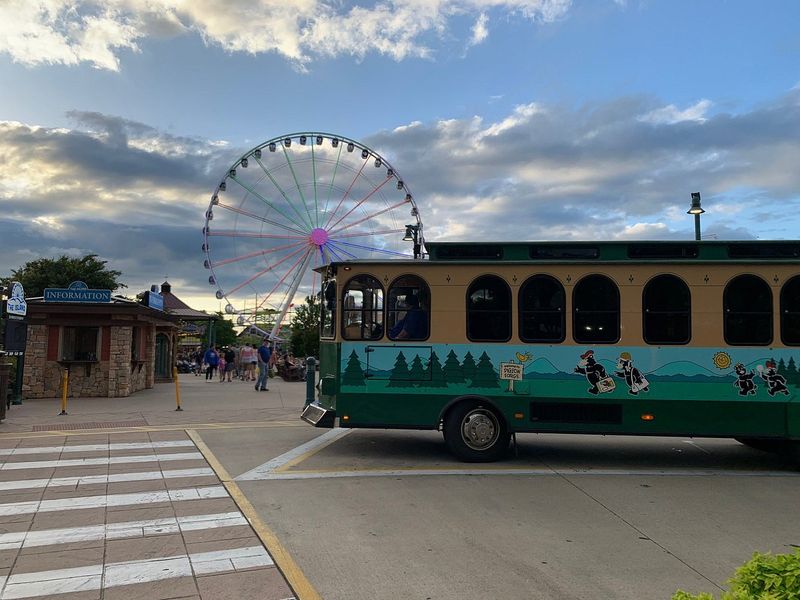
Pigeon Forge Parkway is the main artery running through town, and it’s lined with every imaginable tourist attraction, from go-kart tracks to dinner theaters to miniature golf courses. It’s a neon-lit gauntlet of commercialism that stretches for miles, and navigating it during peak season feels like being stuck in a slow-motion parade of rental cars and RVs.
Traffic lights seem timed to maximize frustration, and turning left can take five minutes.
Billboards compete for your attention every few feet, advertising shows, rides, and all-you-can-eat buffets with increasingly desperate slogans. The visual clutter is overwhelming, and the constant stop-and-go traffic makes it nearly impossible to relax.
You came to the mountains, but you’re spending an hour crawling past pancake houses and wax museums instead.
Pedestrians dart across multiple lanes trying to get from one attraction to another, adding an extra layer of stress to an already chaotic driving experience. Parking lots overflow, and finding a spot near anything popular requires circling the block multiple times.
The whole strip feels designed to trap you in a cycle of spending money and sitting in traffic.
If you’re staying in Pigeon Forge, you can’t really avoid the Parkway entirely, but every trip along it chips away at your vacation energy. The sheer density of attractions and the relentless commercial vibe make it exhausting rather than exciting.
There’s no breathing room, no sense of place, just an endless parade of themed entertainment.
Locals complain about the Parkway constantly, and for good reason. It’s become a symbol of what happens when tourism growth outpaces infrastructure and planning.
Sure, there are fun things to do along the strip, but the experience of getting to them is so unpleasant that it often cancels out the enjoyment. Tennessee has so much natural beauty and charm, and Pigeon Forge Parkway represents the opposite extreme, where everything feels manufactured and overwhelming.
7. Kuwohi
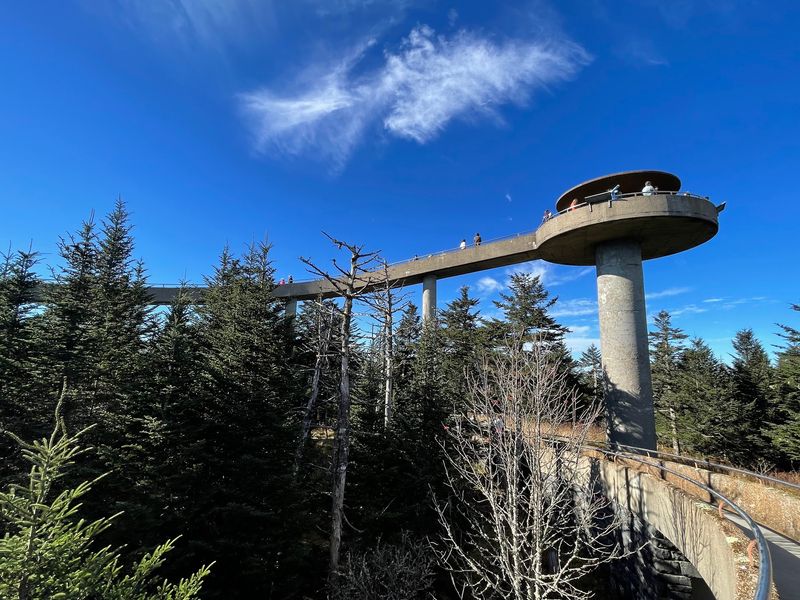
Kuwohi, formerly known as Clingmans Dome, offers breathtaking panoramic views from the highest point in the Great Smoky Mountains National Park. On a clear day, you can see for miles in every direction, and the observation tower provides a 360-degree perspective that’s genuinely stunning.
But getting there and actually enjoying the experience is another story entirely, especially during peak visitor seasons.
The parking lot fills up fast, often by mid-morning, leaving latecomers circling endlessly or giving up altogether. Finding a spot can take 20 minutes of waiting for someone to leave, and the lot isn’t huge to begin with.
Once you finally park, you still have to hike a steep half-mile paved trail to reach the tower, which is manageable but crowded with people moving at different paces.
The observation tower itself becomes a human traffic jam, with visitors jostling for position to snap photos and take in the view. It’s hard to find a quiet moment to actually absorb the scenery when you’re surrounded by dozens of other people doing the exact same thing.
The peaceful mountain experience you imagined gets replaced by a crowded platform where everyone’s trying to get their shot and move on.
Weather can be unpredictable at this elevation, and fog or clouds often obscure the view entirely, leaving you with a white-out panorama and a wasted trip. There’s no way to know in advance if conditions will cooperate, so it’s a gamble every time.
Even on clear days, the wind and cold can make the visit uncomfortable if you’re not dressed properly.
Kuwohi is undeniably iconic, and the views on a good day are legitimately spectacular. But the combination of parking hassles, crowds, and weather unpredictability makes it a stressful experience more often than not.
There are plenty of other overlooks and hikes in the Smokies that offer incredible views without the logistical nightmare, and those spots let you actually enjoy the mountains in peace.
8. Nashville’s Pedal Tavern
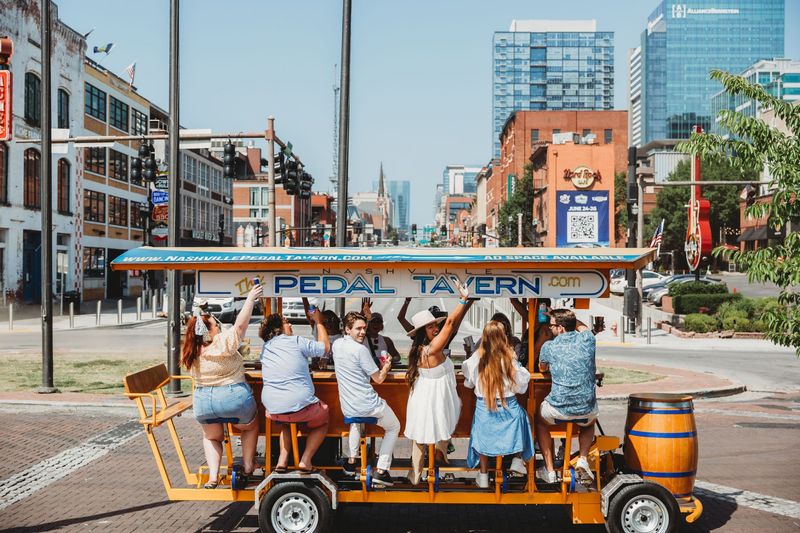
Pedal taverns have become a defining feature of Nashville’s party scene, rolling through downtown streets with groups of tourists drinking, pedaling, and blasting music at full volume. The concept is fun in theory, combining exercise with socializing and sightseeing, but in practice it creates chaos for everyone else on the road.
Drivers get stuck behind slow-moving pedal taverns, and the noise disrupts entire blocks as they pass through.
The experience itself is often more awkward than enjoyable unless you have the perfect group dynamic and everyone’s energy levels match. Someone always ends up doing more pedaling than others, and the routes typically cover the same touristy areas you could walk in half the time.
You’re paying a premium to be a mobile spectacle while getting a mediocre workout and overpriced drinks.
Locals have grown increasingly frustrated with pedal taverns clogging traffic and contributing to the party-town image that overshadows Nashville’s actual cultural offerings. They’ve become a symbol of the city’s over-tourism problem, where the authentic music and food scene gets drowned out by bachelorette parties on wheels.
It’s fun for the people on board, but it’s a nuisance for almost everyone else.
Safety is another concern, with impaired riders navigating traffic alongside cars and pedestrians in busy downtown areas. The combination of alcohol, distracted pedaling, and crowded streets creates situations that feel more dangerous than fun.
Most participants are too focused on their own good time to notice or care about the disruption they’re causing.
If you want to explore Nashville with friends while drinking, there are better options that don’t involve becoming a rolling traffic obstacle. Walking bar crawls, guided food tours, or just picking a neighborhood and wandering offer more authentic experiences without the gimmick factor.