I’ll admit it—I went into these famous Texas destinations with a chip on my shoulder. You know the feeling when everyone raves about something so much that you’re just waiting to be disappointed? That was me with these five spots.
I figured they’d be overrated, overcrowded, and overhyped. Turns out, I was completely wrong, and I’m not even mad about it.
1. Palo Duro Canyon State Park (Canyon)
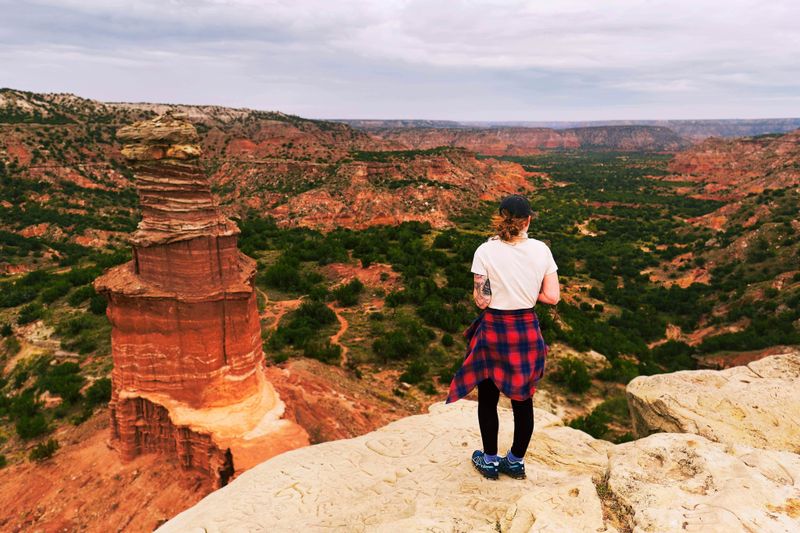
Most folks think Texas is just flat prairie and tumbleweeds, so when I first heard about the “Grand Canyon of Texas,” I rolled my eyes hard. Another tourism board stretching the truth, right? Wrong.
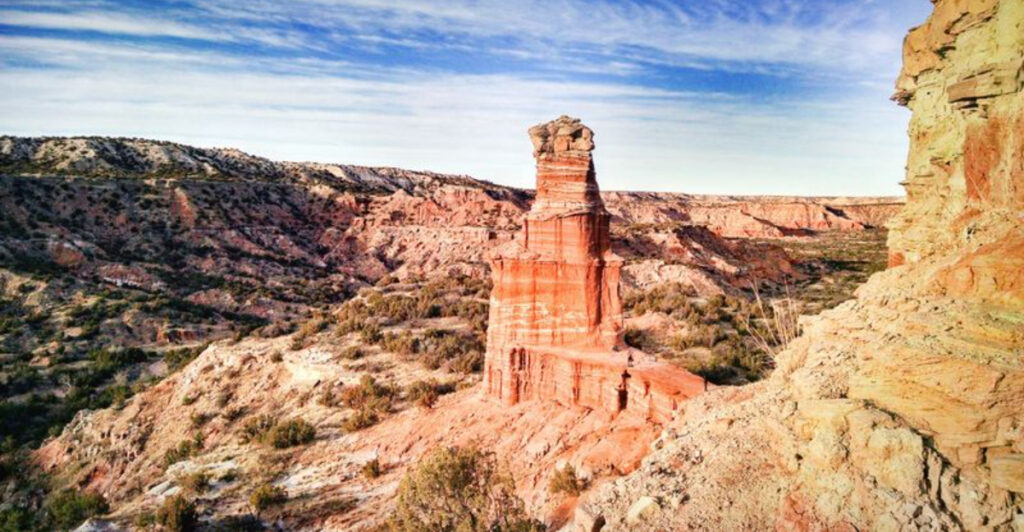
Palo Duro Canyon dropped my jaw the second I crested that final hill and saw 800 feet of rust-colored cliffs cutting through the Panhandle like a secret someone forgot to mention.
The canyon stretches 120 miles long and up to 20 miles wide in spots, carved out over millions of years by the Prairie Dog Town Fork of the Red River. What gets me is how quiet it feels down there—like stepping into another world where the wind whispers through juniper trees and roadrunners actually cross your path. The rock layers tell stories going back 250 million years, and you can see them stacked like a geology textbook made real.
I hiked the Lighthouse Trail expecting a tourist parade, but found something different. Sure, people were there, but the canyon swallowed us all up in its vastness. The trail winds 6 miles round-trip to a rock formation that does look remarkably like a lighthouse, and the views shift with every turn.
By the time I reached the base of that 75-foot pillar, I was a convert.
Sunrise and sunset paint the canyon walls in colors that seem impossible—deep purples, bright oranges, and reds that glow like embers. Summer brings the outdoor musical drama “TEXAS” performed in the canyon’s amphitheater, which I initially dismissed as cheesy. Watched it anyway.
Cried a little. The canyon won me over completely, proving that sometimes the hype is real and Texas holds landscapes that rival anywhere in the country.
2. The Magnolia Silos (Waco)
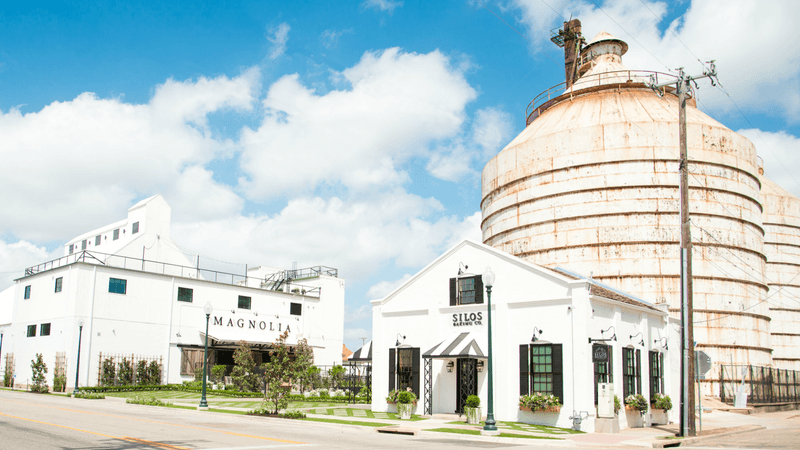
Listen, I’m not a home décor person, and I definitely wasn’t watching “Fixer Upper” when it took over HGTV. So when friends insisted we stop at Magnolia on our way through Waco, I prepared myself for the most boring two hours of my life. I imagined overpriced throw pillows and crowds of people losing their minds over shiplap.
I wasn’t entirely wrong about the crowds, but everything else? Totally misjudged it.
Chip and Joanna Gaines transformed an old grain silo property into something that feels less like a store and more like a really well-designed community hangout. The massive lawn hosts food trucks serving legit good eats—not just tourist trap garbage. I grabbed tacos from one truck and coffee from another, then actually enjoyed sitting on the grass watching kids play while their parents shopped.
The whole vibe felt unexpectedly relaxed.
Inside the market, yeah, there’s plenty of home goods and that signature farmhouse style everywhere. But the space itself impressed me—they kept the industrial bones of the building and made it work beautifully. The bakery next door pumps out cupcakes and cookies that earned my respect immediately.
I’m talking real-deal good, not just Instagram pretty.
What really got me was the garden shop and seed area. Rows of plants, gardening tools, and actual useful stuff mixed in with the decorative items. I ended up buying herb seeds I didn’t plan on purchasing and have since grown a decent basil plant.
The whole complex keeps expanding too—they added a hotel, restaurant, and coffee shop that locals actually use, not just tourists.
I went in skeptical and left with a bag of stuff, a full stomach, and genuine appreciation for what they built. Magnolia Silos proved you can create something wildly popular without sacrificing quality or soul.
3. Marfa (Marfa)
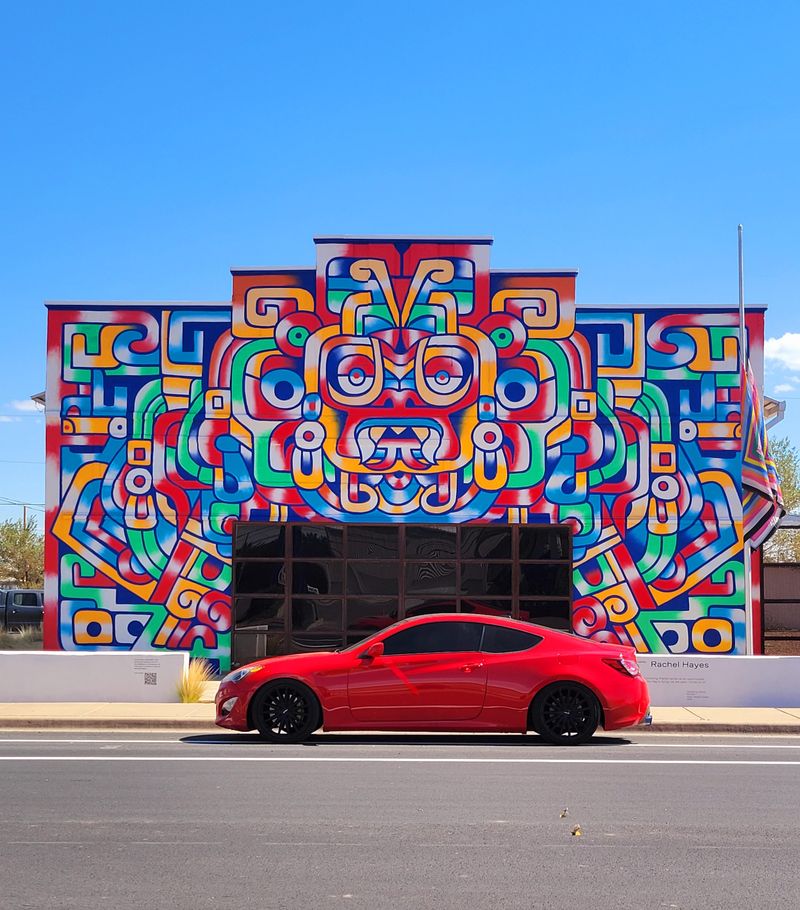
A tiny town in the middle of West Texas desert known for art galleries and mysterious lights? I called it pretentious before I ever got there. Population barely over 1,500, hours from anywhere, and art people treating it like the next big thing—seemed like classic emperor’s-new-clothes territory.
Then I spent a weekend there and got it. Really got it.
Marfa sits in high desert country where the sky goes on forever and the landscape feels like Mars decided to set up shop in Texas. The town itself looks like it might blow away in a strong wind—old storefronts, dusty streets, and that classic West Texas emptiness. But inside those buildings?
World-class contemporary art that belongs in major museums. Donald Judd, the famous minimalist artist, moved here in the 1970s and started converting old military buildings into permanent art installations.
The Chinati Foundation sprawls across former Fort D.A. Russell with massive concrete boxes and aluminum sculptures that play with light and space in ways that mess with your head. I’m not an art expert, but standing inside those pieces made me feel something I wasn’t expecting.
The scale, the silence, the way the desert light filters through—it all clicked in a way gallery art never has for me.
Beyond the art, Marfa delivers weird charm in spades. The Prada Marfa installation sits alone on Highway 90—a fake Prada store in the middle of nowhere that’s somehow perfect. Food Shark food truck serves Mediterranean food that shouldn’t be this good in a town this small.
Hotel Saint George hosts a pool scene that attracts creative types from Austin and beyond.
The mysterious Marfa Lights still show up east of town—unexplained glowing orbs that dance on the horizon. Scientists offer theories, but nobody knows for sure. That mystery fits Marfa perfectly—a place that refuses to make complete sense and wins you over because of it, not despite it.
4. Franklin Barbecue (Austin)
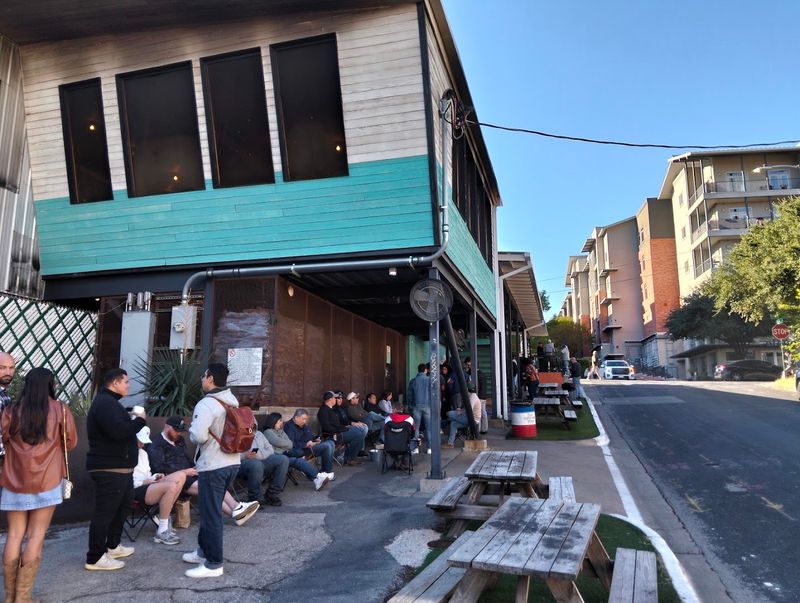
Waiting four hours in line for brisket seemed absolutely ridiculous to me. Austin has hundreds of barbecue joints, and people camp out before dawn for Franklin like it’s a concert or new iPhone release. I figured it was hype manufactured by food bloggers with nothing better to do.
My friend dragged me there at 7 a.m. on a Saturday, and I complained the entire first hour. By the time we walked out with our tray, I understood why people do this.
Aaron Franklin started in his backyard with a little smoker and turned it into what many consider the best barbecue in America. The line forms early—sometimes people show up at 6 a.m. or earlier—and snakes down the block. But here’s the thing: the wait becomes part of the experience.
You meet people from all over the world, share stories, and build anticipation. Locals bring camp chairs and breakfast tacos to share. The Franklin team brings out samples while you wait, which helps a lot.
When you finally reach the counter and smell that smoke, your brain short-circuits a little. The brisket comes out with a dark, peppery bark on the outside and meat so tender it barely holds together. One bite explained everything—the smoke ring, the fat rendering perfectly, the seasoning balanced just right.
I’m not exaggerating when I say it’s different from other barbecue. The technique, the attention to detail, the quality of meat—it all shows up on your plate.
The sides hold their own too. Pinto beans with chunks of brisket, potato salad with just enough tang, and slaw that cuts through the richness. But honestly, the meat is why you’re there.
Ribs fall off the bone, pulled pork has actual smoke flavor, and the sausage snaps when you bite it.
Franklin Barbecue taught me that sometimes the hype is justified, and waiting in line can be worth it when the payoff delivers. I still think four hours is crazy, but I’d probably do it again. That’s how good it is.
5. The San Antonio River Walk (San Antonio)
Tourist traps usually make me want to run in the opposite direction, and the San Antonio River Walk screamed tourist trap from every description I heard. A manufactured pedestrian mall along a river with chain restaurants and boat tours? Hard pass.
I pictured something like a mall food court but outside with worse food. Turns out, I was judging something I didn’t understand at all.
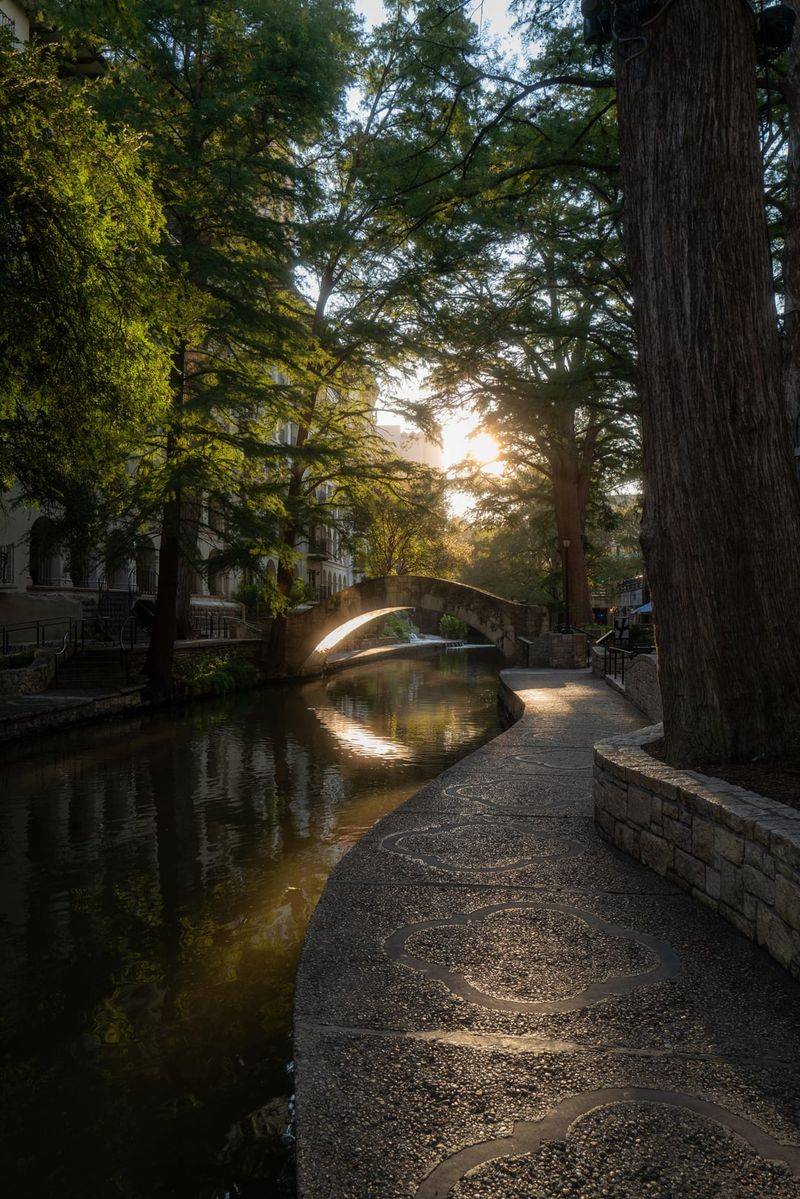
The River Walk winds through downtown San Antonio one level below the streets, following the San Antonio River for miles. What started as a flood control project in the 1930s became this incredible urban park that feels like stepping into another city entirely. Stone pathways line both sides of the water, with cypress trees providing shade and bridges crossing overhead.
The temperature drops noticeably once you descend the stairs, and the city noise fades into the background.
Yeah, there are touristy spots—no denying that. But there are also local gems tucked along the route that serve real Tex-Mex and craft cocktails worth drinking. I found a quiet section near the Pearl Brewery development where locals actually hang out, with kayakers paddling past and people reading on benches.
The Museum Reach extension added art installations and natural landscaping that feels completely different from the downtown stretch.
The history surprised me too. The River Walk almost got paved over in the 1920s until preservationists fought to save it. Now it anchors the entire downtown economy and gives San Antonio character that sets it apart from other Texas cities.
During Fiesta season, the whole thing lights up with decorations and events that locals genuinely enjoy, not just tourists.
I walked different sections over two days and never got bored. Early morning before the crowds brought peaceful moments with coffee and birds. Evening brought mariachi music and the smell of fajitas grilling.
The River Walk won me over by being more than I expected—a genuine gathering place that happens to attract tourists because it’s actually worth visiting, not because of clever marketing alone.
Share this story