Planning a Texas getaway on a shoestring budget sounds impossible, but I decided to test the theory with just $300 in my pocket for an entire weekend. San Antonio became my destination of choice because the city offers a surprising number of free attractions and affordable options that most travelers overlook. What started as a budget experiment turned into one of the most rewarding trips I’ve ever taken, proving that memorable experiences don’t require emptying your wallet.
Here’s exactly how I stretched every dollar and what I learned along the way.
1. Setting The Ground Rules: What $300 Actually Buys In Texas
Before leaving home, I broke down my budget into clear categories to avoid impulse spending. Transportation, lodging, food, and a small emergency fund each got their own envelope with designated cash. This old-school approach helped me stay accountable because once an envelope emptied, that category was tapped out until the next day.
San Antonio made sense as my destination because it sits in a sweet spot where costs stay reasonable compared to Austin or Dallas. The city’s compact downtown means less money spent on getting around, and the concentration of free historical sites creates natural entertainment without admission fees. I allocated $120 for two nights of lodging, $80 for food, $40 for transportation, and kept $60 as a cushion for unexpected costs.
Traveling during shoulder season in early November meant better deals on accommodations and fewer crowds at popular spots. I avoided weekends with major events or conventions that drive up hotel prices. Research showed me that Tuesday through Thursday offered the best rates, but I compromised with a Friday arrival to maximize my time exploring.
My ground rules included no rideshares unless absolutely necessary, eating at least one meal per day from grocery stores, and prioritizing free attractions over paid ones. I downloaded offline maps to avoid data charges and pre-loaded my phone with discount codes for restaurants. Setting these boundaries before departure made decision-making easier when temptation struck.
The psychological aspect of budget travel surprised me most. Knowing my limits forced creativity rather than restriction. Instead of feeling deprived, I felt challenged to discover the authentic San Antonio that locals experience daily.
This mindset shift transformed the entire weekend from a sacrifice into an adventure, proving that constraints can actually enhance rather than diminish travel experiences when approached with the right attitude.
2. Booking A Bed Without Blowing Half The Budget
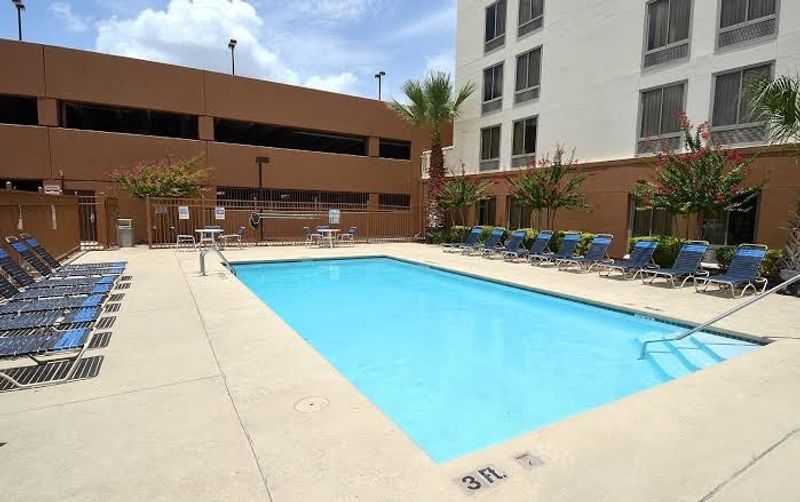
Hostels aren’t just for backpackers anymore, and San Antonio’s downtown options proved that point immediately. I booked a private room at a highly-rated hostel for $58 per night, which included free breakfast, WiFi, and access to a communal kitchen. The room was small but spotless, with a comfortable bed, air conditioning, and a shared bathroom down the hall that stayed surprisingly clean.
Location mattered more than luxury for this trip. Staying within walking distance of the River Walk and Alamo meant I could explore major attractions without paying for transportation. The hostel sat just four blocks from the main tourist corridor, close enough to be convenient but far enough to escape the noise after dark.
Other guests ranged from solo travelers like me to couples seeking affordable accommodations, creating a friendly atmosphere in the common areas. The free breakfast consisted of bagels, fruit, coffee, and cereal, nothing fancy but enough to fuel morning exploration. I saved at least $20 by not eating out for breakfast, money that went toward better dinners later.
Booking directly through the hostel’s website rather than third-party platforms saved an additional $8 in fees. I called ahead to confirm my reservation and asked about any ongoing promotions or discounts. The staff mentioned a 10% discount for stays longer than three nights, which didn’t apply to my weekend trip, but the conversation helped me feel more confident about my choice.
Traditional budget hotels in the area started around $75 per night before taxes, making the hostel an obvious winner. Some Airbnb options looked tempting until I factored in cleaning fees and service charges that pushed prices above my limit. The hostel model worked perfectly for a solo traveler who planned to spend minimal time in the room anyway, prioritizing exploration over accommodation amenities.
3. Riding VIA Metropolitan Transit For Pocket Change
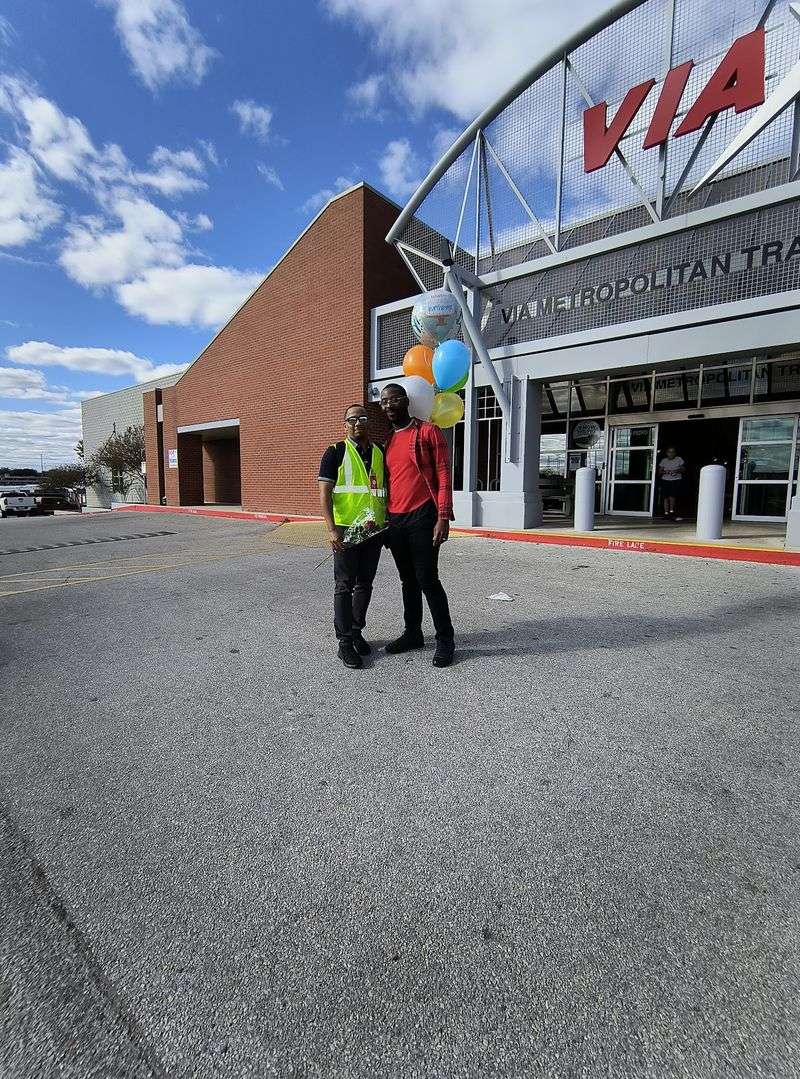
San Antonio’s public bus system became my best friend within hours of arrival. A day pass cost just $2.75 and provided unlimited rides across the entire network, including routes to every major attraction I wanted to visit. I bought passes for both full days, spending only $5.50 total on local transportation for the entire weekend.
The buses ran frequently along tourist corridors, with routes connecting the airport, downtown, missions, and neighborhoods. Real-time tracking through the VIA goMobile app eliminated guesswork about arrival times. Most buses featured air conditioning, comfortable seats, and clear announcements for each stop, making navigation simple even for first-time riders.
Route 40 became my go-to line because it connected the hostel to the Mission Trail, stopping near each of the four southern missions. The journey took about 45 minutes from downtown to Mission San Jose, but the ride itself offered glimpses of residential San Antonio that tourists rarely see. Neighborhoods transitioned from commercial districts to historic areas to modern developments, providing context for the city’s growth and diversity.
Fellow passengers offered unsolicited advice about hidden gems and local favorites, conversations that added unexpected value to the experience. One woman recommended a taco stand near Mission Concepcion that served breakfast tacos for $2 each. Another passenger warned me about construction delays on certain routes and suggested alternatives that saved time.
Compared to rideshares that would have cost $8-12 per trip, the bus system saved me roughly $60 over the weekend. That money funded an excellent dinner on my final night and left cushion in my emergency fund. The slight inconvenience of waiting a few extra minutes for buses felt insignificant compared to the financial freedom it provided.
Public transit also reduced my environmental impact, aligning with values that matter beyond just budget considerations.
4. The Alamo Costs Nothing But Requires Planning
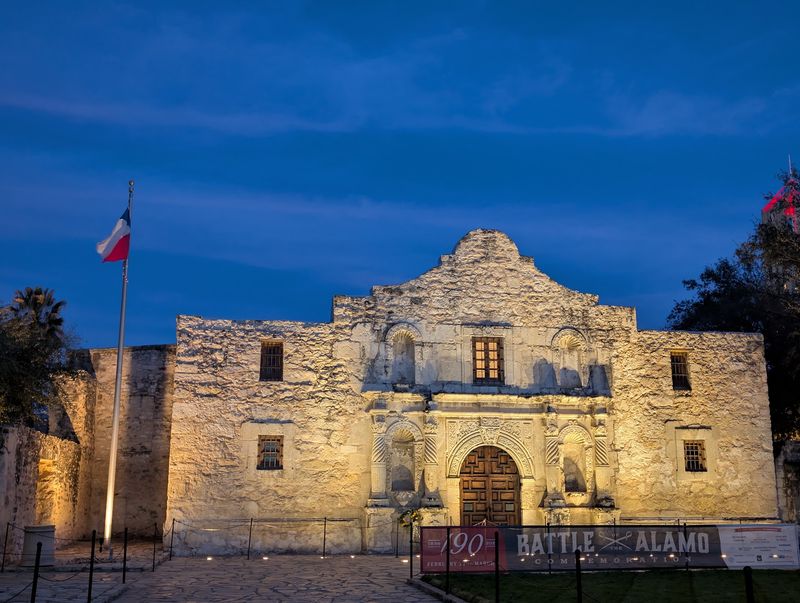
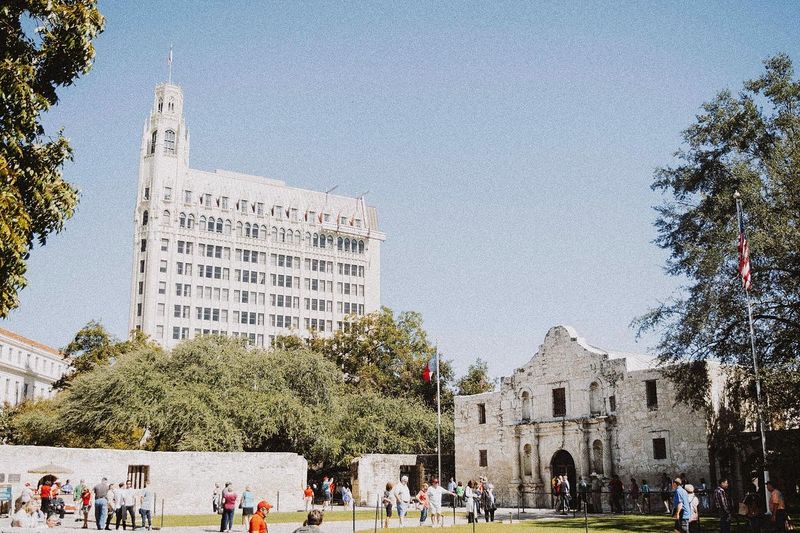
Walking through the doors of Texas’s most famous landmark without paying a cent felt almost too good to be true. The Alamo offers completely free admission to its church, gardens, and several exhibit areas, making it the ultimate budget-friendly attraction. I arrived right when doors opened at 9 AM on Saturday to beat the crowds and spent nearly two hours exploring without feeling rushed.
Security screening at the entrance moved quickly despite the steady stream of visitors. Staff members provided helpful orientation information and maps highlighting different sections of the complex. The main church building, though smaller than expected, carried profound historical weight that photos can’t capture.
Original stone walls and artifacts created tangible connections to the 1836 battle that shaped Texas history.
Outside, the gardens offered peaceful spots to sit and reflect between exploring different buildings. Interpretive signs throughout the grounds explained the site’s evolution from Spanish mission to military garrison to iconic memorial. I appreciated that the free experience didn’t feel stripped down or inferior; the Alamo provides comprehensive historical context without charging admission.
The gift shop tempted me with books and souvenirs, but I stuck to my budget and simply took photos instead. Free audio tours available through a smartphone app enhanced the experience without additional cost. Downloading the content beforehand using hostel WiFi prevented data charges while exploring.
One surprise was learning about the ongoing archaeological work happening on-site. Researchers continue uncovering artifacts and structural remains that reshape understanding of the Alamo’s layout and daily life. Seeing history as an active, evolving field rather than a static collection of facts made the visit more engaging.
The lack of admission fees meant I could theoretically return multiple times to catch different guided talks or special programs without financial pressure, though my weekend schedule only allowed one visit.
5. Four Spanish Missions, Zero Admission Fees
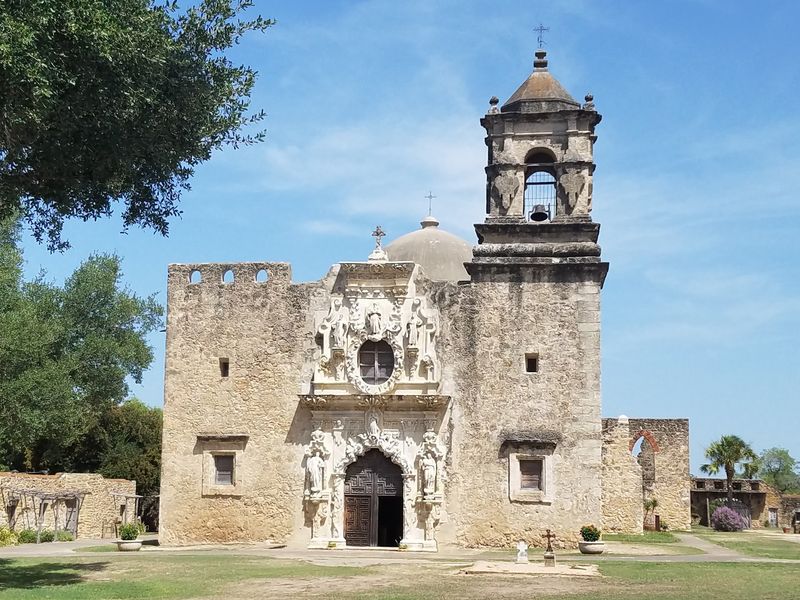
San Antonio Missions National Historical Park encompasses four active parishes that welcome visitors free of charge every day. Mission Concepcion, San Jose, San Juan, and Espada form a trail stretching nine miles south of downtown, each offering distinct architecture and historical significance. I dedicated an entire day to exploring all four, using the bus system to hop between sites and walking the connecting trails when time allowed.
Mission San Jose earned its nickname as the “Queen of the Missions” through stunning stone carvings and the famous Rose Window. The grounds felt expansive, with restored granary, mill, and living quarters surrounding the main church. Park rangers offered free guided tours every hour, providing context about daily life during the mission period and the complex relationships between Spanish colonizers and indigenous populations.
Each mission maintained its own personality and level of restoration. Concepcion’s frescoes represented the oldest unrestored church paintings in the United States, their faded colors hinting at original vibrancy. San Juan featured a working acequia irrigation system still channeling water as it did centuries ago.
Espada’s charm came from its intimate scale and the beautiful old aqueduct nearby.
Bringing my own water and snacks proved essential because services near the missions were limited. I packed a lunch from the hostel’s kitchen, eating at picnic tables in the shade of ancient trees. This approach saved money while letting me linger longer at each site without worrying about finding restaurants.
The missions demonstrated how free attractions can rival or exceed paid experiences in terms of educational value and aesthetic appeal. Walking through spaces where people lived, worked, and worshiped 300 years ago created powerful connections to the past. Photography opportunities abounded, from dramatic archways to detailed stone carvings to sweeping landscape views.
I left with hundreds of photos and a deeper appreciation for Spanish colonial influence on Texas culture and architecture.
6. River Walk Wandering, Grottos And All
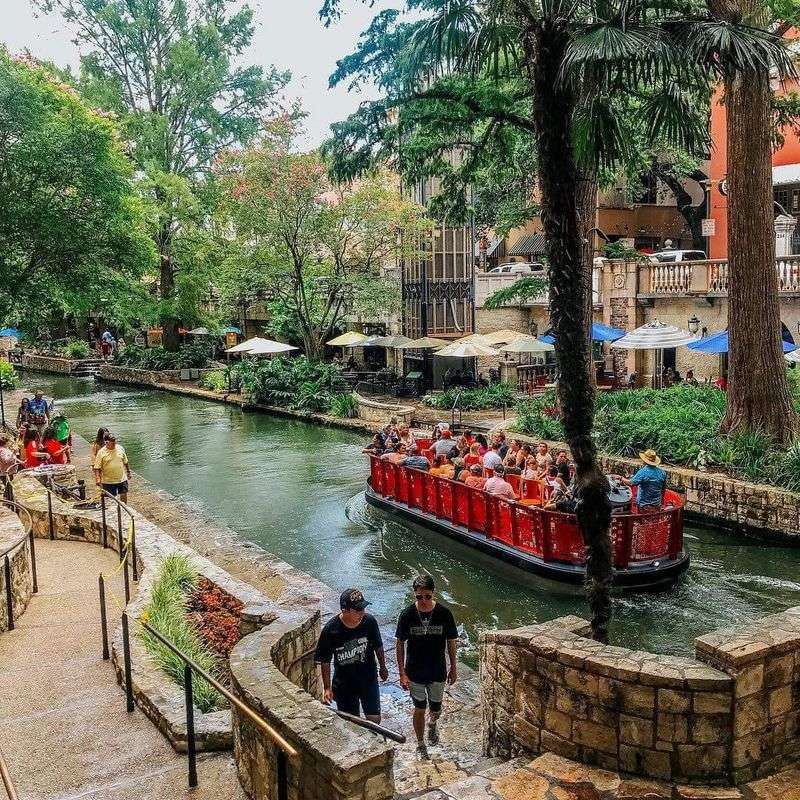
San Antonio’s River Walk stretches for miles along the San Antonio River, offering free access to one of the city’s most iconic experiences. I walked different sections throughout the weekend, discovering that each area possessed distinct character and appeal. The tourist-heavy stretch near downtown restaurants gave way to quieter museum and park sections that felt worlds apart despite being connected by the same waterway.
Early morning walks before 8 AM provided the best experience, with soft light filtering through cypress trees and minimal crowds. Ducks and turtles went about their business undisturbed, and the sound of flowing water created natural white noise that drowned out city sounds. I found benches tucked into alcoves perfect for reading or simply watching the river flow past.
The Museum Reach section north of downtown became my favorite discovery. Public art installations, native plantings, and wider pathways created a different vibe from the commercial River Walk most tourists experience. Lock and Dam Park featured a small waterfall and fish viewing area where I spent a surprisingly long time watching carp swim against the current.
Hidden grottos and small gardens appeared around unexpected corners, rewarding explorers who ventured beyond the main paths. Some sections included interpretive signs explaining the River Walk’s history, including the 1920s beautification project that transformed a flood-prone drainage ditch into a beloved public space. Understanding that context made the experience richer.
While restaurants and shops lining the tourist sections tempted with their colorful umbrellas and appealing aromas, I reminded myself that simply being in the space cost nothing. Street performers occasionally provided free entertainment, and I made sure to enjoy their shows even if my budget didn’t allow tips. The River Walk proved that San Antonio’s most famous attraction delivers value regardless of whether you spend money at the businesses along its banks.
7. Free Galleries, Historic Homes And Weekend Markets
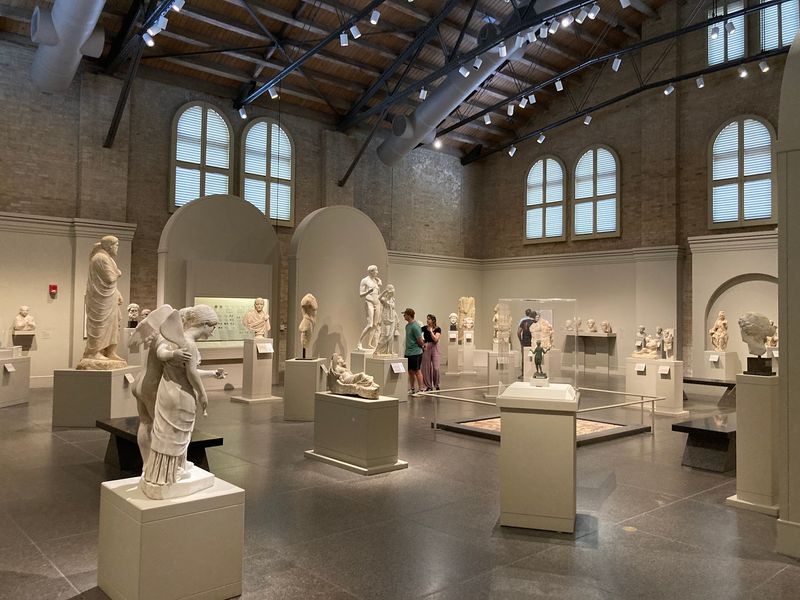
San Antonio’s cultural scene surprised me with the sheer number of free museums and galleries scattered throughout downtown. The Southwest School of Art opened its campus and galleries to visitors without charge, showcasing contemporary works by regional artists in a beautifully restored historic building. I spent an hour wandering through exhibition spaces and courtyards, appreciating both the art and the architecture.
The San Antonio Museum of Art offered free admission on Tuesday evenings, which fell outside my weekend visit, but several smaller galleries along Southtown’s Blue Star Arts Complex welcomed browsers anytime. The concentration of studios and exhibition spaces in renovated warehouses created an energetic arts district atmosphere. Artists working in open studios sometimes chatted with visitors about their processes and inspiration.
Historic homes operated by preservation societies typically charged admission, but their exteriors and surrounding neighborhoods provided free walking tour opportunities. The King William Historic District showcased stunning Victorian-era mansions with informative plaques explaining architectural styles and original owners. I spent a pleasant afternoon strolling tree-lined streets, imagining life in San Antonio’s Gilded Age.
Saturday morning brought me to the Pearl Farmers Market, a weekly gathering of local vendors, food trucks, and artisans. Admission was free, and while I couldn’t afford many purchases, sampling stations offered tastes of local honey, salsa, and baked goods. The market’s festive atmosphere and people-watching opportunities alone justified the visit.
Live music from a local band added entertainment without cover charges.
Local libraries also served as unexpected cultural resources. The Central Library downtown featured architecture worth seeing and free WiFi that let me research evening plans while resting my feet. Art installations in the lobby and regular programming like author talks provided additional value.
These overlooked public spaces demonstrated how cities offer cultural enrichment to everyone, regardless of economic status, when institutions prioritize accessibility over revenue.
8. Green Space Breaks: Koi Ponds And Playgrounds
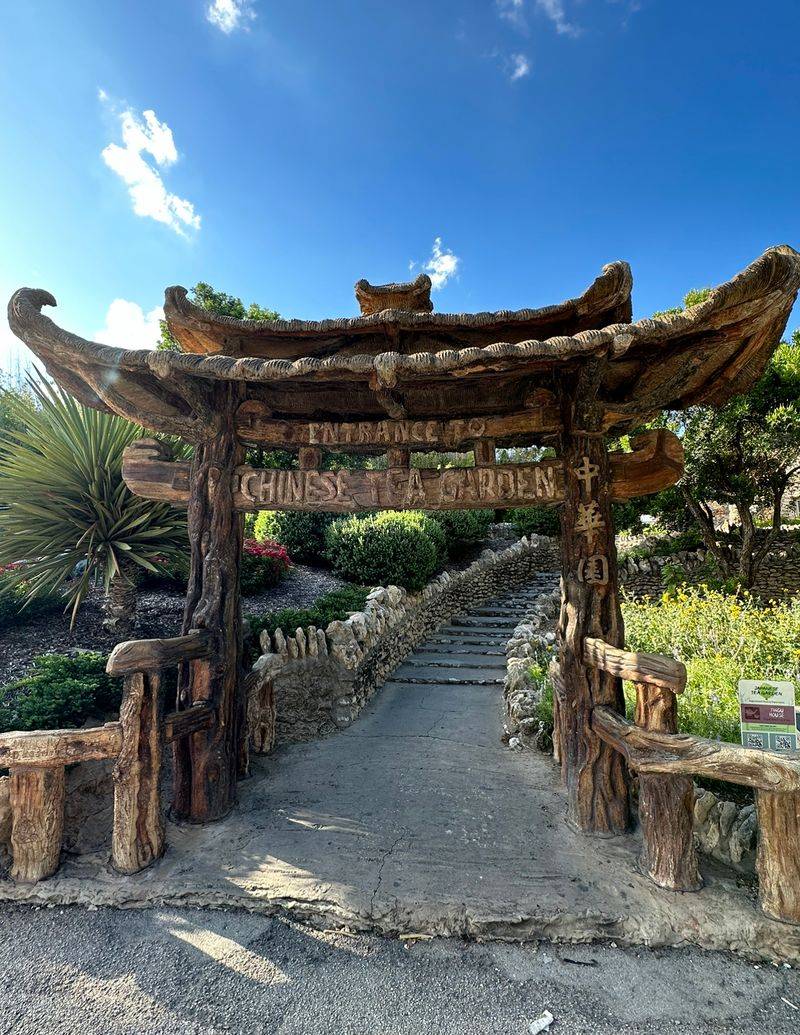
Brackenridge Park became my refuge when urban exploration fatigue set in. This sprawling green space north of downtown offered walking trails, picnic areas, and the stunning Japanese Tea Garden, all accessible without admission fees. The tea garden’s transformation from an old quarry into a lush landscape of waterfalls, koi ponds, and native plants created an oasis that felt transported from another continent.
Families gathered for weekend picnics while joggers and cyclists used the park’s extensive trail system. I found a quiet spot near the San Antonio River’s upper reaches and simply sat for an hour, reading a book I’d brought from home. The value of free, peaceful outdoor space became clear as stress melted away without spending a cent.
Koi in the tea garden’s ponds had grown to impressive sizes, their orange, white, and black patterns clearly visible in the clear water. Children squealed with delight pointing out fish, while photographers captured the interplay of light, water, and foliage. Stone bridges and pathways wound through the garden, encouraging slow exploration and discovery of new vantage points.
The park also housed the San Antonio Zoo, which did charge admission, but the surrounding grounds provided plenty of entertainment without entering the paid area. Playgrounds attracted local families, and watching kids play reminded me that the best experiences often cost nothing. Community use of public parks demonstrated how shared spaces build social connections and provide recreation access regardless of income.
Other parks throughout the city followed similar patterns, offering free access to nature and recreation. Hemisfair Park near downtown featured public art, open lawns, and the Tower of the Americas visible overhead. While ascending the tower required a ticket, enjoying its exterior architecture and the surrounding park cost nothing.
San Antonio’s commitment to accessible green space impressed me throughout the weekend, providing respite and recreation that enhanced every other aspect of the budget travel experience.
9. Eating Well On Under $10 A Plate
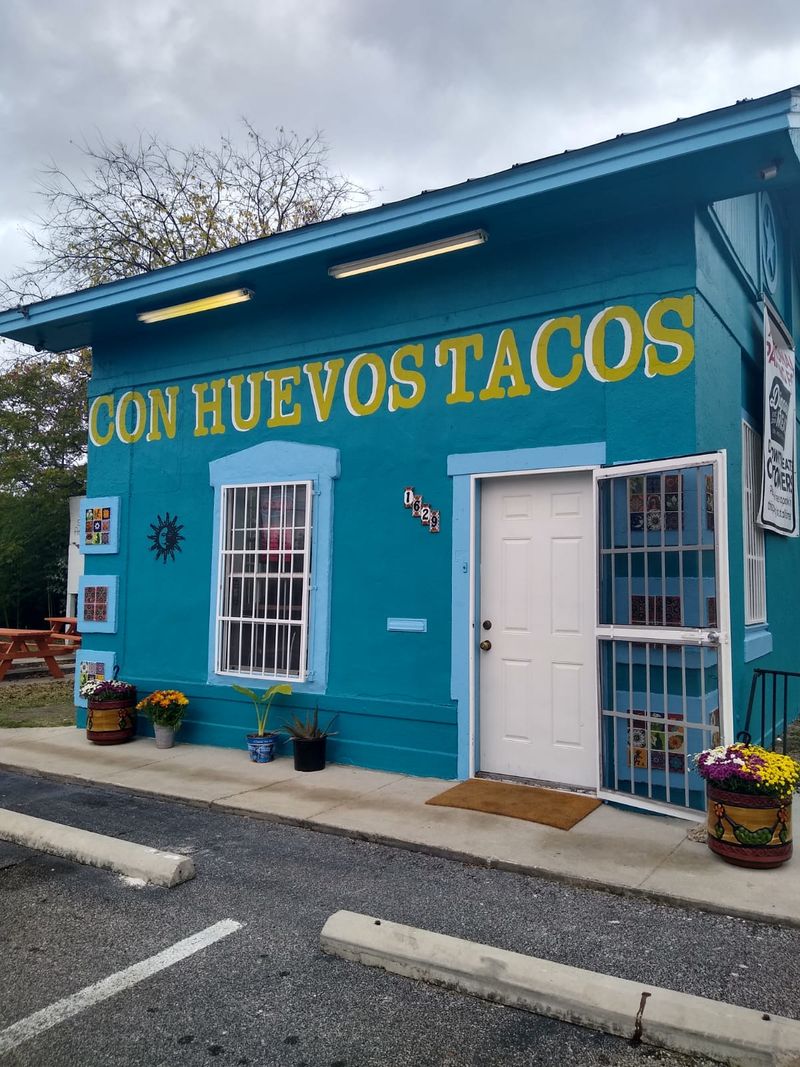
Food presented my biggest concern before the trip, but San Antonio’s taco culture saved my budget repeatedly. Neighborhood taquerias served breakfast tacos for $1.50-2.50 each, and two tacos plus a small drink kept me satisfied for under $6. I discovered that the best spots existed far from tourist areas, where locals lined up for authentic flavors at unbeatable prices.
One morning I tried barbacoa and egg tacos at a small stand near Mission Concepcion, recommended by the bus passenger I’d met earlier. The tortillas came fresh and warm, filled generously with tender meat and perfectly scrambled eggs. Adding salsa verde from the condiment bar elevated the simple meal to something memorable.
Total cost: $4.50 for two tacos and a coffee.
Grocery stores provided another budget-friendly strategy. I bought sandwich supplies, fruit, and snacks at a corner market, preparing lunches in the hostel kitchen. This approach cut food costs dramatically while giving me control over nutrition and portion sizes.
A loaf of bread, deli meat, cheese, and produce cost $18 but supplied three lunches and multiple snacks.
For dinner, I sought out family-owned Mexican restaurants in residential neighborhoods where combination plates ran $8-9. Generous portions of rice, beans, and enchiladas left me comfortably full without breaking the bank. These establishments lacked trendy decor but delivered authentic flavors and warm hospitality that fancy restaurants couldn’t match.
My one splurge came Saturday night when I spent $15 at a food truck park, ordering from multiple vendors to create a varied meal. Even this indulgence stayed within reason, and the quality justified the cost. Street food and casual dining proved that budget eating doesn’t mean sacrificing flavor or satisfaction.
San Antonio’s food scene rewards adventurous eaters willing to venture beyond tourist traps, offering incredible value to those who seek it. I finished the weekend having spent just $68 on food, well under my $80 allocation.
10. Nighttime Fun That Does Not Cost A Cent
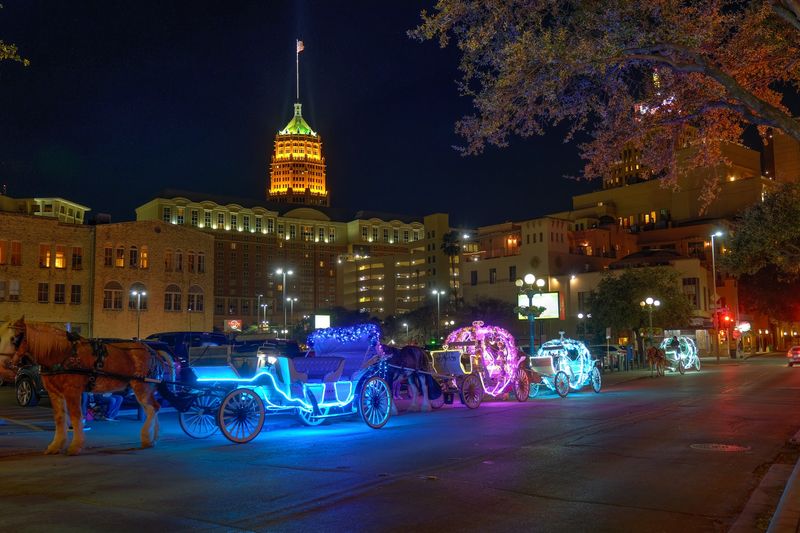
Sunset transformed San Antonio into a different city, and I discovered that evening entertainment didn’t require bar tabs or admission fees. The River Walk’s lighting created magical ambiance as colored lights reflected off the water and illuminated stone pathways. I walked the tourist section after dark, enjoying the energy and people-watching without entering any establishments.
Street performers worked various corners, offering music, magic, and comedy to passing crowds. While I couldn’t tip generously given my budget, I stopped to enjoy several acts and contributed a dollar when performances particularly impressed me. The free entertainment rivaled shows I’d paid for in other cities, demonstrating the talent that thrives in public spaces.
Hemisfair Park hosted a free outdoor movie screening on Saturday night, part of a regular series during warmer months. I joined dozens of locals who’d brought blankets and lawn chairs to watch a classic film projected on a large screen. The community atmosphere and pleasant weather made the experience special, costing nothing beyond the time invested.
La Villita Historic Arts Village stayed open evenings, and wandering its cobblestone streets and small plazas provided peaceful entertainment. Galleries kept later hours on weekends, allowing window shopping and occasional conversations with artists. The village’s charm intensified after dark when fewer tourists crowded the narrow pathways.
My final evening, I found a bench near the Alamo and simply sat watching the building’s facade illuminated against the night sky. Other visitors took photos while horse-drawn carriages clip-clopped past. The scene felt quintessentially San Antonio, capturing the city’s blend of history, tourism, and local life.
No amount of money could have purchased a more satisfying ending to the weekend. I realized that some of travel’s best moments come from slowing down and observing rather than constantly consuming paid experiences. San Antonio offered abundant opportunities for exactly that kind of meaningful, budget-friendly engagement.
Share this story