Tennessee hides some of the most incredible places that many travelers never discover. While everyone knows about Nashville and Memphis, the real magic happens when you venture off the beaten path to find waterfalls tucked in ancient forests, mysterious caves with wild histories, and natural wonders that will leave you speechless.
These 11 hidden gems scattered across the state offer adventures that feel like your own personal secret, waiting to reward those willing to explore beyond the usual tourist stops.
1. The Lost Sea Adventure – Sweetwater
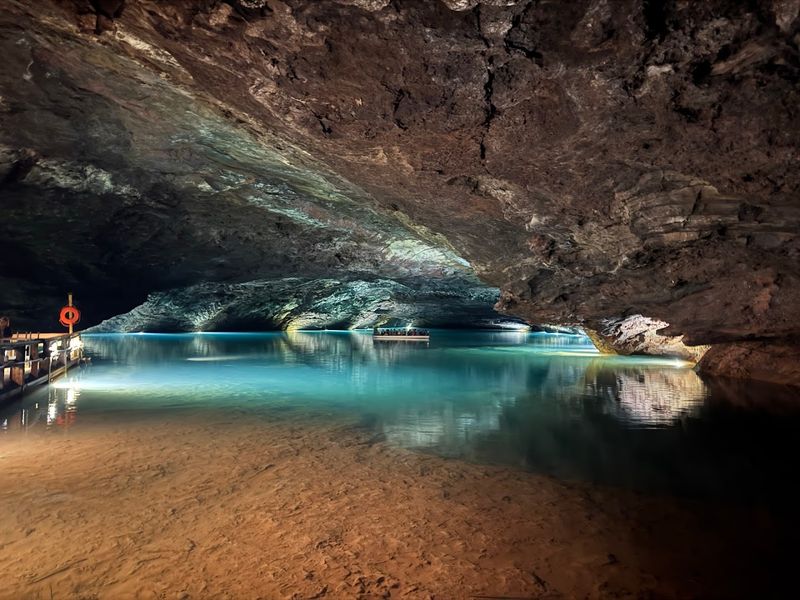
America’s largest underground lake sits beneath the hills of Sweetwater, and walking into this massive cavern feels like stepping into another world. The Lost Sea stretches over 4.5 acres of crystal-clear water inside Craighead Caverns, though nobody knows exactly how far it extends since divers still haven’t found the edges.
You’ll take a guided boat ride across the eerily calm water while learning about the cave’s wild history, from Cherokee legends to Civil War soldiers who left their signatures on the walls.
The temperature stays a constant 58 degrees year-round, so bring a light jacket even on scorching summer days. Kids especially love spotting the rainbow trout swimming in the underground lake, descendants of fish that were stocked decades ago for a quirky experiment.
The guided tour takes about an hour and includes walking through dry sections of the cave with fascinating rock formations before you reach the water.
Plan to spend at least two hours here including the tour and exploring the gift shop and nature trails above ground. The Lost Sea rarely gets as crowded as other Tennessee attractions, making it perfect for families who want something unique without fighting through massive crowds.
2. Bald River Falls – Tellico Plains
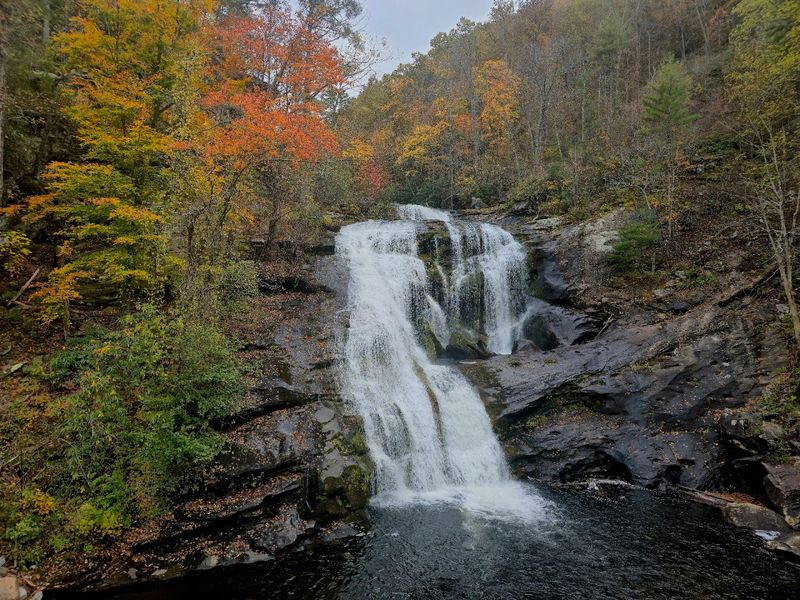
Water crashes down 90 feet over ancient rocks at Bald River Falls, creating one of the most photogenic waterfalls in the entire state. What makes this spot special is how accessible it is compared to other waterfalls that require serious hiking.
You can park right off the Cherohala Skyway and walk just a short distance to get stunning views, though scrambling down to the base takes a bit more effort over slippery rocks.
The falls flow strongest in spring when mountain snowmelt feeds the river, turning it into a thundering spectacle that you can hear from the parking area. Even during drier summer months, the waterfall maintains a beautiful cascade that’s worth the drive through the winding mountain roads.
The surrounding forest creates a natural amphitheater effect, making the sound of rushing water even more dramatic.
Photographers love this spot because the falls face north, providing even lighting throughout most of the day without harsh shadows. Bring water shoes if you want to explore the creek below, and watch your step since the rocks stay slick year-round.
The area gets busy on weekends during peak season, so early morning visits offer the best chance for peaceful waterfall watching without crowds blocking your photos.
3. Bell Witch Cave – Adams
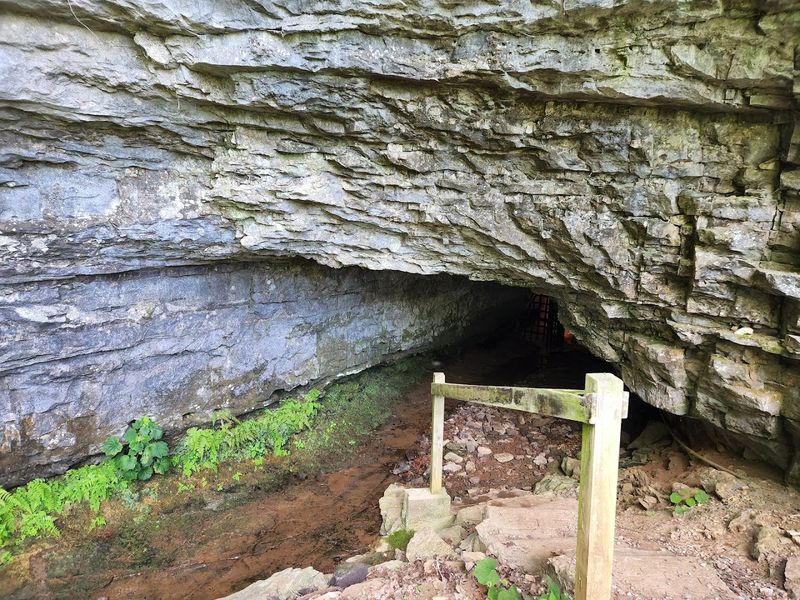
Tennessee’s most famous ghost story comes alive at Bell Witch Cave, where unexplained events have spooked visitors for nearly two centuries. The legend tells of a malevolent spirit that tormented the Bell family in the early 1800s, and locals swear the witch still haunts this cave on the property.
Whether you believe in ghosts or not, the cave tour delivers genuine chills as guides share documented accounts of strange occurrences that even skeptics struggle to explain.
The cave itself stretches deep into the hillside with narrow passages and rooms where the temperature drops noticeably. Tour guides point out areas where visitors have reported feeling invisible hands touching them, hearing unexplained voices, or experiencing camera malfunctions that mysteriously fix themselves after leaving.
The property also includes a replica of the original Bell cabin and a small museum filled with historical artifacts and newspaper clippings about the haunting.
Tours run by reservation only, so you can’t just show up and expect to get in. The experience lasts about an hour, though some groups take longer when the guide shares extra stories about recent paranormal activity.
This isn’t a polished commercial attraction with fancy lighting, which actually adds to the authentic creepy atmosphere that makes Bell Witch Cave genuinely unsettling.
4. The Caverns – Pelham
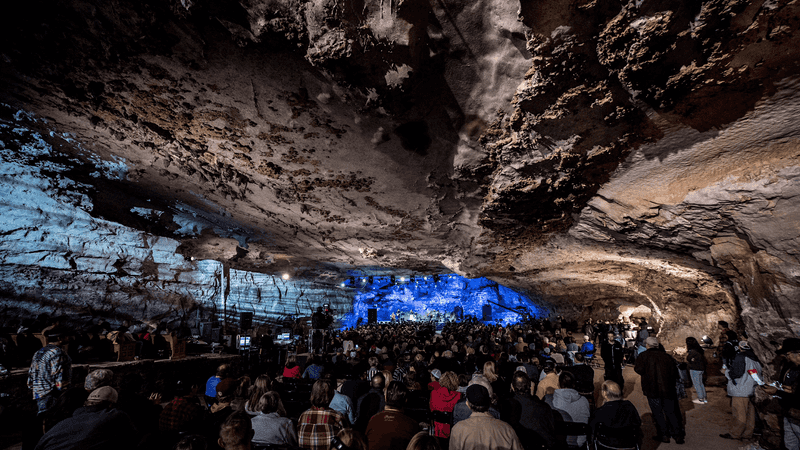
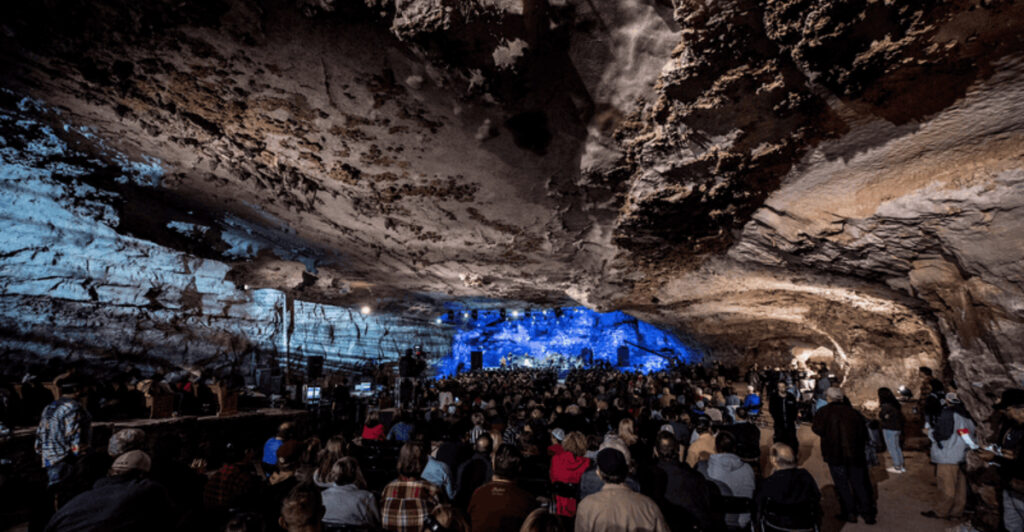
Imagine watching a live concert 333 feet underground in a natural cave with acoustics so perfect that no sound system can match it. The Caverns transformed Grundy County’s forgotten cave system into one of the most unique music venues in America, hosting everyone from bluegrass bands to electronic artists in a setting that feels completely surreal.
The main performance cavern, called The Volcano Room, got its name from the cone-shaped ceiling that creates incredible natural reverb.
Beyond concerts, you can take daytime cave tours that explore sections not used for performances, including stunning formations like flowstone curtains and massive columns. The temperature stays around 60 degrees constantly, so dress in layers regardless of the weather outside.
Tours include stories about how moonshiners used these caves during Prohibition and how the current owners discovered the space’s musical potential completely by accident.
Check the event calendar before visiting since the cave closes to tours during concerts and private events. The adventure cave tour option lets you crawl through tight passages and get muddy exploring less-developed sections, perfect for anyone wanting more than a standard walking tour.
Getting here requires driving winding country roads, but the journey through rural Tennessee farmland adds to the experience of discovering something truly hidden and special.
5. Brushy Mountain State Penitentiary – Petros
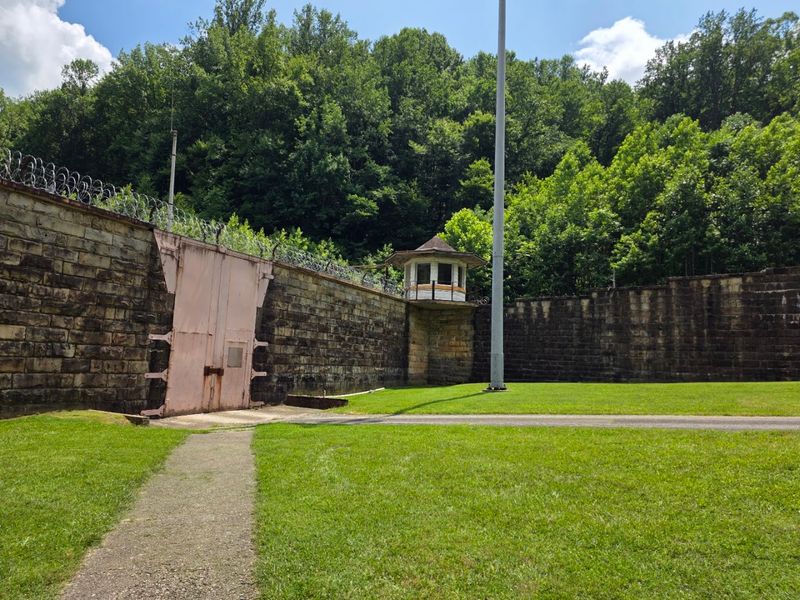
Walking through the cellblocks of Brushy Mountain State Penitentiary feels like stepping back into Tennessee’s toughest prison, which operated for over a century before closing in 2009. This maximum-security facility once held the state’s most dangerous criminals, including James Earl Ray who assassinated Martin Luther King Jr. and later escaped from this very prison.
Now you can tour the facility that guards called “the end of the line” because prisoners sent here rarely left.
The self-guided tour lets you explore at your own pace through cell blocks, the cafeteria, death row, and even solitary confinement cells where inmates spent months in darkness. Information plaques throughout share stories about famous inmates, failed escape attempts, and daily life behind these walls.
The prison sits in a remote mountain location that was deliberately chosen to make escape nearly impossible, surrounded by wilderness that still feels isolating today.
The facility now includes a distillery and restaurant on the grounds, creating an odd but interesting contrast to the grim prison atmosphere. Ghost tour options run after dark for those wanting a spookier experience in the abandoned cellblocks.
Allow at least two hours to properly explore the prison and read the historical information, and don’t miss the museum section with actual artifacts from the prison’s operating days.
6. Frozen Head State Park – Wartburg
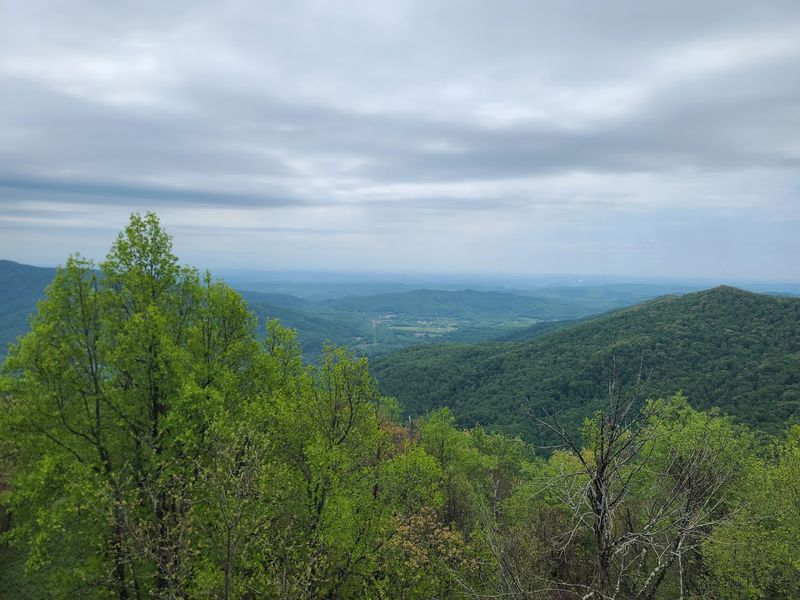
Frozen Head gets its unusual name from the way ice and snow cling to its 3,324-foot peak well into spring, creating a white cap visible from miles away. This rugged state park offers some of Tennessee’s most challenging and rewarding hiking, with over 50 miles of trails ranging from easy nature walks to brutal climbs that test experienced hikers.
The park gained fame as the site of the Barkley Marathons, considered one of the world’s toughest ultramarathons where finishing is so rare that it makes international news.
Most visitors stick to the more moderate trails like Panther Branch Trail, which follows a beautiful creek through old-growth forest filled with massive hemlocks and poplars. Spring brings incredible wildflower displays, while fall turns the mountainsides into a patchwork of orange, red, and gold that rivals anywhere in the Smokies.
Winter hiking here offers solitude since few people brave the cold, but the views from higher elevations become crystal clear without summer haze.
The park stays relatively uncrowded even during peak seasons because it requires driving deep into the mountains on winding roads that keep casual tourists away. Backcountry camping is allowed with a free permit, giving adventurous visitors a chance to experience true wilderness.
Cell service is nonexistent throughout most of the park, so download trail maps before arriving and let someone know your hiking plans.
7. Cummins Falls State Park – Cookeville
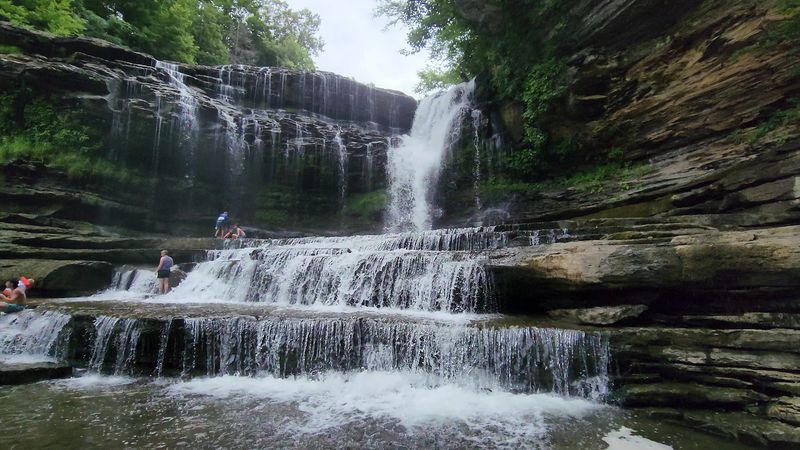
Cummins Falls drops 75 feet into a massive swimming hole that becomes Tennessee’s favorite natural water park during summer months. Getting there requires hiking a moderately challenging trail that includes wading through the creek multiple times, which keeps this spot from getting as insanely crowded as some other swimming holes.
The reward for your effort is a stunning waterfall surrounded by limestone cliffs and clear, cold water perfect for cooling off on scorching summer days.
The hike takes about 45 minutes to an hour depending on how carefully you navigate the creek crossings, and water shoes with good grip are absolutely essential since the rocks are extremely slippery. Park rangers now limit daily visitors during peak season to prevent overcrowding and protect the environment, so arriving early or making a reservation online ensures you’ll get in.
Bring a waterproof bag for your phone and snacks since you’ll definitely get wet even before reaching the falls.
The swimming area at the base of the falls can get busy on weekends, but the large pool accommodates plenty of people without feeling packed. Climbing on the waterfall itself is prohibited and dangerous, though you can explore the creek and surrounding rocks safely.
Plan for a half-day adventure here including hiking time, swimming, and the drive on scenic backroads that wind through rural Tennessee farmland.
8. Rock Island State Park – Rock Island
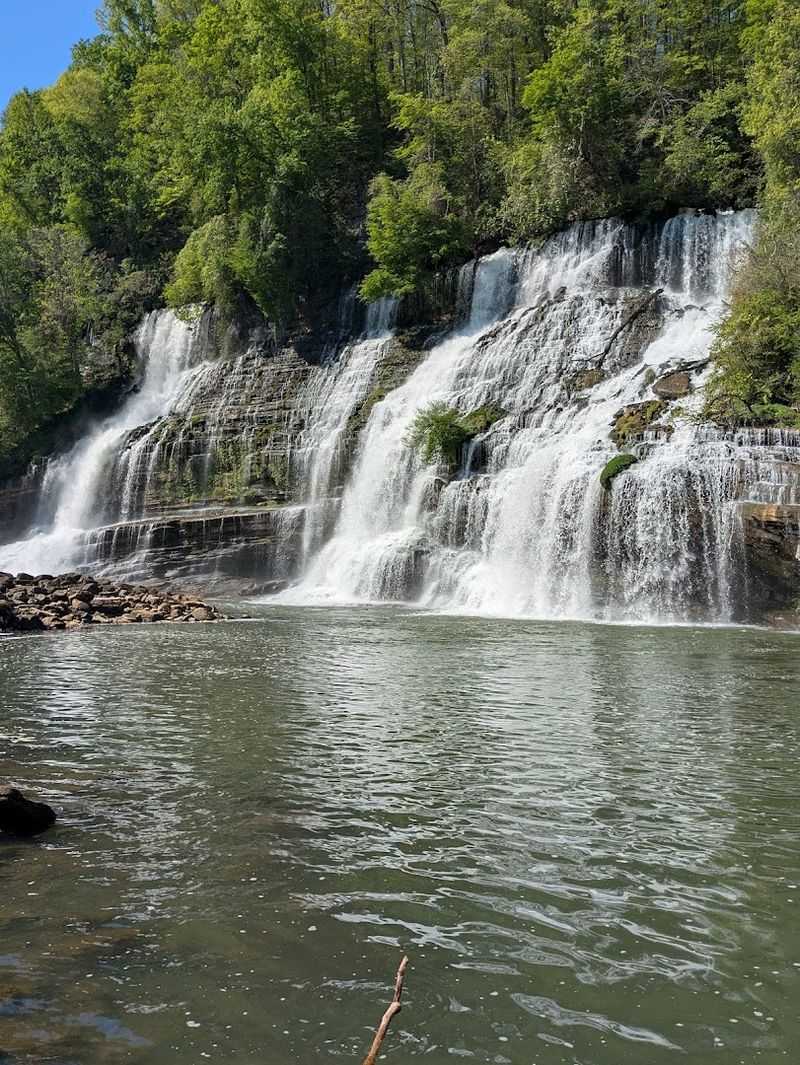
Three rivers converge at Rock Island State Park, creating a collection of waterfalls and cascades that make this one of Tennessee’s most scenic spots. The centerpiece is the Great Falls, where the Caney Fork River plunges into a gorge surrounded by towering bluffs and creates swirling turquoise pools below.
Historic mill ruins scattered throughout the park add an extra layer of interest, reminding visitors that this natural beauty once powered industry before becoming protected parkland.
Multiple overlooks provide safe viewing points for the falls without requiring difficult hikes, making this accessible for families with young kids or anyone with mobility limitations. More adventurous visitors can hike down to the river level for closer views and access to swimming areas, though the currents can be dangerous near the falls themselves.
Twin Falls, another highlight in the park, offers a quieter alternative with a beautiful cascade that’s easier to reach.
The park includes a campground if you want to spend more time exploring the area, and the nearby town of Rock Island offers basic services and restaurants. Kayakers and paddlers love launching from the park to explore the river gorges downstream, though you need proper skills and equipment for these challenging waters.
Summer weekends draw the biggest crowds, so weekday visits or early mornings provide the most peaceful experience of these powerful waterfalls.
9. Cherokee National Forest – Unicoi
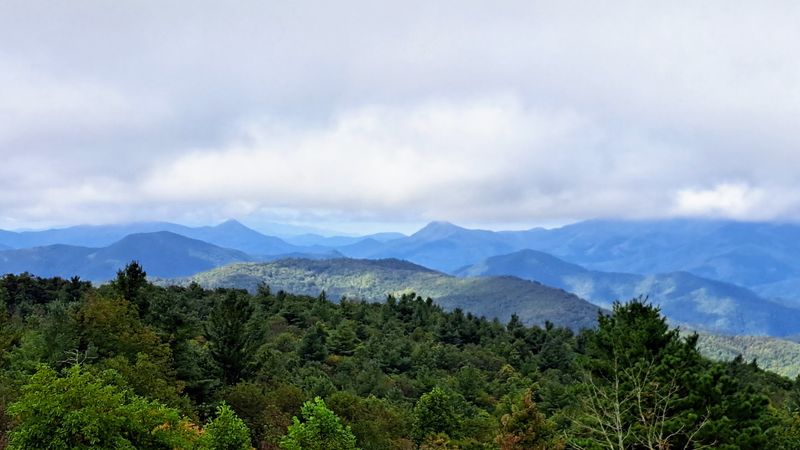
Cherokee National Forest sprawls across 650,000 acres of mountains, rivers, and wilderness in eastern Tennessee, offering endless opportunities for adventure away from developed tourist areas. The Unicoi Mountains section contains some of the forest’s wildest terrain, with trails that see few hikers compared to the nearby Smokies despite offering equally stunning scenery.
Dense forests of oak, hickory, and pine cover mountains that rise over 5,000 feet, creating habitats for black bears, wild turkeys, and even the occasional elk.
Hundreds of miles of trails crisscross the forest, from easy riverside walks to challenging ridge hikes that require serious fitness and navigation skills. The Appalachian Trail passes through Cherokee National Forest, giving thru-hikers and day hikers alike access to iconic sections of America’s most famous long-distance trail.
Waterfalls, swimming holes, and scenic overlooks reward those willing to venture beyond the parking areas into the backcountry.
The forest stays relatively quiet even during peak season because its massive size disperses visitors across countless access points and trails. Developed campgrounds provide comfortable base camps, while backcountry camping lets experienced outdoors enthusiasts find complete solitude.
Fall brings spectacular color changes that rival anywhere in the Appalachians, and spring wildflower season transforms the forest floor into a botanical wonderland that attracts nature photographers from across the region.
10. Big South Fork National River & Recreation Area – Oneida
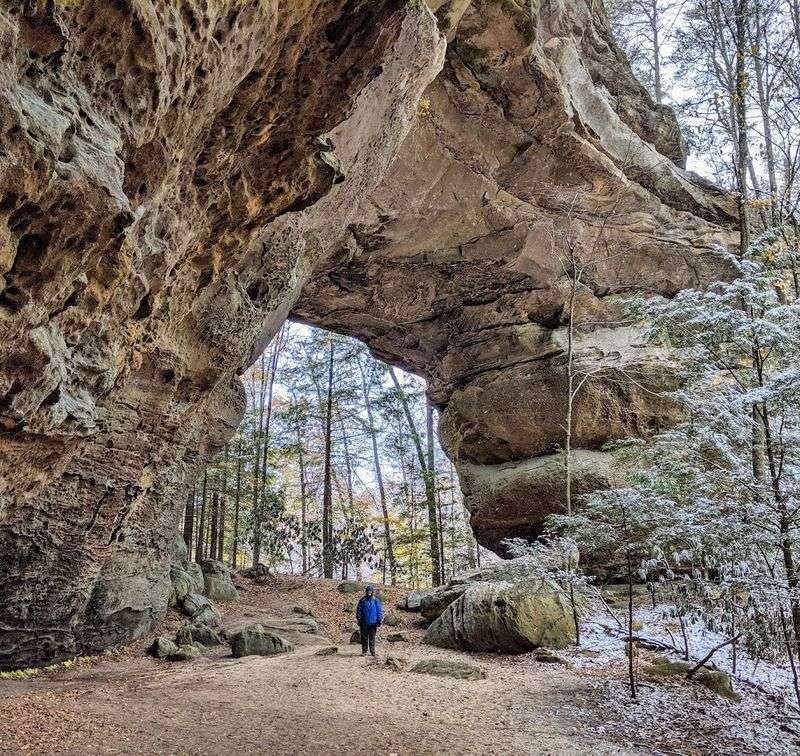
Big South Fork protects 125,000 acres of Cumberland Plateau wilderness where ancient rivers carved spectacular gorges through sandstone cliffs over millions of years. This massive recreation area straddles the Tennessee-Kentucky border, offering some of the most dramatic scenery in the region without the crowds that pack into nearby national parks.
Natural stone arches, towering bluffs, and whitewater rapids create a landscape that feels wild and remote despite being relatively accessible.
The park’s trail system includes everything from easy walks to historic sites to challenging backcountry routes that take multiple days to complete. Twin Arches, one of the largest natural bridge systems in the country, makes a spectacular destination that’s worth the moderate hike required to reach it.
Horseback riding trails wind through the forest, and the park’s equestrian campgrounds make this a favorite destination for riders exploring Tennessee’s backcountry on horseback.
Whitewater rafting and kayaking on the Big South Fork River provide thrilling adventures through Class III and IV rapids during high water season. The river calms down in summer, making it suitable for floating and swimming in deep pools surrounded by hundred-foot cliffs.
Historic coal mining sites and pioneer cabins scattered throughout the park add cultural interest to the natural attractions, telling stories of the tough people who once called these mountains home.
11. Virgin Falls State Natural Area – Sparta
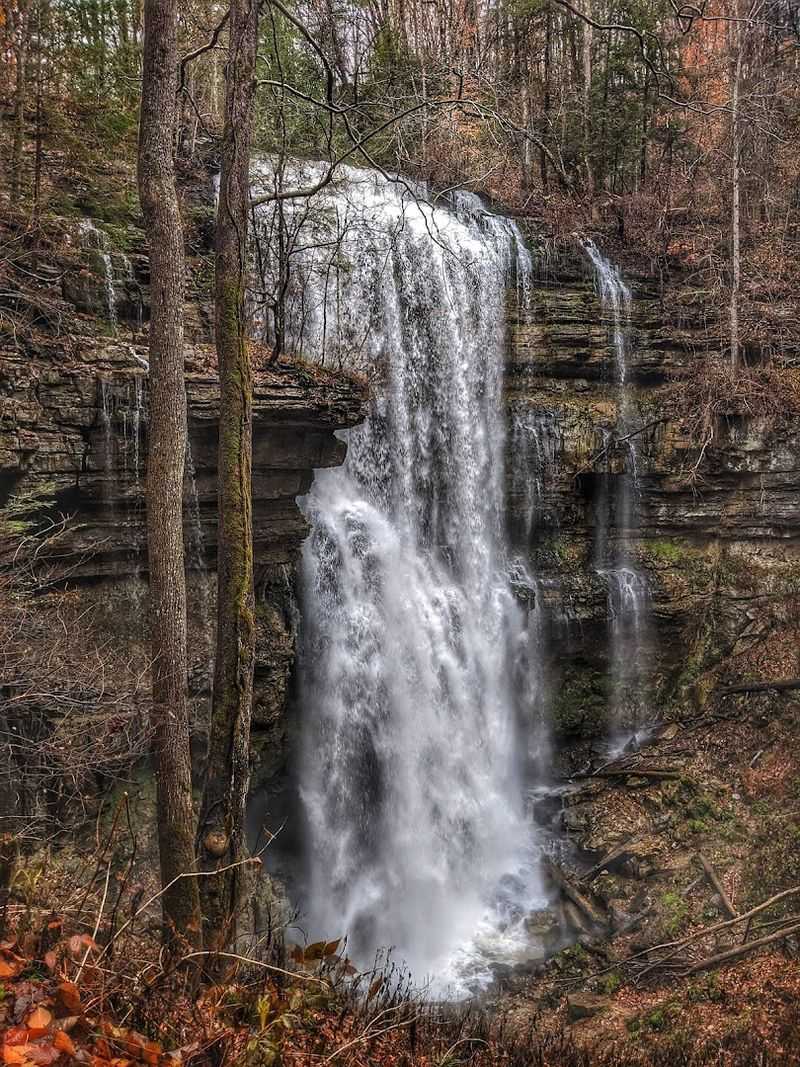
Virgin Falls creates one of Tennessee’s most unusual natural phenomena where water emerges from a cave, plunges 110 feet over a cliff, then disappears into another cave at the bottom. This geological oddity happens because underground streams in the limestone bedrock surface briefly before diving back underground, creating a waterfall that exists in its own little world.
Getting there requires an 8-mile round-trip hike through rugged terrain, which keeps this natural wonder relatively unknown compared to more accessible waterfalls.
The trail follows old logging roads through beautiful forest before descending into the gorge where Virgin Falls and several other waterfalls reward your effort. Big Laurel Falls and Big Branch Falls also impress along the way, making this hike a waterfall bonanza for those willing to put in the miles.
The trail stays moderately challenging with some steep sections, but most people with decent fitness can complete it in four to five hours including time to rest and enjoy the falls.
No facilities exist at the trailhead or anywhere along the trail, so come prepared with plenty of water, snacks, and navigation tools since cell service is nonexistent. The area stays primitive and undeveloped by design to protect its natural character, meaning you’ll likely see more wildlife than people on weekdays.
Spring offers the highest water flow, though the falls run year-round thanks to the consistent underground water sources feeding them.
Share this story