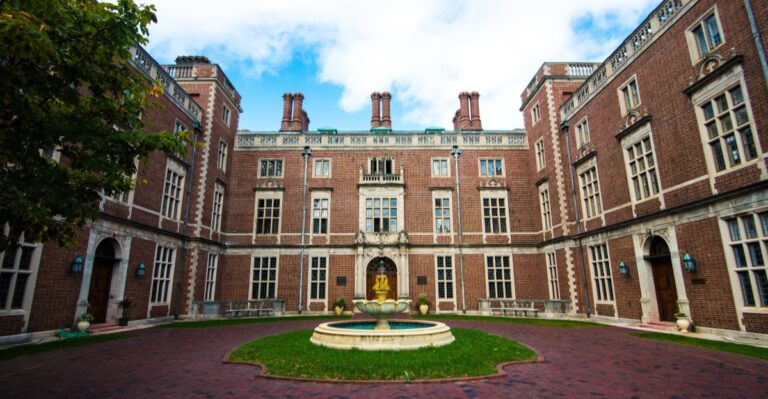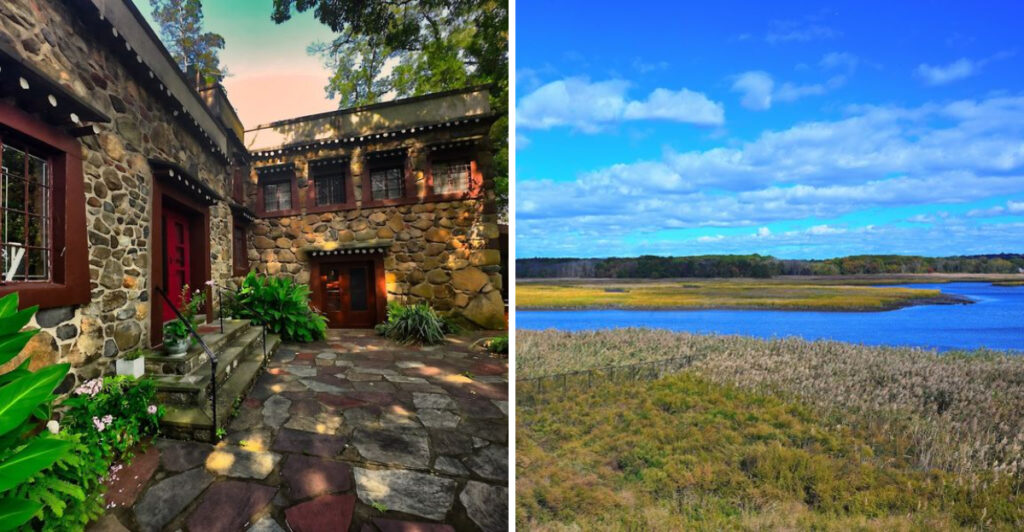
Most people think they know New York by its skyline, rush, and famous landmarks, but Staten Island tells a very different story, one that feels quieter, deeper, and far more surprising than many visitors expect. When you cross the harbor and start exploring, you trade crowded observation decks for hidden wetlands, colonial homes, art collections with global reach, and lookout points where the city suddenly feels personal again.
This borough has a way of overturning assumptions, because around one turn you might find a preserved village from another century, and around the next you could be standing on a dramatic shoreline, a military site, or a peaceful trail filled with birdsong instead of traffic.
If you have ever dismissed Staten Island as the borough you simply pass through, these attractions make a strong case for slowing down, looking closer, and discovering a side of New York that feels unexpectedly rich, layered, and memorable.
1. Historic Richmond Town

Stepping into this preserved village feels like leaving modern New York behind for an afternoon and entering a place where everyday life once moved at the pace of horses, trade, and handwritten records.
You do not need to be a history expert to enjoy it, because the streets, homes, and civic buildings make the past feel visible in a way textbooks rarely can.
I love places that let you wander and imagine, and this one gives you that feeling almost immediately.
Across the site, restored structures from different eras show how Staten Island developed from a rural community into a borough tied to the larger story of the city.
The old courthouse, general store, farm buildings, and family homes each reveal something different about work, social life, and the changing economy of the island.
Instead of presenting history as distant and polished, Historic Richmond Town makes it feel lived in, practical, and close enough to picture yourself inside it.
What surprised me most is how peaceful the grounds feel despite being in New York City.
Paths connect the buildings in a way that encourages you to slow down, read signs carefully, and notice details like weathered wood, handmade tools, and period interiors that hint at the routines of earlier generations.
If you visit during a special event or demonstration, costumed interpreters and seasonal programs can make the experience even more immersive without feeling overly theatrical.
This is the kind of attraction that rewards curiosity.
You can go for architecture, genealogy, local history, or simply the pleasure of exploring a place that seems untouched by the usual city tempo.
Among Staten Island attractions, it stands out because it offers more than nostalgia – it gives you a fuller sense of how New York was built, community by community, road by road, and household by household.
By the time you leave, the borough feels less like an afterthought and more like an essential chapter in the city’s story.
2. Jacques Marchais Museum Of Tibetan Art
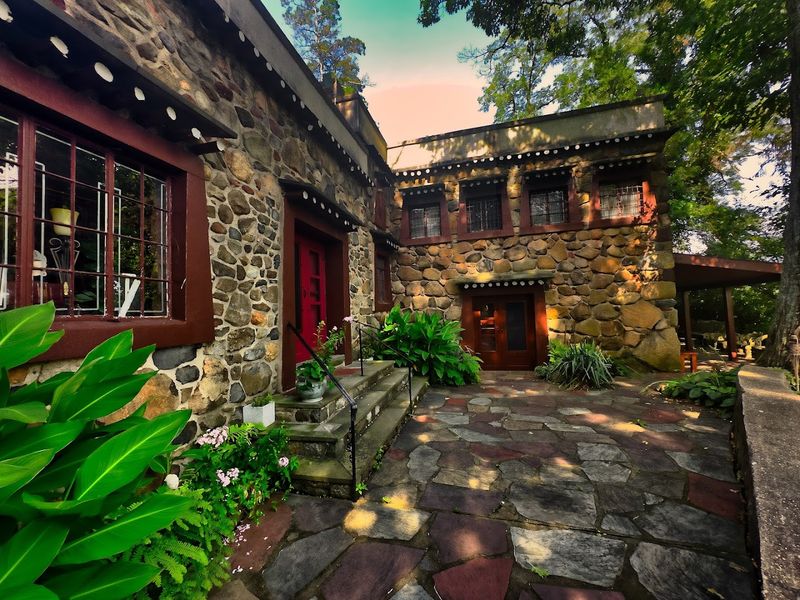
You probably do not expect one of the most distinctive cultural spaces in New York to be tucked into Staten Island, yet that is exactly what makes this museum so memorable.
The setting alone feels transportive, with architecture and garden elements inspired by Himalayan design creating a mood that is calm, reflective, and completely unlike the pace most people associate with the city.
From the moment you arrive, the experience invites you to look more slowly and think more deeply.
Inside, the collection opens a window onto Tibetan art, ritual, and spiritual traditions through sculptures, textiles, ceremonial objects, and detailed works that carry both artistic beauty and religious meaning.
Even if you arrive without much background knowledge, the museum does a good job of helping you appreciate what you are seeing without overwhelming you.
I find that especially appealing, because it lets the visit feel accessible while still respecting the complexity of the culture represented.
Outside, the grounds add another layer to the visit.
The gardens, pathways, and quiet corners make it easy to pause between galleries and absorb the atmosphere, which is part of why this place feels more restorative than many museums.
Rather than rushing through rooms to check off highlights, you are encouraged to settle in, notice patterns, and appreciate the sense of intention behind both the collection and the landscape.
What makes the Jacques Marchais Museum Of Tibetan Art so surprising on Staten Island is not only its subject matter but its sense of intimacy.
It does not try to compete through scale or spectacle, and that is exactly why it stays with you.
This is a place where culture feels personal, where the environment supports contemplation, and where New York reveals another one of its lesser-known dimensions.
If you want an attraction that feels thoughtful, unexpected, and genuinely different, this museum delivers a rare combination of scholarship, serenity, and discovery that can reshape how you see the borough.
3. Mount Loretto Unique Area
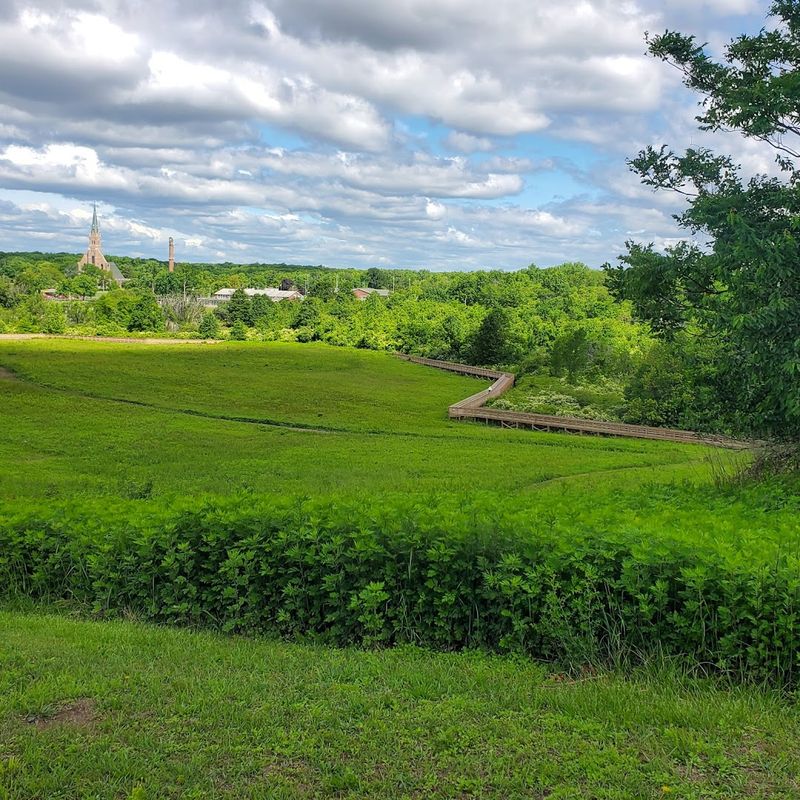
When you want proof that Staten Island can feel wild, open, and almost coastal-rural, this protected area makes the case beautifully.
The scenery shifts between shoreline, meadows, and habitats that attract birds and other wildlife, giving you the kind of landscape many people never imagine finding within New York City limits.
It is a refreshing reminder that the borough is not just neighborhoods and roads, but also a place where nature still has room to breathe.
One of the biggest draws here is the view.
Depending on where you stand, you can take in broad stretches of water, changing light, and the sort of horizon that instantly slows your thoughts down.
I think that openness is part of the magic, because in a city defined by density, Mount Loretto Unique Area offers space, movement, and a sense that the elements still shape the experience.
Birders and walkers tend to appreciate it for obvious reasons, but you do not need specialized interests to enjoy it.
Trails and observation points make it easy to explore at your own pace, whether you are hoping to spot seasonal species, photograph the landscape, or simply escape the feeling of being constantly surrounded by concrete.
The natural setting also carries a quieter emotional pull, especially if you arrive early or near sunset when the atmosphere becomes softer and more dramatic.
Among Staten Island attractions, this one stands out because it delivers a kind of surprise that feels both scenic and grounding.
It shows you a borough with ecological value, coastal beauty, and a very different rhythm from the one many outsiders expect.
If your idea of New York rarely includes protected habitats and expansive shore views, this stop will quickly widen that picture.
Mount Loretto Unique Area is not flashy, but it is memorable in the best way – through silence, scale, and the simple pleasure of realizing that one of the city’s most overlooked corners can feel this naturally impressive.
4. Fort Wadsworth
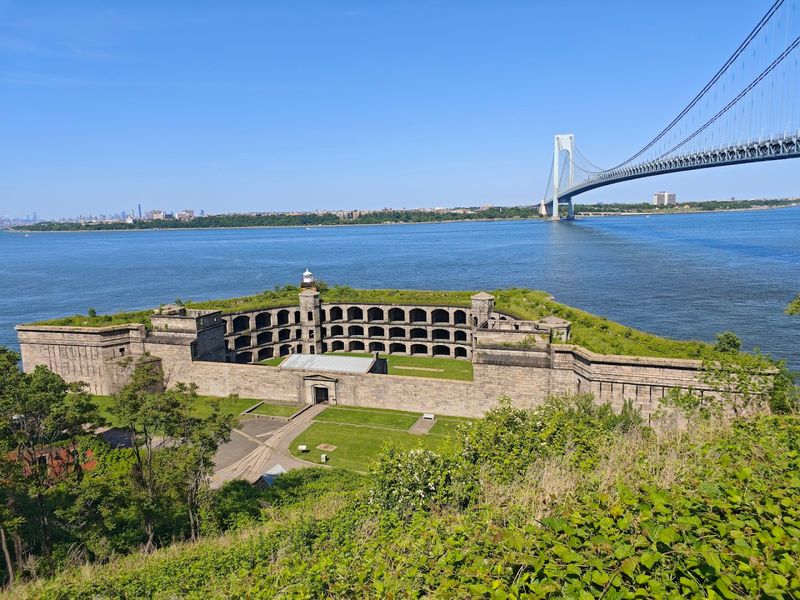
There is something thrilling about exploring a place where military history, engineering, and sweeping harbor views all come together in one dramatic setting.
Perched at the entrance to New York Harbor, this site immediately gives you a stronger sense of how strategically important Staten Island has been for centuries.
Instead of seeing the borough as peripheral, you start to understand it as a key guardian of one of the world’s most famous waterways.
The grounds include old batteries, fortifications, and remnants of coastal defense systems that once helped protect the harbor.
Walking through them, you can almost feel the layers of time – colonial concerns, federal military planning, and the evolution of warfare all embedded in the landscape.
I like that Fort Wadsworth is not only educational but atmospheric, because even simple features like stone walls and lookout points carry a sense of purpose and tension.
Its location beneath and beside the Verrazzano-Narrows Bridge adds another striking dimension.
The combination of historic structures and modern infrastructure creates a visual contrast that feels uniquely New York, where eras overlap rather than replace one another.
On a clear day, the water views are excellent, and the setting makes it easy to imagine ships entering the harbor while soldiers once watched from these bluffs and gun emplacements.
This is one of those attractions that works for several kinds of visitors at once.
History lovers can dive into the defensive role of the fort, photographers can chase the angles created by bridge, water, and masonry, and casual explorers can simply appreciate the sense of place.
What surprised me most is how much the site changes your mental map of the city.
Fort Wadsworth makes Staten Island feel central to the story of New York’s protection, growth, and identity.
If you want a stop that combines raw scenery with serious historical weight, this one leaves a strong impression without needing crowds or commercial polish to do it.
5. The Conference House

Few places on Staten Island connect local scenery with national history as directly as this waterfront house does.
At first glance, it is easy to admire the building for its age, stone construction, and peaceful setting, but the larger story gives the visit its real force.
This is where a last attempt at negotiating peace during the American Revolution took place, which instantly turns a quiet historic site into a place of real political drama.
That contrast is part of what makes the experience so interesting.
The surroundings feel calm and almost residential, yet the events associated with the house involved high stakes, major personalities, and a pivotal moment in American history.
I think sites like this are especially powerful because they remind you that world-changing conversations often happened in ordinary rooms, not just on battlefields or in grand government halls.
Inside, exhibits and period interpretation help explain the background of the 1776 peace conference and the wider context of Staten Island during the revolutionary era.
You also get a better sense of how the house functioned as a home, which adds useful texture to the political narrative.
Rather than feeling like a monument frozen in a single event, The Conference House invites you to think about domestic life, geography, and diplomacy all at once.
The waterfront location only strengthens the impression.
Looking out toward the bay, you can imagine the movements of people, messages, and military forces that once shaped this edge of the borough.
That setting gives the history air and dimension, making it easier to understand why this part of Staten Island mattered.
If you enjoy attractions that offer both a compelling backstory and a strong sense of place, this stop delivers.
The Conference House may not be the first landmark people mention when they talk about New York, but it absolutely deserves attention for the way it ties Staten Island to a defining chapter of the nation’s early history.
6. Alice Austen House
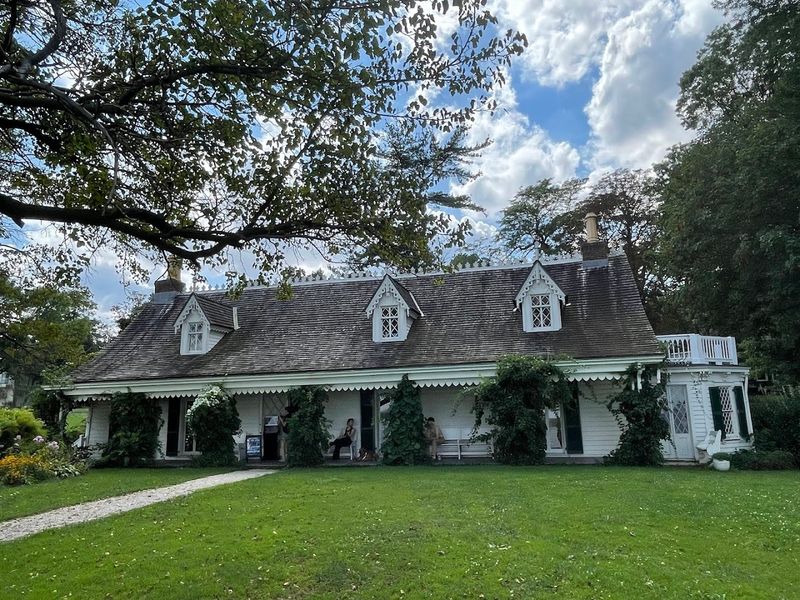
Some historic homes impress you with furniture or architecture, but this one adds something more personal and modern feeling – a creative life captured through a pioneering photographer’s eye.
Set beside the water, the house has an elegance that immediately draws you in, yet the deeper appeal comes from the story of Alice Austen herself and the visual record she left behind.
Visiting feels less like stepping into a static museum and more like meeting a bold observer of everyday life.
The photographs are the heart of the experience.
Through them, you get glimpses of Staten Island, New York society, family relationships, travel, and changing gender roles in ways that still feel lively and revealing.
I appreciate how the museum presents Austen not just as a local figure, but as an artist whose work opens wider conversations about identity, history, and the power of documenting ordinary moments before they disappear.
The house setting matters too.
Rooms, furnishings, and the waterfront landscape help place the images in context, showing how Austen’s personal world shaped what she saw and what she chose to preserve.
The location also creates a calm, almost reflective atmosphere that suits the material.
Instead of rushing through, you are more likely to pause, study expressions in the photographs, and think about how much social history can live inside a single frame.
What makes the Alice Austen House especially memorable is how intimate it feels while still carrying cultural weight.
You leave with a sharper sense of Staten Island’s artistic past and a stronger appreciation for someone who documented life with curiosity and wit.
For visitors who enjoy photography, women’s history, or simply places with real character, this attraction offers far more than a standard house tour.
It shows a version of New York shaped by personal perspective, and that perspective is exactly what makes the visit linger after you have gone back out into the city.
7. Von Briesen Park
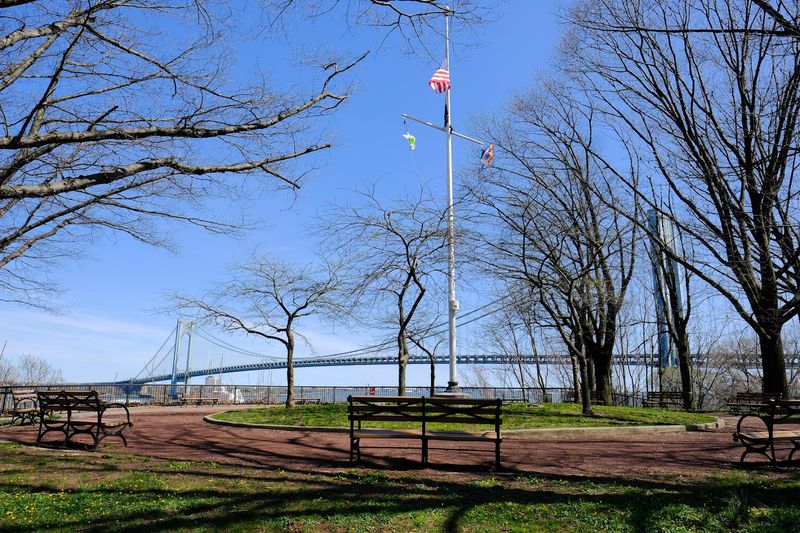
Sometimes the most satisfying places are not the biggest or most famous, but the ones that quietly give you an excellent view and a reason to stay longer than planned.
This park has that effect.
With its elevated perspective, greenery, and sightlines toward the harbor and the Verrazzano-Narrows Bridge, it offers one of those classic Staten Island moments where the borough suddenly feels both scenic and deeply connected to the larger city.
The appeal here is straightforward in the best possible way.
You come for the overlook, but the winding paths, mature trees, and neighborhood calm make the experience feel more layered than a simple photo stop.
I like parks that let you settle into the environment without much effort, and Von Briesen Park does exactly that, whether you are taking a short walk, finding a bench, or lingering to watch the light change over the water.
Because it is less hyped than many New York viewpoints, the atmosphere can feel pleasantly unhurried.
That makes it easier to appreciate details like ships moving in the distance, breezes coming off the harbor, or the contrast between the bridge’s huge structure and the soft landscape around you.
It is a great reminder that not every memorable city vista requires crowds, tickets, or an aggressively curated experience.
If you are exploring Staten Island to challenge your assumptions about what New York looks and feels like, this park deserves a place on your list.
It shows off the borough’s residential beauty, its waterfront geography, and its gift for understated surprises.
Von Briesen Park may not come with a dramatic museum narrative or a major historical timeline, yet it succeeds by giving you something equally valuable – perspective.
From here, the city feels broader, calmer, and more textured.
That combination of access, beauty, and quiet confidence is exactly why this spot stays with you and why it proves Staten Island can impress without trying too hard.
8. Clay Pit Ponds State Park
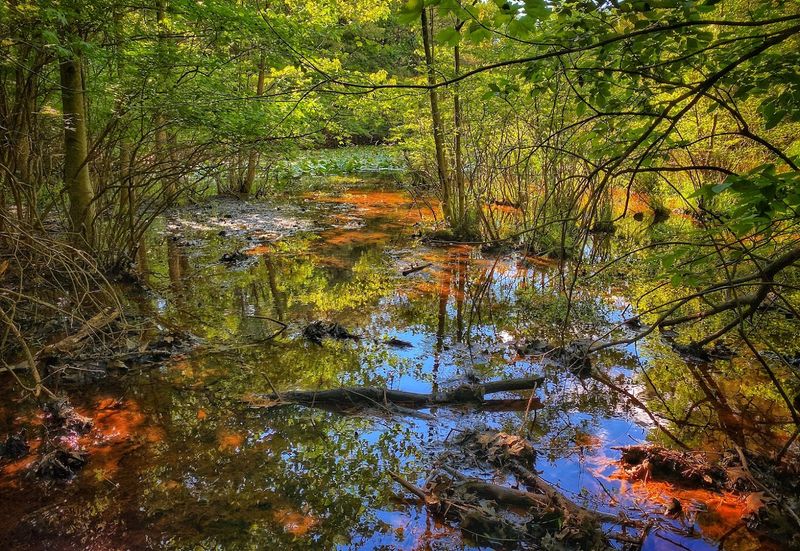
If you want to see just how ecologically diverse Staten Island can be, this park is an eye-opener.
The landscape includes trails, wetlands, ponds, and woodlands that create a surprisingly varied natural environment within the city.
It is the kind of place where a short walk can shift from shady forest feeling to open, marshy scenery, making every turn feel a little different from the last.
What stands out most is the sense of habitat.
Instead of being a generic green space, the park feels like a living system with distinct environments supporting birds, insects, native plants, and seasonal changes you can actually notice.
I find that especially rewarding because it turns a casual visit into something more observant – you start paying attention to textures underfoot, the sound of wind through the trees, and the way water shapes the edges of the trail.
The nature center and educational focus add to the experience without overwhelming it.
Whether you are visiting with children, trying to identify local species, or simply hoping for a peaceful walk, the park makes it easy to engage at your own level.
There is room for curiosity here, and that openness helps the place appeal to both regular hikers and people who just want a break from dense urban surroundings.
Among Staten Island attractions, Clay Pit Ponds State Park is a strong reminder that the borough’s surprises are not limited to historic houses and museums.
Its value comes from offering a direct encounter with the island’s environmental side, one that feels grounded, accessible, and far removed from the city’s busiest image.
If you have ever thought of New York as mostly pavement and towers, this park gently corrects that view.
It invites you to slow down, notice ecosystems in action, and appreciate Staten Island as a borough where preserved nature still plays a meaningful role in everyday life and in the broader story of what makes this part of the city distinct.
9. Freshkills Park
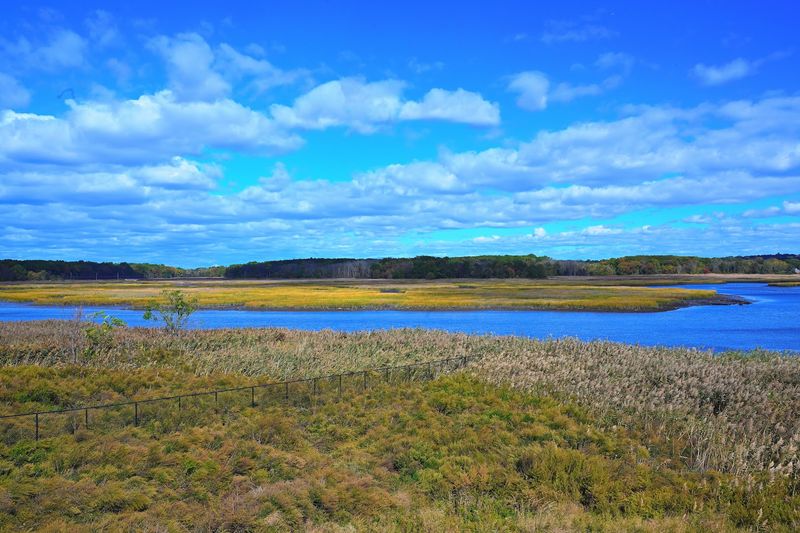
There may be no place on Staten Island that better captures transformation than this enormous developing park.
Built on land once known for something entirely different, it now represents one of the most ambitious environmental reclamation projects in New York.
That story alone is enough to make you curious, but the scale of the landscape is what really changes your expectations once you see it for yourself.
Open skies, long views, restored habitats, and wide expanses of land give the area a feeling that is almost impossible to associate with the city if you have never been there.
Instead of compression and noise, you get room to look outward and consider how dramatically a place can be reimagined over time.
I think Freshkills Park is especially compelling because it combines optimism with realism – it does not erase its past, but turns that past into part of a larger story about renewal.
Depending on access, programming, and the sections open during your visit, you may experience trails, guided tours, art, ecology, or public events that help explain both the park’s design and its environmental purpose.
Even in its evolving state, the site communicates a strong sense of possibility.
It encourages you to think beyond what the landscape is now and imagine what it will continue to become for future generations of Staten Islanders and visitors.
This is not a conventional attraction, and that is exactly why it belongs on a list of Staten Island surprises.
Freshkills Park asks you to rethink land use, restoration, and what public space can mean in a city often defined by scarcity and pressure.
It also shows the borough at one of its most forward-looking.
If you enjoy places that tell a bigger civic story while still offering visual impact, this one delivers.
Few sites in New York embody change so dramatically, and few challenge assumptions about Staten Island more effectively than this vast, evolving landscape of recovery, imagination, and unexpected beauty.
10. Garibaldi-Meucci Museum
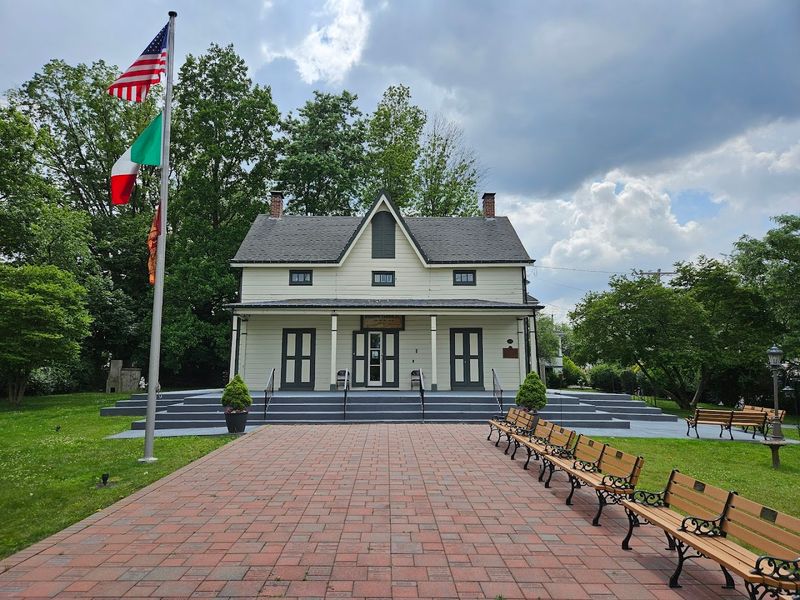
You might not expect a Staten Island house museum to connect the stories of Italian nationalism, immigration, invention, and transatlantic friendship, but that is exactly what makes this site so interesting.
Set in a modest historic home, the museum highlights the lives of Antonio Meucci and Giuseppe Garibaldi, two figures whose paths crossed in a way that links the borough to much larger international currents.
The result is an attraction that feels intimate in scale but surprisingly broad in meaning.
Inside, exhibits explore Meucci’s work as an inventor, including his often-discussed connection to the development of the telephone, while also tracing Garibaldi’s time there during political exile.
That combination gives the museum a distinctive personality.
I enjoy places where biography opens into bigger themes, and here those themes include immigrant ambition, political upheaval, scientific creativity, and the shaping of ethnic identity in New York.
The house itself plays an important role in the experience.
Rather than reading about these men in abstract terms, you encounter their stories in domestic rooms that make the history feel grounded and human.
The scale encourages close attention, and that can be especially rewarding if you prefer museums where every object and panel seems chosen to support a focused narrative instead of competing for attention.
What makes the Garibaldi-Meucci Museum worth seeking out is how effectively it broadens your sense of Staten Island’s cultural layers.
This is not just a local curiosity for heritage enthusiasts.
It is a place where the borough becomes a meeting point for global politics, immigrant life, and debates about innovation and recognition.
If you want an attraction that feels both personal and unexpectedly far-reaching, this one delivers that mix with real charm.
By the time you leave, Staten Island looks less isolated from the wider world and more like a borough that has long been shaped by international ideas, ambitions, and relationships.
11. Blue Heron Park Nature Center
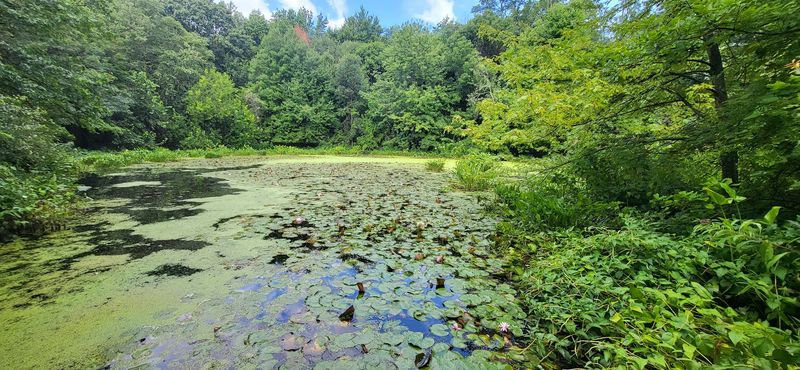
For a softer, more intimate kind of Staten Island escape, this nature-focused spot is hard to beat.
The combination of wetlands, ponds, trails, and educational exhibits creates an experience that feels welcoming whether you are visiting with children, looking for birds, or simply trying to reset your mind for an hour or two.
It is one of those places that proves nature does not have to be remote to feel restorative.
The setting encourages quiet observation.
You may notice reflections on the water, turtles near the edge, or the movement of birds through reeds and trees, all within an environment that feels carefully protected yet easy to access.
I appreciate that balance a lot, because Blue Heron Park Nature Center manages to feel both gentle and purposeful, offering enough interpretation to teach you something without taking away the pleasure of personal discovery.
The center itself adds context through programs and exhibits that highlight local ecology and environmental awareness.
That makes the visit especially good for families or anyone curious about how urban natural areas support wildlife and community learning at the same time.
Even if you arrive mostly for a walk, the educational side can deepen your appreciation for what you are seeing beyond the trail.
As a final stop on a Staten Island itinerary, this attraction works beautifully because it leaves you with a sense of calm and connection.
It may not be as historically dramatic as a fort or as singular as a Tibetan art museum, but it reveals another essential part of the borough’s identity – its living landscapes.
Blue Heron Park Nature Center shows that Staten Island surprises are not always loud or monumental.
Sometimes they are found in still water, shaded paths, and the realization that New York contains places where wildlife, learning, and neighborhood access come together naturally.
If you want to end your exploration with something peaceful, grounded, and genuinely local, this is an easy place to recommend.
Share this story