Most people think they know New York after checking off the obvious landmarks, but this city still hides quiet corners, strange little marvels, and beautifully overlooked places that can completely reset the way you see it. Beyond the observation decks, Broadway lights, and famous museum steps, there is a more intimate New York waiting for you – one filled with secret gardens, tucked-away parks, forgotten histories, waterfront surprises, and architectural details that somehow stay invisible even in one of the most photographed cities on earth.
If you are craving places that feel personal, surprising, and a little bit like insider knowledge without ever leaving New York City, these hidden gems deliver exactly that kind of magic. From Manhattan to Brooklyn, Queens, and the Bronx, each spot on this list proves that the city still rewards curiosity, and if you let yourself wander a little differently, you might just fall in love with New York all over again.
1. Whispering Gallery At Grand Central Terminal
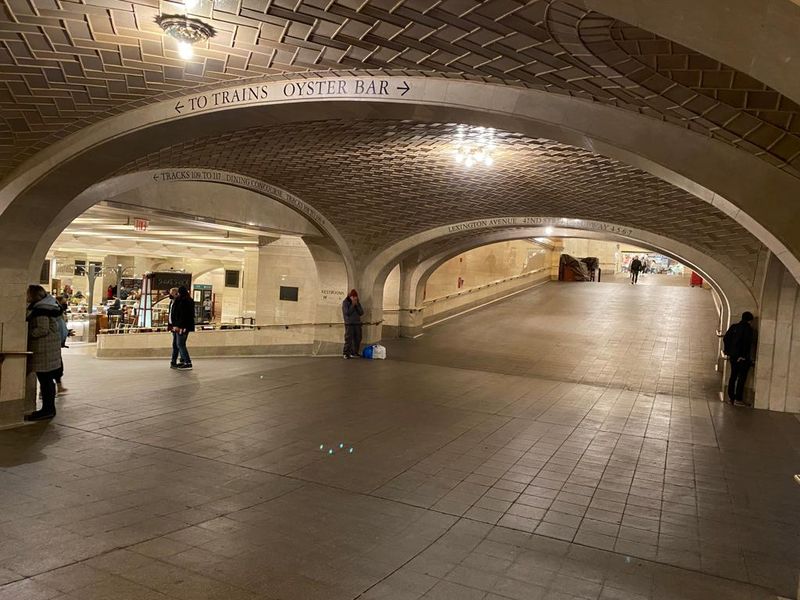
Just outside the main rush of commuters, there is a curious little corner in Grand Central where sound behaves in a way that feels almost impossible the first time you try it.
Stand at one archway, have someone move to the opposite corner, and even a quiet murmur seems to travel cleanly through the curved tile ceiling.
In a city famous for noise, the Whispering Gallery at Grand Central Terminal turns a simple whisper into a private performance.
What makes this spot so memorable is how unexpected it feels.
You are surrounded by people hurrying to trains, checking phones, grabbing coffee, and barely noticing that one of New York’s oddest experiences is happening a few feet away.
That contrast is part of the charm, because it reminds you that this city often hides its best tricks in plain sight.
The setting adds even more appeal.
Grand Central is already one of the most beautiful transit spaces in the country, full of soaring ceilings, old-world detail, and a sense of timeless movement.
Slipping into this tucked-away passage near the Oyster Bar feels like stepping behind the curtain, where a famous landmark becomes playful instead of just impressive.
If you visit, go with someone willing to lean into the fun.
It is one of those places that works best when you let yourself be a little silly, whether you are sharing a secret, testing the acoustics, or just laughing when it actually works better than expected.
Early mornings and off-peak hours usually make it easier to hear the effect without too much surrounding noise.
For a hidden gem, this one asks almost nothing from you.
There is no ticket, no long planning process, and no need to travel far from Midtown.
You simply pause, look closer, and discover that even inside one of New York City’s busiest landmarks, there is still room for wonder, intimacy, and a moment that feels like the city is speaking directly back to you.
2. Elevated Acre
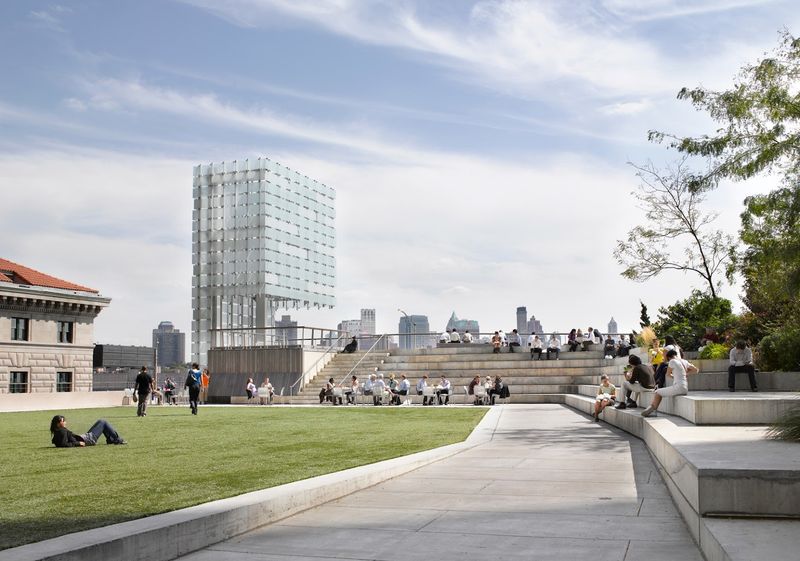
Hidden above the Financial District, this surprisingly peaceful green space feels like a secret that somehow escaped the city’s usual hype.
You step off the street, take an escalator up, and suddenly the mood changes from steel and speed to open sky, river views, and a soft lawn that invites you to stay longer than planned.
Elevated Acre is proof that Lower Manhattan can still catch you off guard.
Part of the fun is the reveal.
The entrance is easy to miss if you are not looking for it, which makes the park feel even more rewarding when you finally arrive.
Instead of the usual crowded downtown energy, you get a quiet perch above the streets, where ferries glide by and the breeze off the East River makes the whole area feel lighter.
The design is simple but effective.
There is enough grass to stretch out, enough seating to linger, and enough elevation to give you that rare New York sensation of distance from the city without actually leaving it.
Surrounded by glass towers and waterfront infrastructure, the space feels almost cinematic, like a hidden level built just for people who wander a little more carefully.
This is a great stop if you want a break between sightseeing, especially after exploring nearby Seaport streets or downtown landmarks.
Bring coffee, a sandwich, or just a little patience, and let the view do the work.
You are not here for a packed itinerary moment, but for the kind of pause that makes a long city day feel more balanced.
What stays with you most is how improbable it feels.
New York is packed with public spaces, but not all of them offer this combination of surprise, calm, and skyline contrast.
Elevated Acre may not be one of the city’s famous postcard locations, yet it quietly delivers something better: a hidden retreat where downtown suddenly feels breathable, beautiful, and much more human than you expected.
3. Paley Park
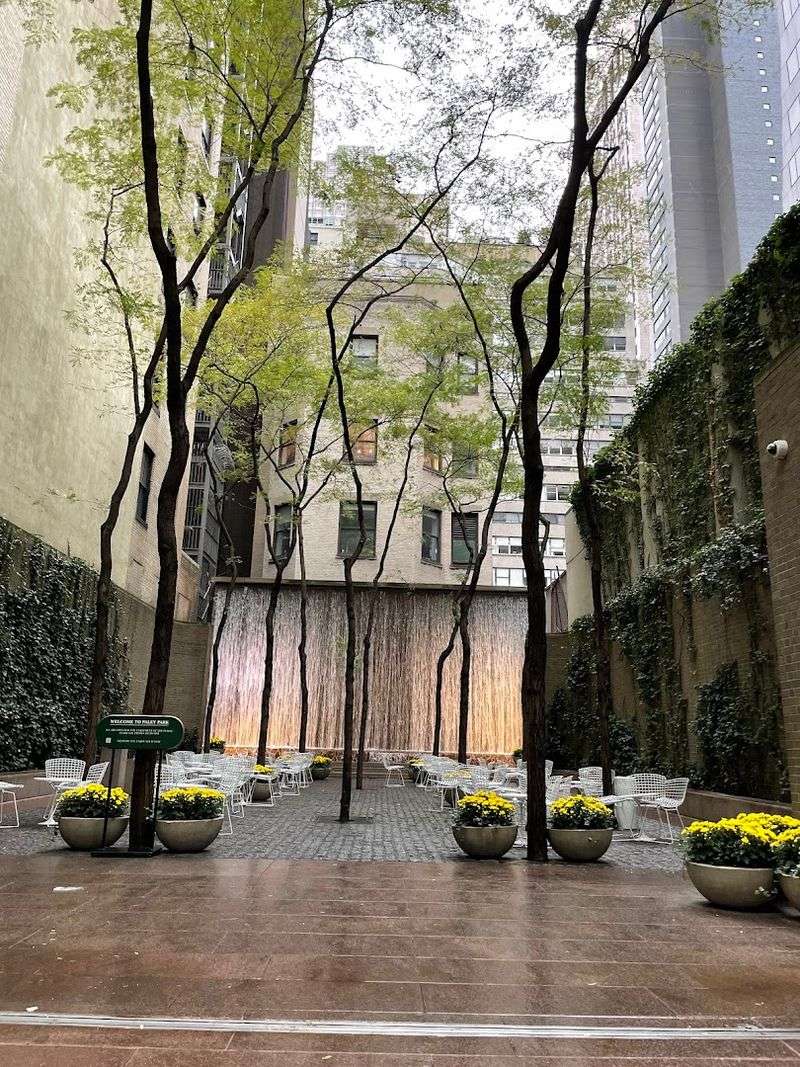
In the middle of Midtown’s constant motion, there is a tiny park that feels like a masterclass in how to carve calm out of chaos.
The first thing you notice is the waterfall, a broad curtain of rushing water that masks traffic noise and creates an instant sense of separation from the street.
Paley Park is small, but it delivers the kind of peace most larger parks would envy.
That tight footprint is actually part of its magic.
You are not wandering through acres of landscape or checking off major sights.
Instead, you slip into a pocket-sized retreat where café tables, movable chairs, trees, and the sound of water work together so well that you forget how close you are to some of Manhattan’s busiest blocks.
There is something deeply satisfying about a place that knows exactly what it is.
Paley Park does not try to overwhelm you with attractions, and it does not need to.
It succeeds because it gives you a brief but complete shift in atmosphere, the kind that makes a lunch break feel restorative or an afternoon walk feel unexpectedly elegant.
If you are exploring Midtown, this is the sort of stop that changes the rhythm of your day.
Sit down with a coffee, watch office workers and visitors drift in and out, and let the waterfall do its quiet work.
It is especially appealing when the city feels overstimulating, because the park creates privacy without ever becoming isolated or hard to reach.
What makes hidden gems memorable is not always size or spectacle, but the feeling they leave you with.
Paley Park reminds you that New York’s brilliance is often found in details, in design choices, and in places that appear modest until you experience them.
For a few minutes, maybe longer, the city softens here, and that shift feels far more luxurious than you would expect from such a small sliver of space.
4. Smallpox Memorial Hospital
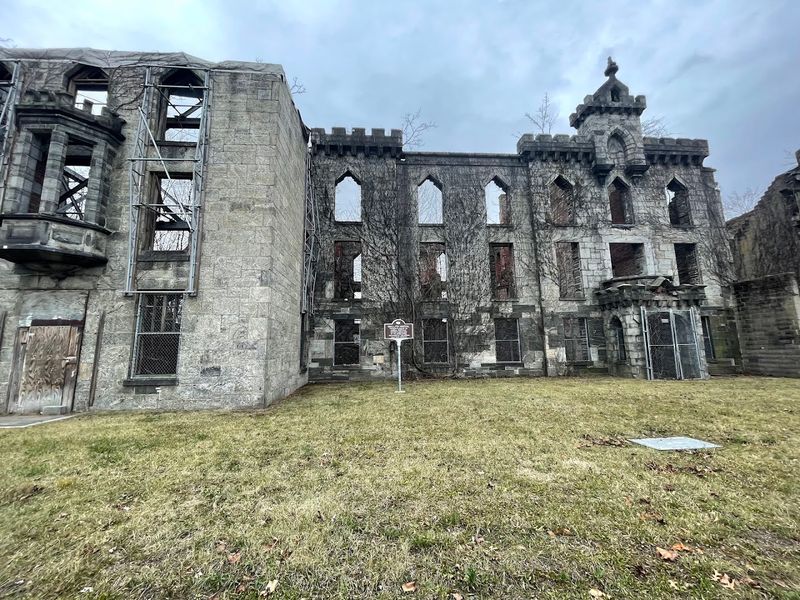
At the southern end of Roosevelt Island, the crumbling walls of a Gothic Revival hospital create one of New York City’s most unexpected historical sights.
Often called the Renwick Ruin, the former Smallpox Hospital opened in 1856, when Roosevelt Island was still known as Blackwell’s Island.
Its isolated location allowed patients with the highly contagious disease to receive treatment away from the more densely populated parts of the city.
The building was designed by James Renwick Jr., the architect also associated with landmarks such as St. Patrick’s Cathedral and the Smithsonian Institution Building.
Even in its ruined state, the structure’s pointed arches, stone walls, and castle-like details remain striking.
They give the site a dramatic beauty that feels almost impossible to find within modern New York.
The hospital later became part of a nurses’ training school before closing during the twentieth century and gradually falling into disrepair.
Today, the stabilized ruins stand near Franklin D. Roosevelt Four Freedoms State Park, where visitors can view them from the surrounding public areas.
The interior is not open for casual exploration, but the exterior alone is enough to make the walk worthwhile.
What makes this place so memorable is the contrast between its quiet, weathered walls and the Manhattan skyline rising across the East River.
It feels like a surviving fragment of another era, preserved in the middle of a city that rarely leaves its past untouched.
The Smallpox Hospital is also notable for being New York City’s only designated landmark that remains a ruin.
Rather than functioning as a traditional attraction, it invites visitors to pause and consider the city’s medical history, architecture, and changing approach to public health.
For travelers willing to venture beyond Manhattan’s familiar streets, the Renwick Ruin offers a fascinating glimpse into a difficult but important chapter of New York’s past.
Standing at the edge of Roosevelt Island, with centuries-old stone walls in front of you and a modern skyline beyond, is a reminder that some of New York’s most unforgettable places are not the loudest or the most famous.
They are the ones that quietly preserve the city’s layered history, rewarding curious visitors with a perspective that is every bit as memorable as its iconic landmarks.
5. Merchant’s House Museum

Stepping through the front door here feels less like entering a museum and more like crossing into another century.
The rooms are intimate, the furnishings are original, and the atmosphere holds onto a kind of stillness that is hard to find anywhere else in Manhattan.
Merchant’s House Museum offers a rare chance to experience New York history not as a display of objects, but as a preserved domestic world.
That sense of authenticity is what makes the place so compelling.
Instead of broad summaries and flashy exhibits, you get creaking floors, narrow staircases, period décor, and the uncanny feeling that life has only just paused for a moment.
It is easy to imagine conversations in the parlor, footsteps on the stairs, and the routines of a city that looked completely different from the one outside.
The contrast with modern New York is part of the experience.
Walk in from busy streets, restaurants, and apartment towers, and suddenly you are in a carefully maintained slice of the nineteenth century.
That shift creates a stronger emotional connection than many bigger museums, because the scale is personal and the details feel lived in rather than staged for spectacle.
If you enjoy stories, architecture, or slightly eerie places, this stop is especially rewarding.
The house is known not only for its preservation but also for the mysterious aura that clings to old buildings with long memories.
Whether you are interested in social history, design, or the possibility of a ghostly whisper from the past, there is something here that keeps your attention very naturally.
Hidden gems do not always need dramatic views or trendy appeal.
Sometimes they matter because they let you feel the weight of time in a direct and intimate way.
Merchant’s House Museum does exactly that, inviting you to slow down and look closely at a version of New York that survives against the odds, preserved room by room inside a city that usually never stops reinventing itself.
6. Greenacre Park
There are city parks that impress with size, and then there are city parks that win you over with atmosphere alone.
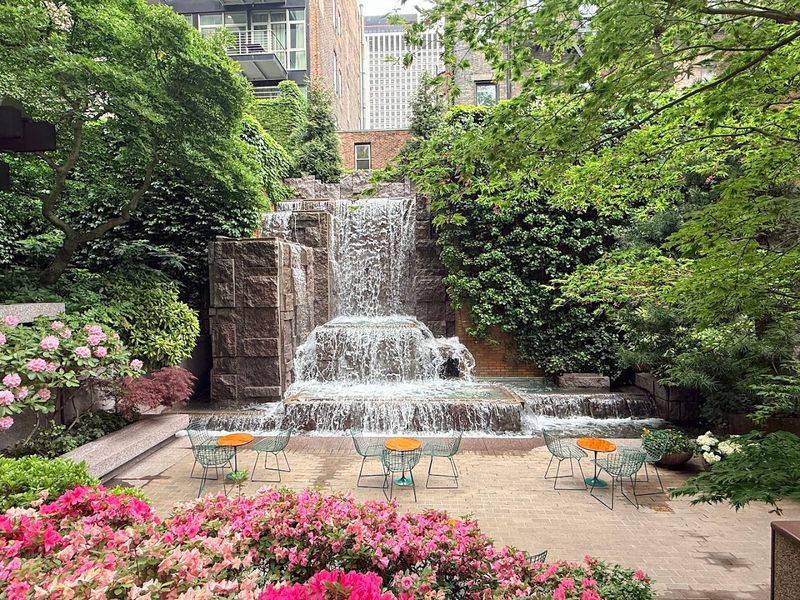
This slender little retreat in Midtown East belongs firmly in the second category, wrapping you in shade, greenery, and the constant sound of falling water.
Greenacre Park feels like one of those places you almost want to keep to yourself once you find it.
The waterfall is the heart of the experience.
It rises at the far end like a textured wall of motion, drowning out much of the surrounding traffic and making the whole park feel enclosed in the best possible way.
Instead of Midtown’s usual rush, you get a pocket of calm where lunch, reading, or a short break suddenly feels much more intentional.
Its narrow shape works surprisingly well.
Rather than spreading out, the space draws you inward, creating a sense of shelter that larger open parks often cannot manage.
Chairs and tables encourage you to sit for a while, and because the park is tucked between buildings, it carries that satisfying hidden quality that makes New York discoveries feel personal.
This is the kind of stop that fits easily into almost any day.
You can duck in between meetings, visit after museum hopping, or use it as a reset before diving back into the city.
If you are traveling with someone who thinks hidden gems are overrated, Greenacre Park is a strong argument in the opposite direction because its appeal is immediate and easy to feel.
What lingers after a visit is not just the look of the place, but the mood it creates.
In a city where space is precious and quiet can feel expensive, Greenacre Park offers both in a compact, generous form.
It reminds you that New York’s smartest surprises are often small, carefully designed, and waiting just beyond the blocks where everyone else is too busy to stop.
7. Pier 57 Rooftop Park
Not every rooftop in New York requires a reservation, a dress code, or an overpriced drink, and that is part of what makes this one such a great find.
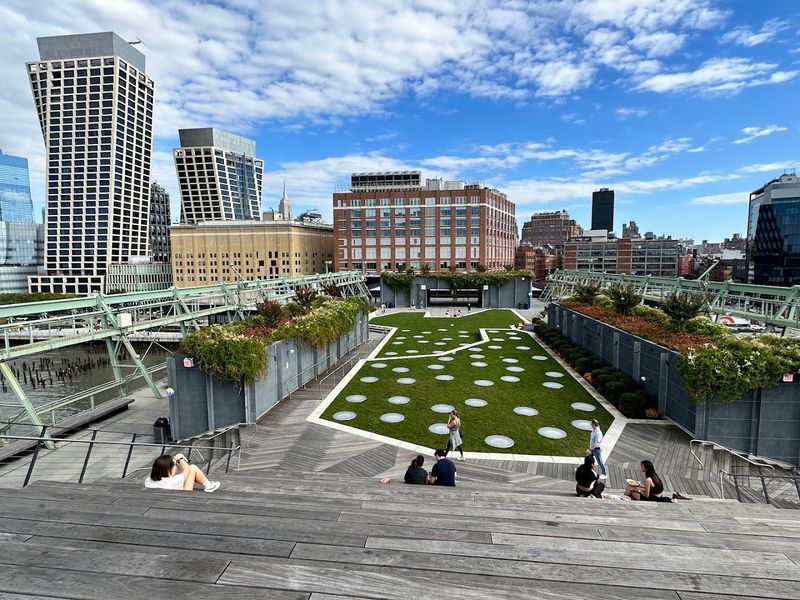
Perched above the Hudson River, the public rooftop at Pier 57 gives you wide open views, fresh air, and room to breathe without the usual exclusivity attached to elevated city spaces.
It feels welcoming in a way that a lot of scenic Manhattan spots do not.
The view is the obvious draw, but it is not the only reason to go.
There is something deeply relaxing about being up high with the river stretching beside you and the city unfolding in layers around it.
Whether you catch bright afternoon light or arrive closer to sunset, the atmosphere feels more easygoing than many waterfront destinations nearby.
Because the space is relatively new compared with classic New York landmarks, it can still feel pleasantly under the radar.
You get a modern setting with clean design, seating areas, and enough openness to pause without feeling packed into a crowd.
That balance between polished and unpretentious makes it especially appealing if you want a memorable view without a big production.
It is also easy to pair with a longer West Side day.
Walk the nearby waterfront, explore Chelsea, grab something to eat, and then head up for a slow moment above it all.
If you are the kind of traveler who likes places that help you absorb the city instead of racing through it, this rooftop does that beautifully.
What stands out most is the feeling of access.
New York can sometimes make great views feel gated, but Pier 57 Rooftop Park offers a version of that experience that feels open, generous, and refreshingly simple.
It may not yet be as famous as other skyline lookouts, and that works in your favor, because the hidden gem quality is exactly what gives this place its easy, breezy charm.
8. Little Island
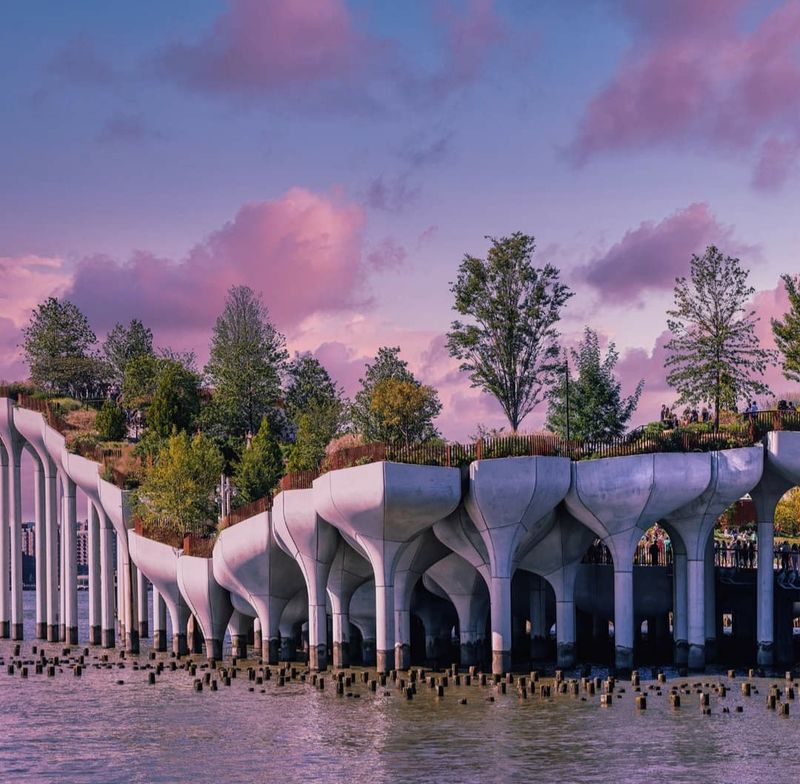
Floating above the Hudson on sculptural concrete supports, this park feels like a piece of imaginative design dropped right into Manhattan’s waterfront.
Paths curve through gardens, viewpoints appear where you least expect them, and the whole landscape has a playful, almost dreamlike quality.
Little Island may be well photographed now, but in person, it still feels like a surprising escape from the ordinary grid.
What makes it special is not just the architecture, though that certainly helps.
The park has movement built into it, with rises, dips, and winding walkways that keep changing your perspective as you explore.
One minute you are looking toward the skyline, the next you are tucked into greenery, and then suddenly you find a quiet bench that feels removed from the city even though it is right there.
There is also a sense of intentional delight in the layout.
Performance spaces, plantings, overlooks, and hidden corners all encourage you to slow down rather than simply snap a photo and move on.
That makes the visit feel more layered, especially if you go with enough time to wander instead of treating it like a quick stop on the West Side.
Even when other visitors are around, you can still find small moments of calm here.
Early mornings are especially lovely, but sunset can be magical too, when the river catches the light, and the whole park starts to glow.
It is a strong reminder that some of New York’s best experiences happen when infrastructure, landscape, and creativity come together in a way that feels generous to the public.
Little Island deserves its place among the city’s hidden gems because nobody knows about it, but it offers a rarer emotional experience than many major attractions.
It feels whimsical without being gimmicky, scenic without being stiff, and memorable without demanding much from you except curiosity.
In a city that often moves in straight lines, this place invites you to wander, linger, and enjoy getting pleasantly lost.
9. Conservatory Garden
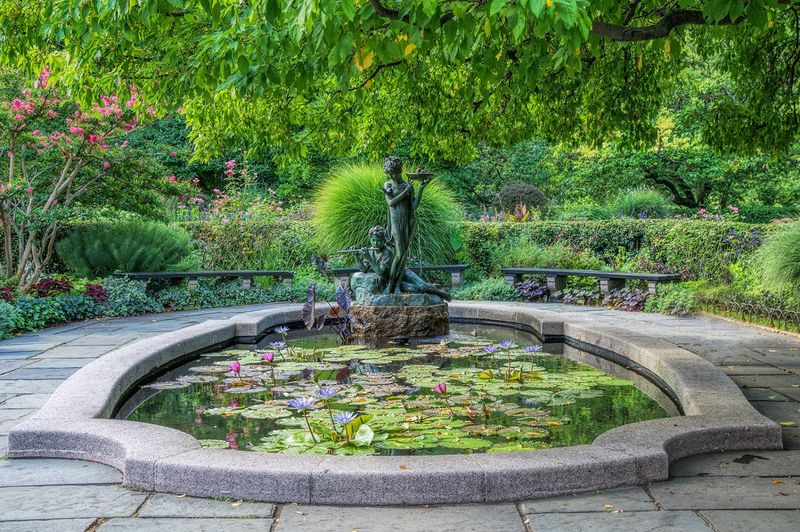
At the northern end of Central Park, there is a formal garden that feels worlds away from the lawns, loops, and crowds most visitors associate with the park.
Orderly paths, fountains, seasonal blooms, and carefully shaped landscapes create a setting that feels refined, peaceful, and almost cinematic.
Conservatory Garden is one of those places that makes you wonder how so many people can miss something this beautiful.
The atmosphere here is quieter than in Central Park’s more famous sections, and that is exactly the appeal.
Instead of bike traffic, street performers, and constant movement, you get a slower rhythm that encourages lingering.
It is the kind of place where a short walk naturally turns into a long pause on a bench, especially when flowers are in peak bloom.
Each section has its own personality, which keeps the experience from feeling overly formal.
There is elegance, of course, but also softness, color, and enough variation to make the garden feel alive rather than static.
Whether you visit in spring, summer, or early fall, the changing plantings give it that repeat-visit quality that every great hidden gem should have.
This is an especially good stop if you want a romantic or reflective side of New York.
It works beautifully for solo wandering, quiet conversations, or simply taking a break from the busier parts of Manhattan.
Because it sits within Central Park yet apart from its busiest energy, the garden gives you the convenience of a major landmark with the mood of a secret retreat.
What makes the Conservatory Garden so rewarding is how complete the transformation feels.
You do not just see a pretty place, you feel your pace change the moment you enter.
In a city that constantly asks for your attention, this garden offers something gentler and much rarer: stillness, structure, and beauty that unfolds slowly enough for you to actually enjoy it.
10. Socrates Sculpture Park
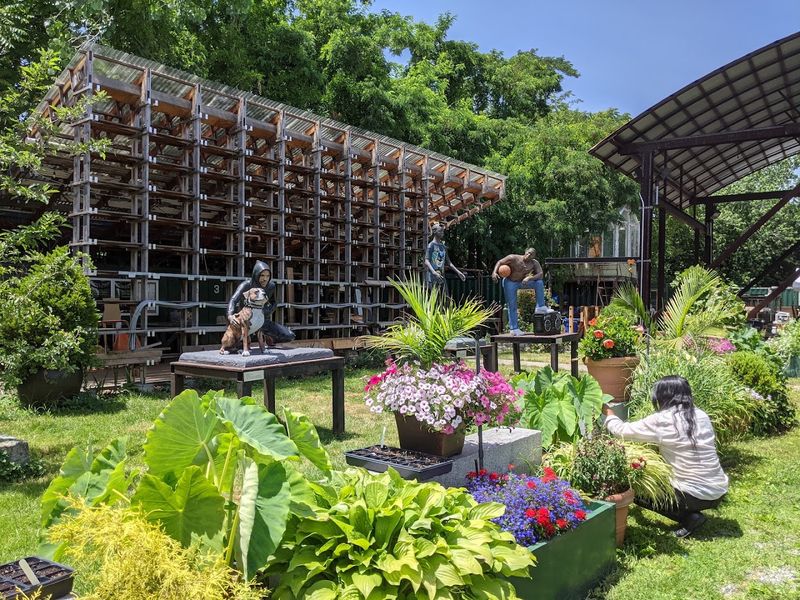
Across the river in Queens, this waterfront art park offers a version of New York that feels creative, open, and refreshingly unpolished.
Large-scale sculptures rise from the lawn, the skyline appears in the distance, and the whole place blends contemporary art with neighborhood energy in a way that feels completely distinct from Manhattan museum culture.
Socrates Sculpture Park is casual, surprising, and easy to love.
Part of its charm comes from the setting.
Outdoor art already changes the way you interact with a space, but here you also get light, wind, river views, and a sense of openness that is hard to overstate.
Instead of whispering through galleries, you wander freely, letting the work reveal itself in conversation with the landscape around it.
The park also feels genuinely alive.
Exhibitions change, community events often add to the atmosphere, and there is a constant sense that this is a place for real use, not just careful observation.
That makes it especially enjoyable if you like art that feels less formal and more integrated into daily city life.
It is worth pairing with a wider Queens day, but it also stands on its own if you simply want somewhere different from the standard tourist route.
Bring time to walk slowly, notice how the sculptures interact with the sky, and appreciate the neighborhood perspective it offers.
The city feels both larger and more personal when you experience places like this beyond Manhattan’s usual orbit.
Socrates Sculpture Park earns hidden gem status because it gives you multiple rewards at once.
You get public art, waterfront atmosphere, skyline views, and a strong sense of local identity, all without the pressure of a major attraction.
In a city known for iconic institutions, this park reminds you that some of the most memorable cultural experiences happen outdoors, a little off center, and beautifully out in the open.
11. New York Transit Museum
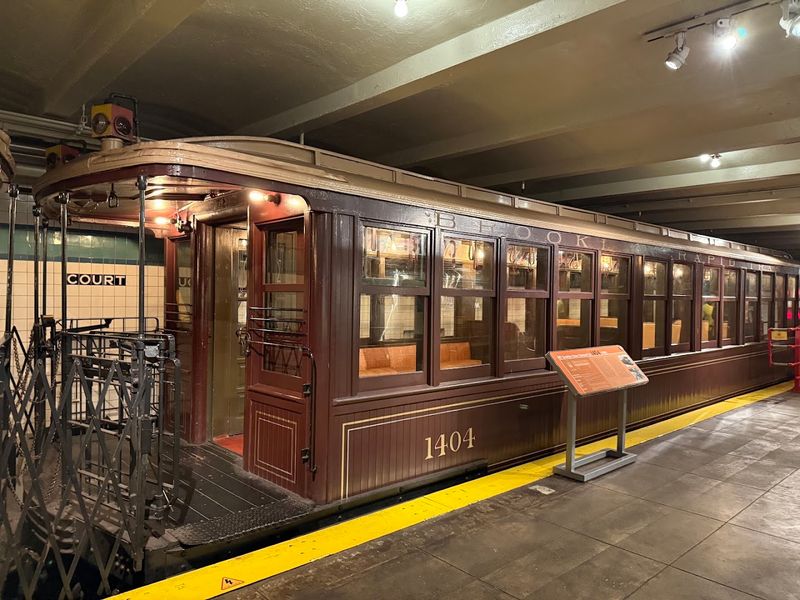
Down in a decommissioned subway station in Brooklyn, one of the city’s most fascinating museums quietly preserves the story of how New York moves.
The platforms, tiled walls, and vintage train cars create an atmosphere that feels immersive from the moment you enter.
The New York Transit Museum is not just for transportation enthusiasts – it is for anyone curious about the machinery, design, and daily rituals that shaped the city.
Walking through old subway cars is easily the highlight.
You can step inside different eras of transit history and notice how seats, ads, colors, and materials changed over time, which somehow tells you just as much about New Yorkers as it does about trains.
It is nostalgic even if you never lived through those decades, because the spaces feel so specific and tangible.
The museum also benefits from being in a former station rather than a generic gallery.
That setting gives everything more texture and authenticity, making exhibits about engineering, fare collection, maps, and workers feel grounded in the environment they actually belong to.
Even if you think transit is just a way to get around, this place quickly shows you how central it is to the identity of the city itself.
Because it sits in Brooklyn Heights and feels a little tucked away, the museum can still feel like an insider pick compared with larger Manhattan institutions.
It is a perfect rainy day stop, but honestly, it works in any weather because the underground setting becomes part of the fun.
Give yourself enough time to move slowly and take in the details, especially inside the train cars.
Hidden gems are often places that deepen your understanding of New York rather than simply decorating your itinerary.
The New York Transit Museum does exactly that, turning something as ordinary as a subway ride into a richer story about labor, design, growth, and everyday life.
You leave seeing the city differently, which is probably the strongest compliment any museum can earn.
12. Sideshows By The Seashore
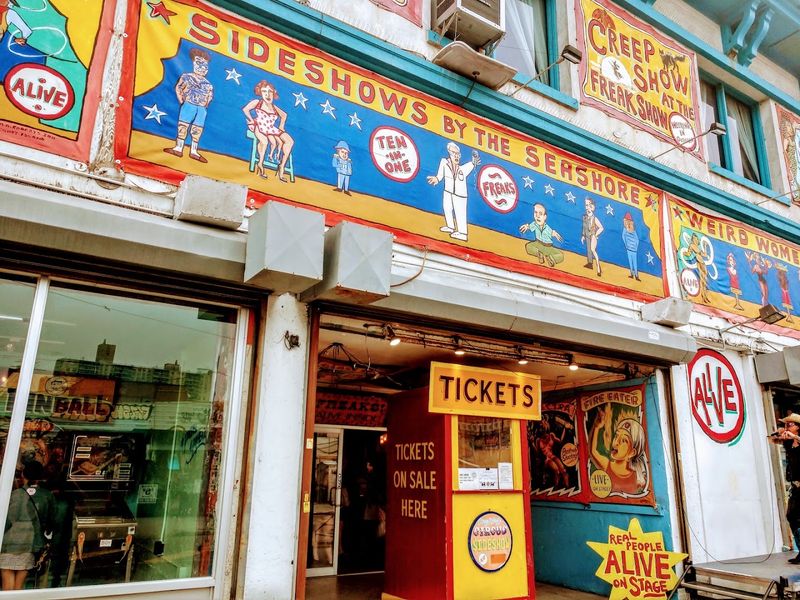
On Coney Island, where nostalgia already hangs in the salty air, there is a wonderfully strange attraction that leans all the way into the old carnival spirit of the area.
Inside, oddities, performance history, and classic sideshow energy come together in a space that feels delightfully out of step with polished modern entertainment.
Sideshows By The Seashore is weird in the best way, and that is exactly why it belongs on a hidden gems list.
This is not the kind of place you visit for sleek presentation or broad appeal.
You come for curiosity, for the pleasure of seeing something eccentric, and for the reminder that New York has always made room for spectacle on the fringes.
The atmosphere captures a part of Coney Island’s identity that goes deeper than rides and beach crowds, reaching back to a more bizarre entertainment tradition.
Even the location helps.
Being near the boardwalk means you can fold the stop into a full day by the water, but the experience itself feels distinct from the usual summer amusement routine.
There is a gritty, theatrical charm here that makes the place memorable, especially if you enjoy destinations with personality instead of polish.
If you like local history, subculture, or anything a little offbeat, give this one your time.
It works well as a contrast to the bright openness of the beach because it pulls you into a denser, stranger atmosphere where performance and oddity take center stage.
In a city that often packages culture into neat categories, this place feels satisfyingly unruly.
What makes Sideshows By The Seashore worth seeking out is its refusal to be ordinary.
It preserves a lively slice of New York entertainment history that could easily have disappeared, and it does so with humor, edge, and unmistakable character.
Long after the boardwalk snacks and ocean breeze fade, this is the kind of Coney Island experience you will probably still be talking about.
13. Indian Caves
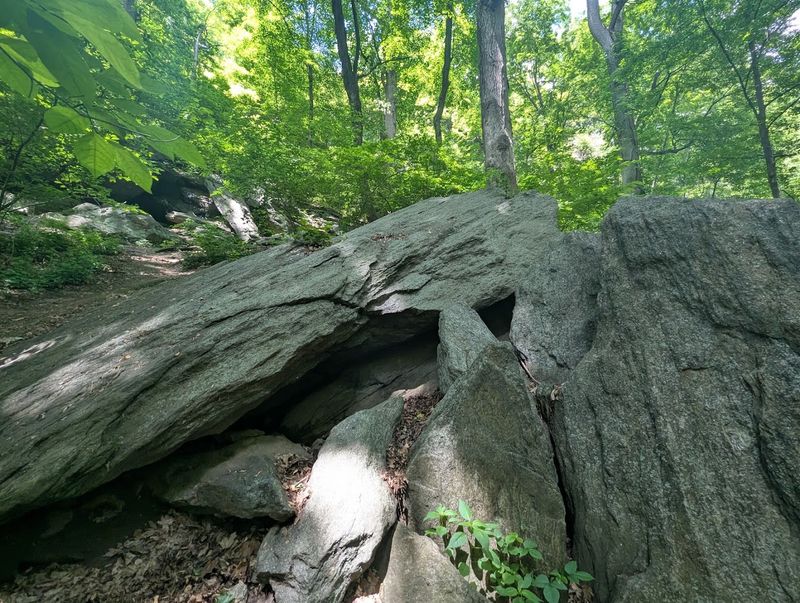
It surprises a lot of people to learn that New York City still holds pockets that feel almost wild, and this spot in northern Manhattan is one of the best examples.
Tucked within Inwood Hill Park, the area known as Indian Caves offers rocky terrain, wooded trails, and a completely different mood from the polished image many people carry of the city.
Coming here feels less like sightseeing and more like discovering an older landscape hiding beneath modern New York.
The appeal starts with the setting itself.
Inwood Hill Park has a rugged quality that sets it apart from more manicured green spaces, and that makes every path feel a bit more exploratory.
The caves are tied to layered local history and lore, which adds an extra dimension to the visit beyond the simple pleasure of being somewhere quiet and green.
What really stands out is the contrast.
One part of your day can involve subway lines, traffic, and apartment canyons, and then suddenly you are surrounded by rock outcroppings, trees, and birdsong.
That shift is especially rewarding if you think you already know Manhattan, because it proves the borough can still feel untamed in small but meaningful ways.
This is a great stop if you enjoy urban nature, unusual history, or places that require a little more intention to appreciate.
Wear comfortable shoes, give yourself time to wander, and do not expect a polished attraction with neat signposting and dramatic staging.
The reward here is the atmosphere, the sense of discovery, and the reminder that not every New York experience has to be crowded or obvious.
Indian Caves earns hidden gem status by offering something few city attractions can: perspective.
It places today’s New York against a much older natural backdrop and lets you feel that tension in a direct way.
For anyone craving a side of the city that is quieter, rougher, and more mysterious, this corner of Inwood delivers a memorable break from everything predictable.
14. The Secret Garden Brooklyn
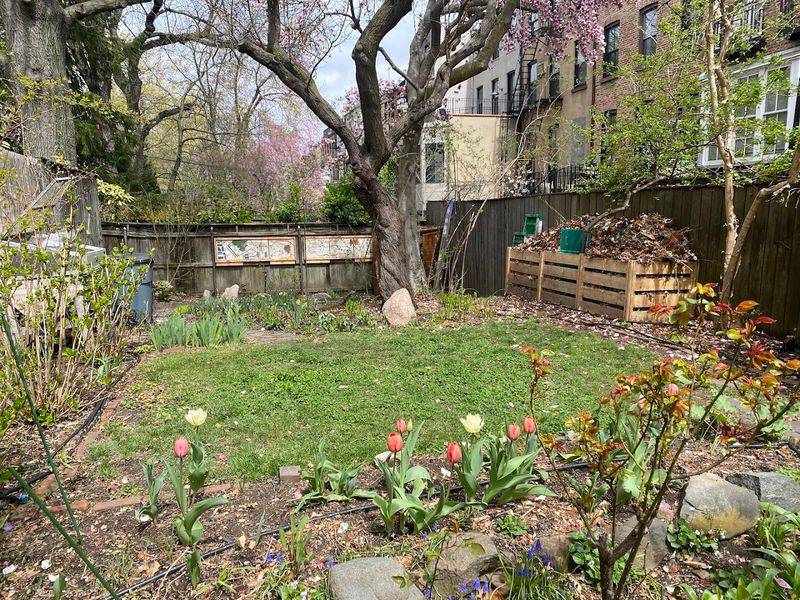
Some of New York’s best surprises are not grand landmarks but intimate spaces shaped by care, patience, and neighborhood spirit.
Tucked into Brooklyn, this charming garden offers that exact kind of discovery, with greenery, flowers, and a sense of enclosure that makes the outside city feel pleasantly far away.
The Secret Garden Brooklyn lives up to its name by creating the kind of quiet atmosphere people rarely expect from such a dense place.
What makes spaces like this so appealing is their scale.
You are not navigating a major park or checking off famous features.
Instead, you are stepping into something more personal, where paths, plantings, and little details feel designed for people who truly want to pause, look around, and enjoy being somewhere that feels gently hidden.
There is also a strong emotional pull to community-rooted spaces.
They often carry a lived-in warmth that polished attractions cannot manufacture, and that warmth comes through in the textures, the plant choices, and the overall feeling of the place.
Even a short visit can feel restorative because the space invites attention instead of demanding it.
If your version of a hidden gem includes romance, reflection, or simply a break from overplanned sightseeing, this one delivers.
It is especially nice when paired with a slower Brooklyn day, the kind built around cafés, brownstone streets, and wandering without too much agenda.
Places like this remind you that New York’s character is not only written in skyscrapers and institutions, but in small spaces where people have made beauty with intention.
The Secret Garden Brooklyn stands out because it offers a softer kind of discovery.
There may be no giant view, no famous statue, and no dramatic headline feature, but the mood does all the heavy lifting.
In a city that often rewards speed, this garden rewards attention, and that simple shift can make your day feel more memorable than many bigger stops ever will.
15. Wave Hill Public Garden & Cultural Center
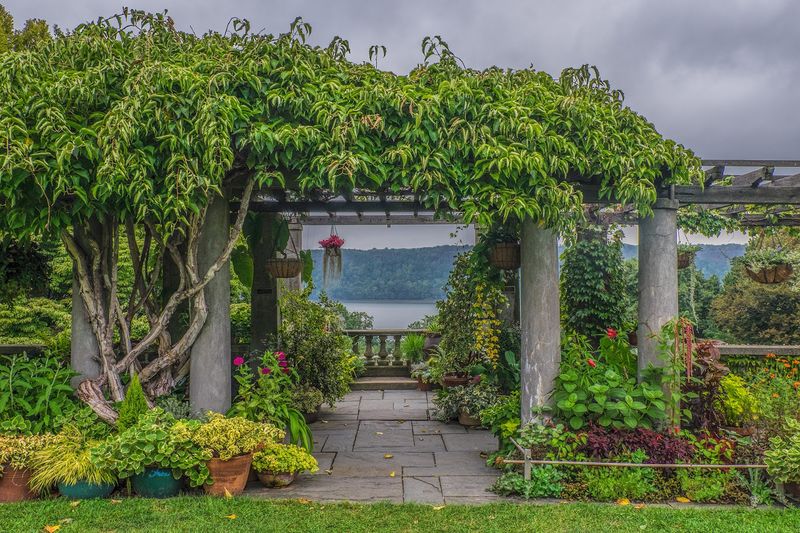
High above the Hudson in the Bronx, there is a garden and cultural center that feels almost impossibly serene for New York City.
Terraced landscapes, woodland paths, sweeping river views, and historic buildings come together in a setting that is both elegant and deeply calming.
Wave Hill Public Garden & Cultural Center is the kind of place that makes you forget the city’s intensity for a while, which is part of its power.
The views alone are worth the trip.
Looking out over the Hudson and the Palisades gives you a broad, almost meditative sense of space that is rare within city limits.
But what really makes Wave Hill special is how well the grounds invite you to move slowly, noticing flowers, trees, breezes, and changing light instead of rushing from one attraction to the next.
There is also an appealing richness to the experience.
You can enjoy formal gardens, shaded paths, public programs, and art without feeling like the place is trying too hard to entertain you.
Everything seems arranged to support contemplation, which is surprisingly luxurious in a destination as fast-paced as New York.
This is a wonderful choice if you want a hidden gem that feels substantial enough for a half day or longer.
Bring a notebook, a camera, or simply enough time to sit and do nothing for a while.
The trip to the Bronx becomes part of the reward because the distance helps the visit feel like a real escape rather than just another stop on a crowded itinerary.
Wave Hill Public Garden & Cultural Center proves that New York’s magic is not limited to famous skylines and blockbuster museums.
Sometimes the city’s most memorable places are the ones that offer quiet, perspective, and beauty on a human scale.
If you are willing to go a little farther and slow down a little more, this is one hidden gem that more than earns the effort.
Share this story