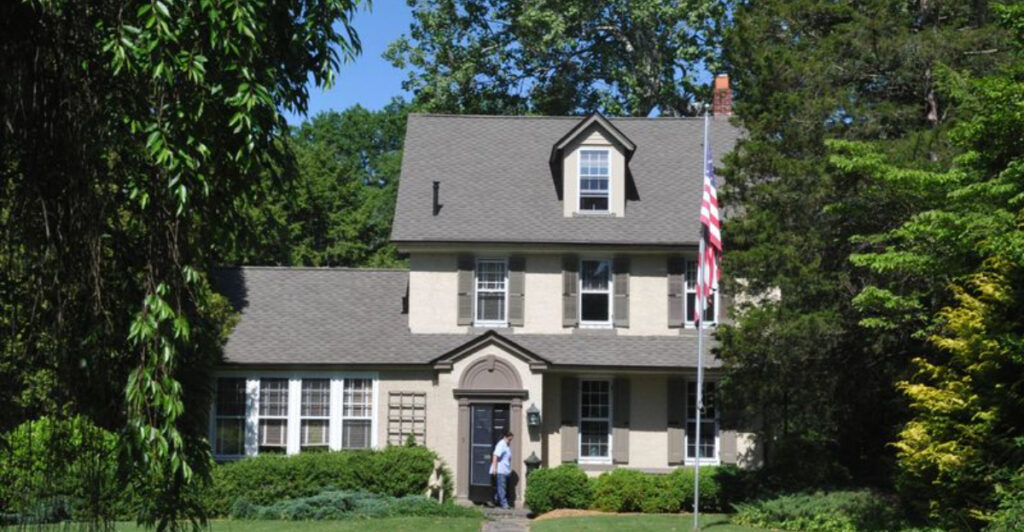
Some New Jersey towns announce themselves with boardwalk noise, restaurant waits, and a calendar that feels booked three weekends ahead. Wenonah goes in the opposite direction, and that is exactly the point.
Tucked in Gloucester County, this tiny borough has the kind of rhythm that makes you notice birdsong, front porches, and the fact that a walk to the park can count as a real plan. It was founded in 1871 as a country resort and, all these years later, it still carries that original assignment surprisingly well.
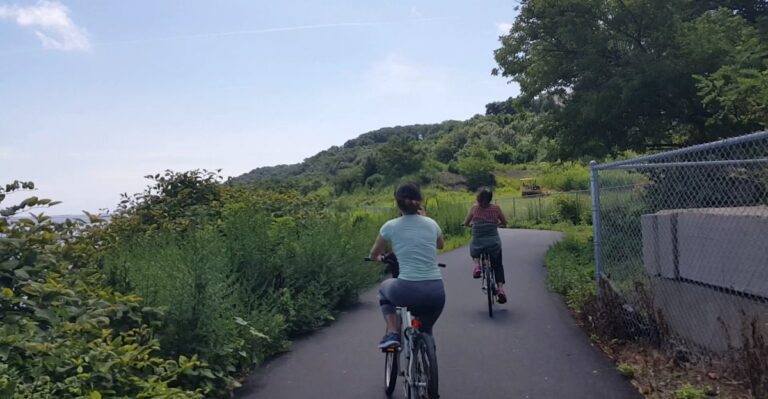
The town remains mostly residential, ringed with preserved green space, threaded with more than six miles of trails, and anchored by community habits that feel refreshingly human-scale.
Add in a seasonal farmers market, a deep sense of local stewardship, and a population just over 2,200, and Wenonah starts to read less like a stop on the map and more like a quiet correction to modern life.
Why Wenonah Feels Like a Different Kind of New Jersey Escape
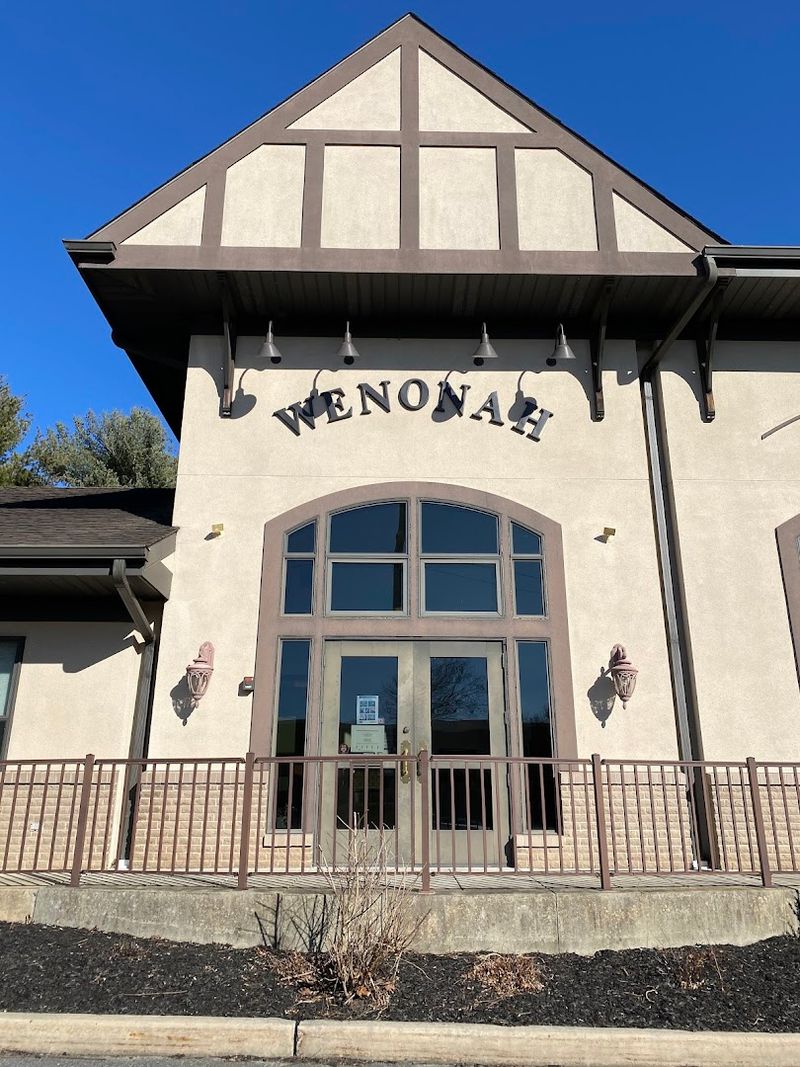
Not every escape requires a full tank of gas, a hotel reservation, or a carefully curated itinerary. Wenonah’s appeal starts with how little it asks of you.
This is a borough of just over 2,200 people, which means it still feels personal in a way many New Jersey towns gave up on years ago. You are not navigating around crowds here.
You are noticing tidy houses, old trees, quiet intersections, and the kind of neighborhood scale that makes errands feel almost pleasant. The town was founded by Philadelphia businessmen in 1871 as a country resort along Mantua Creek and the West Jersey Railroad, and that origin story still explains a lot.
Wenonah was literally designed as a place to step back from city pressure. Unlike towns that have spent decades chasing bigger development, louder attractions, or a trendier identity, Wenonah has remained largely residential and remarkably committed to its own pace.
More than 21 percent of the borough’s land is protected conservation area, which is a very practical reason the place feels open, shaded, and calm instead of overbuilt. You can feel that difference without needing anyone to point it out.
The roads are modest. The atmosphere is unfussy.
The daily experience leans toward dog walks, trail loops, porch chats, and local events rather than spectacle. Even its charm feels unperformed, which is rare.
Wenonah is not trying to convince anyone it is quaint. It simply is.
That makes it especially appealing for people who are tired of towns that seem built for marketing before they are built for living. In a state full of places that move fast by default, Wenonah feels like a quiet refusal to do so, and that gives it a personality all its own.
The Tree Lined Streets That Make You Slow Down and Stay Awhile
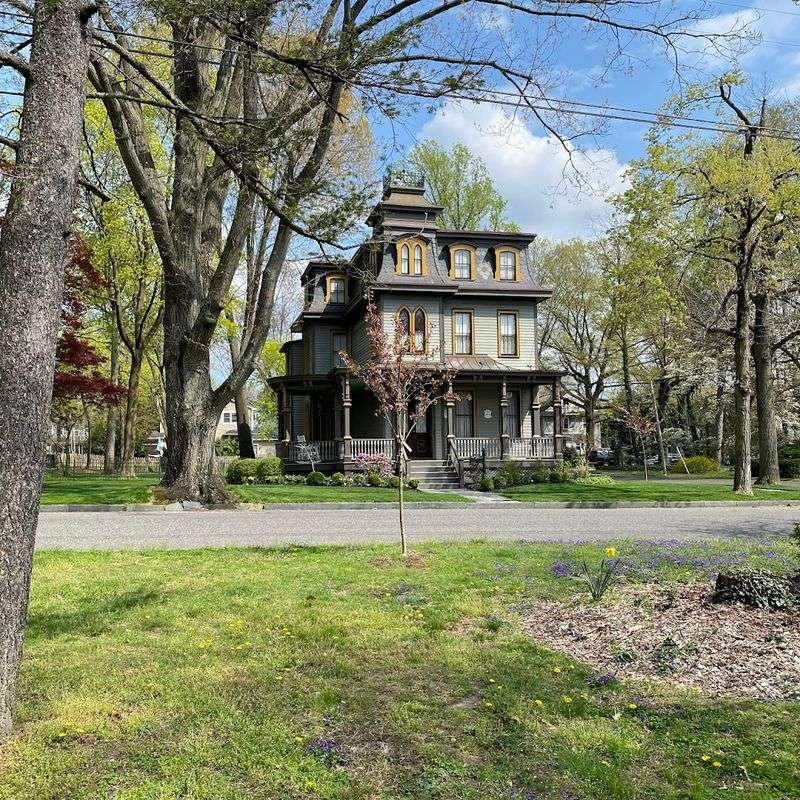
The first thing Wenonah does well is make driving feel unnecessary. Not because it is anti-car in some grand urban-planning sense, but because the town is so compact and pleasant that walking suddenly seems like the smarter move.
The streets are lined with mature trees that throw generous shade, and the residential blocks have the sort of visual texture that keeps your eyes busy in a good way. There are historic homes, porches that actually look used, and little glimpses of everyday life that make the place feel lived in rather than staged.
Wenonah’s beginnings as a late-19th-century resort town show up here too. Its layout still encourages wandering, not rushing.
You do not barrel through Wenonah. You drift through it.
That distinction matters. In bigger towns, a walk can feel like a route.
Here, it feels like an activity. The small scale helps, of course, but so does the atmosphere.
There is space to hear your own footsteps. Space to notice the change in light under the trees.
Space to stop and read a community notice without someone bumping into your shoulder. Even the town’s historic identity contributes to that slower effect.
There is a reason local history and preservation remain such visible parts of Wenonah’s civic life. The borough has held onto the bones that make a place feel rooted, and that sense of continuity changes how you move through it.
A street does not just lead somewhere; it carries memory. For anyone craving a simpler lifestyle, this matters more than trendy slogans about mindfulness.
Wenonah gives you the physical conditions for slowing down. It is shaded, walkable, human-sized, and still intimate enough that lingering does not feel inefficient.
It feels like the whole point.
How Wenonah’s Trails and Green Spaces Shape Everyday Life
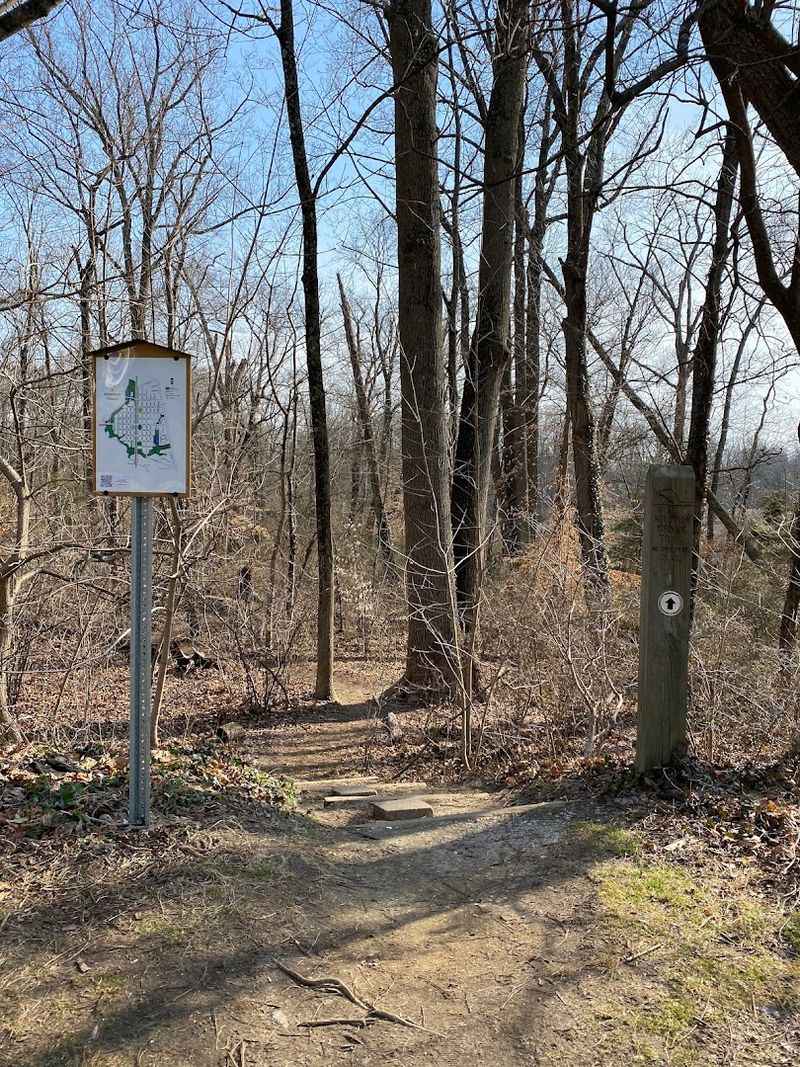
Plenty of towns claim to love nature. Wenonah has the receipts.
The borough’s trail system includes more than six miles of maintained paths and roughly 40 bridges, all cared for by the Wenonah Environmental Commission, a volunteer-driven branch of local government that also preserves more than 135 acres of conservation land. That is not decorative greenery.
That is a meaningful amount of protected space wrapped around everyday life. In practical terms, it means residents are never far from a wooded path, a creekside stretch, or a quiet pocket where the noise level drops instantly.
The George Eldridge Trail and the larger conservation area are especially telling because they are not treated like distant wilderness escapes. They are part of the town’s normal rhythm.
Locals bird-watch there, walk there, clear their heads there, and keep coming back because the trails are integrated into the identity of the place. This is the kind of landscape that gently changes your standards.
Once you are used to having woods and water at the edge of your routine, you start to see how many places ask people to schedule nature like an appointment. Wenonah does the opposite.
It places green space right beside ordinary life and lets it do its work quietly. The trail markers, footbridges, and maintained paths also tell you something important about the town’s values.
This is not accidental charm. It is stewardship.
People here have chosen to keep these spaces usable and protected, which gives Wenonah an everyday richness that bigger, busier places often lose. For anyone dreaming about a simpler life, that matters far more than a cute downtown slogan.
Simplicity is easier to believe in when your neighborhood includes actual woods, actual trails, and a real culture of caring for them.
The Small Town Traditions That Still Bring Neighbors Together
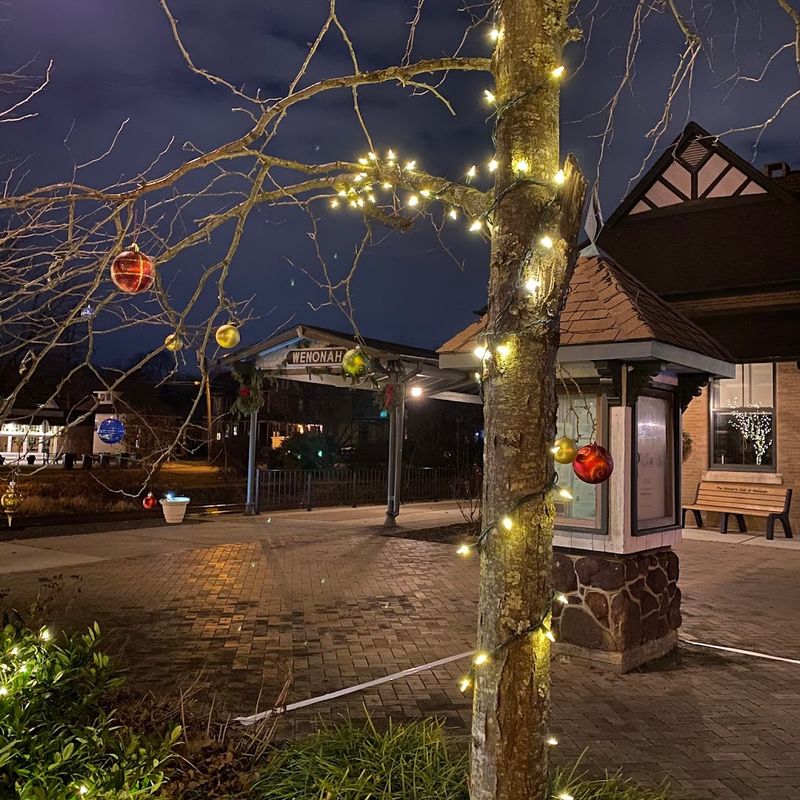
A simpler lifestyle is not just about peace and quiet. It also depends on whether a town still knows how to gather without making everything feel like an overproduced event.
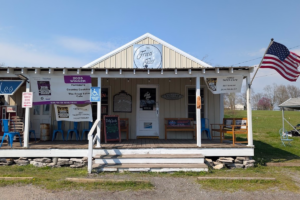
Wenonah gets this right. One of its clearest examples is the Wenonah Farmers Market, held on the first and third Thursdays from May through September at the park entrance at Mantua and Southeast Avenues.
On paper, that sounds like a straightforward seasonal market. In reality, it says a lot about how the town works.
The market is organized by the Woman’s Club of Wenonah and brings together produce, specialty foods, handcrafted goods, food trucks, and live music. That mix matters because it keeps the atmosphere friendly rather than fussy.
It is not about elite shopping or curated aesthetics. It is about neighbors showing up, wandering a while, picking up something fresh, and catching up in the process.
That same community-minded energy runs through Wenonah’s historical society and local volunteer organizations, which keep the town’s sense of identity active rather than nostalgic. You can tell Wenonah does not treat community as a branding exercise.
It treats it as maintenance. Traditions continue because people participate, organize, and care enough to keep them going.
For residents, that creates a social life that feels accessible instead of exhausting. You do not need a huge plan.
You just need to know what is happening in town. For visitors, it makes Wenonah feel unusually grounded.
The town has events, yes, but more importantly, it has habits. That is a different thing entirely.
Habits are what make a place livable. In Wenonah, they make the borough feel stitched together by regular human contact, which is one of the most overlooked luxuries of all.
What Makes Wenonah So Appealing to People Craving Simplicity
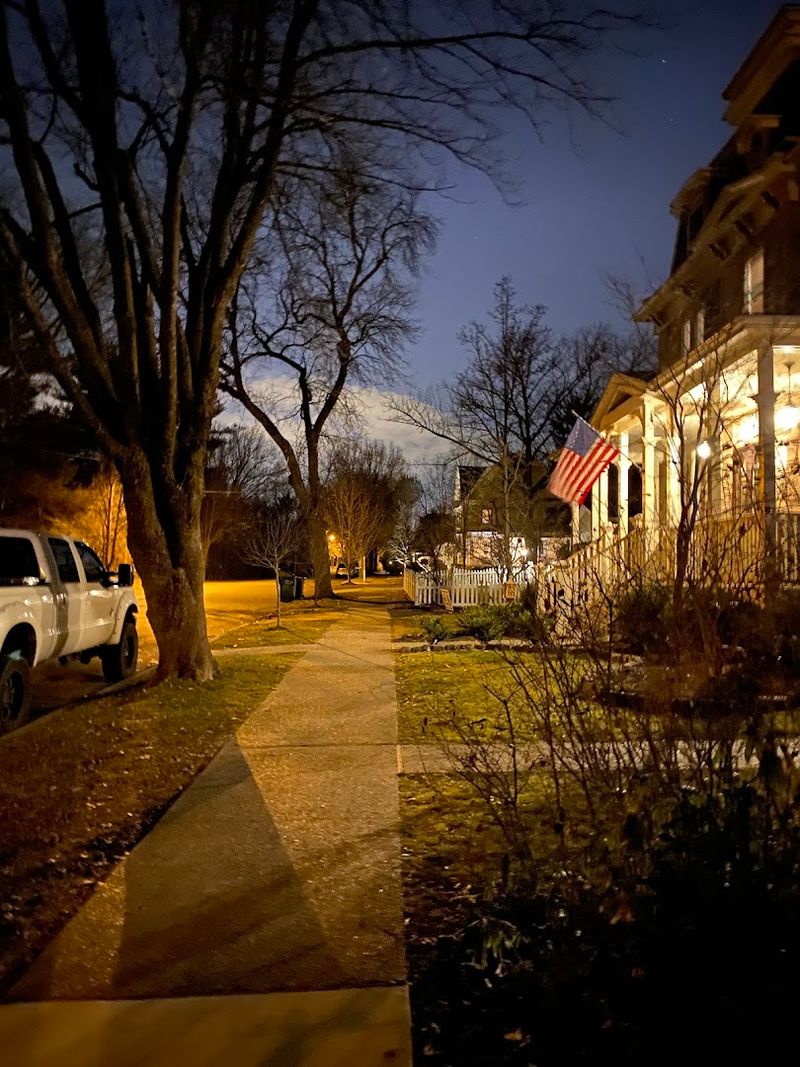
The strongest argument for Wenonah is not any single landmark. It is the way the town removes friction from daily life.
Simplicity is often marketed as an aesthetic, but people usually want something much less glamorous and much more useful. They want fewer decisions.
Less noise. Shorter distances. More access to nature. More recognizable faces.
A place where life feels coherent. Wenonah delivers on those basics better than many flashier towns ever could.
Its small population keeps things personal. Its protected open space keeps the setting from feeling hemmed in.
Its residential character means the town is oriented toward living rather than constant consumption. Even the borough’s history supports that feeling.
Wenonah was built as a retreat from urban pressure, and more than 150 years later, it still functions surprisingly well as one. There is also something refreshing about the fact that the town’s pleasures are so ordinary.
A farmers market. A wooded trail. A shaded street. A local event that starts on time and ends before everyone gets overtired.
That might not sound thrilling to people chasing maximum stimulation, but it sounds awfully good to anyone who is tired of measuring quality of life by how busy everything is. Wenonah also benefits from proximity.
It sits in South Jersey close enough to the Philadelphia region to remain connected, yet once you are in town, the mood shifts fast. That balance is part of the appeal.
You are not vanishing into isolation. You are stepping into a place that still respects quiet, routine, and neighborly scale.
For a lot of people, that is not just charming. It is aspirational.
Wenonah makes a persuasive case that simpler living does not have to be a fantasy involving a cabin in the middle of nowhere. Sometimes it looks like a small New Jersey borough that never forgot what it was built for.
Why a Visit to Wenonah Might Change the Way You Think About Home
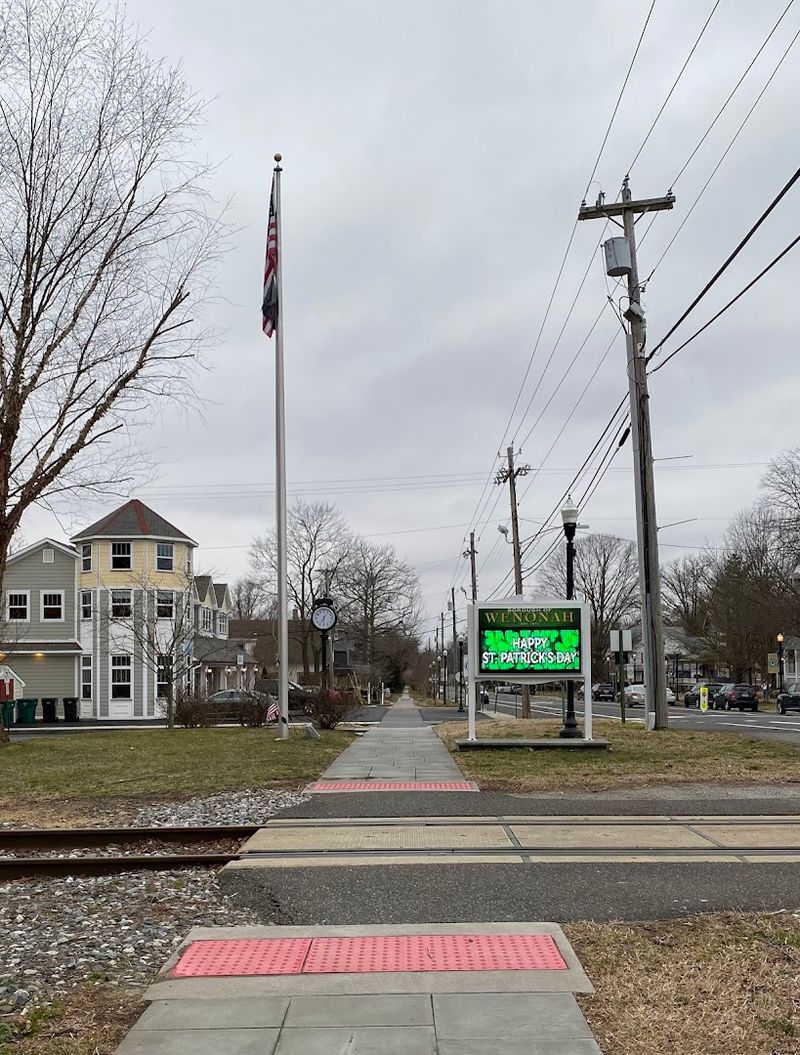
What lingers after time in Wenonah is not one dramatic moment. It is the accumulation of small, persuasive details.
The quiet trailhead that is only minutes from homes. The sense that people here still use public space in a normal, neighborly way.
The fact that a borough this small has held onto its historic identity, environmental stewardship, and community traditions without turning them into a performance. That combination can be unexpectedly clarifying.
Many people think they want a bigger house, a busier town, or more options packed into every square mile. Then they spend a little time somewhere like Wenonah and realize what they were actually missing was ease.
Not emptiness. Ease.
The borough’s preserved green space, walkable residential character, and longstanding community institutions all contribute to that feeling. So does its history.
A town created as a country resort could have easily lost its original purpose through decades of development pressure. Instead, Wenonah still feels like a place designed to let people exhale.
That has a way of getting under your skin. It can make your own routines look louder than you realized, and your own neighborhood feel more hurried than it needs to be.
That is why Wenonah works so well as more than a pleasant day trip. It acts like a measuring stick.
It reminds you that quality of life is often built from ordinary things done consistently well: access to nature, civic care, modest scale, and recurring spaces where people actually meet one another. You leave with a slightly inconvenient question, which is usually a sign a place made an impression.
Namely: if a tiny South Jersey borough can make life feel this manageable, why are so many other towns making it harder than necessary? Wenonah does not shout its answer.
It just lives it.
Share this story