Growing up in Tennessee means learning a whole different language when it comes to food. These aren’t just words we throw around at the dinner table. They’re part of who we are, woven into every family gathering, church potluck, and Sunday supper.
If you’ve spent any time in the Volunteer State, these sayings will feel like coming home.
1. Put some meat on your bones.
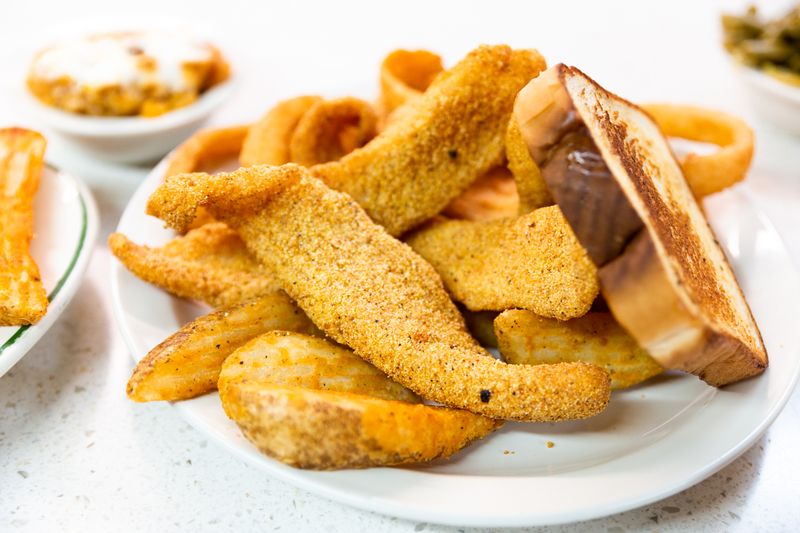
Your grandmother probably said this to you at least once a week, usually while piling more fried chicken onto your plate whether you wanted it or not. It’s the Tennessee way of showing love, concern, and a firm belief that no problem exists that can’t be solved with a second helping.
The phrase has nothing to do with actual medical advice and everything to do with making sure nobody leaves the table hungry.
Walk into any Tennessee home during mealtime, and you’ll hear this said to anyone who looks even slightly thin. It doesn’t matter if you just ate an entire pizza.
If Granny thinks you could use more nourishment, she’s going to make it happen. The saying comes from generations of folks who lived through hard times and swore their children would never know hunger.
What makes this phrase special is the genuine care behind it. Tennessee families express affection through food, and telling someone to put meat on their bones is basically saying “I love you and want you healthy.” You might protest that you’re full, but resistance is futile.
That extra biscuit is already on your plate.
The funny thing is, this saying gets passed down whether the person is actually underweight or not. It’s become more about the ritual than reality.
Your aunt will say it to you at twenty, thirty, even forty years old. She said it to your parents, and her parents said it to her. It’s tradition wrapped up in mashed potatoes and gravy.
Nobody in Tennessee takes offense to this phrase because we all understand the translation. It means you’re family, you’re welcome at this table, and there’s always enough to go around.
The meat in question could be chicken, pork, beef, or even catfish. What matters is that someone cares enough to make sure you’re well-fed and happy.
2. Save room for cobbler.
Anyone who’s ever attended a Tennessee dinner knows this warning comes right when you’re reaching for thirds. Your host sees you eyeing that last piece of cornbread and gently reminds you that dessert is coming.
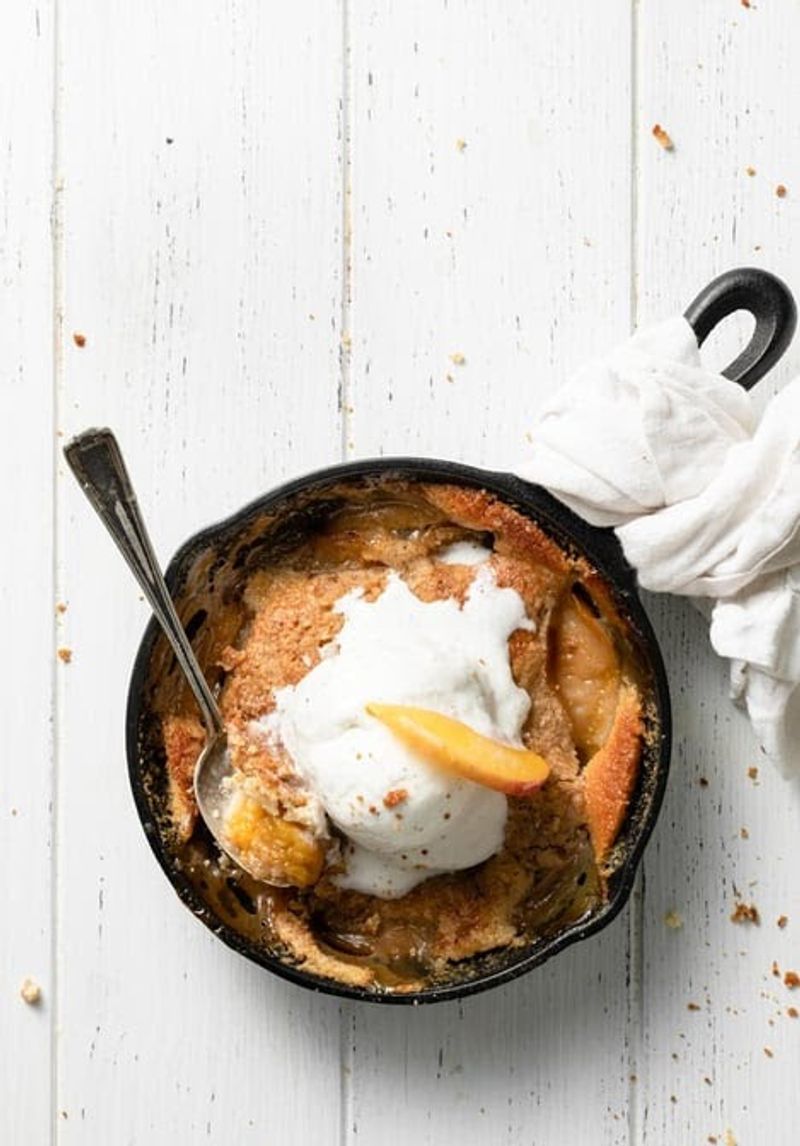
And not just any dessert, but cobbler. Probably peach, maybe blackberry if it’s summer, or apple if fall has arrived.
The cobbler is always homemade, always warm, and absolutely worth the wait.
This saying serves as both promise and threat. Promise because cobbler is coming and it’s going to be amazing. Threat because if you stuff yourself now, you’ll miss out on the best part of the meal. Tennessee cooks take their cobblers seriously, using recipes handed down through generations.
The crust has to be just right, crispy on top but soft underneath where it soaks up all that fruit juice.
Visitors to Tennessee often make the mistake of ignoring this advice. They load up on fried chicken, green beans, and mac and cheese until they can barely move.
Then the cobbler appears, topped with vanilla ice cream that melts into the warm fruit, and they realize their terrible error. Locals know better and pace themselves accordingly.
The phrase also signals that the meal is entering its final phase. Once someone mentions cobbler, everyone starts mentally calculating how much room they have left.
Plates get pushed aside, sweet tea gets refilled, and anticipation builds. Someone usually volunteers to scoop the ice cream while another person cuts generous squares of cobbler.
What’s interesting is how this saying creates a moment of community. Everyone at the table shares a knowing look, a collective understanding that the main course was just preparation for what’s coming.
We’ll sit here a little longer, talk a little more, and enjoy something sweet together. That’s the Tennessee way, and cobbler makes everything better.
3. It needs a little more gravy.
Gravy in Tennessee isn’t a condiment. It’s a requirement, a philosophy, and sometimes the main event.
When someone says a dish needs more gravy, they’re not criticizing the cook. They’re simply acknowledging that gravy makes everything better, and there’s no such thing as too much.
Whether it’s white sausage gravy over biscuits, chocolate gravy on pancakes, or brown gravy drowning your mashed potatoes, more is always better.
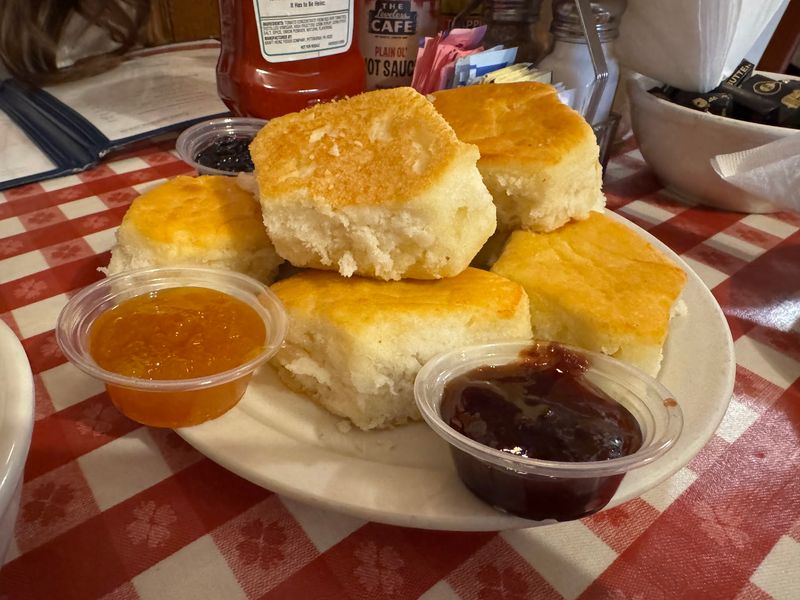
This phrase gets used at breakfast tables across the state every single morning. Biscuits and gravy is practically Tennessee’s state breakfast, and the ratio matters.
Some folks like their biscuits swimming in gravy, while others prefer a modest covering. But everyone agrees that skimpy gravy is a tragedy that must be corrected immediately.
The beauty of this saying is its versatility. It applies to breakfast, lunch, and dinner.
Country fried steak? Needs gravy. Chicken and rice? Better with gravy.
Even things that traditionally don’t get gravy might find themselves improved by it in a Tennessee kitchen. We’re not picky about which kind, as long as there’s plenty of it.
Making good gravy is considered a basic life skill here, right up there with knowing how to drive and tie your shoes. Young cooks learn early how to make a proper roux, how to avoid lumps, and most importantly, how to make enough.
Running out of gravy mid-meal is considered poor planning and mildly embarrassing.
What outsiders don’t always understand is that gravy represents comfort and abundance. It turns simple ingredients into something special.
A plain biscuit is fine, but a biscuit with gravy is breakfast worth waking up for. When we say something needs more gravy, we’re really saying it needs more love, more flavor, more of what makes a meal memorable. And in Tennessee, that’s always gravy.
4. Sweet tea counts as a food group.
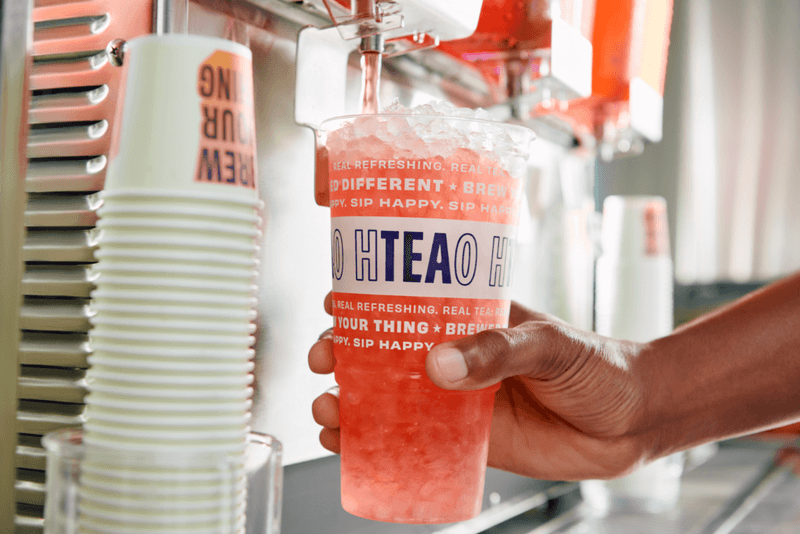
Forget the official food pyramid. In Tennessee, we’ve got our own nutritional guidelines, and sweet tea sits right at the foundation.
This isn’t a joke or an exaggeration. Sweet tea accompanies every meal, gets served at every gathering, and flows more freely than water at most Tennessee tables.
Suggesting unsweetened tea is like suggesting we skip Christmas. It just doesn’t happen.
The preparation of sweet tea is an art form that requires precision. The sugar must be added while the tea is still hot so it dissolves properly. The ratio of sugar to tea is sacred, passed down through families like precious heirlooms. Too little sugar and you’ve made Yankee tea. Too much and it’s syrup.
Getting it just right means you understand Tennessee culture at a fundamental level.
Walk into any Tennessee restaurant and the server will ask what you want to drink. If you’re local, you don’t even have to answer. Sweet tea appears automatically, often before you’ve even looked at the menu. Refills come without asking.
The glass stays full throughout the entire meal. It’s understood that sweet tea is as essential as plates and forks. This saying reflects a deeper truth about Tennessee hospitality.
Offering sweet tea to guests is non-negotiable.
Having a pitcher ready in the refrigerator at all times is standard practice. Running out is considered a minor household emergency that requires immediate attention. Some families go through gallons per day, and nobody thinks twice about it.
The phrase also serves as gentle mockery of health trends that come and go. Nutritionists might argue about carbs and sugar, but Tennesseans know that sweet tea has sustained us through generations.
It cools us down in summer, comforts us in winter, and brings people together year-round. If that’s not a food group, then the food pyramid needs revising.
5. That biscuit’ll sop it right up.
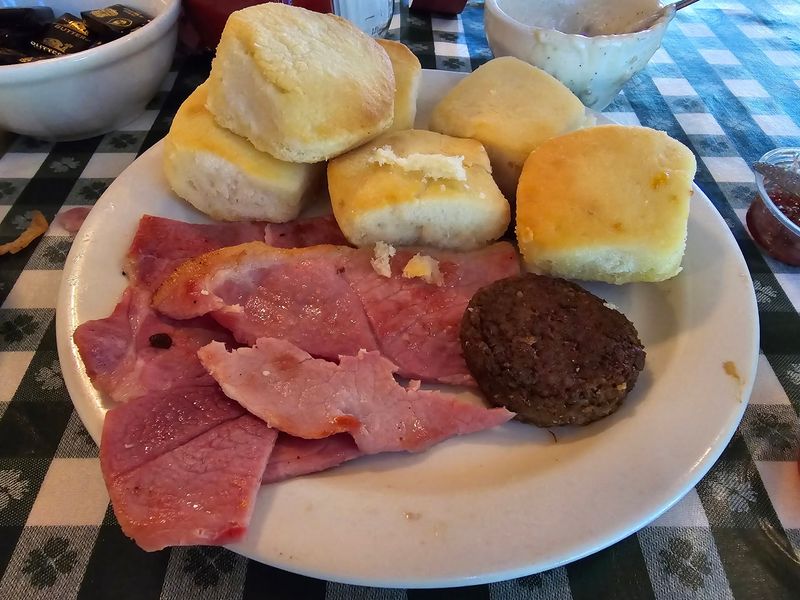
Biscuits in Tennessee serve multiple purposes, and one of the most important is their ability to sop. Sopping isn’t dainty or refined.
It’s the practical act of using a biscuit to capture every last bit of gravy, egg yolk, or pot liquor on your plate. Wasting good flavor is practically sinful, and a proper biscuit solves that problem beautifully.
The texture has to be right though, sturdy enough to hold together but soft enough to absorb.
This phrase usually gets spoken when someone’s plate still has pools of deliciousness but they’ve run out of fork-friendly food. A knowing family member will pass the biscuit basket and deliver this line with complete seriousness.
What follows is the satisfying process of cleaning your plate with carbohydrate efficiency. No napkin required, though you might need to lick your fingers afterward. The technique of proper sopping is something Tennessee children learn early. You tear off a piece of biscuit, press it gently into the liquid, and let it absorb.
Too aggressive and the biscuit crumbles. Too timid and you waste precious gravy. Finding the balance takes practice, but once mastered, it’s a skill you’ll use for life.
Different foods require different sopping strategies. Sausage gravy demands a generous biscuit piece with good structural integrity. Egg yolk needs a gentler touch. Vegetable pot liquor works best with a slightly older biscuit that’s lost some of its flakiness.
Tennessee cooks understand these nuances instinctively.
What makes this saying particularly Tennessee is the complete lack of pretension. We’re not embarrassed about sopping. We don’t see it as bad manners. It’s efficient, delicious, and shows respect for the cook who made that gravy.
Leaving flavor on the plate is the real offense. So when someone offers you a biscuit for sopping, accept it gratefully and clean that plate with pride.
6. Hot chicken means HOT chicken.
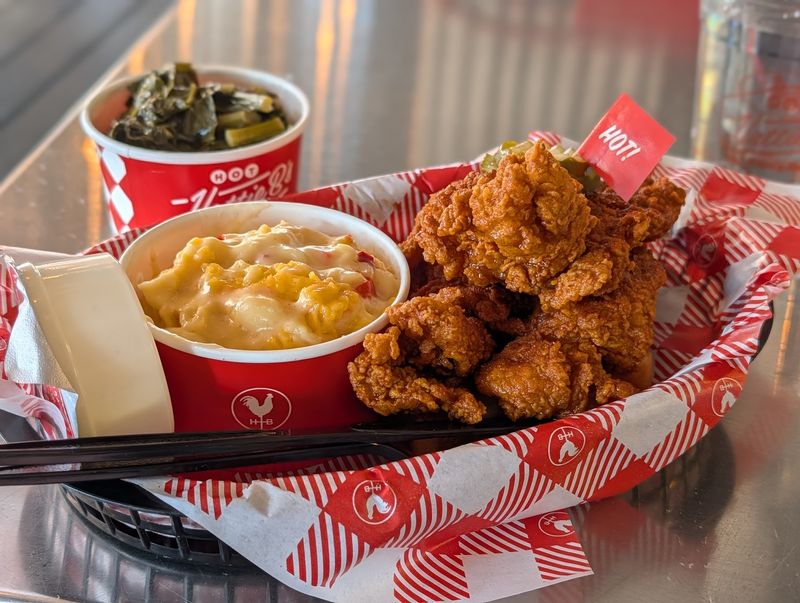
Nashville gave the world hot chicken, and we take the name seriously. When someone orders hot chicken in Tennessee, they’re not asking for warm poultry.
They’re requesting a spice level that will make them sweat, hiccup, and possibly question their life choices. The cayenne-based paste that coats the chicken isn’t decoration. It’s a commitment, a challenge, and sometimes a rite of passage.
Tourists often underestimate this warning, thinking they can handle spicy food because they once ate a jalapeno. Then the hot chicken arrives, glowing an ominous shade of red, and reality sets in.
Locals watch with amusement as visitors take that first bite, experience the delayed heat, and reach desperately for their sweet tea. We’ve all been there, and we all learned the same lesson.
Most hot chicken places offer different heat levels, usually ranging from mild to extra hot, with some places adding levels like “shut the cluck up” for the truly brave or foolish. The waitstaff will ask if you’re sure about your choice, especially if you’re ordering the higher levels.
This isn’t them being condescending. They’ve seen too many people overestimate their spice tolerance and regret it.
The saying exists because hot chicken has become so popular that imitators everywhere started making “hot chicken” that’s barely spicy. Real Tennessee hot chicken should make your lips tingle, your nose run, and your taste buds stand at attention.
If you’re not experiencing some discomfort, it’s not authentic. The heat should build with each bite, creating a crescendo of capsaicin that’s simultaneously painful and addictive.
What’s fascinating is how this phrase has become a point of pride. Tennesseans don’t apologize for the heat level. We embrace it, celebrate it, and use it to separate the serious eaters from the pretenders. Finishing a piece of truly hot chicken earns respect.
Ordering it again proves you’re committed. And fair warning, hot means hot around here.
7. You want cornbread with that?
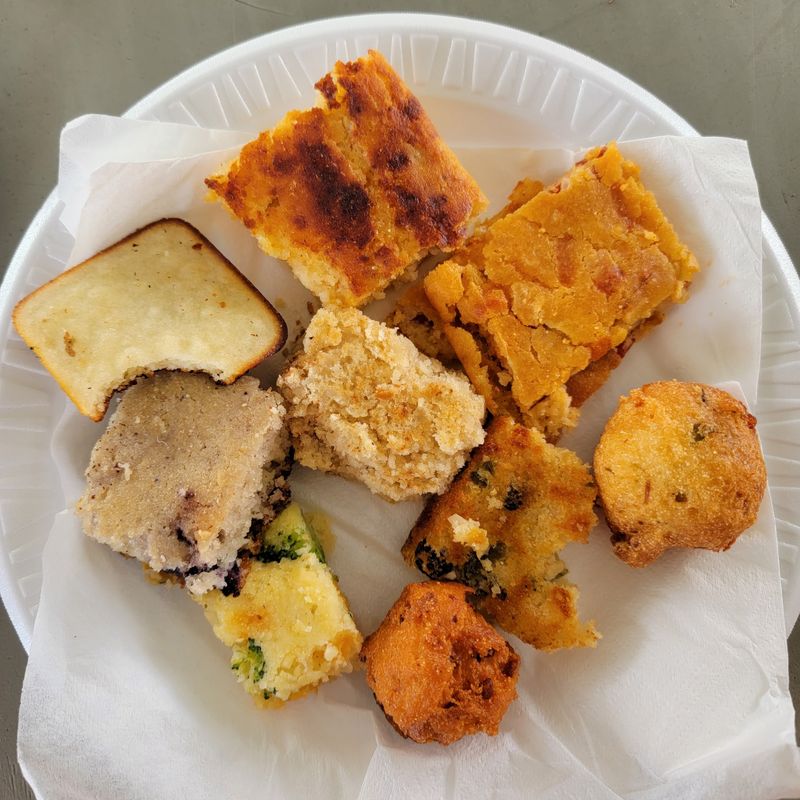
This question isn’t really a question. It’s Tennessee code for “I’m about to give you cornbread whether you want it or not, because what kind of meal would this be without it?” Cornbread accompanies nearly everything in Tennessee kitchens.
Beans, greens, chili, soup, barbecue, and sometimes just because it’s Tuesday. Saying no to cornbread is technically allowed but culturally confusing.
The type of cornbread matters too. Some families swear by sweet cornbread with a cake-like texture.
Others insist on savory cornbread made in a cast-iron skillet with nothing but cornmeal, buttermilk, and bacon grease. Both camps are passionate, and family reunions have seen heated debates over which version is correct.
The only thing everyone agrees on is that cornbread is essential.
When someone asks if you want cornbread, they’re really testing whether you understand Tennessee food culture. The correct answer is always yes, followed by appreciation for whoever made it.
You butter it while it’s still warm, letting the butter melt into all those little crevices. Then you either eat it alongside your meal or crumble it directly into your beans, creating a combination that’s greater than the sum of its parts.
This phrase also serves as a hospitality gesture. Offering cornbread shows you’ve prepared properly for the meal and care about your guests’ experience.
Not offering cornbread suggests you either forgot something important or you’re not really trying. Tennessee hosts take pride in having fresh cornbread ready, often making extra because someone always wants seconds.
The beauty of cornbread is its versatility and simplicity. It doesn’t require fancy ingredients or complicated techniques. Just mix, pour, bake, and serve. Yet it elevates every meal it touches.
So when someone asks if you want cornbread with that, understand you’re being welcomed into a tradition that’s fed Tennesseans for generations. The answer is yes. Always yes.
8. Don’t waste the pot liquor.
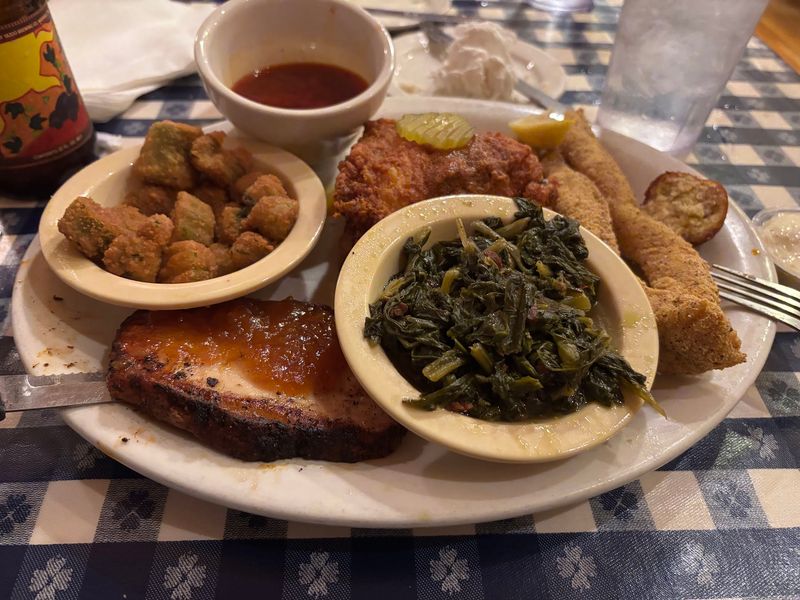
Pot liquor is the flavorful liquid left behind after cooking greens, beans, or vegetables, and in Tennessee, it’s liquid gold. Pouring it down the drain is practically criminal.
That broth contains all the vitamins, minerals, and flavor that cooked out of the vegetables, usually enhanced by ham hocks, bacon, or other pork products. Wasting it shows a fundamental misunderstanding of both nutrition and deliciousness.
Older generations of Tennesseans grew up during times when nothing got wasted, and pot liquor represented valuable nutrition. They’d sop it up with cornbread, drink it straight from a cup, or save it to cook the next batch of beans.
The practice continues today, not just out of thrift but because pot liquor genuinely tastes amazing and makes you feel good.
This saying gets passed down at family dinners when younger folks don’t know what to do with the liquid at the bottom of the greens bowl. An elder will stop them mid-pour and deliver this line with the seriousness of a biblical commandment. Then comes the lesson on proper pot liquor usage, complete with demonstrations of the best sopping techniques.
The health benefits are real too. Pot liquor from greens contains iron, vitamins, and other nutrients that cooked out during the process.
Drinking it or sopping it up means you’re getting the full nutritional value of your vegetables. Your grandmother knew this instinctively, even if she couldn’t cite the specific vitamins involved. She just knew it was good for you and tasted right.
What makes this phrase distinctly Tennessee is the reverence for simple, practical food wisdom. We don’t waste things that have value, especially food.
Pot liquor might look like dirty water to outsiders, but to us, it’s proof that good cooking leaves nothing behind. Every drop has purpose, flavor, and history. So save that pot liquor, sop it with cornbread, and honor the generations who taught us better than to waste good food.
9. It’s not barbecue without the fixin’s.
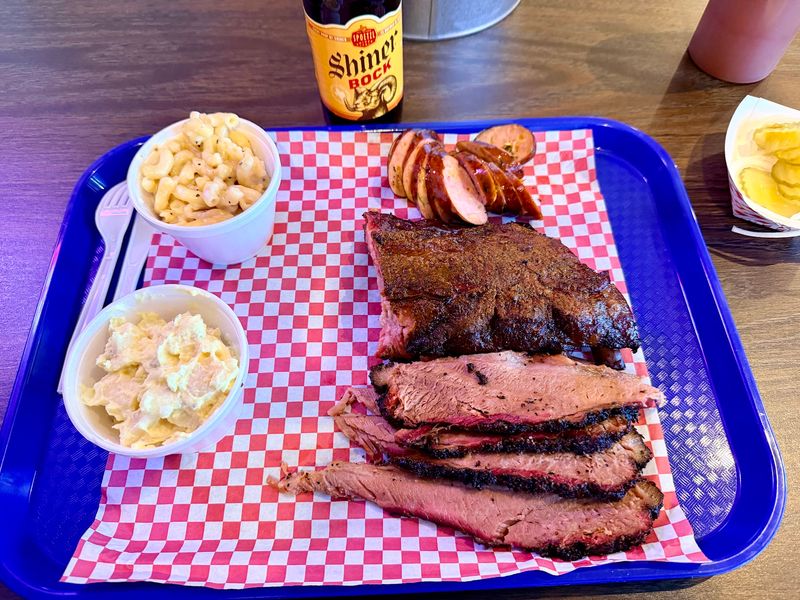
Barbecue in Tennessee is serious business, but the meat is only part of the story. The fixin’s, those essential side dishes that accompany the barbecue, complete the experience.
We’re talking coleslaw, baked beans, mac and cheese, potato salad, and white bread for making sandwiches. Showing up to a barbecue with just meat is like showing up to a wedding with no cake.
Technically you’ve got the main thing, but you’re missing the point.
Each region of Tennessee has its own barbecue style and preferred fixin’s. Memphis leans heavy on coleslaw and baked beans. East Tennessee might add some green beans or fried okra. Middle Tennessee throws in some potato salad and keeps the portions generous.
But everywhere agrees that barbecue needs its supporting cast to truly shine.
The fixin’s serve practical purposes too. Coleslaw adds crunch and cuts through the richness of the pork. Baked beans provide sweetness and additional protein. Mac and cheese offers creamy comfort. White bread soaks up sauce and creates the perfect pulled pork sandwich.
Each component plays a role in creating a balanced, satisfying meal.
This saying often gets used when someone suggests simplifying a barbecue spread. Maybe they want to just serve meat and chips to save time. A true Tennessee barbecue enthusiast will shut that down immediately with this phrase. The fixin’s aren’t optional extras.
They’re integral parts of the barbecue tradition, and skipping them is disrespectful to the craft.
What’s interesting is how seriously people take their fixin’s recipes. Family recipes for coleslaw or baked beans get guarded like state secrets.
Everyone thinks their version is the best, and barbecue competitions judge the sides almost as critically as the meat. The fixin’s can make or break your barbecue reputation, so we don’t take them lightly.
Good barbecue deserves great fixin’s, and in Tennessee, we deliver both.
10. Have you eaten yet? really means Come eat.
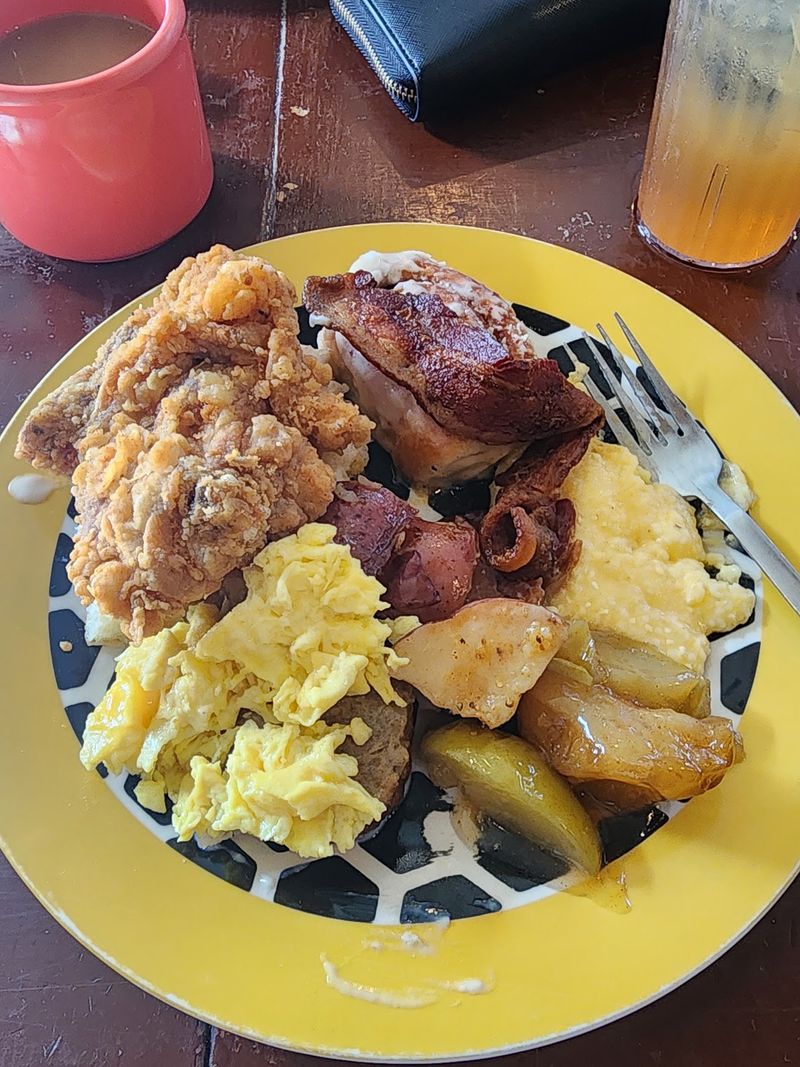
In Tennessee, this question has nothing to do with gathering information. Your answer doesn’t actually matter because food is already being prepared for you. Whether you ate an hour ago or you’re starving, a plate is coming your way.
This phrase is really an invitation disguised as a question, a way of saying “you’re family, and family eats together.”
The genius of this saying is how it removes any awkwardness around hospitality. Instead of formally inviting someone to dinner, which they might decline out of politeness, you just ask if they’ve eaten.
Before they can fully answer, you’re already pulling out a chair and fixing them a plate. It’s aggressive hospitality in the best possible way.
Visitors to Tennessee often get confused by this interaction. They’ll answer honestly that yes, they ate lunch two hours ago. Then they watch in bewilderment as their Tennessee host completely ignores this information and starts loading up a plate anyway.
Protesting is futile. You’re eating, and that’s final. Resistance just means you get extra helpings.
This phrase reflects Tennessee’s deep-rooted tradition of feeding people as an expression of love and community. Meals are social events, opportunities to connect and care for each other.
Letting someone leave your home hungry is unthinkable. Even if you weren’t planning to eat, you’re eating now because someone cares enough to make sure you’re fed.
The beautiful thing is how this simple question creates instant belonging. When someone asks if you’ve eaten, they’re really saying you matter, you’re welcome here, and we want to share what we have.
Food becomes the medium for expressing affection and building relationships. So when a Tennessean asks if you’ve eaten, just say you’re hungry and accept the plate that’s already on its way. Fighting it is pointless, and honestly, the food’s too good to refuse anyway.
11. Just a little piece of pie is never little.
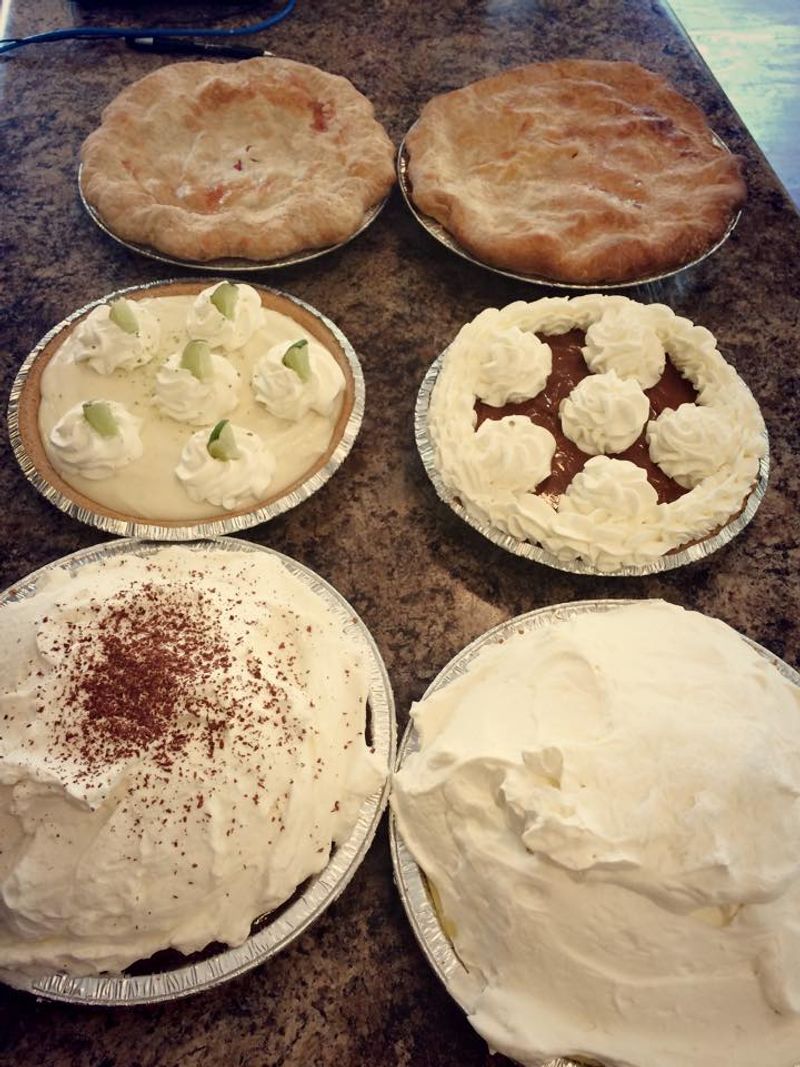
When someone in Tennessee offers you “just a little piece” of pie, prepare yourself for a slice that could feed a small family. Our definition of “little” differs significantly from standard measurements.
What arrives on your plate will be at least a quarter of the pie, possibly a third, and definitely enough to require both hands to lift. Nobody here believes in sad, thin pie slices.
This phenomenon happens at every holiday, family gathering, and church potluck across the state. The pie cutter approaches the dessert with good intentions, planning to cut reasonable portions.
Then Tennessee generosity kicks in, the knife angles wider, and suddenly everyone’s getting enormous slices. If you actually wanted a small piece, you should have said “just a sliver,” though even that might not save you.
The phrase acknowledges this cultural quirk with humor and acceptance. We know we’re doing it. We see the massive slice we just cut. We’re aware it’s not little by any objective standard.
But in Tennessee terms, where hospitality means abundance, this counts as restraint. A truly big piece would be half the pie, so a quarter really is relatively small.
Pie variety doesn’t matter. Chess pie, pecan pie, sweet potato pie, chocolate pie, coconut cream pie, they all get the same generous treatment.
The cook spent time making that pie, and they want you to enjoy it properly. A tiny slice feels like an insult to their effort. A substantial piece shows appreciation and ensures you get the full flavor experience.
What makes this saying endearing is the self-awareness. We’re not pretending these are small pieces.
We’re acknowledging that Tennessee math works differently when it comes to dessert. The phrase has become a running joke, a way to laugh at ourselves while continuing to serve oversized portions.
Because honestly, when the pie is this good, who wants a little piece anyway? Might as well embrace the generosity and enjoy every bite.
Share this story