Illinois is known for prairies, farmland, and small-town charm, but one destination in the southern part of the state feels like it belongs somewhere much farther south. Cache River State Natural Area offers a rare landscape of towering cypress trees, quiet waterways, shaded boardwalks, and diverse wildlife that creates an atmosphere unlike anywhere else in Illinois.
Walking its scenic trails feels less like a typical hike and more like stepping into a hidden world where nature sets the pace. For travelers seeking a peaceful summer escape, this remarkable natural area delivers beauty, solitude, and unforgettable scenery.
Where Illinois Suddenly Turns to Bayou
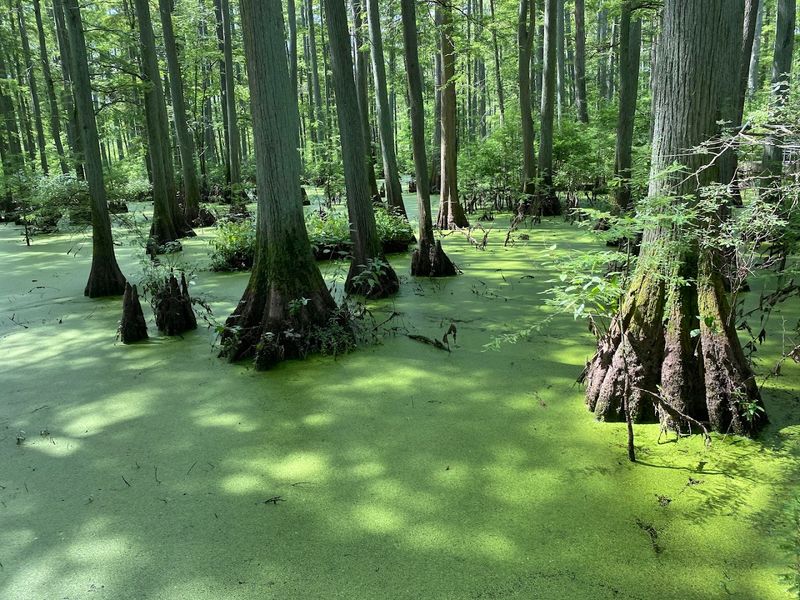
The surprise starts before the trail fully does. Southern Illinois farmland and small roads give way to a wetter, darker landscape where the trees seem to rise straight from black water, and the whole scene reads more Deep South swamp than Midwest state park.
At Cache River State Natural Area, that contrast is the opening hook, and it lands hard in summer when the canopy is full and the air feels close and green.
You are not looking at a broad overlook or a dramatic bluff line here. The appeal is subtler and more immersive, built from cypress trunks, low water, layered birdsong, and pockets of shade that keep the trail wrapped in a hushed, enclosed mood.
Even the light behaves differently, slipping through leaves in narrow bands and bouncing off the water in flashes instead of filling the woods evenly.
That visual shift matters because it changes how you move through the place. Instead of powering ahead for a summit or scenic vista, you slow down, listen longer, and notice details that would disappear in a louder park – buttressed trunks, floating vegetation, dragonflies cutting across the boardwalk, and reflections that make the swamp look twice as deep.
The terrain asks for attention rather than effort. Cache River has earned a reputation for looking unlike almost anywhere else in Illinois, and that is the right way to approach it.
Not as a grand spectacle all at once, but as an ecological world with its own texture, rhythm, and color palette. If summer usually means exposed trails and blazing sun, this is the rare counterpoint – cooler, dimmer, and far more transportive than the state line suggests.
The Boardwalk Stretch Everyone Comes For
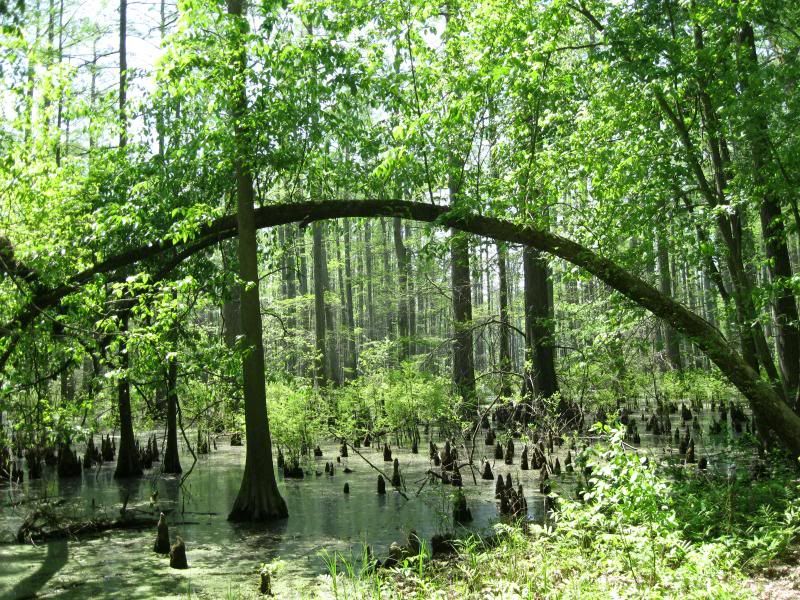
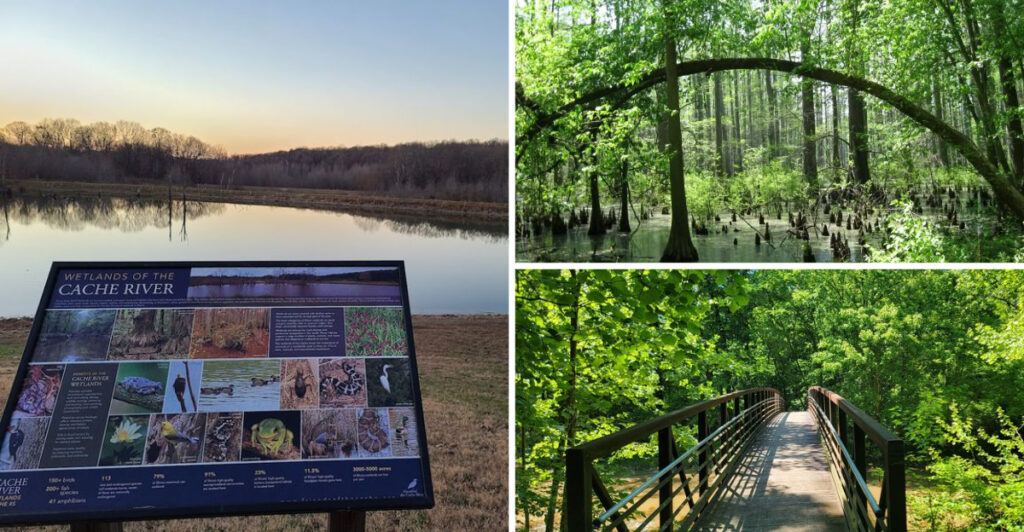
If there is a signature experience at Cache River, it is the boardwalk section near Heron Pond. This is the stretch that turns a good nature walk into a vivid, slow-moving passage through swamp scenery, with wood planks carrying you directly into terrain that would otherwise stay wet, tangled, and difficult to read from the edge.
The boardwalk does more than make access easier – it places you inside the landscape instead of beside it. That distinction is exactly why the route feels so memorable in warm weather.
You are surrounded by water, trunks, exposed roots, and hanging green cover, yet your footing stays steady enough to pause often and take it in.
A bench at the right moment matters here, not as an amenity checkbox, but as an invitation to stop talking, let the insects buzz around the reeds, and hear the layered soundtrack that makes the area come alive.
The boardwalk also sharpens the park’s strongest visual trick: depth. Reflections blur the line between surface and forest, so trees seem doubled, shadows feel deeper, and every bend hints at another room ahead.
Photographically, it is one of those places where even a simple phone shot looks richer because the water, wood, and vertical trunks do so much of the composition for you.
For fast scanners planning a visit, this is the section to prioritize when time is limited. It delivers the swamp atmosphere people come hoping to find, but it does so in a way that stays approachable for casual walkers.
Rather than chasing mileage, the smarter move is to treat this part of the park as an experience in pacing – short stops, long looks, and plenty of time pointed toward the water.
Shade, Sound, and the Small Details Underfoot
Some parks win on huge views. Cache River works differently, pulling attention downward and inward to the details that build the day minute by minute.
The shade is part of that, especially in summer, when the canopy softens the heat and turns the trail into a cooler corridor of filtered light, damp earth, and green layers stacked from ground cover to treetops.
Once your eyes adjust, the place gets richer. Cypress knees jut up beside the walkway like carved wooden markers, frogs punctuate the quiet from unseen pockets of water, and insects move through shafts of sun with the kind of precision that makes the whole swamp seem active even when it looks still.
There is often a delicate tension between calm and motion here, with every patch of water holding ripples, reflections, or a sudden splash.
The sound design, for lack of a better phrase, is one of the strongest parts of the visit. Wind does not dominate the way it does on open trails, so individual noises travel clearly – bird calls, buzzing near the reeds, a distant rustle in the leaves, water shifting below the boardwalk.
That acoustic closeness nudges you into a slower pace because the park rewards listening as much as looking. This is also why the trail works so well as a summer escape rather than a box-checking stop. It gives you sensory variety without demanding technical hiking, and it asks for curiosity instead of athletic ambition.
Bring bug spray, watch the edges of the path, and let the route reveal itself through texture – bark, shadow, humidity, and those odd, beautiful swamp forms that make every few yards visually different.
A Rare Southern Illinois Landscape With Deep Local Weight
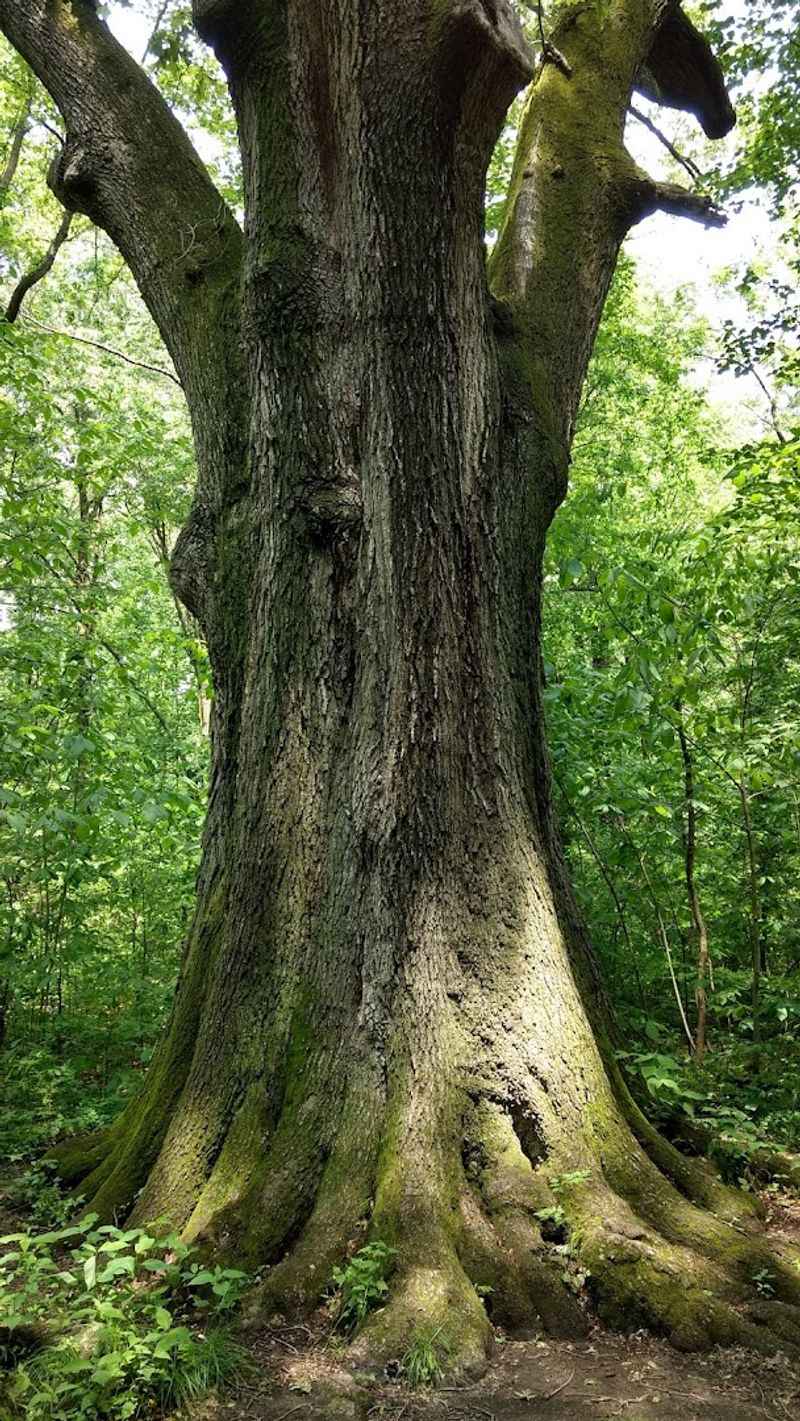
Cache River is not interesting simply because it is pretty. Its real significance comes from the fact that this wetland system preserves a landscape type many travelers do not expect to encounter in Illinois at all.
The cypress and tupelo setting gives the area an ecological identity that stands apart from the bluff trails, lakes, and prairie associations that usually define outdoor trips around the state.
That difference gives the park a strong sense of place. Instead of reading like a generic patch of woods with a trail through it, the natural area feels regionally specific, tied to floodplain water, swamp habitat, and the long environmental story of the lower Midwest.
The terrain shows how geography ignores neat stereotypes, blending Illinois into a wetter southern character that can seem almost startling if your mental map stops at cornfields and river towns.
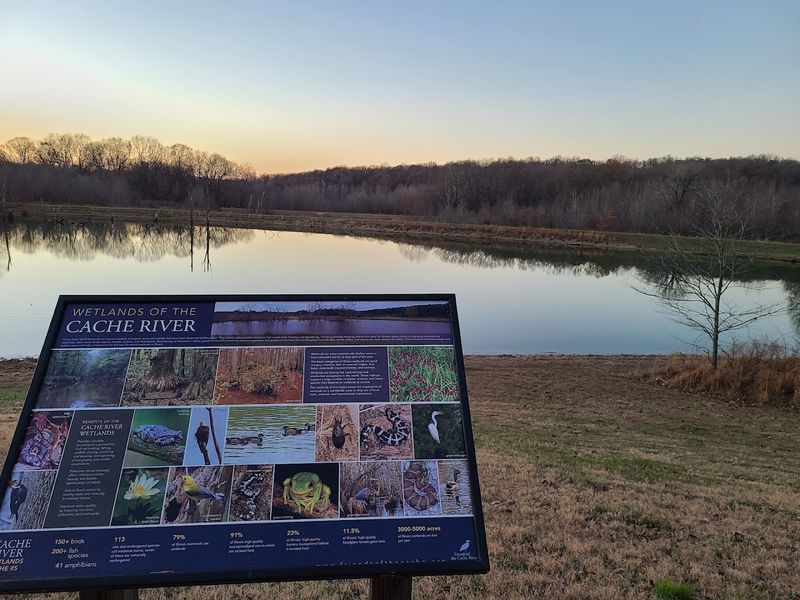
The local connection deepens that experience. This is the kind of site where a visitor center stop, trail map, or interpretive sign can actually improve the walk because the scenery is layered with context about wetlands, wildlife, and conservation rather than just scenic value.
Knowing what you are seeing turns the boardwalk from a pretty route into a close-up look at a rare system that has held onto its distinct character through changing land use around it.
That is why the park rewards curiosity as much as recreation. You can arrive wanting a shady stroll and leave with a sharper sense of southern Illinois as a biological crossroads, not just a weekend detour.
The landscape remains the star, but understanding its rarity changes the mood of the visit. It stops being unusual in a vague way and becomes specific, grounded, and far more compelling.
How to Experience Cache River Without Missing the Good Part
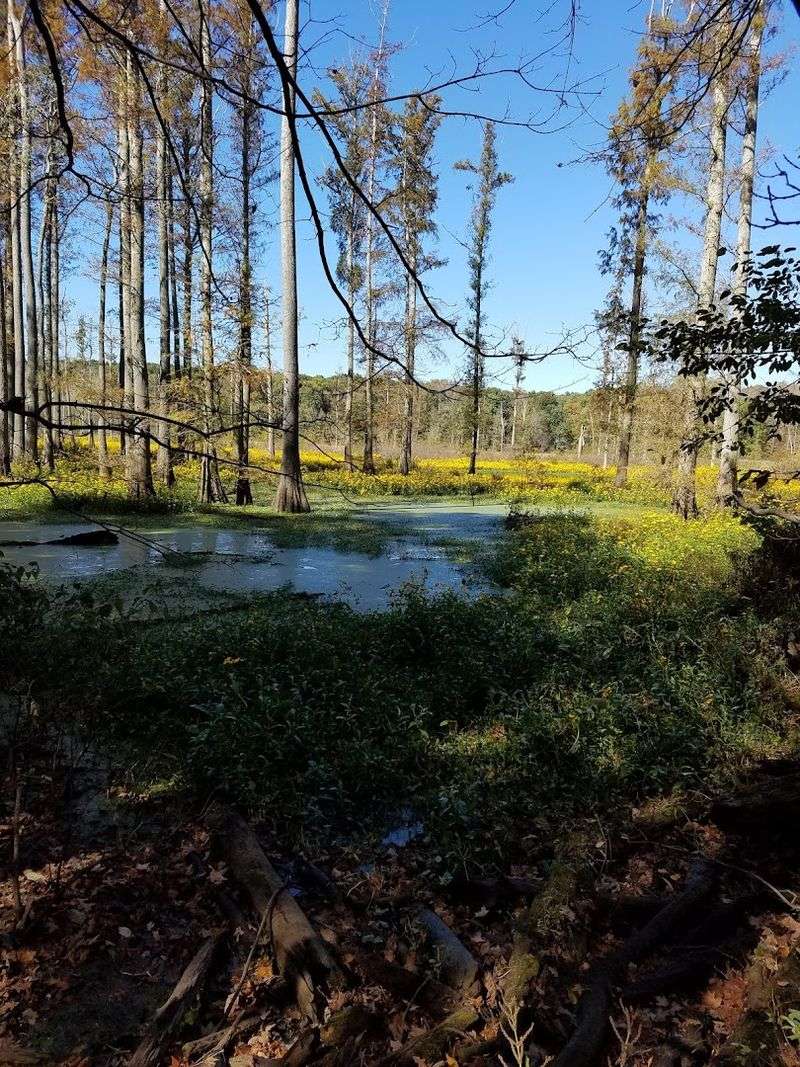
Cache River is best approached with a plan, because this is not the kind of park where one parking area automatically delivers the headline scenery.
Several reviews and trip accounts point to the same practical truth: different access points create very different experiences, and if you arrive expecting the swamp boardwalk from every entrance, you may end up with a longer woods walk than intended.
That makes route choice part of the outing, not an afterthought. The smartest strategy is simple. Start with the Heron Pond area if your goal is the most visually distinctive section, give yourself time to linger instead of racing through it, and treat the trail as a sequence of pauses rather than a single push.
This is a place for scanning the waterline, noticing changes in vegetation, and letting short distances stretch because there is more to absorb than the map mileage suggests.
Timing helps, too. Early in the day, the light is softer, the heat is lower, and the boardwalk has a better chance of delivering the quiet that makes the swamp atmosphere click.
In warmer months, bug repellent is not optional decoration but useful gear, and a patient pace is more rewarding than trying to cover every trail segment in one visit.
If you come prepared for a landscape that unfolds slowly, the park makes much more sense. This is not a destination built around one giant payoff after a punishing hike.
It is a place where the experience sharpens through movement, observation, and smart expectations. Choose the right access, wear practical shoes, carry water, and let the route work the way it is meant to – piece by piece, shade by shade, bend by bend.
Summer Timing in Illinois Matters Here
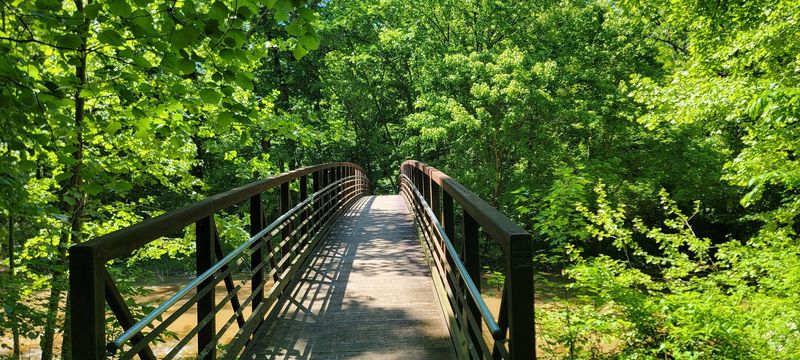
Summer is when Cache River becomes most lush, but it is also when timing and comfort choices matter most. The vegetation is full, the swamp scenery looks especially rich, and the shaded trail can feel like a refuge compared with open, sunbaked routes elsewhere in Illinois.
At the same time, heat, humidity, and mosquitoes are not side notes here – they are part of the conditions, and planning around them makes the day better.
The park’s operating schedule is worth noting before you drive out. Cache River State Natural Area is closed Monday and Tuesday and open from 9 AM to 4 PM Wednesday through Sunday, which means spontaneous detours need a quick calendar check.
That may sound basic, but at a place this tucked away, confirming open hours can save you from showing up ready for a trail day when the visitor facilities are not available.
Seasonally, late spring into summer brings the fullest visual payoff, especially if your main goal is that enveloping swamp character. You get dense greens, active wildlife, and reflections that read almost glossy under filtered light.
The tradeoff is bugs, so long sleeves, repellent, and a willingness to move at a measured pace go a long way toward keeping the experience pleasant rather than itchy.
There is also a strong case for morning visits during the warmest months. The boardwalk photographs beautifully before the day turns harsh, the shade feels more effective, and the whole landscape carries a quieter rhythm before midday warmth settles in.
If you want Cache River at its most inviting in summer, think less about peak hours and more about comfort, softness, and arriving early enough to enjoy the calm.
Why This Riverside Escape Stands Apart
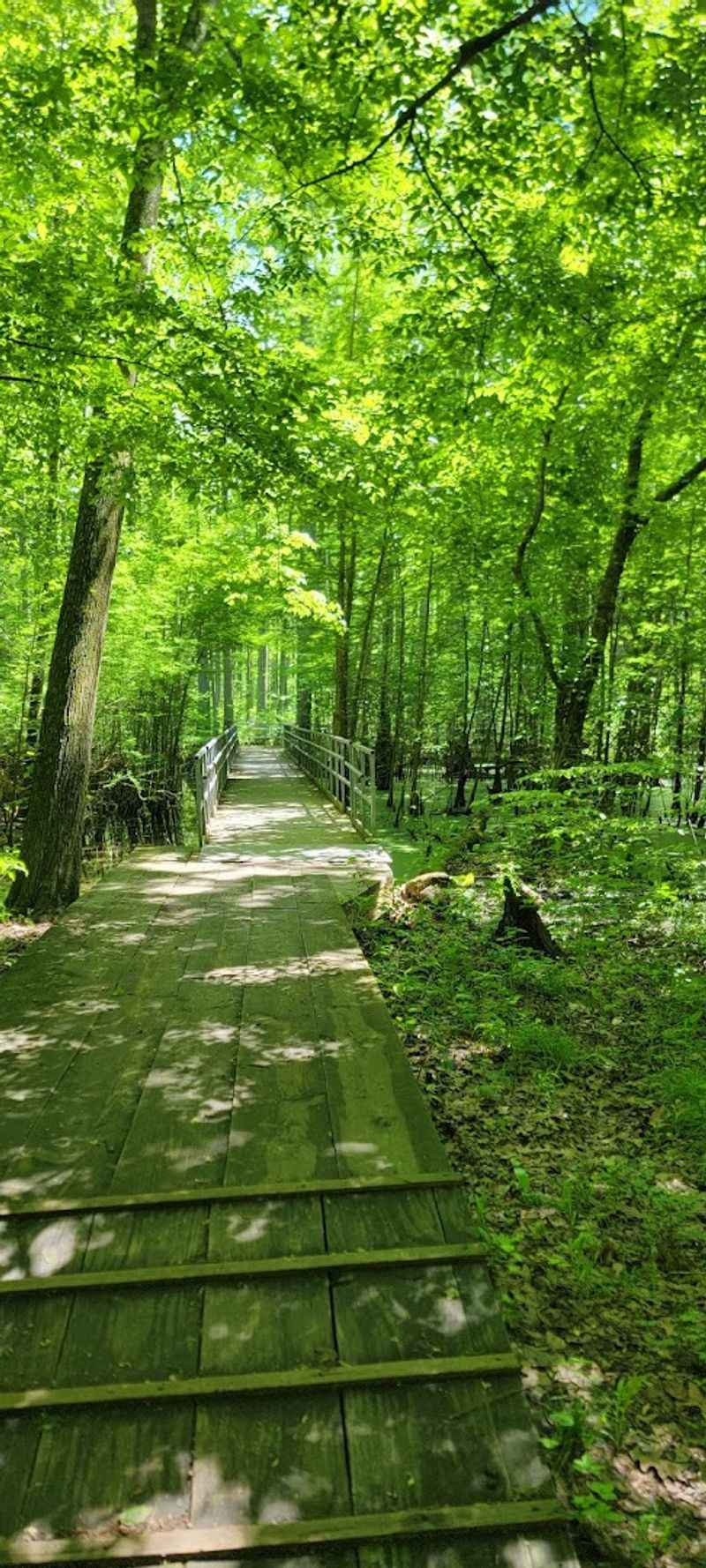
Cache River stands apart because it offers a kind of summer trail experience that is increasingly hard to find: immersive, shaded, visually distinctive, and quiet without being inaccessible.
You do not come here for dramatic infrastructure, crowds, or a checklist of attractions packed close together. You come for a wetland landscape with enough personality to change your pace and enough texture to keep your attention even when the trail itself stays easy.
That difference gives the area unusual editorial appeal. One minute you are in rural southern Illinois, the next you are moving over a boardwalk through water-dark woods where cypress trunks and reflections create a setting that looks borrowed from much farther south.
Few places in the state offer that level of geographic surprise with such a grounded, walkable format. It also succeeds because the experience is not built on hype.
The best parts are tangible – the hush under the canopy, the layered wildlife sounds, the contrast between still water and busy insect life, the way the trail alternates between observation and movement.
Even the practical quirks, like choosing the right entrance and respecting the season, make the visit feel more place-specific and less interchangeable with any random park stop.
If your ideal summer outing includes shade, water, and scenery that does not look overexposed on arrival, Cache River earns a spot high on the list. It is a trail day with character instead of just exercise, and a natural area that expands your idea of what Illinois can hold.
The final payoff is not one giant overlook – it is the rare feeling of stepping into a landscape that keeps revealing itself as you go.
Share this story