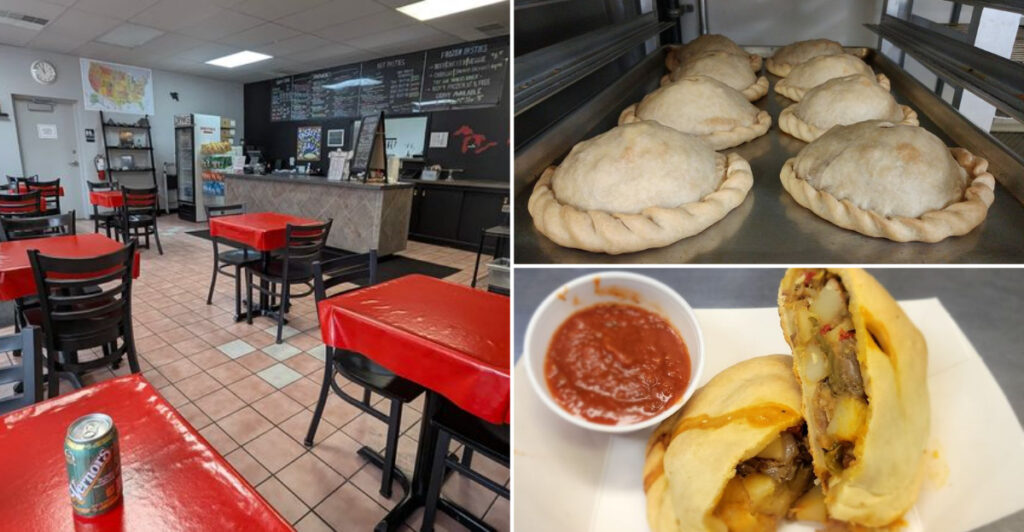
On North Saginaw Road in Midland, Michigan, Midland Pasty Company made the kind of move most restaurants would be too nervous to try. Formerly known as Shier’s Pasties, the shop entered 2026 by dropping its sandwich menu completely and putting every bit of attention on handmade Michigan-style pasties.
It was a bold shift for a place that had already earned loyal fans with smoked ham sandwiches, brisket creations, and Reubens, but the new focus gives the whole operation a sharper identity. Now, the star is clear: a golden, crimped pocket filled with savory comfort, made with intention and rooted in Michigan food tradition.
For anyone who loves a place confident enough to specialize, Midland Pasty Company is making the pasty feel worth the spotlight.
A Strip Mall Address That Hides a Serious Kitchen
Nobody drives past 2218 N Saginaw Rd expecting a culinary pivot point. The building sits in a low-key strip mall, the kind with a parking lot that fills up fast at lunch and empties just as quickly.
There are no flashy signs or elaborate window displays pulling you in from the street — just a clean, no-nonsense storefront that means business in the most literal sense.
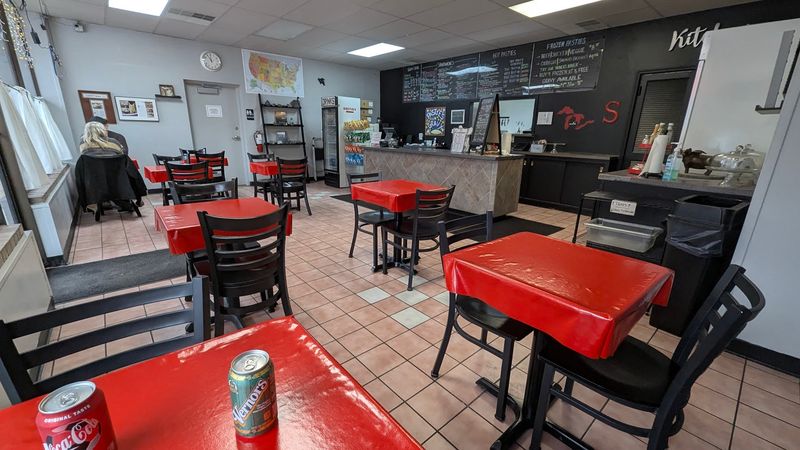
Inside, the setup is compact and purposeful. The space does not try to be a destination dining room.
Counter service keeps things moving, the layout is tight but functional, and the smell that hits you when the door opens is enough to answer any questions about whether you made the right stop. Butter, pastry, savory meat, and something earthy and warm — it registers immediately.
Before 2026, this address was the home of Shier’s Pasties, a spot that quietly built a reputation for both sandwiches and pasties over the years. Regulars came in for the smoked ham, the gyro, the grilled cheese.
Some drove in just for the tomato soup. The address carried history without advertising it.
The rebrand to Midland Pasty Company was not cosmetic. Dropping the sandwich menu meant reshaping the entire identity of the kitchen.
The decision communicated something clear: the pasty was always the best thing here, and now it gets the full attention it deserves. For a shop that had been splitting its focus for years, the shift felt less like a loss and more like a correction.
The strip mall setting almost works in the shop’s favor. There are no expectations to manage, no ambiance to perform.
You walk in, you order, you wait a reasonable amount of time, and you leave with something genuinely worth eating.
Michigan Pasties: The Upper Peninsula Tradition That Traveled South
The pasty did not originate in Michigan, but Michigan claimed it so thoroughly that most people assume it did. Cornish miners brought the hand-held meat-and-vegetable pies to the Upper Peninsula in the 1800s, using them as portable lunches they could carry down into copper and iron mines.
The thick crimped edge served as a handle — miners ate the filling and left the crust behind, which was often dirty from handling.
Over generations, the recipe embedded itself into UP culture so completely that pasties became a regional identity marker. Roadside stands, church fundraisers, and family kitchens all produced their own versions.
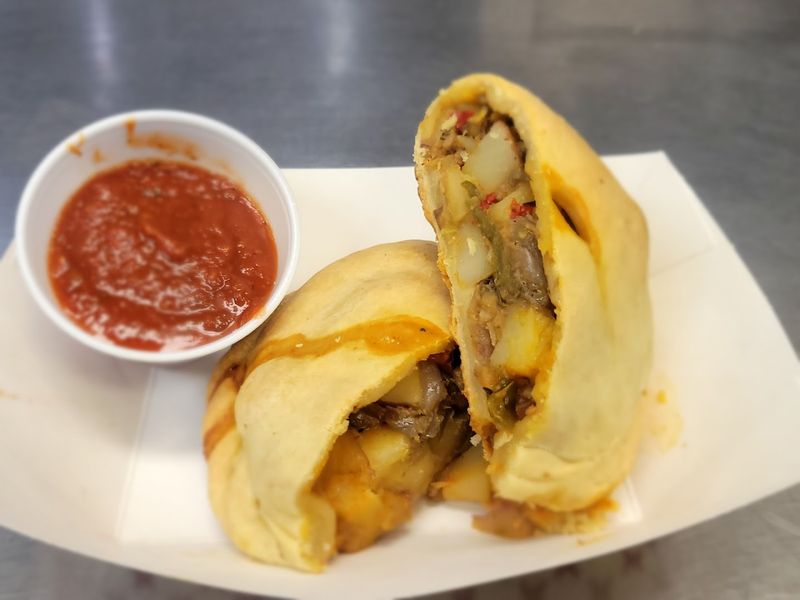
The classic Michigan-style pasty typically combines beef, potato, rutabaga, onion, and seasoning inside a shortcrust pastry shell, crimped along the top or side depending on the maker’s tradition.
Midland sits in the Lower Peninsula, which makes the Midland Pasty Company something of a southern outpost for a tradition that usually stays north of the bridge. That geography matters.
Many Lower Peninsula residents grow up hearing about pasties without ever having a good one nearby. A shop that takes the recipe seriously and executes it with care fills a real gap in this part of the state.
The decision to rename from Shier’s Pasties to Midland Pasty Company in 2026 planted a flag in that identity even more firmly. The name is not just a location tag — it is a declaration that this is the place in Midland where the UP tradition gets done properly.
For anyone who grew up making summer trips north and came back craving that particular combination of flaky crust and dense, seasoned filling, the shop on Saginaw Road offers something close to the real thing without the four-hour drive.
Why Dropping the Sandwich Menu Was the Right Call
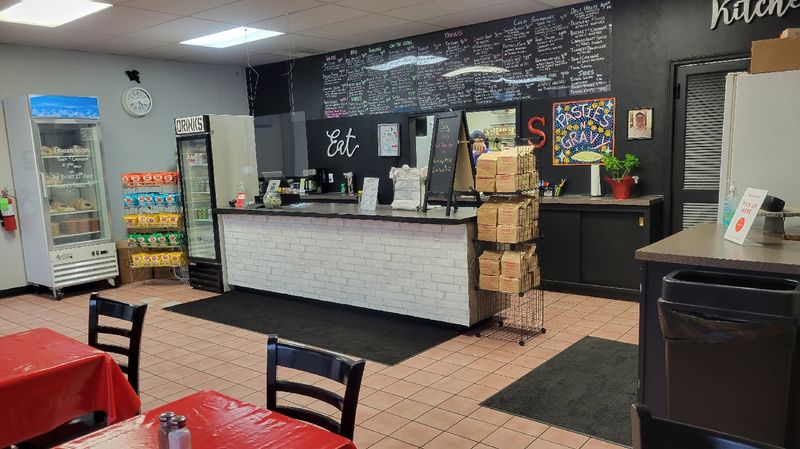
Running a kitchen that does everything rarely results in a kitchen that does anything perfectly. For years, Shier’s Pasties operated as a deli-style spot where pasties shared menu space with sandwiches, soups, and other lunch staples.
The sandwiches were genuinely good — the smoked ham was packed and fresh, the Reuben held up, and the brisket option called the Smoking Joe developed its own fan base. But splitting focus across two distinct food categories creates real operational tension.
Pasties require time, technique, and consistency. The dough needs to be right.
The filling ratios matter. Crimping is a skill.
Baking temperature and timing directly affect whether the crust shatters properly or turns dense. When a kitchen is also managing sandwich prep, soup stock, and deli operations, the pasty can easily become an afterthought rather than the centerpiece.
The 2026 decision to retire the sandwich menu concentrated everything on one product. That kind of focus tends to sharpen quality in ways that are hard to achieve otherwise.
Ingredient sourcing becomes more targeted. Staff training narrows to a specific set of skills.
The rhythm of the kitchen aligns around a single output rather than juggling competing prep timelines.
For loyal sandwich regulars, the change was a genuine loss. The Smoking Joe brisket had earned real fans, and the smoked ham sandwich was described by more than one regular as unexpectedly excellent.
Those menu items are gone now, and that deserves acknowledgment rather than spin.
Still, the logic of the shift is hard to argue with. A pasty shop that actually prioritizes pasties above everything else is a more coherent and compelling business than a deli that also happens to make pasties.
The menu now says exactly what the place is, and that clarity has value.
Beef, Chicken, and Vegetable — Three Fillings, Zero Compromises
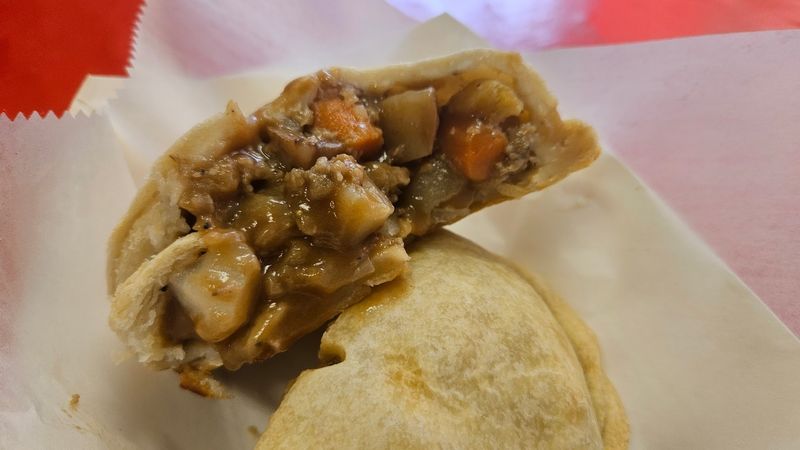
Offering three filling options sounds simple, but getting all three right simultaneously is harder than it looks. The beef pasty is the anchor — it anchors the whole menu conceptually and historically, since the Cornish original was built around meat and root vegetables.
When the beef version is done well, the filling is dense but not dry, seasoned with enough black pepper and onion to give it presence without overwhelming the pastry.
The chicken option opens the shop to a different crowd. Lighter in flavor profile, it tends to attract people who want something satisfying without the heaviness of red meat.
It also travels well — a chicken pasty holds its texture reasonably well over a longer ride, which matters for people picking up orders to take elsewhere.
The vegetable pasty is arguably the most technically demanding of the three. Without meat to anchor the flavor and moisture, the filling depends entirely on the quality of the vegetables and the seasoning.
A poorly made vegetable pasty tastes like a baked potato pocket. A well-made one has layered flavor, varied texture, and enough substance to feel like a complete meal rather than a side dish.
The three-option structure also solves a practical social problem. One family mentioned bringing pasties to a college student whose roommate does not eat beef — having chicken and vegetable options meant nobody was left out of the meal.
That kind of flexibility matters in real-world eating situations, especially when you are driving a few hours to deliver food as a gesture of care.
Each filling gets baked into the same style of pastry shell, which means the crust quality stays consistent across all three. The differentiation lives entirely in what is inside, and that is exactly where it should be.
The Lunch Window: Tuesday Through Friday, 11 AM to 6 PM
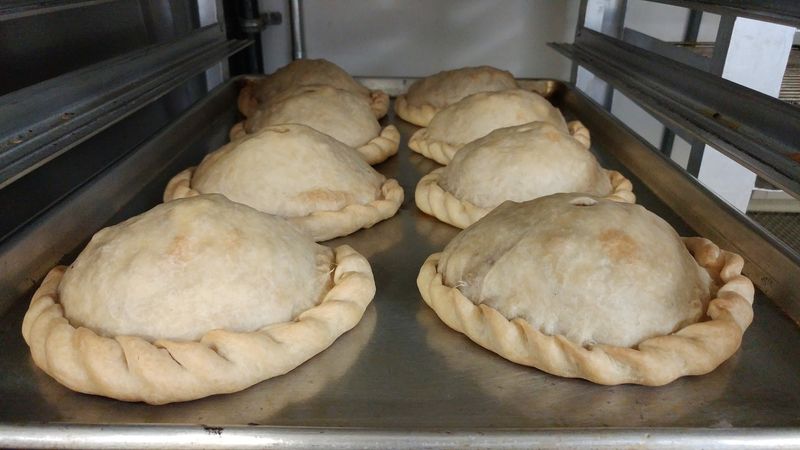
The operating hours at Midland Pasty Company are specific enough to require actual planning. Tuesday through Friday, 11 AM to 6 PM — that is the window.
No weekend hours, no Monday service. For anyone accustomed to restaurants that operate seven days a week across extended hours, the schedule takes a moment to absorb.
But the hours make sense for a small operation built around a handmade product. Pasties take prep time.
The dough has to be made, the fillings prepared, the assembly done before the first customer walks in at eleven. A shop running four days a week with a focused menu can maintain quality control in a way that a seven-day operation with a larger staff and rotating prep schedules often cannot.
The post-2 PM atmosphere carries its own distinct character. Afternoon light comes through the windows, the lunch rush has settled, and the pace of the place shifts noticeably.
The counter is not slammed, the owners are present and unhurried, and the ambient noise drops to something close to quiet. For anyone who wants to eat without the compressed energy of a packed lunch service, arriving in the early afternoon is a genuinely different experience.
That said, arriving close to 11 AM on a Tuesday or Wednesday gives you the best shot at the full menu being available. Pasties sell down through the day, and a shop this size does not necessarily bake in unlimited quantities.
Calling ahead or arriving early eliminates the risk of finding your preferred filling sold out.
The Friday close at 6 PM also means this can function as an end-of-workweek pickup without rushing. A pasty picked up at 5:30 on a Friday, carried home still warm — that is a reasonable way to close out the week.
What a $10 Pasty Actually Gets You in Midland, Michigan
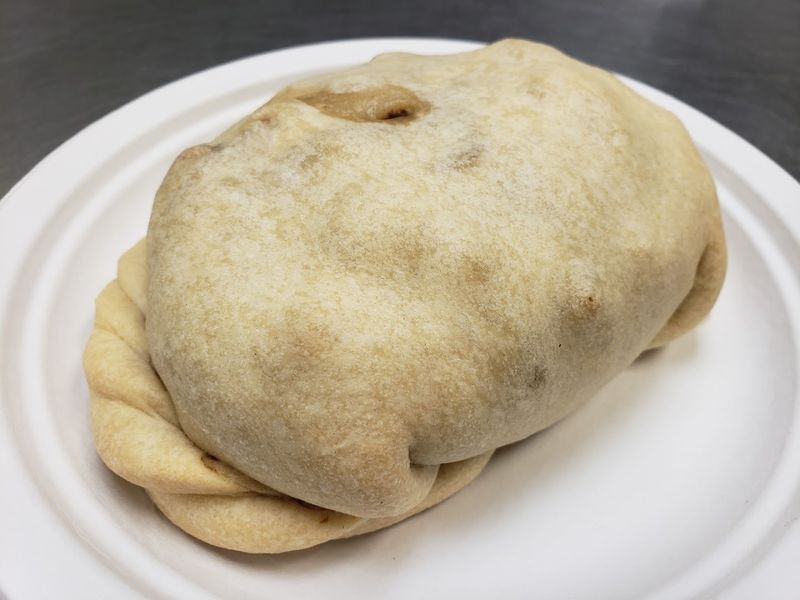
Ten dollars for a meal that fills you up is not a given anywhere in 2026. At Midland Pasty Company, that price point has been noted specifically by people who walked in expecting to spend more and left surprised.
A properly made pasty is substantial — the dense filling of meat or vegetables packed inside a thick pastry shell creates a caloric density that punches well above what the price suggests.
The value calculation goes beyond just portion size. The ingredients in a Michigan-style pasty — beef or chicken, potato, rutabaga, onion, seasoned correctly — are not expensive individually, but they require skill and time to combine properly.
The labor involved in making pasties by hand, crimping each one individually, and baking them to the right internal temperature is real. Pricing that work at ten dollars requires operational efficiency and volume discipline.
There is also the question of seasoning, which gets mentioned consistently as a distinguishing factor. A pasty that is perfectly seasoned does not need condiments, sauces, or additions.
It is complete on its own. That self-contained quality is part of what makes the format work as a grab-and-go meal — no assembly required, no mess, no falling apart on the drive back to the office.
The smell during the ride back is its own separate conversation. Pasties baked correctly hold their heat well, and the aroma that fills a car during a ten-minute commute is the kind of thing that makes the wait at the counter feel entirely worth it.
By the time you actually eat, the anticipation has been building for blocks.
At that price, with that quality, the Midland Pasty Company occupies a practical lunch category that is genuinely hard to beat in the area.
The Shier’s Legacy and Why the New Name Fits Better
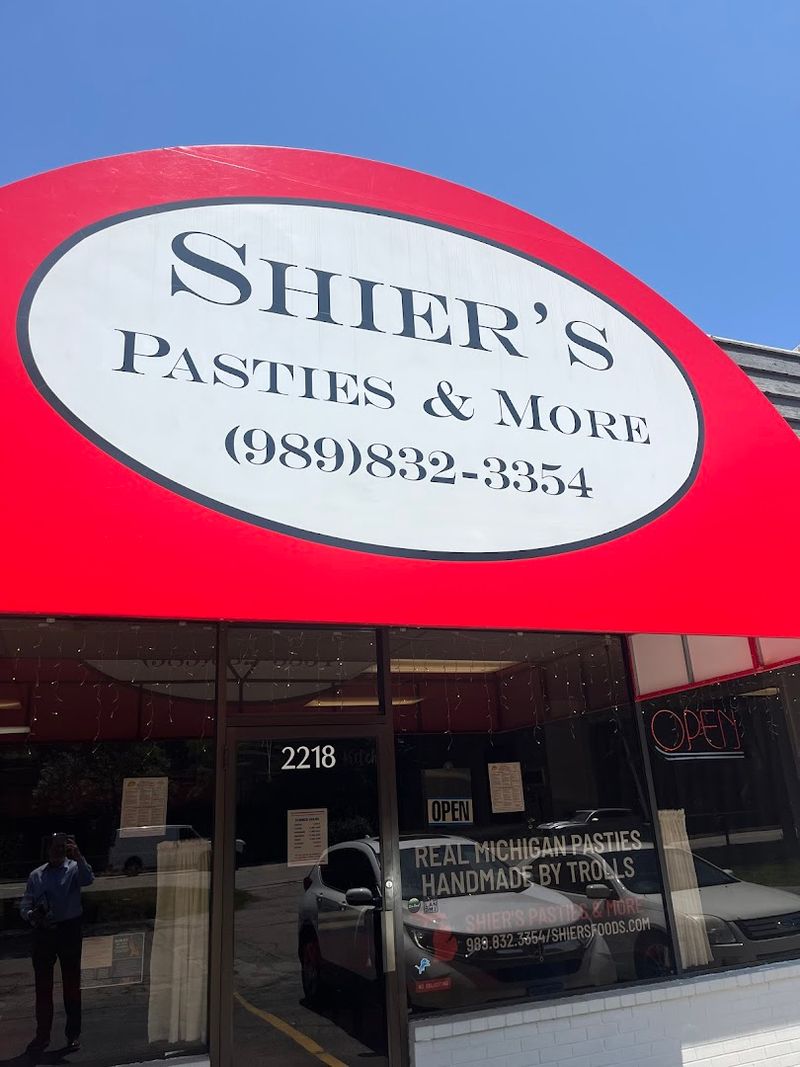
Shier’s Pasties was a name with history attached to it. Regular customers knew it, trusted it, and associated it with a specific kind of Midland lunch experience that combined deli energy with homemade pasties.
The name carried personal weight — the kind of attachment that comes from years of consistent service rather than marketing.
Rebranding an established local restaurant always risks fracturing that loyalty. Changing the name signals change in general, and not every customer reads that signal as positive.
Some people who had been coming in for the pastrami sandwich and tomato soup since 2022 found themselves returning after the rebrand to a menu that no longer included what they came for. That adjustment is real, and the occasional disappointed review reflects it honestly.
But the name Midland Pasty Company does something the old name could not do as effectively: it tells you exactly what the place is before you walk in. There is no ambiguity about the menu, no expectation of a deli counter or a sandwich board.
The name functions as its own communication strategy, filtering the customer base toward people who specifically want pasties and setting accurate expectations for everyone else.
The 4.7-star rating across 259 reviews suggests the transition has not alienated the core audience. The shop’s identity is now tighter, the product focus is cleaner, and the name matches the reality of what happens in the kitchen every Tuesday through Friday.
For longtime Midland residents, the Shier’s name still carries meaning. The institutional knowledge, the recipes, the ownership presence — those did not disappear with the rebrand.
They transferred into a new chapter that happens to have a clearer title. That continuity, even under a different name, is the part that actually keeps people returning.
Share this story