Somewhere in North Carolina, a doorbell may still ring before sunrise, and the delivery waiting outside is not a cardboard box. It is a glass bottle of milk, set down on the porch the way it was for many families decades ago.
The habit has quietly hung on in a city better known for lab coats, college sports, and a statehouse full of history. Keep reading to find out where this old routine lives, how it works, and why North Carolinians might want to make a weekend of the city around it.
A Capital With a Milkman Streak
The city in question is Raleigh, the capital of North Carolina, found in Raleigh, North Carolina, USA.
It sits in the central Piedmont region of the state, and it serves as the seat of state government. Most people know it for lawmakers, universities, and research parks rather than old-school dairy routines.
That contrast is exactly what makes the porch milk story fun. A city built around forward-thinking work still leaves room for a habit that many Americans assume vanished long ago.
Raleigh is also one corner of the area known as the Research Triangle. Along with Chapel Hill and Durham, it forms a region packed with technology companies and scholarly institutions.
So the setting is not a sleepy farm village. It is a busy, growing capital where delivery trucks of every kind crisscross neighborhoods each day.
Among them, some households can still receive milk in returnable glass, depending on which local providers serve their area. The details vary by neighborhood and by business, so it pays to check before planning on a bottle.
Consider this your starting point for a story where old meets new on the same front step.
Why the Porch Drop Never Fully Faded
Grandparents across North Carolina can probably recall a milkman who knew the family by name. For much of the twentieth century, home milk delivery was a normal part of American life.
Over time, supermarkets, plastic jugs, and long-lasting cartons pushed most of those routes aside. Many people assumed the porch bottle had gone the way of the rotary phone.
Yet the idea never disappeared completely. In recent years, interest in local farms, reusable packaging, and convenience has given the concept a second wind in many American cities.
Raleigh fits that pattern well. A large population of busy professionals, students, and young families may appreciate a delivery that arrives without a trip to the store.
There is also a nostalgia factor that is hard to ignore. A glass bottle on the step can feel like a small link to the way an older generation lived.
That mix of practicality and memory helps explain why the custom keeps a foothold here. It is less about chasing a trend and more about keeping a useful habit alive for the folks who still want it.
How a Bottle Finds Its Way Home
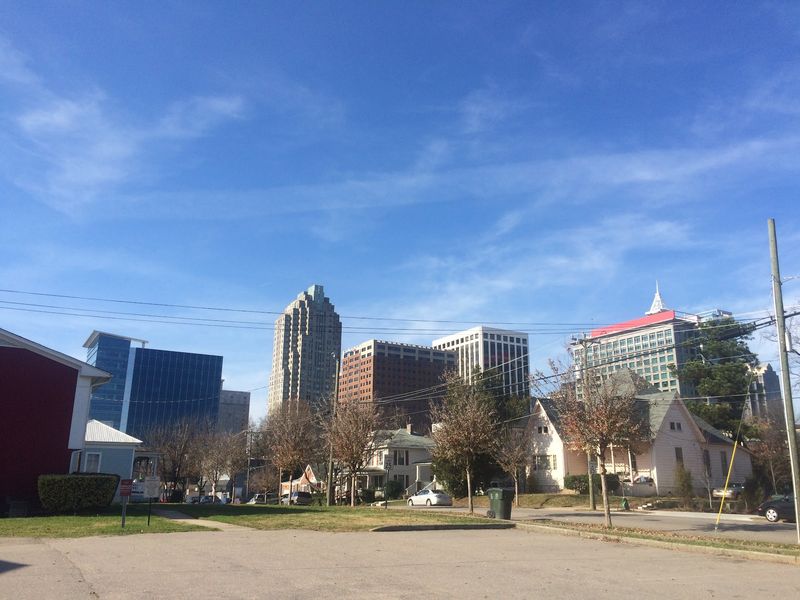
Modern milk delivery tends to start on a phone or laptop rather than with a note tucked into an empty bottle. Customers usually set up an order through a provider, choose items, and pick a delivery day.
From there, the routine is refreshingly simple. A driver drops the order at the door, often in an insulated cooler or box designed to keep products cold until someone brings them inside.
Exact methods can differ from one business to the next. Some may deliver weekly, while others may offer more flexible schedules, so reading the fine print matters.
Many services that use glass also ask customers to leave empty bottles out for pickup. That swap is part of what makes the system work on a practical level.
For Raleigh households, the main question is coverage. Delivery zones can shift as a business grows, and a street that qualifies today might differ from one a few miles away.
Checking the provider directly is the smartest move. That small bit of homework can save a lot of confusion and keep the bottles rolling to the right porch.
The Empty Bottle Comeback Loop

Here is the clever part of the whole arrangement: the bottle is meant to come back. Glass containers can often be cleaned and refilled, which sets them apart from single-use cartons.
Many dairies that sell in glass charge a bottle deposit. Customers typically get that money back, or a credit, when they return the empty containers.
Rules around deposits can vary, so nobody should assume the same system applies everywhere. Still, the general idea stays consistent across most providers.
For eco-minded Raleigh residents, that loop may hold real appeal. Reusing a sturdy bottle can cut down on packaging that would otherwise head to the curb.
There is also a small sense of rhythm to it. Fresh bottles arrive, empties go out, and the cycle repeats week after week without much fuss.
Kids sometimes enjoy the job of rinsing and setting out the bottles, turning a chore into a tiny household tradition. It is a gentle reminder that convenience and responsibility do not always have to be opposites.
Call it recycling with a familiar face on the doorstep.
Old Habits in the Research Triangle
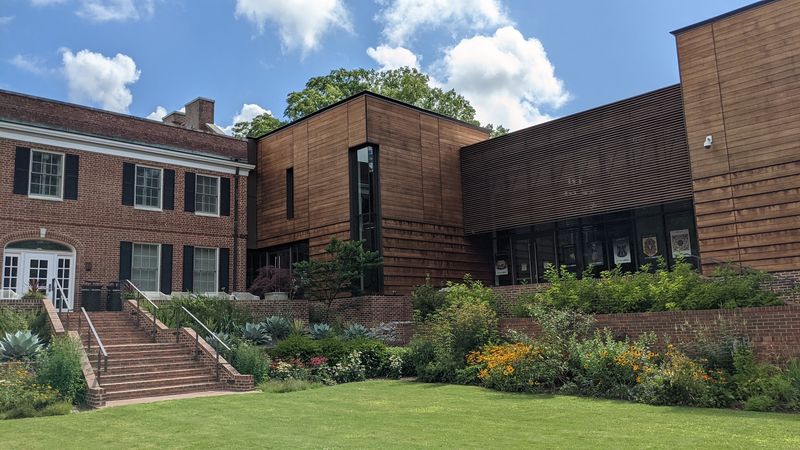
Few places in North Carolina are more associated with innovation than the Research Triangle. Raleigh, Chapel Hill, and Durham together hold a remarkable number of technology firms and scholarly institutions.
That reputation makes a glass milk bottle feel almost like a plot twist. A region that works on tomorrow still has residents who enjoy something from yesterday.
The contrast actually makes sense on a practical level. Busy schedules, long commutes, and full workdays can make home delivery a welcome time saver.
Online ordering tools have also made the process easier than it was decades ago. The bottle may be vintage in style, but the system behind it often runs on modern apps and websites.
In a sense, the Triangle has found a way to update an old service rather than replace it. That blend of tradition and tech suits the area surprisingly well.
For North Carolinians who love a good local story, this is one worth sharing. The same neighborhoods that house researchers and engineers can also host a quiet weekly ritual their great-grandparents would recognize.
Campus Cows and Wolfpack Roots
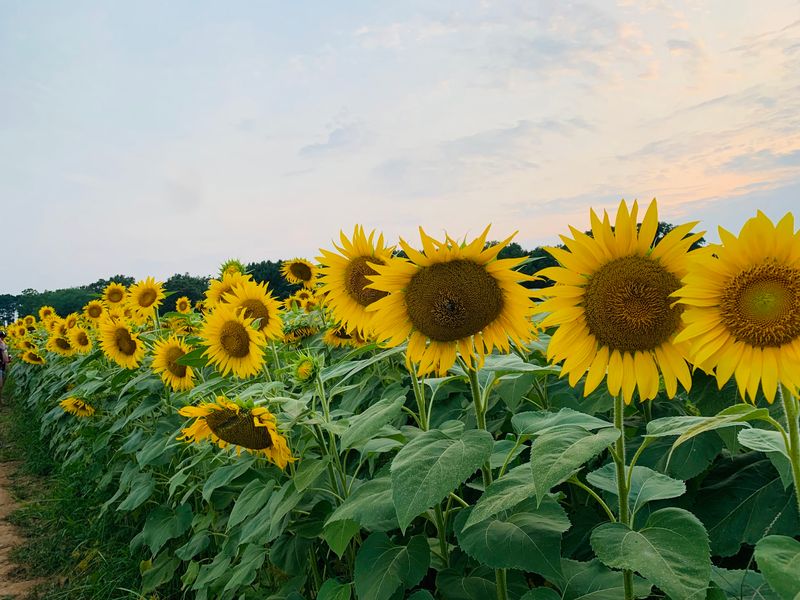
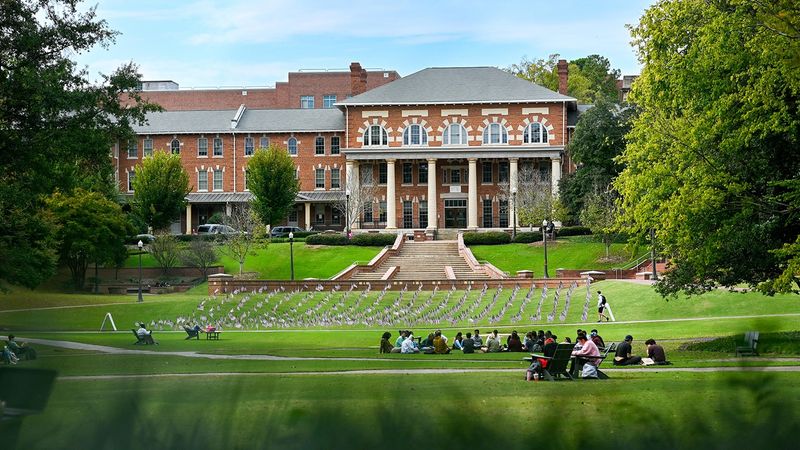
North Carolina State University is one of the institutions Raleigh is best known for. The school has deep roots in agriculture, which gives the city a stronger farm connection than its skyline might suggest.
NC State is also home to a campus dairy brand called Howling Cow, which ties the Wolfpack directly to milk and dairy products. That link makes the porch bottle story feel right at home in this city.
Agricultural education and research help keep dairy farming visible in the public mind. For many residents, the idea that milk comes from a real farm is not abstract.
That awareness may help explain why local, farm-connected products keep an audience here. People who grew up around or studied agriculture often value knowing where their groceries come from.
Students, alumni, and fans of the Wolfpack can find plenty to explore on and around campus. A visit pairs nicely with a broader look at how Raleigh mixes academics and agriculture.
It turns out a college town spirit and a dairy heritage can share the same zip code quite comfortably.
George Washington in a Toga
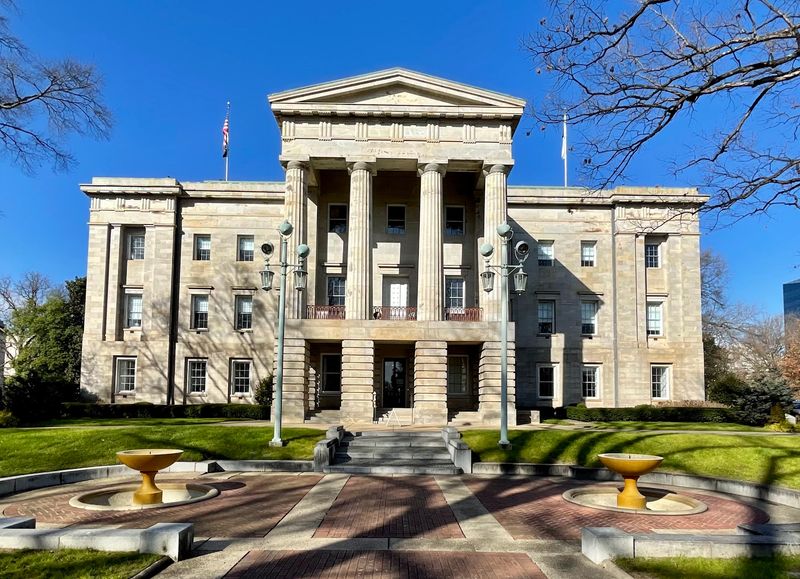
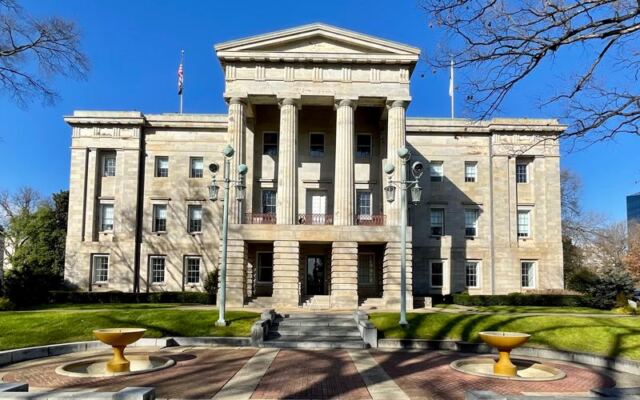
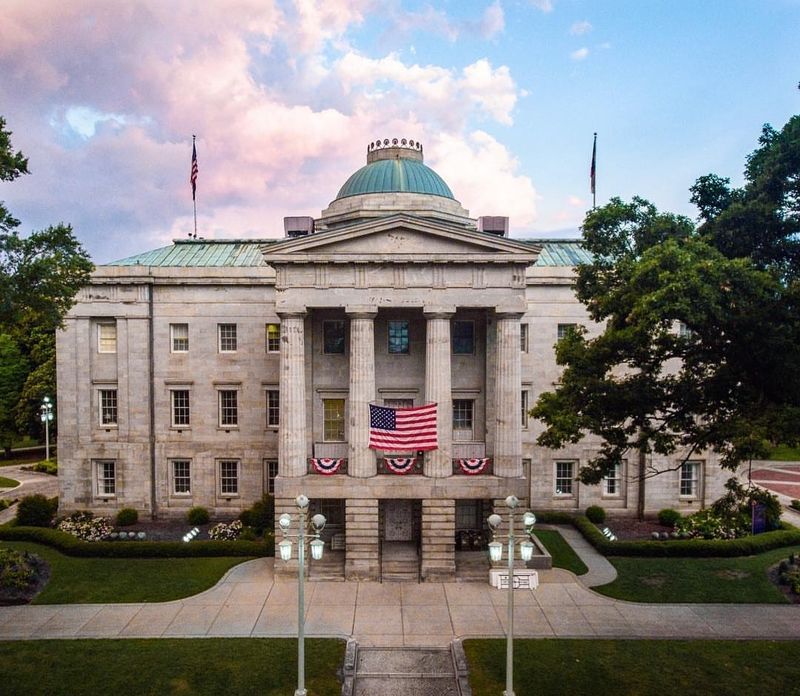
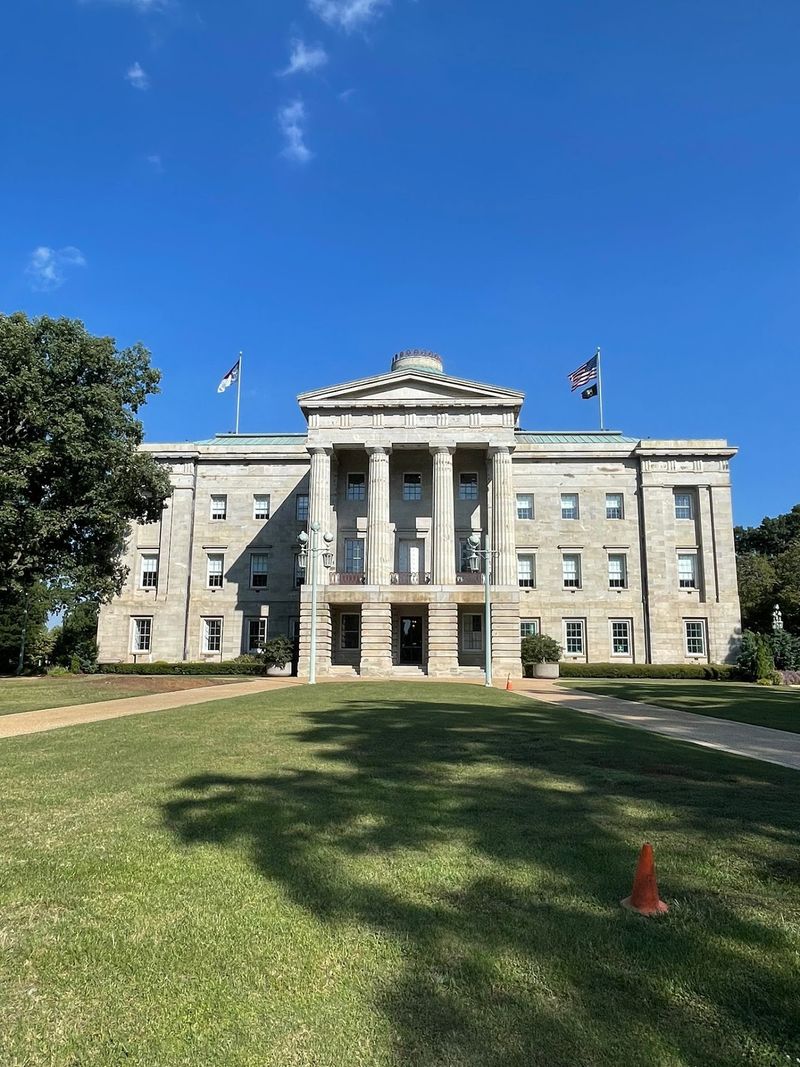
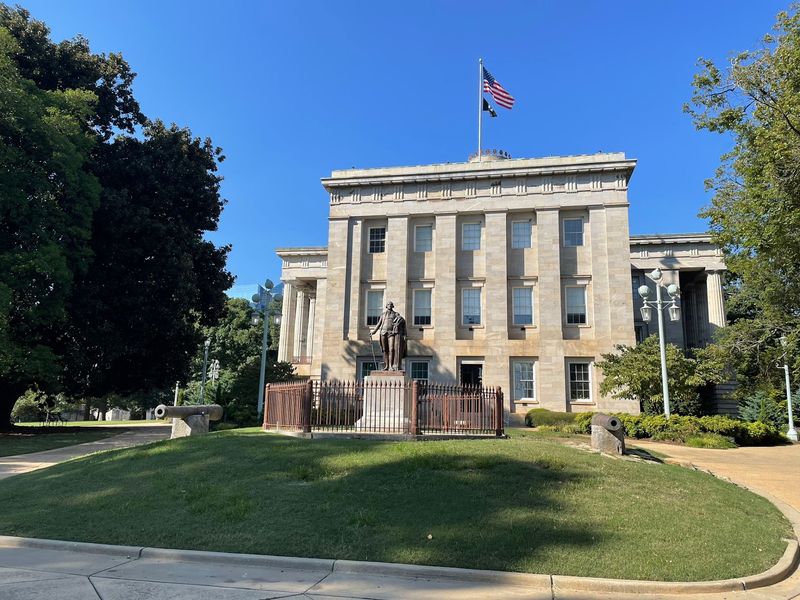
Not every history lesson involves a founding father dressed like an ancient Roman. Raleigh delivers exactly that inside the North Carolina State Capitol.
The building dates to the nineteenth century and is designed in the Greek Revival style. Its columns and formal lines reflect an era when American architects borrowed heavily from classical traditions.
In the rotunda stands a statue of George Washington portrayed as a Roman general. It is one of those details that tends to surprise first-timers and delight trivia fans.
A stop at the Capitol makes a natural add-on for anyone curious about the city behind the milk bottle story. Both reflect a certain respect for the past that Raleigh has not abandoned.
Families with school-age kids may find it a useful way to make state history feel real. Seeing the seat of government in person can spark more questions than any textbook.
Hours and access details are best confirmed ahead of time, since public buildings can change their schedules. Plan accordingly, and Washington will be waiting in his marble finery.
Porches as a Southern Institution
Ask any North Carolinian about porches, and the answer will likely run longer than expected. In the South, the front porch has long been a place to wave at neighbors, wait on deliveries, and pass an afternoon.
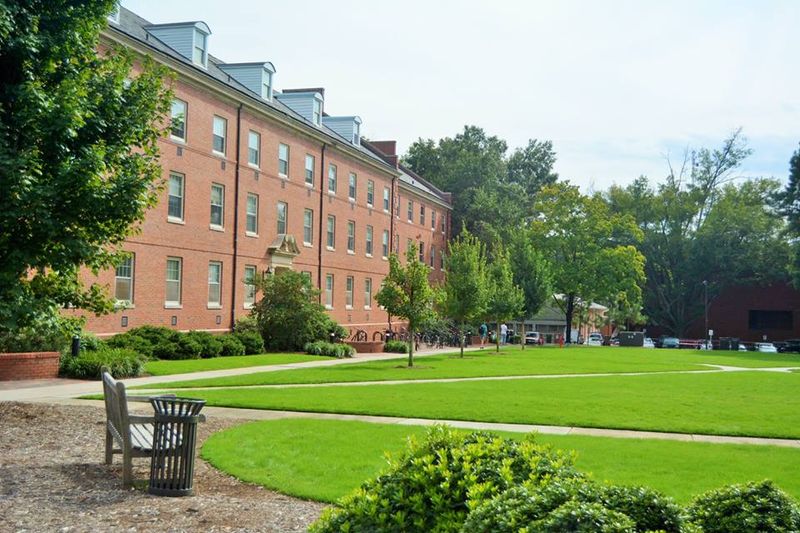
Raleigh has plenty of neighborhoods where porches remain part of daily life. Older homes in particular often feature wide steps and room for a chair or two.
That porch culture gives the milk bottle tradition a fitting stage. A delivery left by the door feels more at home in a place where the front of the house still gets used.
Of course, not every Raleigh residence has a classic porch. Apartments, townhomes, and newer builds may handle drop-offs a bit differently.
Even so, the image of bottles by the front door captures something many locals hold dear. It speaks to a slower, friendlier pace that coexists with the city’s rapid growth.
As Raleigh keeps expanding, residents may care even more about the small customs that make a neighborhood feel like home. A bottle on the step is one of those quiet anchors.
Who Gets the Most From a Doorstep Dairy
Busy parents juggling school runs and work calls may be the most obvious fans of home milk delivery. Skipping a last-minute grocery trip can free up a surprising amount of time each week.
Newcomers to Raleigh could also find the service appealing. The city attracts many people for jobs, research, and university life, and a local delivery can make a new place feel a little more welcoming.
Older residents might enjoy the familiarity of it. For some, a glass bottle on the step may bring back childhood memories of a neighborhood milkman.
Environmentally conscious households could appreciate the reusable containers. Returning bottles instead of tossing cartons may line up with their everyday values.
On the flip side, people who travel often or keep unpredictable schedules might find a recurring order harder to manage. Flexible plans, when available, can help with that.
Ultimately, the service tends to suit anyone who likes routine, values local connections, and does not mind setting out empties. It is a small commitment with a fairly simple payoff: fewer errands and a friendly nod to the past.
Planning a Raleigh Weekend Around It
Raleigh sits in the heart of North Carolina, which makes it a manageable drive for many residents across the state. Folks coming from the mountains or the coast can treat it as a solid weekend destination.
Anyone hoping to try porch milk delivery as a visitor should know it is mainly built for local households. Delivery services typically require a home address within their zone, so a hotel stay may not qualify.
The better plan for a weekend trip is to explore the city itself. The State Capitol, NC State’s campus, and the surrounding Triangle area offer plenty to fill a couple of days.
Official city information is available through the Raleigh website at raleigh-nc.org. It can help with general planning, local services, and community resources.
Hours and prices for specific attractions or delivery services are best confirmed directly. Details can change, and checking ahead avoids disappointment.
For residents thinking about relocating within the state, a weekend visit can double as a scouting trip. Driving through neighborhoods might even reveal a cooler or two waiting on a porch.
Growth, Change, and Keeping the Charm
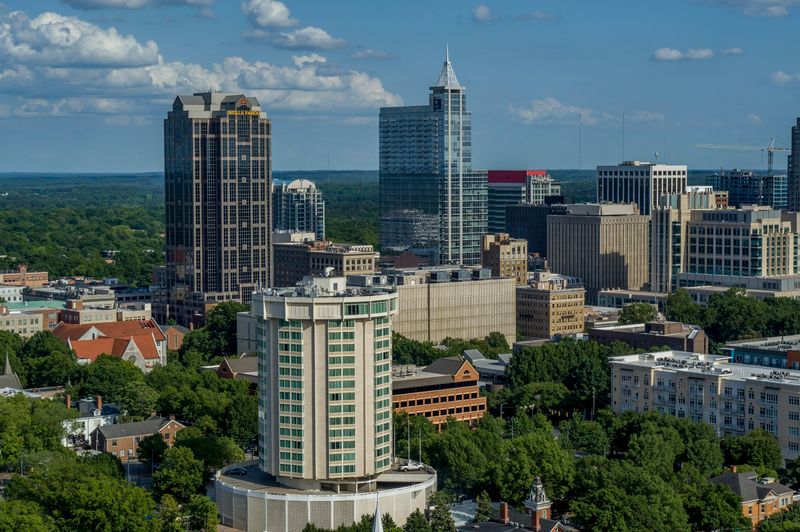
Raleigh has grown quickly, and longtime residents have noticed. New buildings, more traffic, and fresh arrivals have reshaped parts of the city in a relatively short time.
Change like that can stir mixed feelings. Some locals welcome the energy, while others worry about losing the neighborly character they grew up with.
Small traditions may matter more in that kind of setting. A milk delivery to the porch can serve as a reminder that community habits still have a place, even as skylines rise.
Newcomers can play a role too. Supporting local businesses and learning a city’s customs can help bridge the gap between old Raleigh and new Raleigh.
There is room for both perspectives here. A growing capital does not have to erase what made it special, and many residents seem determined to keep that balance.
North Carolinians who have watched their favorite towns evolve will likely relate. Every community has something it hopes to hold onto through the years.
So what local tradition would you fight to keep in your own corner of the state? It is a question worth chewing on.
A Capital Worth a Second Glance
Raleigh may never trade its reputation as a hub of research and government. Still, the glass bottle on the porch shows the city has a softer, more personal side worth noticing.
Between the Greek Revival Capitol, the Roman-styled Washington statue, NC State’s agricultural roots, and the Research Triangle’s energy, there is plenty to explore. The milk delivery tradition simply adds a homey footnote to that bigger story.
For residents, it can be a practical service that saves time and cuts waste. For the rest of the state, it is a fun reminder that old customs can survive in unexpected places.
A weekend trip here offers history, campus life, and the chance to spot a few neighborhoods that still embrace a slower rhythm. Nothing about it requires a passport, just a full tank and a free Saturday.
North Carolina keeps proving that its towns and cities hold surprises close to home. Raleigh earns a spot on that list, bottles and all.
Sometimes the most charming discoveries are the ones that have been sitting on the front step the whole time.
Share this story