
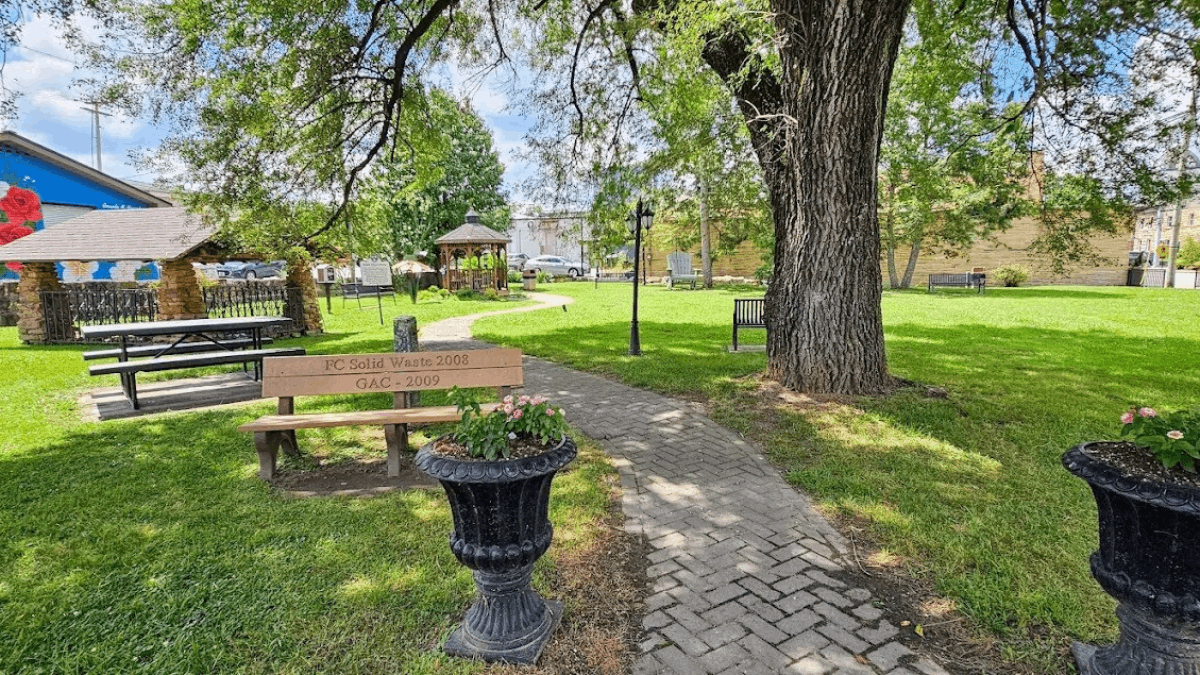
Tucked away in the rolling hills of the Upper Cumberland, Jamestown, Tennessee is a place where neighbors still wave from their porches and Main Street feels like home. This small town of fewer than 2,000 residents has held onto traditions that many communities have lost, offering visitors a genuine glimpse of slower-paced Southern living.
Whether you’re searching for outdoor adventure or simply want to experience true small-town hospitality, Jamestown delivers both in abundance.
Why Jamestown, Tennessee Feels Like a Step Back in Time
Walking through Jamestown feels like opening a time capsule to when life moved at a gentler pace. The county seat of Fentress County has preserved its authentic character while other towns have modernized beyond recognition.
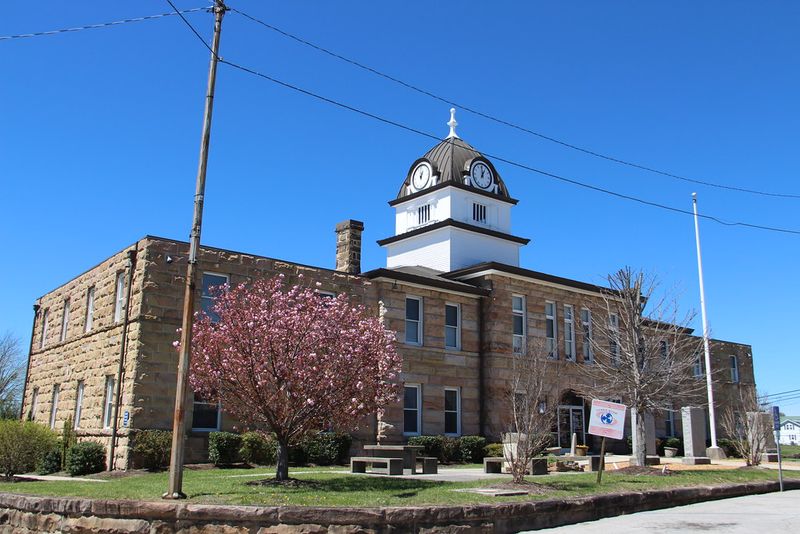
The town’s historic courthouse anchors the square, surrounded by locally-owned businesses that have served families for generations. Residents take pride in maintaining their Victorian-era homes complete with wraparound porches where people actually sit and visit. This isn’t a manufactured tourist attraction trying to recreate the past.
Community events still draw crowds to the courthouse lawn, where everyone knows everyone else by name. The slower rhythm of life here isn’t an act put on for visitors but simply how Jamestown has always operated. Time hasn’t forgotten this place; Jamestown has simply chosen to honor its roots while welcoming those seeking refuge from the rush of modern life.
Where Is Jamestown Located?
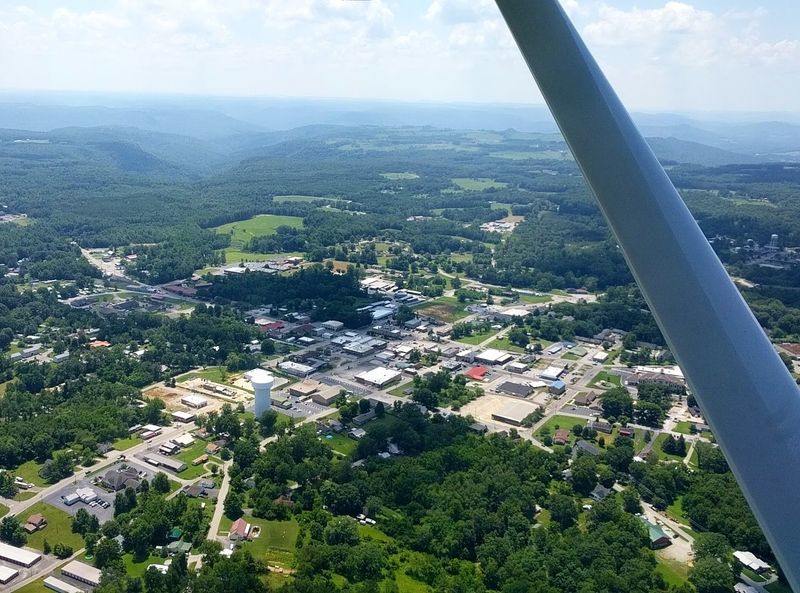
Jamestown sits in north-central Tennessee within Fentress County, perched on the Cumberland Plateau. The town lies roughly 115 miles west of Knoxville and about 110 miles northeast of Nashville, making it accessible yet pleasantly removed from urban sprawl. Highway 127 runs directly through town, connecting travelers to the broader region.
The Upper Cumberland region surrounding Jamestown features dramatic terrain with forested ridges, deep valleys, and clear streams. This geographic isolation helped preserve the area’s distinct culture and slower pace of life. The elevation provides cooler summers than lower Tennessee regions while still offering four distinct seasons.
Despite its remote feel, Jamestown isn’t difficult to reach for those seeking an escape. The town serves as a gateway to Big South Fork National River and Recreation Area, drawing outdoor enthusiasts from across the Southeast. Its position makes it an ideal base camp for exploring the natural wonders of the Cumberland Plateau.
A Town Rooted in History
Founded in 1823, Jamestown became the county seat when Fentress County was established, named after James Fentress, a prominent local figure. The town witnessed significant Civil War activity, with both Union and Confederate forces passing through the strategic Cumberland Gap region. Many original structures still stand as silent witnesses to nearly two centuries of American history.
The current courthouse, built in the early 1900s, represents classic Southern civic architecture and remains the heart of community life. Local families trace their ancestry back multiple generations, creating deep connections to the land and traditions. Stories passed down through these families paint vivid pictures of frontier life, economic hardships, and community resilience.
Historic cemeteries dotting the hillsides tell stories through weathered headstones dating back to pioneer days. The town’s heritage isn’t locked away in museums but lives on through annual celebrations, family reunions, and everyday interactions.
Front Porch Living and Friendly Faces
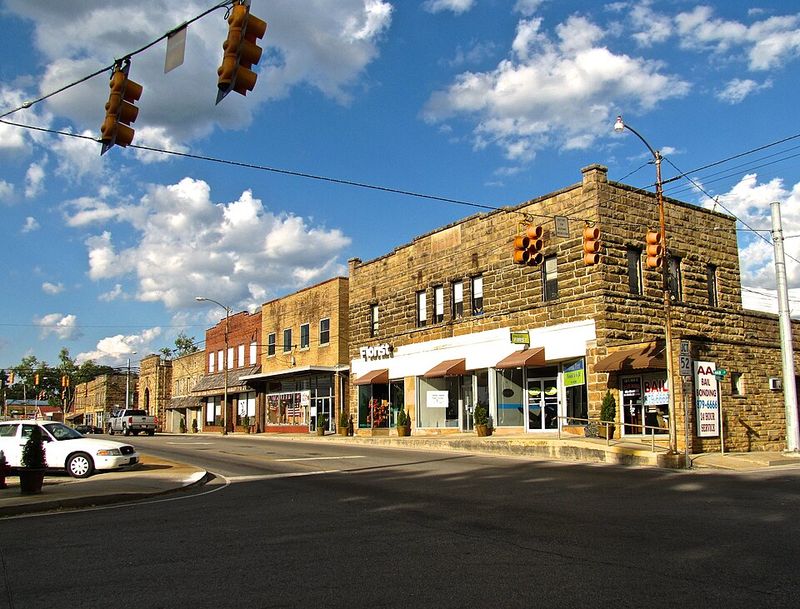
Front porches in Jamestown aren’t just architectural features but essential gathering spaces where community bonds strengthen daily. Residents actually use these outdoor rooms for morning coffee, afternoon conversations, and evening relaxation while watching neighbors pass by. The simple act of sitting outside creates natural opportunities for connection that modern suburban designs have eliminated.
Strangers receive genuine waves and welcoming smiles rather than suspicious glances when walking through residential streets. This openness stems from generations of families living side by side, creating trust and familiarity.
The front porch culture extends beyond individual homes to downtown businesses where owners step outside to chat with passersby. This visibility and accessibility create accountability and pride in maintaining community standards. You’ll find people still borrowing cups of sugar, sharing garden vegetables, and checking on elderly neighbors without being asked.
Such practices aren’t nostalgic performances but living traditions that make Jamestown genuinely special.
Downtown Jamestown’s Local Shops & Eats
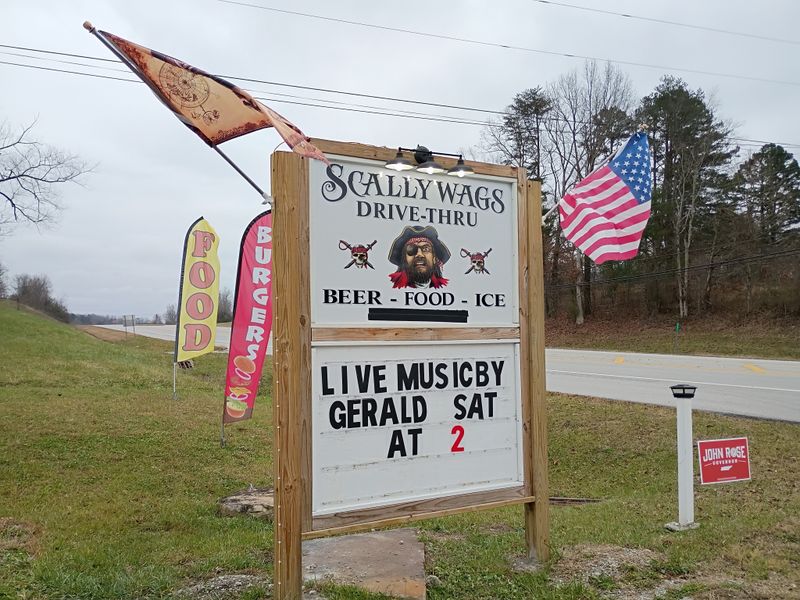
Downtown Jamestown’s business district showcases locally-owned establishments that have resisted the homogenization affecting many American small towns. Family restaurants serve Southern comfort food made from recipes perfected over decades, not corporate test kitchens. The breakfast crowd at local diners includes farmers, retirees, and courthouse employees sharing tables and conversations.
Small shops offer everything from hardware to handmade crafts, operated by owners who remember customer preferences and family histories. These aren’t quaint boutiques targeting tourists but working businesses serving local needs while welcoming visitors. Prices remain reasonable because overhead stays low and profit margins respect community economics.
The courthouse square serves as the natural center where people run errands while catching up on local news and gossip. Friday nights see increased activity as families come to town for supplies and socializing. While you won’t find trendy gastropubs or artisan coffee shops, you’ll discover authentic establishments where quality and relationships matter more than Instagram aesthetics.
Outdoor Adventures in the Upper Cumberland
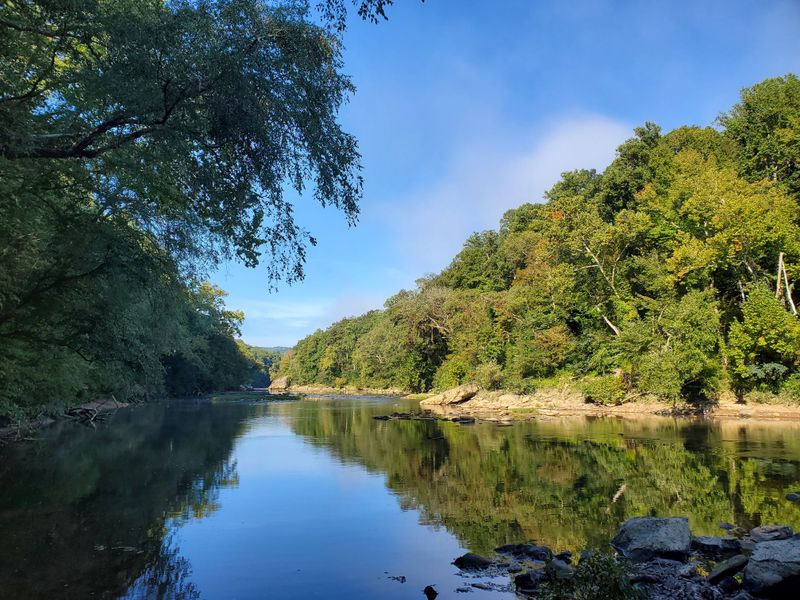
Jamestown’s location provides exceptional access to Big South Fork National River and Recreation Area, offering 125,000 acres of rugged wilderness. The Big South Fork River carved spectacular gorges through sandstone, creating dramatic scenery for hiking, horseback riding, and whitewater adventures. Trails range from easy riverside walks to challenging backcountry routes requiring serious preparation.
Pickett State Park lies just minutes away, featuring natural stone arches, caves, and pristine forests perfect for camping and exploration. The Cumberland Plateau’s unique geology creates diverse ecosystems supporting wildlife from black bears to rare plant species. Spring wildflower displays and fall foliage attract nature photographers from across the region.
The combination of small-town hospitality and wilderness access makes Jamestown an ideal base for outdoor enthusiasts seeking adventure without sacrificing comfort or community connection at day’s end.
Why Visitors Keep Coming Back
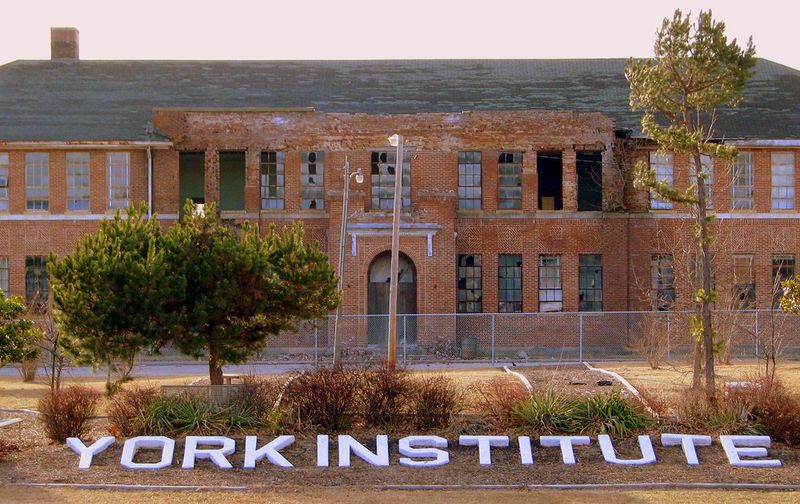
First-time visitors to Jamestown often arrive skeptical that any place can truly maintain old-fashioned values in modern America. They leave as believers, having experienced genuine hospitality that can’t be faked or manufactured for tourism dollars.
Many return annually, establishing relationships with local business owners and residents who remember them by name. These connections transform casual visits into meaningful experiences that feed the soul beyond typical vacation activities. Families discover their children can safely explore downtown independently, recapturing freedoms modern parents rarely grant.
The absence of commercialized attractions means visitors create their own experiences through conversations, exploration, and slowing down to notice details. Jamestown’s greatest appeal isn’t what it offers but what it lacks: the stress, noise, and pressure that define modern existence.
People keep returning because leaving always feels harder than arriving.