Somewhere in Oklahoma City, there is a whole prairie town hiding under one roof.
It has boardwalk streets, a church, a schoolhouse, and a saloon, and the ceilings rise about 40 feet overhead.
Nobody needs a time machine to visit it, just a free parking spot and a few spare hours.
The town is only one piece of a much bigger story about the American West, told through towering bronze sculptures, famous paintings, saddles, firearms, Native American artifacts, rodeo history, and even a wall of barbed wire.
Families come for the hands-on fun.
History fans come for the depth.
Many end up staying far longer than they planned.
Keep reading to find out where this place is, what makes the frontier town so special, and how to plan a weekend trip that keeps both kids and grownups busy.
1. A Western Landmark on Persimmon Hill
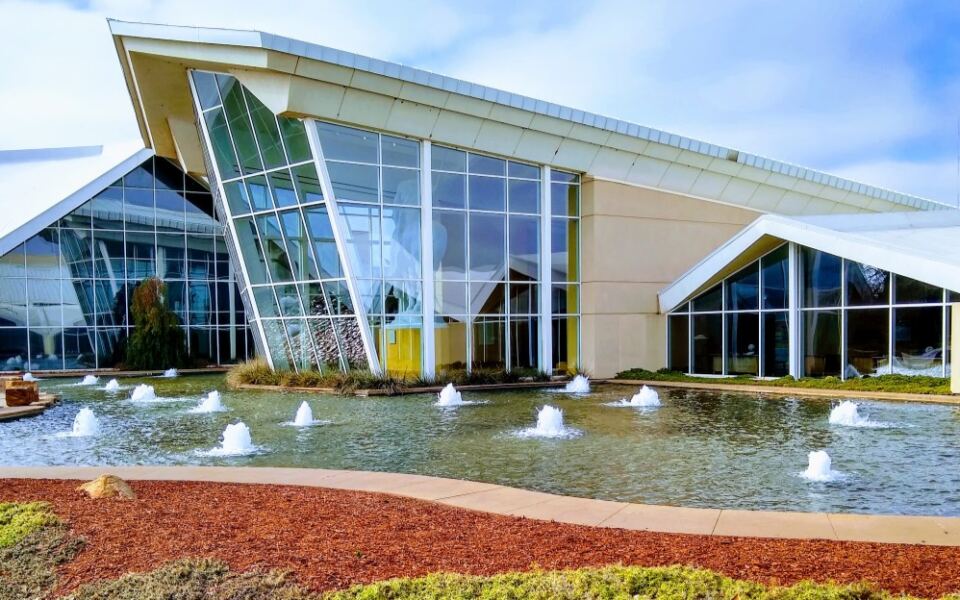
The big reveal is the National Cowboy & Western Heritage Museum, found at 1700 NE 63rd St, Oklahoma City, OK 73111, United States.
It sits in the northeast part of the city, an easy drive for anyone in the metro and a manageable day trip from Tulsa or surrounding towns.
The museum describes its mission simply.
It documents and interprets the history and culture of the American West through dioramas, artifacts, and art.
That sounds tidy on paper, but the scale tells a different tale.
The collection stretches from fine Western paintings to firearms, Native American artifacts, rodeo memorabilia, and Hollywood cowboy history.
Plenty of people walk in expecting a quick look and walk out three hours later, still talking about what they missed.
The place also carries serious pride for Oklahomans.
It shows that the state is far more than flat prairie, with a heritage that touches cattle drives, tribal nations, ranch life, and the rodeo arena.
With thousands of glowing comments online and an average of 4.8 stars, it has earned a reputation as one of the must-see stops in the capital city.
Consider this the starting gate for everything that follows.
2. How the Story Unfolds, Gallery by Gallery
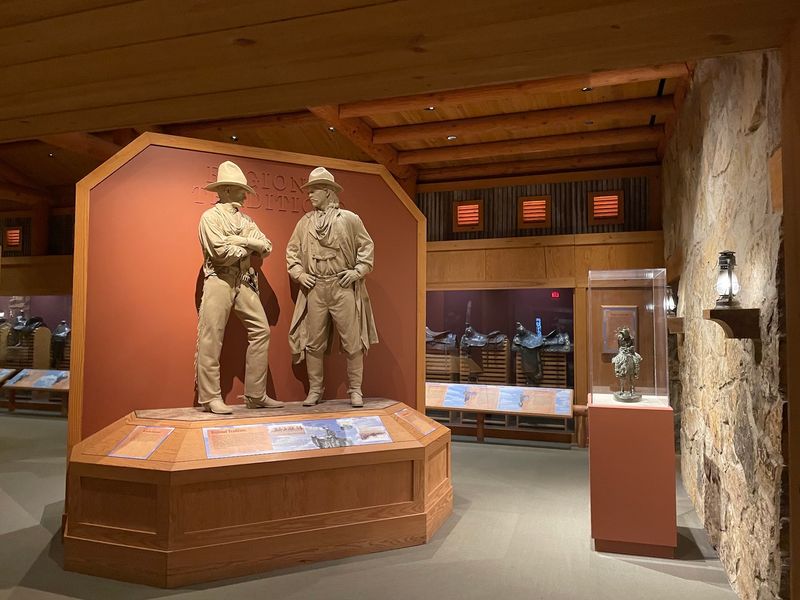
Good stories need a beginning, and this museum takes that rule seriously.
The galleries open with Native American history before moving forward in time to explain where cowboy culture actually came from.
The layout then carries guests through pioneers, ranching, and the rise of the cowboy all the way into modern times.
That chronological flow makes a huge difference.
Instead of a jumble of old objects, the exhibits build on each other like chapters in a book.
Many guests point out how refreshing it feels to see a fuller, more complete version of Western history.
It goes deeper than the quick, simplified facts tourists often get.
The exhibits manage to be detailed without feeling overwhelming.
Signs explain the people who lived in the region and how their lives changed over time.
Some guests mention specific stories, such as the history of the famous King Ranch, that spark conversations long after the visit ends.
For students, it can double as a living textbook.
One family of four came after a teen received an optional extra credit assignment and wished they had visited sooner.
By the time the galleries reach the 1800s, the stage is set for the main event just around the corner.
3. Prosperity Junction, the Town Under a Roof
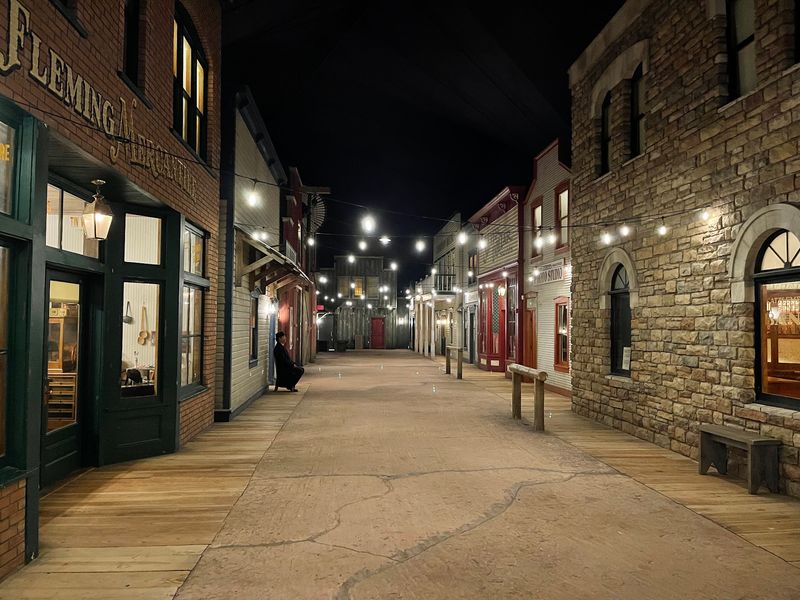
Here it is, the headline act.
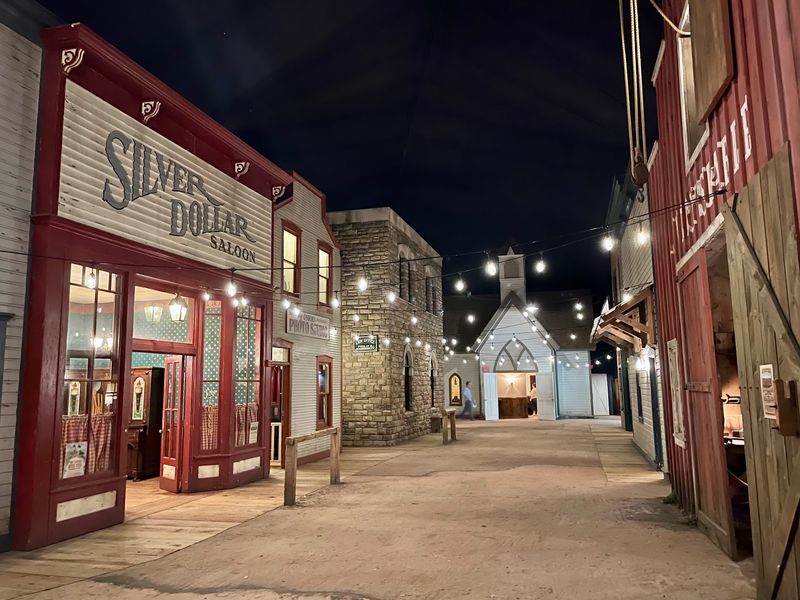
Prosperity Junction is a life-sized, 14,000-square-foot indoor replica of a prairie cattle town from the late 1800s.
The ceilings soar about 40 feet high, and the lighting is kept dim to mimic dusk settling over a frontier main street.
Guests stroll along boardwalk streets past a fully built church, a schoolhouse, a blacksmith shop, and a saloon.
Every storefront is designed to look like the real thing from that era.
It is the kind of spot where conversations drop to a whisper and phones come out for photos.
Families rank it as a favorite, and teens tend to call it the coolest part of the whole museum.
Adults appreciate the craftsmanship and the small historical details tucked into each building.
The town works because it is walkable and open.
Nobody is stuck behind a rope looking at a tiny model.
For Oklahomans, the timing feels especially fitting.
The late 1800s marked the era of land runs and new towns springing up across the territory.
Give it extra time, because one lap down the boardwalk rarely feels like enough.
4. The End of the Trail and Other Giants in Bronze
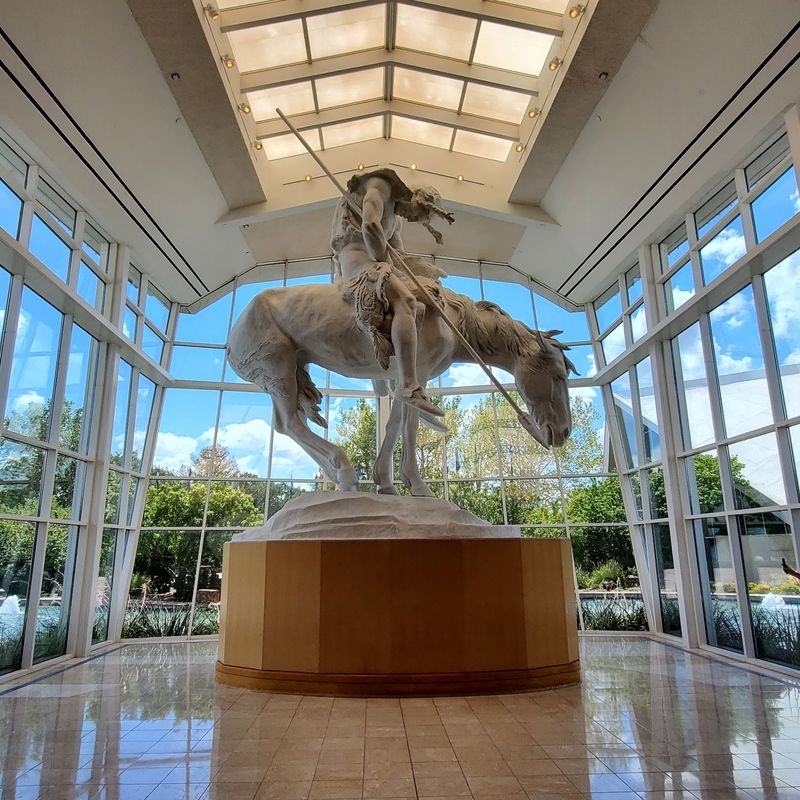
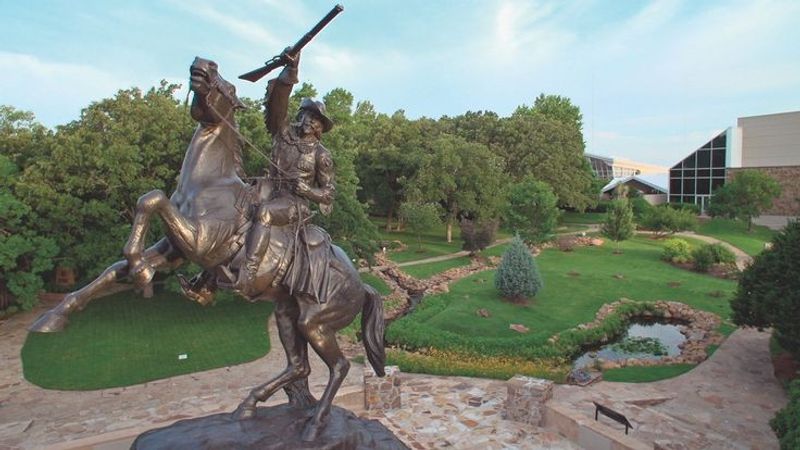
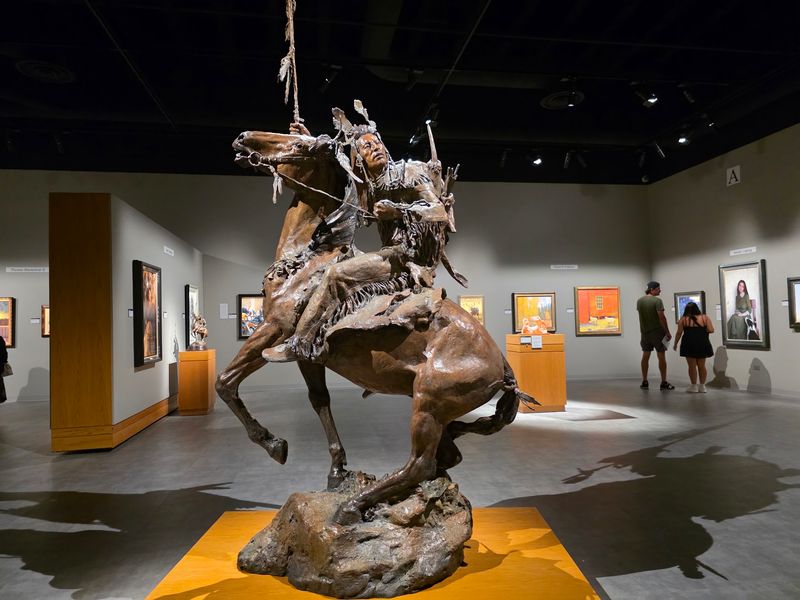
Some artworks stop people in their tracks, and James Earle Fraser’s The End of the Trail does exactly that.
The colossal sculpture greets guests early in the visit.
It shows a weary rider slumped on a horse, and many find it deeply moving.
It sets the tone for a museum where sculpture is a major attraction.
Statues are the single most talked-about feature among guests, ahead of nearly everything else.
Bronze figures appear throughout the halls and outdoor grounds.
Cowboys, horses, and Native American figures are captured in mid-motion.
Repeat guests say the outdoor sculptures in particular leave them amazed that artists can turn real life into bronze.
Several have returned three times and found something new on each trip.
That is partly because the museum keeps changing.
Exhibits rotate, so the second visit may not match the first.
The sculptures also make the museum appealing to art lovers who may not consider themselves Western history buffs.
Bring patience and a charged phone, because nearly every corner offers another figure worth a closer look.
5. Remingtons on the Walls
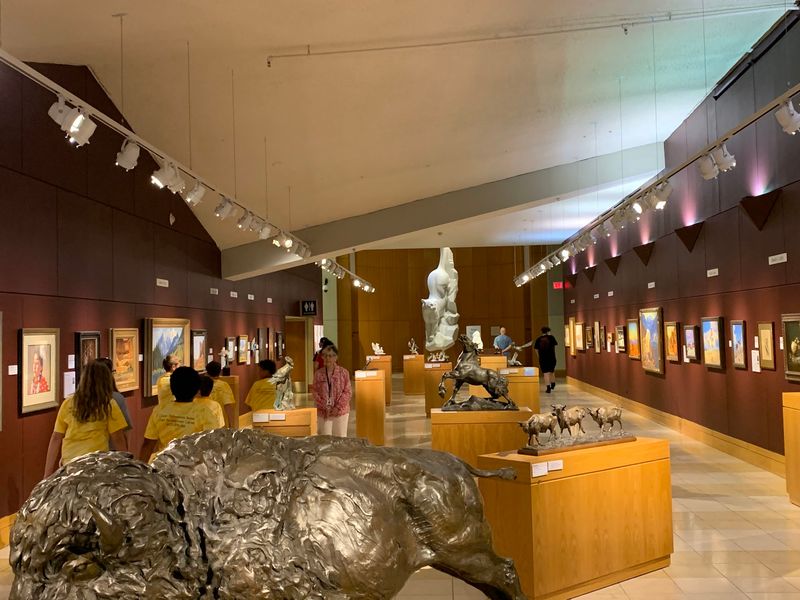
Art fans, take note.
The museum holds an impressive collection of Western fine art, and several works by Frederic Remington are on display.
Remington is one of the best-known names in Western art, so seeing his pieces in person is a treat for many guests.
The galleries mix paintings and sculptures that capture ranch life, open landscapes, and the people of the West.
Some guests even rank the art galleries as their favorite part of the entire visit.
What sets these rooms apart is how they connect to the history exhibits nearby.
A painting of a cattle drive suddenly means more after seeing the real saddles and tools in the next gallery.
The curation earns plenty of praise.
Rooms are thoughtfully arranged and easy to move through at a relaxed pace.
Quiet weekday mornings can be a smart choice for anyone who wants to linger in front of a canvas.
Some guests report the museum was not crowded at all during their trip.
Even kids who usually rush past paintings may slow down when the subject is a bucking bronco or a stagecoach.
Consider it proof that cowboys and fine art make a surprisingly good pair.
6. Saddles, Spurs, and a Wall of Barbed Wire
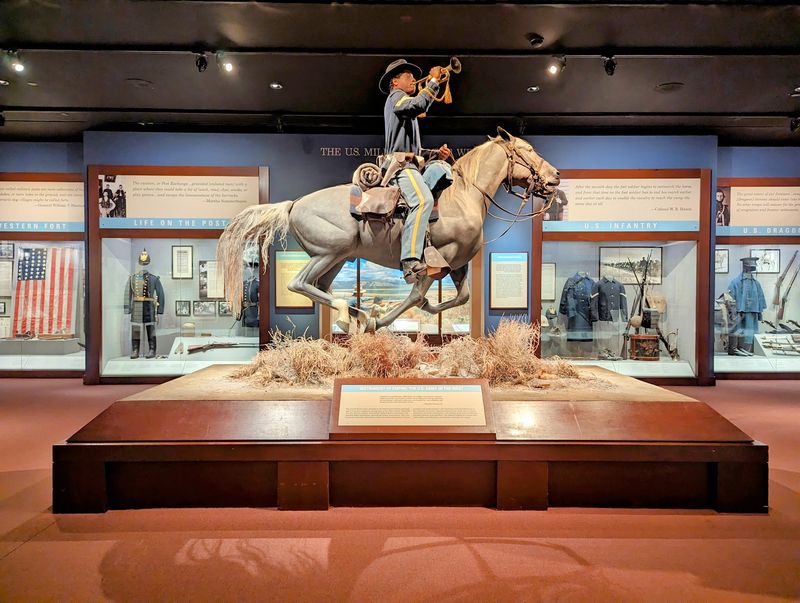
Horse people, this section was built with you in mind.
A large area focuses entirely on horses and their equipment through the years.
Saddles, bridles, and gear trace how working cowboys and their animals operated across generations.
Then comes a surprise favorite.
The barbed wire collection displays a wide range of styles and explains the history of different types.
It sounds like an odd thing to put behind glass.
Yet barbed wire changed the open range forever, and guests often leave fascinated by how many versions once existed.
The artifact galleries also include extensive firearms and historic clothing.
Guests praise both the quantity and quality of these items.
A stagecoach exhibit adds a hands-on touch.
Some items connected to the wagon can be handled and examined up close.
These galleries reward slow browsing.
Each case holds small details that explain how ordinary people actually lived and worked.
Who knew a strand of twisted wire could hold so much history.
7. Rodeo Arenas and Hollywood Cowboys
The West did not stay on the range.
It moved into rodeo arenas and onto movie screens, and the museum follows it there.
Rodeo history earns its own space among the galleries.
It honors the sport that keeps cowboy skills alive.
One note of caution.
The rodeo section has been closed at times, with one guest learning it would not reopen until fall, and other areas have been blocked off for exhibit installation.
Checking the museum website before driving is a wise move, since open galleries may change.
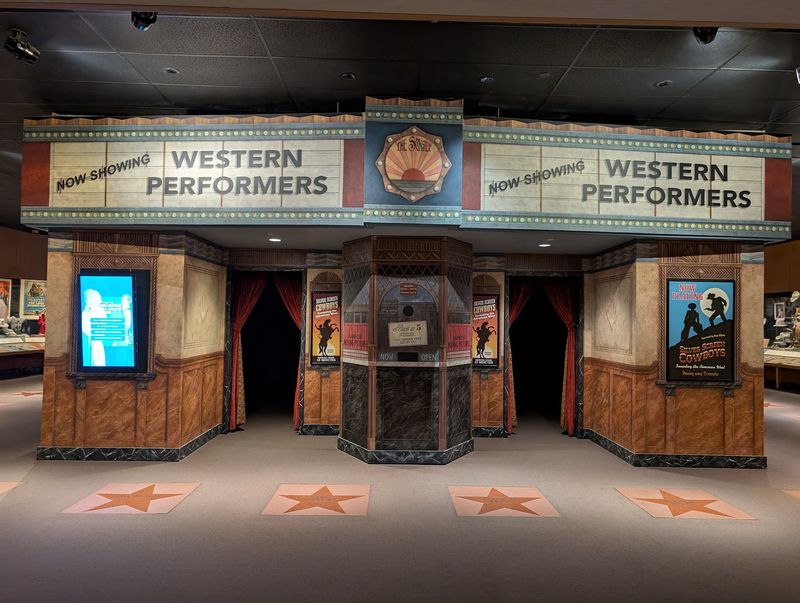
On the Hollywood side, guests find a section devoted to Gunsmoke and other Western film and television stars.
It celebrates the legendary icons who brought cowboy stories into living rooms across America.
For grandparents, this area often sparks fond memories of Saturday afternoon Westerns.
For younger guests, it opens the door to classics they may never have seen.
The galleries also tie into a Route 66 exhibit, a nod to Oklahoma’s famous highway and its roadside culture.
Between rodeo grit and screen glamour, this stretch of the museum has a little something for every generation.
8. An Immersive Show Worth the Extra Ticket
Here is a bonus that keeps getting mentioned.
The museum offers an immersive experience for an additional fee, and families consistently call it worth paying extra.
Guests describe it as awesome and a highlight of their trip.
The narration adds star power.
It is voiced by actor Tom Selleck, a detail that delights plenty of fans.
Specific pricing is not listed here, so it is best to check the museum website for current ticket details.
Costs can change over time.
Some guests note that general admission may feel steep at first glance.
Many then add that the entrance fee turned out to be worth every penny.
For families on a budget, the immersive show works well as an optional add-on.
The main galleries alone can fill an entire afternoon.
Those who do upgrade often say it ties the whole visit together with a powerful sense of story.
It is a fitting encore after a long walk through the frontier.
9. Liichokoshkomo and Room for Kids to Roam
Little cowpokes need room to run, and the museum delivers.
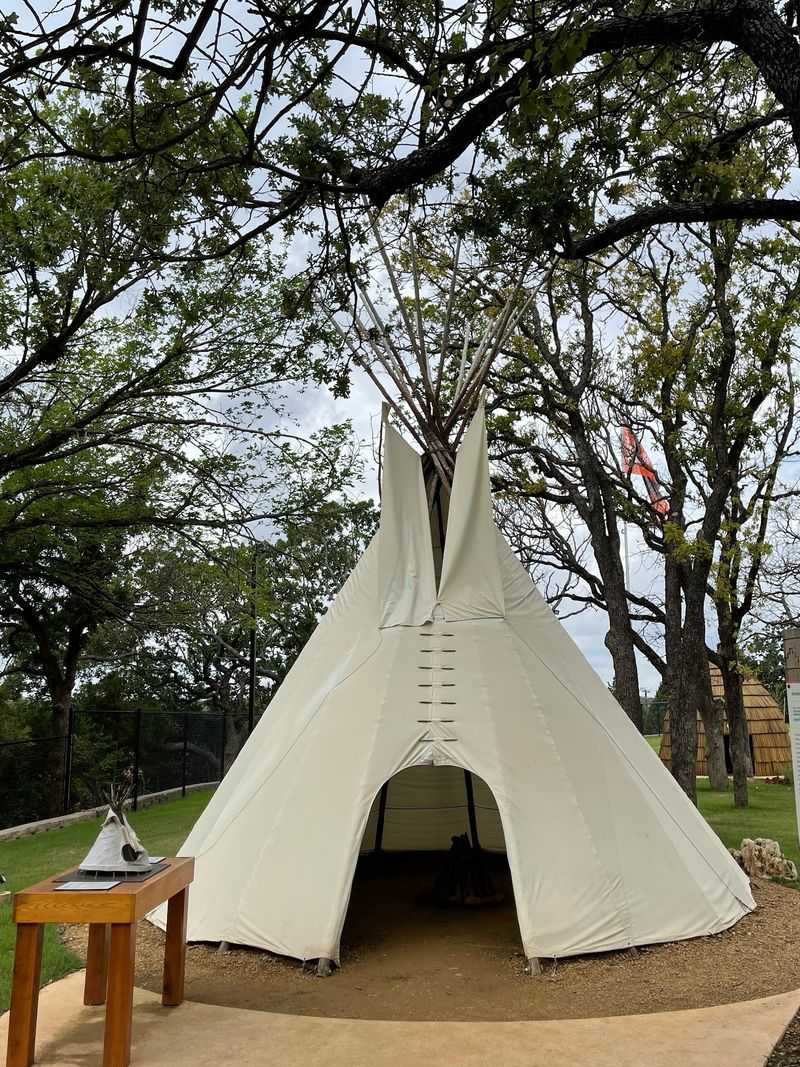
Outside, Liichokoshkomo stretches across a massive 100,000-square-foot interactive space designed for families.
There is also a playground for burning off extra energy.
Indoors, the Annie Oakley Center gets high marks from scout groups.
One troop that traveled from Louisiana said the boys had a great time with the activities there.
The front counter offers kids activities as well.
Families mention four available there and another tucked into the Route 66 exhibit, which help keep younger children excited from room to room.
A self-service cowboy photo booth is another surprise hit.
It uses technology to dress guests in classic cowboy gear for a fun digital keepsake.
Parents of teens report that the interactive parts kept their kids engaged.
Very young children may enjoy it most if they already love Western themes, though there is still plenty for them to do.
Overall, the museum feels warmly family friendly without losing its depth.
Expect at least one small person to ask for a cowboy hat on the way home.
10. Gardens, Koi Ponds, and a Quiet Breather
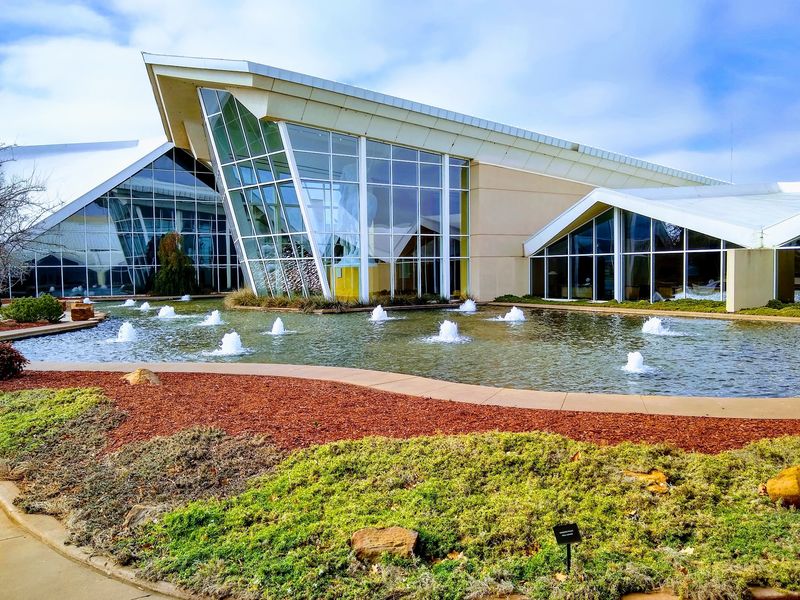
After hours indoors, the grounds offer a welcome change of pace.
An outdoor garden area holds additional exhibits and towering bronze statues.
Quiet water gardens feature koi fish, a calm spot for a short break.
Outdoor exhibits rank among the most praised parts of the visit.
Guests often wish they had saved more time for them.
That is a common regret, actually.
Several people say they ran out of time to explore the gardens and gift shop before leaving.
Planning helps.
Saving the outdoor areas for a pleasant part of the day lets everyone enjoy them without rushing.
The gardens also suit grandparents or anyone who needs a slower stretch between galleries.
Benches and open paths make it easy to regroup.
The gift shop sits on the list of must-stops for souvenirs, books, and Western-themed keepsakes.
Sometimes the best part of a busy museum is the peaceful corner just outside its doors.
11. Hours, Parking, and Smart Planning Tips
A little planning goes a long way at a museum this size.
Current hours run 10 am to 5 pm Monday through Thursday.
Friday and Saturday stretch from 10 am to 8 pm, and Sunday runs from noon to 5 pm.
Those late Friday and Saturday evenings are handy for families with busy weekdays.
Hours may change, so a quick check of nationalcowboymuseum.org before driving is always smart.
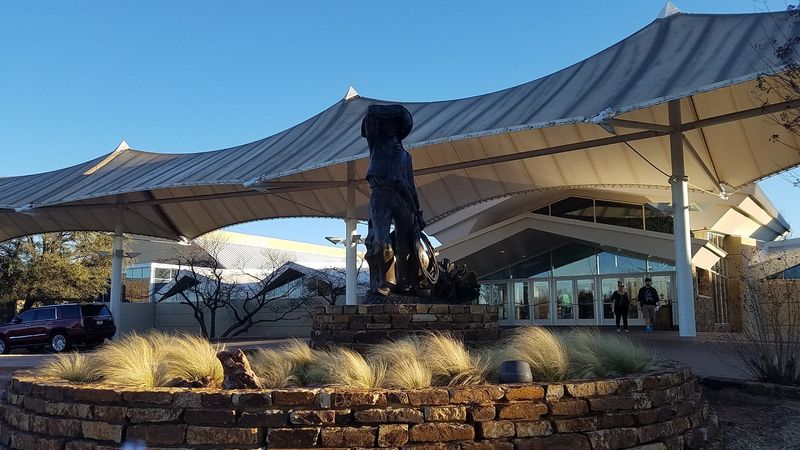
Parking is free in a huge lot right outside the entrance.
On busy days, the main lot can fill up, and shuttles carry guests from overflow parking straight to the front door.
Time is the biggest thing to budget.
Most guests recommend at least two hours, while many spend closer to three and still want more.
The staff and docents earn frequent praise.
They are knowledgeable, friendly, and full of fun facts that bring displays to life.
Groups can also get help arranging trips, which scout leaders and teachers appreciate.
Wear comfortable shoes, arrive early, and let the day unfold at its own pace.
12. A Frontier Worth the Drive
So, does the National Cowboy & Western Heritage Museum live up to the hype?
For anyone curious about the West, the answer leans strongly toward yes.
The museum blends art, history, and hands-on fun in a way that few places manage.
Prosperity Junction alone makes the trip memorable.
Add The End of the Trail, the Remingtons, the barbed wire collection, and acres of outdoor space, and the day fills up quickly.
Special events add even more reasons to return.
The Chuck Wagon Festival brings live music, activities for children, and cooking over real fire pits, with party buses shuttling guests from parking.
Guests who are not interested in history at all may find it less exciting.
Everyone else tends to leave impressed and already planning the next visit.
Many describe it as a story that belongs to all Oklahomans, and some find it emotional in the best way.
For day-trippers proving their state has plenty of stories to tell, few stops make the case better.
The frontier is waiting in northeast Oklahoma City, and the boardwalk is already lit.
Share this story