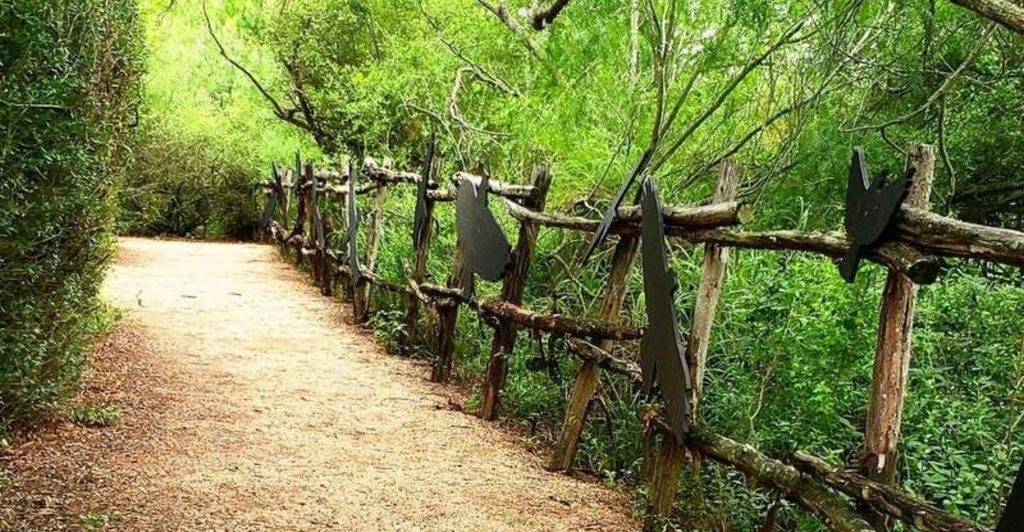
For the price of a convenience store coffee, you can spend hours exploring one of the Rio Grande Valley’s best-kept nature secrets. The Edinburg Scenic Wetlands and World Birding Center packs 40 acres of trails, ponds, and wildlife encounters into an experience that feels like stepping into a different world. Whether you’re a serious birder hunting for that elusive kingfisher or a family looking for an affordable outdoor adventure, this wetland sanctuary delivers way more than its tiny admission fee suggests.
1. Admission That Won’t Break Your Budget
Three dollars. That’s what separates you from hours of nature exploration in one of Texas’s most biodiverse spots. Kids under two get in free, making this an absolute steal for young families trying to introduce little ones to the outdoors without spending a fortune.
The honor system here speaks volumes about the community trust built around this place. You don’t even have to pay before entering, though every dollar directly supports trail maintenance, habitat preservation, and educational programs that keep this wetland thriving. Most visitors happily drop their cash in the box because they can see exactly where it goes.
Compare that three-dollar entry fee to what you’d spend at most entertainment venues, and the value becomes crystal clear. A movie ticket costs four times as much and lasts two hours. Here, visitors regularly report spending three to four hours wandering the boardwalks, and annual family memberships run just $25 for unlimited visits all year.
The gift shop offers reasonably priced snacks and drinks if you forget to pack water, plus binocular rentals starting at 8 AM for serious bird spotting. But the real bargain isn’t just monetary. It’s the chance to disconnect from screens, breathe fresh air, and watch your kids discover turtles sunning on logs without anyone rushing you along or upselling premium experiences.
2. Chachalacas Welcome You at the Gate
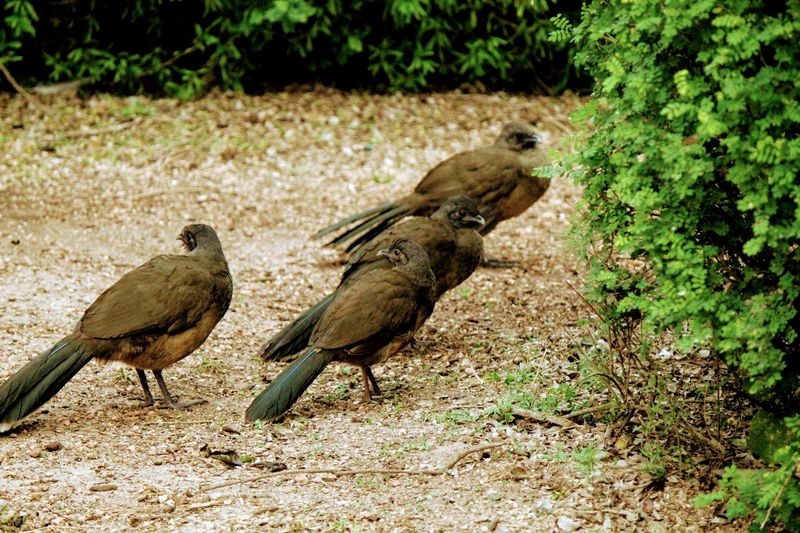
Before you even make it past the entrance, you’ll likely hear them. The loud, raucous calls of plain chachalacas echo through the trees like a rowdy welcoming committee you never knew you needed. These chicken-sized birds with their distinctive vocalizations are Rio Grande Valley celebrities, and they’re often spotted right at the entrance feasting on small berries.
First-time visitors from outside the Valley always do a double-take when they see these unusual birds up close. Chachalacas look like someone crossed a chicken with a pheasant and gave it an attitude problem. Their brownish-olive plumage might seem dull in photos, but watching them hop through branches and interact with each other brings instant entertainment value.
What makes these birds special isn’t just their appearance or volume. They’re a signature species of South Texas, and seeing them means you’re experiencing wildlife that most Americans never encounter. Long-time visitors joke that you’ll miss hearing their morning chorus once you leave the Valley, and honestly, they’re not wrong.
The chachalacas at Edinburg have grown comfortable with human presence, making them perfect photography subjects for beginners. They don’t typically flee when you approach the trails, giving you time to observe their social behaviors and quirky personalities. Kids especially love spotting these vocal characters, and parents appreciate having such an immediate wildlife encounter to hook young naturalists on the experience ahead.
3. Boardwalk Trails Through Multiple Habitats
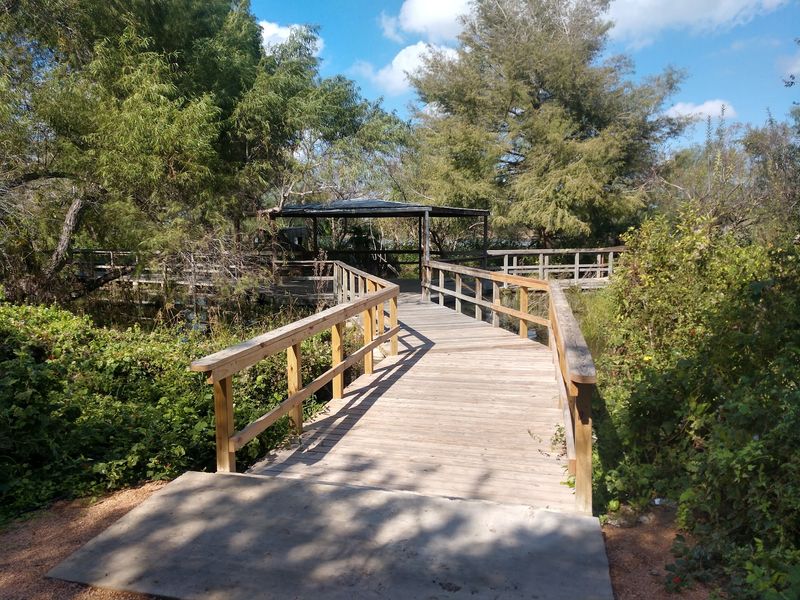
The trail system here isn’t just a path around a pond. It’s a carefully designed journey through different ecosystems that showcase why the Rio Grande Valley ranks among North America’s top birding destinations. Elevated boardwalks keep your feet dry while giving you front-row seats to wetland action happening at eye level.
Dense thicket areas provide high shade coverage, which becomes your best friend during brutal Valley summers. The canopy creates a cooler microclimate where humidity hangs heavy but temperatures drop noticeably compared to exposed areas. These shaded sections attract different bird species than the open water zones, multiplying your chances of spotting something remarkable.
Wider trails accommodate walkers, joggers, and families with strollers, while narrower paths lead to intimate observation points where serious birders set up camp. The layout feels deliberate yet natural, never forcing you down a single route. You can customize your visit based on energy levels, with short loops for quick nature fixes or longer circuits for thorough exploration.
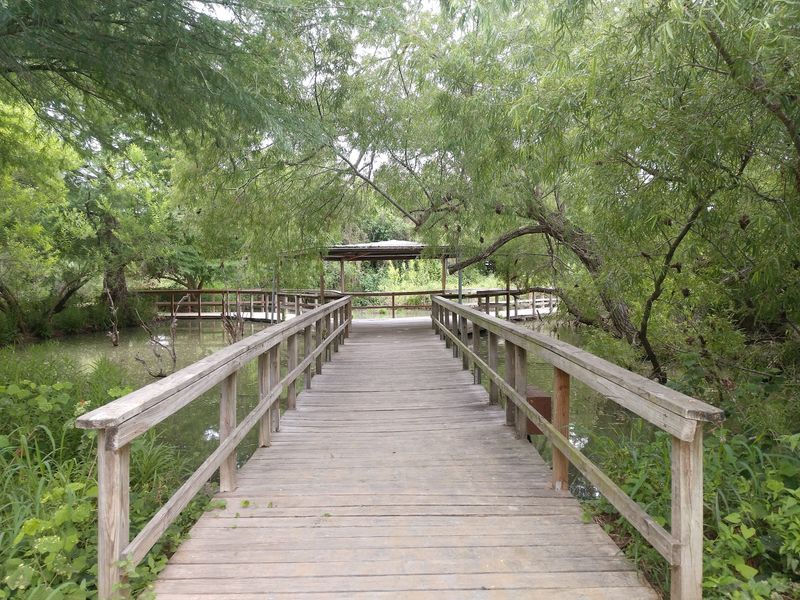
Multiple observation decks jut out over ponds and resacas, offering perfect vantage points for watching waterfowl, turtles, and the occasional water snake gliding through vegetation. The infrastructure here impresses without overwhelming the natural setting. Handrails, benches, and covered picnic areas appear exactly where you need them, maintained meticulously by city parks staff who clearly take pride in their work.
Even the smallest details, like strategic placement of rest areas, show thoughtful planning.
4. Kingfishers and the Birds That Keep You Coming Back
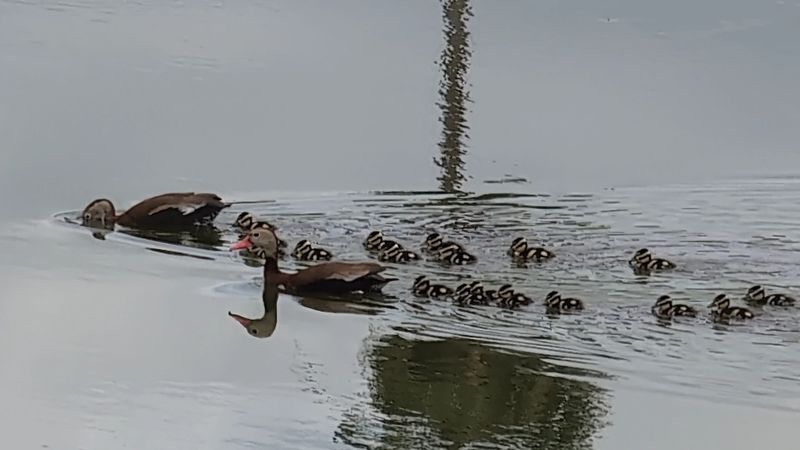
Ask any regular visitor what keeps them returning, and they’ll likely mention the kingfisher quest. Three kingfisher species call this wetland home at various times, and dedicated birders spend hours trying to spot all three. The green kingfisher appears most frequently, but the ringed and belted varieties play harder to get, creating an obsession among the binocular crowd.
Black-bellied whistling ducks and various heron species serve as the reliable supporting cast. Their consistent presence reassures visitors that the ecosystem remains healthy and productive. When these species show up in good numbers, experienced birders know they’re in for quality viewing regardless of what rarities appear.
Great kiskadees add tropical flair with their bold yellow bellies and even bolder personalities. These flycatchers aren’t shy about announcing their presence, and their distinctive calls become the soundtrack to your wetland walk. Cardinals provide flashes of brilliant red against green foliage, while woodpeckers drum out rhythms on dead snags.
The bird diversity here reflects the Valley’s unique position as a convergence zone where temperate and tropical species overlap. You’ll spot birds here that simply don’t exist anywhere else in the United States. That geographical quirk transforms a simple nature walk into something more significant, a chance to witness species at the extreme edge of their range.
Serious listers travel from across the country specifically for Valley specialties, but casual observers enjoy the show just as much without knowing Latin names or keeping meticulous counts.
5. Butterfly Gardens and Hummingbird Hot Spots
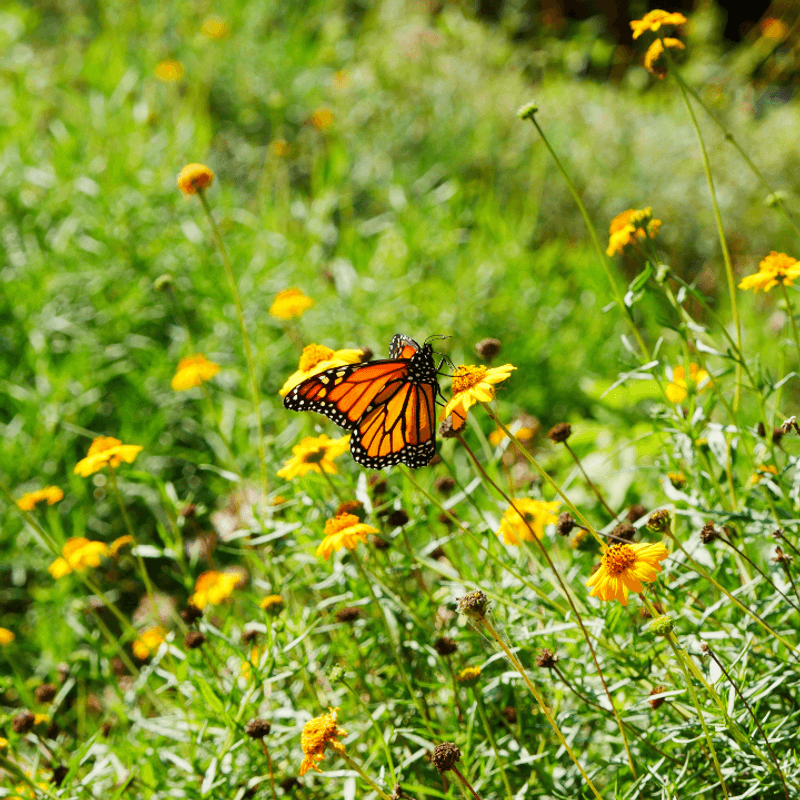
While birds steal the headline billing, the butterfly activity here rivals any dedicated butterfly garden in Texas. Native flowering plants attract waves of pollinators throughout the year, with peak activity during warmer months when blooms explode across the landscape. Watching dozens of butterfly species work the flowers provides its own meditative rhythm.
The dedicated butterfly area concentrates nectar plants and host species that caterpillars need for reproduction. This isn’t just pretty landscaping, it’s functional habitat restoration that supports complete life cycles. Kids get genuinely excited spotting caterpillars munching leaves, then searching for chrysalises, then celebrating when adults emerge.
Buff-bellied hummingbirds zip through the gardens like tiny helicopters, their iridescent feathers catching sunlight as they defend favorite feeding territories. These aggressive little sprites provide endless entertainment as they chase away competitors three times their size. The high-pitched whir of their wings becomes white noise you don’t notice until it suddenly stops.
Photographers love the butterfly and hummingbird zones because the subjects stay relatively still while feeding, allowing even smartphone cameras to capture decent shots. The combination of movement, color, and accessibility makes these areas especially popular with families. Parents can engage distracted kids by turning visits into scavenger hunts, counting how many different butterfly species or flower colors they can find.
The educational value sneaks in while everyone’s having too much fun to notice they’re learning.
6. Ponds Packed With Turtles and Aquatic Life
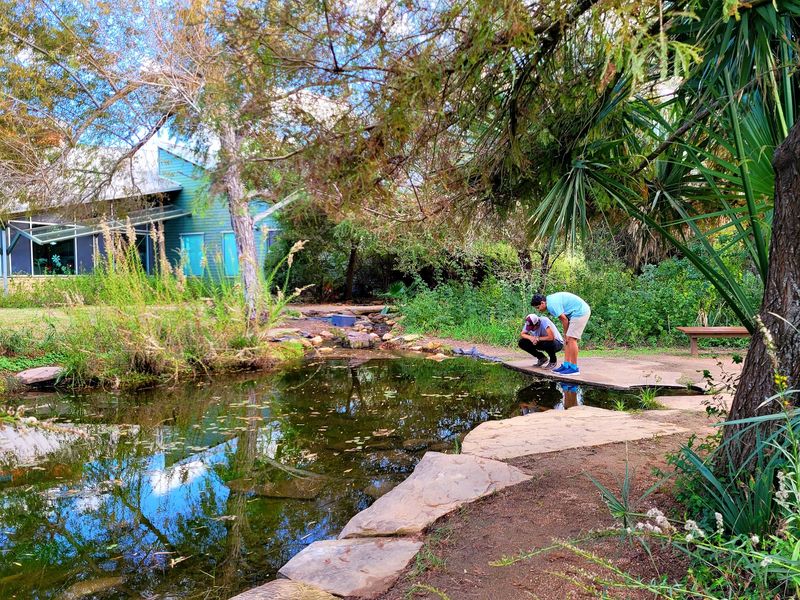
The ponds here aren’t just scenic backdrops. They’re thriving aquatic ecosystems where turtles stack themselves on logs like living Jenga towers, competing for prime sunbathing real estate. Watching them jostle for position and occasionally tumble into the water provides comedy gold, especially for younger visitors who find reptile antics hilarious.
Water snakes glide through vegetation, their sinuous movements mesmerizing rather than frightening once you realize they’re non-venomous and completely uninterested in humans. Ribbon snakes occasionally make appearances, their slender bodies and bright stripes making them look almost decorative. These encounters teach important lessons about coexisting with wildlife that many urban kids never experience.
Tadpole pools near the visitor center let children observe amphibian metamorphosis in progress. Seeing the tiny developing legs on pollywogs sparks genuine wonder and usually triggers a hundred questions parents may or may not be equipped to answer. The small scale of these pools makes them perfect teaching tools without overwhelming sensory systems.
Waterfowl diversity extends beyond the photogenic ducks and herons. Stilts work shallow edges on impossibly long pink legs, while various shorebirds probe mud for invertebrates. The interconnected pond system creates different depth zones that support different species, maximizing biodiversity in a relatively compact space.
Even during slower birding periods, the aquatic life keeps things interesting. Fish rise to snatch insects, dragonflies patrol territorial beats, and water striders skate across surfaces demonstrating physics principles that make science teachers weep with joy.
7. Family-Friendly Infrastructure and Amenities
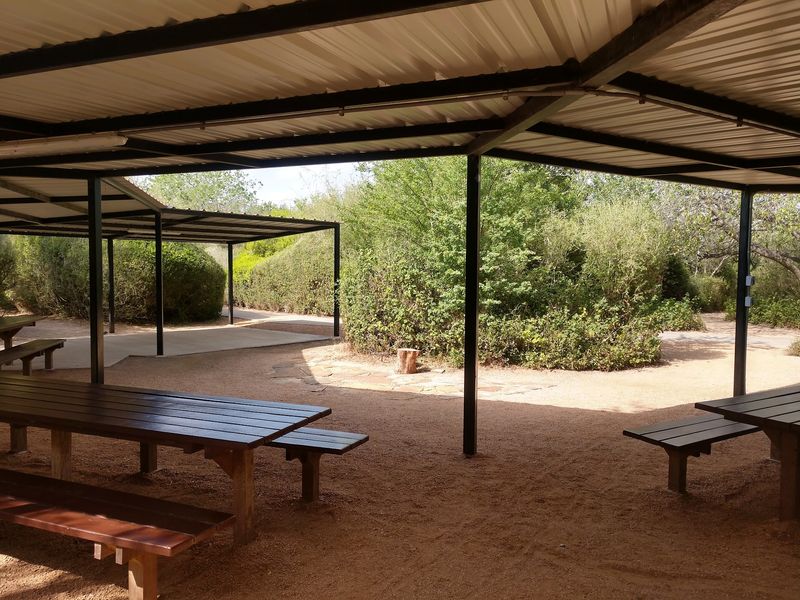
The infrastructure here strikes a perfect balance between developed convenience and natural setting. Covered picnic areas scattered throughout the trails feature ceiling fans, a Texas necessity that transforms sticky humidity into bearable outdoor dining conditions. These shaded pavilions become base camps where families spread out lunches and regroup between exploration sessions.
Clean restrooms near the entrance eliminate the anxiety parents feel about bathroom emergencies during nature outings. The facilities stay remarkably well-maintained considering the volume of visitors, reflecting the pride city staff takes in the property. Little details like this separate okay nature centers from great ones.
The gift shop serves double duty as an educational resource and convenience store. Reasonably priced drinks and snacks bail out families who underestimated how much water South Texas heat demands. The merchandise selection focuses on nature-themed items that extend learning beyond the visit, from field guides to butterfly nets.
Adjacent to the wetlands sits a massive municipal park with traditional playground equipment, creating a one-stop destination for families with varying interests. Kids who lose patience with quiet nature observation can burn energy on swings and slides while siblings continue birding. This proximity makes the location incredibly practical for multi-generational outings.
The staff consistently earns praise for their friendly, helpful attitude without being intrusive. They’re available when you need information or guidance but don’t hover or pressure visitors. That professional-yet-warm approach creates an atmosphere where both first-timers and experienced naturalists feel equally welcome.
Their genuine enthusiasm for the wetlands proves contagious, often converting casual visitors into regular supporters.
8. Year-Round Events and Educational Programming
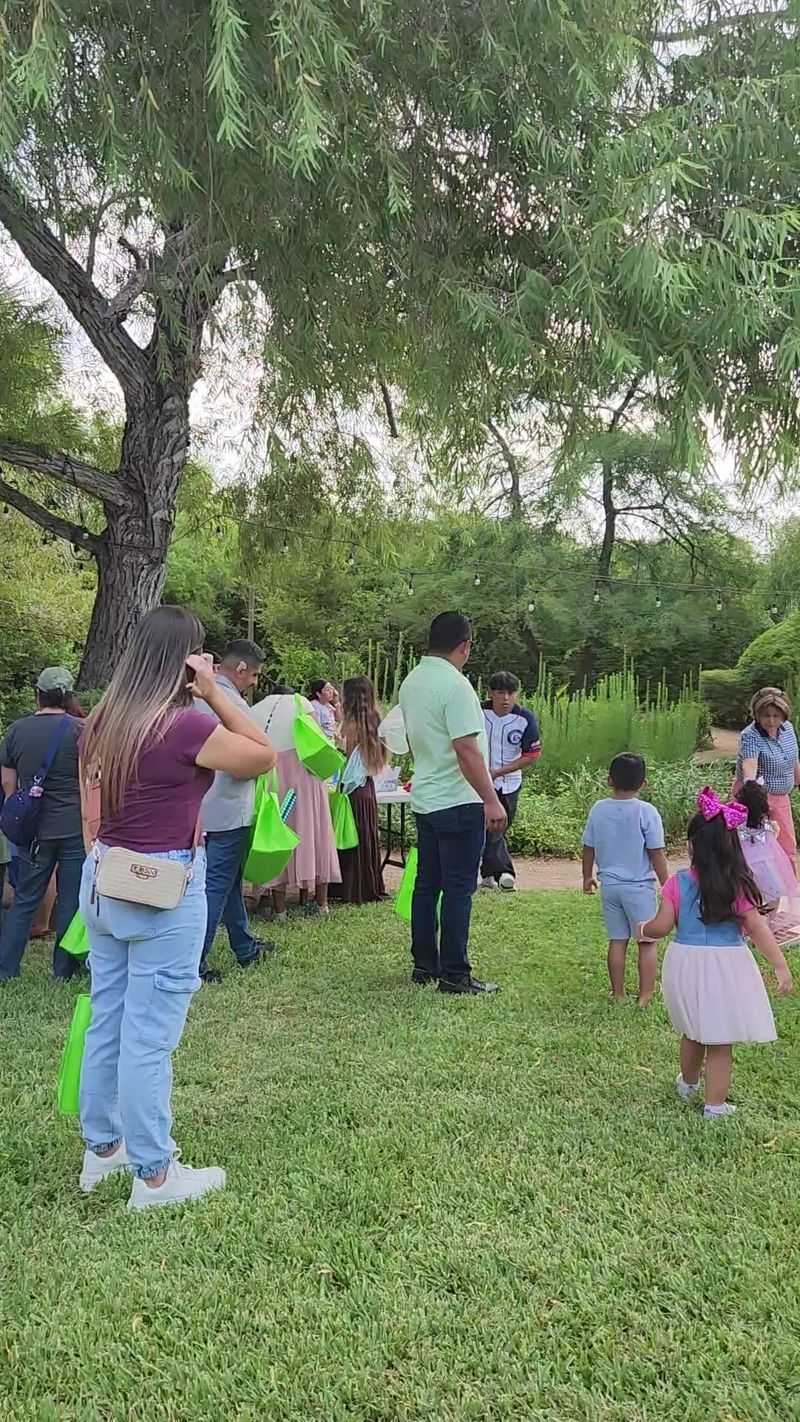
The wetlands calendar stays packed with special events designed to deepen visitor engagement beyond casual trail walking. School groups arrive regularly for structured environmental education that brings textbook concepts to life. Teachers appreciate having a local resource that handles curriculum-aligned programming without requiring extensive travel or budget strain.
Seasonal festivals celebrate migration patterns, breeding seasons, and other natural phenomena that mark the passage of time in ways city living obscures. These events create traditions families return to annually, building memories around nature observation rather than commercial entertainment. The community aspect transforms individual visits into shared cultural experiences.
Children’s activities go beyond generic crafts to hands-on investigation of wetland ecology. Programs teach observation skills, identification techniques, and conservation principles through age-appropriate activities that respect kids’ intelligence. The approach fosters genuine interest rather than forcing environmental messaging that triggers eye rolls.
Photography workshops take advantage of the incredible subject diversity available within walking distance of the visitor center. Both beginners and experienced shooters benefit from structured instruction in a setting where cooperative wildlife provides endless practice opportunities. The workshops build community among participants who often return together for informal photo outings.
The website maintains current event listings and activity schedules, making it easy to plan visits around specific programs. Membership options provide unlimited access plus event discounts, quickly paying for themselves if you visit more than a few times annually. The organization clearly understands that creating invested stakeholders requires more than just maintaining trails.
It demands ongoing engagement that keeps people coming back and bringing friends.
Share this story