You know you are close when the road starts hugging the Delaware and the scenery quietly changes its mind. The strip malls thin out.
The bridges get prettier. Old mills, porch-front houses, church steeples, bike racks, antique signs, and coffee cups in hand start doing the heavy lifting.
This is western New Jersey at its most persuasive: less “planned weekend itinerary,” more “pull over, that place looks good.” Just a couple of hours from New York City, these river towns have the kind of Americana that still feels lived-in, not staged.
There are canal paths for walkers and cyclists, bookshops that actually invite lingering, restaurants tucked into historic buildings, galleries in former industrial spaces, and downtowns small enough to explore without checking your phone every five minutes.
The best move is simple: start early, follow the river, and leave room for a few happy detours.
1. Lambertville
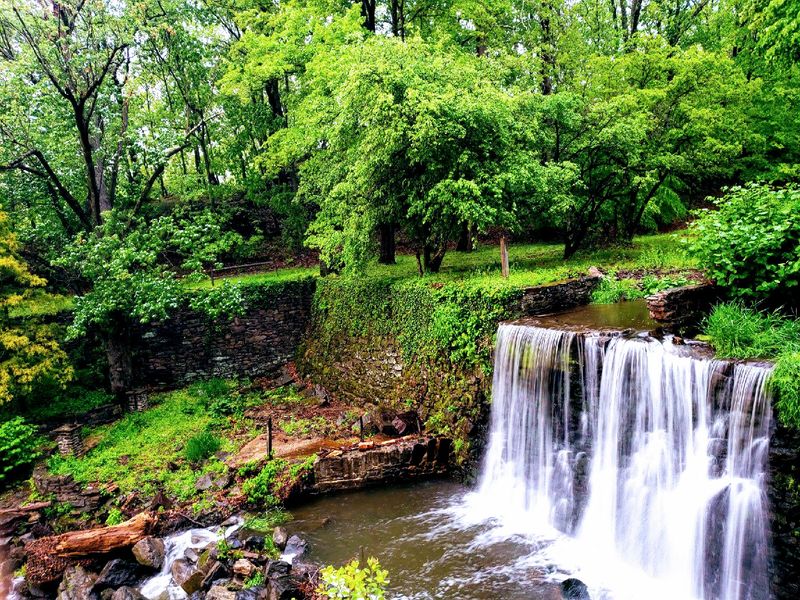
The antique-shop windows do not play fair here. One glance at a weathered sign, a midcentury chair, or a stack of old prints, and suddenly your “quick walk” through town has turned into a full-blown treasure hunt.
Lambertville has long been one of New Jersey’s most beloved river towns because it manages to feel polished and delightfully odd at the same time. Its brick storefronts, galleries, vintage shops, and tucked-away cafes give it the look of a classic weekend escape, but there is real personality under the pretty surface.
This is a town where you can browse serious antiques, pick up something small and handmade, then wander toward the D&R Canal towpath when your wallet needs a break. The Delaware River is always close, and the walkability is part of the appeal: park once, then let the day unfold on foot.
If you like your Americana with an artsy edge, Lambertville delivers. It has historic homes, river-town grit, creative storefronts, and just enough sophistication to keep dinner interesting.
Come during a festival weekend and the streets feel packed with music, makers, and food stands; come on a quieter day and the charm is easier to notice in the details, from porch railings to old painted signs.
2. Frenchtown
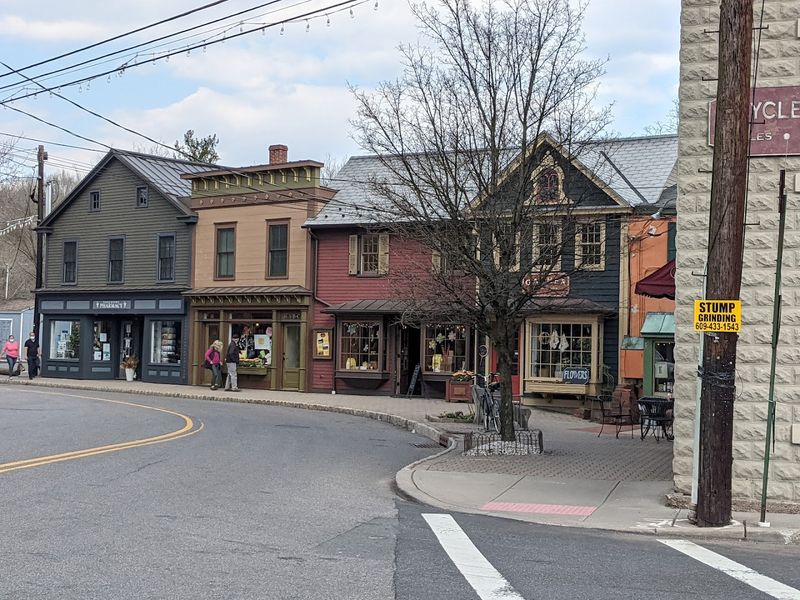
Crossing into Frenchtown feels like entering a town that has no interest in rushing you. The bridge, the river, the compact downtown, and the old storefronts all seem to conspire against overplanning.
This is the place to bring someone who says they “just want to walk around” and actually means it. Frenchtown’s creative energy shows up in its galleries, independent shops, bookstore, cafes, and arts programming, but it never feels like a town trying to brand itself into cuteness.
It feels lived in, a little quirky, and deeply comfortable in its own skin. Start with coffee, wander into the bookshop, browse a few small stores, and leave time for the riverfront because the Delaware is not background scenery here.
It is the town’s quiet co-star. Food-wise, Frenchtown is best approached casually: grab a sandwich, settle into a cafe, or make lunch the excuse for staying longer than planned.
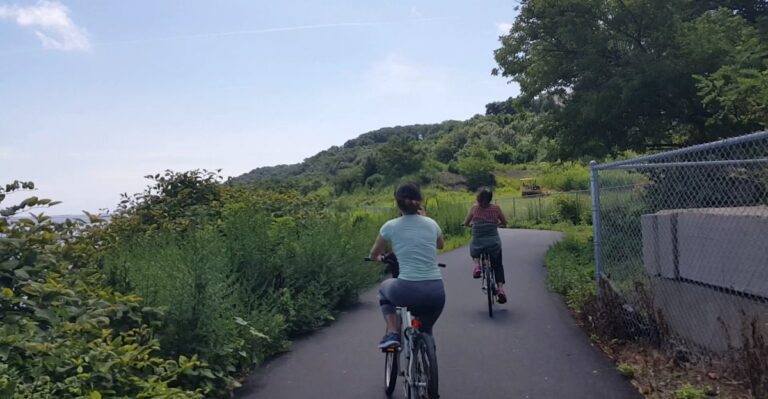
Cyclists often roll through thanks to the nearby towpath and river roads, while day-trippers drift between storefronts at a much slower speed. Frenchtown’s charm is not loud or shiny.
It is the kind that sneaks up on you halfway through the afternoon, when you realize you have done almost nothing and enjoyed every minute of it.
3. Stockton
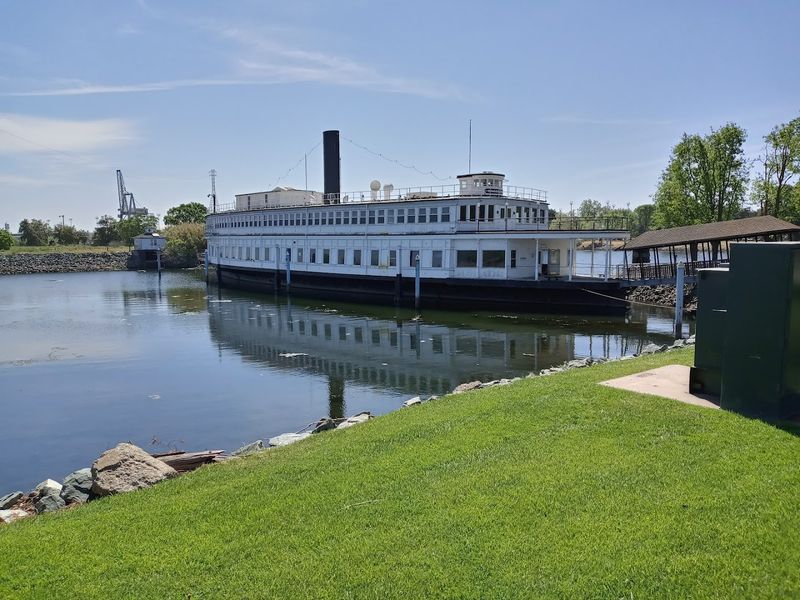
A fresh loaf, a strong coffee, and a walk near an old mill can make Stockton feel like the most sensible stop on the river. It is smaller and quieter than Lambertville, which is exactly why it belongs on this list.
Stockton is the kind of town that rewards people who do not need a packed itinerary to feel like they have had a good day. The market is a natural starting point, especially if you like local produce, baked goods, prepared foods, and the pleasant chaos of deciding whether it is too early to buy dessert.
From there, the town’s history comes into view at Prallsville Mills, a preserved mill complex that gives Stockton its old-industry backbone. Those buildings remind you that these river towns were working places long before they became weekend escapes, and that history gives Stockton more texture than a simple pretty stop.
The canal and river add the easy outdoor rhythm: walk, bike, take photos, or simply stretch your legs between meals. Stockton is not trying to overwhelm visitors with options.
Its appeal is quieter and more grounded. It is a place for people who appreciate a slower stop between bigger-name towns, where the best souvenir might be bread, jam, a few photographs, and the smug little satisfaction of finding the calmest corner of the day.
4. Milford
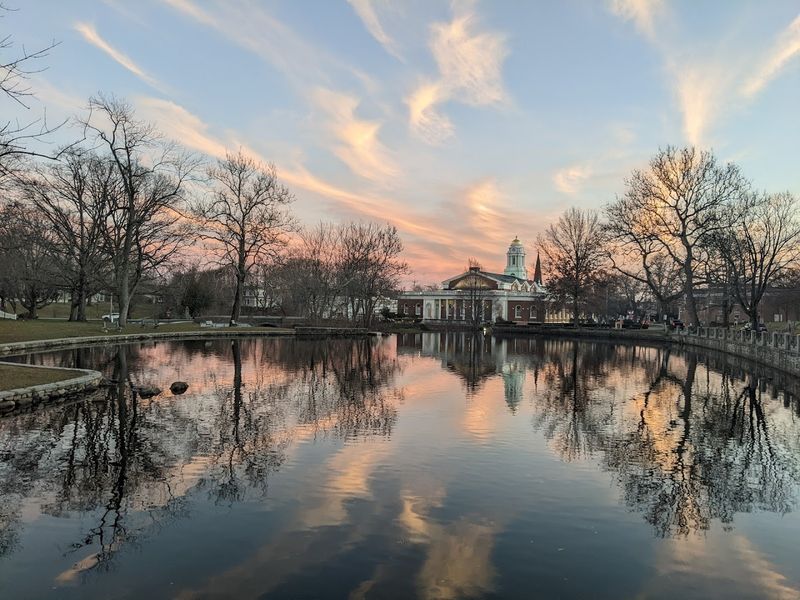
There is a small-town pride in Milford that feels instantly recognizable: the kind built out of parades, local businesses, river views, seasonal events, and neighbors who actually seem to know what is happening on Main Street.
Milford sits along the Delaware with a slightly more low-key personality than some of the better-known river towns, but that is part of its draw.
It feels like a real place first and a day-trip destination second. The Americana here is wonderfully unfussy.
Think historic buildings, community festivals, a walkable core, and enough river scenery to remind you why you drove west in the first place. It is a good town for a relaxed lunch, a beer, a stroll, and a little poking around without needing to chase a checklist.
The local pub and brewery scene gives Milford a hearty gathering-place feel, especially if you like an old building with character and a meal that does not require decoding. Outdoor-minded visitors can pair the town with nearby river roads, overlooks, or scenic drives through Hunterdon County.
Milford’s charm is not dressed up for a brochure. It is neighborly, practical, and a little nostalgic in the best way, the kind of place where the day feels better if you stop trying to optimize it.
5. Titusville
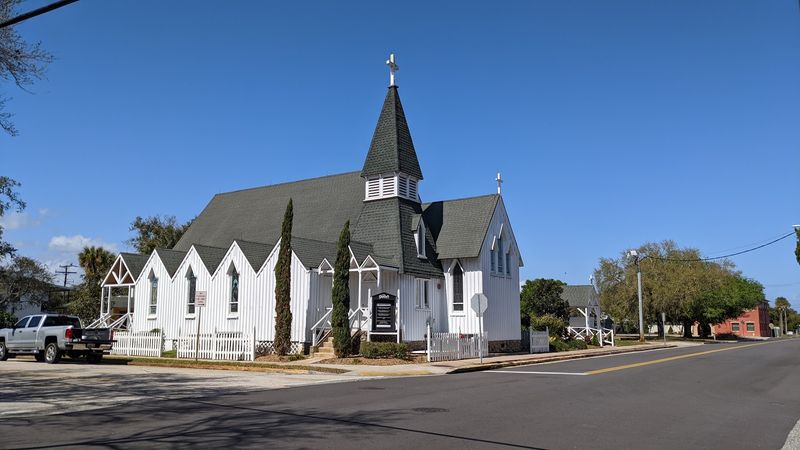
The story of Titusville begins with cold water, bad odds, and one of the boldest nights in American history. This is the New Jersey side of Washington Crossing, where the Delaware River is not just pretty scenery but part of the Revolutionary War story that shaped the country.
That gives Titusville a different flavor from the shopping-and-gallery towns upriver. It is quieter, greener, and more rooted in the outdoors.
Washington Crossing State Park is the essential stop, whether you are interested in history, walking trails, river views, or simply standing near the water and trying to imagine the crossing on a freezing December night.
The area also connects easily with the D&R Canal towpath, which makes it a strong choice for biking, walking, jogging, or turning a history-minded visit into a fresh-air afternoon.
Titusville is not the place for a packed downtown crawl, and that is exactly why it works. Its Americana spirit comes from parkland, old roads, historic markers, canal paths, and the sense that the past is still physically present in the landscape.
Add a meal nearby and you have a simple, satisfying outing: a little history, a little river air, and a reminder that not every great New Jersey getaway needs boutiques on every block.
6. Bordentown
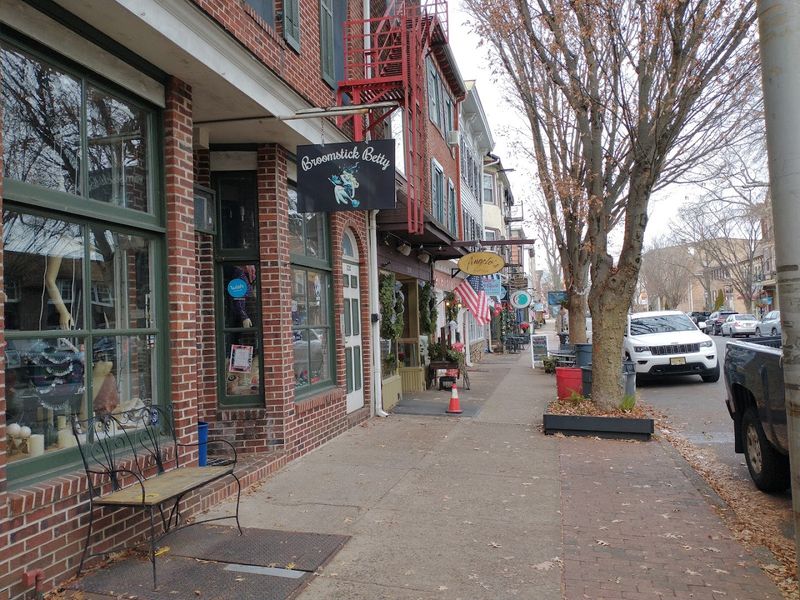
By the time you get to Bordentown, the river-town mood has picked up more downtown energy. Farnsworth Avenue gives the city its lively spine, with restaurants, shops, historic facades, and enough foot traffic to make an afternoon feel pleasantly full without tipping into hectic.
Bordentown has an older, layered character that separates it from the smaller villages along the Delaware. You can feel the history in the architecture, the street grid, and the sense that this has always been a crossroads kind of place.
It is a great town for visitors who want charm, but also want dinner reservations, cocktails, pizza, boutiques, and a proper wander after dark. The historic district gives you plenty to look at between stops, from old homes to storefronts that feel built for slow browsing.
Food is a major reason to linger, whether you are after Italian, pub fare, coffee, or something casual before heading home. Bordentown also works well as the final stop on a river-town day because it has a little more bustle than some of its neighbors.
It still has Americana spirit, but with sharper elbows: more city, more dining, more evening buzz. After a day of canals, bridges, mills, and river roads, Bordentown gives the trip a satisfying last chapter.
Share this story