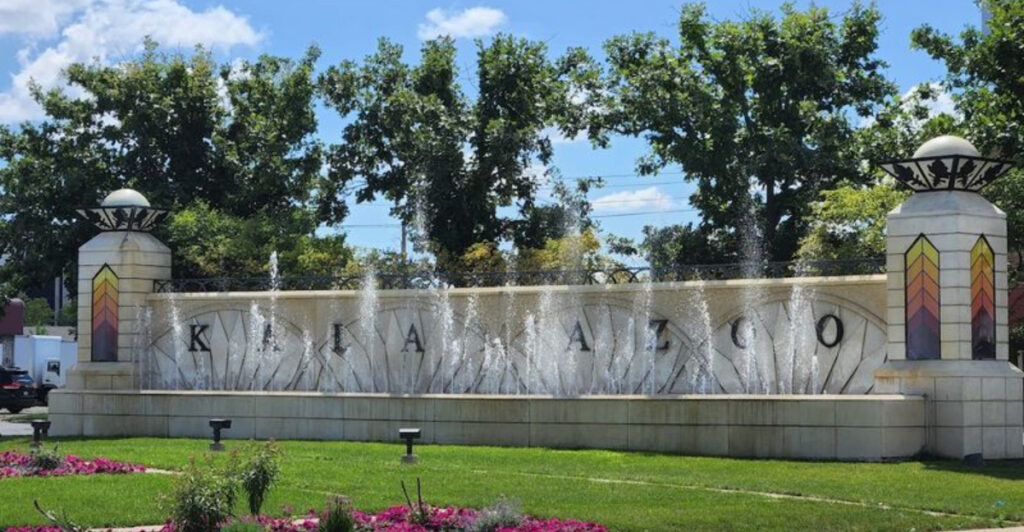
Downtown Kalamazoo has plenty of places that display creativity, but this address helps organize where that energy goes next. The Arts Council of Greater Kalamazoo operates less like a quiet office and more like a civic switchboard for exhibitions, artist support, and public-facing cultural momentum.
If you want to understand how the city turns local talent into visible community life, this is the place to start. Its role is subtle from the sidewalk, but the influence spreads far beyond one doorway on the Kalamazoo Mall.
A Downtown Address With Outsized Reach
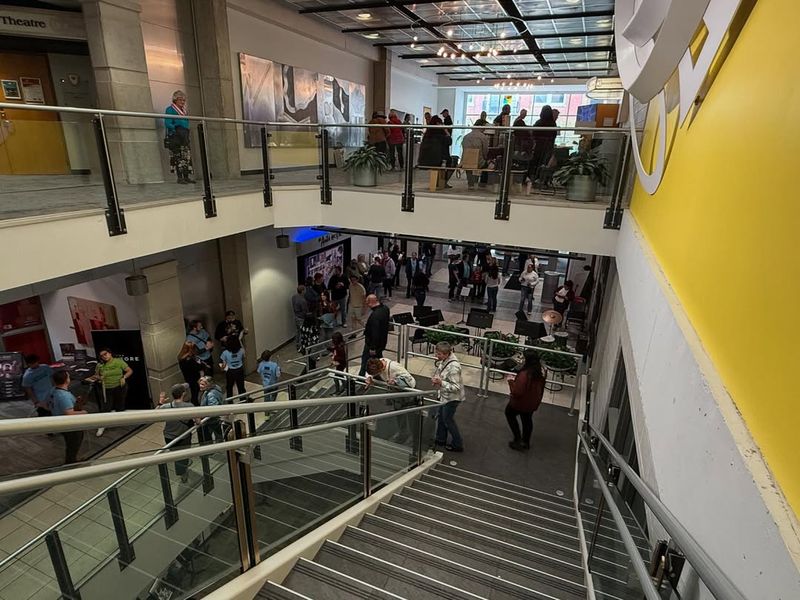
Downtown culture feels most convincing when it shares space with ordinary city life. At this address, art does not sit apart on a distant campus or behind a formal entrance.
It occupies a busy stretch of South Kalamazoo Mall, surrounded by restaurants, offices, storefronts, and the steady pedestrian movement that carries people through the center of the city.
The Arts Council of Greater Kalamazoo operates from Suite 203 inside the Epic Center at 359 South Kalamazoo Mall. That setting matters because the Epic Center already functions as a gathering point for several cultural organizations and performance spaces.
The council is therefore positioned inside the network it serves rather than observing Kalamazoo’s arts community from a distance.
The physical office is not arranged as a conventional museum with a permanent collection and a prescribed route. Its purpose is more active and outward-facing.
Staff maintain cultural listings, share artist opportunities, administer funding programs, and coordinate initiatives that send people toward exhibitions, performances, workshops, and public events across the region. The Westin Gallery, located within the Epic Center, also gives visual artists a place to appear during programs such as Art Hop.
That makes the address useful as an orientation point. Visitors can begin here, understand what is happening nearby, and then follow the city’s creative activity outward into other venues.
The experience is less about standing before one defining object and more about seeing how separate cultural pieces relate.
In a downtown full of visible attractions, the council’s reach is easy to underestimate. Its strongest work often happens beyond the office itself, but the South Kalamazoo Mall location gives that work a recognizable center.
It places planning, artist support, and public discovery within the same walkable district where much of Kalamazoo’s cultural life becomes visible.
Why This Kalamazoo, Michigan Hub Matters to Working Artists
Finished exhibitions may receive the applause, but working artists usually need support long before opening night. They need information, funding, deadlines, application guidance, professional connections, and places willing to take their ideas seriously.
The Arts Council of Greater Kalamazoo matters because it addresses that less visible stage of creative work.
Founded in 1966, the organization has spent decades building practical routes between artists and opportunity. Its current grant system includes five programs open, depending on eligibility, to individual artists, arts organizations, and nonprofit groups.
Those funds can support public projects, organizational work, immediate needs, or professional development rather than limiting assistance to one art form or one type of career.
The application process is supported by workshops designed for both first-time and experienced grant seekers. Sessions cover subjects such as choosing the appropriate program, shaping a clear proposal, building a workable budget, and responding effectively to application questions.
That guidance matters because a strong artistic idea can lose momentum when the administrative side feels unfamiliar or unnecessarily intimidating.
The council also gives artists ways to become easier to find. Event listings, calls for participation, membership resources, exhibitions, and community programs can move someone’s work beyond a private studio or personal social feed.
Art Hop adds a public route, but the deeper value lies in helping artists build continuity rather than depending on one successful evening.
For visitors, this work may not create an immediate spectacle. For local creatives, however, it can determine whether a project remains an idea or reaches an audience.
The council’s importance comes from treating artistic practice as real civic labor, complete with financial needs, professional development, and long-term relationships. In that sense, the organization supports not only individual careers but the conditions required for Kalamazoo’s creative community to keep producing new work.
Art Hop Energy and the City’s Shared Creative Pulse
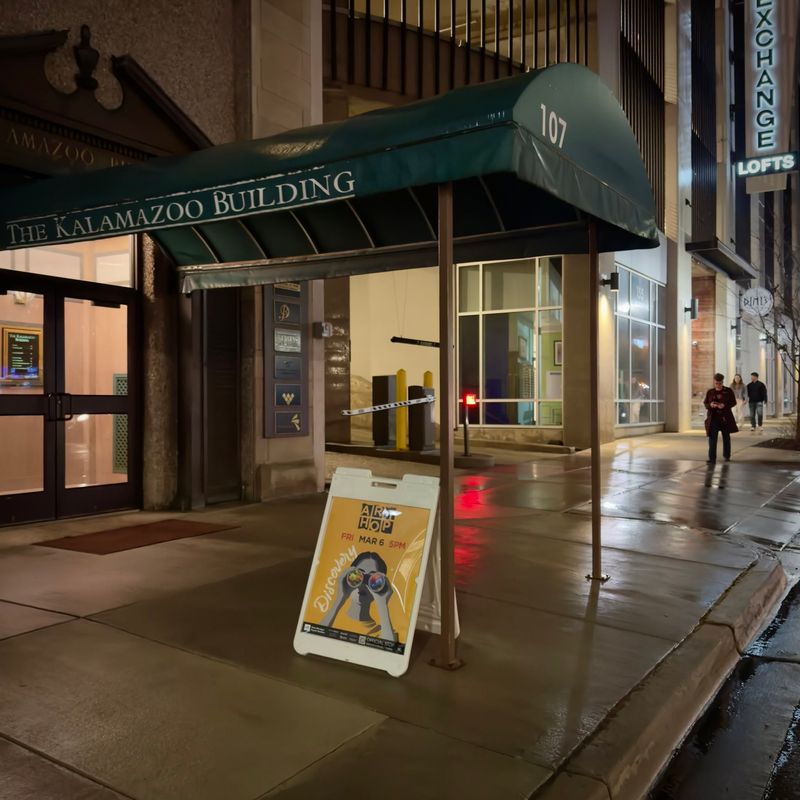
One evening can reveal how differently a city behaves when art becomes part of the route rather than the final destination. Art Hop sends people through Kalamazoo with a map, a loose plan, and permission to keep changing direction.
Instead of concentrating attention inside one gallery, the program links artists, businesses, cultural organizations, and public-facing spaces into a temporary circuit.
The format rewards curiosity. Visitors can move between visual art, live music, performance, installations, and group exhibitions, often entering places they might overlook during an ordinary week.
A storefront can become a gallery stop, an atrium can hold several artists at once, and a familiar cultural venue can introduce work that changes the tone of the entire evening.
The council’s mobile Art Hop guide gives the event useful structure without making it rigid. It provides participating locations, artist details, a map, and walking directions, allowing people to build a route around their interests and available time.
Admission is free, and artists, organizations, and businesses can participate without a registration cost. That combination lowers barriers on both sides of the exchange.
Kalamazoo’s scale suits the model particularly well. Downtown blocks are close enough to encourage walking, yet the participating network can reach into additional neighborhoods and venues.
Dinner plans, sidewalk conversations, performances, and gallery visits begin overlapping until the event feels less like a formal cultural obligation and more like a citywide social rhythm.
Its importance lasts beyond one Friday night. Recurring Art Hops teach audiences to look for local work, enter unfamiliar spaces, and return to artists they discover along the way.
The program rehearses the habits that sustain Kalamazoo’s creative life. By keeping people in motion, it turns separate venues into a shared experience and gives the city’s arts community a pulse the public can follow.
Inside the Civic Work Behind the Color
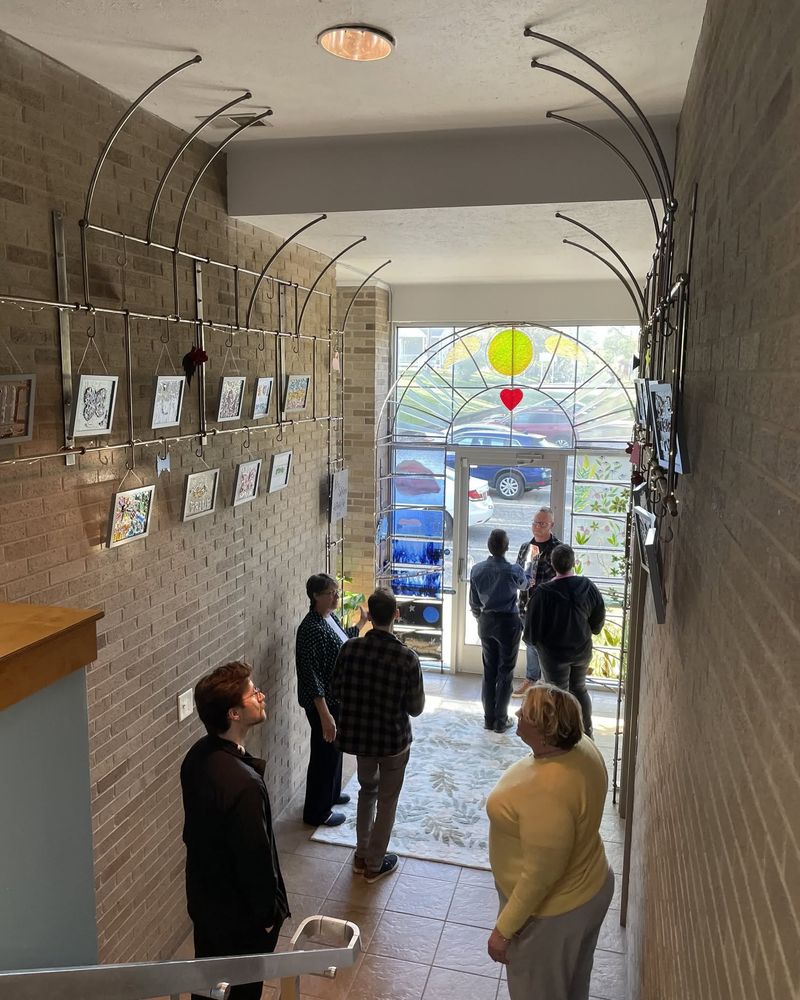
Behind every polished program sits a collection of decisions that rarely reach the event photographs. Budgets need review, schedules have to align, partnerships require communication, and artists need accurate answers before anything can open to the public.
The Arts Council of Greater Kalamazoo represents that backstage machinery in civic form.
Its work is guided by values that emphasize connection, collaboration, expression, and stewardship. Those ideas sound broad until they are translated into daily responsibilities: administering grants fairly, maintaining useful public information, responding to applicants, coordinating partners, promoting events, and making limited resources stretch across a varied regional arts community.
The result depends as much on consistency as inspiration.
This is where the council separates itself from a simple venue. A venue can focus on what happens inside its own walls, while an arts council has to consider how opportunities circulate across organizations, disciplines, and audiences.
It may help a first-time applicant understand a budget one day, promote a community performance the next, and then coordinate details for a multi-venue public program.
That work also carries a responsibility to think beyond the most established names. Decisions about access, communication, application support, and public visibility influence who feels invited to participate and whose work becomes easier to encounter.
Administrative choices can shape a cultural landscape just as surely as programming choices, even when the public never sees the meeting notes or evaluation process.
There is no need to romanticize paperwork to recognize its importance. Art scenes require talent, but they also require institutions capable of turning ideas into timelines, funding, partnerships, and repeatable public experiences.
The council’s office is where that translation happens. Its quiet labor gives Kalamazoo’s brighter cultural moments a dependable framework, helping exhibitions, classes, performances, and artist opportunities arrive with more continuity than chance alone could provide.
The Local Connection That Gives the City Texture
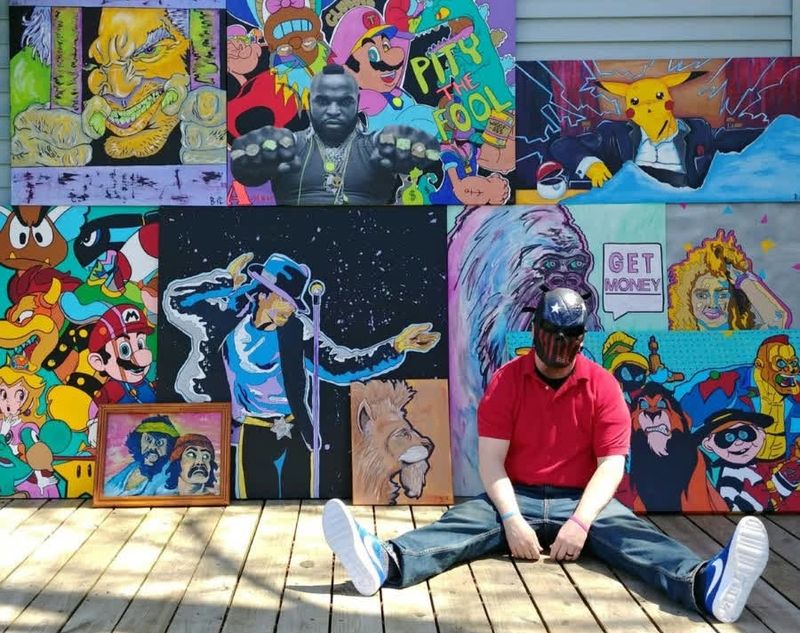
Creativity in Kalamazoo rarely arrives as one monumental statement. It gathers through accumulation: a studio opening, a neighborhood performance, a class, a market, a gallery conversation, or an artist showing work in a business that normally serves another purpose.
Together, those smaller encounters give the city cultural texture.
The Arts Council of Greater Kalamazoo helps people see that accumulation as a connected landscape. Its regional events platform gathers listings for exhibitions, concerts, workshops, lectures, family programs, and other activities that might otherwise remain scattered online.
For audiences, that makes discovery easier. For presenters, it creates another route toward people who are already looking for something to attend.
This function is different from producing every event directly. The council does not need to own each stage or gallery to strengthen the wider scene.
By making information easier to find and encouraging collaboration among artists, organizations, and businesses, it helps independent activity gain a shared public presence without erasing what makes each venue distinct.
That approach fits Kalamazoo’s character. Creative life here often overlaps with food, shopping, education, nightlife, and neighborhood movement rather than existing inside one formal district.
A person may encounter art while completing another errand, then return later for a performance or workshop discovered through the same network. Participation grows through familiarity instead of ceremony.
The council’s vision explicitly connects arts and culture with the region’s commercial, educational, and creative economies. On the ground, that means treating creativity as part of how the city works, not simply how it decorates itself.
The local connection is strongest when artists, venues, and audiences recognize one another across repeated encounters. By keeping those lines visible, the council helps Kalamazoo feel less like a collection of isolated cultural stops and more like a city where creative activity belongs to the everyday fabric.
How to Time Your Visit for the Smartest Stop
A weekday visit makes the most practical sense because this is a working arts office rather than a conventional weekend attraction. The Arts Council of Greater Kalamazoo lists public hours from 9 a.m. to 6 p.m.
Tuesday through Friday, and virtual meetings are also available. Checking the official website before arriving remains wise.
The schedule should shape expectations. This is not a museum-style destination where visitors wander through several floors of permanent displays.
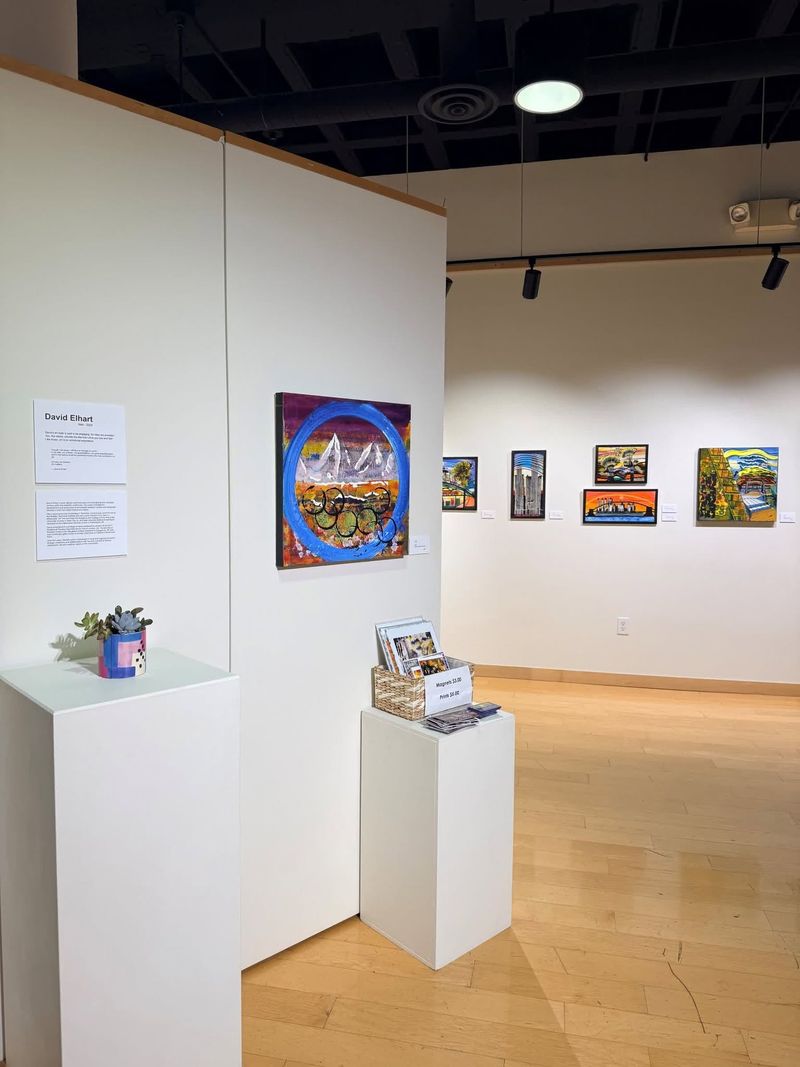
A stop is more useful when you arrive looking for current event information, artist resources, grant guidance, or a clearer understanding of what is happening across Kalamazoo’s cultural calendar. The Westin Gallery or other Epic Center spaces may add something visual, but programming can vary.
Midday is an easy window for combining the visit with the surrounding district. The office sits at 359 South Kalamazoo Mall, within walking distance of restaurants, shops, galleries, performance venues, and other downtown stops.
The area feels connected to city life without requiring evening-event timing.
It also helps to separate an office visit from an Art Hop experience. During Art Hop, the Epic Center can become one of several active locations, with artists and audiences moving through galleries, atriums, and nearby venues.
Regular business hours reveal a different side of the same organization: staff work, planning, artist assistance, and the ongoing coordination behind future programs.
The smartest approach is to treat the council as a launch point rather than a self-contained finale. Stop in while the office is open, gather information, and then follow the leads outward.
A listing may send you toward a performance, an exhibition, a workshop, or a neighborhood venue you had not considered. The value of the visit often appears in what it helps you discover next.
More Than an Office, Less Than a Monument, Exactly What a City Needs
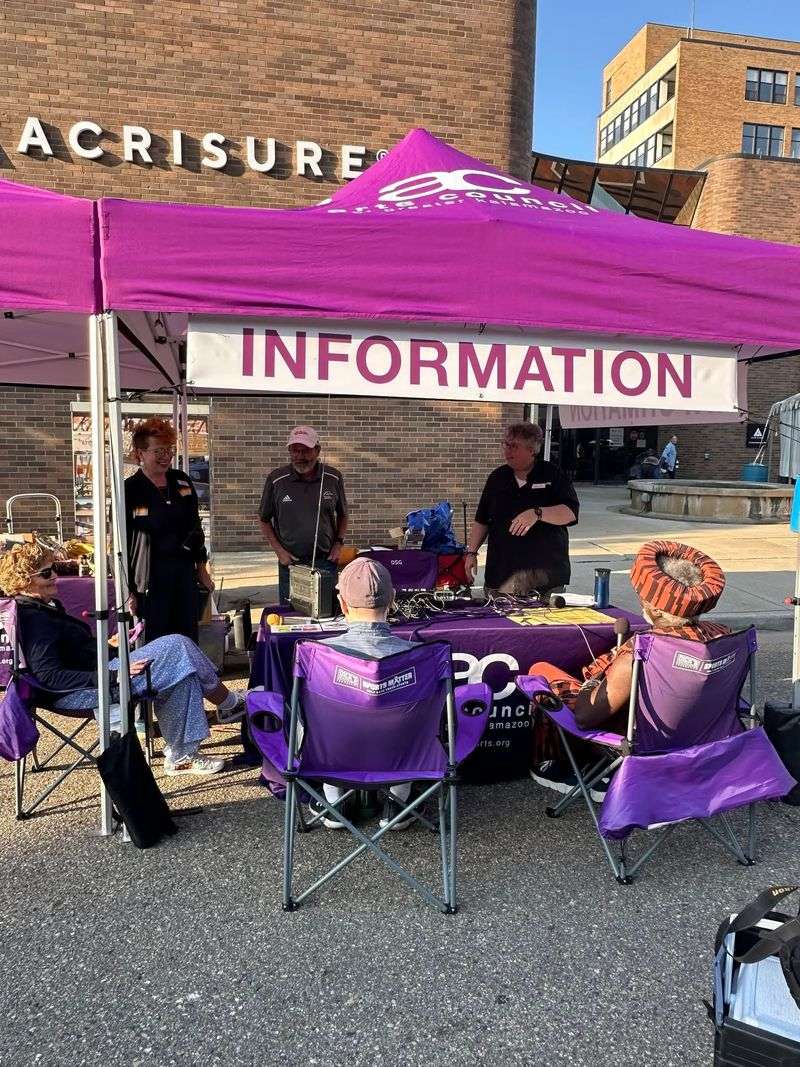
Not every meaningful cultural stop delivers a dramatic reveal. Some places become interesting once you understand the network moving through them.
Its office is modest, but the organization’s influence travels through funding, information, partnerships, artist development, and public programs.
That makes the address most compelling for visitors who enjoy understanding how a city produces culture rather than simply consuming the finished result. The story begins before an exhibition opens or a performer steps onstage.
It begins with an artist finding an application, an organization locating support, a venue joining a public program, or an audience discovering something through the regional calendar.
Each part of the article points to a different layer of that system. The downtown location keeps the council close to the activity it supports.
Grant programs and workshops give working artists practical tools. Art Hop turns multiple venues into a shared public route.
Administrative coordination provides continuity, while the events platform helps audiences navigate a cultural scene larger than any single building.
None of those functions needs to imitate a museum to be worthwhile. In fact, the council is most distinctive when understood on its own terms.
It is an organizer, funder, promoter, and guide whose role becomes clearer as Kalamazoo’s creative connections come into view.
That is why this stop belongs in a tour of the city’s cultural side. It offers context for the brighter moments happening elsewhere and shows how local talent becomes part of public life.
By the time you return to South Kalamazoo Mall, the office may look much the same as when you arrived. The city around it, however, reads differently.
What seemed like separate events and venues begins to look like an ecosystem, and the council becomes one of the places helping that ecosystem hold together.
Share this story