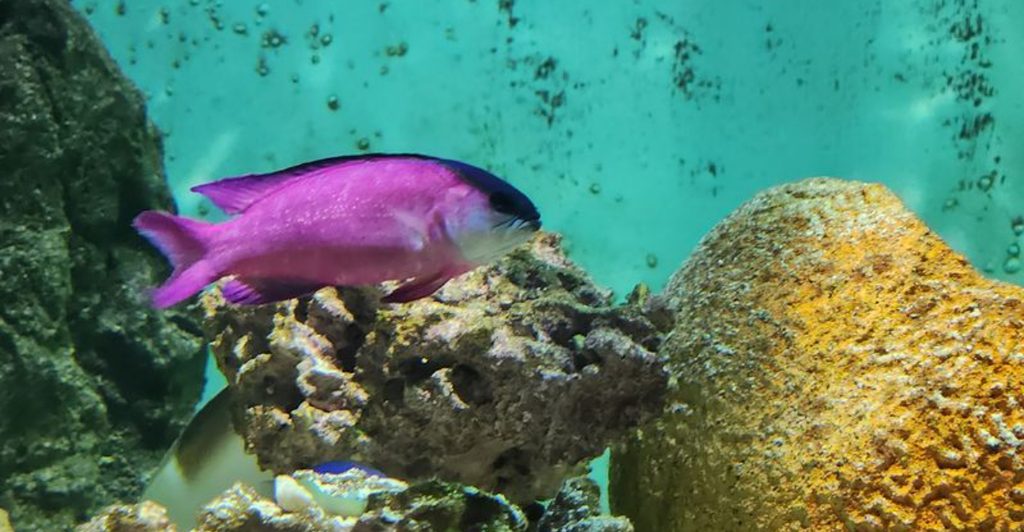
Most aquariums keep you at arm’s length from the action, but Children’s Aquarium Dallas at Fair Park flips that script entirely. Located right in the heart of Dallas, this hands-on paradise lets kids do what they’re usually told not to: touch everything. From petting silky stingrays to letting tiny doctor fish nibble their fingers, this spot turns curious kids into junior marine biologists for the day.
1. Stingray Touch Tank Experience
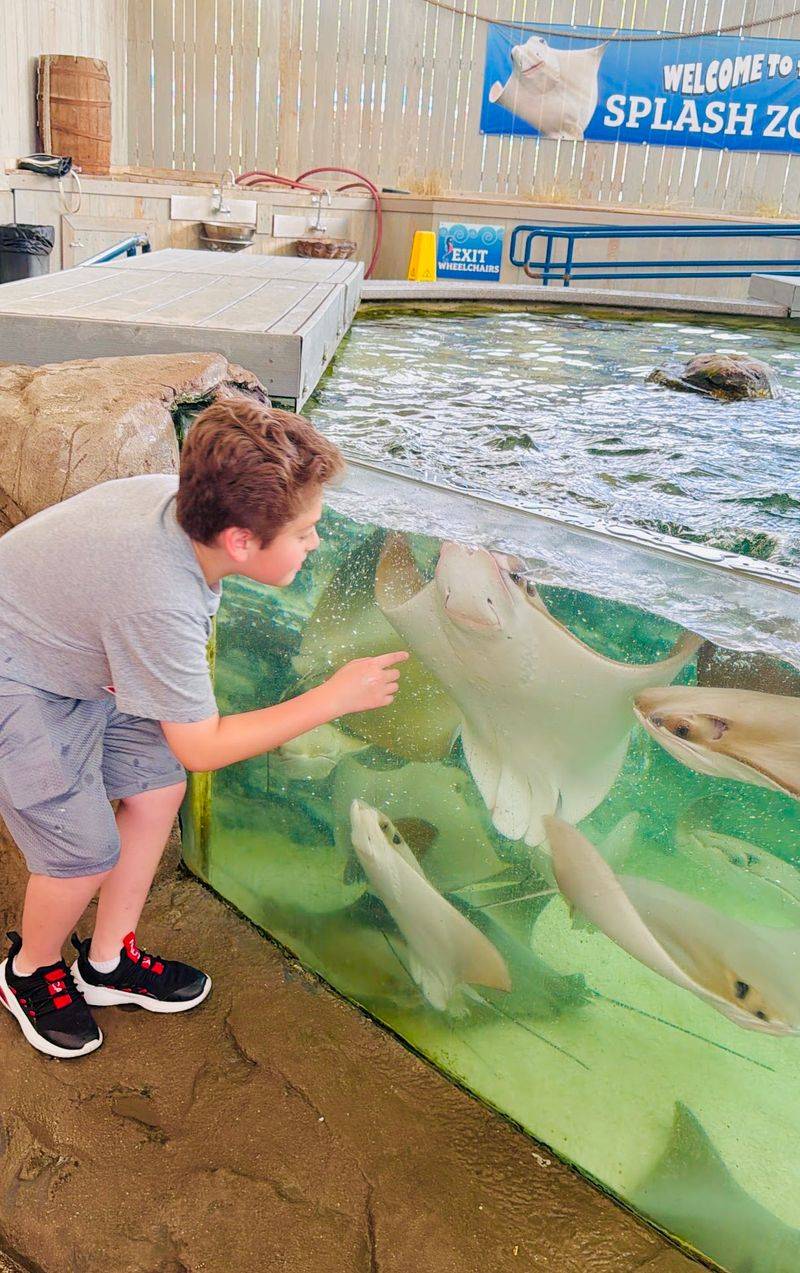
Walking up to the stingray pool feels like stepping into another world. These gentle creatures glide through shallow water, their wings rippling like silk scarves in the breeze. Kids can reach right in and feel their velvety skin, which surprises most first-timers who expect something slimy or rough.
The rays seem to enjoy the attention, swimming close to the edge and sometimes popping their heads above water looking for snacks. Staff members hang around to answer questions and share cool facts about how stingrays eat and breathe. One visitor mentioned rays literally coming above the water when you stand near the glass side.
What makes this different from other aquarium experiences is how accessible everything feels. There’s no thick barrier or “do not touch” signs here. The pool sits at perfect kid height, so even toddlers can participate without being lifted.
Parents love watching their children’s faces light up during that first touch. Many kids who start out nervous end up not wanting to leave. The staff’s patience shines through, especially when little ones need extra encouragement.
Plan to spend at least 15 minutes here because once kids get comfortable, they’ll want to pet every single ray that swims by. Bring hand sanitizer or use the washing stations nearby, though some reviews mention soap shortages on busy days. This hands-on encounter creates memories that stick around long after you’ve dried off your hands.
2. Stingray Feeding Sessions
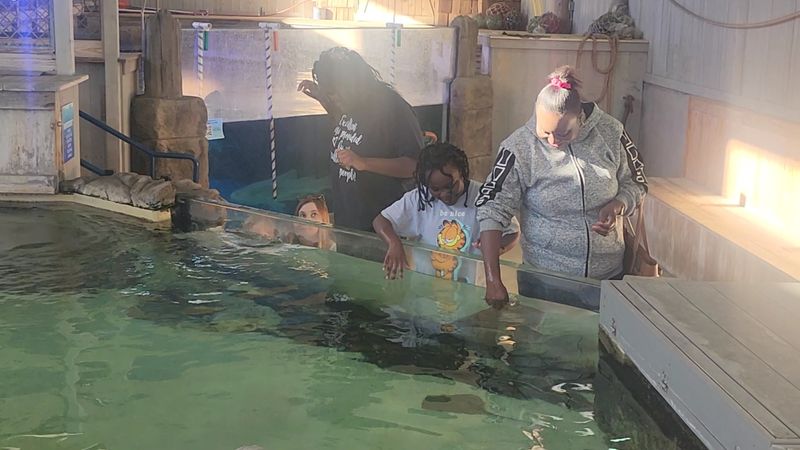
Feeding time takes the stingray experience up several notches. For five bucks, you get a small cup of fish bits that turn you into the most popular person in the room. Those smooth rays suddenly become enthusiastic dinner guests, swarming toward anyone holding food.
Watching a stingray eat is genuinely fascinating. They don’t have teeth like sharks but use crushing plates to munch their meals. Kids giggle when the rays’ mouths suction onto their fingers, creating a gentle tickling sensation that’s completely harmless.
The aquarium staff running these sessions know their stuff. They explain proper feeding techniques and make sure everyone gets a turn, even shy kids hanging back. One reviewer specifically praised an employee who answered endless questions while managing an excited crowd.
Timing matters here since feeding happens at scheduled intervals throughout the day. Arriving early means shorter lines and more one-on-one time with the rays. Weekday visits typically offer a calmer vibe compared to packed weekend crowds.
Some rays get bold, practically begging like aquatic puppies. Others play it cool, waiting patiently for their chance. Watching their different personalities emerge makes you realize these aren’t just fish swimming in circles.
This activity bridges the gap between observation and interaction perfectly. Instead of just looking at animals behind glass, kids become active participants in their care. That hands-on involvement creates deeper connections and sparks genuine interest in marine life that books alone can’t match.
3. Doctor Fish Pedicure Station
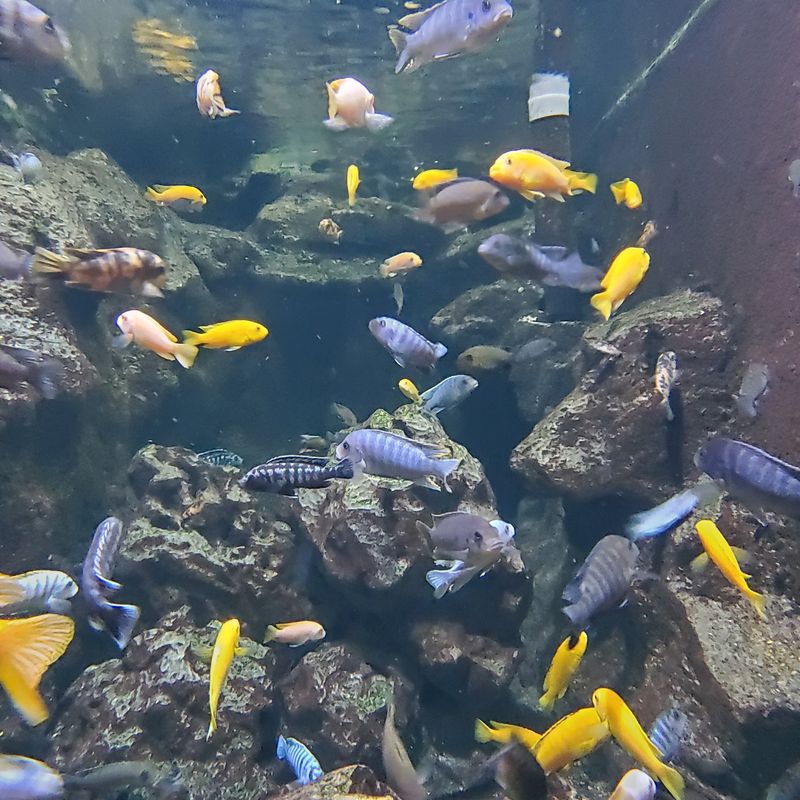
Right when you walk in, hundreds of tiny fish wait in a shallow tank for their next visitor. These doctor fish, also called Garra rufa, have an unusual dining preference: dead skin cells. Stick your hands in and they swarm like miniature vacuum cleaners.
The sensation catches everyone off guard initially. It feels like gentle static electricity or champagne bubbles popping against your skin. Some kids squeal and yank their hands out, then immediately plunge them back in for another round.
These little workers originally come from Middle Eastern river systems where they naturally feed on organic matter. Spas worldwide use them for exfoliating treatments, but here they’re purely for entertainment and education. No pedicure appointment necessary.
Parents often join in because honestly, who can resist? The fish don’t discriminate between kid hands and adult hands. They’re equal opportunity nibblers, which makes this a rare activity where everyone participates together.
Multiple reviews mention this as a highlight, particularly for younger children who might feel intimidated by larger animals. The fish are tiny and non-threatening, making them perfect confidence builders. One visitor noted their four-year-old loved this station most.
Hygiene-conscious folks will appreciate that the tank stays clean and the fish stay healthy. Unlike some tourist trap versions, this setup clearly prioritizes animal welfare. The fish look active and energetic, not stressed or overcrowded.
Budget-wise, this experience comes free with admission. No extra fees, no time limits. Kids can return multiple times throughout their visit, which many absolutely do once they get hooked on the ticklish sensation.
4. Digital Aquarium Drawing Wall
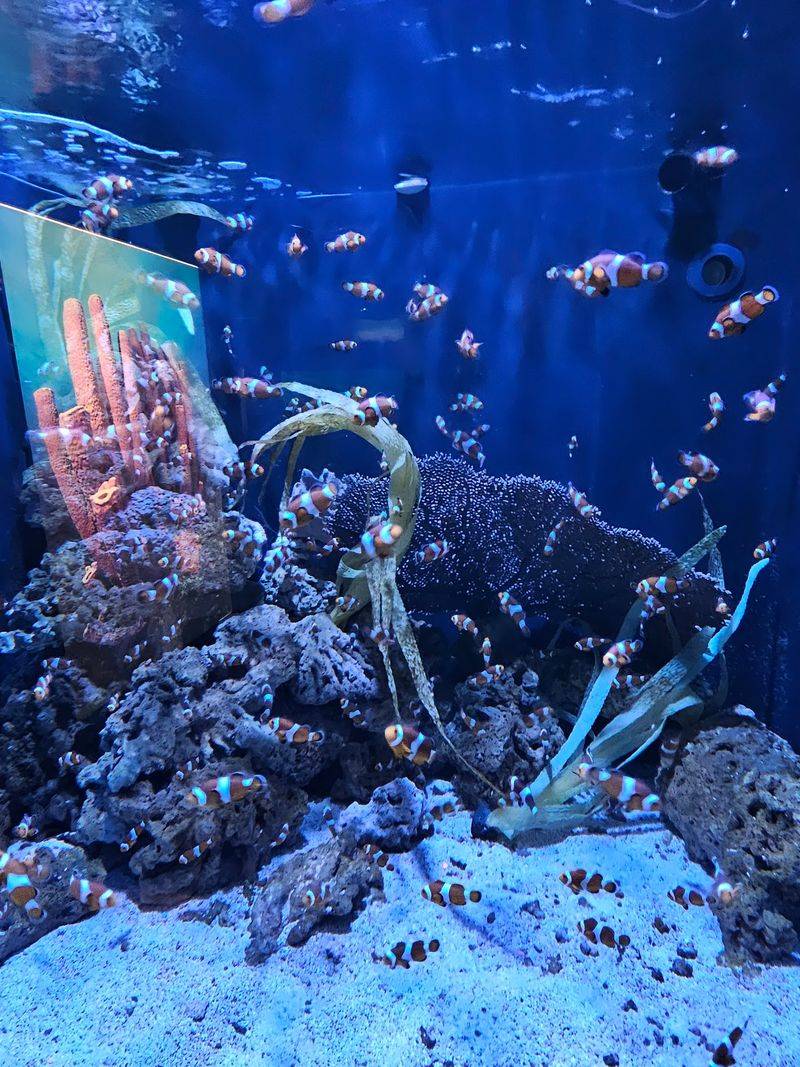
Creativity meets technology at this interactive station where kids design their own fish, then watch them come alive on a massive digital screen. Armed with crayons and fish templates, young artists color their creations however they imagine.
Once finished, staff members scan the drawings and within seconds, that exact fish appears on the wall, swimming alongside dozens of other kid-created creatures. Seeing their artwork animate and move through a virtual ocean absolutely mesmerizes children. They point excitedly, tracking their specific fish as it glides past coral and bubbles.
This activity works brilliantly for different age groups. Toddlers enjoy the simple act of coloring while older kids get strategic, choosing specific colors to make their fish stand out in the digital crowd. Some create realistic designs while others go full rainbow unicorn-fish mode.
The technology responds to movement too. Kids can walk up to the screen and interact with the swimming fish, watching them scatter or change direction. It’s like stepping inside their own artwork, which feels pretty magical even for adults watching.
Rainy days or scorching summer afternoons make this indoor activity particularly valuable. One family mentioned using it as a cool-down spot between more active exhibits. The coloring tables provide a calm, creative break from the excitement of animal encounters.
Parents appreciate the educational angle sneaking in through play. Kids learn about different fish species, ocean ecosystems, and digital animation without realizing they’re absorbing information. The drawings also make great souvenirs, with many families taking them home as free keepsakes from their visit.
5. Sea Turtle and Nurse Shark Tank
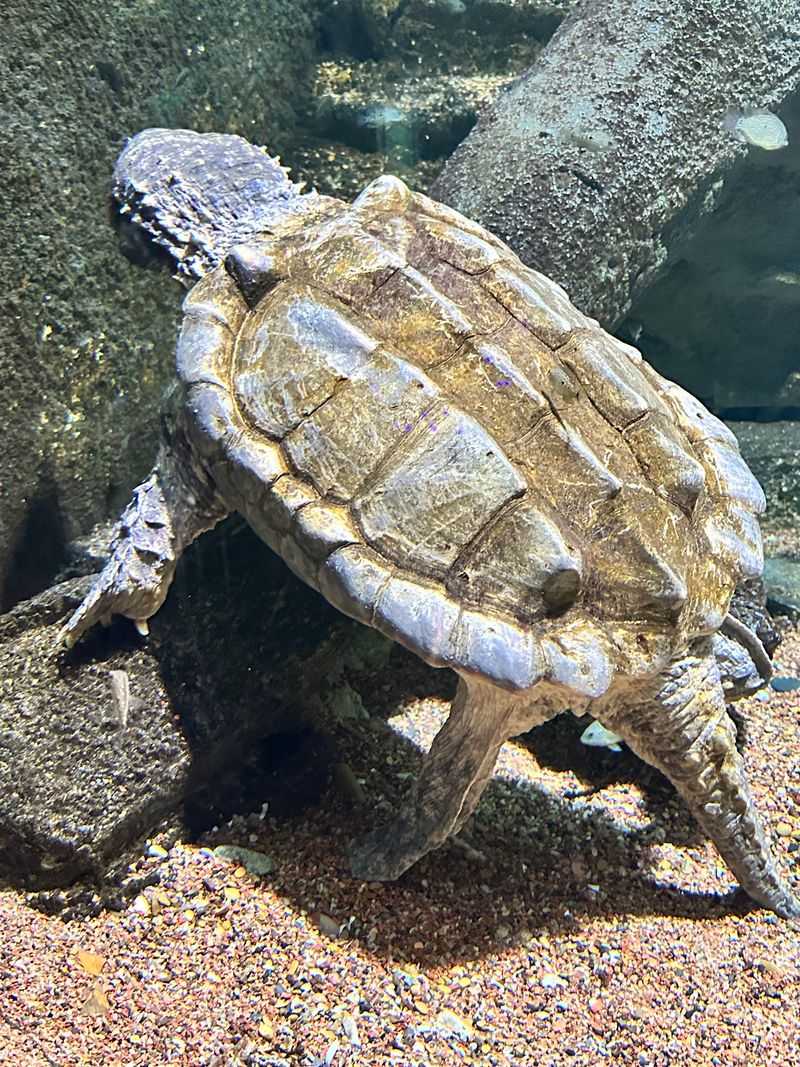
The grand finale tank sits at the back of the aquarium, housing some seriously impressive residents. A sea turtle shares space with nurse sharks and various tropical fish in what feels like a miniature ocean ecosystem. Watching these larger animals cruise through the water provides a stunning contrast to the hands-on touch tanks.
Sea turtles move with surprising grace despite their bulky shells. Kids press their faces against the glass, tracking the turtle’s slow, deliberate movements as it paddles past. The size difference between the turtle and smaller fish swimming nearby helps children grasp scale in ways photos never quite capture.
Nurse sharks look intimidating but they’re actually pretty chill characters. These bottom-dwellers rest on the tank floor, occasionally stirring to swim a lazy lap. Staff members explain that nurse sharks are harmless to humans, which usually prompts relieved sighs from nervous parents.
The tank’s size and clarity make viewing easy from multiple angles. Shorter kids can see just as well as taller adults, and the glass stays remarkably clean considering the constant stream of visitors. Lighting highlights the animals beautifully without creating harsh glare that ruins photos.
Several reviews mentioned this tank as the perfect ending to their visit. After all the hands-on activities, sitting quietly to observe these majestic creatures provides a peaceful transition. Kids who’ve been running around touching everything suddenly slow down, mesmerized by the underwater ballet.
Educational signage around the tank shares facts about conservation, habitat protection, and the specific species on display. It’s information presented at kid-friendly reading levels, making learning accessible without being preachy or boring.
6. Exotic Species Exhibits
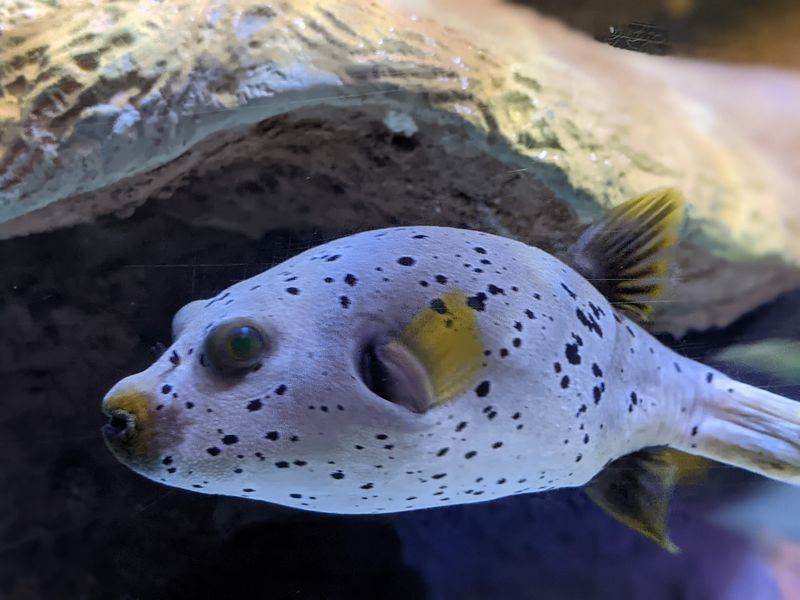
Beyond the headlining attractions, smaller tanks throughout the aquarium showcase creatures you won’t see every day. Axolotls with their frilly gills and permanent smiles look like cartoon characters come to life. Puffer fish bob around their tanks, occasionally inflating when they feel sassy.
These exhibits pack serious educational value into compact spaces. Each tank includes detailed information about where these animals live, what they eat, and why they’re special. Archer fish demonstrate their hunting technique by shooting water at targets, which absolutely floors kids watching.
The variety keeps everyone engaged as they move through the space. Just when you think you’ve seen everything, another tank reveals seahorses clinging to coral or jellyfish pulsing rhythmically through the water. One visitor specifically mentioned being amazed by things they’d never encountered at other aquariums.
Staff members rotate through these areas, ready to answer questions and share bonus facts not included on the signs. Their enthusiasm for these lesser-known species is contagious, turning casual observers into newly passionate fans of obscure marine life.
Photography enthusiasts love these smaller exhibits because the tanks sit at eye level with minimal reflective glare. Kids can get close enough for detailed observation without needing to be lifted or stand on tiptoes. The intimate scale makes the experience feel personal rather than overwhelming.
These exhibits prove that bigger isn’t always better. While massive aquariums impress with sheer size, there’s something special about getting nose-to-nose with a tiny seahorse or watching an axolotl’s feathery gills flutter. The close proximity creates connections that giant tanks sometimes miss.
7. Outdoor Water Play Tables

When Texas weather cooperates, the outdoor area offers water tables where kids can splash, pour, and experiment. These aren’t your typical backyard water toys. They’re designed with marine education in mind, featuring channels, pumps, and floating objects that teach basic water physics.
Parents love this setup because it burns energy while sneaking in STEM concepts. Kids manipulate water flow, create currents, and watch how different objects behave in water. They’re learning about buoyancy and fluid dynamics without realizing it’s educational.
The outdoor space provides crucial breathing room, especially for families with multiple children at different energy levels. While one kid studies seahorses inside, another can run around outside getting wiggles out. This flexibility makes the aquarium work for diverse family dynamics.
Seasonal timing affects availability since scorching summer days or cold winter mornings make outdoor play less appealing. Spring and fall offer the sweet spot when temperatures hover comfortably and the water tables become major attractions. One review mentioned hoping to catch them during better weather on a return visit.
Smart parents pack extra clothes or at least towels because kids will get wet. There’s no halfway participation at water tables. Within minutes, sleeves get soaked and shoes fill with water as enthusiastic scientists conduct their experiments.
The outdoor area also includes seating where adults can supervise while taking a breather. After walking through indoor exhibits, fresh air and sunshine feel particularly refreshing. It’s a thoughtful design choice that acknowledges parents need breaks too.
This space transforms the aquarium from purely educational into a full sensory experience. Kids engage their whole bodies, not just their eyes, creating layered memories that involve movement, temperature, and tactile exploration alongside visual learning.
8. Friendly and Knowledgeable Staff
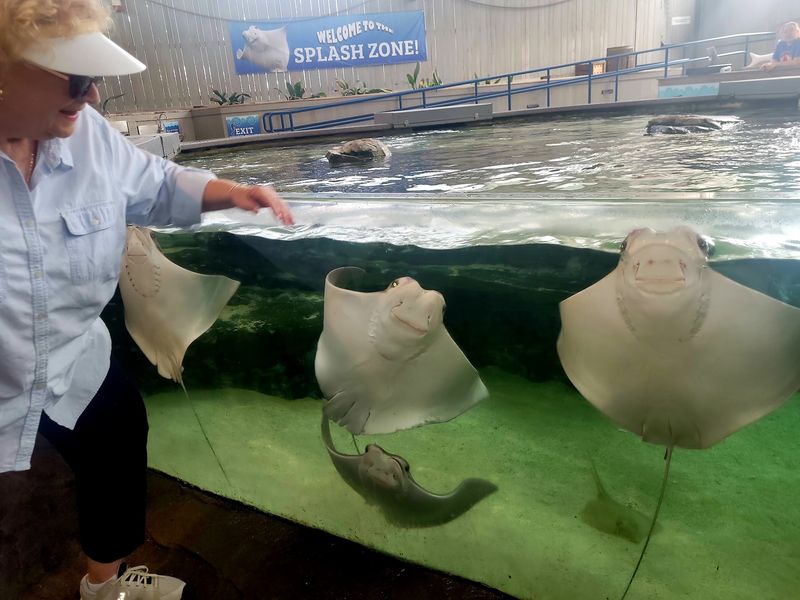
Reviews consistently highlight staff as a standout feature, which speaks volumes about the aquarium’s culture. These aren’t bored teenagers counting minutes until their shift ends. They’re genuinely excited about marine life and equally enthusiastic about sharing that passion with visitors.
Staff members scattered throughout the facility answer questions, offer interesting facts, and help nervous kids work up courage to touch their first stingray. One family specifically mentioned an employee’s saint-like patience with their enthusiastic two-year-old during a lizard encounter at a birthday party. Another praised the handler who made their daughter feel special by letting her volunteer as an assistant.
Customer service extends beyond just being nice. These folks actively enhance the experience through their knowledge and engagement. They remember regular visitors, accommodate special needs, and go out of their way to make each child feel important.
Multiple reviews mention every single staff member standing out for exceptional service.
The educational component shines through staff interactions. They don’t just supervise; they teach. Kids leave knowing more about marine ecosystems, animal behavior, and conservation than when they arrived.
That knowledge comes wrapped in fun, making it stick better than any textbook lesson.
Front desk personnel also earn praise for handling logistics smoothly and adding personal touches that make families feel welcomed. One parent gave special thanks to staff who made their baby’s visit extra special, showing that good service isn’t reserved for older kids.
This human element separates decent aquariums from exceptional ones. Beautiful exhibits matter, but passionate staff who care about visitors and animals create the magic that brings families back repeatedly. When your toddler’s weekly highlight involves visiting the same aquarium, you know something special is happening.
Share this story