Michigan’s past is not just tucked away in textbooks here. It shows up in glaciers, copper mines, Indigenous stories, lumber camps, factory floors, classic cars, and the everyday choices that shaped the state into what it is now.
On West Kalamazoo Street in Lansing, the Michigan History Center brings those chapters together across multiple floors of exhibits that feel broad, approachable, and surprisingly easy to get lost in. Longtime Michiganders, new residents, students, and curious travelers all have a good chance of leaving with at least one “I didn’t know that” moment.
With a 4.7-star rating and free admission on Sundays, this capital-city museum makes Michigan history feel far more alive than expected.
A Building That Sets the Tone Before You Step Inside
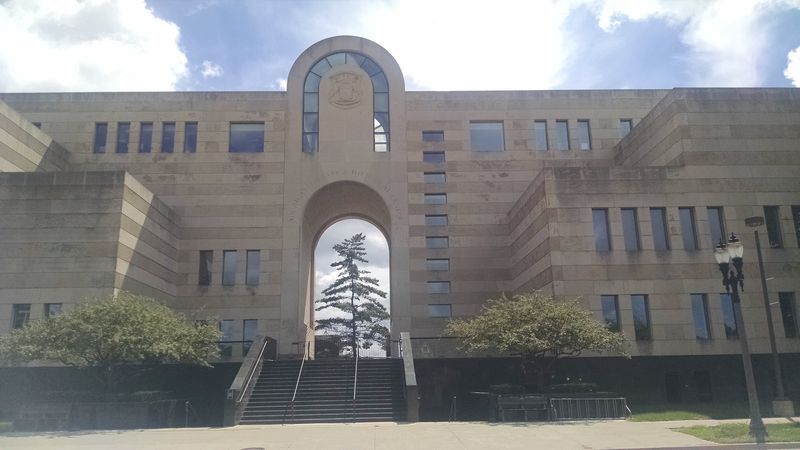
The first clue that this place is worth your time comes before you even reach the door. A row of trees lines the path to the entrance, and depending on the season, they give off a noticeably pleasant scent that immediately slows your pace.
It’s a small detail, but it signals that the experience ahead has been thought through carefully.
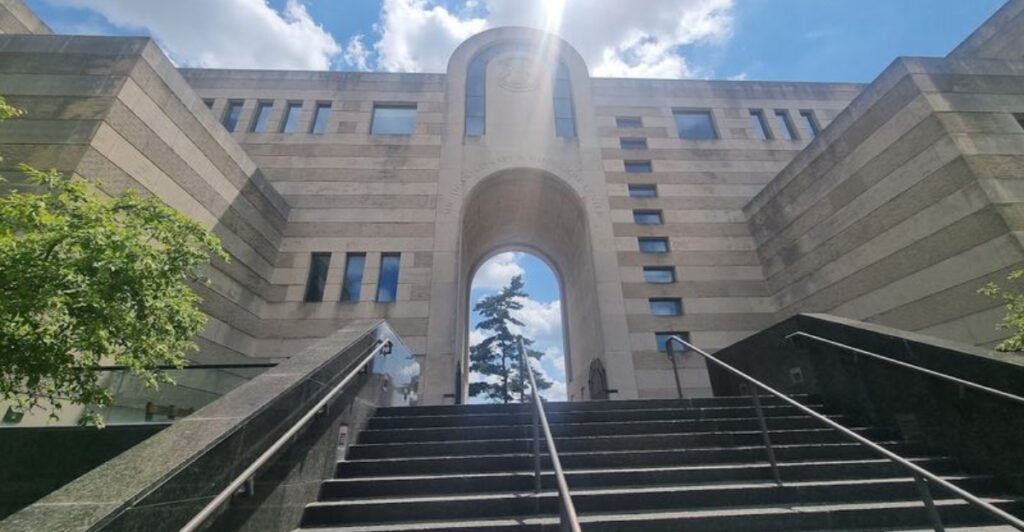
The building’s entrance sits slightly below street level, which catches plenty of first-time visitors off guard. Rather than climbing the stairs that look like the obvious way in, you head downstairs to the ground-level visitor entrance.
It’s an unusual layout, but once you’re inside, the scale of the space makes total sense. The building is massive, and that lower entry point opens up directly into the exhibit areas without any wasted space.
Parking is easy to figure out, too. A large lot sits just south of the building, and two-hour free parking is available near the Allegan and Butler intersection.
That removes one of the usual stresses of visiting a city museum, especially if you’re coming from outside Lansing. You can focus on the visit rather than scrambling for a spot.
Staff greet visitors right at the entrance, ready to help with directions and general questions. The layout of the museum doesn’t force a rigid route, so you can explore floors in whatever order appeals to you.
That flexibility makes a real difference, especially for families with kids who have different interests pulling them in different directions. The building sets up the visit to succeed from the very first moment you arrive, practically and atmospherically.
Five Floors of Michigan’s Story, Told Without Rushing You
Most history museums give you a handful of rooms and call it a day. The Michigan History Center takes a different approach entirely.
Five levels of exhibits stretch through the building, covering everything from the last ice age to the present, and the layout is designed so there’s no wrong way to move through it. You’re not funneled down a single corridor.
You wander, backtrack, and stumble into things you weren’t expecting.
The museum’s depth is genuinely impressive. Detailed reading panels line the walls throughout, written with enough substance to satisfy curious adults while remaining clear enough for younger visitors to follow.
Videos play in dedicated spaces, adding motion and voice to stories that might otherwise feel static on a page. Artifacts sit in well-lit cases throughout, grounding each era in something physical and real.
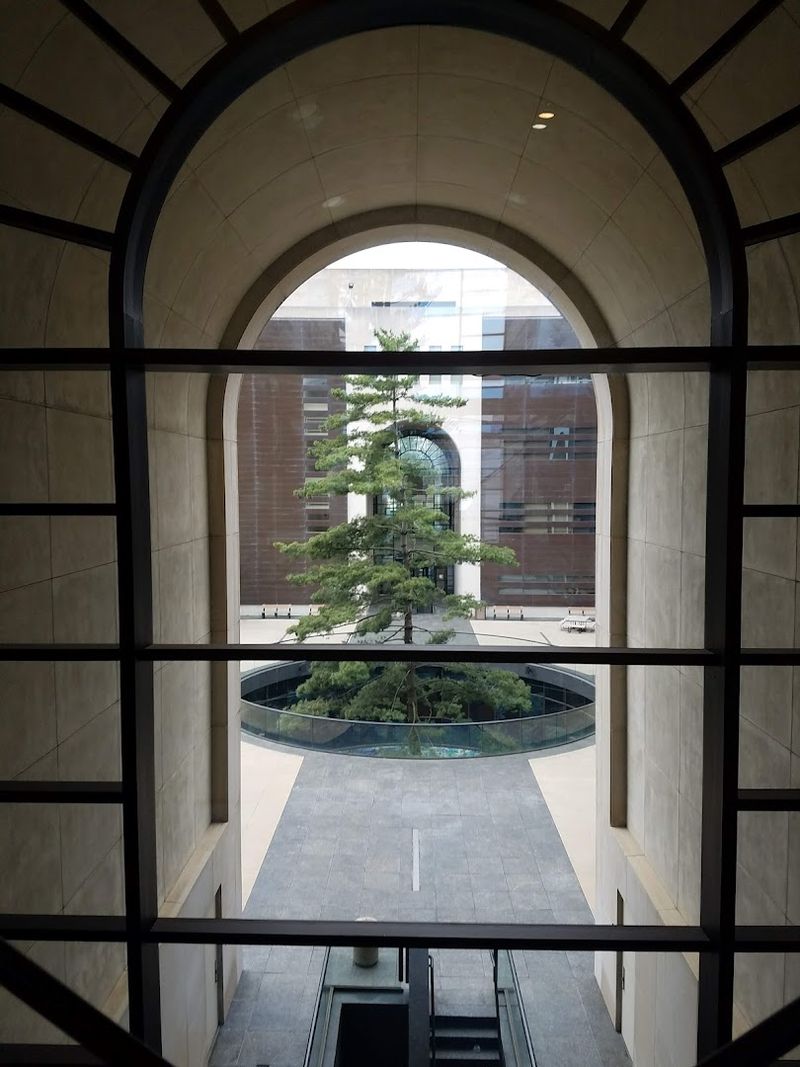
A large tree stands near the center of the building, serving as a visual anchor as you move between levels. It’s an unusual design choice that works surprisingly well, giving the space a sense of life rather than the sterile stillness you sometimes find in older museums.
The color and scale of the exhibits contribute to that energy, too. Nothing feels like it was thrown together or left as an afterthought.
Spending three to four hours here while reading most of the panels is entirely reasonable. Some visitors move through faster, others slower, depending on which sections grab their attention.
The copper mining exhibit consistently draws interest, as does the recreation of a coal mine that lets you walk through and get a physical sense of what that environment was actually like. The museum rewards attention without demanding it, which makes the whole experience feel relaxed rather than rushed.
Recreated Spaces That Put You Inside Michigan’s Past
Walking through a recreation of a coal mine is not something you expect from an afternoon in Lansing. But there it is, one of the standout physical experiences in the building, a passage that mimics the enclosed, underground conditions that Michigan miners worked in for decades.
The scale and atmosphere of it land differently than a photograph or a text panel ever could.
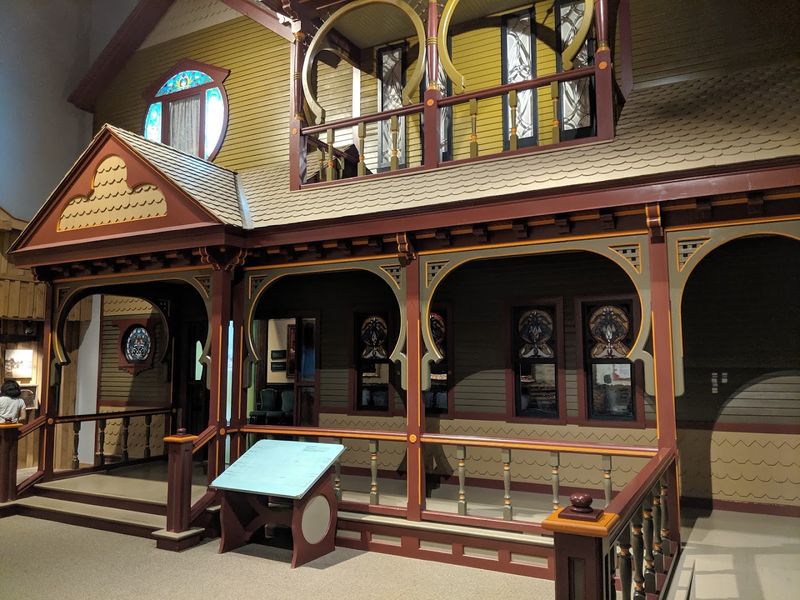
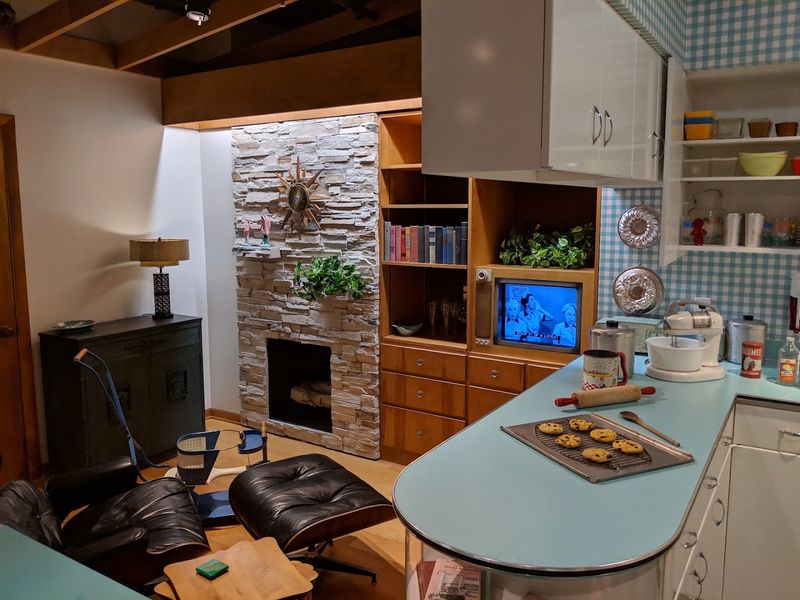
The museum leans heavily on recreated environments throughout, and it’s one of the smartest choices the curators made. A territorial-era space brings early Michigan settlement into focus with period-appropriate details.
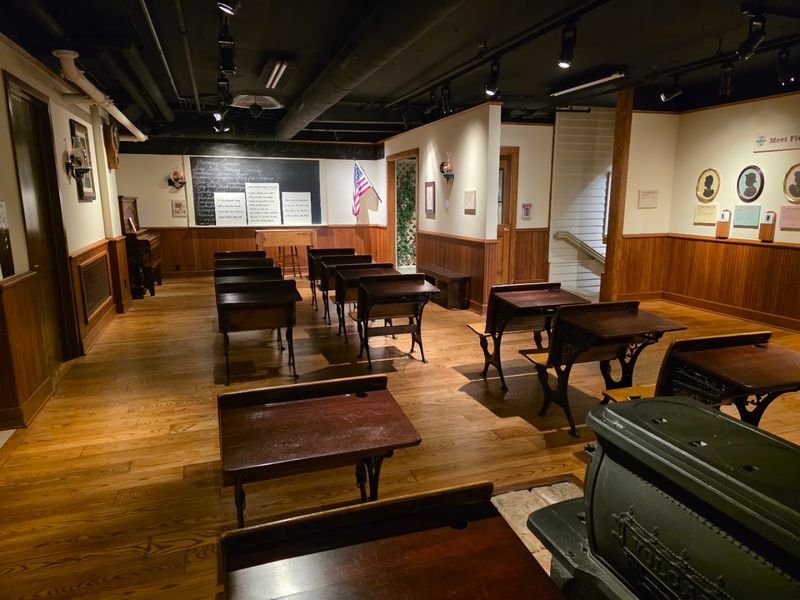
A classroom setup from an earlier century lets you read and hear individual perspectives from the people who lived through those years. These aren’t just backdrops.
They’re built to communicate something specific about daily life and working conditions that numbers and dates alone can’t convey.
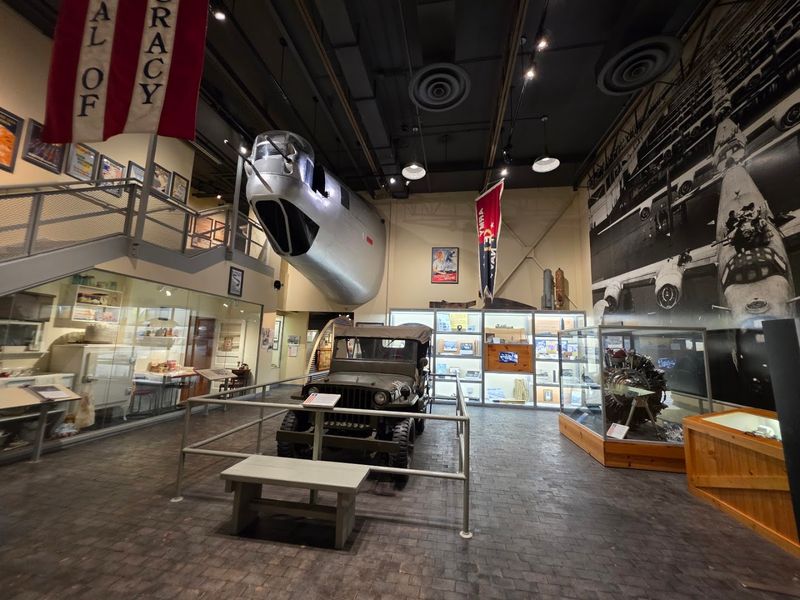
The timber industry gets its own dedicated space, as does Michigan’s role in manufacturing and what’s been called the Arsenal of Democracy, the state’s massive contribution to wartime production during World War II. Each section has enough depth that you could spend twenty minutes in one area without feeling like you’ve exhausted it.
The exhibits move through time without feeling like a forced march.
For anyone who grew up in Michigan and visited as a kid on a school field trip, returning as an adult is a noticeably different experience. The same spaces carry more weight when you have the context to understand what they’re describing.
The big wheel bicycle that invites visitors to climb on adds a lighter moment among the more serious historical content, a small, physical reminder that Michigan’s past also includes moments of invention, play, and everyday life that don’t always make the headlines.
Michigan’s Industrial Identity, From Copper Country to the Assembly Line
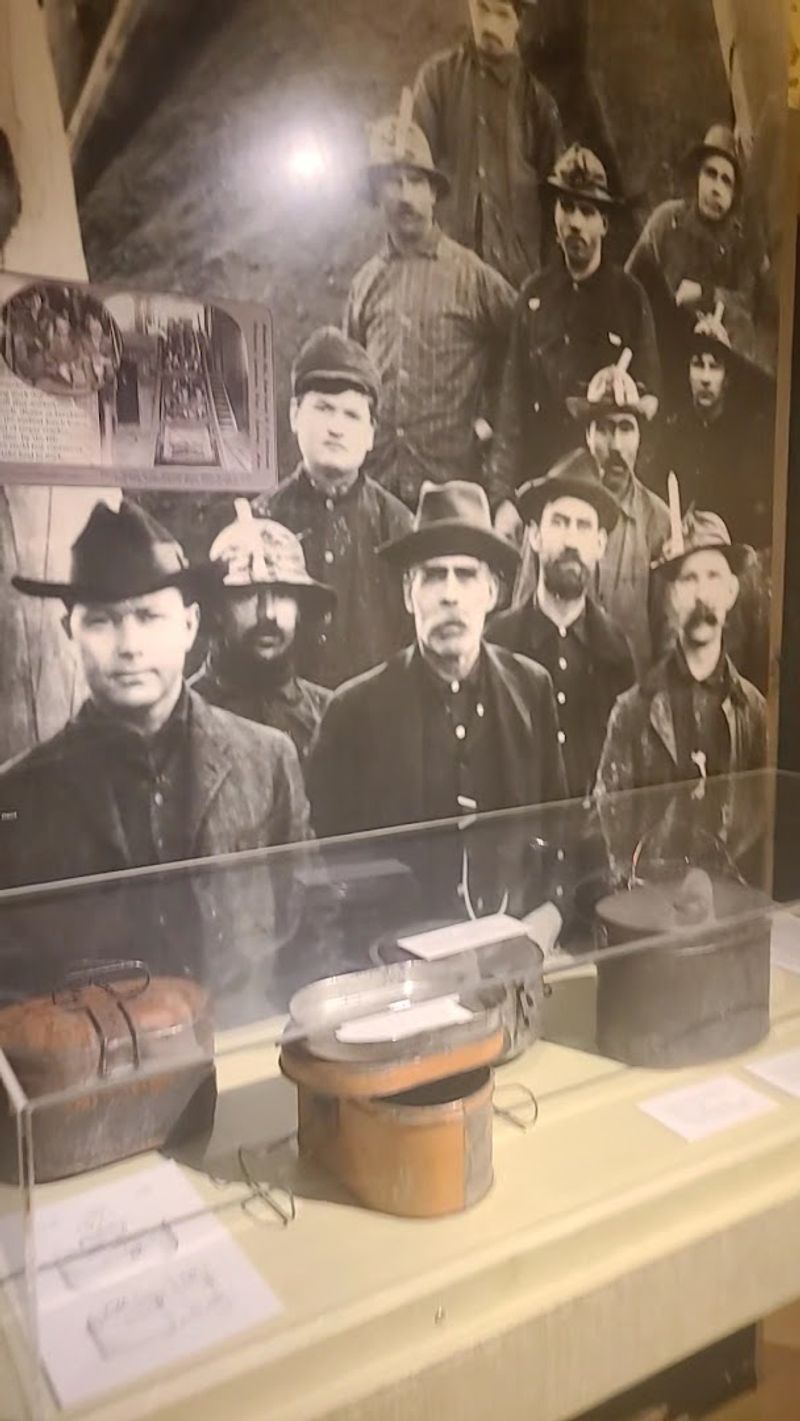
Few states have shaped American industry the way Michigan has, and the Michigan History Center spends considerable time making sure that story lands properly. The copper mining roots of the Upper Peninsula get detailed treatment early in the museum’s narrative, grounding everything that came later in the raw materials and labor that made it possible.
Copper mining in Michigan wasn’t a footnote. It was a defining chapter in American economic history, and the exhibits reflect that scale.
The auto industry coverage is equally thorough. Michigan’s role in transforming how the entire country moved, worked, and organized daily life gets examined from multiple angles.
The exhibits don’t just celebrate the industry. They show the complexity of it, including the communities that built up around factories, the labor movements that shaped working conditions, and the ripple effects that spread far beyond the state’s borders.
What makes this section particularly effective is how it connects industries that might seem unrelated. Cereal production, music, automobiles, manufacturing, and wartime output are woven together into a coherent picture of a state that kept reinventing itself.
Brands and names that feel familiar today are traced back to their Michigan origins, which gives the exhibits a satisfying sense of recognition alongside the new information.
Visitors who didn’t grow up in Michigan often find this section the most eye-opening. The sheer scope of what the state contributed to American life tends to come as a genuine surprise.
For Michigan natives, it reframes things they thought they already knew, adding context and scale to stories that were previously just background noise. Either way, you leave this section with a clearer understanding of why Michigan’s industrial history still matters today and why its impact stretched well beyond state lines.
How Sunday Admission Turns a Good Visit Into a Great One
Pricing structures at museums can feel like a puzzle, but the Michigan History Center keeps it straightforward. Adult admission runs $8, which is already reasonable for the amount of content inside.
Sundays, however, flip the script entirely. Admission is free, no coupons required, no special event needed.
Just show up, and the whole museum opens up at no cost.
That Sunday policy changes the calculus for families planning a day out. A family of four paying regular admission would spend around $24, which is fair but still a consideration.
On a Sunday, that same family walks in without spending a cent on entry. Combined with the free parking nearby, the financial barrier to a quality afternoon of learning drops to nearly zero.
It’s the kind of deal that feels almost too good to be true until you’re actually standing inside.
The Sunday crowds tend to stay manageable. The building is large enough to absorb visitors without feeling packed, and the multi-floor layout distributes people naturally across different sections.
Even on a busy Sunday, it rarely feels crowded in any individual exhibit space. That’s a notable contrast to many free-admission days at other institutions, where the combination of no entry fee and limited space creates a frustrating experience.
For visitors in town for work or passing through Lansing on a weekend, Sunday timing is worth planning around. Three to four hours covers most of the content at a comfortable pace.
The small cafeteria inside offers a place to grab a snack and regroup without having to leave the building. A gift shop stocked with Michigan-themed items rounds out the visit, giving you something tangible to bring home from a genuinely satisfying afternoon.
The Library Next Door and the Quieter Side of the Building
Not everyone notices it on their first visit, but the Michigan History Center shares its building with the state library, and the two spaces complement each other in ways that reward the curious. The library side sits quietly on the opposite end of the building, a contrast in atmosphere to the more active exhibit floors.
Shelves of books, research materials, and archival resources make it a genuinely useful stop for anyone with a specific historical question or a deeper interest in Michigan records.
The library is particularly valuable for genealogy research. Visitors looking up family records, local histories, or period documents have access to a collection that’s hard to match elsewhere in the region.
It’s not a browsing library in the casual sense. It functions more as a research resource, and the staff there tend to have specific knowledge about the collections and how to navigate them efficiently.
For families with younger children, the building also includes a small kids’ section that offers a gentler, more hands-on entry point into the museum’s themes. It’s tucked toward the back of the space, sized appropriately for smaller visitors, and designed to engage rather than overwhelm.
Parents with very young children often appreciate having a dedicated zone that doesn’t require constant redirection.
The coexistence of a research library and a public history museum in the same building is a smart institutional choice. It means the Michigan History Center functions on multiple levels simultaneously, serving school groups, casual visitors, dedicated researchers, and families all at once without any single group disrupting the others.
The building breathes differently depending on which section you’re in, and that variety keeps the overall experience from feeling one-dimensional or repetitive across a longer visit.
Why Lansing’s History Museum Earns Its Reputation in Michigan
Lansing doesn’t always get the same tourist attention as Detroit or Traverse City, but the Michigan History Center is a strong argument for spending more time in the capital. The museum’s 4.7-star rating across more than a thousand reviews isn’t a fluke.
It reflects a consistent experience that holds up across different types of visitors, from history enthusiasts to families with young kids who need something engaging and manageable.
The staff play a meaningful role in that reputation. Multiple visitors have pointed out specific moments where a staff member went out of their way to engage with children, explain an exhibit, or simply make someone feel welcome.
That kind of attentiveness is hard to manufacture and harder to sustain, but it shows up repeatedly in how people describe their time here. A museum’s collection can be impressive, but the human element often determines whether a visit becomes memorable.
The gift shop near the exit stocks Michigan-branded books, keepsakes, and educational items that lean toward quality rather than novelty. It’s not a souvenir trap.
The selection feels curated, which makes it a reasonable last stop before heading out. The small cafeteria nearby handles the practical need for a mid-visit break without requiring anyone to leave the building and lose momentum.
Returning visitors are common here, which says something meaningful about the experience. Adults who came as kids on school field trips bring their own children back.
People who spent three hours on one visit come back knowing they missed things worth seeing. The museum holds enough content across its five levels that a second visit genuinely uncovers new material.
For a state with as much layered history as Michigan, that depth feels entirely appropriate.
Share this story