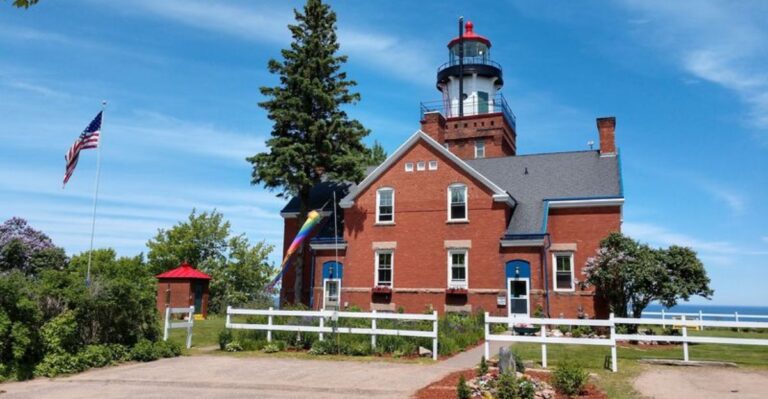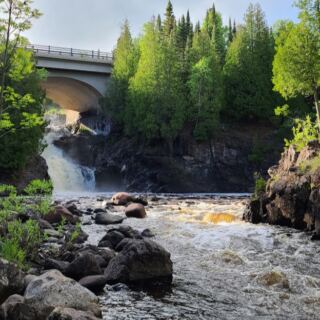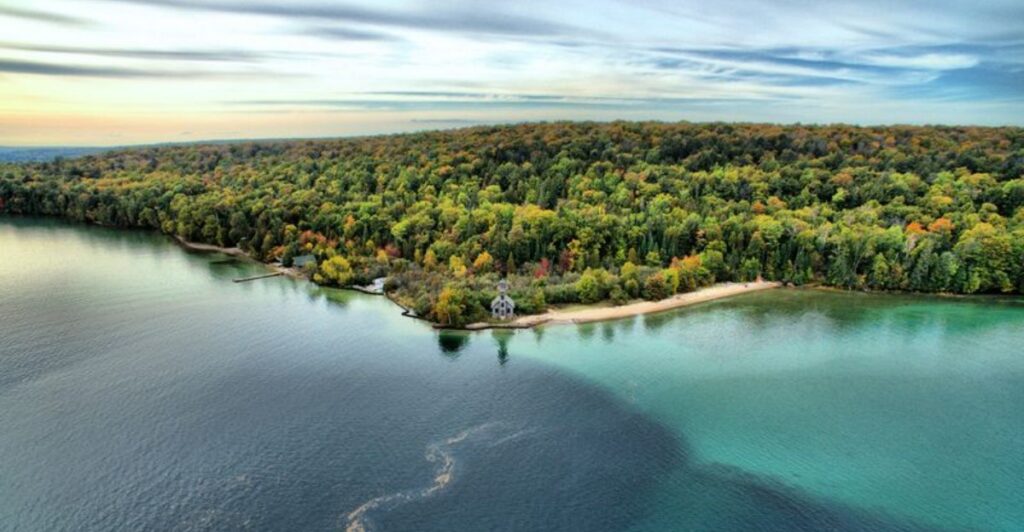
Late summer feels like the right moment to trade crowded beach towns for quieter water, slower roads, and a little more breathing room. Across Michigan, lesser-known islands offer small communities, open views, ferry rides, shoreline exploring, and the kind of unhurried pace that feels especially good before fall arrives.
Some make easy day trips, while others feel wonderfully removed from the usual vacation map. The appeal comes from seeing a different side of the state, one shaped by water, distance, and calm instead of packed parking lots and predictable stops.
For anyone ready to look past Michigan’s busiest shorelines, these islands deserve a spot on the late-summer list.
1. Neebish Island
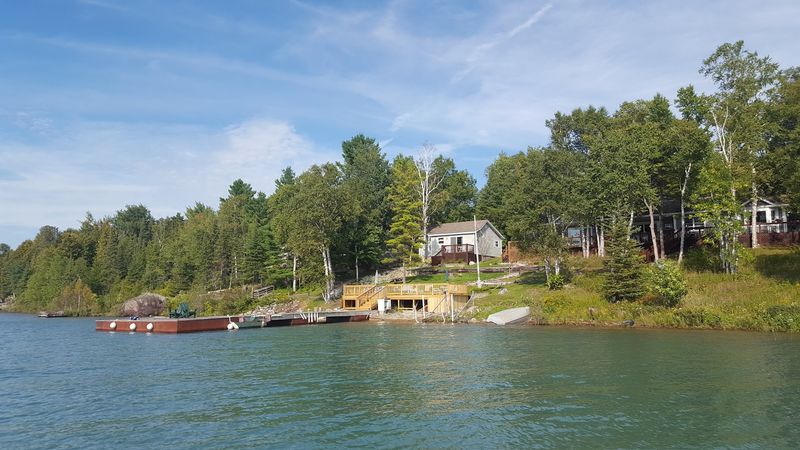
Start with the ferry, because that short ride does half the mood-setting for Neebish Island. Traffic noise drops away, the water opens up, and late summer suddenly seems calmer than it did on the mainland.
By the time the boat docks, the day already has a slower pace.
Roads here invite unhurried exploring instead of checking sights off a list. A drive or bike ride past homes, woods, and bits of shoreline works best when there is no strict schedule.
Travelers who enjoy simple scenery, open sky, and a quieter corner of the Upper Peninsula usually settle in fast.
Bring snacks, water, and anything needed for a long afternoon, since island stops can be spread out. Comfortable shoes help too, especially for casual shoreline wandering or short walks near wooded areas.
A paper map or saved directions can be useful when the goal is exploring without staring at a phone.
Late summer fits Neebish especially well because the season feels softened rather than sleepy. Warm days still hang on, but the rush of peak vacation time has usually eased, leaving more room to notice birds, passing boats, and changing light on the river.
Sunset can be the quiet star of the visit.
Neebish is a good pick for travelers who want a place that does not perform for tourists. There may not be a long list of headline attractions, and that is the point.
The reward comes from the ferry ride, the spare landscape, the river views, and the rare pleasure of spending time somewhere that asks almost nothing except that visitors slow down and pay attention.
2. Lime Island
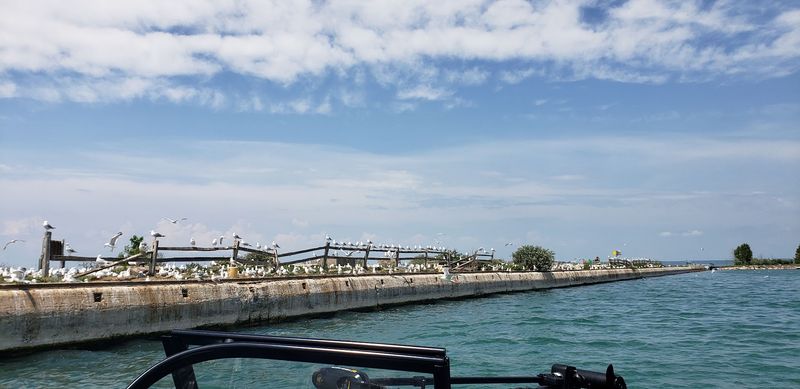
Lime Island is the kind of place that sparks curiosity before most people even arrive. It sits off the usual travel radar, which makes it appealing to anyone who prefers maps with a few blank spaces left.
Late summer adds clear light, mild weather, and long views across the water.
Because Lime Island is less set up for casual tourism than better-known Michigan islands, planning matters more here. Visitors should check access details ahead of time, understand boating needs, and avoid assuming services will be nearby.
That little extra effort often leads to the best kind of day, one shaped by water, distance, and quiet.
Seen from a boat, the island has the strong outline many travelers hope for in the eastern Upper Peninsula. Trees meet the shore in a simple, rugged way, and the surrounding river feels broad and active without losing its calm look.
It is a place to admire carefully rather than rush through.
Pack as if the island will not provide much beyond scenery. Water, sun protection, and a basic safety check all make sense, especially in late summer when warm afternoons can still be bright and exposed on the water.
Binoculars can add a lot, since shoreline details and passing boats become part of the entertainment.
Lime Island works best for travelers who enjoy the idea of an outing that remains a little mysterious. There may not be a polished visitor experience waiting at the dock, and that is exactly why it stands out.
The reward is the sense of reaching a less-discussed corner of Michigan, where the river, trees, and sky do most of the talking.
3. Beaver Island
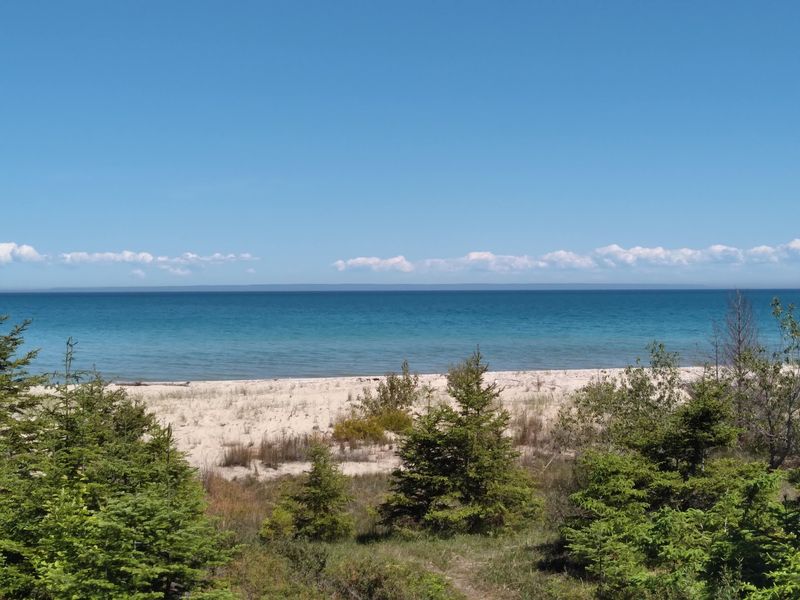
Beaver Island has a bigger reputation than some islands on this list, but it still slips past plenty of Michigan travel plans. That is surprising once late summer arrives and the place settles into an easy rhythm of harbors, beaches, and open roads.
It offers room to roam without the nonstop rush of more famous island destinations.
The appeal here comes from variety. One part of the day can be spent near the water watching boats move through the harbor, while another might lead to inland roads, broad views, or a quiet stretch of shoreline.
Travelers who like destinations with a little town life and a lot of space usually find the balance appealing.
Bikes and cars both make sense on Beaver Island, depending on how much ground needs to be covered. Packing layers is smart, since late summer on Lake Michigan can shift from warm sun to cooler breezes by evening.
A flexible plan helps too, because the best moments may come from an unplanned detour or a stop that lasts longer than expected.
There is also a pleasant sense of separation once the mainland is behind you. Shops, lodging, and local gathering spots give the island enough structure to feel welcoming, but there is still a loose, unhurried quality to the day.
That mix can be harder to find in busier vacation areas.
Beaver Island suits travelers who want a real destination, not just a scenic backdrop. It has enough texture to fill a weekend, yet it remains quiet enough for readers looking for Michigan places that still hold a few surprises.
By late summer, when the edges of the season start softening, that combination lands especially well.
4. Harsens Island
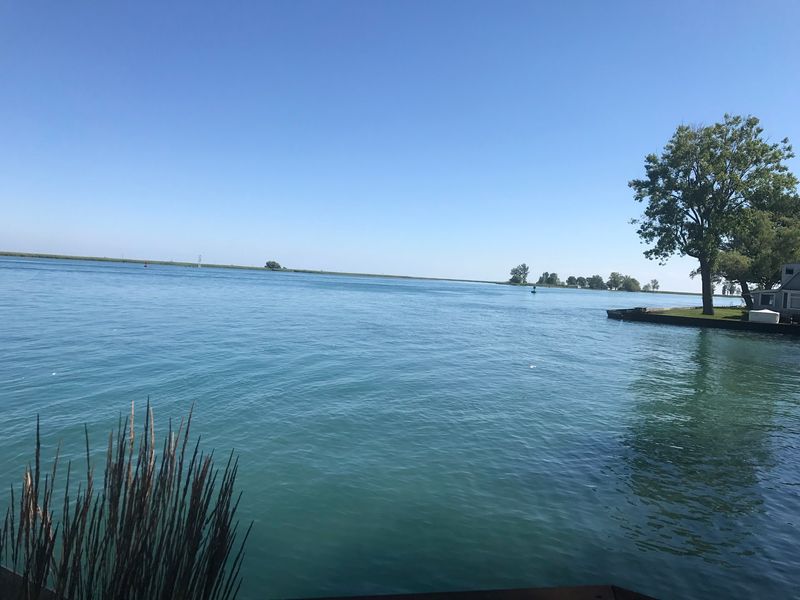
Harsens Island brings a different kind of island trip, one shaped by channels, marsh views, and an easy escape from city routines. Late summer suits it perfectly because the air is still warm, the water stays lively, and day-trip energy can stretch well into the evening.
The setting feels close to everyday Michigan life, yet clearly apart from it.
Getting there is part of the charm. A short ferry ride changes the pace almost instantly, replacing regular roads with a place where waterfront scenes keep showing up around corners.
Instead of dramatic cliffs or wild remoteness, Harsens offers cottages, docks, calm stretches of water, and that pleasant sense of being nearby but elsewhere.
This island is a smart choice for travelers who do not want complicated planning. Snacks, sunscreen, and a camera may be enough for a satisfying visit, especially when the goal is simply to drive around, stop at viewpoints, and enjoy the river-and-lake setting.
Biking can work nicely too when the weather cooperates.
Late summer colors make ordinary details look better here. Reeds along the water, boats tied near shore, and long evening light across channels all help build the kind of day that feels full without being busy.
The island rewards people who notice small changes in scenery instead of chasing major attractions.
Harsens Island stands out because it offers a low-pressure outing with a strong local flavor. It is not trying to be grand or remote, and that makes it easy to enjoy.
For travelers who want a lesser-known Michigan island that can fit into a relaxed afternoon or a casual weekend, Harsens lands with steady, understated appeal.
5. Grand Island
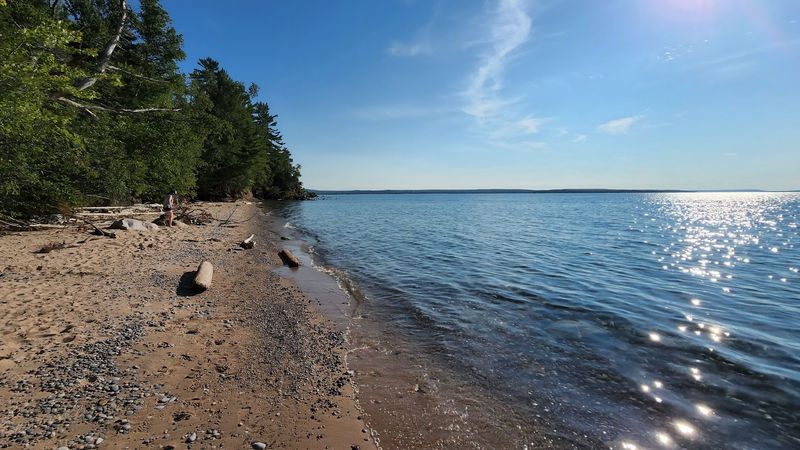
Grand Island makes a bold first impression, especially for travelers who know Michigan mainly for sandy beaches and small harbor towns. Off the shore near Munising, it brings together cliffs, woods, and Lake Superior views that can turn a late summer outing into a full-scale adventure.
The scenery is bigger, rougher, and more dramatic than many visitors expect.
Unlike some quieter islands that call for slow driving and casual wandering, Grand Island often pushes the day toward activity. Hiking, biking, boat tours, or shoreline viewing can shape the visit depending on access and conditions.
That range gives travelers choices, which is useful when different people in a group want different levels of effort.
Planning ahead matters here more than it does on easygoing road-trip islands. Sturdy shoes, water, weather awareness, and extra time all improve the experience, especially because Lake Superior conditions and distances can change the feel of the day quickly.
Even a simple sightseeing plan works better when built with flexibility.
Late summer is a sweet spot because trails and water routes usually pair better with milder temperatures than peak midsummer heat. Light on the cliffs can be especially striking later in the day, and the season often adds a slightly calmer tempo to a place known for outdoor energy.
That balance helps the island shine.
Grand Island fits travelers who want one overlooked stop to deliver strong visuals and real movement. It is less about lounging and more about engaging with the landscape, whether from a trail, a boat, or a scenic overlook.
For anyone looking to add a wilder note to a Michigan island trip, Grand Island changes the entire playlist.
6. Bois Blanc Island
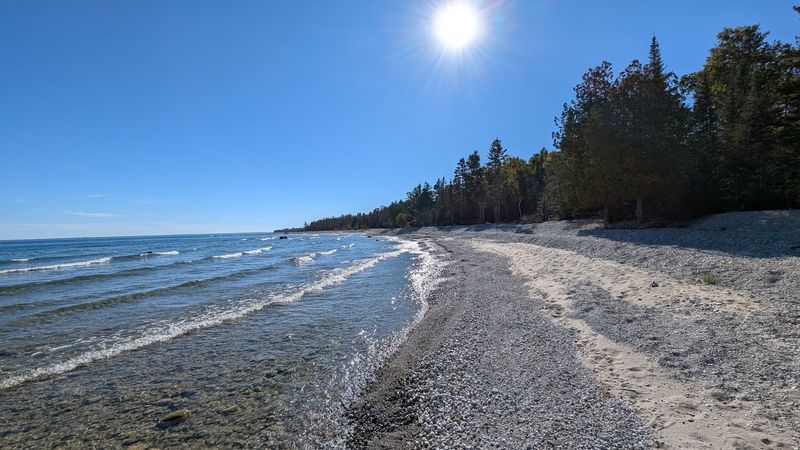
Bois Blanc Island, often shortened to Boblo by locals and regular visitors, has a reputation for being a little rough around the edges. That turns out to be part of the appeal in late summer, when many travelers are ready for quieter roads, simple shorelines, and a place that does not polish every detail for visitors.
It offers a looser, more rustic island day.
The trip over already hints at that change in tone. Once on the island, the experience can feel more about wandering than arriving at one major attraction.
Dirt roads, scattered homes, trees, and glimpses of Lake Huron create a setting that rewards patience and curiosity rather than a tightly planned checklist.
Preparation goes a long way on Bois Blanc. Fuel, food, directions, and timing should be considered before leaving the mainland, since island logistics may be less convenient than first-time visitors expect.
That does not make the island difficult, but it does make it better for travelers who enjoy a little self-reliance.
Late summer works well because the island’s simpler pleasures come forward then. Warm light on back roads, shoreline stops for a picnic, and long stretches without much traffic all match the season’s end-of-August mood.
It is easy to spend hours moving slowly and still feel like the day had shape.
Bois Blanc suits readers who like travel with a scruffier texture. Instead of polished attractions and constant activity, it offers space, unpredictability, and a different look at Michigan island life.
For some people, that will be exactly the right note after a season of crowded beaches and busy resort towns. The best approach is to arrive prepared, stay flexible, and let the island set the pace.
7. Sugar Island
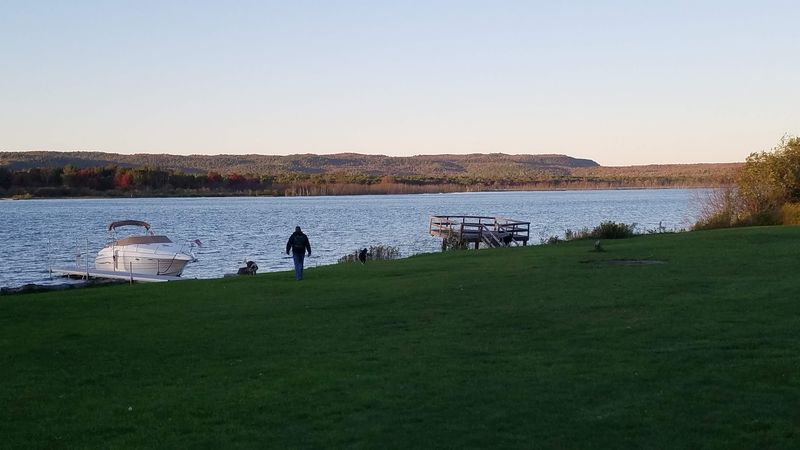
Sugar Island often gets overshadowed by bigger names in the eastern Upper Peninsula, which makes it a smart late summer pick. Located in the St. Marys River area, it combines water views, wooded roads, and a lived-in island character that feels steady rather than staged.
The result is low-key and appealing in a way many travelers miss.
One reason Sugar Island works so well is that the visit can be as active or as relaxed as needed. A simple drive reveals changing views of shoreline, homes, docks, and tree cover, while slower stops let the river scenery do the rest.
It is an island that favors noticing details instead of chasing a packed itinerary.
The ferry adds just enough separation to make the outing memorable without making it hard. That balance is useful for travelers who want island energy but do not want a major logistical project.
Bringing a cooler, a map, and a little extra time can turn an ordinary day trip into a satisfying loop with plenty of pauses.
Late summer gives Sugar Island an especially comfortable rhythm. The light softens, the roads feel even quieter, and the river seems to stretch wider in the evening.
It is the sort of place where a short stop by the water can unexpectedly become the main event of the day.
Sugar Island is best for readers who appreciate places that reveal themselves gradually. Nothing has to shout here for the island to leave an impression.
Between the ferry ride, the river setting, and the easy pace, it offers a practical answer for anyone asking where to go in Michigan when summer is winding down but there is still plenty of daylight left to use well.
8. Grosse Ile
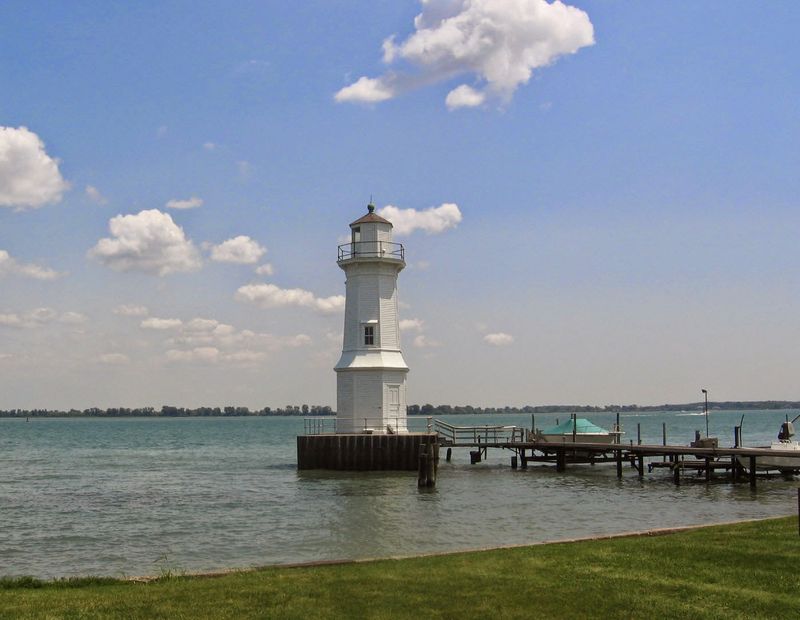
Grosse Ile may not match the remote image many people picture when they hear the word island, but that is exactly why it belongs here. In late summer, it offers a river-based escape with leafy roads, waterfront views, and a softer pace than nearby urban areas.
The surprise is how quickly the setting shifts once the water comes into view.
Rather than dramatic wilderness, Grosse Ile serves up a blend of neighborhoods, parks, marinas, and river scenery. That mix makes it easy for travelers who want an island outing without rough logistics or major travel time.
An afternoon drive, a stop near the water, and a meal nearby can be enough to reset the day.
This is also an island where local observation becomes part of the fun. Watching boats pass, spotting quiet inlets, and noticing how homes and shoreline share space can be more rewarding than hunting for one signature sight.
The visit works best when expectations stay open and the schedule stays loose.
Late summer is especially good here because the river setting holds onto warmth while evenings become more comfortable. Parks and waterfront areas can look their best in that golden stretch before sunset, when reflections sharpen and the busiest parts of the day start winding down.
A camera or phone earns its keep at that hour.
Grosse Ile suits readers who enjoy practical escapes with a sense of place. It does not rely on big-ticket attractions, and it does not need to.
The island’s appeal comes from access, river life, and the way an ordinary southeast Michigan day can suddenly feel more spacious once bridges, boats, and shoreline start leading the story.
9. High Island
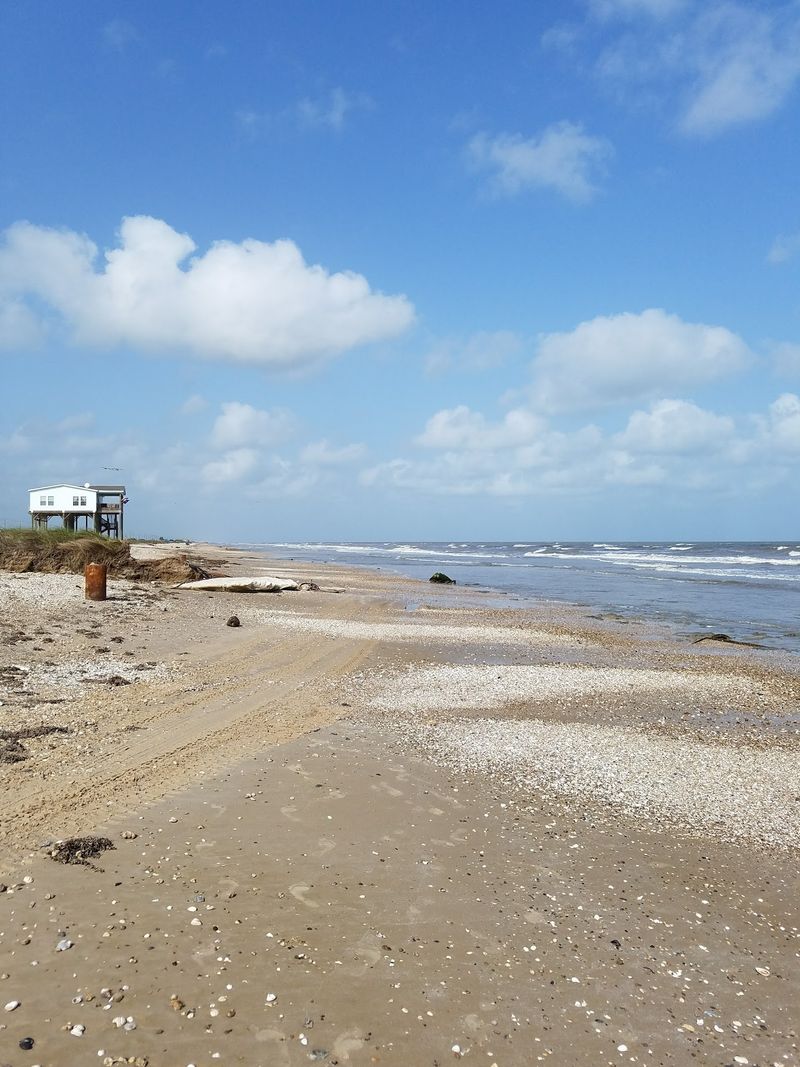
High Island is the wildcard of this list. It is not the sort of place most travelers casually add to a weekend route, and that limited visibility is part of its pull.
Mention the name around Michigan vacation regulars and many will pause, which says a lot about how far outside the usual circuit it sits.
Because High Island is remote and not built for standard tourism, the experience is less about easy arrival and more about perspective. Even seeing it from the water can feel significant, especially for travelers interested in Michigan’s quieter geography.
The island carries the appeal of distance, open lake space, and a shoreline that appears largely untouched.
Late summer gives that scene extra clarity. Water routes can look calmer, the light gets richer, and the season’s slight edge of change makes remote places seem even more distinct.
For boaters or travelers exploring nearby waters, High Island can become one of those map points that lingers in memory longer than a busier stop would.
Practical planning matters more here than with most island outings. Access, safety, conditions, and local rules should be checked carefully, and anyone without the right setup may be better off treating High Island as a distant landmark rather than a destination.
There is no prize for forcing a complicated visit.
High Island best fits readers drawn to places that remain largely out of the mainstream. It is not about amenities or a curated day of attractions.
The interest comes from remoteness itself, from the way the island sits apart in Lake Michigan, and from the simple thrill of knowing some corners of the state still resist easy, casual tourism.
10. Drummond Island
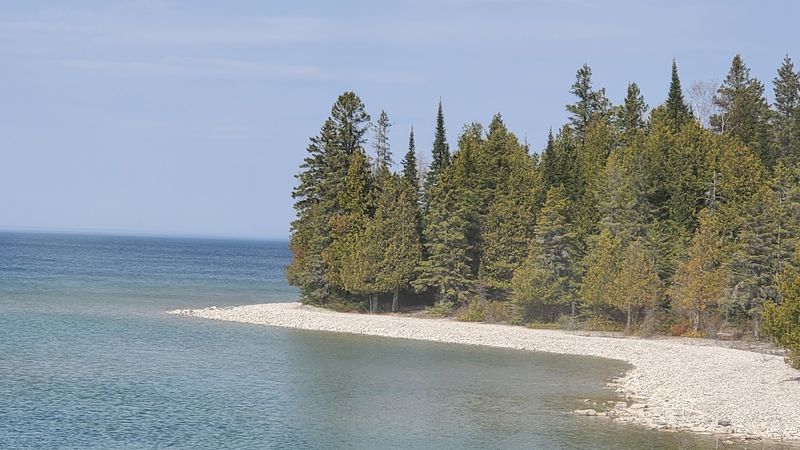
Drummond Island has more name recognition than a few other places here, yet many Michigan travelers still pass it by. That is a mistake in late summer, when the island’s mix of shoreline, woods, and rugged routes creates a trip with real texture.
It can suit boat-watchers, drivers, hikers, and people who simply want room to move.
Part of the appeal is that Drummond does not narrow itself to one identity. Some visitors focus on scenic roads and water views, while others are drawn to trails and more adventurous exploring.
That flexibility gives the island broader appeal than travelers might expect from a place often discussed mainly in niche outdoor circles.
Good planning improves the visit because the island covers enough ground to reward a loose strategy. Decide whether the day is about easy sightseeing, active outdoor time, or a bit of both.
Bringing layers, sturdy footwear, and extra supplies helps, especially when late summer weather swings from warm afternoons to cooler evenings near the water.
Visually, Drummond has a firmer, rockier edge than many casual island getaways. Lake Huron views can shift from calm and bright to gray and moody, and inland sections add a different rhythm with trees, road curves, and changing terrain.
That contrast keeps the island interesting over a full day or longer.
Drummond Island is a strong pick for travelers who want a lesser-known Michigan island with enough substance to support repeat visits. It offers practical adventure without requiring constant intensity.
By late summer, when outdoor days start feeling numbered in the best way, Drummond gives every extra hour of daylight something useful to do.
11. Isle Royale
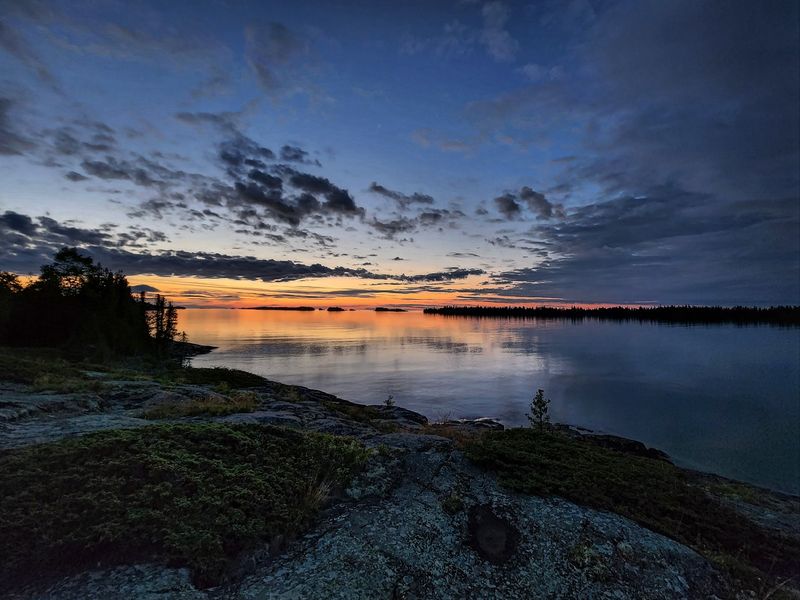
Isle Royale is the farthest-reaching island idea in Michigan travel, and that alone makes it easy for many people to postpone. Late summer is when the park’s remote setting can look especially inviting, with long northern light, deep water color, and a season that encourages one more big trip before fall settles in.
It is ambitious, but memorable.
This island is not for casual improvising. Reaching it takes planning, time, and respect for the realities of a remote national park in Lake Superior.
That said, even considering Isle Royale changes the scale of a Michigan island list, because few places in the state offer the same sense of separation from roads, schedules, and everyday noise.
Hikers, paddlers, and wilderness-minded travelers usually understand the draw fastest. Trails, shoreline views, and backcountry conditions make the island feel more like a commitment than a quick escape.
Anyone interested should research transportation, lodging or camping options, weather, and safety well before the trip begins.
Late summer can be especially appealing because the season often balances access and comfort better than earlier parts of the year. Days may still be pleasant, bugs may be less intense, and the whole experience can carry that sharpened end-of-season clarity outdoor travelers love.
The landscape looks stern, clean, and deeply northern.
Isle Royale belongs on this list not because it is easy, but because it is frequently overlooked by travelers who assume Michigan stops at beaches and small towns. It expands the map in a dramatic way.
For readers ready to trade convenience for wilderness scale, Isle Royale offers one of the state’s boldest late summer island possibilities.
Share this story