Michigan is full of surprises, and some of the best ones aren’t in Detroit or Grand Rapids. Scattered across the state are mid-sized cities where life just clicks — good food, friendly neighbors, outdoor adventures, and enough going on to keep things interesting.
Whether you’re thinking about relocating, planning a road trip, or just curious what else the Great Lakes State has to offer, these cities deserve a serious look. You might find yourself wondering why you didn’t discover them sooner.
1. Traverse City
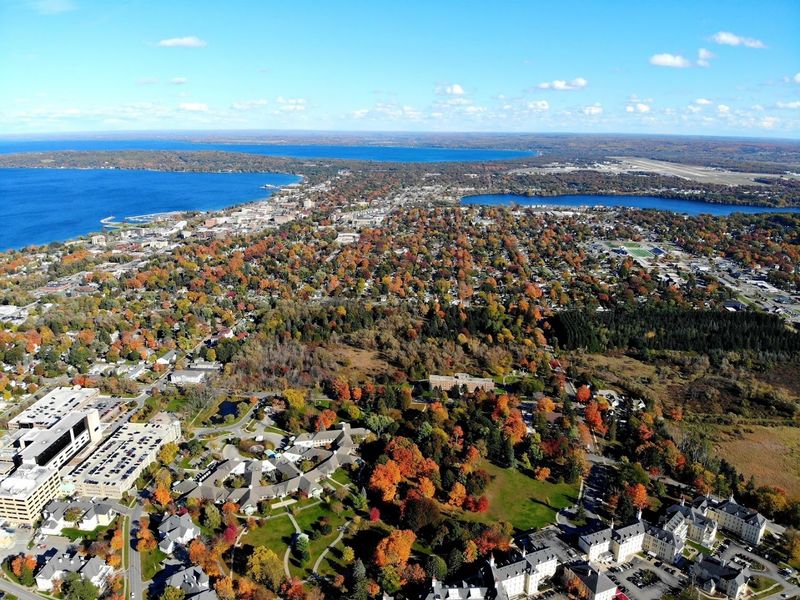
Cherry blossoms, crystal-clear bay water, and a downtown that somehow manages to feel both upscale and completely unpretentious — Traverse City hits differently. Nestled at the southern tip of Grand Traverse Bay, this northern Michigan gem has quietly earned a reputation as one of the most livable cities in the state.
People come for a weekend and start browsing real estate listings by Sunday afternoon.
The food and drink scene here punches well above its weight. Michigan’s wine country wraps around the Old Mission and Leelanau peninsulas, putting world-class wineries within a short drive.
Local restaurants lean hard into seasonal, farm-fresh ingredients, and the farmers market draws crowds that rival much larger cities.
Outdoor life is practically unavoidable. The Traverse Area Recreation and Transportation trail system — known locally as TART — connects neighborhoods to beaches, parks, and the waterfront with ease.
Winter doesn’t slow things down either, with nearby ski resorts like Shanty Creek and Crystal Mountain keeping residents active all season long.
Families love the strong school options, and young professionals appreciate the growing tech and creative industries taking root here. The population hovers around 15,000, which keeps traffic manageable and gives the city an intimate, everyone-knows-your-name kind of vibe.
Housing is competitive, but the quality of life more than justifies the investment.
Traverse City hosts the National Cherry Festival each July, drawing hundreds of thousands of visitors — yet somehow the city absorbs the energy without losing its charm. Year-round, there’s a steady rhythm of film festivals, art shows, and community events that keep residents engaged.
Once you spend real time here, leaving feels like the wrong decision.
2. Portage
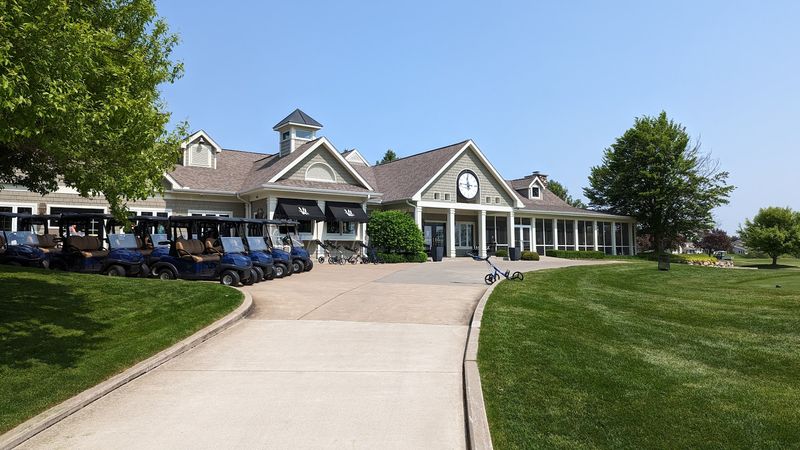
Not every great city announces itself with a dramatic skyline or a famous landmark. Portage earns its reputation the quiet way — through consistently excellent schools, safe neighborhoods, well-kept parks, and a standard of living that regularly lands it on national best-places-to-live lists.
It sits just south of Kalamazoo, and together the two cities form one of the most dynamic metro areas in the state.
The city has a distinctly suburban feel, but don’t mistake that for boring. Portage offers more than 1,000 acres of parkland, including the popular Celery Flats Interpretive Center, where history and nature intersect along the Portage Creek Bicentennial Park trail system.
Kayakers, joggers, and cyclists share the paths on weekends, and the atmosphere is genuinely welcoming.
Economically, Portage is rock-solid. Major employers in healthcare, manufacturing, and pharmaceuticals provide stable job opportunities, which helps explain why families tend to put down deep roots here.
The unemployment rate consistently sits below state and national averages, giving residents a sense of financial security that’s hard to put a price on.
Shopping and dining options are plentiful without being overwhelming. The Crossroads Mall area provides big-box convenience, while locally owned restaurants and coffee shops scattered throughout the city offer personality and variety.
You won’t find yourself driving an hour just to get a decent meal.
For families with school-age children, Portage is practically a dream scenario. The Portage Public Schools district has a strong academic track record, with multiple schools earning recognition for excellence.
Add in affordable housing compared to similarly livable cities in other states, and Portage starts looking less like a compromise and more like a genuinely smart choice for the long haul.
3. Midland
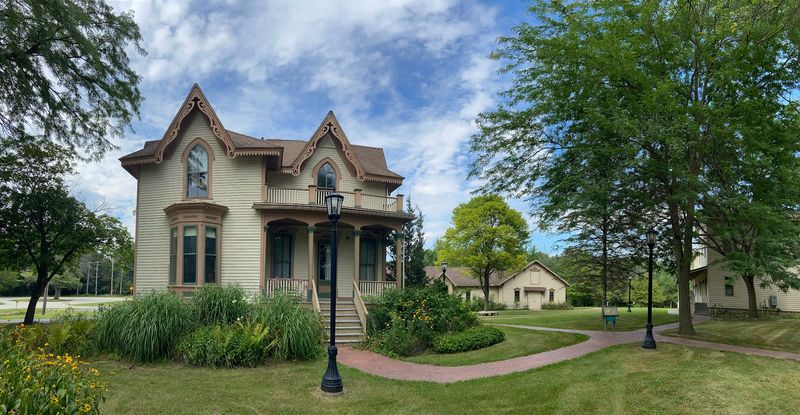
Most people outside Michigan haven’t heard of Midland, and that’s honestly their loss. This mid-sized city in the heart of the Lower Peninsula has been quietly doing everything right for decades — beautiful parks, strong arts programming, a tight-knit community, and an economy anchored by one of the most significant chemical companies in the world.
It’s the kind of place that rewards those willing to look past the surface.
The Tridge, a three-way pedestrian bridge where the Tittabawassee and Chippewa Rivers meet, is probably Midland’s most photographed spot — and for good reason. The trail network connecting to it stretches for miles, weaving through neighborhoods, parks, and natural areas that feel surprisingly wild for a city setting.
Locals use these paths daily, and the culture of outdoor activity here is deeply embedded.
Midland’s arts scene is genuinely impressive for a city its size. The Alden B.
Dow Home and Studio, a National Historic Landmark, draws architecture enthusiasts from across the country. The Midland Center for the Arts offers performances, galleries, and educational programming that would feel at home in a city twice the size.
Creative energy runs through this community in a way that’s hard to fake.
Dow Inc. provides a massive economic foundation, but the city has diversified enough that it doesn’t feel like a company town. Small businesses, healthcare, and education all contribute to a balanced local economy.
Housing is affordable, neighborhoods are well-maintained, and the crime rate is low — a combination that’s harder to find than it sounds.
Community pride runs deep in Midland. Residents show up for local events, volunteer at high rates, and genuinely seem to enjoy where they live.
That kind of collective investment in a place creates something intangible but unmistakable when you spend time there.
4. Mount Pleasant
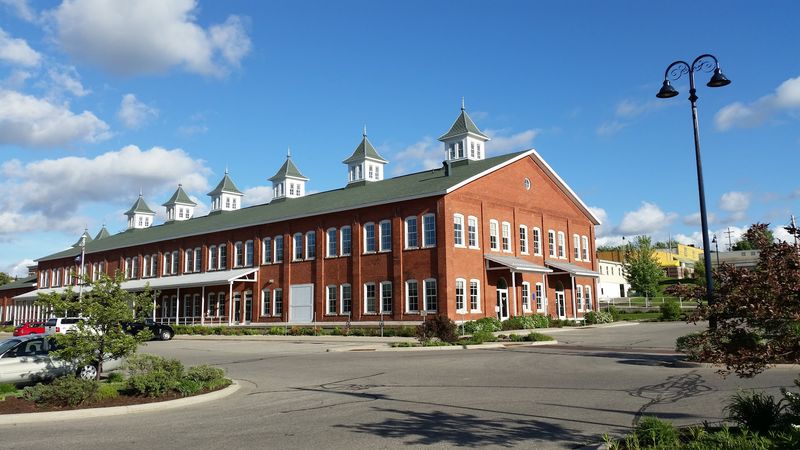
College towns have a certain electricity, and Mount Pleasant channels it well without letting the university overshadow the broader community. Home to Central Michigan University, this mid-Michigan city blends student energy with small-town warmth in a way that keeps both longtime residents and newcomers genuinely happy.
The population swells during the academic year, bringing restaurants, events, and a cultural buzz that sticks around even in summer.
CMU’s presence shapes Mount Pleasant in all the right ways. The university brings in speakers, performers, and exhibitions that elevate the cultural calendar year-round.
Athletic events, especially football Saturdays in the fall, transform the city into a sea of maroon and gold, and the enthusiasm is infectious whether you went to CMU or not.
Beyond campus, Mount Pleasant has a character all its own. The Saginaw Chippewa Indian Tribe of Michigan, headquartered here, plays a significant role in the region’s culture and economy.
Soaring Eagle Casino and Resort is a major employer and entertainment hub, drawing visitors from across the state and providing thousands of local jobs.
The downtown area has seen steady investment in recent years. Locally owned restaurants, coffee shops, and boutiques line the main streets, creating a walkable commercial district that feels lived-in and authentic.
Weekend farmers markets and community festivals give residents regular reasons to gather and connect.
For those weighing affordability, Mount Pleasant delivers. Housing costs are well below the national average, and the combination of university resources, healthcare facilities, and a growing local economy makes it a surprisingly practical place to build a life.
Whether you’re a recent graduate, a young family, or someone looking for a fresh start in a community that still values its neighbors, this city has a way of making you feel at home fast.
5. Kalamazoo
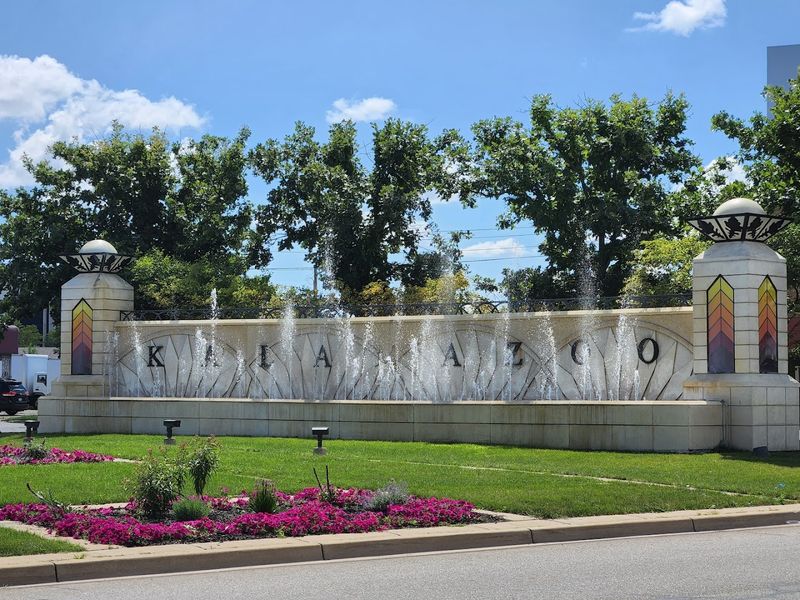
There’s a reason people smile when they say the name Kalamazoo — the city just has personality. From its nationally recognized craft beer scene to its surprising number of museums, parks, and live music venues, Kalamazoo operates with the confidence of a city much larger than its roughly 70,000 residents.
It’s scrappy, creative, and genuinely fun to live in.
Bell’s Brewery put Kalamazoo on the national craft beer map long before the industry exploded, and the city has only built on that foundation. Dozens of breweries, cideries, and distilleries now call the area home, making it a legitimate destination for serious beverage enthusiasts.
The food scene has grown alongside it, with chef-driven restaurants and diverse international options giving residents plenty to explore.
Kalamazoo’s arts infrastructure is remarkable. The Kalamazoo Institute of Arts, the Kalamazoo Symphony Orchestra, and a thriving independent music scene create layers of cultural programming that keep the calendar full.
Western Michigan University and Kalamazoo College both contribute academic energy and a steady stream of talented young people who often choose to stay after graduation.
Neighborhoods like Vine and Stuart are full of beautifully restored historic homes, and the Kalamazoo Nature Center offers over 1,100 acres of trails and natural habitat just minutes from downtown. The balance between urban energy and natural escape is one of Kalamazoo’s most underappreciated qualities.
Affordability remains one of the city’s strongest selling points. Housing costs are reasonable, and the Kalamazoo Promise — a scholarship program that covers college tuition for graduates of Kalamazoo Public Schools — has become a national model for community investment in education.
That kind of forward-thinking civic commitment says a lot about what this city values and where it’s headed.
6. Bay City
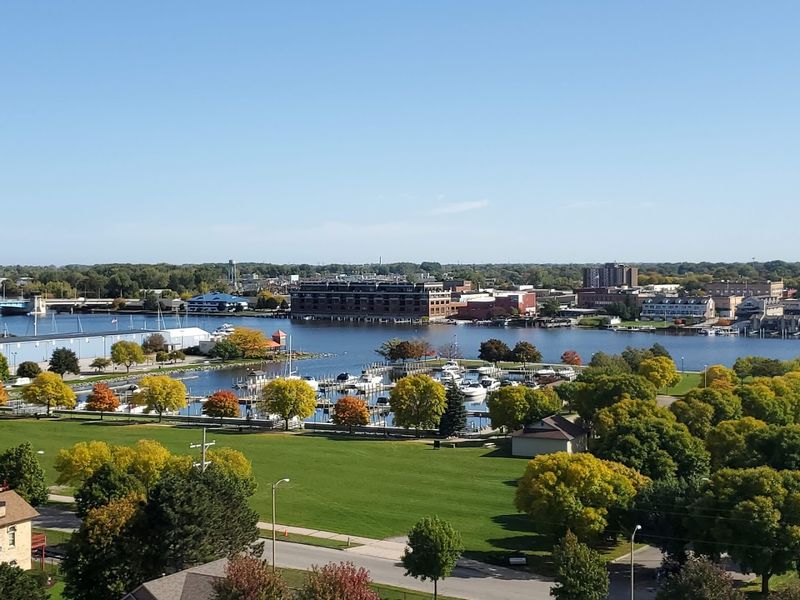
Bay City wears its history proudly, and that’s a big part of what makes it so appealing. The city’s Victorian-era architecture is among the best preserved in the Midwest, giving neighborhoods a visual richness that newer cities simply can’t manufacture.
Walking through the historic districts here feels like stepping into a different era — but with good coffee shops and Wi-Fi.
Situated along the Saginaw River just before it empties into Saginaw Bay, Bay City has always had a strong relationship with water. The riverfront has been thoughtfully developed over the years, with parks, a marina, walking paths, and seasonal events that draw residents outdoors consistently.
Wenonah Park hosts some of the region’s most beloved summer festivals, including the Bay City Fireworks Festival, one of the largest in the state.
The housing market here is one of the most accessible in Michigan. For buyers willing to put in some work, stunning historic homes are available at prices that would be laughable in most comparable markets.
The renovation community in Bay City is active and enthusiastic, and the results are visible in block after block of lovingly restored properties.
Downtown Bay City has been experiencing a genuine revitalization. New restaurants, breweries, and retail shops have moved into historic storefronts, creating a commercial core that feels both nostalgic and forward-looking.
The energy is optimistic without being overheated, and longtime residents seem genuinely excited about where things are headed.
Community events are a cornerstone of Bay City life. From the River Roar hydroplane races to the Holly Trolley Stroll in December, there’s always something pulling people together.
That consistent sense of communal engagement is exactly what makes a mid-sized city feel like more than just a place to sleep — it makes it feel like home.
7. Ann Arbor
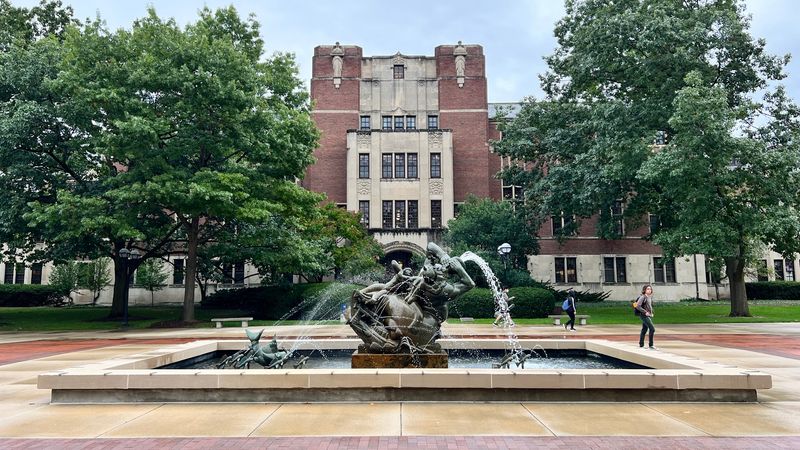
Ann Arbor is the kind of city that people who’ve never been there tend to underestimate, and people who’ve lived there can rarely bring themselves to leave. It’s home to the University of Michigan, one of the most prestigious public universities in the country, and the institution’s influence touches every corner of city life — from the research economy to the restaurant scene to the relentless intellectual energy that buzzes through the streets.
The food culture here is genuinely exceptional. Zingerman’s Deli, a local institution since 1982, helped put Ann Arbor on the culinary map and spawned a community of food businesses that continues to grow.
The broader dining scene spans everything from James Beard-recognized restaurants to incredible international spots catering to the city’s remarkably diverse population.
Art, music, and performance are woven into daily life. The University Musical Society brings world-class performers to campus venues year-round, and the Ann Arbor Art Fair — held every July — transforms downtown into one of the country’s largest outdoor art markets.
Independent bookstores, galleries, and live music venues fill in the gaps between major events.
Outdoor recreation is more robust than many expect. The Huron River winds through the city, offering kayaking and canoeing opportunities, while the Border-to-Border Trail connects Ann Arbor to a regional network of paths.
Nichols Arboretum, known locally as the Arb, is a beloved green space where students, families, and solo wanderers decompress year-round.
Yes, the cost of living is higher than most Michigan cities on this list. But the combination of career opportunities, cultural programming, exceptional healthcare, and a population that genuinely values education and community makes Ann Arbor a place where the investment in quality of life pays dividends for years to come.
8. Muskegon
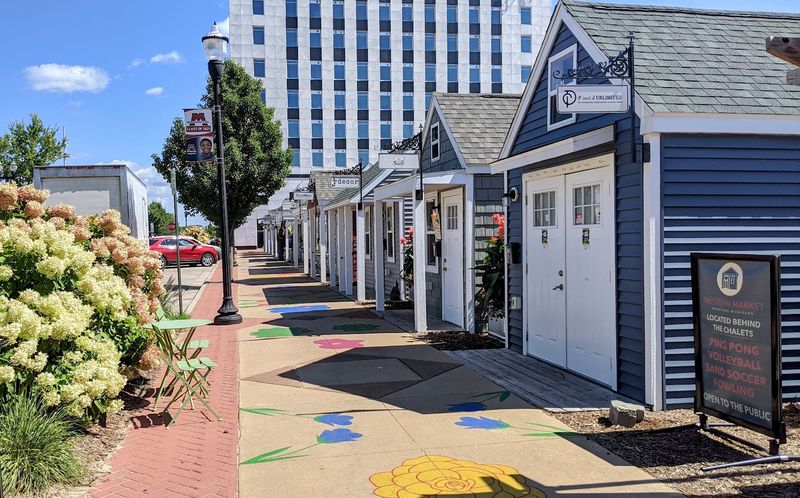
Muskegon has a comeback story worth paying attention to. Once a bustling lumber and manufacturing hub, the city hit hard times in the latter half of the 20th century — but the last decade has brought a wave of investment, energy, and genuine optimism that’s hard to ignore.
Walking downtown today, you’d be forgiven for thinking this place has always been this lively.
The Lake Michigan shoreline is Muskegon’s crown jewel, full stop. Pere Marquette Beach is one of the finest freshwater beaches anywhere in the country, with wide stretches of white sand, clear water, and sunsets that look almost too dramatic to be real.
The beach draws visitors from across the region, but locals treat it as a backyard amenity — which is exactly the right attitude.
Downtown Muskegon has attracted breweries, restaurants, and entertainment venues that have transformed the commercial core. The Frauenthal Center for the Performing Arts anchors the cultural scene with a beautifully restored historic theater.
The Muskegon Museum of Art houses a collection that surprises nearly every first-time visitor with its quality and depth.
Winter in Muskegon is an event unto itself. Muskegon Winter Sports Complex features the only public luge track in the United States, along with ice skating, cross-country skiing, and snowshoeing.
Rather than battling the cold, Muskegon residents embrace it with an enthusiasm that makes the season fly by.
Affordability is perhaps the city’s most practical draw right now. Housing prices remain well below state and national averages, which has attracted a new generation of buyers, entrepreneurs, and remote workers who want lakefront living without a lakefront price tag.
Muskegon is still writing its next chapter, and the story is getting better with every page.
9. Holland
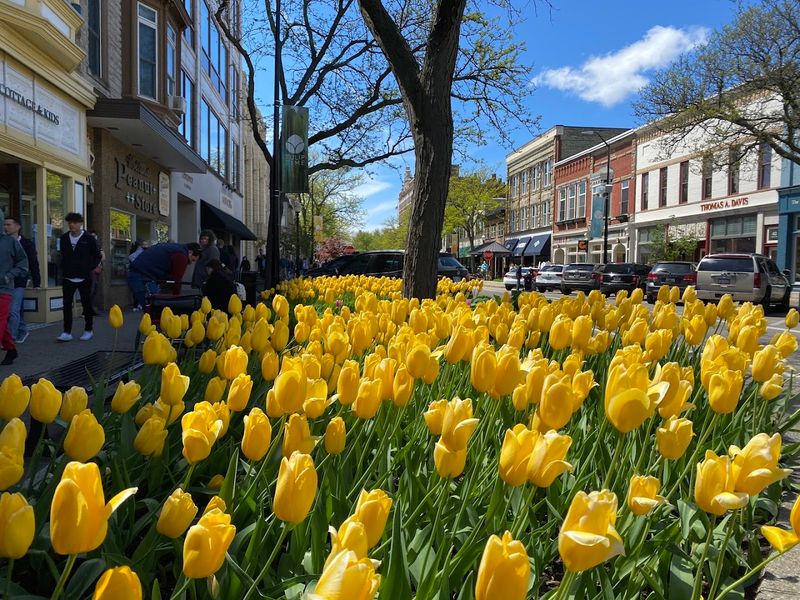
Every May, Holland erupts in a sea of tulips, and the entire city transforms into something that looks more like a painting than a real place. The Tulip Time Festival is world-famous, drawing hundreds of thousands of visitors annually — but Holland is far more than a one-season spectacle.
The Dutch heritage that shaped this city is woven into its architecture, its community values, and its remarkably clean, well-organized streets year-round.
Nestled along Lake Macatawa with easy access to Lake Michigan, Holland has a waterfront lifestyle that most cities can only dream about. Windmill Island Gardens, home to an authentic 250-year-old working Dutch windmill, sits alongside walking paths and manicured gardens that locals use as a regular retreat.
Holland State Park, just a short drive away, offers some of the most stunning Lake Michigan beach access in the state.
The downtown area is a genuine point of pride. Warm sidewalks — a heated snowmelt system built into the pavement — keep foot traffic flowing even in the depths of winter, giving Main Street businesses a year-round customer base.
Independent shops, restaurants, and cafes thrive here, and the overall aesthetic is polished without feeling corporate or sterile.
Hope College lends the city an academic heartbeat, bringing cultural events, athletic competitions, and a stream of young energy that keeps Holland from ever feeling stagnant. The college’s influence on community programming and volunteerism is substantial and deeply appreciated by longtime residents.
Families consistently rank Holland among the best places to raise children in Michigan. Low crime, excellent schools, strong faith communities, and a culture of civic engagement create an environment where kids grow up with both opportunity and accountability.
It’s the kind of city that inspires loyalty — people who grow up here often find their way back.
10. Battle Creek
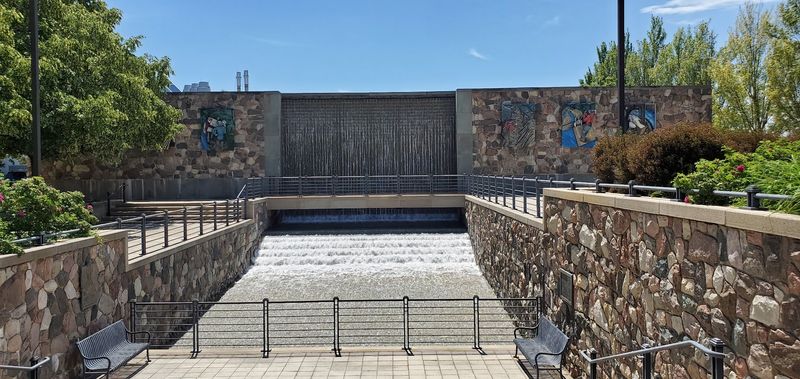
You’ve almost certainly eaten something that came from Battle Creek this week. The Cereal City, as it’s affectionately known, is the birthplace of Kellogg’s and Post cereals — a legacy that shaped not just the city’s economy but its identity and global name recognition.
That history is everywhere here, from murals to museums to the annual Cereal Festival that celebrates the city’s quirky claim to fame.
Beyond the breakfast food fame, Battle Creek has been working hard to redefine itself for the 21st century. Downtown has seen significant redevelopment, with new restaurants, event spaces, and creative businesses moving into historic storefronts.
The energy is scrappy and determined — exactly the kind of spirit that tends to produce interesting results over time.
The Battle Creek Linear Park Trail system is a genuine asset, stretching for miles along the Kalamazoo River and connecting neighborhoods, parks, and natural areas in a way that encourages daily outdoor activity. Leila Arboretum, one of the largest in Michigan, offers 72 acres of curated gardens and natural landscapes that draw visitors in every season.
Willard Beach on Goguac Lake provides a local swimming and recreation spot that families return to summer after summer. The city also sits within easy driving distance of Kalamazoo, which expands the entertainment and employment options significantly without requiring a move to a larger metro area.
Affordability is a major part of Battle Creek’s appeal right now. The housing market offers exceptional value, and the cost of living across the board is low enough to give residents real financial breathing room.
For entrepreneurs and remote workers looking for a community with character, low overhead, and room to grow, Battle Creek is increasingly hard to overlook. The city knows what it’s been, and it’s actively figuring out what it wants to become.
11. Marquette
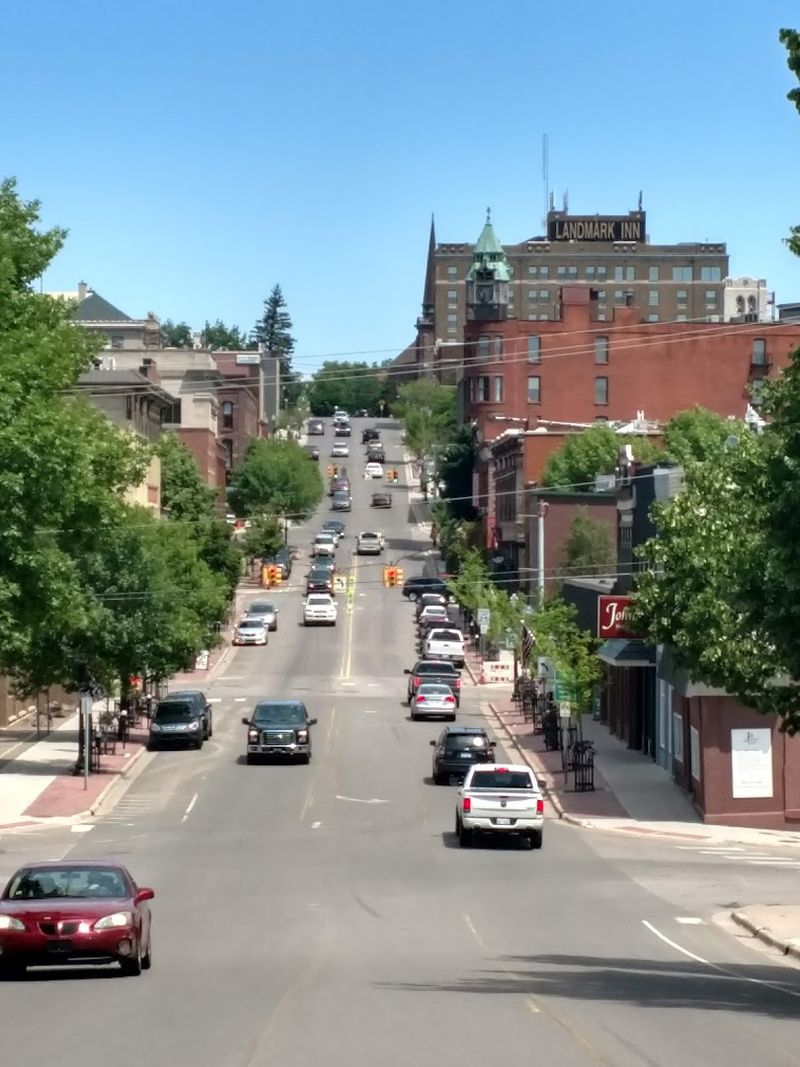
Living in Marquette requires a certain kind of person — someone who genuinely loves the outdoors, doesn’t mind a serious winter, and finds beauty in raw, unfiltered landscapes. If that sounds like you, this Upper Peninsula city sitting on the shores of Lake Superior might be exactly where you belong.
Marquette is not for everyone, and the people who love it seem to take a quiet pride in that fact.
Lake Superior sets the tone for everything here. The world’s largest freshwater lake by surface area frames the city’s entire western edge, and its presence is impossible to ignore.
Presque Isle Park, a 323-acre peninsula jutting into Superior, offers trails, rocky beaches, and views that feel genuinely remote despite being minutes from downtown. Locals run, bike, and walk those paths in every season, including the depths of January.
Northern Michigan University anchors the city’s academic and cultural life. The university brings performances, lectures, and events that punch well above what you’d expect for a city of roughly 20,000 people.
The NMU campus also contributes significantly to the local economy and keeps a stream of young talent engaged with the community.
The food and arts scene is surprisingly robust. Downtown Marquette is filled with independent restaurants, coffee shops, galleries, and boutiques that reflect the creative, self-sufficient spirit of the UP.
Dead River Coffee and Blackrocks Brewery are local institutions that capture the relaxed, authenticity-first culture residents cherish.
Mountain biking has become a major draw, with the Marji Gesick race putting Marquette on the global endurance sports map. Skiing, snowshoeing, ice climbing, and snowmobiling fill the winter calendar for those who lean into the season.
Marquette doesn’t apologize for its climate — it builds a lifestyle around it, and that attitude makes all the difference.
Share this story