A museum can make its first impression before you see a single piece of art. In downtown Grand Rapids, Michigan, the Grand Rapids Art Museum uses glass, stone, daylight, and open space to turn the building itself into part of the experience.
The setting feels calm but connected to the city around it, giving visitors a place where architecture, exhibitions, and downtown energy all work together. It is just as rewarding for a quick cultural stop as it is for a slower visit spent studying the details.
For anyone who likes art, design, or places that make a city feel more thoughtful, this Grand Rapids landmark is worth lingering over.
A Glass Front That Changes With the Weather
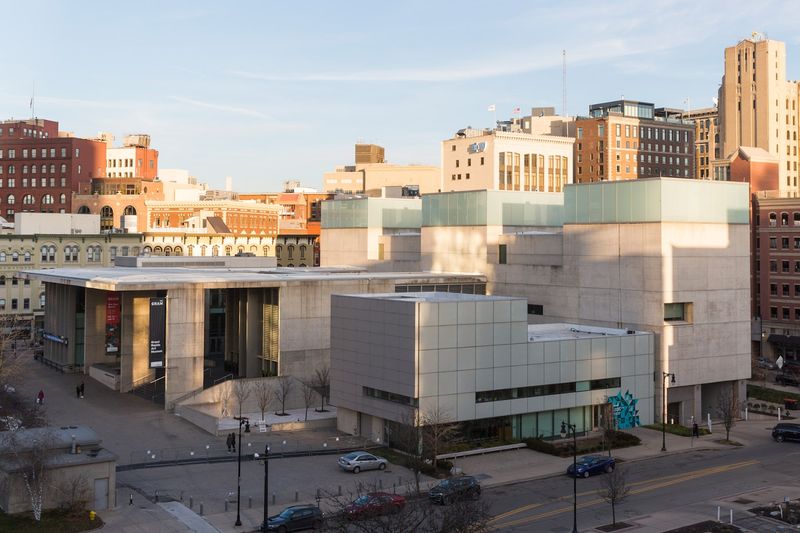
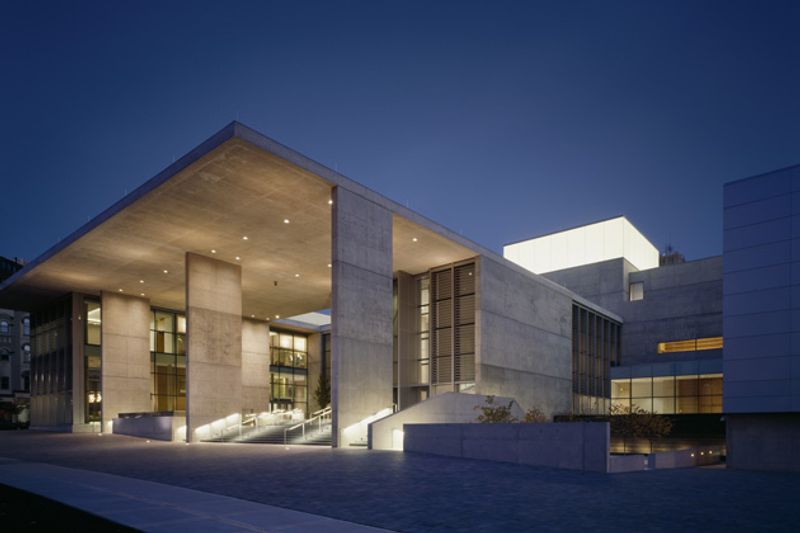
The Grand Rapids Art Museum announces itself with restraint instead of spectacle. Along Monroe Center, the building reads as crisp planes, broad windows, and a facade that lets daylight do most of the talking.
That choice matters immediately because the museum does not sit apart from downtown life – it participates in it, catching reflections of passing clouds, winter gray, summer brightness, and the steady movement of people outside.
Approaching on foot, you notice how transparent the front feels without giving everything away at once. The glass hints at interior volume, while the stone and structural lines keep the building grounded and deliberate.
It is modern without trying too hard to prove a point, which makes the entrance more inviting than intimidating, especially if you are the kind of person who likes museums but does not always love museum formality.
The effect changes by season and by hour. On bright afternoons, the facade looks almost weightless in places, while overcast light brings out sharper contrasts between glass, frame, and wall.
During busier downtown moments, the museum becomes a kind of visual pause button, giving the street a cleaner rhythm and making the block look more composed than a standard cultural stop usually does.
That architectural calm sets up the visit before you see a single artwork. You are already paying attention to light, proportion, reflection, and pacing, which is exactly the mindset this museum rewards.
In a city center full of practical movement – parking ramps, events, office traffic, quick errands – the building creates a slower visual tempo. It makes you look up, then forward, then through the glass, and that sequence is a smart opening move.
Inside, Daylight Becomes Part of the Exhibit
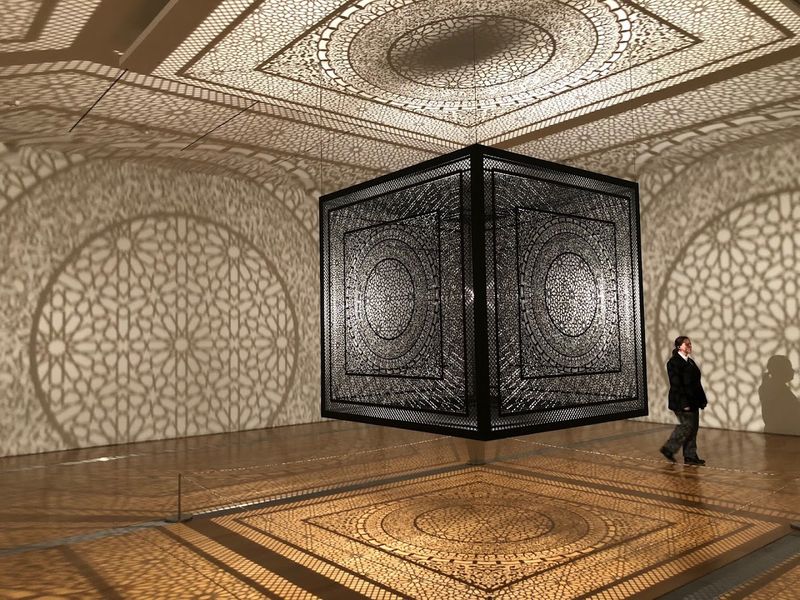
Once inside, the museum’s strongest design trick becomes obvious: light is not background here. It shapes how the galleries open, how the corridors breathe, and how the entire visit avoids that sealed-off feeling many art museums can slip into.
Instead of treating illumination as a technical necessity, the building uses it as a quiet guide, pushing your eyes across surfaces and giving transitions between spaces a softer edge.
That makes even simple movement through the museum more engaging. You are not just going room to room checking off walls of art, because the architecture keeps resetting your visual attention.
A doorway frames the next gallery differently than expected, a brighter stretch of hallway loosens the pace, and occasional glimpses outward remind you that the museum is still connected to the city rather than hiding from it.
This relationship between art and environment is especially useful in a collection that spans different periods and media. Paintings, design pieces, and temporary installations benefit from rooms that feel composed rather than crowded.
When a museum is smaller than a giant encyclopedic institution, layout becomes even more important, and here the spaces generally work in favor of concentration instead of overload.
You also notice how comfortable the museum can be for longer visits. People have described spending hours here without feeling rushed, and that makes sense once you experience the pacing for yourself.
The building gives your attention places to tighten and places to rest, which is harder to achieve than it looks. By the time you reach another set of galleries, the architecture has already done subtle work on your behalf, helping you arrive ready to look carefully again.
The Third Floor Is Where the Collection Broadens Out
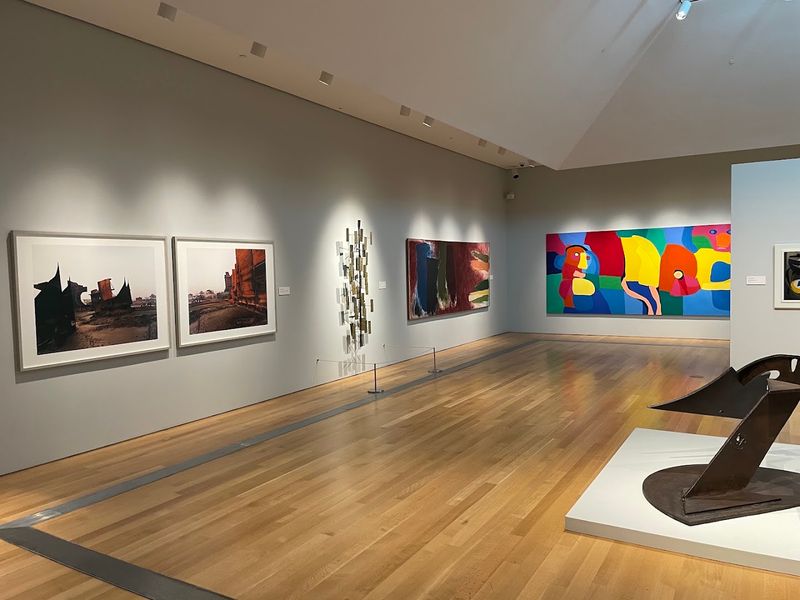
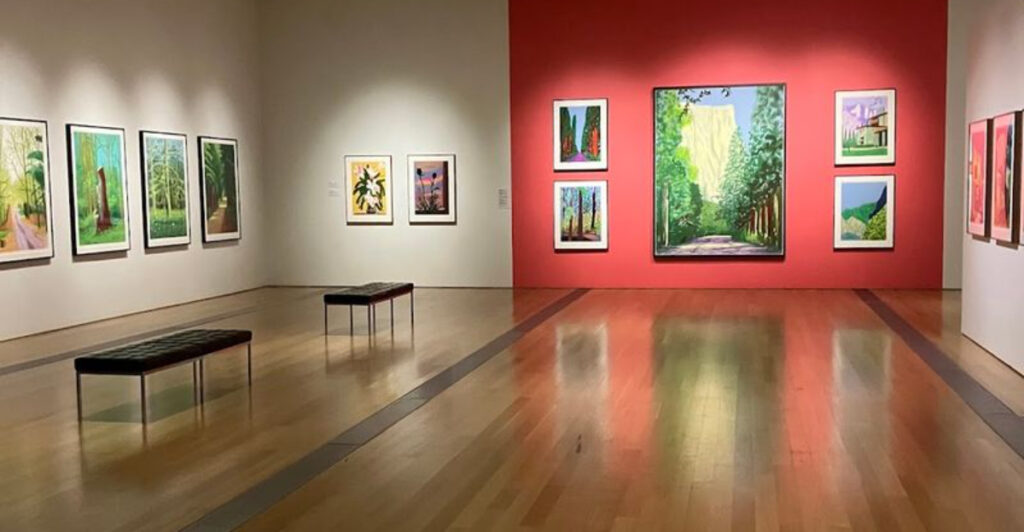
If you want the clearest sense of the museum’s range, head upward. The third floor is where the permanent collection opens out most fully, giving you a broader sweep of American and European work and a better understanding of how the museum balances depth with accessibility.
In practical terms, this level often turns a casual stop into a longer stay because the sequence of rooms keeps revealing new material without making the visit feel crowded or overpacked.
That matters at a museum of this scale. Instead of trying to imitate a giant metropolitan institution, the Grand Rapids Art Museum uses selectivity to its advantage, letting works breathe and creating room for comparison across periods.
A painting from an earlier century can sit in productive tension with later pieces nearby, and the result is less about quantity than about the pleasure of noticing shifts in style, subject, and visual ambition.
You can move through these galleries at different speeds and still get something satisfying. Fast scanners will catch bold portraits, landscapes, and changes in palette almost immediately, while slower viewers can settle into brushwork, framing, and the way the galleries encourage side glances across the room.
Because the layout is not overwhelming, the floor supports curiosity instead of punishing it with fatigue.
This is also where the museum escapes any easy stereotype that modern buildings only serve contemporary art well. The upper galleries show that older works can sit convincingly inside a very current architectural shell.
Clean lines do not flatten the art; they give it clarity. By the end of this level, you are not thinking about square footage or whether the museum is large enough.
You are thinking about the next room, which is exactly the right response.
Design, Furniture, and the Unexpected Detours
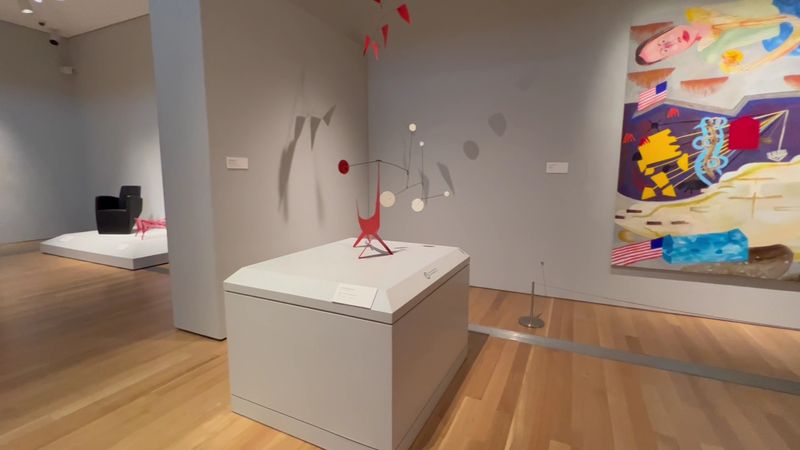
The Grand Rapids Art Museum gets more interesting when you stop expecting only framed paintings. Design and furniture have a real presence here, which makes perfect sense in a city with deep ties to furniture making and design culture.
That local connection gives the museum an identity beyond standard art-museum programming, because decorative arts and functional objects are not treated like side notes tucked away for specialists.
Instead, these pieces widen the conversation. A chair, cabinet, or design object changes the pace of looking because it pulls your attention toward craftsmanship, material, and scale in a more physical way.
You start considering how an object occupies space, how it was meant to be used, and how its lines echo or resist the architecture around it, which is a distinctly different mode from reading a canvas across the room.
This variety also helps the museum appeal to mixed groups. If someone in your group is less interested in painting, design-centered displays can be the turning point that draws them in.
The collection becomes easier to enter when art is not limited to one format, and the museum wisely leans into that flexibility rather than guarding a narrow definition of what deserves close attention.
Some of the most memorable moments come from these detours into object-based viewing. You move from image to form, from wall to room, from observation to imagination about texture, labor, and use.
In a downtown museum where every gallery has to work hard for your attention, that shift is valuable. It breaks monotony, reinforces the museum’s local relevance, and adds a tactile thread to the visit, even when the only thing you can actually touch is the handrail on the way to the next floor.
Grand Rapids, Michigan, Knows How to Turn a Museum Into a Civic Space
The museum does more than hang art behind calm walls. In downtown Grand Rapids, it also works as a civic room, a place where exhibitions, lectures, film programs, youth showcases, and occasional evening events pull different audiences through the same doors.
That broader rhythm changes how the building reads, because it is not frozen in one museum mode all week long.
Thursday stands out in that pattern for practical and cultural reasons. The museum stays open later on Thursdays, and community energy around evening programming can give the visit a noticeably different pulse than a quiet afternoon.
Music, special events, or rotating exhibitions can alter the mood without breaking the museum’s visual discipline, which is a useful reminder that contemporary museums succeed when they balance contemplation with public life.
That mix also helps explain why the institution can appeal across age groups. Families have found hands-on activity areas worthwhile, while adults who prefer a more traditional gallery experience can still move through major displays without feeling like the museum has turned into an all-purpose entertainment venue.
The staff’s reputation for being welcoming adds to that balance, keeping the experience approachable even when you arrive without much prior knowledge.
For a museum in the middle of a working downtown, this civic role matters. Office workers, weekend visitors, school groups, and out-of-town travelers can all intersect here without the building losing its composure.
You see the city using the museum rather than merely admiring it from outside. That gives the place a practical vitality many architecturally impressive museums struggle to achieve.
It is polished, yes, but it also operates as part of Grand Rapids’ public culture rather than as a sealed design object.
How to Time Your Visit for the Best Flow
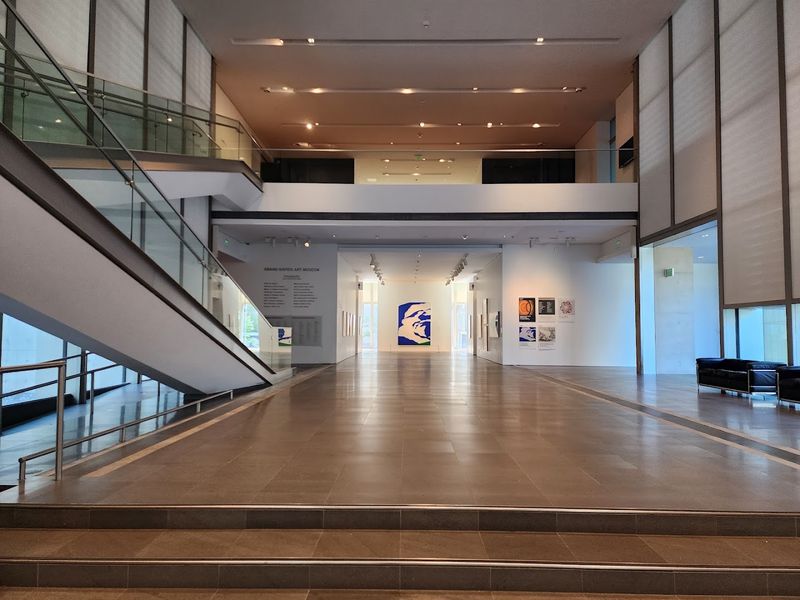
Planning makes a noticeable difference here, mainly because the museum runs on a compact weekly schedule. It is closed Monday and Tuesday, opens noon to 5 PM Wednesday and Friday, stays open until 8 PM on Thursday, and runs 10 AM to 4 PM on Saturday and Sunday.
Those hours create clear windows depending on whether you want a quieter, more focused gallery crawl or a visit that overlaps with downtown activity and possible evening programming.
If you like room to slow down, midday on Wednesday or Friday can be a smart choice. The galleries often suit deliberate looking best when you are not navigating weekend traffic patterns, nearby event spillover, or family-heavy visiting hours.
On the other hand, Thursday evening adds a different kind of appeal, especially if you enjoy the museum as part of a larger downtown outing with dinner, people-watching, or seasonal activity nearby.
Weekend visits work well if you are already exploring central Grand Rapids. The museum’s location at 101 Monroe Center St NW puts it within easy reach of parking garages and downtown foot traffic, so it fits naturally into a broader city walk.
That convenience means you do not have to build your whole day around the museum, yet the collection and architecture are strong enough to justify doing exactly that if you prefer a slower schedule.
A useful strategy is to start at the top and work downward, giving the permanent collection your freshest attention before circling back through changing exhibitions and design-focused displays. The building supports that kind of progression nicely.
By the time you return to street level, you have moved from overview to detail, from broad collection context to the city outside, which makes the exit feel orderly instead of abrupt.
Why This Museum Lands Differently Than a Typical Downtown Stop
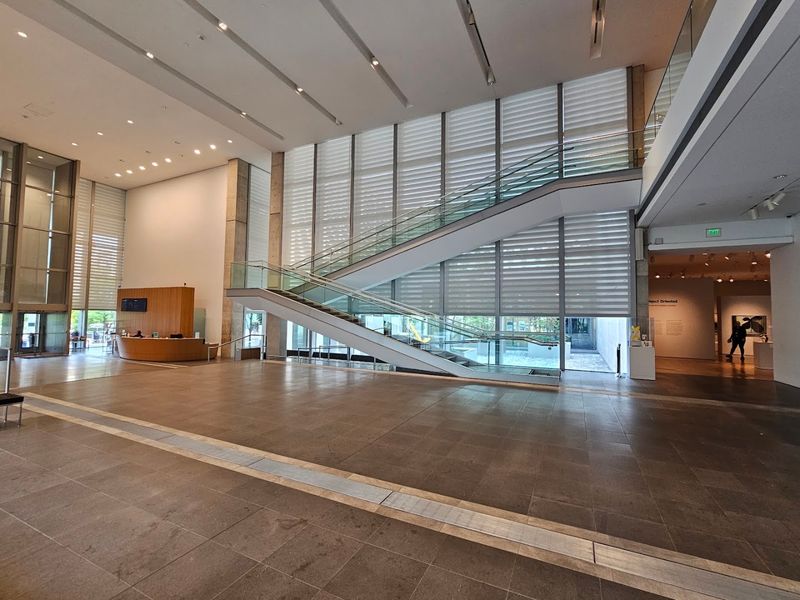
The most compelling thing about the Grand Rapids Art Museum is not a single masterpiece or one blockbuster room. It is the way architecture, daylight, collection choices, and downtown location reinforce each other with unusual consistency.
Plenty of museums have strong exhibitions, and plenty of buildings photograph well, but this one stands out because the structure is actively shaping the pace and clarity of the experience almost every minute you are inside.
That gives the museum a crisp identity. It is modern without becoming cold, civic without becoming chaotic, and approachable without flattening the art into background decor.
You can arrive with deep interest in painting and design, or you can walk in simply wanting one smart stop in the center of the city, and the museum still has enough visual intelligence to meet you where you are.
There is also a satisfying sense of proportion here. The museum does not overwhelm with endless galleries, yet it offers enough range across permanent works, temporary exhibitions, design objects, and public programming to keep the visit from feeling slight.
That balance is harder to achieve than sheer scale, and it is probably one reason the museum works well for repeat visits as well as first-time drop-ins.
In practical terms, this is the kind of place that sharpens a day in Grand Rapids. It can anchor an afternoon, rescue a gray-weather plan, or turn an ordinary downtown walk into something visually richer.
More importantly, it proves that museumgoing does not need excess to feel substantial. At 101 Monroe Center St NW, the draw is precision: well-used light, well-shaped rooms, and a collection presented with enough discipline that your attention stays active right up to the final gallery.
Share this story