Most people think Oklahoma history starts with land runs and oil wells.
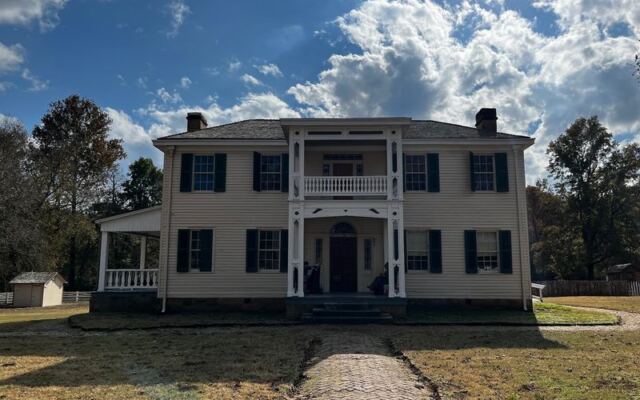
Tucked in the green hills near Tahlequah, though, stands a house that was already old when the Civil War began.
It is the only home of its kind left in the whole state, and the people who show it off know its story inside and out.
Read on to find out where it is, what you will see, and why a one-hour visit often turns into two.
1. A Greek Revival Survivor in Cherokee Country
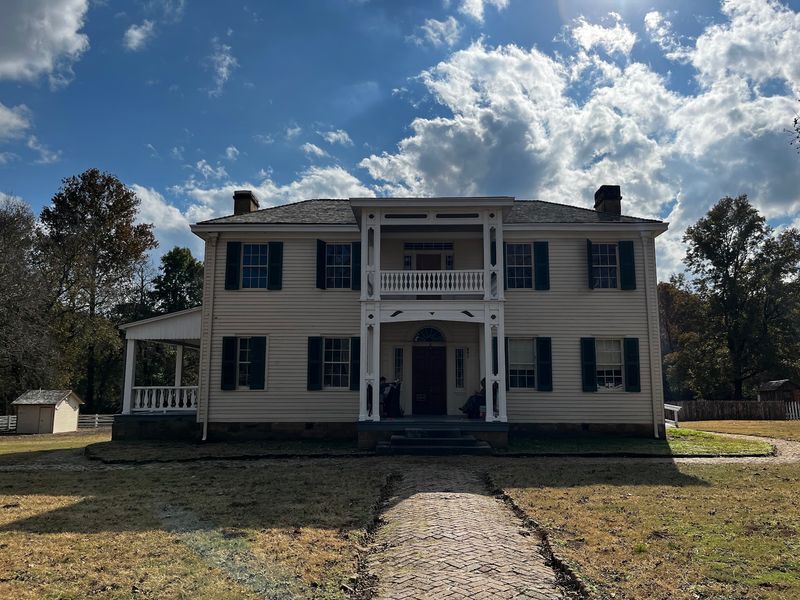
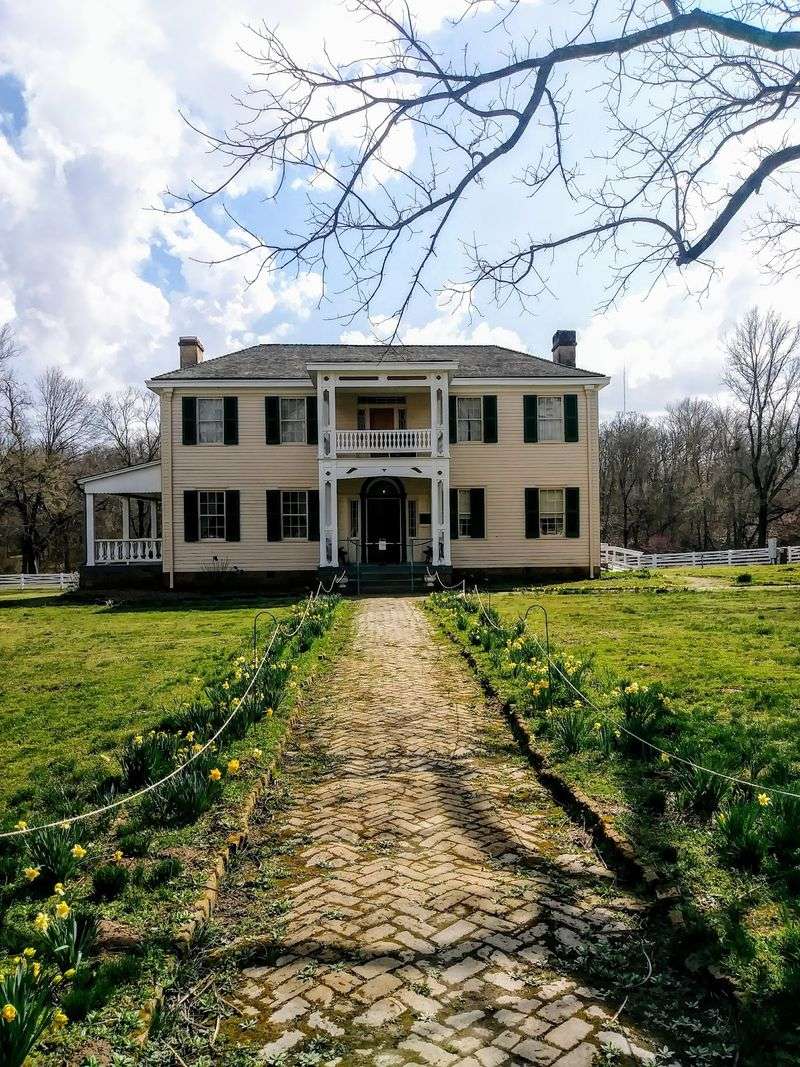
Oklahoma has exactly one antebellum home still standing, and it sits at 19479 E Murrell Rd, Park Hill, OK 74451.
The place is called Hunter’s Home, and it is run as a historic site and museum by the Oklahoma Historical Society.
Park Hill lies just outside Tahlequah, in the heart of Cherokee Nation country in northeastern Oklahoma.
That makes it an easy day trip for families from Tulsa and a reasonable drive from many other towns in the state.
The house itself is a 19th-century Greek Revival mansion.
Around it you will find period exhibits, outbuildings, and wide, parklike grounds that invite slow wandering.
Its history is closely tied to the Cherokee Nation and to major moments in U.S. history.
That connection is a big part of why the site matters so much to Oklahomans who want to understand their own backyard.
Plenty of folks arrive expecting a quick peek at an old house.
They tend to leave with a much bigger picture of what life looked like here before statehood was even an idea, which is exactly where the next part of the story begins.
2. Stories Behind the Columns
Old houses can feel like movie sets until someone explains who actually lived in them.
At Hunter’s Home, that explaining is the whole point.
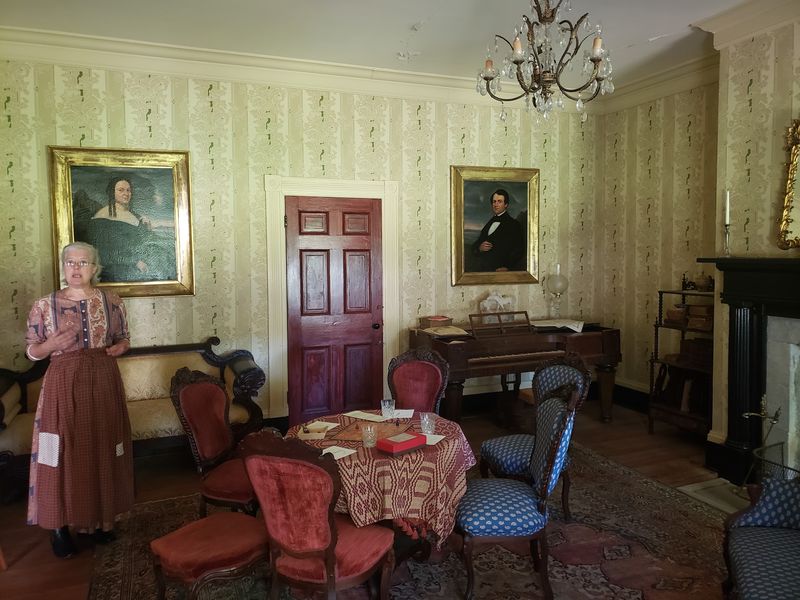
Tours here cover the families who owned the home and how the plantation ran in the 1800s.
Guides also share the stories of the enslaved people who lived and worked on the property, a part of the history that the site does not skip over.
That honest approach gives the visit real weight.
Kids and grown-ups alike get a fuller sense of how the Cherokee Nation, the plantation system, and the larger events of the era all crossed paths in this one spot.
The house is often compared to the plantation mansions of Louisiana.
Yet its location in Indian Territory gives it a story no Southern mansion can copy.
Guides tie the home to the people and the area around Tahlequah, so the history feels local rather than distant.
Students have even used the site for research projects, and staff have been known to go out of their way with sources and interviews.
Once the background clicks into place, the furniture inside starts to mean a lot more.
3. Guides Who Bring the Past to Life
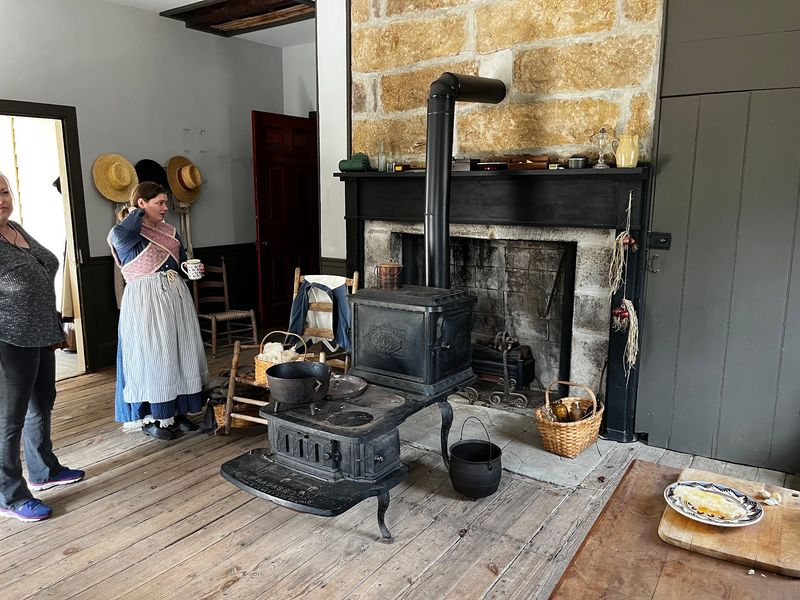
Ask almost anyone what made their trip, and the answer is usually the same: the guide.
The staff and volunteers here are known for deep knowledge and genuine enthusiasm.
Every walk through the house is a guided tour, which surprises some first-timers.
That turns out to be a happy surprise, since questions get real answers and the history comes with context.
Guides explain who owned each piece, where it came from, and how daily life worked on the plantation.
One guide has even worked hands-on with walnuts from the property, using an original recipe from a former resident of the home.
The pace feels comfortable, never rushed and never dragging.
Many groups plan for an hour and end up staying two.
Small personal touches stand out too, like a guide stepping outside to point out catalpa trees or the animals on the grounds.
Volunteers sometimes give personalized tours during special events.
Staff seem to truly love the property, and that passion shows in every room.
Speaking of rooms, the next ones hold a surprise most museums would never allow.
4. Original Furniture, No Velvet Ropes
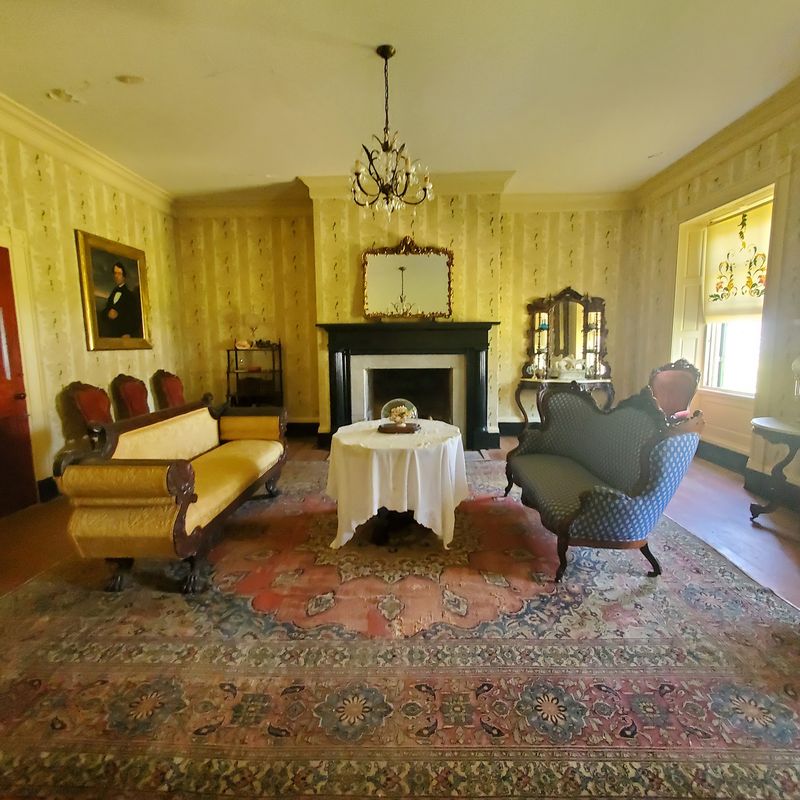
Here is a fun fact: about 90 percent of the furnishings inside are original to the home.
That is a rare number for any historic house, let alone one this old.
Even better, many rooms are not roped off.
You can walk around the space instead of peering in from a doorway.
Some guests have opened cabinets and looked closely at items on the nightstands.
For anyone used to staring past barriers, that freedom makes the visit feel personal.
The furniture is not just pretty to look at.
Guides tell you who each piece belonged to and how it ended up in the house, so every chair and dresser has a backstory.
Families with curious kids will appreciate how close everyone gets to the past.
It is a hands-on kind of history lesson, though gentle hands are always a good idea around pieces this precious.
All that original furniture keeps the house feeling lived in.
Step back outside, though, and the grounds have their own collection of treasures waiting.
5. Spring House, Cabin, and Open Grounds
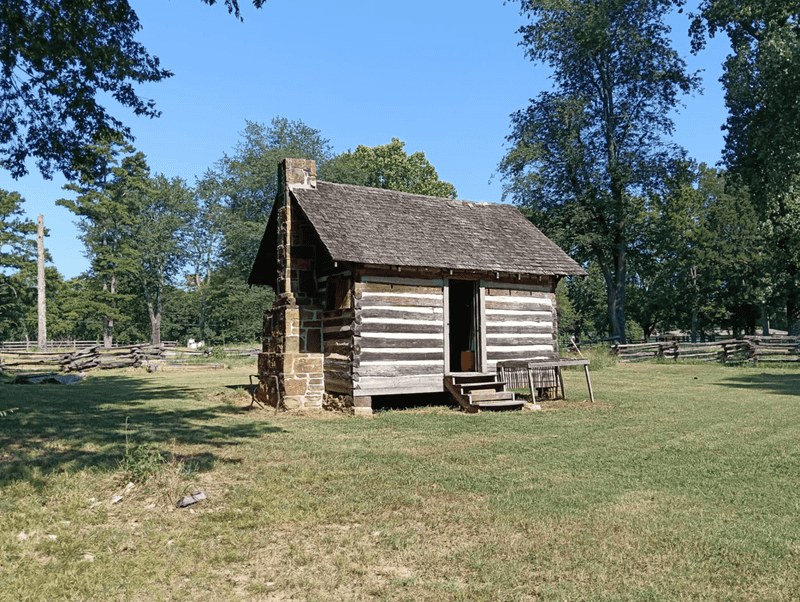
The tour does not end at the front door.
Outside, the property spreads into beautiful grounds that are worth their own slow loop.
A spring house is one of the standout outbuildings.
It offers a glimpse into how people managed everyday chores long before modern conveniences.
There is also a small cabin out back where a guide explains even more about daily life in the 1800s.
Gardens add to the scene, and plans call for heirloom plants and an apple orchard.
A walking trail winds through the property for those who like to stretch their legs.
Picnic areas and a play area for kids make it easy to turn the trip into a half-day outing.
Outdoor signs help even little ones explore.
One four-year-old was spotted pointing at the pictures and asking questions, proof that history can hook the youngest crowd.
Some families tour the house first and come back on a cooler day to roam outside.
Either way, keep an eye out for some very unusual residents on four legs and two.
6. Heritage Breeds on the Homestead
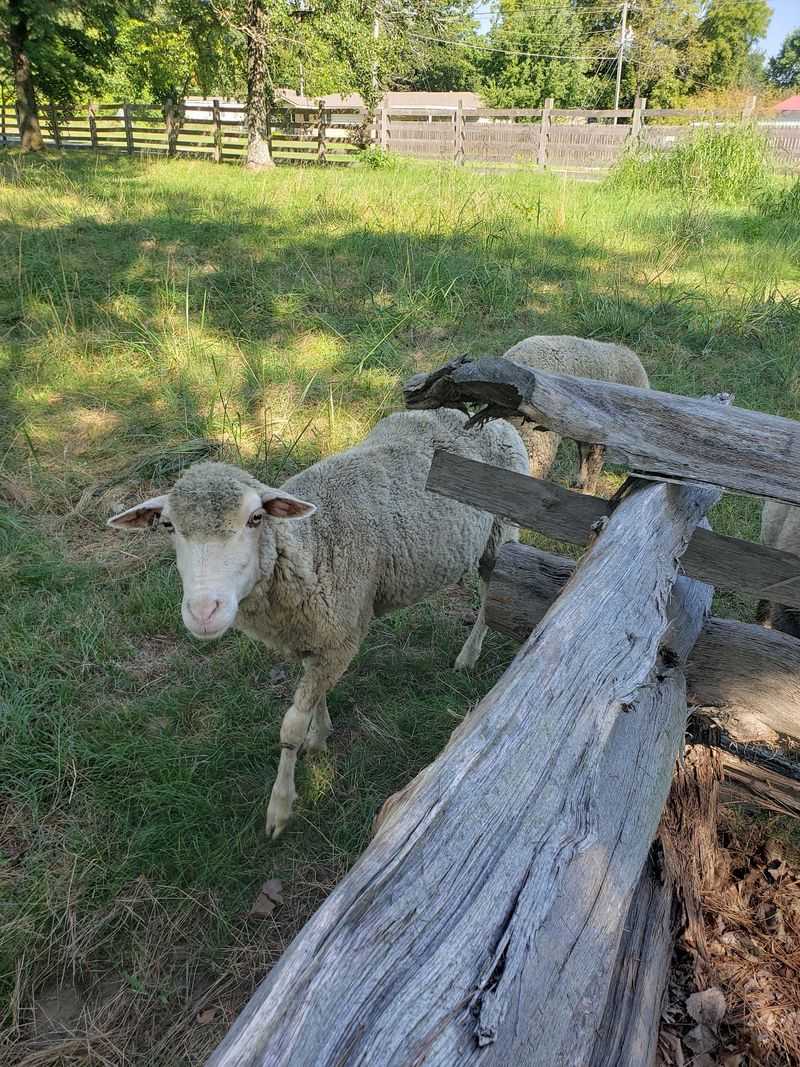
Not every museum comes with a flock.
Hunter’s Home is bringing heritage breeds of farm animals back to the grounds.
Merino sheep, rare heritage turkeys, and hens have all been part of the scene.
These are not random barnyard picks, since the goal is animals with historical significance to the site.
Kids tend to light up at this part.
Seeing the animals helps connect the stories from the house to the real work of running a plantation.
The restoration work keeps growing.
More animals, an apple orchard, and heirloom garden plants are all in the plans, so repeat trips may reveal something new.
Those changes have earned plenty of praise from returning guests, who describe the progress as grand.
It is a site that feels like it is still being woven back together.
The animals also play a starring role on certain special days, when the skills of the 1800s are put on full display.
7. Living History Days and Old-Time Skills
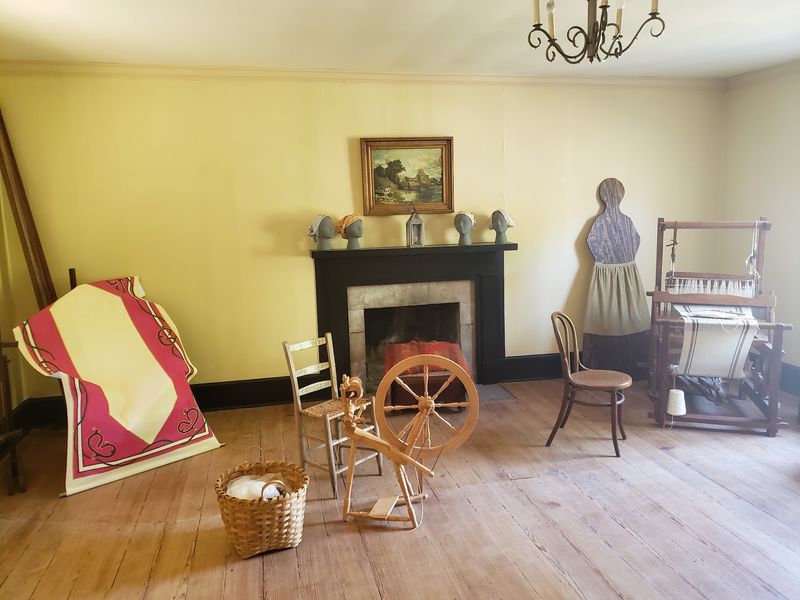
Sheep shearing is not something most people see on a Saturday.
During Living History Days at Hunter’s Home, it is part of the show.
These events feature people demonstrating 19th-century skills, sometimes in period clothing.
The living history stretches both inside and outside the home.
For families, this is where the visit becomes truly hands-on.
Watching old chores done the old way makes textbook lessons stick.
The demonstrations fit right in with the heritage animals and outbuildings.
Together they show how much effort went into daily life on a plantation in Indian Territory.
Event dates are not fixed in stone, so checking the Oklahoma Historical Society website before planning around one is a smart move.
Schedules may change from season to season.
Even on a regular day, guides bring plenty of that living history spirit into the tour.
Of course, getting there at the right time matters, so the practical details come next.
8. Planning Your Trip to Park Hill
Timing is the main thing to get right.
Hunter’s Home is open Tuesday through Saturday from 9 AM to 4:30 PM.
It is closed on Sundays and Mondays.
Hours can change, so a quick check of the website at okhistory.org before driving is always wise.
Give yourself more time than you think you need.
Guided tours plus the grounds can easily fill two hours, and the picnic area makes it tempting to stay longer.
Admission prices are not listed here, so look them up ahead of time.
Even on days when the inside is closed, the grounds and signs can still make for a fun stop.
Park Hill sits just outside Tahlequah, so it pairs nicely with a broader day exploring the area.
It is often called a highlight of a Tahlequah trip.
For Oklahoma families who want proof their state holds more than prairie, this house makes a strong case.
Come curious, ask plenty of questions, and leave with a story that started long before statehood and still has chapters being written today.
Share this story