In eastern Massachusetts, the December sun can disappear around 4:11 in the afternoon. That means darkness can arrive before plenty of people even finish the workday, and I still think that takes some getting used to.
Then there are the less obvious surprises. Massachusetts charges drivers an annual excise tax for owning a car, and residents are still subject to a state health insurance requirement that can show up at tax time.
Those are the kinds of details that rarely make it into the glossy moving guides.
None of this means Massachusetts is a bad place to live. The state has excellent schools, deep history, beautiful coastlines, and seafood worth bragging about.
But high costs, winter weather, traffic, and everyday rules can test your patience faster than expected.
I love plenty about living here, but I also believe in knowing what you are signing up for. These are the tough truths worth hearing before the moving truck arrives.
1. Home Prices That Make You Gasp
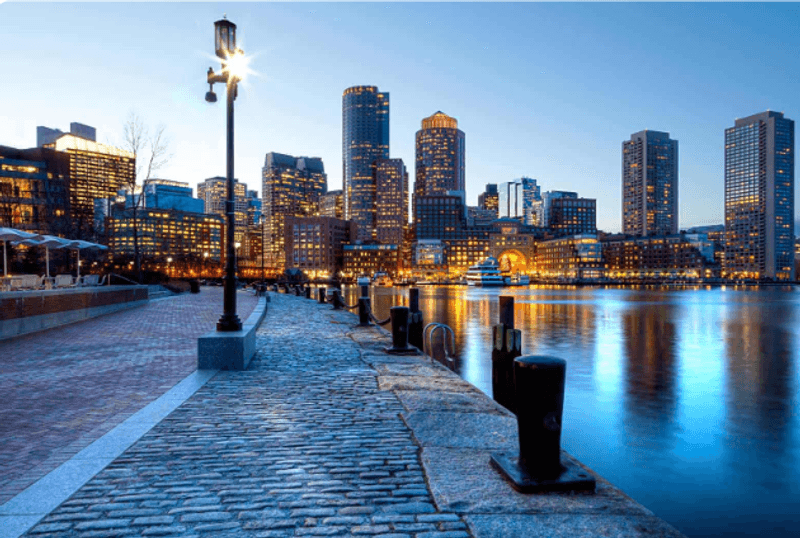
Shopping for a house here can feel like browsing a luxury catalog by accident. The Massachusetts median price for a single-family home has climbed well past half a million in recent years.
Why so pricey? The state simply has not built enough homes to keep up with the people who want to live here.
Massachusetts leaders know it, too. In 2021, the state passed the MBTA Communities Act, which pushes towns near transit to allow more multifamily housing.
Progress takes time, though. Zoning fights, town meetings, and construction delays mean new homes trickle out slowly.
So what can a buyer actually do? Start by looking beyond the towns everyone talks about first.
Communities farther west, like those around Worcester and Springfield, often offer more house for the money. You trade a longer commute for a bigger yard, and many people find that deal worth it.
First-time buyers should also look into MassHousing. The state agency offers loan programs and down payment help for people who qualify.
Getting preapproved early matters a lot in a tight market. Sellers tend to take serious offers more seriously, which sounds obvious but trips people up constantly.
Be ready for older homes, too. Massachusetts has plenty of houses built long before modern wiring and insulation existed.
That charm is real, but so are the repair bills. Always budget for a thorough home inspection before you fall in love with a creaky staircase.
One more tip helps a lot. Talk to a local agent who knows which towns are seeing new construction.
The hunt can feel exhausting, but buyers do find homes here every day. Patience, flexibility, and a solid budget are your best tools.
2. Rent That Eats Your Paycheck
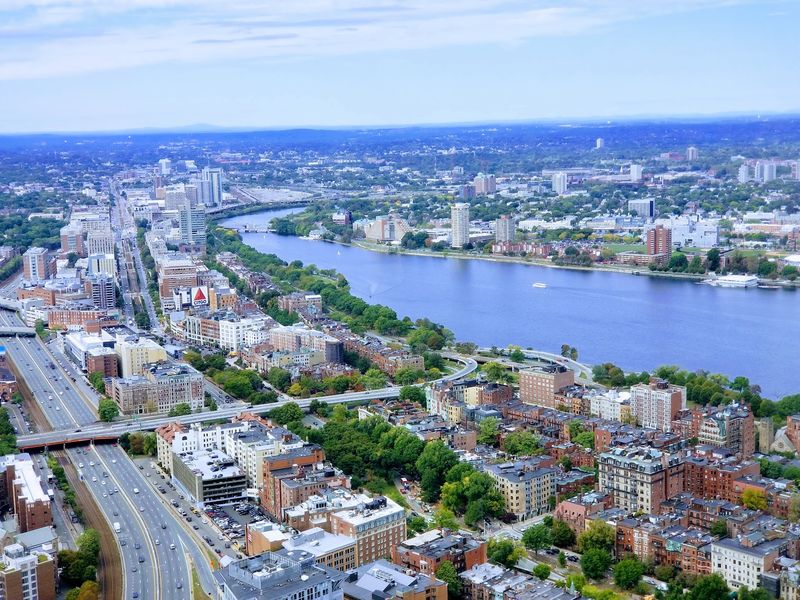
Your monthly rent check might start to feel like a second car payment. Boston regularly ranks among the most expensive rental markets in the whole country.
Surrounding cities like Cambridge and Somerville are not much gentler. Demand from students, hospital workers, and tech employees keeps the pressure high.
Here is a quirk that surprises newcomers. Many Boston-area apartments turn over on September 1, when college leases flip at the same time.
Locals even have a nickname for it: Allston Christmas. That is when curbs fill with free couches, lamps, and mattresses left behind by movers.
Moving on that date can be chaotic. Trucks are booked solid, streets get crowded, and tempers run short.
If you can, try to sign a lease that starts in a different month. You might find more choices and less competition.
Watch out for broker fees, too. Massachusetts updated its rules in 2025 so that whoever hires the broker pays the fee, which often means the landlord.
Still, read every lease carefully before signing anything. Ask who covers heat, hot water, and snow removal, since those details change your real monthly cost.
Roommates are another smart move. Splitting a three-bedroom can cost far less per person than renting a studio alone.
Also think about commuting. An apartment a few stops farther out on the train can save a surprising chunk each month.
Finally, know your rights. The state Attorney General’s office publishes a guide for tenants covering security deposits and repairs.
Massachusetts has strong rules on deposits, including how landlords must hold them. A little reading now can save you real headaches later.
3. Winter That Overstays Its Welcome

Shovels here are less of a purchase and more of a lifestyle. Boston averages around four feet of snow per season, and some winters blow way past that.
Then there are nor’easters. These storms spin up the coast and can dump heavy snow, strong winds, and flooding all at once.
The 2015 season still haunts long-time residents. Boston recorded over 110 inches that winter, setting a city record.
Not every year is that brutal, of course. Some winters are mild, which honestly makes it harder to plan.
So how do you prepare? Start with good boots, a real winter coat, and a sturdy ice scraper.
Snow tires or all-season tires with good tread help a lot. Hills and back roads get slick fast after a storm.
Check your town’s snow emergency rules early. Many cities ban parking on certain streets during storms, and towing is common.
Homeowners usually have to clear their sidewalks within a set time after snow stops. Rules vary by city, so look yours up before the first flake falls.
Keep a small kit in your car, too. A blanket, snacks, a phone charger, and a little shovel can turn a stuck moment into a minor annoyance.
Power outages happen during big storms as well. Flashlights and extra batteries are cheap insurance.
The upside is real, though. Fresh snow on a New England town green looks straight out of a holiday card.
Plenty of people learn to love skiing, sledding, or snowshoeing. If you can’t beat winter, you might as well play in it.
4. Sunset Before Dinner
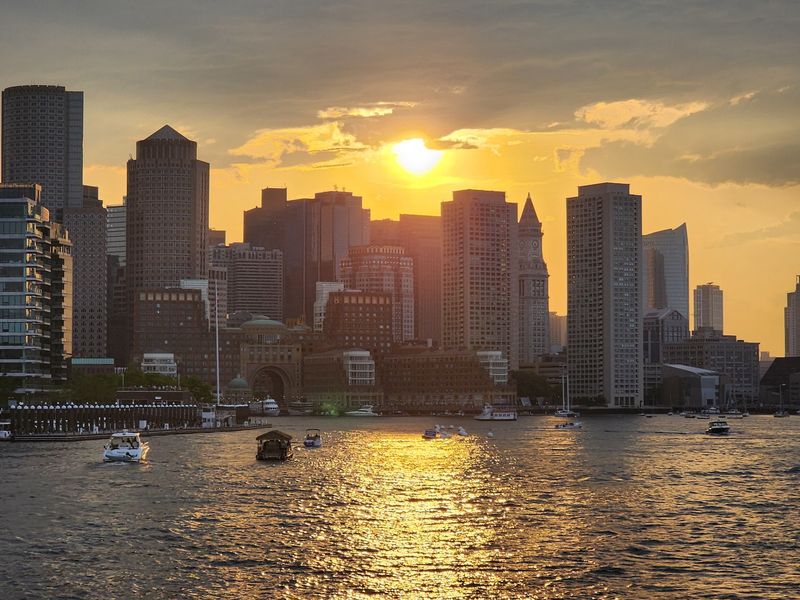
Leaving work in total darkness feels a little like time travel. Around the winter solstice, the sun in Boston sets near 4:11 in the afternoon.
That happens because Massachusetts sits on the far eastern edge of the Eastern Time Zone. Clocks match New York, but the sun moves on its own schedule.
Here is a fun fact for your next trivia night. In 2017, a Massachusetts state commission studied switching to Atlantic Time.
The idea was to give residents more evening light in winter. The group decided the state should not switch alone, since that could cause confusion.
So for now, the early darkness stays. That can drag on mood and energy during the cold months.
Many people feel the winter blues this time of year. Seasonal affective disorder is real, and doctors take it seriously.
Try to grab sunlight whenever you can. A lunchtime walk, even a short one, can help more than you might expect.
Some folks use light therapy lamps in the morning. Talk to a doctor first if you think the dark months are hitting you hard.
Planning helps, too. Schedule fun things for winter evenings, like game nights, pottery classes, or a weekly movie with friends.
Brighten your home with soft lamps and string lights. Small changes can make long nights feel a lot less gloomy.
There is a payoff when spring arrives. Once daylight saving time starts in March, evenings stretch out fast.
By June, the sun stays up past eight. Massachusetts summer evenings feel like a reward for surviving all that dark.
5. Electric Bills That Sting
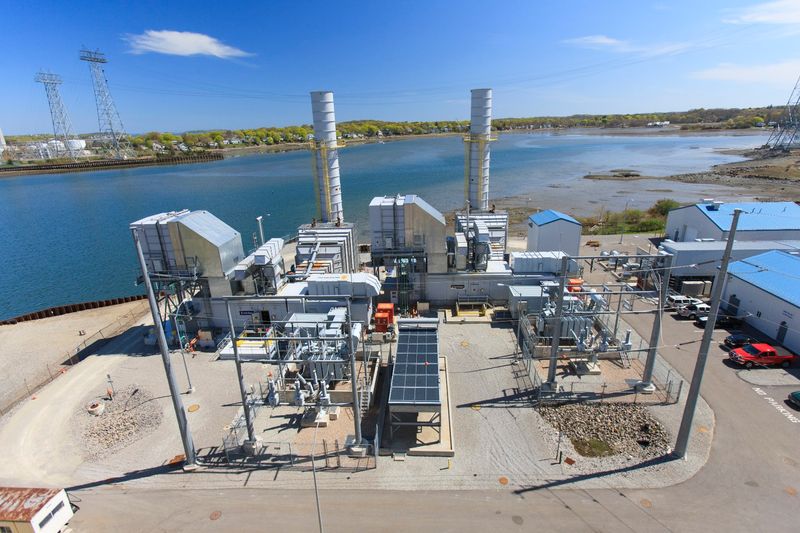
Opening a winter utility bill can feel like a jump scare. Massachusetts electricity rates rank among the highest in the continental United States.
A big reason is natural gas. New England leans heavily on it to make power, and pipeline space into the region is limited.
When cold snaps hit, demand for gas spikes. Prices jump, and those costs show up on your bill.
Heating adds another layer. Many older homes here still use oil or gas, and drafty windows let warm air sneak right out.
The good news? Massachusetts runs a program called Mass Save that can help.
Mass Save offers no-cost home energy assessments for many residents. An expert checks your home and points out where heat is escaping.
The program also offers rebates on insulation, heat pumps, and efficient appliances. Those upgrades can lower bills over the long haul.
Heat pumps have grown popular across the state. They heat in winter and cool in summer, and rebates can soften the upfront cost.
Simple habits count, too. Seal gaps around doors, use a programmable thermostat, and close curtains at night.
Some utilities offer budget billing plans. These spread your costs evenly across the year so winter does not wreck your wallet.
If money is tight, check whether you qualify for discount rates. Low-income households can often get reduced electric and gas pricing.
The state’s fuel assistance program helps with heating costs as well. Applying early in the season is a smart move before the cold really settles over Massachusetts.
6. The Car Excise Tax
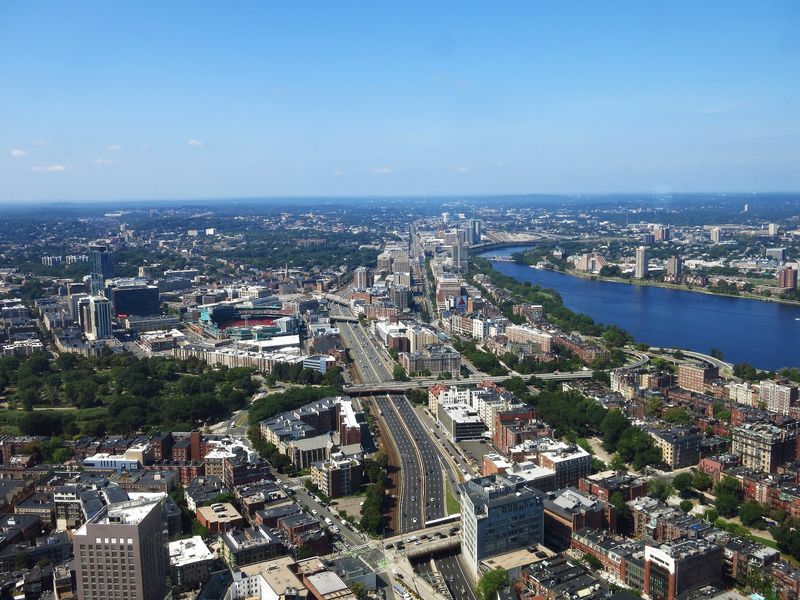
Owning a car here comes with a yearly invoice nobody warns you about. Massachusetts charges a motor vehicle excise tax just for having a registered car.
Your city or town sends the bill. The state sets the rate at 25 dollars per 1,000 dollars of value, based on a set schedule.
That schedule does not use what you paid. It starts with the manufacturer’s list price and drops the value over the first few years.
So a brand-new car gets taxed the most. The bill shrinks as the car ages, which is one perk of keeping an old ride.
Newcomers often miss this bill at first. It usually arrives by mail, and if it gets lost, late fees can pile up quickly.
Unpaid excise tax is a big deal here. The Registry of Motor Vehicles can block you from renewing your license or registration.
Make sure your address is current with the RMV. That way your bill actually lands in your mailbox instead of someone else’s.
Many towns now let you pay online. Setting a calendar reminder each year is an easy fix.
Moving within Massachusetts? The tax goes to the town where your car was garaged on January 1.
If you sell or move the car out of state, you may qualify for a partial refund. You’ll need paperwork, like a plate return receipt, so hang on to it.
Budget for this tax when buying a car. A pricier model means a bigger bill every year.
It feels annoying, but the money helps fund local services. At least your excise tax keeps the roads plowed, mostly.
7. Annual Inspection Sticker
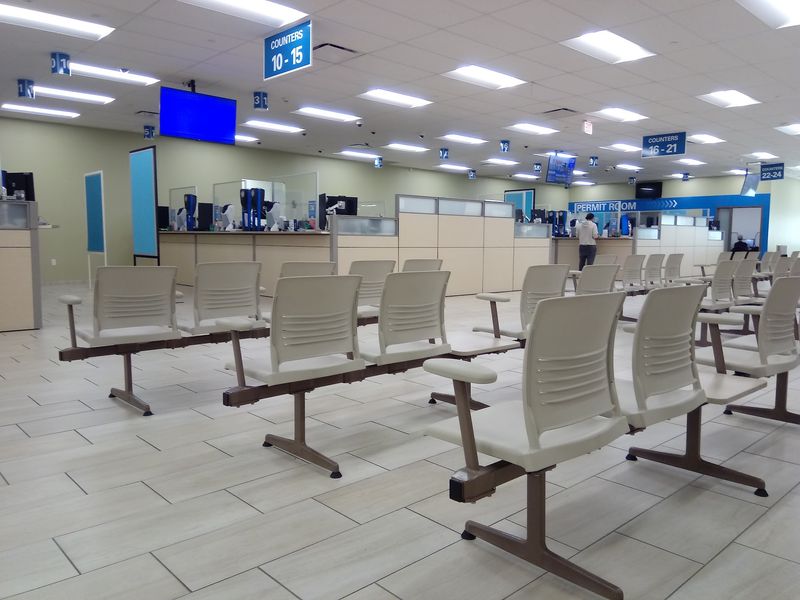
Your windshield gets a new little badge every single year here. Massachusetts requires an annual safety and emissions inspection for most registered vehicles.
The sticker shows a number for the month your inspection expires. Police can spot an expired one quickly, so don’t let it slide.
New residents get a short window after registering. You have seven days to get your car inspected.
The same goes for buying a car. Once it is registered to you, the clock starts ticking.
Inspections happen at licensed stations, usually local repair shops and some gas stations. Look for the official Massachusetts Vehicle Check sign.
Inspectors check things like brakes, lights, horn, tires, and steering. Newer cars also get an emissions test through the computer system.
Fail the test? You will get a rejection sticker with a big red R.
What happens next depends on why your vehicle failed. Safety defects must be repaired immediately, while emissions-related failures generally come with a 60-day repair and reinspection period.
A few simple checks can help you pass the first time. Make sure every bulb works and your check engine light is off.
Worn wiper blades and cracked windshields can cause trouble too. Swap cheap parts before your appointment and skip the second trip.
Morning visits early in the month are often easier. Many people wait until the last few days.
Treat the inspection like a yearly checkup for your car. It’s a hassle, but it might catch a problem before it strands you on a snowy highway.
8. Rotaries and Fearless Drivers
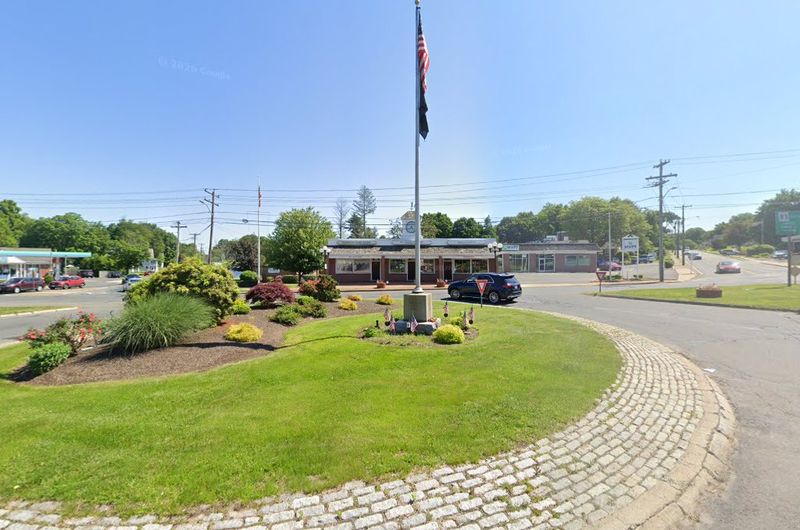
Merging into a rotary here feels like a high-stakes game of musical chairs. Massachusetts has plenty of these circular intersections, and they confuse newcomers fast.
The basic rule is simple, at least on paper. Drivers entering the rotary yield to cars already inside it.
Real life can be messier. Some drivers hesitate, others charge ahead, and suddenly everyone is honking.
Massachusetts drivers have a reputation for being bold. The nickname some people use for them is not exactly polite, so we’ll leave it there.
Fast lane changes, quick turns, and tight merges are common around Boston. Stay calm and focus on your own driving.
Roads here can also be twisty and confusing. Many streets started as old paths, so they wind, split, and change names without warning.
GPS helps, but trust road signs too. Boston’s tunnels can mess with phone signals.
Know the hands-free law as well. Since 2020, Massachusetts drivers cannot hold a phone while driving, except in emergencies.
Use a phone mount and set your route before you leave. It keeps you legal and keeps your eyes on the road.
Watch for the famous Boston left, too. Some drivers zip into a left turn the second a light turns green.
Don’t copy that move. It’s not legal, and it surprises other drivers.
With practice, rotaries start to feel normal. One day you’ll glide through one like a local, and that is a quiet victory worth celebrating.
9. Potholes Everywhere
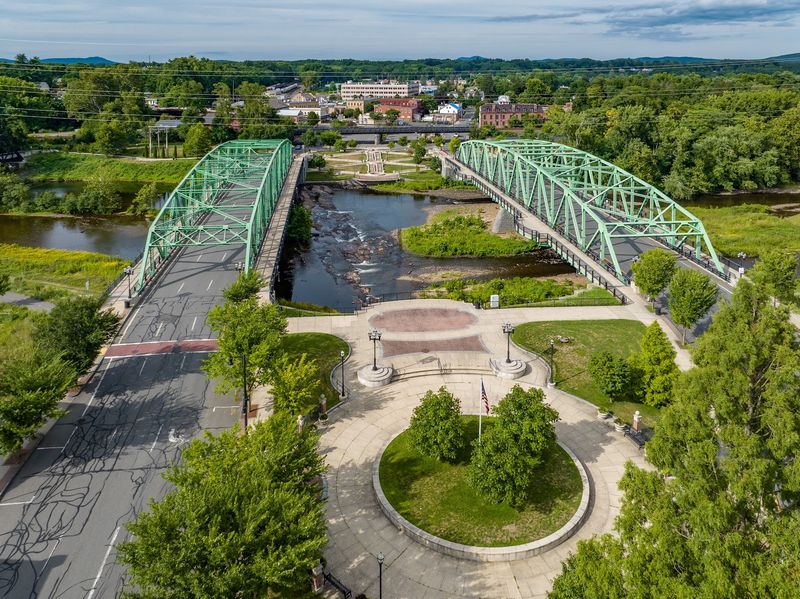
Spring here comes with a bonus feature nobody ordered: craters. Pothole season hits hard once snow melts and the ground starts thawing.
Here is how it happens. Water seeps into cracks, freezes, expands, and breaks the pavement apart.
Massachusetts swings between freezing and thawing many times each year. That cycle chews up roads like a hungry puppy.
Hitting a deep pothole can damage tires, rims, and alignment. Repair bills can sneak up quickly.
So what can you do? Slow down on rough roads, especially after storms.
Keep a safe distance from the car ahead. That gives you time to spot holes before you hit them.
Avoid puddles when you can. A small puddle might hide a surprisingly deep hole.
Check your tire pressure often in spring. Properly inflated tires handle bumps better than flat-ish ones.
You can also help fix the problem. Many cities, including Boston, let you report potholes through a 311 app or phone line.
State highways have their own reporting system through MassDOT. Reports help crews find the worst spots faster.
Did your car get damaged? You may be able to file a claim with the city or state.
Rules and deadlines apply, so act quickly and take photos. Keep receipts for any repairs as well.
Potholes are part of life in a cold-weather state. A little caution and a sturdy set of tires go a long way.
10. The MBTA Gamble
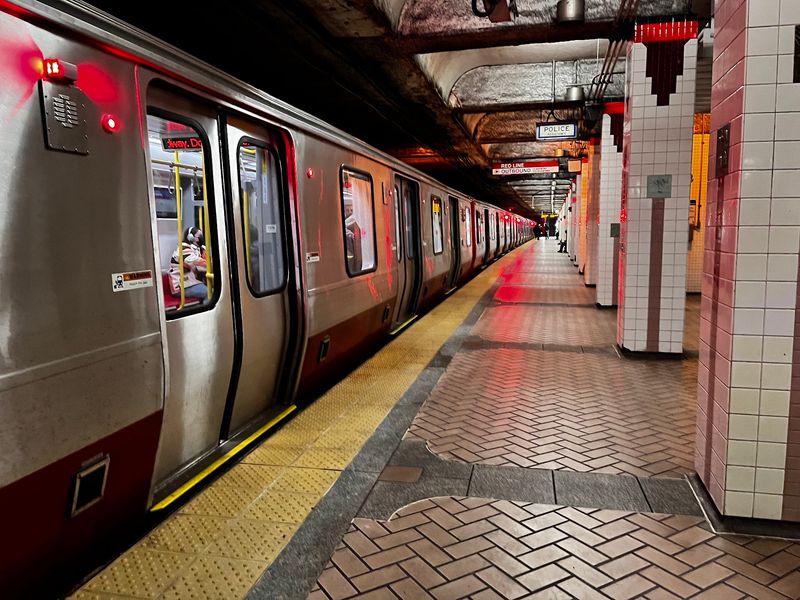
Riding the T can feel like rolling dice with your morning schedule. The MBTA runs the oldest subway tunnel in America, and its age sometimes shows.
The Tremont Street Subway opened in 1897. Parts of that history still carry riders on the Green Line today.
Older systems need lots of repair work. Riders have dealt with slow zones, shutdowns, and shuttle buses over the past few years.
There is real progress, though. The MBTA announced in late 2024 that it had cleared its slow zones after a major track repair push.
Still, delays happen. Weather, signal problems, and maintenance can throw off your plans.
So build in extra time for important trips. Job interviews and flights are not the moment to trust luck.
Download a transit app or check the MBTA website before you leave. Service alerts can save you from standing on a cold platform.
Fares are easier now than before. You can tap a contactless credit card or phone at many fare gates and buses.
Look into reduced fare programs, too. Seniors, students, and riders with low incomes may qualify for discounts.
Commuter Rail lines reach farther suburbs and cities. They can beat driving into Boston during rush hour.
Biking is another option. Bluebikes stations are spread across Boston and nearby cities.
The T is not perfect, but it beats paying for downtown parking. Many riders grumble, then hop on again tomorrow.
11. Child Care Costs

Parents here sometimes joke that daycare costs more than college. Sadly, that joke has some truth behind it.
Massachusetts ranks among the most expensive states in the country for infant child care. Several national reports have placed it at or near the top.
Why so costly? High rents, wage costs, and strict staffing ratios all play a role.
Those ratios do help kids, though. Fewer children per teacher can mean more attention for each little one.
Waitlists are another headache. Some centers fill spots months ahead, so many families start searching during pregnancy.
That might sound extreme, but it happens. Call several programs early and ask how their waitlist works.
Help exists for some families. The state Department of Early Education and Care offers financial assistance for families who qualify.
Massachusetts also funds the Commonwealth Cares for Children grants. That program helps keep child care programs running and can ease pressure on costs.
Look at family child care homes too. These licensed programs run out of a provider’s home and may cost less than big centers.
Ask your employer about benefits as well. Some companies offer dependent care accounts that let you pay with pre-tax money.
Many towns also run public preschool programs. Check your local school district for options and deadlines.
Planning ahead is the biggest secret. The sooner you start, the more choices you’ll have and the fewer frantic phone calls you’ll make.
12. Ticks and Mosquitoes
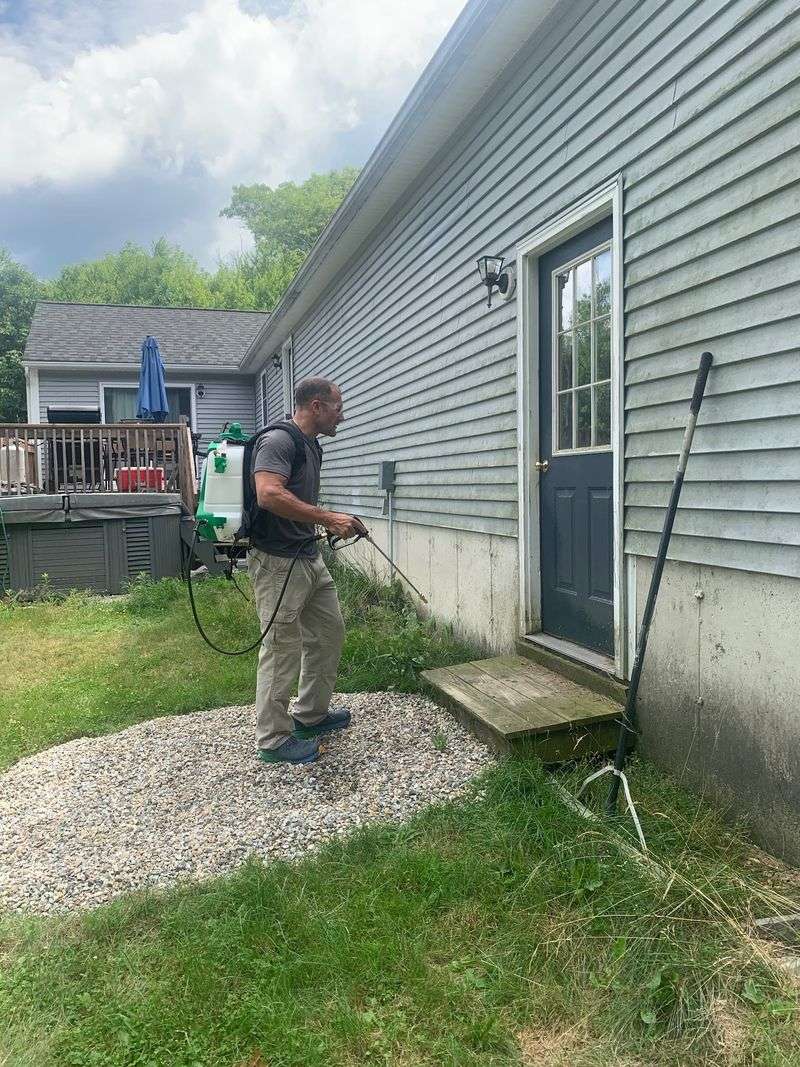
Hiking here means doing a quick tick check like it’s part of your skincare routine. Massachusetts sees a lot of Lyme disease cases each year.
Deer ticks carry it, and they’re tiny. Some are about the size of a poppy seed, which makes them easy to miss.
Ticks love tall grass, leaf piles, and wooded edges. They can show up in your own backyard, not just deep forests.
After time outside, check your whole body. Pay extra attention to your hair, behind your knees, and around your waistband.
Wear long pants and tuck them into your socks on trails. It looks a little silly, but it works.
Repellents with DEET or picaridin help too. Clothing treated with permethrin adds another layer of protection.
Mosquitoes bring their own worries. Massachusetts has seen cases of Eastern Equine Encephalitis, a rare but serious virus.
In 2024, several towns in the state limited evening outdoor activities because of high EEE risk. Officials also sprayed in some areas.
Dusk and dawn are peak mosquito times. Plan outdoor fun around them when the state raises risk levels.
Empty standing water around your home. Old buckets, birdbaths, and clogged gutters make great mosquito nurseries.
Keep pets protected as well. Ask your vet about tick prevention for dogs and cats.
Bugs shouldn’t keep you indoors all summer. With smart habits, you can still enjoy the trails, beaches, and backyard barbecues.
13. Cape Cod Bridge Traffic
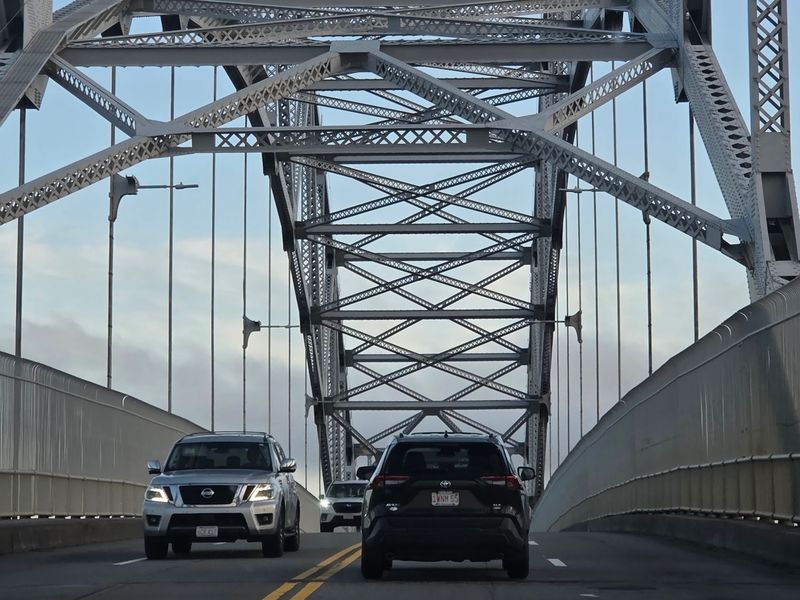
Getting to the beach can take longer than the beach day itself. Cape Cod traffic jams around the two bridges are a summer legend in Massachusetts.
Only two highway bridges cross the Cape Cod Canal for cars. They are the Sagamore Bridge and the Bourne Bridge.
Both opened in 1935, and they’re showing their age. Summer weekends can turn a quick trip into a crawl.
Big changes are coming, though. In 2024, the federal government awarded major funding to help replace the Sagamore Bridge.
The replacement project is still moving through planning and contractor selection, with construction expected to begin after a contract is awarded in 2027. For now, regular summer traffic remains the biggest headache for Cape-bound drivers.
So how do you beat the backup? Timing is everything.
Leaving early on a weekday morning usually helps. Friday afternoons heading onto the Cape and Sunday afternoons heading off are famously slow.
Check traffic apps before you go. MassDOT also shares travel updates and construction alerts.
You can skip the bridges completely, too. Seasonal ferries run from Boston to Provincetown.
Buses and seasonal trains are options as well. The CapeFLYER train has offered summer weekend service from Boston to Hyannis.
Once you arrive, the reward is real. Sandy beaches, salt marshes, and lighthouses wait on the other side.
Pack snacks, water, and a good playlist for the ride. A little planning can turn traffic time into the opening act of a great trip.
14. Health Insurance Mandate
Tax season here comes with a question most states never ask. Massachusetts wants to know if you had health insurance all year.
The state passed its health reform law in 2006. It required most adults to carry coverage, years before the national Affordable Care Act.
The federal penalty for skipping insurance went away in 2019. Massachusetts kept its own rule anyway.
Adults who can afford coverage but go without may face a tax penalty. It shows up when you file your state income taxes.
Your insurer usually sends a form called the MA 1099-HC. You’ll use it to prove coverage on your return.
Keep that form with your other tax papers. Losing it can make filing slower and more stressful.
Need coverage? The Massachusetts Health Connector is the state’s official marketplace.
You can compare plans and see if you qualify for help paying. ConnectorCare plans offer lower costs for people within certain income limits.
MassHealth covers many residents with low incomes. It is the state’s version of Medicaid and the Children’s Health Insurance Program.
Open enrollment for 2027 coverage runs from October 23, 2026, through January 23, 2027. Losing a job or moving may also qualify you for a special enrollment period.
The upside is big. Massachusetts has one of the highest rates of insured residents in the nation.
So yes, it’s one more form to track. But having coverage when you slip on winter ice might feel like the best paperwork you ever filed.
Share this story