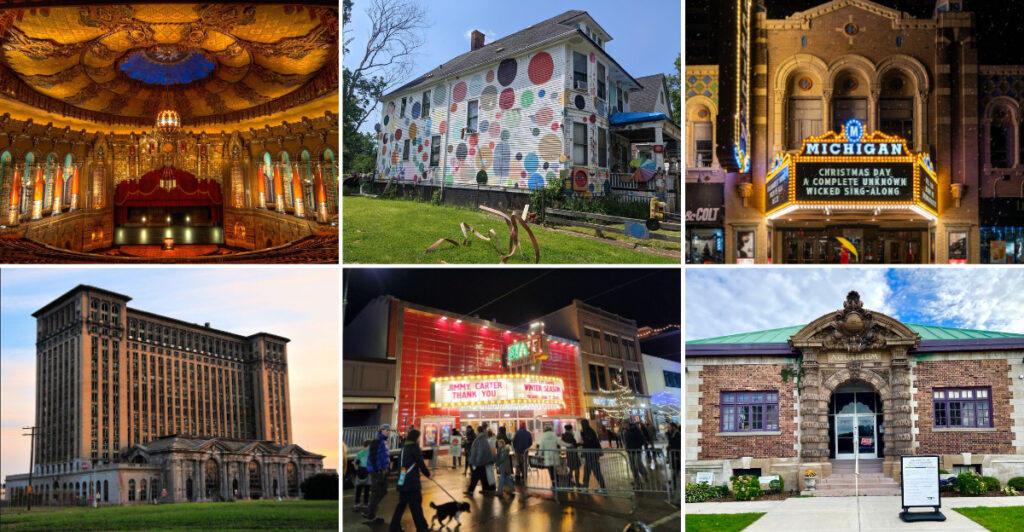
Michigan icons often survive because people decide they are too meaningful to lose. Across the state, fading landmarks, historic buildings, beloved traditions, art spaces, wildlife places, and neighborhood gathering spots have inspired locals to step in with donations, volunteer hours, public support, and plenty of stubborn pride.
Those efforts matter because preservation is not only about saving old things; it is about protecting the stories, memories, and shared places that help communities feel like themselves. Each comeback shows what can happen when people refuse to let a piece of local identity disappear quietly.
For anyone who loves Michigan history and hometown loyalty, these rescued icons are worth remembering.
1. Historic Fishtown (Leland)
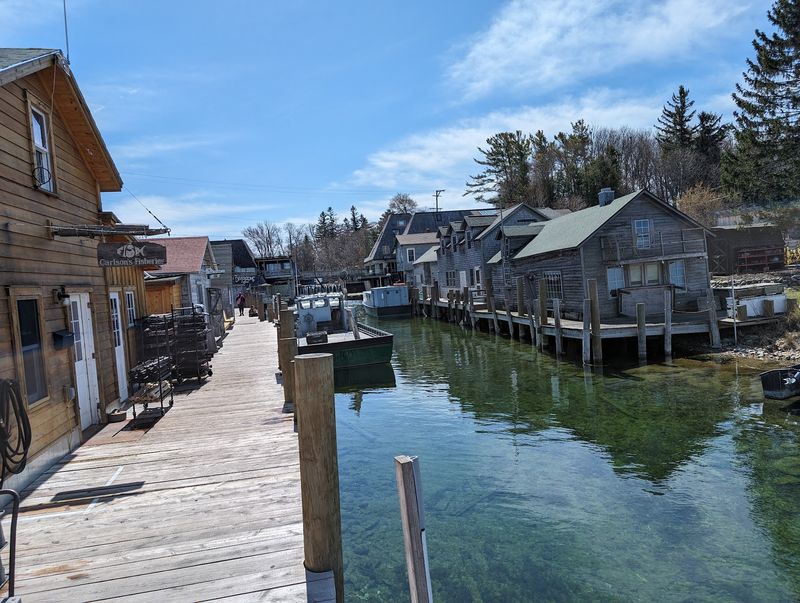
Right along the water in Leland, Historic Fishtown still looks like a working slice of old Michigan. Wooden shanties, fishing docks, and weathered boards give the area a rough-edged charm that newer waterfront projects cannot copy.
People around here understood that losing it would mean more than tearing down old buildings. A place like this holds stories about commercial fishing, family businesses, and the kind of labor that shaped many Great Lakes towns.
Support for Fishtown often comes in practical ways. Visitors shop in the small stores, buy local food, take photos respectfully, and learn why preservation takes constant work instead of one big rescue.
That matters because waterfront property is always under pressure. Once a historic district turns into generic retail or expensive private space, the everyday texture of the town can disappear in a hurry.
A walk through Fishtown rewards slow attention. Rope, nets, smokehouses, and uneven dock planks create details that children notice right away and older visitors tend to remember for years.
Locals also value that the area still connects the present to real work on the water. It is not frozen behind glass, which helps people understand that history can stay active instead of becoming distant.
For travelers, the best move is simple. Go early, ask questions, support the businesses on site, and treat the docks as part museum, part neighborhood workplace.
Photographers should bring patience because changing light transforms the buildings hour by hour. Wind, gulls, and rippling water add movement that turns even quiet corners into strong photo spots.
Fishtown survives because people decided its worn surfaces were worth protecting. In a state full of shoreline views, that choice keeps one very specific Michigan scene standing exactly where it belongs.
2. Fox Theatre (Detroit)
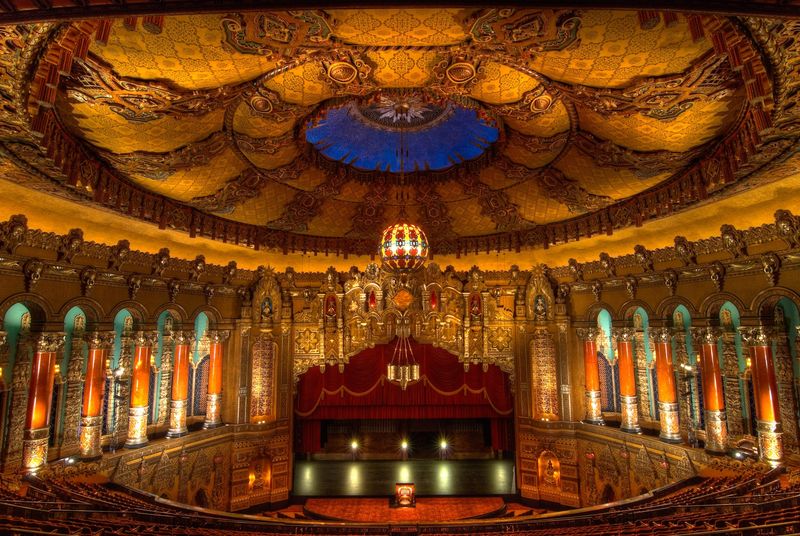
Some buildings know how to make an entrance, and Detroit’s Fox Theatre is one of them. The marquee glows, the decorative details pile on in every direction, and the whole place announces that ordinary will not be part of the evening.
That bold style helped locals rally around it when old theaters across the country were closing or being neglected. People understood that once a movie palace like this is lost, replacing it with a modern hall never brings back the same visual punch.
Inside, the scale does a lot of the talking. Huge spaces, rich colors, and layered ornament remind visitors that entertainment used to be designed as an event long before the show even started.
Detroiters have long treated the Fox as more than a pretty building. It functions as a downtown anchor, a memory maker, and a signal that old architecture can stay useful when communities commit to it.
Seeing it today works best when visitors give themselves extra time. Arrive early, look up often, and pay attention to stairways, ceilings, and the little design choices many people rush past.
Families can use a visit as an easy history lesson without making it feel like homework. Kids usually respond fast to giant spaces and bright signs, while adults catch the craft hidden in every corner.
Neighborhood pride also plays a role here. Restored landmarks help cities tell a fuller story, especially in places where too many headlines focus only on decline and ignore long, steady rebuilding.
For anyone planning a night out, pairing a show with a short downtown walk makes sense. The theater fits best when it is part of a larger Detroit evening rather than a quick in-and-out stop.
The Fox remains standing because people backed grandeur with action. That choice preserved one of Michigan’s biggest, brightest reminders that public spaces can still dazzle.
3. Kirtland’s Warbler (Northern Michigan)

Not every Michigan icon is a building. The Kirtland’s Warbler, a small songbird tied closely to northern jack pine habitat, became a symbol of how local effort can protect something fragile before it slips away.
Bird lovers know the species by its rarity and its very specific nesting needs. That narrow habitat link is one reason people in Michigan paid such close attention to forest management, public education, and careful conservation work.
Saving a bird can sound less dramatic than saving a theater, but the stakes are real. When a species depends on the right land conditions, even small changes in habitat can create big problems over time.
Local support matters because conservation is not only for scientists and agencies. Residents can learn where sensitive areas are, follow seasonal rules, respect posted signs, and avoid disturbing nesting grounds during key months.
For families, the warbler offers a useful lesson in patience. Most wildlife success stories are built slowly through habitat planning, observation, and years of people doing routine work that rarely earns flashy attention.
Northern Michigan also benefits from the wider message. Protecting one species often improves care for forests, birds, and natural spaces that many others use too.
Anyone hoping to spot a Kirtland’s Warbler should prepare carefully. Check ethical birding guidance, keep noise low, bring binoculars, and remember that the goal is respectful viewing rather than chasing the perfect photo.
The bird’s story sticks with people because it connects place and responsibility in a direct way. Michigan is one of the first names that comes up when the species is discussed, and locals take that role seriously.
The Kirtland’s Warbler remains one of the clearest examples of a beloved icon without bricks or neon. Community care, habitat attention, and steady public interest helped keep this northern Michigan symbol in the conversation and on the landscape.
4. Belle Isle Aquarium (Detroit)
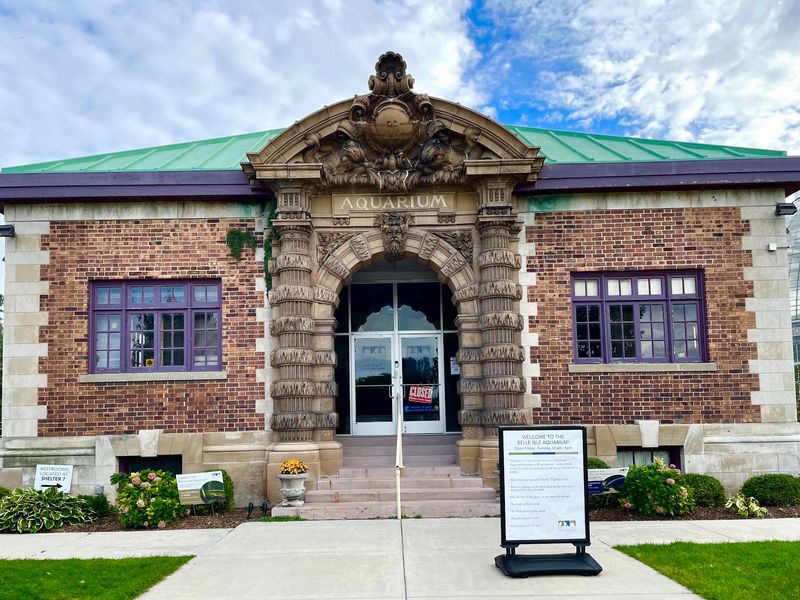
Detroit’s Belle Isle Aquarium has the kind of personality that makes people protective fast. Set on the island park and wrapped in historic design, it combines public science, family fun, and old-school architecture in one compact package.
When a place like that closes or fades, the loss lands in several ways at once. People miss the fish, the field-trip memories, and the rare chance to experience a beautifully designed civic building up close.
Local support helped keep attention on the aquarium instead of letting it become a forgotten footnote. That matters because smaller institutions are easy to overlook, even when they carry deep meaning for generations of visitors.
One strong reason people care is accessibility. Aquariums make learning easy for kids who may not connect right away with textbooks but respond instantly to color, movement, and unusual underwater life.
The building itself adds another layer. Historic public spaces remind cities that education once came with craftsmanship, decorative detail, and the idea that everyday residents deserved beautiful surroundings too.
A visit works best with a curious pace rather than a rushed lap around the tanks. Notice the architecture overhead, read the displays, and use the time to talk with children about local water systems and broader conservation.
Belle Isle makes a smart pairing with the rest of the park. Visitors can turn one stop into a fuller day of walking, picnicking, and exploring one of Detroit’s most loved green spaces.
Supporting places like this can be wonderfully basic. Show up, follow rules, donate when possible, and speak up when public institutions need care instead of last-minute rescue.
The aquarium still matters because it represents more than fish behind glass. It stands for the idea that neighborhoods and cities should hold onto places that teach, delight, and welcome people across generations.
5. Michigan Theater (Ann Arbor)
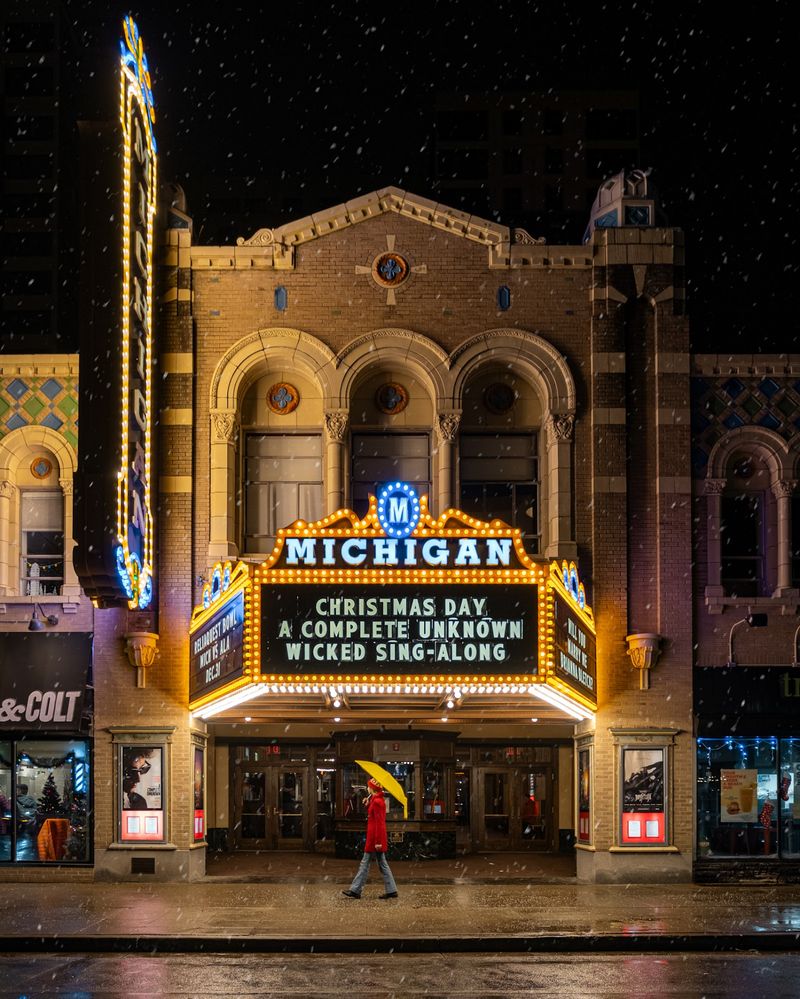
Ann Arbor’s Michigan Theater has the kind of marquee that can stop people mid-block. Bright lights, classic lines, and a strong downtown presence make it easy to see why locals refused to let it drift into the background.
Old theaters often survive only when communities decide they still matter in daily life. In Ann Arbor, that has meant treating the building as a living part of the city rather than a relic meant only for occasional admiration.
Its appeal stretches beyond movies. The theater can anchor film events, stage programs, and community gatherings, which helps keep the space active across different seasons and different audiences.
That flexibility is one reason preservation makes practical sense here. A beloved landmark that still serves residents has a stronger future than one preserved only for nostalgia.
Visitors should take time with the setting around it too. The theater sits within a walkable part of Ann Arbor where bookstores, restaurants, and campus energy help create a full evening instead of a single stop.
Inside, design details do important work. Ornate interiors change the mood before the screen even lights up, turning a routine outing into a shared public experience with a little extra drama.
Parents looking for an easy culture outing can use the theater well. One visit can open a conversation about local history, architecture, and why some buildings become symbols for an entire town.
Preservation also sends a message about downtown identity. When cities hold onto distinctive landmarks, they avoid becoming rows of spaces that could exist almost anywhere in the country.
The Michigan Theater endures because residents backed memory with use. Buying tickets, showing up for events, and keeping the place relevant proved just as important as admiring the marquee from the sidewalk outside.
6. Pewabic Pottery (Detroit)
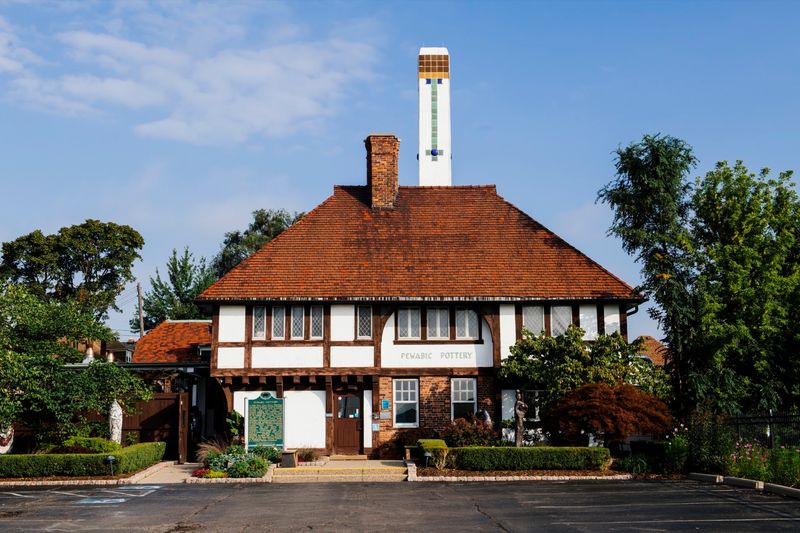
Pewabic Pottery carries a different kind of Michigan legacy, one built from clay, glaze, and patient hands. In Detroit, it stands as a creative institution where art is made, taught, displayed, and tied directly to the city’s design history.
That mix gives people plenty of reasons to protect it. Losing a place like Pewabic would not only erase a building, it would weaken a living connection to craft traditions that still shape homes, public spaces, and local pride.
Tiles are a big part of the story here. Their color, texture, and handmade variation help visitors understand why ceramic work can feel so personal even when installed in large architectural settings.
The appeal reaches beyond serious art fans. Kids like seeing how materials change, adults notice the skill involved, and many visitors leave with a new respect for how long good handmade work actually takes.
Supporting Pewabic can be simple and direct. Shop in the gallery, sign up for classes, attend events, and share the history with people who might otherwise know Detroit only through a narrow set of stereotypes.
Another strength is that the site connects making and learning. It is easier to care about an art form when you can watch the process, hear the vocabulary, and see the finished results in the same visit.
Travelers should look closely at surfaces rather than rushing through. Slight shifts in glaze, line, and shine often reveal the human decisions that factory-made pieces tend to smooth out.
Detroit has many preservation stories, but Pewabic stands apart because it protects both a place and a practice. The institution gives the city a handmade thread that continues into the present instead of ending in a display case.
Locals kept Pewabic in view by treating craft as essential, not extra. That choice preserved one of Michigan’s strongest examples of art rooted in community, labor, and long memory.
7. Historic Hamtramck Stadium (Hamtramck)
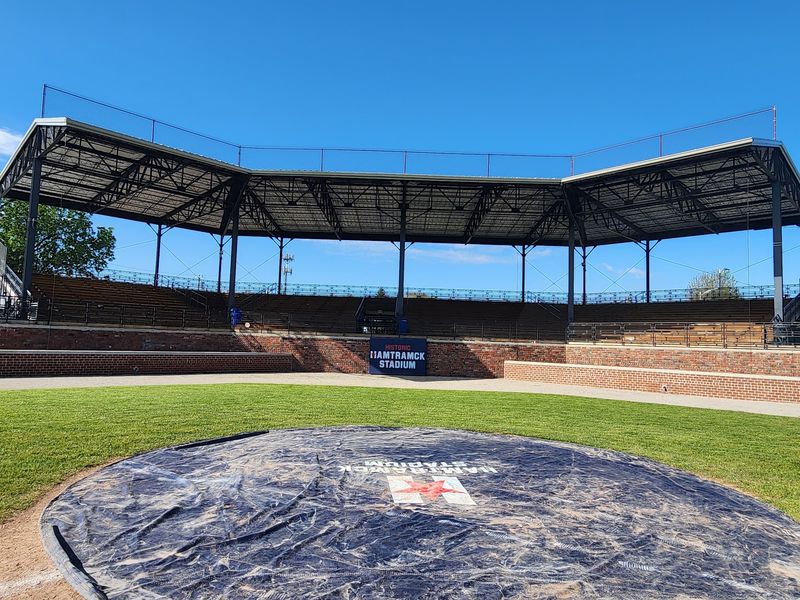
Baseball history has a powerful way of sticking to wood, steel, and grass. Historic Hamtramck Stadium shows that clearly, giving locals a place where sports memory, neighborhood identity, and preservation all meet in one field-sized package.
People did not rally around it only because it was old. They cared because community ballparks hold stories of who got to play, who gathered in the stands, and how public recreation shaped city life.
That social history matters in a town like Hamtramck, where layers of culture and migration have long defined the area. A stadium can preserve those layers in a way a plaque alone never could.
Restoring a sports site also helps younger visitors connect with history through something familiar. Even kids who do not care much about architecture understand bleachers, bases, and the drama built into a ball field.
Visitors should pay attention to scale. Older venues often feel more intimate than modern stadiums, which makes it easier to imagine games as community events rather than giant commercial productions.
Preservation here also sends a useful message about everyday landmarks. Grand theaters often attract headlines, but ballparks and neighborhood recreation spaces deserve care too because they record public life at ground level.
Photographs can be especially rewarding on quiet days. Empty seats, weathered structures, and a clean view across the diamond let the place tell its story without much extra help.
Anyone stopping by should read available signage, check for tours or events, and support local organizations connected to the site when possible. Small actions help keep long restoration efforts visible and funded.
Historic Hamtramck Stadium remains important because it protects more than sports nostalgia. It keeps a community setting intact, one where Michigan history can be understood through local games, shared space, and the people who refused to let the field disappear.
8. Westin Book Cadillac Hotel (Detroit)

The Westin Book Cadillac Hotel proves that large buildings can return with serious style when a city stays committed. Rising over downtown Detroit, it represents the kind of comeback that locals watch closely because the stakes are impossible to miss.
Historic hotels matter differently than theaters or museums. They shape first impressions, anchor street corners, and signal whether a downtown still believes in its own architectural inheritance.
When a major hotel struggles, the loss can spread beyond one address. Nearby businesses, pedestrian activity, and the broader image of the district all take a hit, which helps explain why preservation energy gathers around places like this.
The appeal begins with the building’s presence. Tall, formal, and loaded with old-city confidence, it adds weight to the skyline while also serving practical modern use.
That blend is the key lesson here. Adaptive reuse works best when people respect historic character but also accept that buildings need active jobs in the present to survive long term.
Visitors do not need to book a full stay to appreciate it. Walking through shared spaces, looking at restored details, or pairing a quick stop with other downtown landmarks can still reveal why the rescue mattered.
For younger readers, this hotel offers an easy way to understand preservation economics. Saving history often succeeds when beauty and usefulness work together instead of competing.
Detroit’s revival stories can get simplified, but the Book Cadillac shows the slower reality. Big restorations require money, planning, patience, and public faith that a prominent old building deserves another chapter.
Locals refused to treat it as a lost cause, and that choice still shapes downtown today. The building stands as a reminder that preservation is not only about memory, it is also about giving strong structures a future people can actually use.
9. The Heidelberg Project (Detroit)
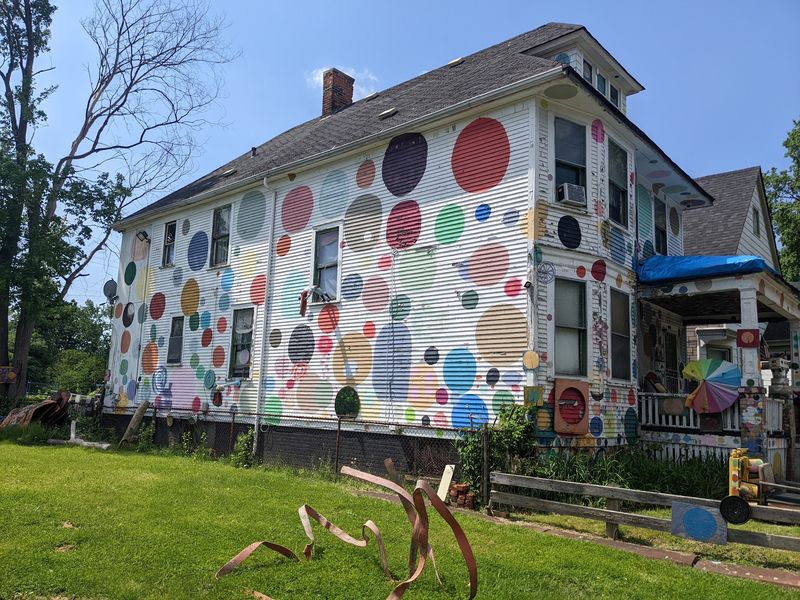
Few Michigan landmarks spark curiosity as fast as the Heidelberg Project. On a Detroit street, color, found objects, painted surfaces, and bold visual ideas turn an ordinary block into a public art experience people remember immediately.
That unusual setup helps explain why locals fought to keep it in the conversation. Public art in open neighborhood space can be vulnerable because it changes, weathers, and invites strong opinions from nearly everyone.
Supporters saw value in that tension rather than treating it as a flaw. The project gave Detroit a place where art, protest, play, and neighborhood storytelling could exist outside the usual museum walls.
Visitors often respond first to the visual surprise. Then the deeper questions start showing up about vacancy, repair, creativity, and who gets to shape the image of a city.
That layered experience makes the site useful for families, students, and travelers who want more than a polished postcard view. It opens conversations that are direct, memorable, and tied to real streets.
Going with an open mind helps. Read about the project before visiting, observe carefully, and remember that public art linked to community history deserves more attention than a fast social media photo stop.
Respect for the surrounding neighborhood matters too. Stay aware, follow posted guidance, and treat the space as part of a lived-in area rather than a backdrop built only for outsiders.
The Heidelberg Project also shows that preservation is not always about freezing one perfect version of a place. Sometimes the work involves protecting the right to keep creating, responding, and rebuilding in public view.
Detroiters who defended it were also defending imagination in civic space. That is a powerful choice in any city, and it helps explain why the Heidelberg Project remains one of Michigan’s most talked-about examples of art people refused to let vanish quietly.
10. State Theatre (Traverse City)
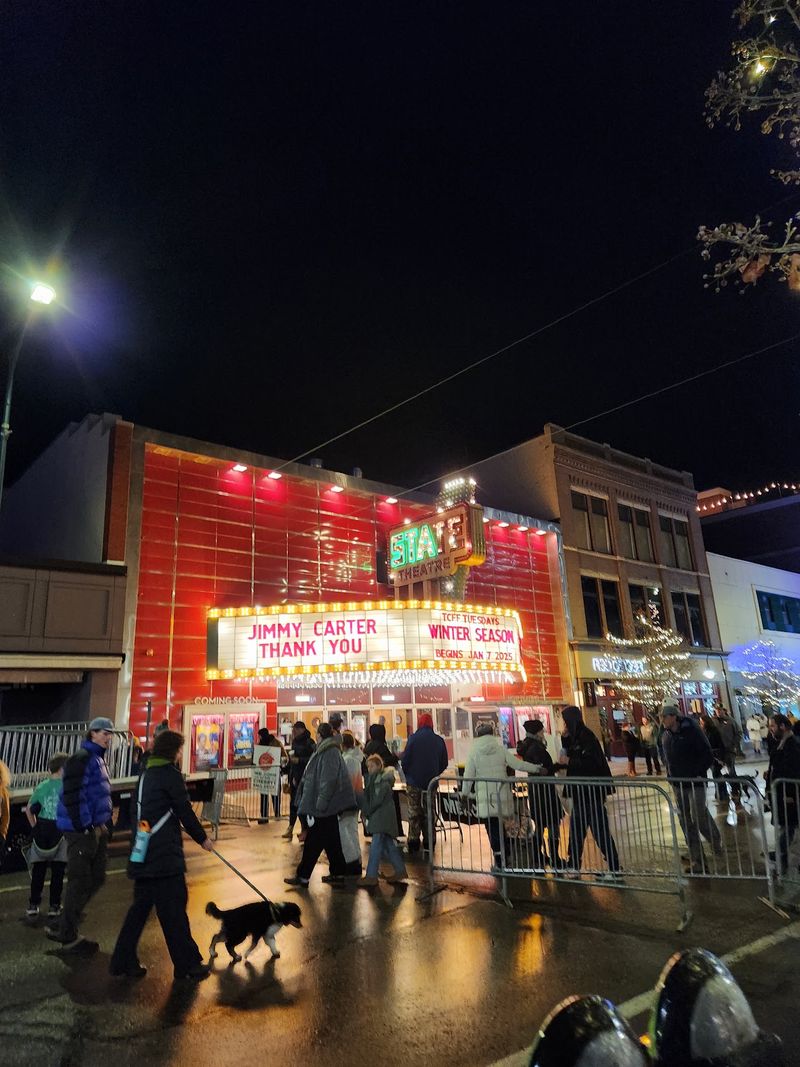
Traverse City’s State Theatre brings moviegoing back to street level in the best way. Its bright marquee and classic downtown setting create the kind of scene that makes an evening out look complete before anyone even buys popcorn.
Residents understood that a theater like this adds more than entertainment. It strengthens the center of town, gives people a shared destination, and helps older commercial districts stay lively after regular shopping hours end.
That role becomes especially important in places with busy tourist seasons. Historic venues help balance growth by keeping the downtown experience tied to local character instead of letting it slide into sameness.
Inside, the charm comes from scale and mood. A restored theater can turn a film into a community event, which is harder to create in anonymous multiplex spaces built mainly for speed and convenience.
Visitors should plan to explore nearby blocks too. Cafes, storefronts, and waterfront access make the theater part of a broader Traverse City outing rather than a single indoor attraction.
Families can get a lot from one visit. Younger kids enjoy the visual sparkle, while older children and teens can start noticing how architecture shapes the way public experiences feel.
Preservation here also teaches a useful civic lesson. When a community saves a central gathering place, it protects future routines people have not even started yet, including dates, festivals, and rainy-day plans.
People often talk about downtown vitality in abstract terms, but buildings like the State Theatre make it concrete. They create foot traffic, give residents a reason to linger, and keep local streets active after sunset.
The State Theatre remains important because locals treated it as a downtown necessity, not a luxury. That choice preserved one of Traverse City’s most recognizable spaces for screens, sidewalks, and shared nights out.
11. Detroit Masonic Temple (Detroit)
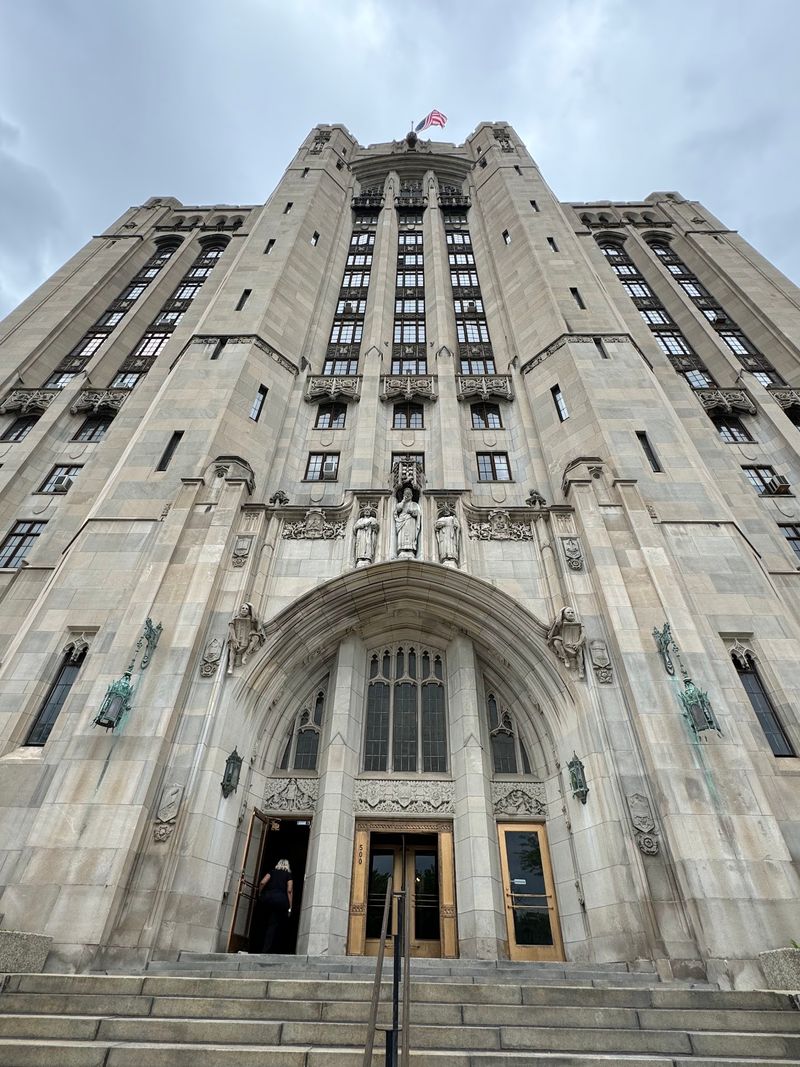
Detroit Masonic Temple has never been easy to ignore. Huge, intricate, and a little mysterious to first-time visitors, it rises with the kind of scale that makes people stop, stare, and immediately ask what happens inside.
Buildings this large can become civic headaches if they lose support, but they can also become symbols when residents step up. In Detroit, many people saw the temple as too significant to let slip into irreversible decline.
Part of its power comes from sheer ambition. The structure reflects a period when organizations built boldly and expected public architecture to communicate strength, ceremony, and permanence.
That old confidence still reads clearly today. Even people who know very little about the building’s history can sense that it belongs to a chapter of Detroit that thought on a grand scale.
Visitors get the most from the site when they pay attention to proportion. Large halls, stonework, and decorative interior features can be overwhelming, so slowing down helps the details register.
The temple also works as a reminder that preservation is not only for quaint places. Massive urban landmarks need protection too, especially when their upkeep is complicated and expensive.
For students and families, it opens smart conversations about civic groups, event spaces, and why cities once invested so heavily in monumental design. Those questions make the building more approachable than its size might suggest.
Checking the event calendar or tour options can turn a casual interest into a much stronger visit. A building this dramatic often makes more sense when experienced in use rather than admired only from the sidewalk.
Locals held onto the Detroit Masonic Temple because losing it would have left a huge hole in the city’s visual identity. Its survival keeps one of Michigan’s boldest architectural statements on the skyline and in active public life.
12. Eastern Market (Detroit)
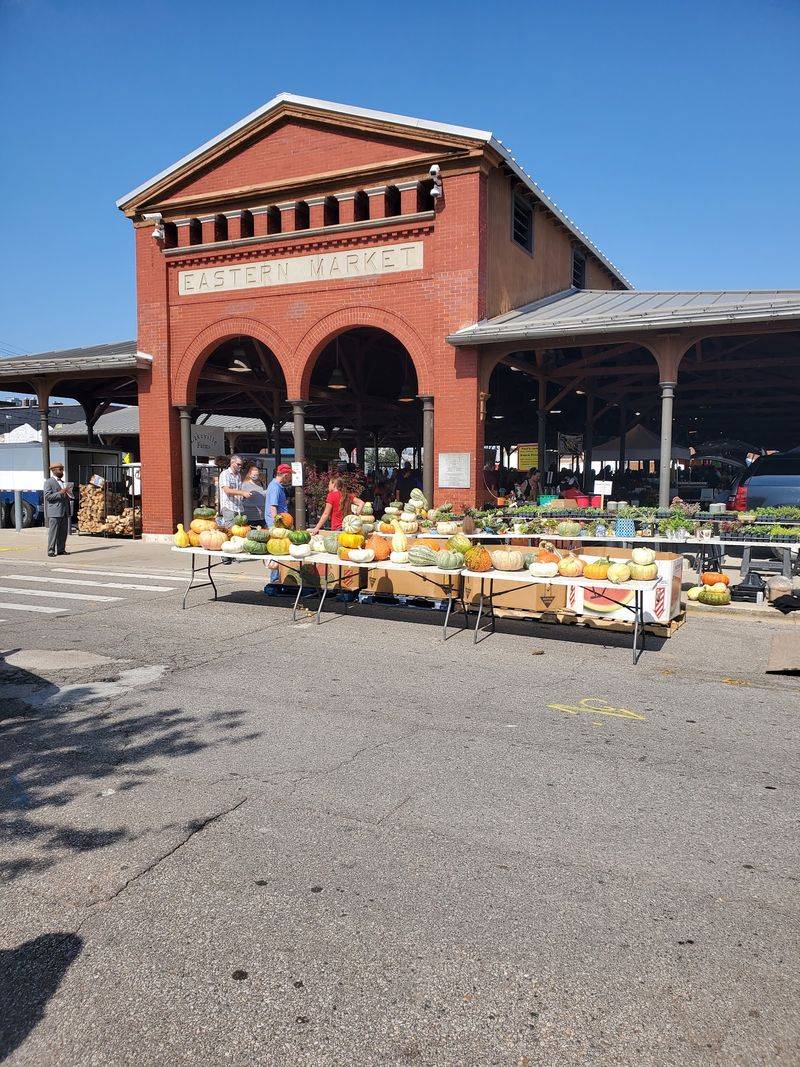
By early morning, Eastern Market already has its own rhythm. Trucks unload, shoppers scan produce, murals flash color across nearby walls, and the whole district shows why Detroiters guard this place with serious loyalty.
A market survives differently than a landmark building. It needs structures, yes, but it also needs vendors, customers, routines, and enough local support to keep commerce tied to community instead of turning into a themed shell.
That is why preservation here means more than maintaining sheds or signs. It means protecting a working food hub where farmers, small businesses, restaurants, and regular households all connect in practical ways.
Visitors can make the most of Eastern Market by arriving with a loose plan. Wear comfortable shoes, bring a bag, carry cash just in case, and leave room for detours because the best finds are not always on the original list.
The district also teaches younger visitors where food actually comes from. Talking to sellers, comparing produce, and seeing local goods side by side offers a clearer lesson than many classroom worksheets.
Another reason people defend the market so fiercely is scale. It is big enough to feel energetic, but still personal enough that relationships matter and repeated visits build familiarity.
Beyond groceries, the area supports Detroit’s creative side through public art, events, and neighborhood energy. That combination helps the market stay active across different interests instead of serving only one narrow purpose.
Respectful shopping goes a long way here. Ask questions, avoid blocking busy aisles, and remember that many sellers are working through long days, weather shifts, and thin margins.
Eastern Market remains one of Michigan’s strongest examples of a place worth protecting because it feeds people in several senses at once. Locals kept it alive by using it, supporting it, and insisting that a working market still belongs at the center of city life.
13. Boblo Boat S.S. Ste. Claire (Detroit)
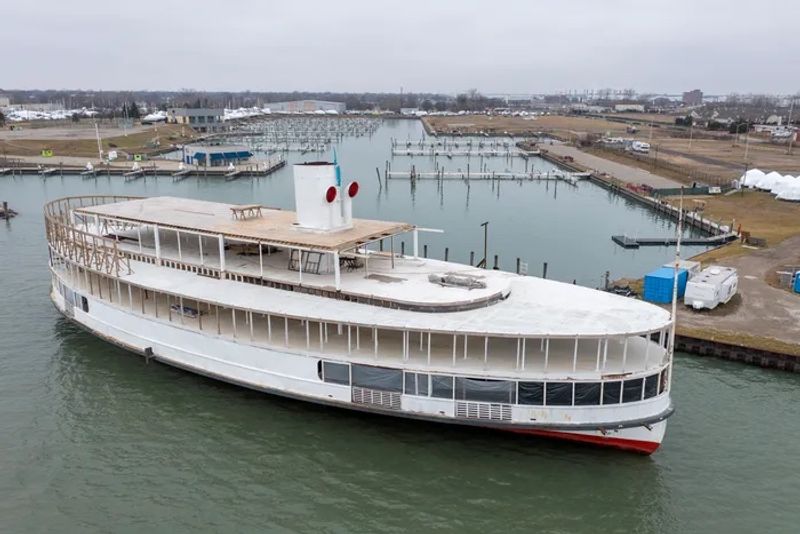
The S.S. Ste.
Claire carries a very specific kind of Detroit-area memory. For many people, the old Boblo boat recalls river crossings, amusement park trips, and a time when getting there was part of the fun.
That travel ritual helps explain why locals refused to let the vessel slip quietly from public memory. Boats connected to regional leisure can hold deep emotional value because they link transportation, summer tradition, and family stories in one object.
Still, caring about a historic boat is not only about nostalgia. Large vessels are costly, complicated pieces of history, and saving one often requires patience, specialized knowledge, and a realistic view of what restoration can involve.
Even when a full return to past use is difficult, preserving the boat’s story has clear value. It helps younger generations understand how people once moved through the Detroit River and how recreation shaped local identity.
For visitors, the most useful approach is to learn the broader Boblo context along with the ship itself. The boat makes more sense when seen as part of a larger regional tradition rather than an isolated artifact.
Photographs of the Ste. Claire often stir strong reactions because the vessel looks elegant and vulnerable at the same time.
That contrast can turn public interest into action, donations, volunteerism, or renewed discussion about what should be saved.
Parents and grandparents may find it especially easy to use the boat as a storytelling prompt. One image can open conversations about school trips, summer clothes, river weather, and how entertainment changed across decades.
The S.S. Ste.
Claire matters because it represents movement, not just destination. Locals who kept attention on it were preserving a route, a ritual, and a shared memory tied directly to the water.
Michigan has many waterfront icons, but few carry this blend of transport history and personal recollection. That makes the Boblo boat one of the state’s most memorable rescue stories.
14. Michigan Central Station (Detroit)
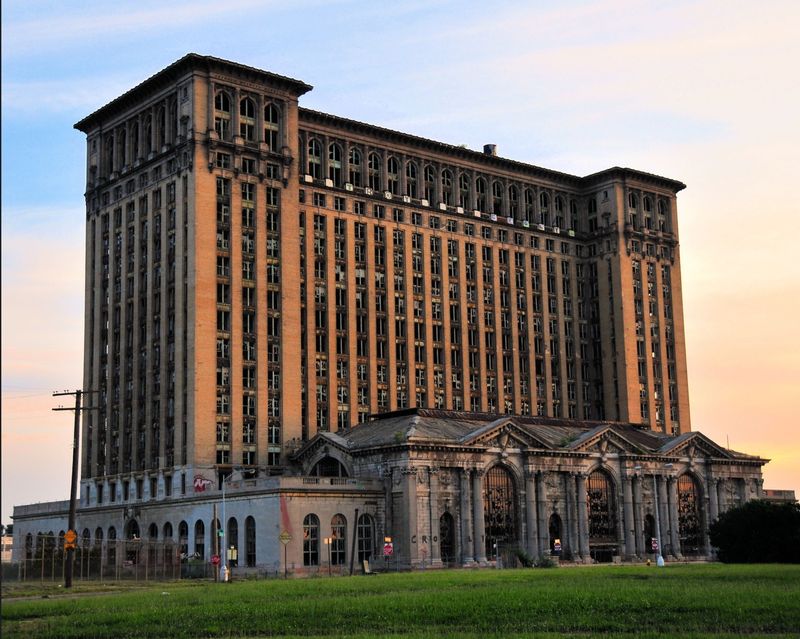
Michigan Central Station may be the clearest example of a Detroit landmark people simply would not forget. For years, its size, beauty, and damaged condition made it a symbol loaded with frustration, fascination, and stubborn hope.
Train stations carry unusual emotional power because they were built for arrivals, departures, and public movement. When one this grand falls silent, the absence is visible to an entire city.
Locals kept talking about the station because it stood for more than one building. It represented questions about decline, repair, investment, memory, and whether Detroit’s most famous ruins could become useful again.
The architecture does a lot of that work. Monumental windows, long lines, and formal stone surfaces create an image that stays in people’s heads, even if they have only seen it in passing from a car or train.
Now that renewed life surrounds the station, visitors should slow down and view it from several angles. Distance helps with the scale, while closer looks reveal the craftsmanship that made preservation feel urgent in the first place.
It also helps to explore Corktown nearby. The station is strongest when seen as part of a living neighborhood rather than a standalone photo subject cut off from daily city activity.
For students, Michigan Central offers a simple lesson with big reach. Landmark rescue takes time, public pressure, money, and a plan for future use that goes beyond admiration.
Detroit has many comeback stories, but this one drew national attention because the building had become such a powerful visual shorthand. Restoring it changed the conversation by proving that even daunting icons can move into a new chapter.
Michigan Central Station remains important because people refused to accept it as a permanent ruin. Their persistence helped preserve one of Michigan’s most recognizable structures and one of Detroit’s biggest statements about renewal.