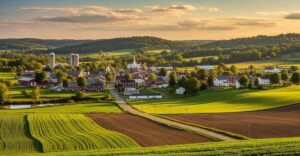
The Texas Hill Country used to be a collection of quiet, slow-paced towns where everyone knew their neighbors and weekends meant lazy drives through open countryside. But growth, tourism, and new development have transformed these once-sleepy communities into bustling destinations. Long-time residents say the charm and simplicity they loved are fading fast, replaced by traffic jams, crowded attractions, and rising costs that are pushing out the very people who built these towns.
1. Fredericksburg
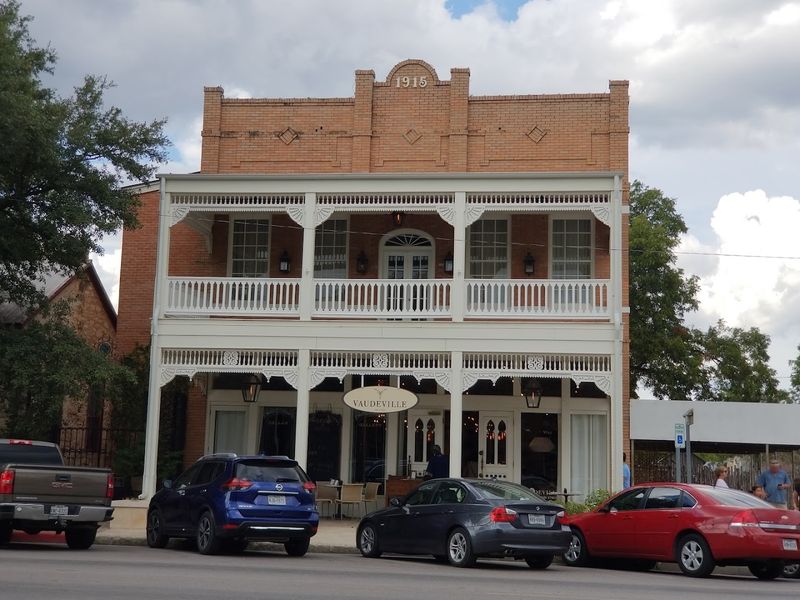
What started as a quiet German settlement with family-owned bakeries and a handful of antique shops has morphed into a full-blown tourist magnet. Main Street now overflows with wine tasting rooms, boutique hotels, and gift shops that cater almost exclusively to out-of-towners. Locals remember when you could park anywhere on a Saturday morning without circling the block for twenty minutes.
The explosion of wineries in the surrounding countryside brought serious money and serious crowds. Weekends see a steady parade of party buses rolling through, turning peaceful tasting rooms into rowdy hangouts. Traffic has become a nightmare, especially during peak seasons like Oktoberfest or Christmas.
Housing prices have skyrocketed as investors snap up properties to convert into vacation rentals. Families who’ve lived here for generations are getting priced out, forced to move to smaller towns where they can still afford rent. The old-timers miss the days when Fredericksburg felt like home instead of a theme park.
Sure, the economic boom brought jobs and new businesses, but it also brought a loss of identity. The German heritage that once defined this place now feels more like a marketing gimmick than a living culture. Many longtime residents feel like strangers in their own town, watching as the community they knew disappears behind a wall of commercialization and constant development.
2. Boerne
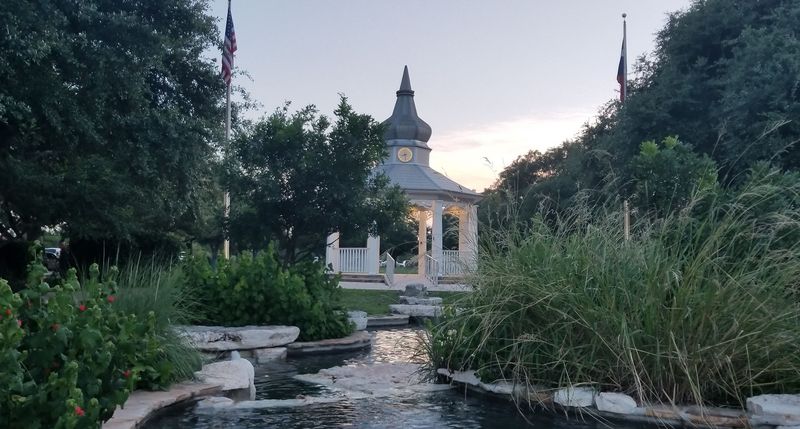
This town used to be the kind of place where you’d wave at passing cars because you probably knew the driver. Now it’s become a bedroom community for San Antonio commuters, and the population has exploded. New subdivisions sprawl across what used to be ranchland, and the two-lane roads that once handled local traffic are now clogged during rush hour.
The historic downtown still has some charm, but it’s surrounded by strip malls and chain restaurants that could be anywhere in America. Old-timers remember when the biggest debate in town was about the high school football team, not whether another big-box store should get approved. The small-town vibe has been swallowed by suburban sprawl.
Real estate developers see Boerne as prime territory, and they’re not wrong from a business standpoint. The location is perfect for people who want Hill Country living with easy access to city jobs. But that convenience comes at a cost for folks who valued the peace and quiet that defined this town for over a century.
Local businesses that survived for decades are closing because they can’t compete with national chains or afford the rising rents. The community fabric is fraying as newcomers replace longtime families. Sure, there are more amenities now, but many residents would trade the new grocery stores and restaurants for the tight-knit community they lost along the way.
3. Dripping Springs
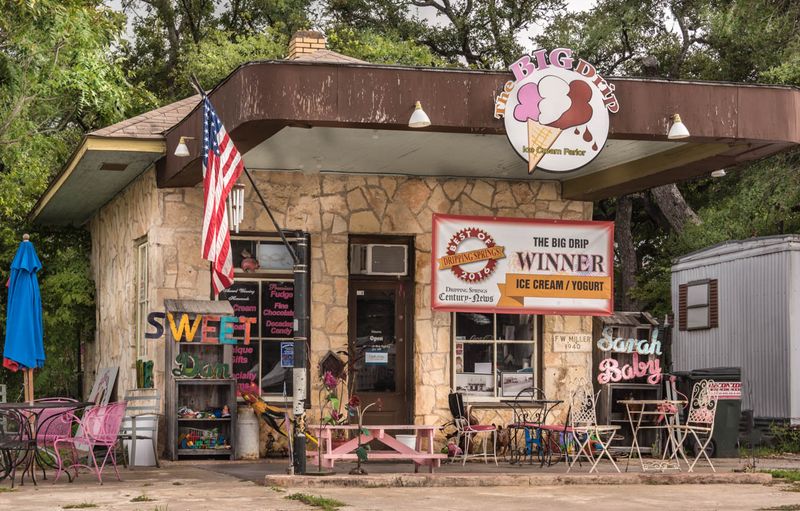
Once nicknamed the “Gateway to the Hill Country,” Dripping Springs was a blink-and-you’ll-miss-it spot on the way to somewhere else. Then the craft beverage industry discovered it, and everything changed. Breweries, distilleries, and cideries popped up seemingly overnight, turning quiet ranch roads into destination routes for day-trippers from Austin.
The alcohol tourism boom brought money and jobs, but it also brought noise, traffic, and a party atmosphere that clashes with the rural lifestyle longtime residents cherished. Weekends now mean packed parking lots, loud music echoing across formerly peaceful properties, and strangers wandering onto private land looking for the next Instagram spot.
Housing development has followed the commercial growth, with luxury subdivisions replacing cattle pastures at an alarming rate. The cost of living has shot up so fast that teachers, firefighters, and other essential workers can barely afford to live in the community they serve. What was once an affordable rural escape has become another expensive suburb.
Local families feel like their town has been hijacked by outside interests more concerned with profit than preserving the character that made Dripping Springs special in the first place. The sense of community has weakened as the population swells with newcomers who treat the area like a weekend playground rather than a place to put down roots and invest in the long-term health of the town.
4. New Braunfels
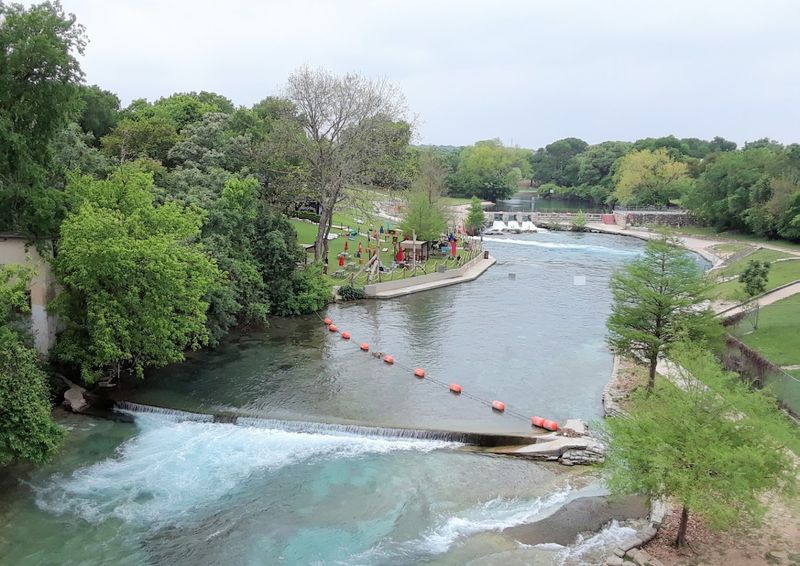
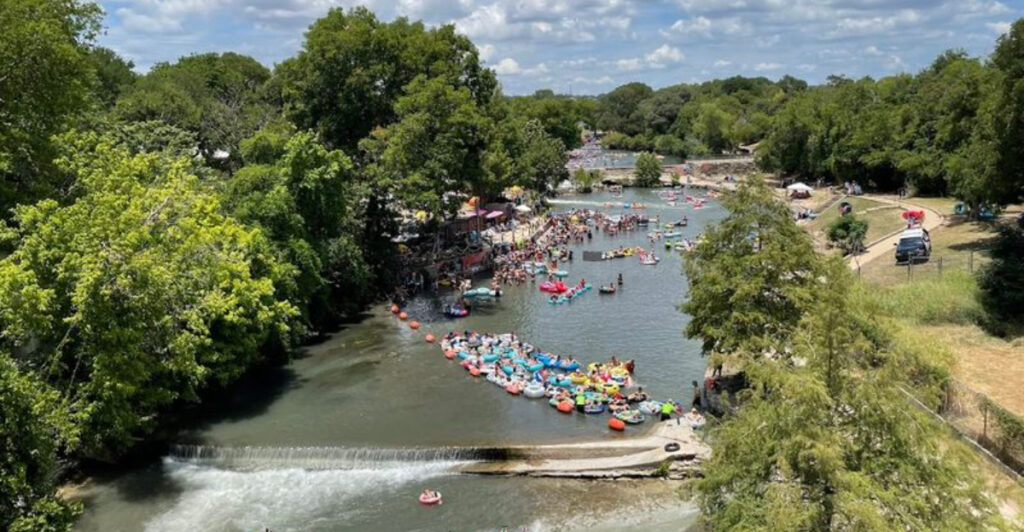
The rivers made New Braunfels famous, but they also changed it forever. What used to be a laid-back summer tradition for local families has turned into a massive commercial operation that brings hundreds of thousands of tourists every year. The Comal and Guadalupe rivers are now packed shoulder-to-shoulder with tubers on summer weekends, and the trash and noise that come with them have locals avoiding their own backyard paradise.
Schlitterbahn’s expansion and the proliferation of tube rental outfitters transformed the town’s economy but also its character. Traffic is unbearable during peak season, and short-term rentals have taken over entire neighborhoods, driving up housing costs and pushing out year-round residents. The German heritage that once defined the culture now feels secondary to the party-town reputation the river scene has created.
Development has spread beyond the river corridor, with new shopping centers and chain restaurants replacing local landmarks. Old-timers remember when Gruene Hall was a hidden gem where you might catch a legendary musician in an intimate setting. Now it’s mobbed with tourists, and parking requires planning and patience.
The growth has brought prosperity to some, but it’s also created a two-tier community where longtime residents feel like outsiders in their own town. Many wish they could turn back the clock to when New Braunfels was a place locals could enjoy without fighting crowds or paying inflated prices for everything from housing to a simple meal out.
5. Llano
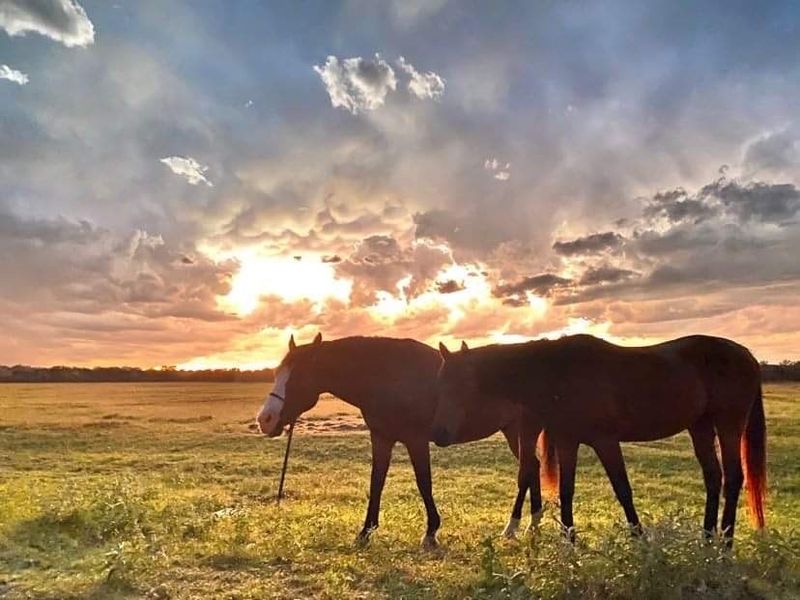
Llano built its reputation on two things: great barbecue and a slower pace of life. For decades, it was the place you’d stop for brisket on a road trip, then maybe browse a few shops before heading out. But as other Hill Country towns got overrun, people started looking at Llano as the next frontier, and the pressure is building.
The town hasn’t exploded like Fredericksburg or Dripping Springs yet, but the signs are there. Property values are climbing, and investors are buying up land with plans for development that would fundamentally change the rural character. Locals worry that the charm that attracted newcomers in the first place will be destroyed by the very growth those newcomers bring.
The barbecue joints are busier than ever, which sounds great until you realize the lines are now filled with tourists rather than neighbors. The community feel that made Llano special is starting to fade as more outsiders discover what locals have known all along. Ranching families who’ve worked the land for generations are facing pressure to sell to developers offering prices they can’t ignore.
Unlike some Hill Country towns that embraced rapid growth, many in Llano are fighting to preserve what they have. But fighting progress is exhausting and expensive, and not everyone has the resources to resist. The fear is that in another decade, Llano will be just another tourist stop that lost its soul in the pursuit of economic development and outside investment.
6. Wimberley
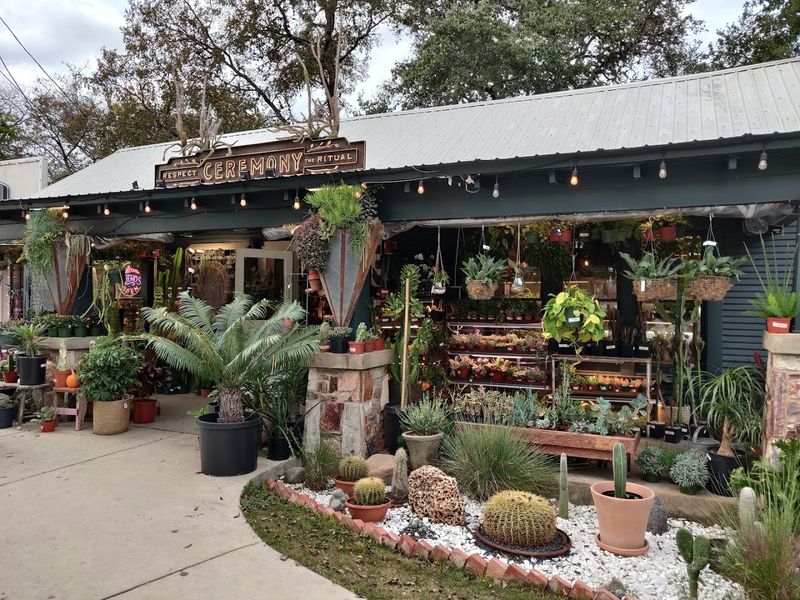
Artists and free spirits found refuge in Wimberley for years, creating a quirky, creative community tucked away in the hills. The monthly market days were legendary among locals, offering handmade crafts and a chance to catch up with neighbors. But word got out, and what was once a hidden gem became a weekend destination for crowds from Austin and San Antonio.
The market days are still happening, but they’re now overrun with vendors selling mass-produced items alongside the genuine artisans. Traffic backs up for miles, and finding parking requires arriving at dawn. The intimate, community-focused atmosphere has been replaced by a commercial vibe that feels more like a mall than a gathering of local creators.
Real estate has gone through the roof as vacation rental investors and wealthy retirees buy up properties along the river. Artists and young families who gave Wimberley its creative energy can no longer afford to live there. The irony isn’t lost on longtime residents: the very character that made Wimberley desirable is being erased by the people who claim to love it.
Development is creeping into areas that were once pristine Hill Country landscape. Every new subdivision chips away at the natural beauty and rural feel that defined this town. Locals feel helpless watching their community transform into just another crowded tourist spot where authenticity takes a back seat to profit and convenience for visitors who’ll never truly understand what’s being lost.
7. Kerrville
Kerrville always had a reputation as a retirement destination, drawing folks looking for mild weather and Hill Country beauty without the crowds of other towns. That reputation still holds, but the scale has changed dramatically. What was once a manageable influx of retirees has become a flood, and the infrastructure is struggling to keep up.
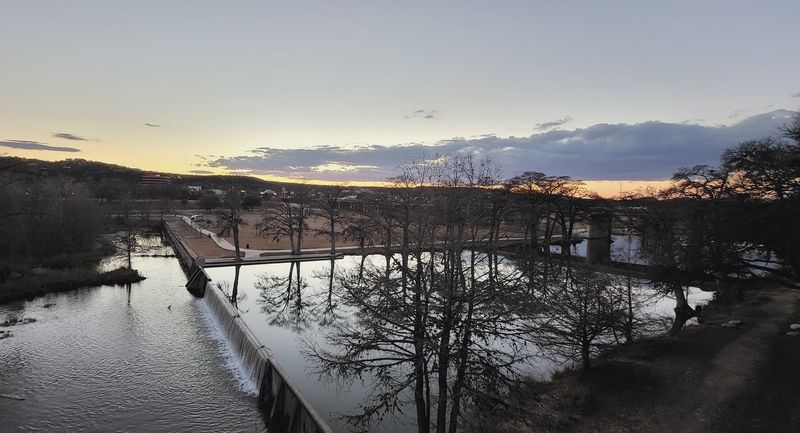
The Guadalupe River that flows through town used to be a peaceful spot for locals to fish and relax. Now it’s lined with developments, and access points are increasingly privatized or crowded. The small-town hospital has expanded multiple times to serve the growing population, but locals still complain about longer wait times and the loss of personal care they once received.
Downtown has seen revitalization, which sounds positive until you realize many of the new businesses cater exclusively to tourists and wealthy retirees rather than working families who’ve lived here for generations. The cost of living has risen steadily, making it harder for young people to stay or start families in the community where they grew up.
The folk festival still draws crowds every year, but even that beloved tradition feels different as the town around it changes. Traffic has become a serious issue, especially during events, and the laid-back atmosphere that once defined Kerrville is harder to find. Long-time residents feel squeezed out by rising costs and a community that increasingly doesn’t reflect the values or lifestyle they treasured for decades in this once-quiet corner of the Hill Country.
8. Marble Falls
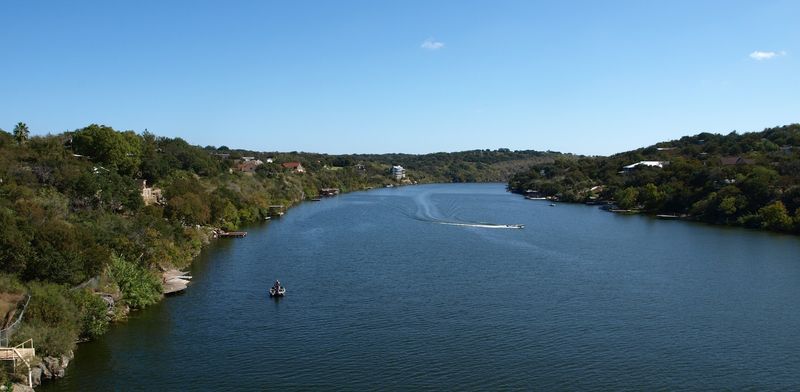
The lakes brought Marble Falls to life, and for years it served as a quiet retreat where families from across Texas would spend summer weekends on the water. But the secret got out, and what was once a seasonal tourist town has become a year-round destination with all the growing pains that come with it. Lakefront property values have skyrocketed, pushing out longtime residents who can’t afford the property taxes anymore.
The downtown area has been redeveloped with trendy restaurants and shops that look nice but don’t serve the needs of working-class families who actually live here. Chain stores have moved in, changing the character from a genuine small town to something that feels more generic. Traffic on Highway 281 is a constant headache, and the infrastructure wasn’t designed for this level of growth.
The Highland Lakes have always attracted visitors, but the sheer volume now overwhelms the area during peak times. Boat launches are packed, and finding a quiet spot on the water requires going farther and farther from town. Short-term rentals have taken over entire neighborhoods, creating ghost communities where nobody actually lives full-time and neighbors never get to know each other.
Long-time residents remember when Marble Falls felt like a real community where people looked out for each other. Now it often feels like a service town existing primarily to cater to weekenders and retirees with money to spend. The economic benefits are real, but so is the loss of identity and affordability that made this place special for generations of families.
9. Blanco
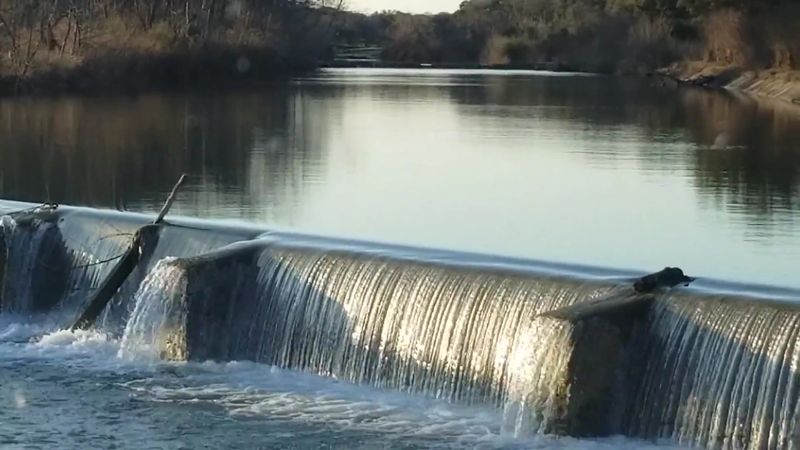
Blanco is one of those towns that time seemed to forget, and locals liked it that way. The courthouse square, the river running through town, and a handful of local businesses created a peaceful atmosphere where life moved at a slower pace. But proximity to busier Hill Country destinations has put Blanco on the radar of people looking for the next affordable place to land.
The Blanco River has always been a draw, but increased visitation has brought problems the small town isn’t equipped to handle. Trash left by visitors, trespassing on private property, and noise complaints have become regular issues. Locals who used to enjoy easy access to the river now find themselves competing with outsiders who show up, make a mess, and leave without contributing to the community.
Real estate speculators are buying up property, betting that Blanco will be the next Dripping Springs or Wimberley. Long-time residents watch nervously as land prices climb and developers propose projects that would fundamentally change the rural character. The fear is real that in another five or ten years, Blanco won’t be recognizable to the families who’ve called it home for generations.
There’s resistance to rapid growth, but small towns don’t have the resources to fight well-funded developers or the legal expertise to navigate complex zoning battles. Many residents feel powerless as they watch the forces of change gathering strength. They’ve seen what happened to other Hill Country towns and desperately want to avoid the same fate, but stopping progress feels like trying to hold back a flood with a bucket.
10. Bandera
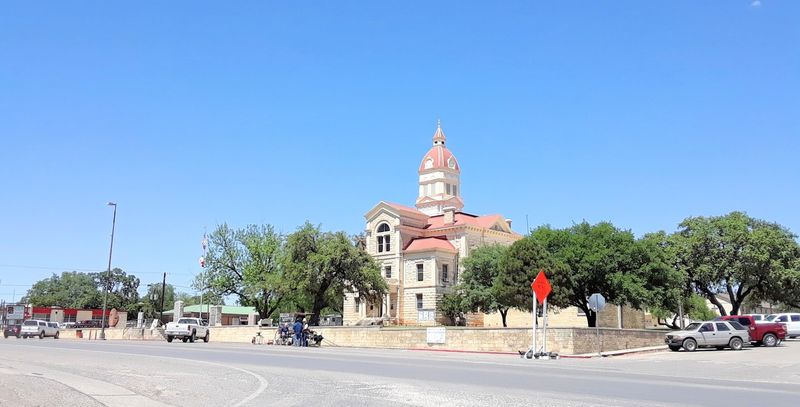
They call Bandera the “Cowboy Capital of the World,” and for good reason. This town lived and breathed ranching culture, with dude ranches, rodeos, and a genuine Western atmosphere you couldn’t fake. Locals grew up riding horses, and the honky-tonks on Main Street played country music for crowds who actually knew how to two-step.
That authentic cowboy culture is still here, but it’s being diluted by tourists looking for an Instagram-worthy Western experience.
The dude ranches that used to cater to families looking for a real working ranch experience have increasingly become luxury resorts charging premium prices. The rodeos draw bigger crowds than ever, but many of the faces in the stands are first-time visitors rather than the ranching families who built this tradition. The shift from genuine culture to tourist attraction has left longtime residents feeling like their heritage is being commodified.
Real estate pressure is building as people from San Antonio and beyond discover Bandera’s charm and relative affordability compared to other Hill Country towns. Ranches that have been in families for generations are being sold off and subdivided. Once that land is developed, it’s gone forever, taking with it the open spaces and rural character that defined Bandera.
Main Street still has some authentic spots, but chain businesses are creeping in, and the mom-and-pop stores that gave the town personality are struggling. Locals worry that Bandera will become just another themed tourist trap where the cowboy culture is reduced to a costume rather than a living way of life that actually means something to the people who call this place home.
11. Johnson City
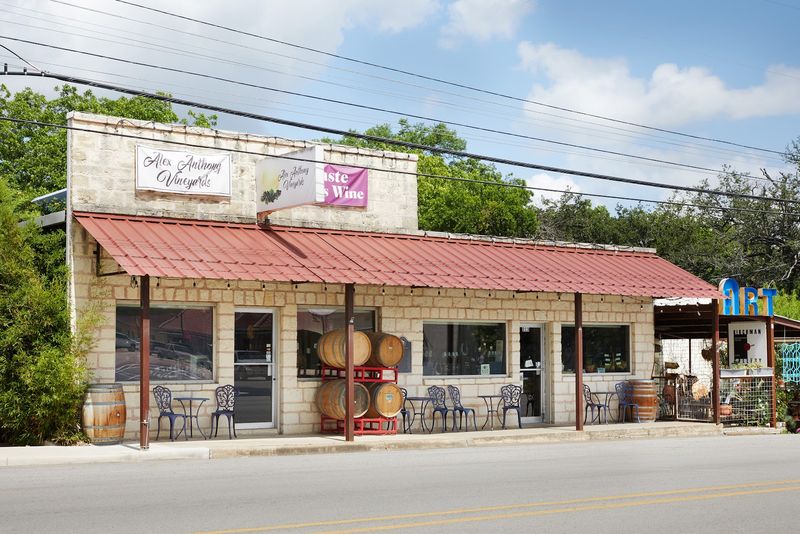
Growing up in the shadow of LBJ gave Johnson City a unique identity and a steady stream of history buffs visiting the ranch and presidential sites. For years, it remained a quiet agricultural town where that tourism provided a modest economic boost without overwhelming the community. But as other Hill Country towns have filled up, Johnson City is experiencing spillover growth it never anticipated.
Property values are rising as people look for affordable alternatives to pricier towns nearby. New residents are moving in without any connection to the area’s history or agricultural roots, changing the demographic makeup and community culture. The schools are growing, traffic is increasing, and the infrastructure that served a small town adequately is now showing strain.
Local businesses that catered to ranchers and longtime residents are being replaced by establishments aimed at tourists and newcomers with different tastes and bigger budgets. The town square still has historic charm, but there’s a creeping sense that Johnson City is being discovered in a way that will ultimately change its character forever.
Ranching families who’ve worked the surrounding land for generations are facing the same pressures seen across the Hill Country: rising property taxes driven by increasing land values, offers from developers that are hard to refuse, and a younger generation that often can’t afford to continue the family business. Once those ranches are sold and subdivided, the agricultural heritage that defined Johnson City will exist only in history books and tourist brochures, another casualty of the region’s rapid transformation from working countryside to weekend destination.
Share this story