Michigan has some of the most stunning natural landscapes and charming small towns in the entire country, and word has gotten out. Over the years, tourists have flooded into beloved local spots, and honestly, not everything stayed the same.
Some changes frustrated longtime residents, but others brought real improvements — better facilities, cleaner trails, and growing economies that kept communities alive. Here is a look at 15 Michigan destinations where tourism left a mark that locals are still talking about.
1. Torch Lake Sandbar
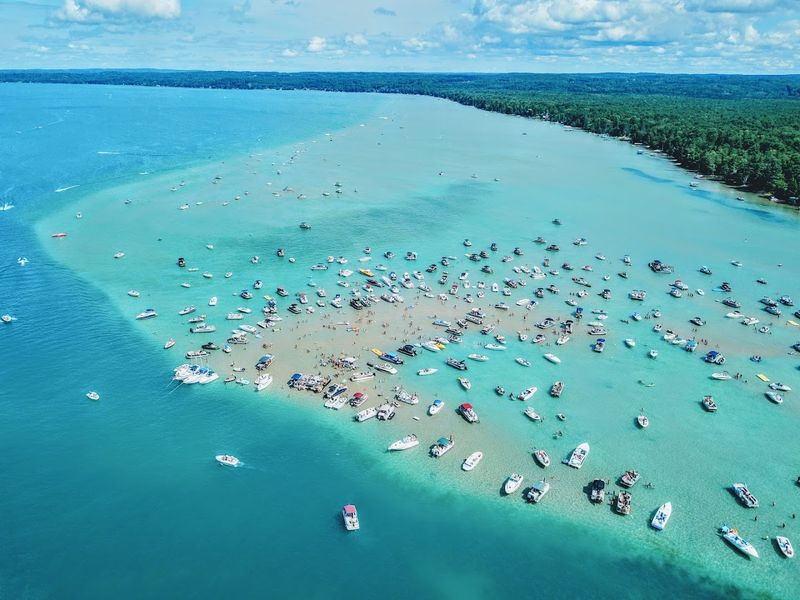
Locals who grew up paddling Torch Lake in the 1980s and 90s will tell you the sandbar used to feel like a well-kept secret. You could anchor your boat on a Saturday afternoon and count the other vessels on one hand.
That era is long gone, and the sandbar scene today looks more like a floating block party than a quiet getaway.
Tourism changed Torch Lake in ways that are hard to ignore. On peak summer weekends, hundreds of boats pack the sandbar, music pumps from every direction, and the shoreline buzzes with energy that some residents love and others quietly mourn.
The upside? Local businesses around Bellaire and Elk Rapids have thrived.
Restaurants, boat rentals, and waterfront shops now draw steady income from Memorial Day straight through Labor Day.
Water quality has become a real conversation among locals. Increased boat traffic and crowding raised concerns about fuel runoff and erosion along the lakebed.
Conservation groups and state agencies stepped in with monitoring programs that probably would not exist without the public pressure tourism created. So in a strange way, the crowds sparked accountability.
If you want to experience the sandbar without the chaos, early morning weekday visits are your best bet. The water is calmer, the colors are unbelievably vivid, and you can actually hear yourself think.
Torch Lake consistently ranks among the most beautiful lakes in the world, and standing in that turquoise water at sunrise makes it easy to understand why people keep coming back. Locals may roll their eyes at the summer rush, but most of them agree — the lake itself is still absolutely worth every bit of the hype it gets.
2. Belle Isle Park, Detroit
Ask any Detroiter who grew up visiting Belle Isle in the 1990s and early 2000s, and you will hear a complicated story. The island park had fallen into serious disrepair — crumbling infrastructure, underfunded facilities, and a general sense that this gem in the Detroit River had been forgotten.
Then the state took over management in 2014, and tourism followed shortly after.
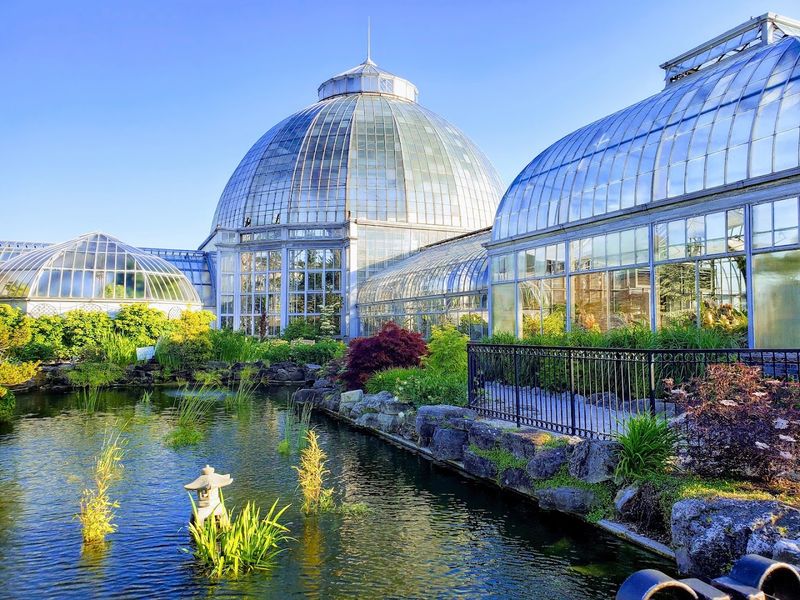
The transformation has been striking. The Anna Scripps Whitcomb Conservatory got renewed attention, the aquarium reopened, and trails were cleared and maintained properly for the first time in years.
Families started showing up from across Michigan and beyond, drawn by the promise of a free state park experience right inside a major city. That outside interest brought funding and visibility that local advocates had been fighting for decades to secure.
Long-time Detroit residents have mixed feelings. Some feel the park became curated for tourists rather than the neighborhood families who relied on it as an accessible green space.
Parking changes and event programming shifted the vibe from community hangout to polished attraction. Those are fair criticisms worth hearing.
Still, the physical improvements are undeniable. The scenic drives, the views of the Ambassador Bridge, the beach areas, and the restored Belle Isle Nature Center all benefit from the increased investment that tourism demand helped justify.
The island is genuinely beautiful in a way that feels almost surreal given its urban setting. Whether you are a first-time visitor or a returning local, there is something quietly powerful about standing on the eastern tip of Belle Isle watching freighters roll through the Detroit River.
The park carries Detroit’s history in every corner, and more people are finally paying attention to that story.
3. Mackinac Island
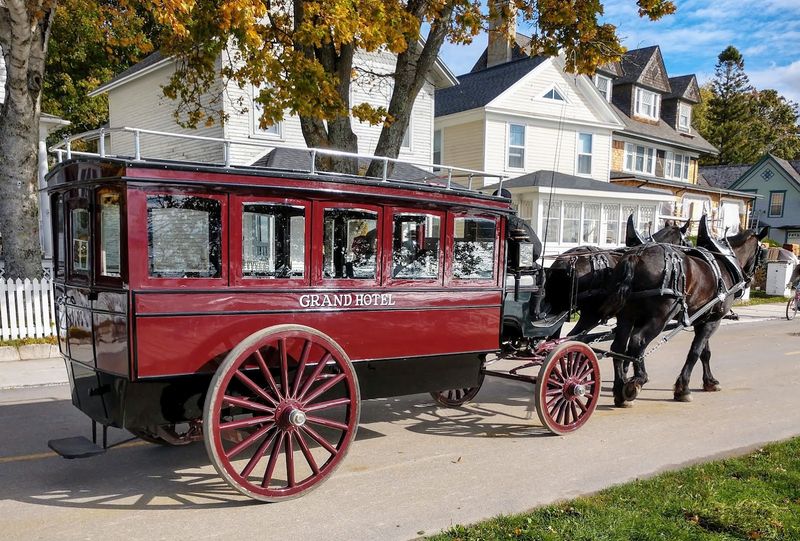
No cars. Horse-drawn carriages.
Fudge shops on every corner. Mackinac Island is one of the most recognizable tourism brands in the entire Midwest, and locals who live there year-round experience a reality that most visitors never see.
When the ferries stop running in late fall, the island population shrinks dramatically, and the community that remains is tight-knit, self-reliant, and deeply aware of how much tourism has shaped their home.
The fudge industry alone tells the whole story. What started as a novelty treat for Victorian-era summer visitors became the island’s most famous export.
Today, fudge shops line Main Street and tourists buy pounds of the stuff to bring home. Locals sometimes joke that the smell of fudge is practically built into the island’s identity at this point.
But behind the humor is a real economic truth — tourism is the engine that keeps Mackinac Island running.
Historic preservation has been a genuine win here. The pressure to maintain the island’s charm for visitors actually helped protect its architecture and no-car policy in ways that might not have survived without the tourism economy backing them up.
The Grand Hotel, Fort Mackinac, and the Victorian cottages along the bluff exist in remarkably good condition partly because they are considered valuable assets.
The tradeoff is that summer crowds can feel overwhelming. Navigating Main Street in July requires patience and a willingness to share the sidewalk with a few thousand strangers.
Bike rentals are a smarter move than walking if you want to escape the commercial strip and find the quieter roads that circle the island’s forested interior. That is where the real Mackinac lives — peaceful, scenic, and just a short pedal away from the chaos below.
4. Tahquamenon Falls State Park
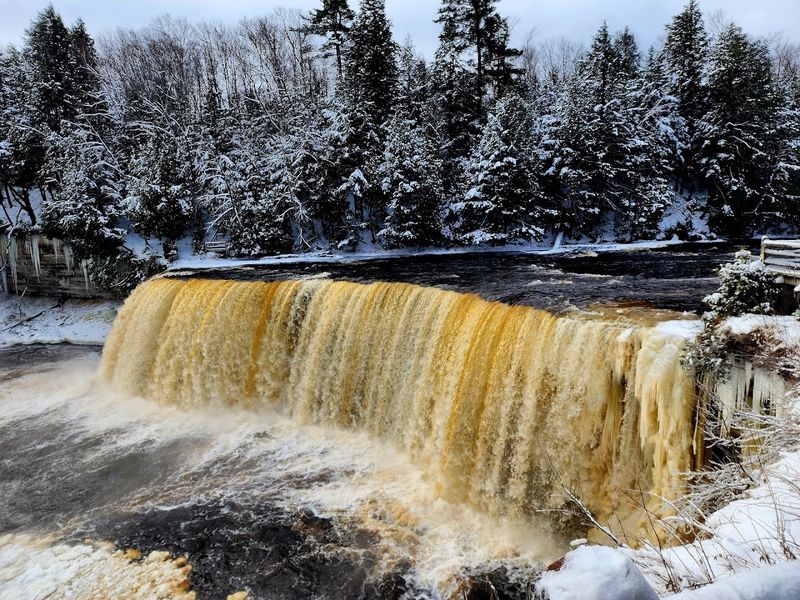
The tea-colored water pouring over Tahquamenon Falls looks almost unreal in person — that deep amber tint comes from tannins leaching out of the surrounding cedar swamps, and it creates a visual that photographs cannot fully capture. Locals in the eastern Upper Peninsula have watched this park evolve significantly as word spread about just how spectacular the falls actually are.
For years, Tahquamenon was the kind of place that required effort to reach. The remote location in Luce County kept casual tourist traffic lower than at more accessible parks.
But as Michigan outdoor tourism grew and social media started showcasing the Upper Peninsula’s wilder corners, the falls found a much wider audience. Visitor numbers climbed, and the park infrastructure had to keep pace.
Trail improvements, expanded parking, better restroom facilities, and the beloved rowboat rental system for reaching the lower falls all reflect investments tied to growing demand. The rowboats are a genuine experience — paddling through that amber water between the upper and lower falls feels completely removed from the modern world.
It is the kind of activity that makes you understand why people drive four hours from Detroit to get here.
Locals appreciate that the park has maintained a sense of wildness despite the upgrades. The surrounding forest is enormous, trails extend well beyond the falls overlooks, and camping options give visitors a reason to slow down rather than snap a photo and leave.
The nearby town of Paradise benefits economically from park traffic, which keeps small businesses and lodges viable in an area with limited economic alternatives. Tahquamenon rewards visitors who show up with time to spare — rushing through it is genuinely a shame when the surrounding landscape is this extraordinary.
5. Fishtown, Leland
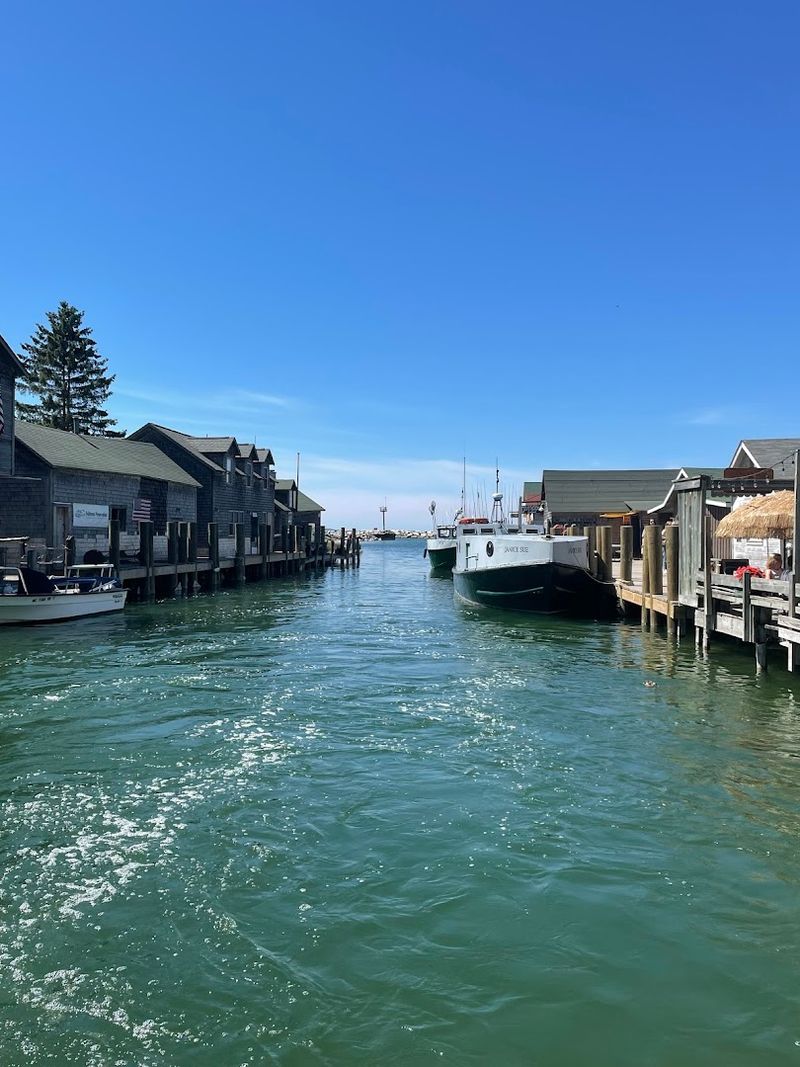
Fishtown in Leland is one of those places that somehow survived the modern era without losing its soul — at least mostly. The cluster of weathered cedar-shingled fish shanties along the Leland River channel dates back to the late 1800s, when commercial fishing was the heartbeat of this small Lake Michigan community.
Today, those same shanties sell smoked fish, art, and handmade goods to tourists who arrive by the busload in summer.
The tension between preservation and commercialization is real here. Fishtown Preservation Society has worked hard to keep the structures authentic and the fishing heritage visible, and tourism dollars have absolutely supported that mission.
Without visitor interest, the economic case for maintaining these historic buildings would be much harder to make. So there is genuine gratitude mixed into the complicated feelings locals carry about the summer crowds.
The ferry service to South Manitou and North Manitou Islands departs from Fishtown, which adds another layer of activity to an already busy stretch of waterfront. Watching a working fishing tug unload its catch while tourists browse a nearby gallery is a uniquely Leland experience — old and new occupying the same few hundred feet of riverbank without either one quite winning.
What has changed most noticeably is the shoulder-season dynamic. Fall used to be quiet and local.
Now, October weekends draw leaf-peeping visitors and food festival crowds that push Leland well beyond its comfortable capacity. Parking becomes a genuine headache, and restaurant wait times stretch into territory that surprises first-timers.
But the smoked whitefish is still exceptional, the river still runs clear, and Fishtown still carries enough authenticity to reward anyone willing to visit on a Tuesday morning in September rather than a Saturday in July.
6. Silver Lake State Park ORV Area
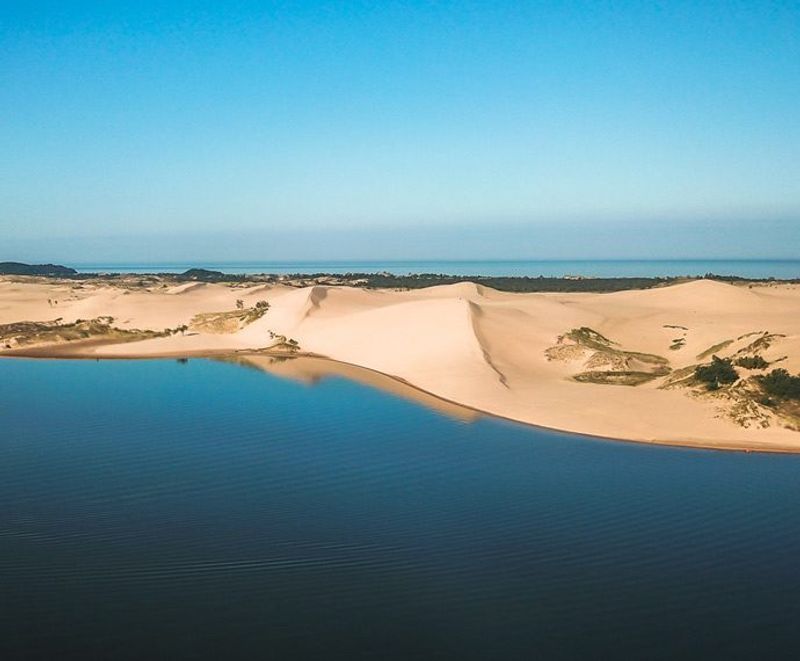
Pull up to Silver Lake State Park on a summer weekend and the sound hits you before the view does — engines revving, sand spraying, and the unmistakable energy of people having the kind of loud, dusty fun that would horrify a quiet-nature purist. The Silver Lake sand dunes ORV area is one of Michigan’s most unique outdoor recreation zones, and it has been drawing off-road enthusiasts from across the Midwest for decades.
Locals in the Oceana County area have watched the ORV culture grow from a regional pastime into a significant tourism draw. The economy around Silver Lake — rental shops, campgrounds, food stands, and motels — runs almost entirely on the backs of visitors who come specifically to ride the dunes.
That economic reality shapes how the community talks about tourism: with appreciation, even when the crowds get thick and the noise carries into neighboring areas.
Environmental debates have never fully gone away. The dunes are a dynamic and sensitive ecosystem, and the balance between recreation and conservation requires ongoing management.
Access boundaries, revegetation efforts, and dune monitoring programs all exist in part because of the pressure that heavy ORV use creates. Visitors who stay on designated trails play a direct role in keeping the area open for future riders.
Renting a dune buggy or ORV from one of the local outfitters is the fastest way to understand what the hype is about. Cresting a tall dune with Lake Michigan glittering in the distance on one side and a sea of rolling sand on the other is a genuinely thrilling moment.
Silver Lake does not pretend to be a quiet retreat, and that honesty is actually part of its charm. This place knows exactly what it is, and it delivers on that promise every single time.
7. Pictured Rocks National Lakeshore
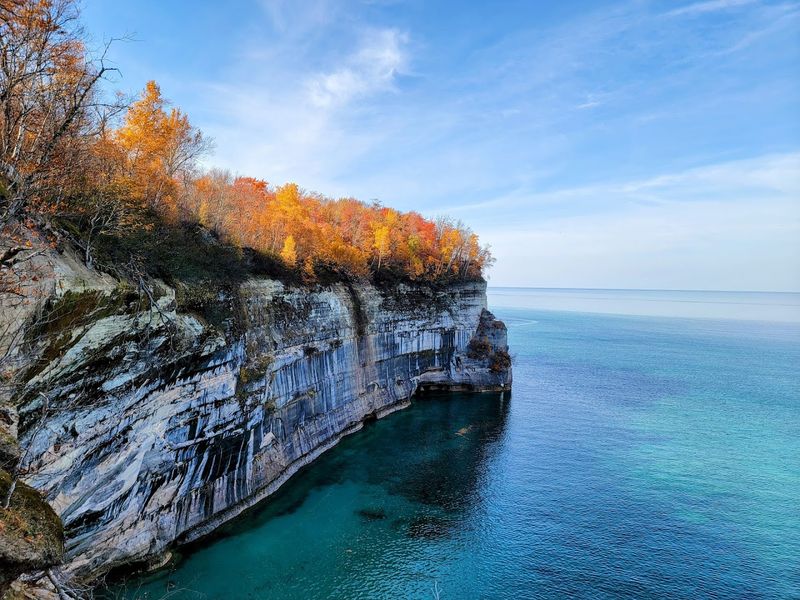
The sandstone cliffs of Pictured Rocks stretch for roughly 15 miles along the Lake Superior shoreline, and the colors streaked across them — copper greens, iron reds, manganese blues — look like something a painter invented rather than something geology produced. Locals in Munising have watched their small town transform over the past decade as Pictured Rocks climbed from regional secret to internationally recognized destination.
The surge in kayaking tours, boat cruises, and hiking traffic brought real economic life to Munising. New restaurants opened, lodging expanded, and the town developed a tourism identity that gave young people reasons to stay or return.
That kind of revitalization matters enormously in a region where economic options can feel limited. Locals who remember the quieter years hold complicated feelings, but very few argue that the economic shift was bad for the community overall.
Trail overcrowding became a genuine challenge as Instagram exposure drove visitor numbers to new heights. The Chapel Loop, Miners Beach, and Miners Castle overlook all see heavy foot traffic that required trail hardening, new boardwalks, and timed entry systems during peak season.
Those improvements protect the landscape while managing the human impact — a model that took time and advocacy to implement properly.
Winter at Pictured Rocks is a completely different experience that most tourists never consider. The ice caves that form along the cliffs in January and February draw a smaller, hardier crowd, and the frozen formations are genuinely jaw-dropping.
Locals who love this place year-round often say winter is when they feel they get it back. The silence, the ice, and the absence of boat tour crowds create an intimacy with the landscape that summer simply cannot match.
Come in any season — just come prepared for what each one actually demands.
8. Kensington Metropark
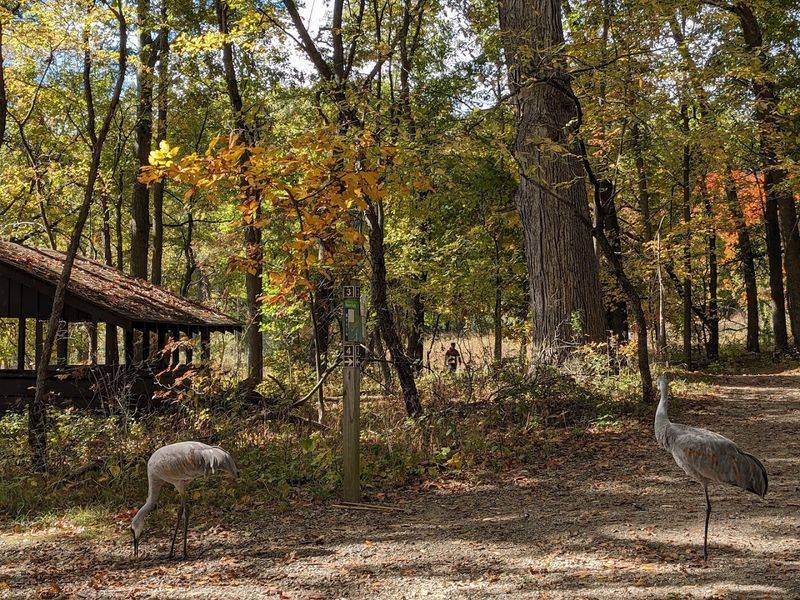
Kensington Metropark sits in that sweet spot between wild enough to feel like a real escape and accessible enough that half of metro Detroit can reach it in under an hour. That combination made it one of the most visited parks in the entire Huron-Clinton Metroparks system, and locals who live near Milford and Brighton have watched it evolve from a neighborhood green space into a regional destination with serious draw.
The park’s infrastructure reflects decades of investment driven by demand. The boat launch, the nature center, the farm center for kids, and the extensive trail network all represent improvements that came with the territory of serving millions of visitors annually.
Families who grew up coming here on weekends will notice how much more organized and polished the experience feels compared to twenty years ago — not sterile, but clearly managed with care.
Wildlife at Kensington has actually benefited from conservation efforts that tourism indirectly funded. The bald eagle nesting program and the white-tailed deer population are frequently cited as success stories.
Birding has become a serious draw, with birders traveling from well outside the region during migration seasons to scan the lake edges and wooded corridors. That niche tourism brought a quieter, more observant crowd that sits comfortably alongside the paddlers and cyclists.
Peak summer weekends push parking lots to capacity early, so arriving before 9 a.m. is genuinely useful advice rather than a cliche. Fall at Kensington is spectacular — the hardwood canopy turns every shade of orange and gold, the trails thin out, and the park reveals a different personality than its summer self.
Locals who treat it as their backyard know that the off-peak version of Kensington is where the real magic hides. Bring a kayak if you can and earn the best views from the water.
9. Turnip Rock, Port Austin
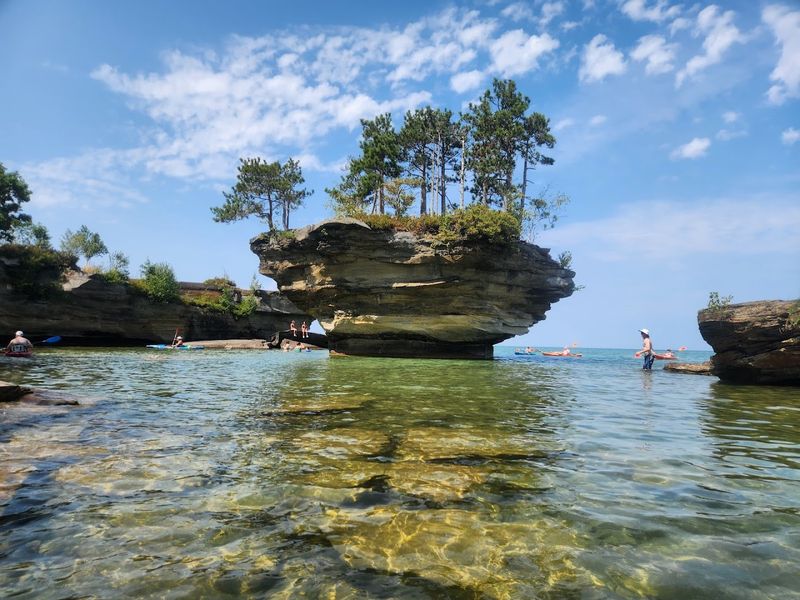
Turnip Rock does not care about your comfort level. Getting there requires kayaking roughly three miles from Port Austin along the Lake Huron shoreline, and the rock itself — a narrow limestone pillar topped with a wild tangle of trees that somehow mirrors the shape of a turnip — rewards every paddle stroke with one of the most photogenic natural features in Michigan.
Locals in Port Austin have watched this spot go from obscure geological curiosity to full-blown social media phenomenon.
The kayaking industry around Port Austin owes a significant debt to Turnip Rock’s viral fame. Outfitters who once catered to a small regional clientele now book up weeks in advance during summer.
The economic ripple through this small thumb-region town has been noticeable — more visitors mean more demand for lodging, food, and gear, and Port Austin’s business community has grown to meet that demand with genuine enthusiasm.
The paddle itself is part of what makes the experience worth having. The Lake Huron shoreline between Port Austin and Turnip Rock passes dramatic limestone formations, arches, and sea caves that most people never know exist.
Going with a guided tour is a smart choice for first-timers — local guides know the safest launch points, can read the lake conditions, and add geological context that makes the whole trip richer.
Turnip Rock cannot be reached by land — there is no trail, no parking lot, no admission fee. That inaccessibility is exactly what preserved its character even as its fame grew.
You have to earn it, and that physical commitment filters out the casual crowd in a way that keeps the experience genuinely rewarding. Arriving at the rock after that paddle, watching the morning light hit the limestone, feels like a discovery even when hundreds of people make the same trip every weekend.
10. Holland State Park and Holland Dunes Area
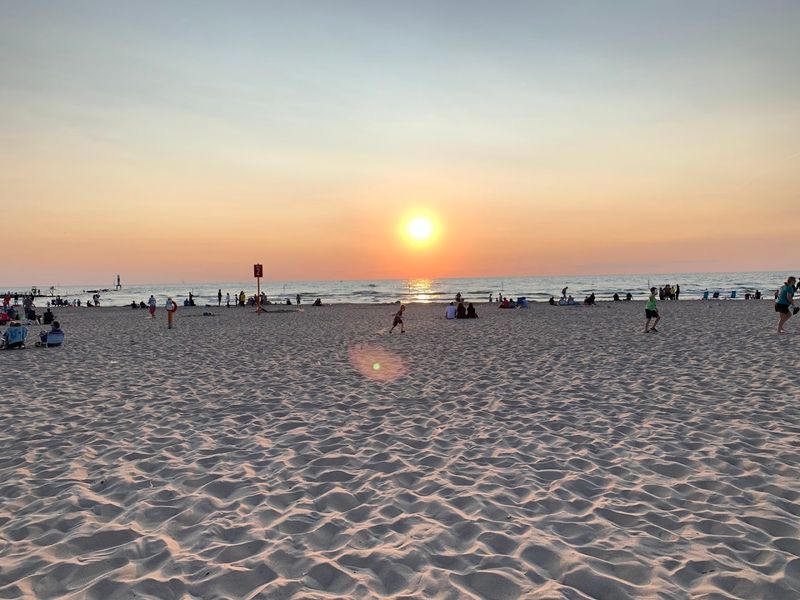
Holland’s Big Red lighthouse is one of the most photographed structures in all of Michigan, and the beach that stretches out beside it draws crowds that would have been unimaginable to the Dutch settlers who founded this community. Holland State Park sits at the intersection of Lake Michigan’s raw beauty and a carefully cultivated small-city identity, and tourism has shaped both in lasting ways.
Tulip Time Festival put Holland on the national map decades ago, and that spring tourism tradition created infrastructure — hotels, restaurants, event venues — that the summer beach crowd later inherited and expanded. The dunes area adjacent to the state park offers a slightly wilder experience than the main beach, with trail access that rewards hikers willing to climb for sweeping lake views.
That combination of manicured charm and genuine natural drama is a rare thing, and Holland wears it well.
Locals have noticed that summer weekends now require the kind of planning that used to be unnecessary. State park beach parking fills by mid-morning on hot July days, and downtown Holland hums with foot traffic that strains the capacity of streets designed for a much smaller population.
The flip side is that Holland’s restaurant scene, retail diversity, and event calendar all expanded dramatically as tourism revenue supported growth that the local population alone could not have sustained.
The dunes area is genuinely underused compared to the main beach, which makes it a smart destination for visitors who want the Lake Michigan experience without the shoulder-to-shoulder crowd. Dune hiking is harder work than beach walking, but the payoff at the top — a panoramic view of the water stretching to the horizon — is worth every step.
Holland rewards visitors who look slightly past the obvious and find the quieter corners that locals have always known about.
11. Porcupine Mountains Wilderness State Park
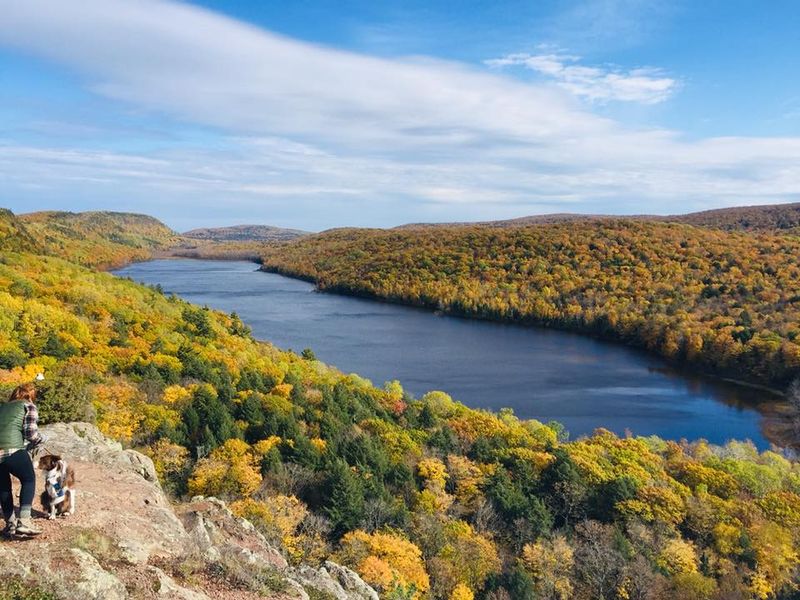
Standing at the Lake of the Clouds overlook in the Porcupine Mountains, it is genuinely hard to believe you are still in the contiguous United States. The old-growth forest rolls in every direction, the lake sits perfectly still in the valley below, and the silence is the kind that makes city people uncomfortable before they realize they have been holding their breath.
The Porkies, as locals call them, are Michigan’s largest state park, and they carry a wilderness credibility that most parks in the Lower Peninsula cannot match.
Tourism here grew steadily as outdoor recreation culture expanded nationally, and the park responded with cabin upgrades, improved backcountry trail marking, and a visitor center that actually helps people understand what they are walking into. The 90 miles of trails range from easy lakeside walks to serious backcountry routes that demand navigation skills and physical preparation.
That range keeps the park accessible to families while still offering real wilderness challenges for experienced hikers.
The ski area at the Porkies is a local secret that deserves more recognition. Downhill runs with views of Lake Superior, cross-country trails threading through old-growth hemlocks, and a lodge that feels genuinely cozy rather than corporate — the winter experience here is something that ski resort marketing has never quite captured.
Locals who live in the western Upper Peninsula protect their winter Porkies trips like a private treasure.
What tourism brought to this park most meaningfully was advocacy. As more people fell in love with the landscape, the political will to protect it strengthened.
Old-growth forest preservation became a cause with a visible constituency rather than an abstract conservation argument. The park’s wild character survived increased visitation not despite tourism, but partly because of the community it created around protecting something irreplaceable.
That is a genuinely hopeful story.
12. Kitch-iti-kipi / The Big Spring
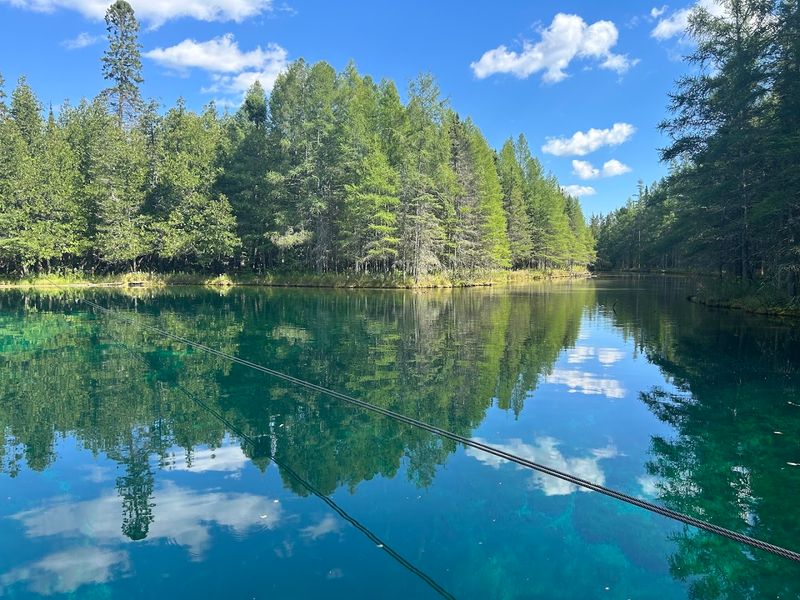
The observation raft at Kitch-iti-kipi might be the best deal in Michigan outdoor recreation. You pull yourself across the spring on a hand-cranked cable, peer through the glass-bottom viewing well, and watch enormous trout drift through water so clear it barely looks like water at all.
The spring pumps out roughly 10,000 gallons per minute at a constant 45 degrees, and the visual effect of watching sand boil up from the bottom while springs bubble through the limestone below is hypnotic in a way that no photograph fully communicates.
Kitch-iti-kipi — the name comes from the Ojibwe language and translates roughly to “big cold water” — sits in Palms Book State Park near Manistique in the Upper Peninsula. For a long time, it was a beloved regional gem known mostly to U.P. residents and dedicated Michigan travelers.
Social media changed that equation fast. The spring’s otherworldly appearance made it catnip for travel photographers and outdoor bloggers, and visitor numbers climbed accordingly.
The physical infrastructure at the park had to expand to handle the new traffic. Improved parking, better trail surfaces, and updated facilities all arrived in response to growing demand.
Lines for the raft can stretch on peak summer days, which feels surreal given how remote the location is. But the wait is short, and the experience is one of those rare things that genuinely lives up to its reputation.
Locals in the Manistique area have embraced the economic benefits while keeping a watchful eye on the spring’s ecological health. The water quality and flow rate are monitored carefully, and the park operates with a clear conservation ethic.
Visiting on a weekday in late September, when the maples around the spring have turned orange and the crowds have thinned, is the kind of experience that stays with you for years. The spring does not change with the seasons — the water stays 45 degrees and impossibly clear no matter what happens above it.
13. Grand Haven State Park Beach
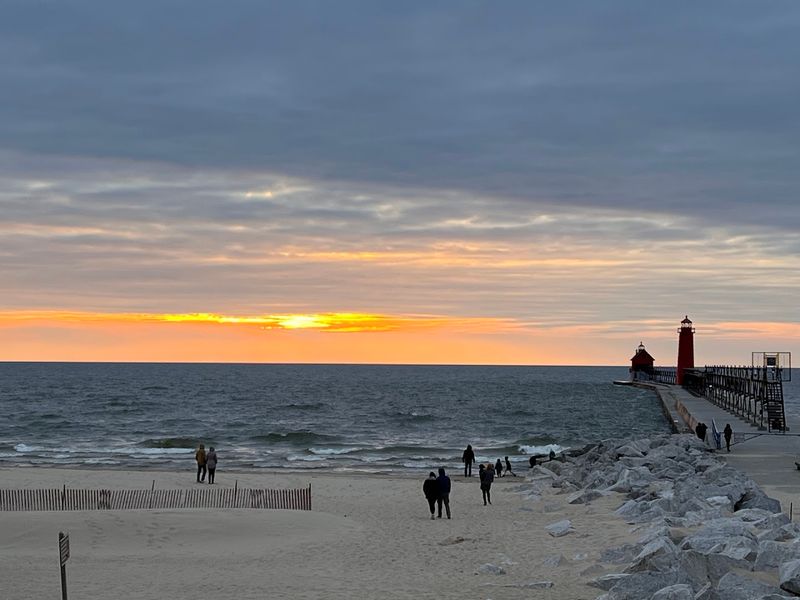
Grand Haven has a pier, a lighthouse, a boardwalk, and a musical fountain — and somehow, instead of feeling like a theme park, it manages to feel like a real town that simply happens to have excellent bones. The state park beach stretches wide and flat along Lake Michigan, and the sunsets here draw crowds that line the pier every single evening in summer as if it were a scheduled event.
Locals who grew up here will tell you the sunset ritual was always part of life, but the scale of the audience has changed dramatically.
Coast Guard Festival, held annually in late July, is one of the largest events of its kind in the country and draws visitors from across Michigan and beyond. That event alone shaped Grand Haven’s identity as a place that knows how to host people, and the town’s hospitality infrastructure reflects that confidence.
Hotels, restaurants, and shops along Washington Avenue all benefit from a tourism economy that runs from Memorial Day through the fall color season.
The beach itself has seen real improvements tied to visitor demand. Cleaner facilities, better accessibility features, and more organized parking management all reflect the kind of investment that comes when a place becomes genuinely important to a large number of people.
Locals sometimes grumble about the summer traffic on US-31, but the quality of life improvements that tourism revenue helped fund are hard to argue with.
Early morning walks on the Grand Haven pier are one of those experiences that reset your entire perspective. The lighthouse catches the first light, the lake is usually calm, and the town is still quiet enough that you can hear the water.
That version of Grand Haven — before the crowds arrive and the boardwalk fills — is what locals hold onto when the summer frenzy peaks. It is still there every morning for anyone willing to wake up early enough to find it.
14. Saugatuck Dunes State Park
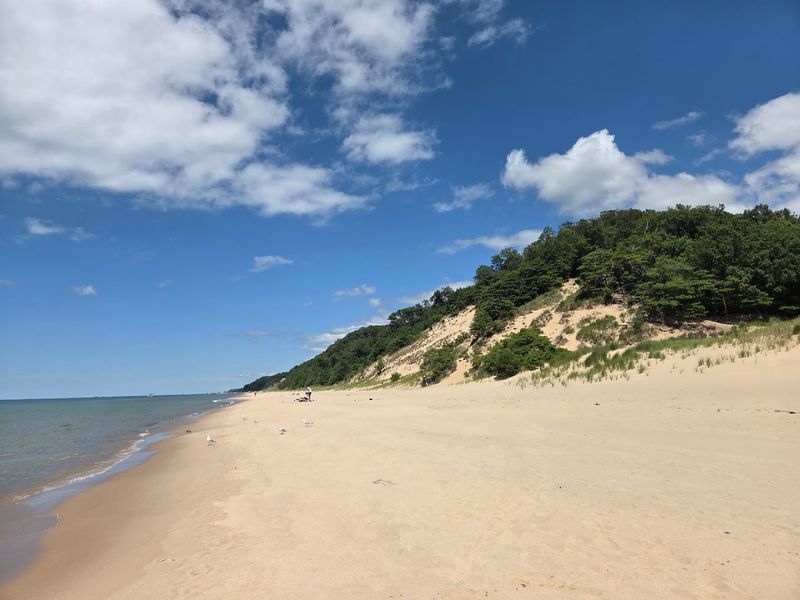
Saugatuck has a reputation as Michigan’s art coast, and the dunes state park sitting just north of town adds a wild counterpoint to the galleries and boutiques downtown. Getting to the Lake Michigan beach at Saugatuck Dunes requires a hike through wooded dune terrain that involves some genuine climbing — the kind that makes your legs burn and your appreciation for the beach arrival feel genuinely earned.
Locals in the Saugatuck-Douglas area have long treated this park as their backyard reward for living in one of Michigan’s most charming communities.
Tourism around Saugatuck exploded over the past two decades as the town’s arts scene, food culture, and LGBTQ+ welcoming reputation spread nationally. The dunes park benefited from that broader interest, drawing visitors who discovered it while exploring the area.
Trail use increased significantly, and the park responded with better signage, erosion control on the most heavily traveled dune faces, and expanded parking capacity that still fills up on hot summer weekends.
The beach at the end of the hike is genuinely spectacular — wide, relatively uncrowded compared to the state park beaches nearby, and backed by dunes that give the whole scene a sense of drama. Because you have to hike to reach it, the crowd self-selects toward people who actually want to be there, which creates a noticeably different vibe than drive-up beach access.
That natural filtering mechanism is something locals quietly appreciate.
Fall hiking at Saugatuck Dunes is an experience that deserves far more attention than it gets. The wooded dune forest turns brilliant in October, the beach is nearly empty, and the light over Lake Michigan takes on that low golden quality that makes every photograph look like it was edited.
Pairing a fall dunes hike with dinner at one of Saugatuck’s excellent restaurants is the kind of Michigan day that makes people consider moving here permanently. Many of them eventually do.
15. Sleeping Bear Dunes National Lakeshore
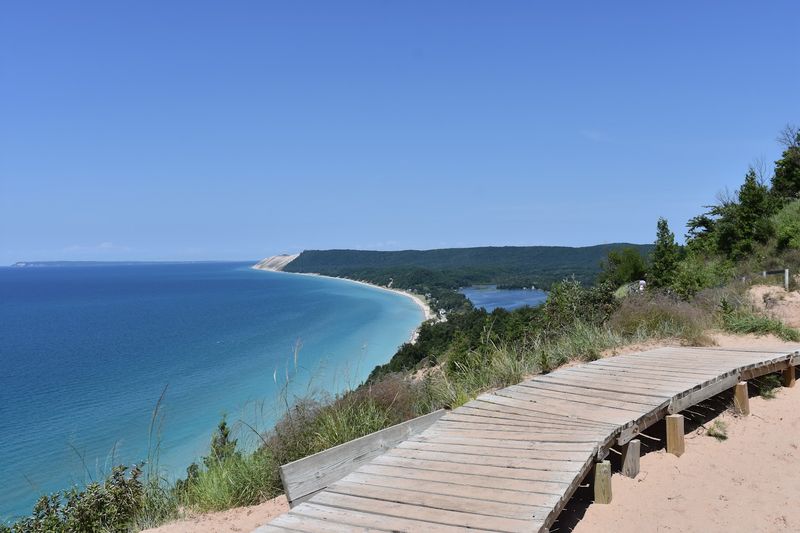
When Good Morning America named Sleeping Bear Dunes the most beautiful place in America back in 2011, locals braced themselves. They were right to.
The years that followed brought visitor numbers that transformed this stretch of Leelanau and Benzie County coastline from a beloved regional treasure into one of Michigan’s most recognizable landmarks. The dunes, the beaches, the crystal rivers, and the views of the Manitou Islands were always extraordinary — they just became everybody’s extraordinary all at once.
The Dune Climb near Empire is the park’s most iconic experience, and it earns its reputation. Climbing the face of a 450-foot sand dune with your bare feet sinking into warm sand, lungs burning, legs questioning your decisions — and then reaching the crest to find Lake Michigan blazing blue in the distance — is one of those experiences that recalibrates your sense of scale.
The hike down to the water and back is significantly more demanding than most visitors expect, and the park now posts clear warnings about the challenge. Those warnings exist because tourism created a situation where unprepared visitors needed rescuing.
Infrastructure improvements throughout the park reflect years of adaptation to heavy use. The Pierce Stocking Scenic Drive, the Glen Haven historic district, and the Sleeping Bear Heritage Trail all received meaningful upgrades that enhanced the visitor experience while protecting the underlying landscape.
Local communities like Glen Arbor and Empire developed stronger hospitality economies that support year-round living in ways that were harder to sustain before the national attention arrived.
The park has 65 miles of Lake Michigan shoreline, and most tourists only experience a fraction of it. Locals know that the quieter beaches north of Glen Haven and the kayak access points along the Crystal and Platte Rivers offer a completely different relationship with this landscape.
The park is enormous enough to absorb its crowds if you are willing to walk a little farther than the next person.
Share this story