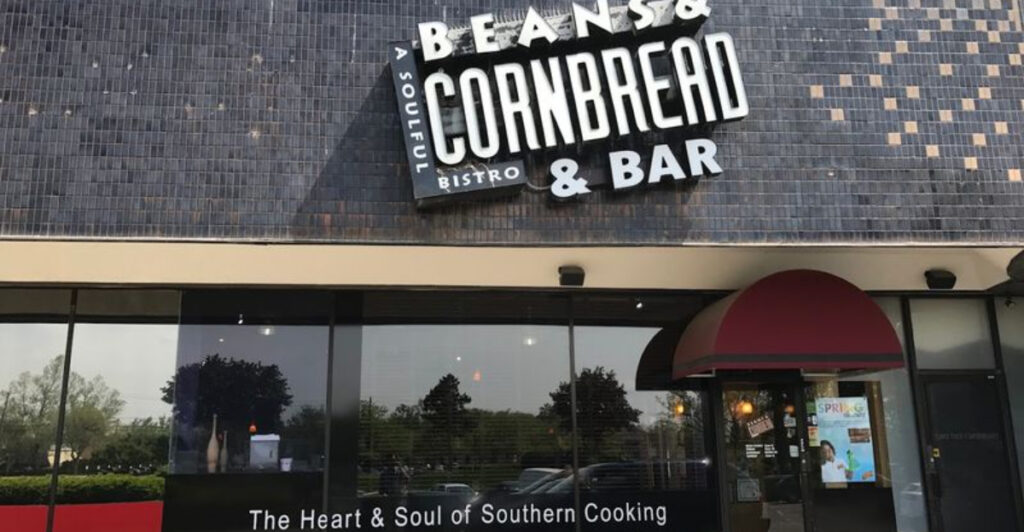
Comfort food feels different when the whole room knows how to set the mood. In Southfield, Michigan, Cornbread Restaurant & Bar turns soul food into a full experience with polished interiors, smooth music, warm service, and plates that arrive loaded enough to make restraint feel unrealistic.
The appeal goes beyond big portions, though. This is the kind of place that understands rhythm, hospitality, and flavor all at once, which is exactly how a restaurant earns real loyalty instead of casual interest.
For anyone trying to understand why soul food still carries such a strong pull across Michigan, this Southfield favorite makes the case one generous plate at a time.
Southfield’s Sleek Room With a Supper Club Pulse
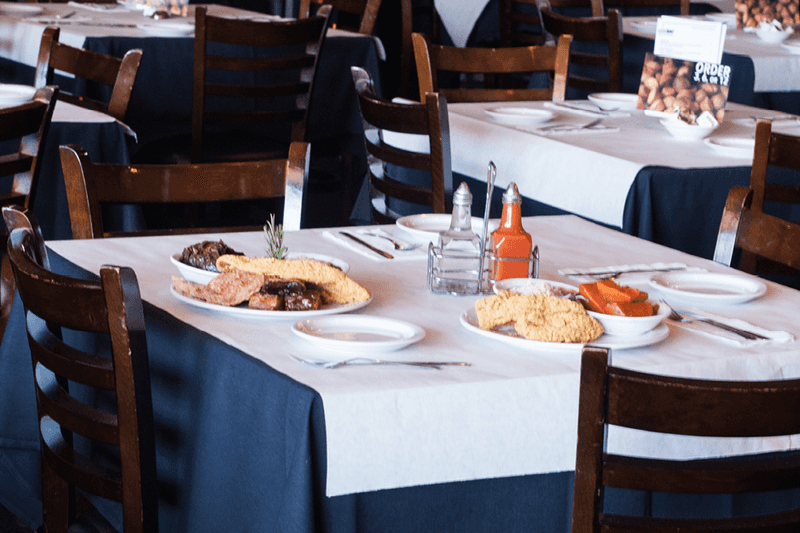
At Cornbread Restaurant & Bar in Southfield, the first surprise is visual. You expect a casual soul food stop, then walk into a room that leans polished, moody, and intentional, with clean lines, art on the walls, and lighting that softens the whole place without hiding any detail.
It is a smart match for the menu because the setting tells you right away this is comfort food presented with a little extra style.
The music matters here, too, but not in a look-at-me way. Smooth tracks move through the room at a level that keeps the space lively without forcing table conversation into a shout, giving dinner a relaxed rhythm that fits both a weekday meal and a small celebration.
That balance between energy and ease is part of why the restaurant works for so many kinds of visits.
The dining room layout adds another layer to the experience. Some tables have enough spacing to let you settle in, while busy periods can make the room feel tighter and more animated, which changes the pace in a way that regulars seem to understand and plan around.
Arriving earlier can completely reshape the mood, especially if you want the cleanest path from seat to plate.
Even before the food lands, there is a sense of order that makes the place read as cared for. The room is consistently described as clean and well kept, and that matters in a restaurant serving dishes built around richness, gravy, fried textures, and slow-cooked sides.
A polished environment gives all that abundance a sharper frame.
That contrast is the hook. Cornbread is not trying to mimic a rustic roadside shack or a formal downtown dining room, and that middle ground gives it a distinct identity in Southfield.
You come for soul food, but the setting reminds you that soulful and stylish can share the same table very comfortably.
The Complimentary Cornbread Sets the Tone Fast

Before you get to the heavy hitters, Cornbread makes an early point with the namesake item. Complimentary cornbread arriving at the table is more than a nice gesture because it lets the restaurant introduce its flavor profile immediately, right at the start, before an entree ever has to prove itself.
A place confident enough to lead with bread knows exactly what kind of appetite it is building.
That opening bite also frames the meal in a very specific way. Soul food houses live and die on their basics, and cornbread is one of those quiet indicators that can reveal whether the kitchen understands seasoning, texture, sweetness, and restraint.
When diners lock in on the bread before talking about everything else, it usually means the restaurant handled the fundamentals correctly.
From there, the menu shifts into plates designed to satisfy bigger cravings. Catfish fingers, yard bird, smothered turkey chops, oxtail, shrimp starters, chicken and waffles, mac and cheese, collard greens, yams, and sweet potato fries all point toward a kitchen aiming for comfort with range rather than narrow specialization.
The food is not trying to be tiny, precious, or interpretive.
Portion size is part of the identity, too. Several dishes are described as generous enough to surprise first-timers, and larger combinations like The Kitchen Sink suggest a deliberate commitment to abundance, not a restaurant interested in dainty plating.
At Cornbread, a full table looks full on purpose, with sides that matter as much as the center plate.
That is why the cornbread opener lands so well. It is a warm-up, a signal, and a small piece of branding delivered in edible form, all at once.
By the time the mains hit the table, you already understand the assignment: bring your appetite, pay attention to the sides, and do not treat the bread basket like an afterthought.
Where the Sides Refuse To Stay in the Background
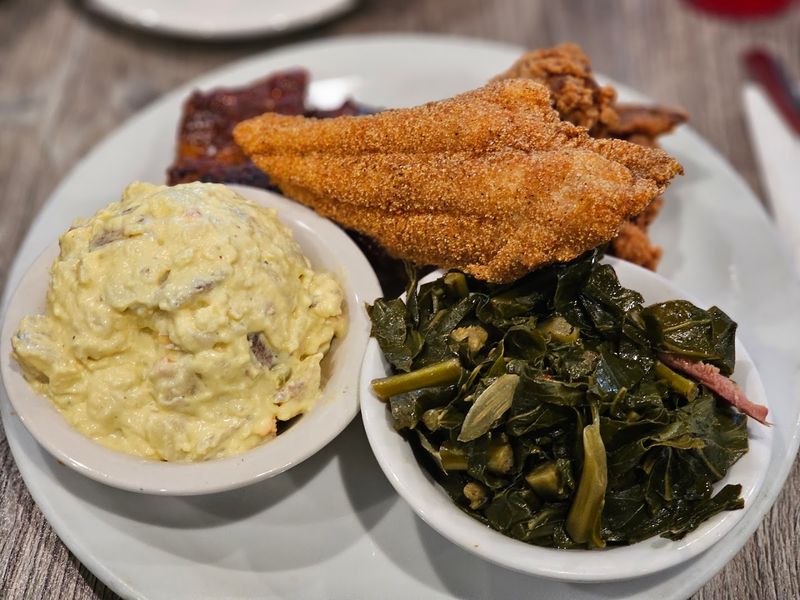
At a lot of restaurants, sides exist to fill space around the entree. At Cornbread, they compete for your attention in a way that changes how you order, because the meal starts to look less like one main dish with supporting players and more like a whole spread of individual cravings.
That shift matters in soul food, where one weak side can flatten an otherwise strong plate.
Collard greens are a perfect example of why this kitchen gets discussed with such intensity. When greens are good, they bring depth, savoriness, and a slow-cooked seriousness that can anchor the table, and here they are often treated as a dish worth remembering on their own.
Even diners who do not usually chase greens end up talking about them as a turning point.
Mac and cheese plays a different role. It is the comfort benchmark, the side that can expose whether a restaurant leans creamy, baked, heavy, or bland, and Cornbread clearly understands that nobody orders it casually.
The same goes for yams and sweet potato elements, which add softness and sweetness without making the spread feel repetitive.
Then there are the more specific extras that help define the house. Cornbread dressing appearing on Sundays adds a schedule-based reason to plan ahead, while sweet potato muffins and green beans widen the table beyond the obvious picks.
Those details give regulars something to time, compare, and build traditions around instead of ordering on autopilot.
This is why the side-dish game deserves its own spotlight. A soul food restaurant becomes part of local routine when you start thinking in combinations rather than single entrees, mentally arranging greens next to catfish or mac next to wings before you even sit down.
Cornbread earns that kind of planning because the supporting cast behaves like headliners.
Michigan Soul Food With Lounge Energy at the Bar
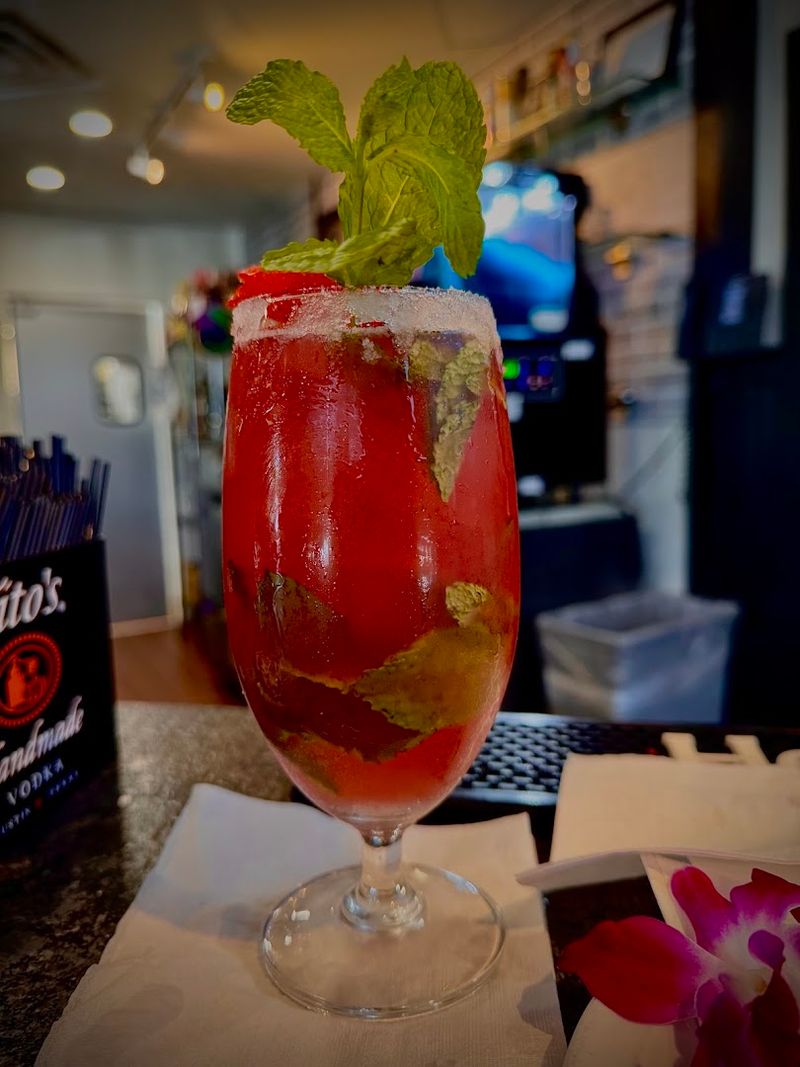
Cornbread is not limited to plates and platters. The attached bar component changes the personality of the restaurant, giving it a second lane that is less about a straight meal and more about easing into the evening with a drink, a starter, and a little more time at the table.
That matters because it pulls the place beyond pure lunch-stop territory.
The cocktail side clearly has its own following. Bellini flights, strong mixed drinks, and a lively bar presence add a playful layer that suits the restaurant’s music-forward identity, especially in a room that already leans polished rather than bare-bones.
Instead of treating beverages like an afterthought, Cornbread uses them to widen the mood from dinner service to social hangout.
Happy hour style offerings help with that transition. A smaller bite like firecracker shrimp can work as an entry point if you are not ready for one of the larger dinner plates, and that flexibility makes the restaurant appealing to different appetites at different hours.
You can approach the menu as a full feast or as a paced-out evening.
There is also a practical benefit to the bar presence. Some soul food restaurants are built almost entirely around quick turnover and full plates, but Cornbread gives you room to think about pacing, drinks, and conversation, which can make a casual weekday visit slide easily into a more celebratory night.
The setting supports birthdays, reunions, and after-work meetups without changing its identity.
For Michigan diners, that blend is a major part of the draw. You are not choosing between a place with great comfort food and a place with a strong social vibe because both are stitched into the same experience.
Cornbread understands that rich food, smooth music, and a capable bar can reinforce each other when the room is tuned correctly.
Hospitality That Moves as Fast as the Dining Room
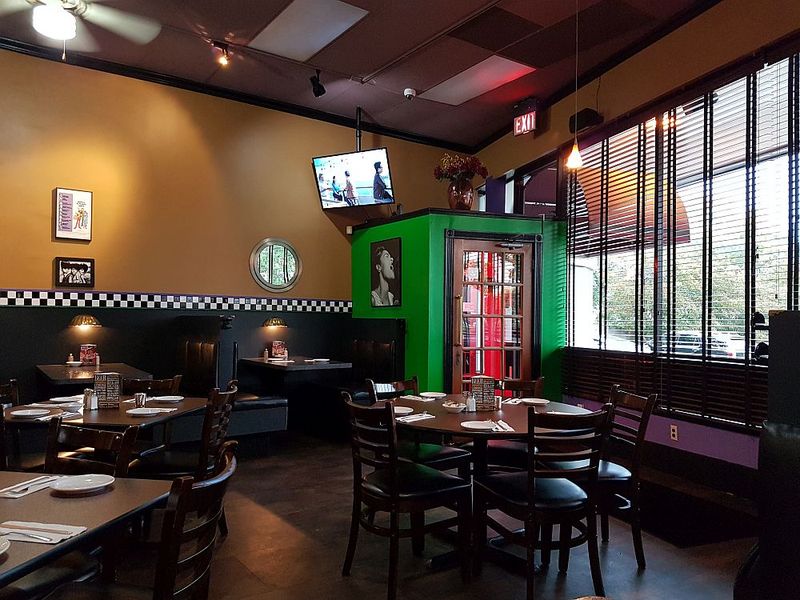
Service is one of the clearest reasons Cornbread has become more than a one-time try. In a restaurant where portions are large, the room can get busy, and the menu has enough variety to invite questions, attentive hospitality is not decorative.
It keeps the experience from tipping into chaos, especially when first-timers are deciding between heavy favorites and daily temptations.
The staff energy comes through in a very specific way. Instead of a stiff, formal script, the service style reads personable, quick, and comfortable with guiding the table, whether that means suggesting an off-menu item, steering someone toward a better fit, or keeping a group celebration moving.
That kind of ease is hard to fake because it depends on people knowing both the menu and the room.
Names surface often around this place, and that is usually a sign that the front of house does not disappear behind the food. Servers and bartenders become part of the rhythm, not by dominating the meal, but by helping it land properly, from greeting to drink pacing to entree timing.
In a high-volume spot, that consistency is a real asset.
The restaurant also seems comfortable handling different kinds of diners. Out-of-towners, birthday groups, brunch returnees, reunion crowds, and solo lunch visitors all appear to fit into the same system without the place losing its balance.
That flexibility matters in Southfield, where a restaurant can draw neighborhood regulars and regional food seekers at the same time.
Good hospitality does something subtle here: it protects the soul food experience from feeling heavy or slow. When the room is moving, a warm welcome and steady table management keep all that richness from becoming exhausting.
Cornbread’s best meals are not just about seasoning or portions – they are about the sense that the staff knows exactly how to carry the weight of the place.
Timing Your Visit Can Change the Whole Experience
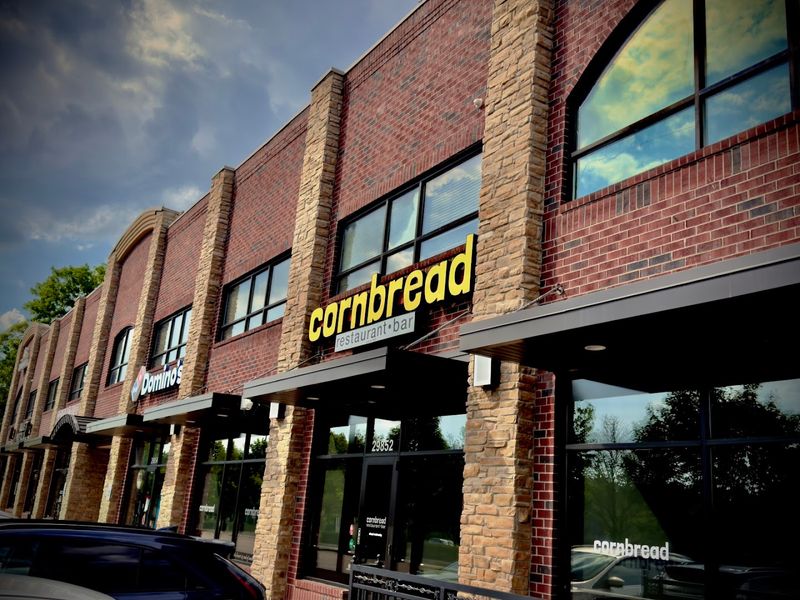
When a restaurant builds real local traction, the smartest move is not just choosing what to order. It is choosing when to show up.
Cornbread’s operating rhythm makes timing especially important, because the mood can swing from calm and spacious to lively and compressed depending on the hour, the day, and whether you are arriving for lunch, dinner, or a weekend gathering.
The first practical note is simple: the restaurant is closed on Wednesdays. On the other six days, doors open at 11:30 AM, with service running until 9 PM most nights and 8 PM on Sunday, which gives you a clear frame for planning but also means popular windows can fill up fast.
Early arrivals are often rewarded with easier parking, less waiting, and a quieter room.
That earlier slot has another advantage. If you want to study the menu, settle into the music, and actually notice the design details instead of navigating peak-hour motion, arriving close to opening gives the restaurant a different texture.
You can ease into the meal rather than being dropped into the busiest part of the evening rush.
Sunday deserves special attention for its own reason. Menu features tied to that day, like cornbread dressing, create a built-in incentive for repeat visits and encourage a more targeted strategy than simply stopping by whenever hunger strikes.
If there is a dish with limited timing, locals tend to organize around it rather than gamble.
So yes, Cornbread works as a spontaneous craving stop, but it rewards a little planning. Think about whether you want a quick lunch special, a social dinner with drinks, or a quieter first visit where the room has breathing space and the kitchen still has full momentum.
At a place this popular, timing is not a minor detail – it is part of the experience design.
Why This Southfield Address Earns Fierce Loyalty
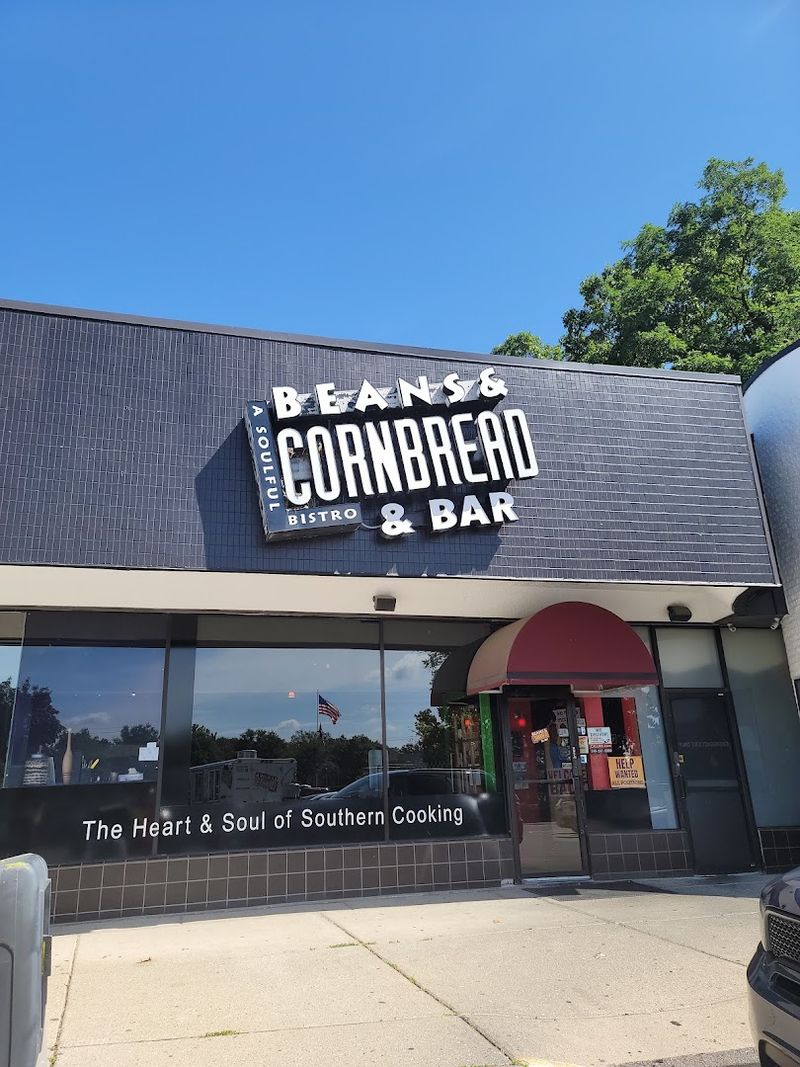
Plenty of restaurants get praise for big portions or upbeat service. Fewer manage to create the kind of local attachment that makes diners talk about the place as part of their routine, their celebration circuit, and their out-of-town recommendations all at once.
Cornbread Restaurant & Bar sits in that narrower category because it combines comfort, style, and consistency in a way that covers more than one craving.
The food is central, of course, but not narrowly so. This is a restaurant where the cornbread matters, the greens matter, the fried items matter, the drinks matter, and the pacing of the room matters, which means loyalty is built across layers rather than pinned to one famous plate.
That kind of structure is stronger than a single signature dish carrying the whole reputation.
Location helps, too. Set on Northwestern Highway in Southfield, the restaurant is positioned to pull from the local area while also catching diners passing through metro Detroit looking for a meal with some personality.
It works as a neighborhood destination and a regional food stop, which is a useful combination for long-term staying power.
There is also a cultural confidence to the place. The sleek room, the music, the attached bar, and the unapologetically hearty menu all suggest a business that knows exactly what it wants to be instead of chasing every dining trend that passes through.
That clarity gives the experience shape, and shape is what turns a meal into a habit.
So when locals hold onto Cornbread with a little extra protectiveness, it makes sense. They are not just defending a convenient lunch spot or a pretty dining room.
They are defending a restaurant that understands soul food as a full experience – abundant, social, flavorful, polished, and timed to bring people back for another round as soon as the plates are cleared.
Share this story