Tennessee offers incredible experiences that won’t empty your wallet. From cascading waterfalls to historic landmarks, the Volunteer State packs adventure into every corner without demanding a fortune.
Whether you’re exploring ancient caves or standing inside a full-scale Greek temple, these budget-friendly spots prove that memorable moments don’t require big spending.
1. Cummins Falls State Park – Cookeville
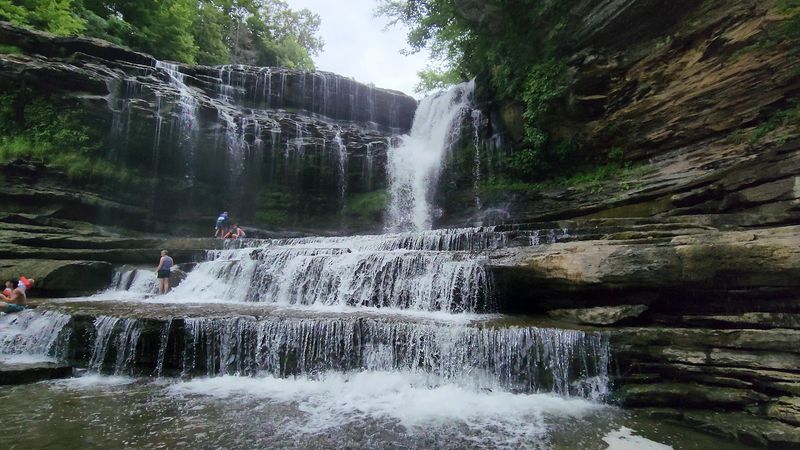
Water rushes over layered rock formations before plunging 75 feet into a swimming hole that feels like nature’s own water park. The hike down takes about 45 minutes through forest trails that wind alongside the Blackburn Fork State Scenic River.
Your legs will feel the burn, but the payoff waiting at the bottom makes every step worthwhile.
Summer weekends bring crowds eager to cool off in the clear pools beneath the falls. Arriving early means claiming a prime sunbathing spot on the smooth boulders that line the water’s edge.
The current stays gentle enough for families, though wearing water shoes helps navigate the slippery rocks.
Park admission runs around $5 per adult, keeping this natural wonder accessible for everyone. The moderate trail difficulty means kids over eight typically handle it well with breaks.
Pack snacks and plenty of water since the climb back up demands energy you’ll want to have stored.
Rangers monitor capacity during peak season to protect both visitors and the environment. Reservations through the state park system guarantee entry when demand runs high.
This waterfall adventure delivers Instagram-worthy views without the tourist-trap pricing found elsewhere.
2. Burgess Falls State Park – Sparta
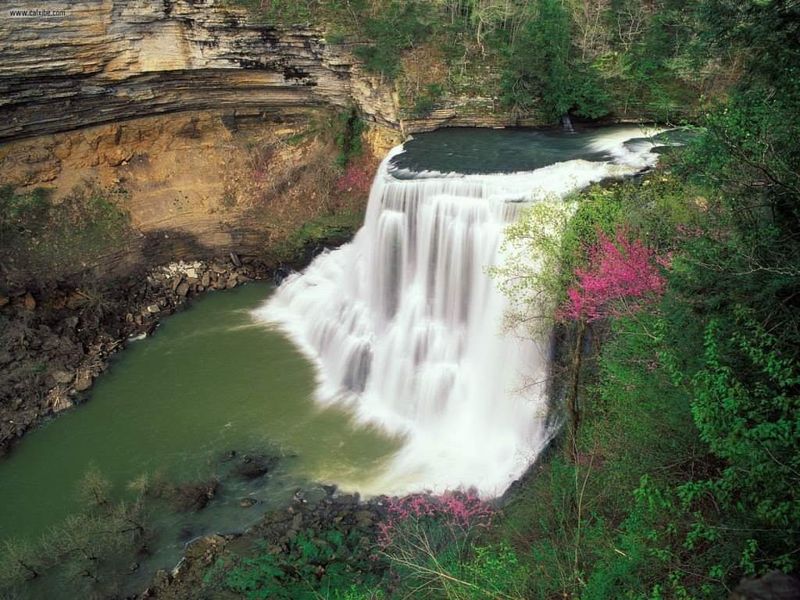
Four waterfalls stack up along the Falling Water River, each one building anticipation for the grand finale. The main cascade drops 136 feet into a misty gorge that echoes with thundering water.
A paved pathway makes the first three falls accessible for strollers and wheelchairs, proving adventure doesn’t require rugged terrain.
The final waterfall demands a steeper descent down stone steps, but the overlook platform provides front-row seats to nature’s power show. Rainbows dance in the spray on sunny afternoons, creating photo opportunities that look professionally filtered.
Spring runoff amplifies the drama, while fall foliage frames the cascades in gold and crimson.
Admission stays completely free, making this one of Tennessee’s best entertainment bargains. The entire loop trail covers just over a mile if you tackle all four falls.
Families typically spend two hours exploring, though photographers could easily lose a whole afternoon chasing perfect shots.
Picnic areas near the entrance let you extend the visit without spending extra cash. The park sees fewer visitors than its more famous neighbors, meaning peaceful moments by the water come easier.
Wildlife sightings include herons, kingfishers, and occasionally deer browsing near the upper trails.
3. Rock Island State Park – Rock Island
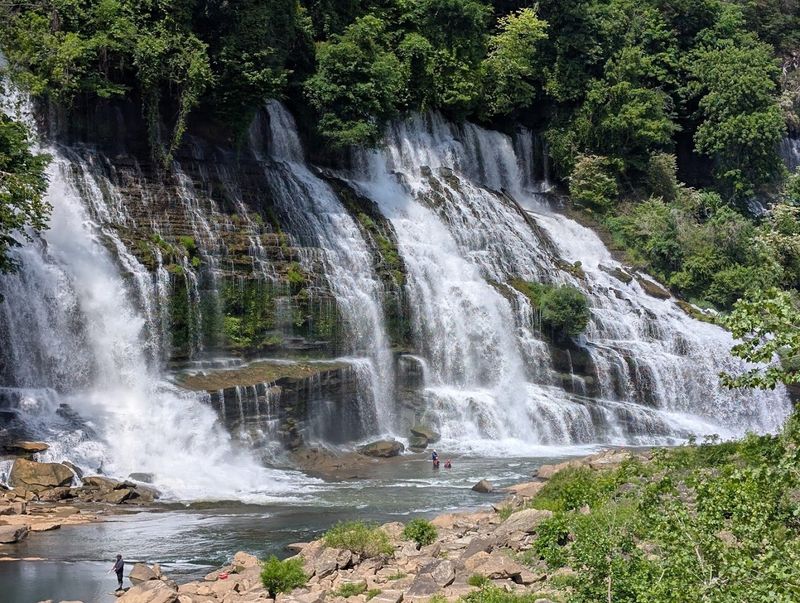
Where three rivers collide, waterfalls tumble into gorges that kayakers navigate like liquid roller coasters. Twin Falls splits around a rocky island before rejoining in a pool that shifts from emerald to sapphire depending on the light.
The Caney Fork River carves through limestone, creating swimming holes deep enough for cliff jumping where conditions allow.
Hiking trails range from easy riverside strolls to challenging climbs that reward effort with panoramic views. The old cotton mill ruins add historical texture to the natural beauty, reminding visitors that industry once harnessed these same powerful currents.
Interpretive signs explain how the area shaped regional development.
Day use costs less than a movie ticket, yet delivers hours of exploration across 883 acres. Anglers cast for bass and trout from rocky outcrops, while paddlers launch kayaks into Class II rapids.
Summer brings tubers floating the calmer sections, their laughter echoing off canyon walls.
Camping facilities keep overnight costs minimal for those wanting extended stays. The park maintains a low-key vibe despite offering high-impact scenery.
Local outfitters rent equipment nearby, though many visitors bring their own gear and enjoy the freedom of unscheduled adventure.
4. The Parthenon – Nashville
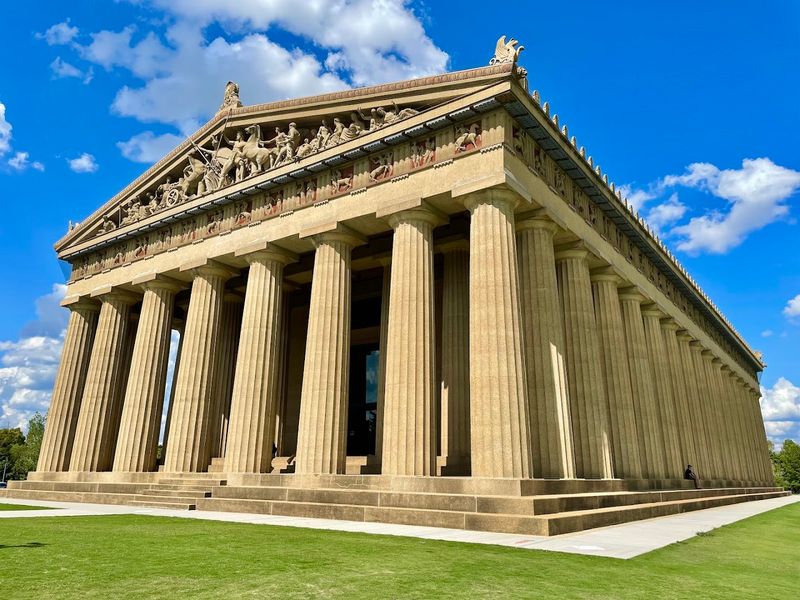
Nashville built a full-scale replica of the ancient Greek temple, and somehow it doesn’t feel out of place. Standing in Centennial Park, this architectural marvel houses the tallest indoor sculpture in the Western Hemisphere.
Athena Parthenos towers 42 feet high, gilded in gold leaf and commanding attention from every angle.
The building originally served as the centerpiece for Tennessee’s 1897 Centennial Exposition. What started as a temporary plaster structure got rebuilt in permanent concrete because locals couldn’t imagine their skyline without it.
Now it functions as an art museum featuring 19th and 20th-century American paintings in the upstairs galleries.
Admission runs under $10 for adults, with kids getting even better rates. The collection rotates regularly, giving repeat visitors fresh reasons to return.
Guided tours reveal details about both the Greek original and Nashville’s unique version, including why certain design choices were made.
Outside, the surrounding park offers free green space perfect for picnics before or after your visit. The reflection pool provides classic photo angles, especially during golden hour when the columns glow warm.
This quirky cultural landmark proves Nashville’s creative spirit extends far beyond country music, blending education with accessible entertainment.
5. Tennessee State Museum – Nashville
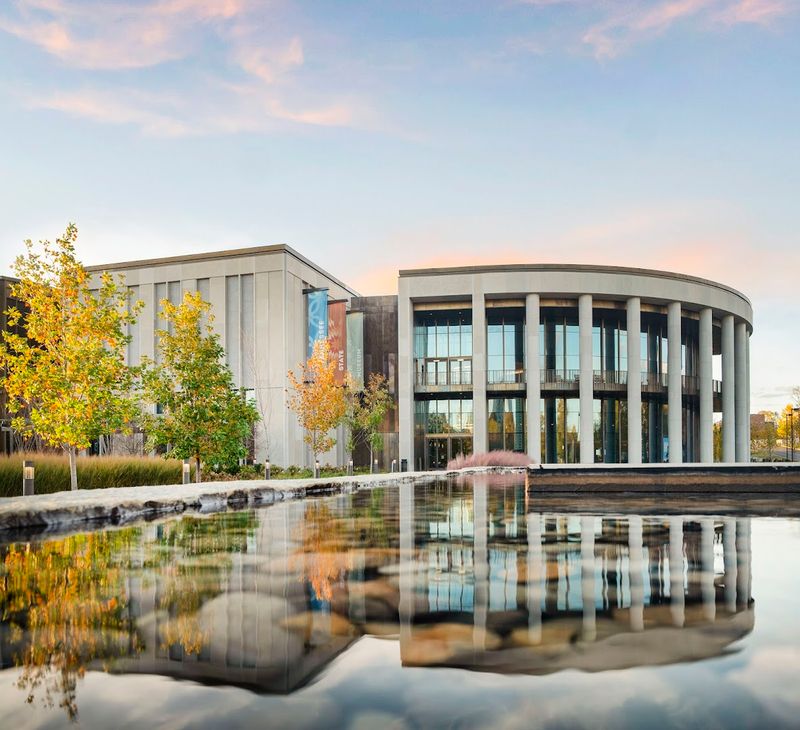
History unfolds across 120,000 square feet without charging admission, making this one of the state’s most generous cultural offerings. Exhibits trace Tennessee’s story from prehistoric times through modern era, with artifacts that bring textbook facts to life.
A massive mastodon skeleton greets visitors in the lobby, setting expectations for the treasures waiting inside.
Civil War galleries display uniforms, weapons, and personal letters that humanize the conflict beyond battle statistics. The music section celebrates Tennessee’s outsized influence on American sound, from blues origins to rock pioneers.
Interactive displays let kids engage hands-on rather than just reading placards.
The museum relocated to this modern facility in 2018, upgrading from cramped quarters to spacious halls flooded with natural light. Temporary exhibitions supplement the permanent collection, covering topics from suffrage movements to agricultural innovation.
Spending three hours here barely scratches the surface of available content.
Location in downtown Nashville means easy pairing with other free attractions like Bicentennial Capitol Mall. The museum store sells locally made crafts and books without pushy sales tactics.
Weekday mornings see lighter crowds, allowing closer inspection of detailed dioramas and artifact cases that reward patient observation.
6. Bicentennial Capitol Mall State Park – Nashville
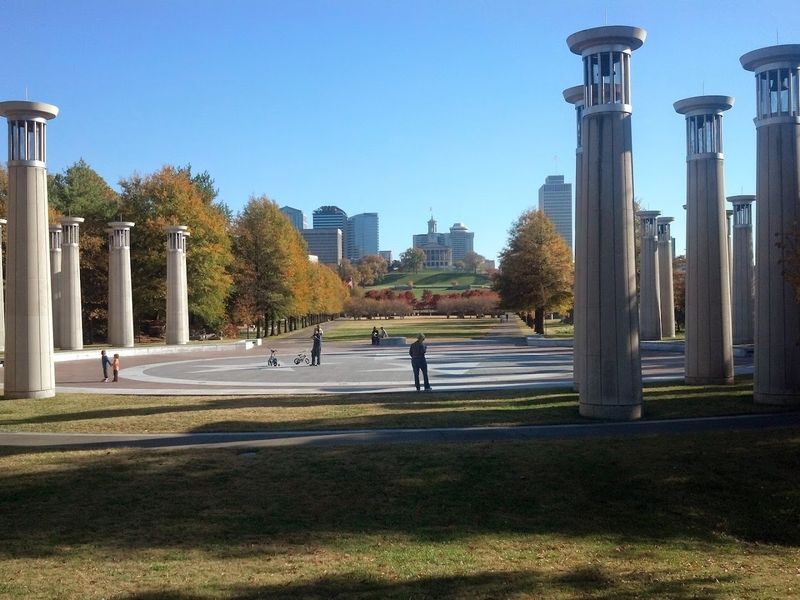
A 19-acre urban park doubles as an outdoor history classroom, with monuments and features celebrating Tennessee’s 200th birthday. The massive granite map of Tennessee lets you walk across the entire state in seconds, with rivers carved in flowing water.
Ninety-five bells in the carillon tower chime melodies that drift across downtown.
The World War II Memorial fountain shoots 200 jets synchronized to patriotic music during scheduled shows. Each of Tennessee’s 95 counties gets represented by a limestone column, creating a ceremonial pathway that photographs beautifully.
The Pathway of History timeline uses markers to highlight significant state events from 1796 forward.
Admission costs nothing, and the park stays open from dawn to dusk year-round. Families spread blankets for picnics while enjoying views of the State Capitol building looming above.
The amphitheater hosts free concerts during summer months, drawing locals who know this hidden gem.
Kids love the interactive elements, from splashing in fountains to discovering hidden details in the various memorials. The park connects to downtown greenways, extending walking options for those wanting longer outings.
Street parking nearby runs cheap or free depending on timing, keeping the entire experience budget-friendly from start to finish.
7. Radnor Lake State Park – Nashville
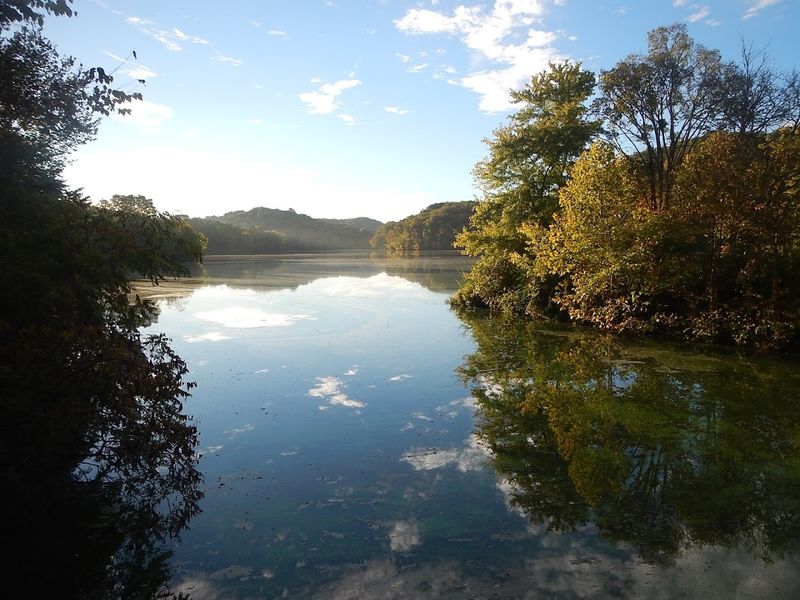
An 85-acre lake sits cradled in forested hills just minutes from Nashville’s urban sprawl, offering an escape that feels miles from civilization. Six miles of trails loop around the water and climb into surrounding ridges where views stretch across the preserve.
The park prohibits swimming, boating, and pets, maintaining tranquility that attracts serious nature lovers.
Over 240 bird species have been recorded here, making it a magnet for birders armed with binoculars and field guides. White-tailed deer browse openly, accustomed to human presence but wild nonetheless.
Great blue herons stalk the shallows while beavers engineer dams in feeder creeks.
The park charges zero admission and provides free parking, removing all financial barriers to entry. Trails range from easy lakeside paths to strenuous climbs that test cardiovascular fitness.
Early morning visits offer the best wildlife viewing before day-trippers arrive.
The visitor center features exhibits about local ecosystems and conservation efforts that saved this land from development. Rangers lead occasional guided hikes that reveal details casual walkers might miss.
This protected space proves that valuable experiences don’t require price tags, just willingness to step into nature’s classroom and pay attention.
8. Lookout Mountain Incline Railway – Chattanooga
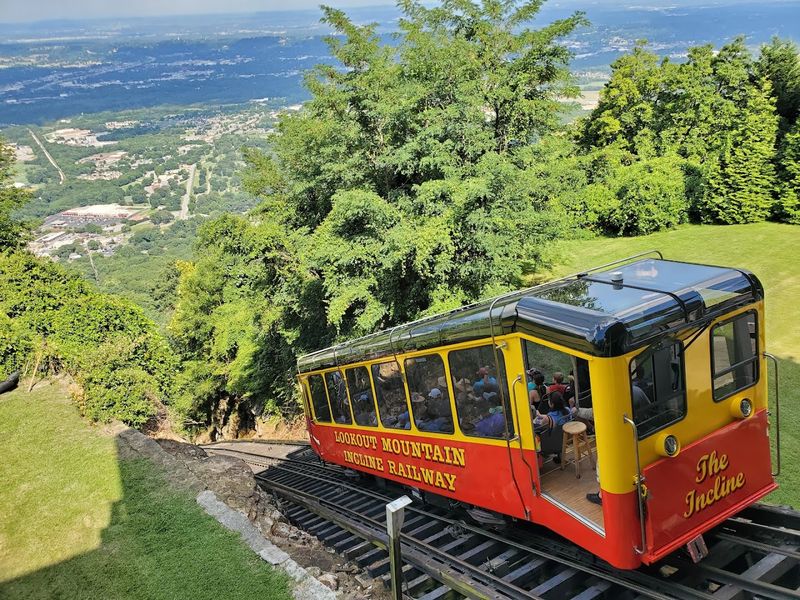
The steepest passenger railway in America climbs Lookout Mountain at a 72.7-percent grade that feels impossible until you’re riding it. The cable car hauls visitors up a mile-long track, rising 1,700 feet while offering views that expand with every passing second.
What started in 1895 still operates using the original route, though modern safety upgrades keep the experience secure.
Tickets run around $18 for adults, sliding just under the budget threshold for this mechanical marvel. The ride takes about 15 minutes each direction, but the real value comes from what awaits at the summit.
Ruby Falls and Rock City sit within easy reach, though even without visiting those paid attractions, the mountaintop views justify the trip.
The lower station features historical displays about the railway’s construction and the engineers who made it possible. Original wooden cars got replaced decades ago, but the vintage aesthetic remains.
Riding at sunset transforms the experience as city lights begin twinkling in the valley below.
Combination tickets with other Lookout Mountain attractions offer savings for those planning multiple stops. The railway operates year-round except for occasional weather closures.
This engineering achievement delivers thrills without the stomach-dropping terror of modern amusement rides, appealing to multiple generations simultaneously.
9. Raccoon Mountain Caverns – Chattanooga
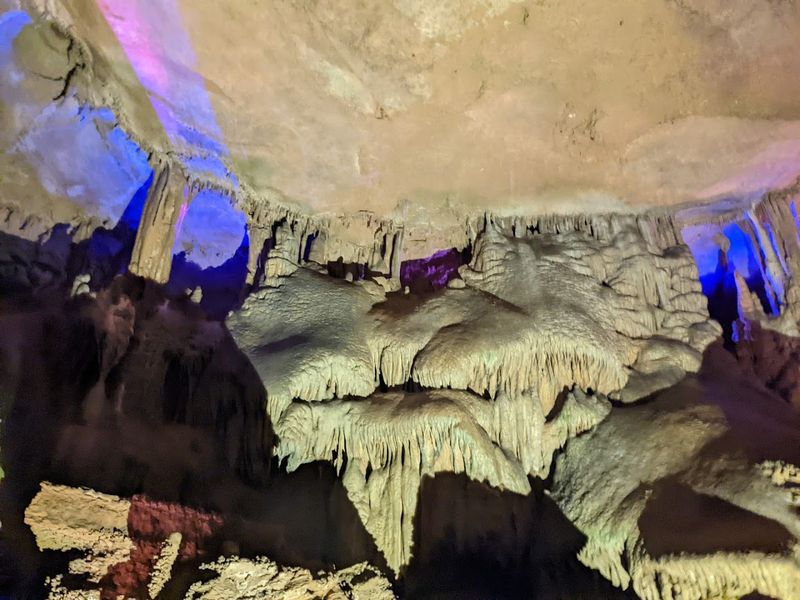
Underground passages wind through limestone that took millions of years to sculpt into otherworldly formations. The walking cave tour stays accessible for most fitness levels, following developed pathways through rooms where stalactites and stalagmites perform their eternal slow-motion dance.
Temperature holds steady around 60 degrees year-round, providing natural air conditioning during Tennessee summers.
Tour prices typically land under $20, making this subterranean adventure an affordable alternative to pricier entertainment options. Guides share geological explanations mixed with local legends about moonshiners who once used the caves for illicit activities.
The lighting system highlights formations with dramatic effect while maintaining the cave’s mysterious atmosphere.
Above ground, the property offers additional activities like gemstone mining and a climbing tower for those wanting to extend their visit. The caverns stay actively forming, meaning the landscape shifts imperceptibly between visits spanning decades.
Certain tours venture deeper into wild cave sections for adventurers seeking muddy challenges.
Advance reservations ensure spot availability during busy weekends when families flock to escape heat or rain. The cave maintains accessibility features that some natural attractions lack, including handrails and even surfaces.
This underground world reveals Tennessee’s hidden depths, proving the state’s best features don’t all exist beneath open sky.
10. Lost Sea Adventure – Sweetwater
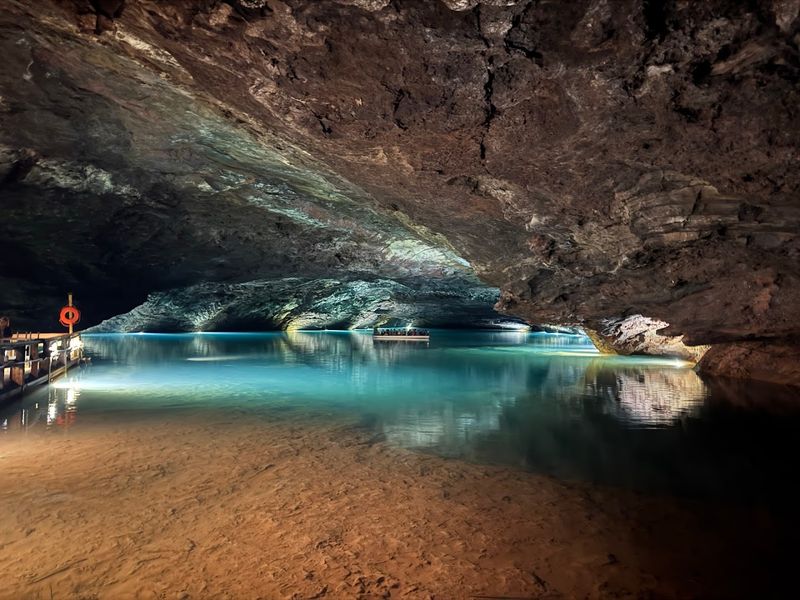
America’s largest underground lake stretches across 4.5 acres, though the full extent remains unmapped and possibly much larger. Glass-bottom boat tours glide across water so clear that trout swimming below appear suspended in air.
The cave system above the lake showcases formations named by imaginative guides who saw everything from frozen waterfalls to sleeping dragons in the limestone.
Admission hovers right around $20 for adults, delivering exceptional value for the guided experience and boat ride included. The tour descends through cavern rooms used by Cherokee Indians and later by Confederate soldiers who mined the cave for saltpeter.
Historical graffiti from the 1800s still marks walls in certain passages.
The temperature stays comfortable regardless of outside weather, making this an ideal rainy-day destination. Tours run continuously throughout operating hours, minimizing wait times even during peak season.
The lake portion lasts about 20 minutes, though the entire experience including the walk through upper caverns takes roughly an hour.
Kids find the boat ride especially thrilling, and the lake’s stocked rainbow trout provide guaranteed wildlife sightings. Above-ground nature trails and a village with gemstone mining add bonus activities.
This natural wonder combines education with adventure, proving geology doesn’t have to be boring when presented with enthusiasm and wonder.
11. Pinson Mounds State Archaeological Park – Pinson
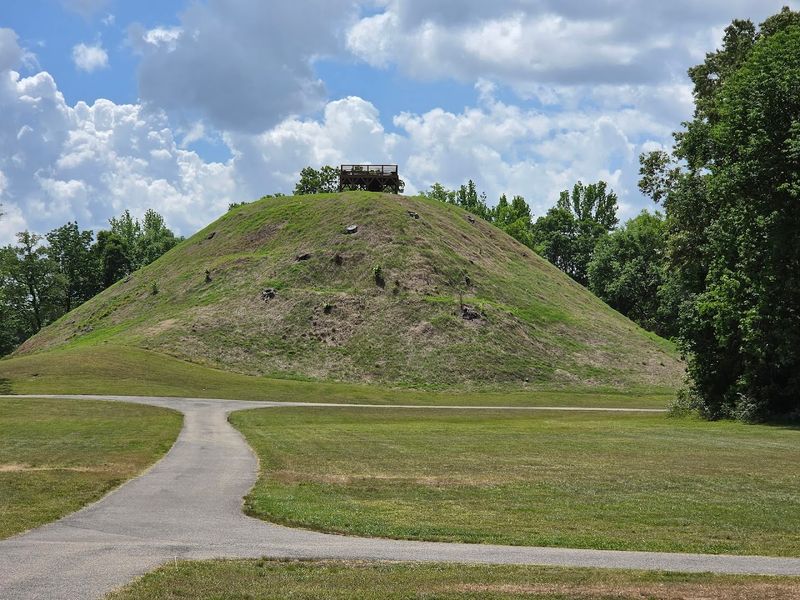
Ceremonial earthworks built by Native Americans between 1 and 500 CE rise from flat farmland like enigmatic sculptures. Sauls Mound stands 72 feet tall, ranking among the tallest structures from the Middle Woodland period in the United States.
Walking among these ancient constructions sparks questions about the societies that invested tremendous labor into their creation.
The park charges no admission, opening this archaeological treasure to anyone curious about pre-Columbian cultures. A museum near the entrance displays artifacts excavated from the site, including pottery, tools, and ornaments that reveal sophisticated craftsmanship.
Interpretive exhibits explain current theories about the mounds’ purposes, from burial sites to astronomical observatories.
Six miles of trails wind through the 1,200-acre park, connecting various mound groups and passing through hardwood forests. The flat terrain makes hiking easy for all ages, though the scale of the site means covering everything requires several hours.
Picnic facilities let visitors settle in for extended exploration without rushing.
This site sees fewer tourists than more publicized Tennessee attractions, creating contemplative experiences without crowds. The park hosts occasional archaeological programs where experts share ongoing research findings.
Standing atop these earthworks connects present to distant past, reminding us that Tennessee’s human history stretches back millennia before European contact.
12. Andrew Johnson National Historic Site – Greeneville
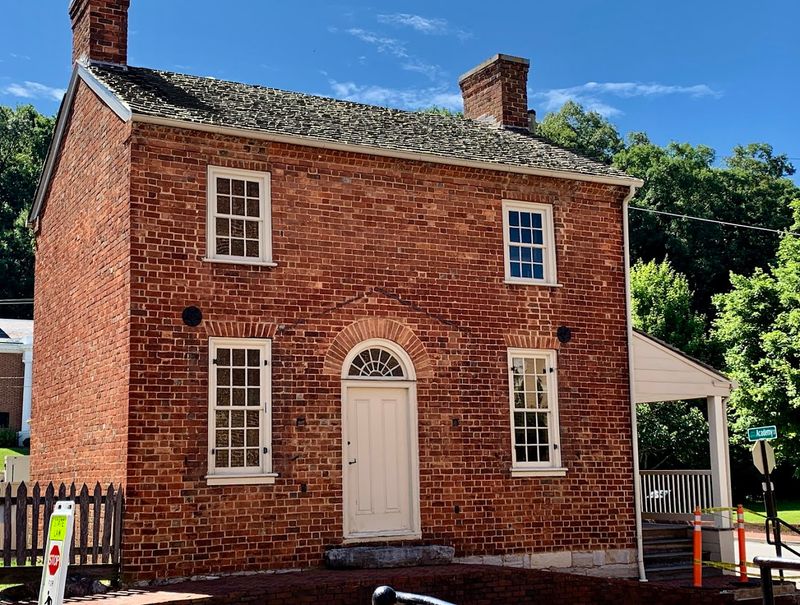
The 17th president’s story unfolds through preserved buildings where Andrew Johnson lived and worked before ascending to the nation’s highest office. His tailor shop still stands downtown, a modest brick structure where he stitched clothes while developing political ambitions.
The homestead reveals the domestic life of a man who rose from poverty to the presidency, only to face impeachment.
Admission costs nothing, making this an accessible history lesson about a controversial figure who assumed office after Lincoln’s assassination. Rangers lead tours through the rooms where Johnson and his family navigated personal and political storms.
The site doesn’t shy from his complicated legacy, presenting facts and letting visitors draw their own conclusions.
Johnson’s grave sits in the nearby national cemetery, marked by a monument topped with an eagle and draped flag. The visitor center features exhibits about Reconstruction and the impeachment trial that nearly removed him from office.
Original furnishings and personal items humanize a president often reduced to historical footnotes.
The site occupies a compact area walkable in under two hours, though history enthusiasts could spend longer absorbing details. Greeneville’s downtown surrounds the historic buildings, offering additional exploring opportunities.
This under-visited presidential site provides perspective on a tumultuous period when the nation struggled to reunify after civil war.
13. Mousetail Landing State Park – Linden
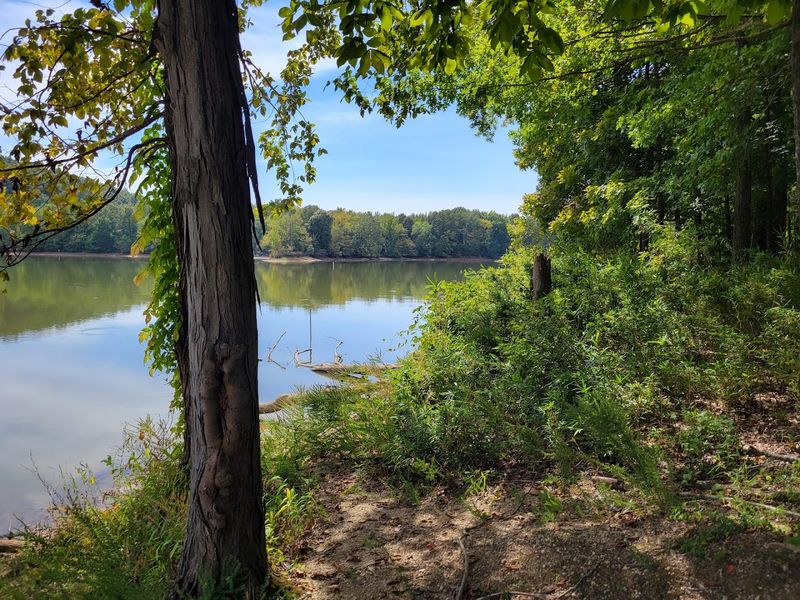
The Tennessee River curves through this quiet park where legend claims the name originated from barrels of moonshine stored in riverside caves. Whether that story holds truth or not, the park delivers riverside recreation without entrance fees.
Boat ramps provide river access for anglers chasing catfish, bass, and crappie in productive waters.
Hiking trails explore forested bluffs overlooking the river, offering elevated perspectives on the waterway that shaped regional commerce and culture. Spring wildflowers carpet the understory, while fall brings leaf colors that rival more famous foliage destinations.
The trails stay relatively empty even on nice weekends, appealing to those seeking solitude.
Camping facilities keep overnight costs minimal for visitors wanting extended river time. Picnic areas with grills dot the shoreline, perfect for fish fries featuring the day’s catch.
The park maintains a rustic character, prioritizing natural experiences over developed amenities.
Birdwatchers scan the river for eagles, ospreys, and various waterfowl depending on season. The park’s remote location means darker night skies better for stargazing than urban areas allow.
This hidden gem proves that free admission doesn’t mean inferior experiences, just fewer crowds and more opportunities for personal discovery along Tennessee’s historic waterways.
14. Fall Creek Falls State Park – Spencer
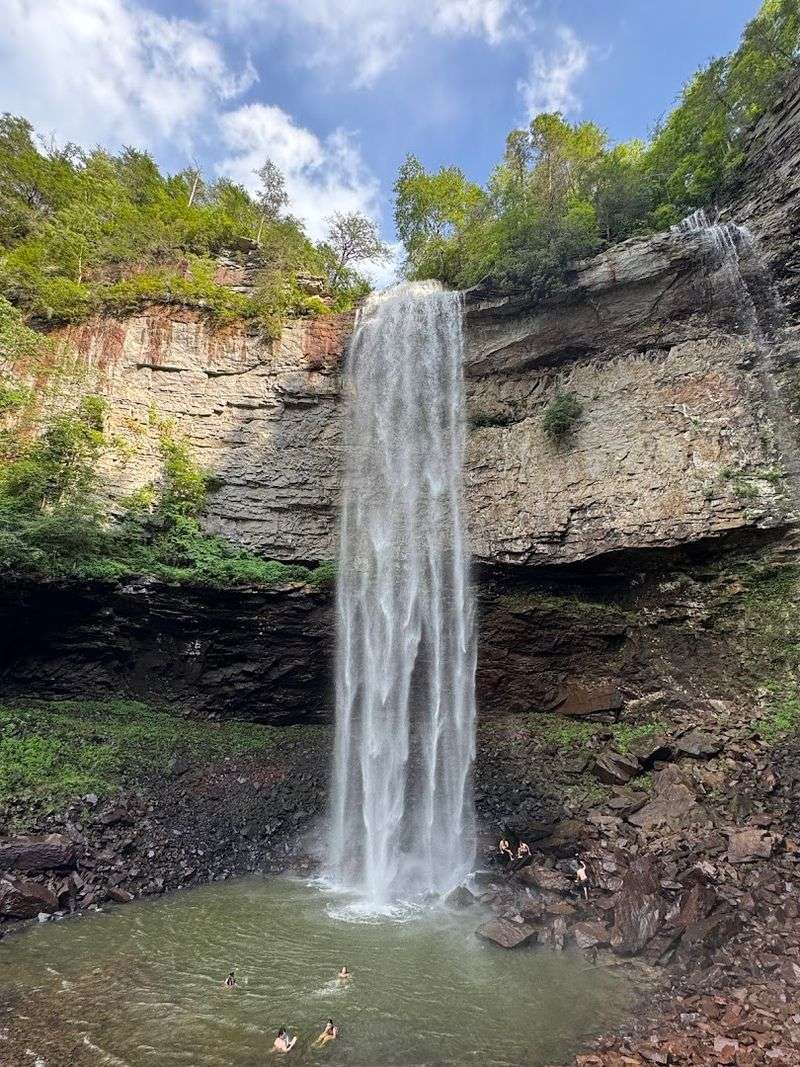
Tennessee’s highest waterfall plunges 256 feet into a misty gorge that echoes with constant thunder. The main cascade anchors a park containing several other significant waterfalls, each impressive enough to headline lesser preserves.
Over 30 miles of trails network through 26,000 acres of Cumberland Plateau wilderness, offering everything from easy overlook walks to challenging backcountry routes.
Day use admission stays free, though some activities like swimming pool access carry small fees. The overlook platform provides wheelchair-accessible views of the main falls, ensuring everyone can witness this natural spectacle.
Photographers circle through multiple viewpoints chasing different lighting conditions and seasonal variations.
Cane Creek Cascades, Piney Falls, and Cane Creek Falls create a waterfall circuit that justifies full-day visits. Swimming holes near certain cascades offer refreshing rewards after hiking humid summer trails.
The park maintains a nature center with exhibits about local geology, flora, and fauna.
Overnight camping and cabins extend visits for those wanting immersive nature experiences. Mountain biking trails challenge riders with technical terrain and elevation changes.
This crown jewel of Tennessee’s state park system delivers world-class scenery without the price tags attached to private attractions, proving that the state’s most spectacular features remain accessible to everyone regardless of budget.
Share this story