Stretching a retirement budget does not have to mean giving up comfort, community, or the simple pleasure of living somewhere that still feels lively, practical, and welcoming, and that is exactly why Oklahoma deserves a serious look if you are hoping to make $1,800 a month go further than you thought possible.
Across the state, you can still find cities where housing costs tend to stay below the national radar, everyday expenses feel manageable, and essentials like groceries, healthcare access, parks, and local events help create a lifestyle that feels stable instead of stressful, which matters even more when every monthly dollar has a job to do.
What makes these Oklahoma cities especially interesting is that they are not all tiny or isolated places, either, because some offer college town energy, some bring bigger city conveniences, and others give you that calmer pace many retirees want without cutting you off from shopping, medical care, and the kind of community connections that make a place feel like home. If you are trying to picture where your money might last longer while still leaving room for dinners out, morning coffee runs, local festivals, and a little breathing room in the budget, these 11 Oklahoma cities are worth your attention.
1. Ardmore
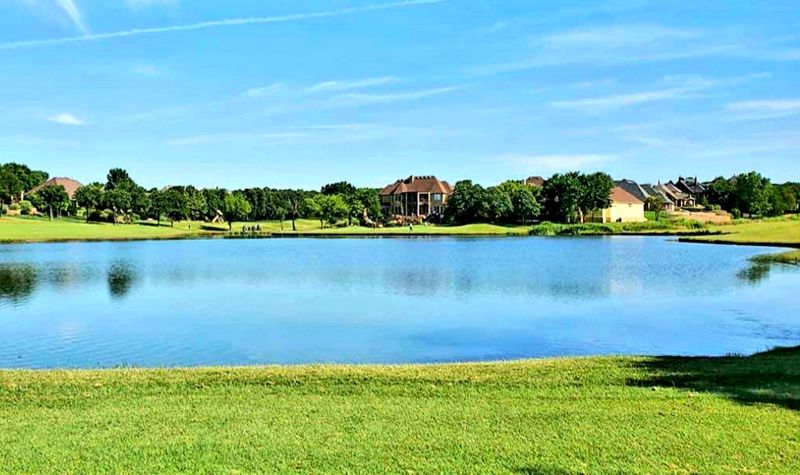
If keeping monthly costs steady is your biggest priority, this southern Oklahoma option deserves a hard look.
Ardmore gives you a smaller city feel with enough shopping, medical services, and daily conveniences to avoid constant long drives.
For a retiree trying to live on $1,800 a month, that balance can make everyday life feel much less stressful.
Housing is one reason Ardmore stands out.
Home prices and rents have often stayed more approachable than in larger metro areas, and utility costs can feel manageable when you choose a modest place.
That means more room in the budget for groceries, prescriptions, gas, and the occasional meal out instead of watching every dollar disappear into housing.
Another advantage is location.
Ardmore sits between Oklahoma City and the Dallas-Fort Worth area, so you are not cut off from bigger city amenities when you want a special shopping trip, major medical appointment, or family visit.
At the same time, daily life tends to move at a calmer pace, which many retirees find appealing after years of packed schedules.
You will also find local parks, community events, and a walkable downtown area that gives the city some personality.
Lake Murray State Park nearby adds another layer of value if you enjoy scenic drives, fishing, or just spending a low-cost afternoon outside.
Retirement on a budget feels easier when entertainment does not have to be expensive.
Healthcare access matters too, and Ardmore offers regional medical services that can reduce the need for frequent travel.
That convenience can save both money and energy over time, especially if regular appointments are part of your routine.
When you put it all together, Ardmore offers the kind of practical affordability that can help your retirement dollars feel dependable month after month.
2. Shawnee
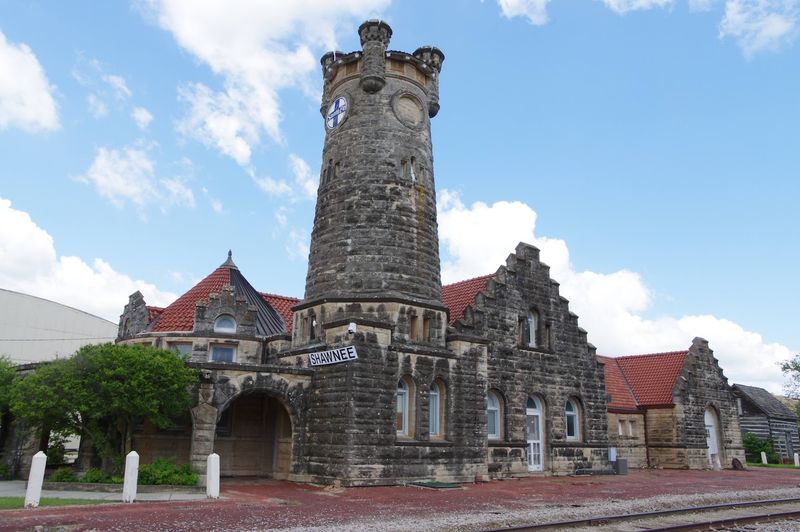
For retirees who want affordability without feeling isolated, this central Oklahoma city makes a convincing case.
Shawnee has enough size to support healthcare, retail, and local dining, yet it still keeps a grounded, less hectic feel than the biggest urban centers.
If you are aiming to live on $1,800 a month, that middle ground can be very attractive.
Housing tends to be one of Shawnee’s strongest advantages for budget-minded retirees.
Modest homes, apartments, and smaller rentals can often come in below what you would expect in many other parts of the country, which helps protect your monthly cash flow.
When shelter costs stay reasonable, you gain flexibility for bills, medication, insurance, and the little extras that make life enjoyable.
Shawnee also benefits from being close enough to Oklahoma City for day trips or specialist appointments without forcing you to pay metro prices every month.
That makes it easier to enjoy bigger city conveniences while keeping your home base more affordable.
You get access without carrying the full cost of living that usually comes with larger markets.
The community itself has a friendly, local rhythm that many retirees appreciate.
There are parks, neighborhood events, and a downtown area with enough character to keep routine errands from feeling dull.
Oklahoma Baptist University adds a bit of energy to the city, too, which can support arts events and educational opportunities you might enjoy.
Another plus is that Shawnee offers practical daily shopping and services close at hand.
You are not forced into long drives for basic needs, and that can save real money over the course of a year.
If your retirement goal is simple living with dependable costs and access to what matters most, Shawnee deserves a place on your shortlist.
3. Bartlesville

If you like the idea of a tidy, manageable city with a touch of culture, this northeastern Oklahoma community is worth attention.
Bartlesville offers a polished feel without the overwhelming pace or pricing of a major metro, which can be a strong combination in retirement.
For a monthly budget around $1,800, that practical elegance matters more than you might expect.
Housing costs in Bartlesville can be one of its biggest appeals.
You may find homes and rentals that feel accessible compared with many national markets, especially if you are downsizing or want a simple place that is easy to maintain.
Lower housing pressure leaves more room for healthcare, food, fuel, and unexpected expenses that always seem to show up.
The city also has a stronger cultural profile than some similarly sized places.
From local arts to historic architecture and community activities, Bartlesville feels a little more layered than a basic low-cost stop on the map.
That can make your retirement feel fuller without demanding a bigger spending plan every month.
Daily life is helped by the city’s practical layout and available services.
Shopping, parks, restaurants, and medical care are all part of the local mix, and that convenience can save both time and gas.
It is easier to live within a budget when your routine does not require constant driving or pricey entertainment.
Bartlesville also benefits from its location in a scenic part of the state, with access to outdoor spaces and a calmer pace.
You can enjoy a quiet afternoon, meet friends for coffee, or explore local events without feeling pressured to spend heavily.
If you want an Oklahoma retirement city that mixes affordability, order, and a little cultural polish, Bartlesville is a smart contender.
4. Broken Arrow
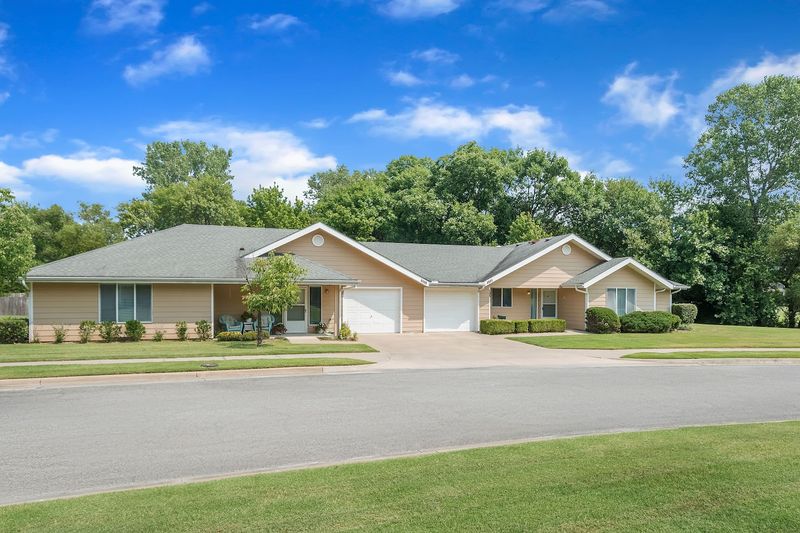
When you want suburban comfort without stepping fully into the highest-cost part of the region, this Tulsa-area city becomes very appealing.
Broken Arrow gives you access to strong amenities, shopping, and healthcare while often feeling more residential and manageable than a bigger downtown environment.
That mix can work surprisingly well for retirees watching every monthly expense.
Living on $1,800 a month here may require more careful housing choices than in some smaller Oklahoma cities, but the value comes from what surrounds you.
You are near major services, a wide range of stores, and medical options that reduce the need for long, expensive trips.
For retirees who prioritize convenience, that can offset a somewhat higher price point.
Another reason Broken Arrow stands out is the quality of life.
Parks, community spaces, and organized local events help create a pleasant routine that does not depend on costly entertainment.
If you enjoy having options for dining, walking, shopping, or seeing family without dealing with the stress of a huge city every day, this place can feel like a sweet spot.
The city also tends to appeal to retirees who want a safer, settled suburban atmosphere.
Streets often feel orderly, neighborhoods are established, and errands can be handled efficiently.
That kind of predictability is valuable when you are managing a fixed income and trying to avoid unnecessary financial surprises.
Because Broken Arrow sits so close to Tulsa, you also gain access to larger-city attractions when you want them.
Museums, specialty healthcare, airports, and bigger entertainment options are within reach, but your daily life can remain more relaxed.
If your version of affordable retirement includes convenience, suburban stability, and regional access, Broken Arrow earns serious consideration.
5. Stillwater
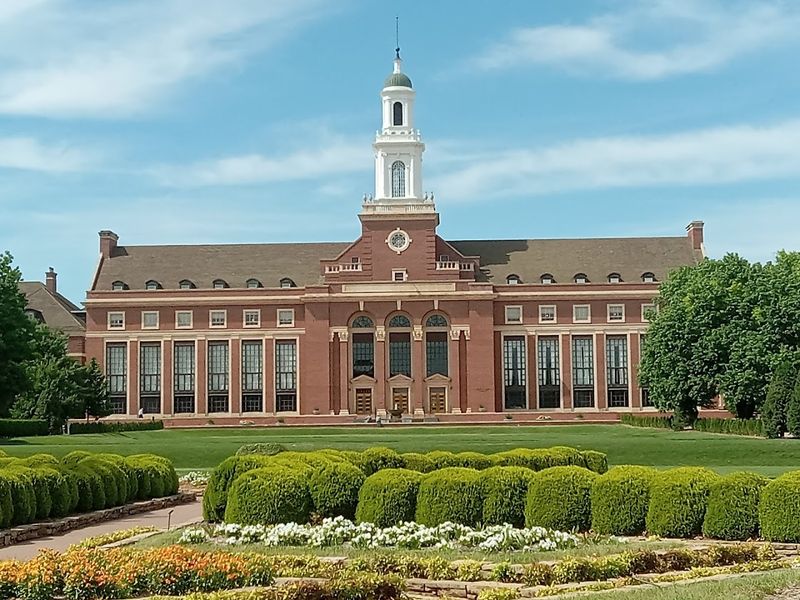
For retirees who like a little energy in the background, this college town offers a different kind of value.
Stillwater combines manageable living costs with the benefits that often come from a university presence, including events, lectures, sports, and a steady rhythm of activity.
That can make retirement feel engaged rather than sleepy while still respecting a modest budget.
Housing in Stillwater may not be the cheapest in Oklahoma, but smaller homes, condos, and rentals can still be realistic for retirees who plan carefully.
The key advantage is that you are paying for a place with strong amenities and a community that feels active year-round.
If you want your $1,800 a month to support both practicality and stimulation, that matters.
Oklahoma State University gives the city much of its identity, and that can work in your favor.
College towns often have better dining, healthcare access, public events, and cultural opportunities than other cities of similar size.
You might enjoy concerts, museum visits, or simply people-watching in a lively environment without spending much.
Stillwater also offers parks, walking areas, and everyday shopping that support a comfortable routine.
You do not have to sacrifice convenience to enjoy a smaller city setting, and that can save both money and effort as the years go on.
A retiree budget stretches further when errands are easy and low-cost recreation is close by.
There is also something refreshing about living in a place with visible community spirit.
Football weekends, local businesses, and campus activity keep the city from feeling stagnant, even if you are not a sports fan.
If you want affordable retirement with a bit of college town vibrancy and practical access to services, Stillwater is a compelling choice.
6. Norman
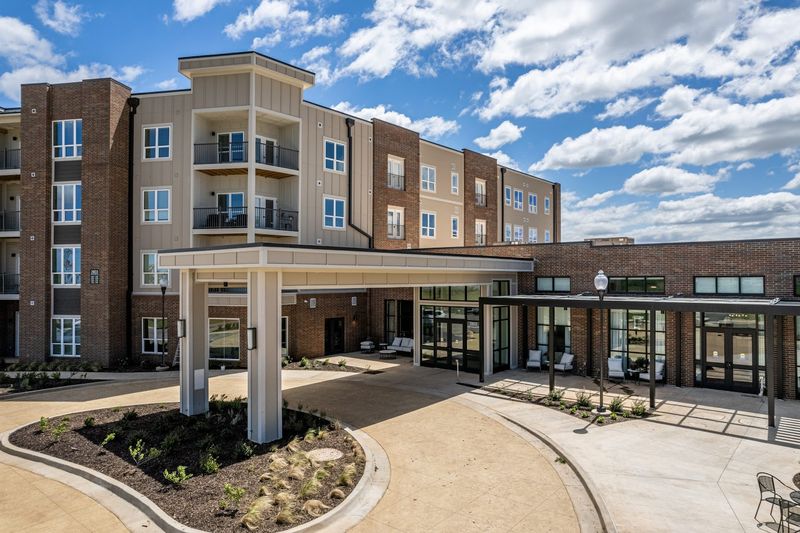
If you want retirement to include culture, healthcare access, and a little more city life without going straight to the state’s biggest urban core, this university city deserves attention.
Norman offers many of the conveniences that make daily life easier while often remaining more approachable than larger national college markets.
For retirees living on $1,800 a month, that balance can be very attractive.
Housing costs can vary depending on neighborhood and home type, but there are still opportunities for smaller homes or rentals that fit a careful budget.
The real value comes from the quality of services and amenities available around you.
When your city gives you healthcare, shopping, recreation, and local events close to home, your money can work harder.
The presence of the University of Oklahoma helps shape Norman into a place with more depth than a typical suburb.
You may have access to museums, lectures, performances, and sports culture without needing expensive travel or a large entertainment budget.
That kind of built-in activity can make retirement feel fuller and more connected.
Norman also tends to appeal to people who want an educated, engaged community atmosphere.
There are parks, libraries, local restaurants, and neighborhood areas that support a pleasant routine.
If you enjoy having things to do while still wanting a place that feels livable and not overwhelming, Norman checks many boxes.
Another practical advantage is proximity to Oklahoma City.
You can benefit from metro-level healthcare and airport access while living in a city that often feels more personal and easier to navigate.
If your retirement plan depends on stretching dollars without giving up convenience, culture, and strong everyday services, Norman offers one of the most balanced options in Oklahoma.
7. Lawton
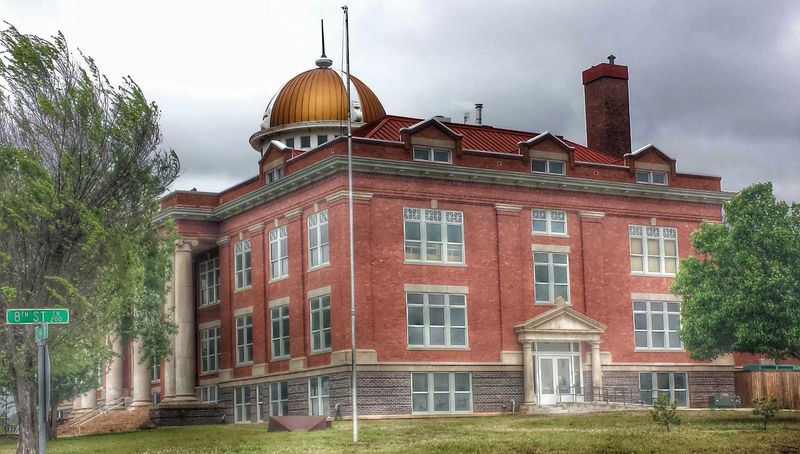
Retirees who care most about affordability often end up looking closely at this southwestern Oklahoma city.
Lawton has a reputation for lower housing costs, and that can be a game-changer when your income is fixed at $1,800 a month.
Instead of feeling squeezed by rent or mortgage payments, you may have room left for basics and occasional fun.
Fort Sill has long influenced the local economy, helping give Lawton a stable base of services and businesses.
For you, that can translate into practical shopping, dining, and healthcare options without requiring the prices of a larger metro.
It is easier to stay on budget when the city already straightforwardly supports everyday needs.
Another advantage is access to outdoor scenery.
The Wichita Mountains Wildlife Refuge is nearby, and that means low-cost recreation is part of the lifestyle here.
Scenic drives, wildlife viewing, and simple afternoons outdoors can add real quality to retirement without draining your monthly budget.
Lawton is not the flashiest place on this list, but that may be exactly why it works for so many budget-minded retirees.
The city tends to feel functional, direct, and easier to navigate than more crowded areas.
If your priorities are affordability, routine convenience, and fewer financial surprises, those qualities can matter far more than trendiness.
Healthcare access, local shopping, and essential services help round out the picture.
While you may still travel occasionally for certain specialists or bigger-city attractions, many daily needs can be handled close to home.
For retirees focused on stretching every dollar while keeping life simple and grounded, Lawton remains one of Oklahoma’s most practical places to consider.
8. Enid
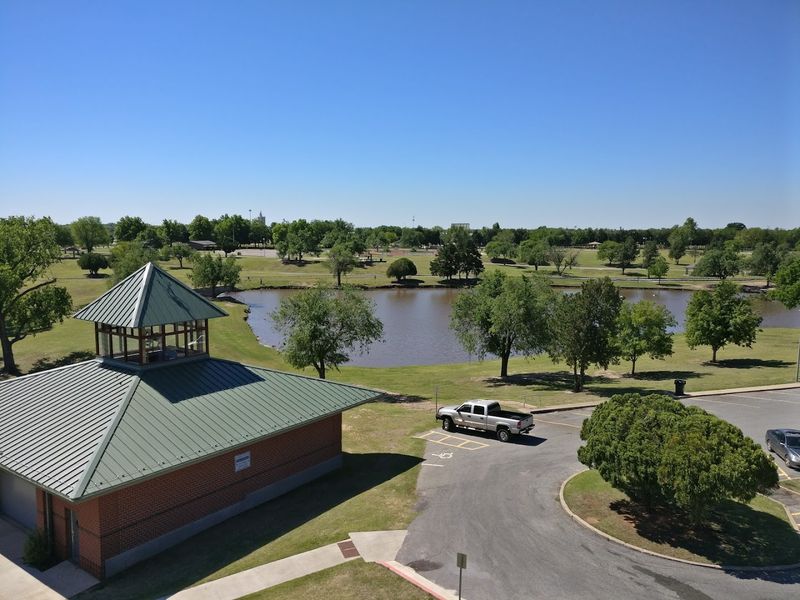
If you are searching for a place where retirement can feel calm, practical, and genuinely affordable, this northwestern Oklahoma city has a lot going for it.
Enid offers the kind of lower-pressure environment that can help a fixed income stretch further without making daily life feel inconvenient.
For many retirees, that simple formula is exactly the point.
Housing is one of Enid’s biggest advantages.
Home values and rents have often stayed friendlier than in larger Oklahoma markets, which can protect a monthly budget from getting swallowed by basic shelter costs.
When your housing stays modest, it becomes easier to handle groceries, utilities, insurance, and healthcare without constant stress.
Enid also provides enough services to keep life comfortable.
You can find shopping, restaurants, parks, and medical resources without needing to leave town for every errand, and that can save money over time.
Convenience is not just about comfort in retirement – it also reduces gas costs and the physical effort tied to long drives.
The city has a community-oriented feel that many retirees appreciate.
Local events, neighborhood connections, and a slower rhythm can make it easier to settle in and actually enjoy your days rather than constantly budgeting around chaos.
A lower-cost place becomes even more appealing when it also feels friendly and easy to navigate.
Enid may not have the buzz of a college town or the big-city attractions of Tulsa or Oklahoma City, but that tradeoff is part of its appeal.
You are choosing steadiness, room in the budget, and a pace that supports simple pleasures.
If your retirement goal is to keep expenses under control while maintaining comfort and access to essentials, Enid is a strong Oklahoma choice.
9. Tulsa
For retirees who do not want to give up city amenities, this northeastern Oklahoma hub can be surprisingly workable.
Tulsa offers more healthcare, entertainment, dining, and cultural choices than most places on this list, yet it can still be more affordable than many major cities across the country.
That combination makes it worth considering even on a modest retirement income.
Living on $1,800 a month in Tulsa will likely require careful neighborhood selection and realistic housing expectations, especially if you want to stay comfortable.
Still, certain areas and smaller housing options can make the city more reachable than you might assume.
The payoff is access to a deeper pool of services and activities that can improve daily life.
Tulsa shines when it comes to amenities.
From museums and music to riverfront trails, parks, and strong healthcare networks, there is a lot here that can support an active retirement.
You do not need to spend heavily every weekend to enjoy the city either, since many of its best features are low cost or free.
Another advantage is the sense of variety.
Different neighborhoods offer different lifestyles, so you can look for the setting that best matches your priorities, whether that is walkability, quiet streets, or proximity to medical centers.
That flexibility can be useful when you are trying to fit a city lifestyle into a firm monthly budget.
Tulsa is a good fit if you value options and do not mind doing a little homework to find the right housing setup.
It may not be the cheapest choice in Oklahoma, but it can deliver strong overall value for retirees who want more than a purely basic town.
If your ideal retirement includes culture, care, and convenience, Tulsa belongs on the list.
10. Muskogee
Budget-minded retirees who want a city with history and a slower pace may find a lot to like here.
Muskogee tends to offer lower housing costs and a manageable everyday rhythm, which can make a fixed monthly income feel less restrictive.
If the goal is stretching $1,800 without feeling cut off from normal conveniences, this city has solid appeal.
Affordable housing is a big part of the story.
Smaller homes and rentals can be easier to find at prices that leave room for essentials, and that breathing room matters when retirement income is limited.
Lower monthly housing pressure can help you handle rising grocery or medical costs without constantly reworking your budget.
Muskogee also has a distinct local identity.
Historic character, community traditions, and familiar annual events give the city more personality than a generic low-cost option might suggest.
That can make retirement feel richer, even when you are intentionally spending less.
From a practical standpoint, the city covers the basics well.
You have access to shopping, healthcare, parks, and local services that support day-to-day life without forcing frequent trips elsewhere.
That kind of built-in convenience saves money over time and keeps your routine simpler.
The pace here may appeal especially to retirees who are done chasing constant growth and noise.
Muskogee is not trying to be flashy, and that honesty can be refreshing when what you really want is affordability and stability.
If your retirement plan centers on living sensibly, enjoying local character, and keeping expenses in check, Muskogee stands out as one of Oklahoma’s more dependable choices.
11. Oklahoma City
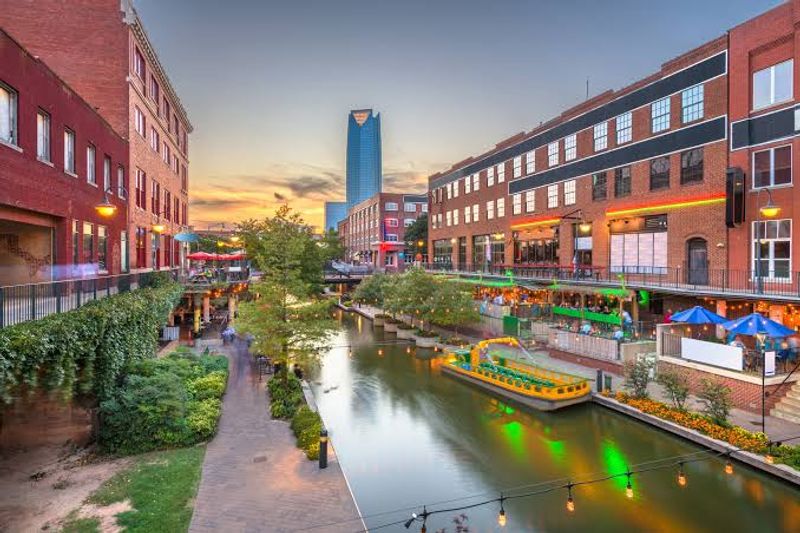
If you assume the state’s biggest city is automatically out of reach on a modest retirement income, it may be worth taking a second look.
Oklahoma City offers big-city healthcare, entertainment, and airport access while still maintaining a cost of living that can be gentler than many large metros in the United States.
For some retirees, that creates a rare blend of value and convenience.
Living here on $1,800 a month will take planning, especially when it comes to choosing the right neighborhood and housing type.
A smaller apartment, condo, or modest home in a more affordable area may be the key to making the budget work.
The benefit is that you gain access to a broad range of services that can make retirement easier and more enjoyable.
Healthcare is one of the strongest reasons to consider Oklahoma City.
Larger medical systems, more specialists, and better overall access can be extremely important as retirement progresses.
Being able to handle more of your care close to home can save both money and stress over time.
The city also offers parks, museums, restaurants, and community events that create plenty of low-cost ways to stay active.
You can enjoy urban life without spending lavishly if you choose carefully.
That flexibility is important when your budget has limits but you still want variety and stimulation.
Oklahoma City may not be the easiest option on this list for every retiree, yet it can be one of the most rewarding if access and convenience matter most to you.
With smart housing choices and disciplined spending, it is possible to enjoy the benefits of a larger city without losing control of your finances.
For a practical urban retirement in Oklahoma, it remains a strong contender.
Share this story