Nathaniel Hawthorne and his wife once scratched words into a windowpane here with a diamond ring. More than 180 years later, you can still stand in the same house and see them.
That detail alone would get me through the door, but this Massachusetts town keeps going. Ralph Waldo Emerson worked on Nature in that same house, while Louisa May Alcott wrote Little Women nearby at a little desk her father built just for her.
It is almost strange how close everything sits. You can move from one famous home to another, then end up beside a wooden bridge tied to an entirely different chapter of American history, all without traveling very far.
I would want to take this town slowly. When writers you have known from books suddenly have bedrooms, windows, desks, and walking paths, the history starts feeling much less distant.
Start With The House Where Famous Writers Doodled On The Windows
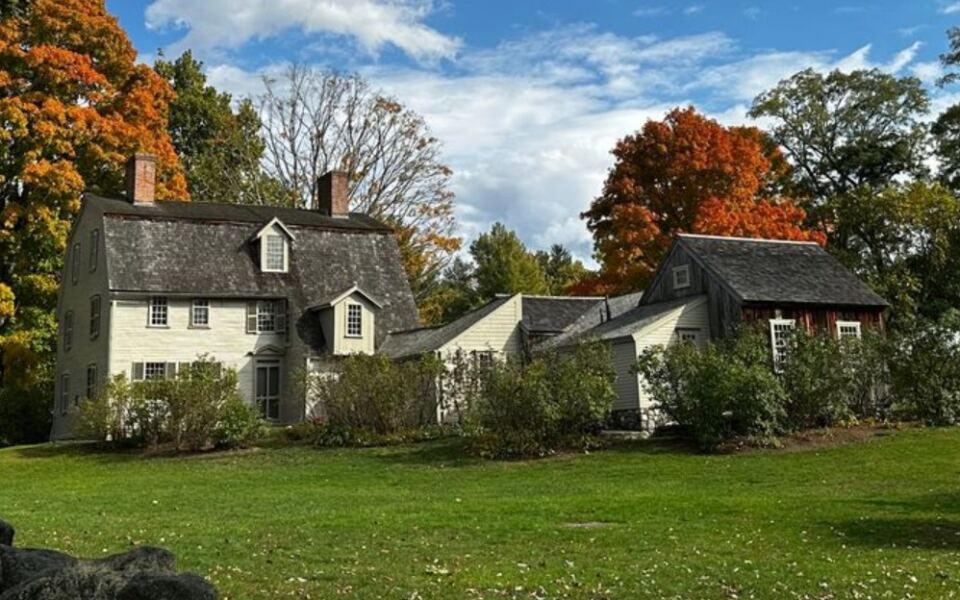
Scratched glass might be the coolest souvenir in Concord, Massachusetts. At the Old Manse, Nathaniel and Sophia Hawthorne etched notes into window panes with her diamond ring.
The house went up in 1770 for Reverend William Emerson, grandfather of Ralph Waldo Emerson. Years later, the younger Emerson stayed here and drafted his essay Nature in an upstairs room.
The Hawthornes rented it as newlyweds starting in 1842. Nathaniel later named a story collection after it, called Mosses from an Old Manse.
Henry David Thoreau planted a vegetable garden for the couple as a wedding gift. The Trustees, who care for the property today, keep a garden growing in that same spirit.
I like how this one house links three giant names without trying very hard. It feels less like a museum and more like a family home that happened to host legends.
The location adds even more weight. The Old Manse sits right beside the North Bridge, so the Emerson family lived steps from the events of April 19, 1775.
Guided tours let you see the rooms up close. The grounds and river views make a lovely pause before or after.
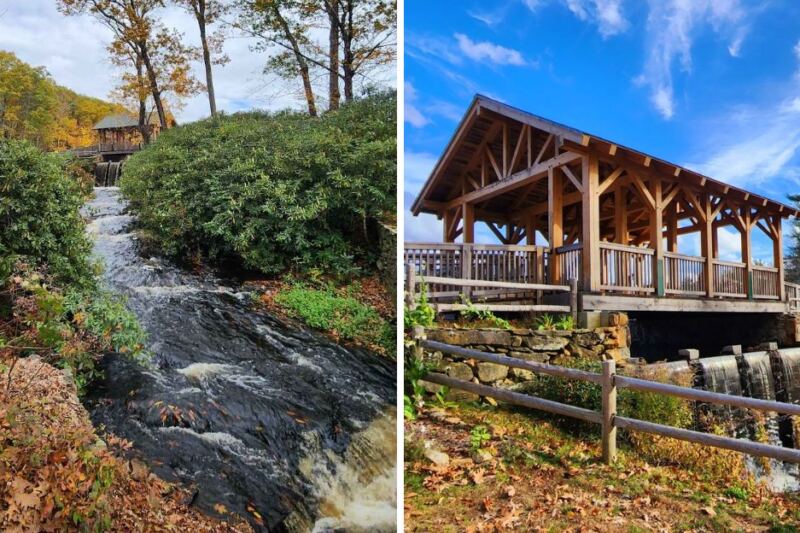
Stand On The Bridge Where A Famous Shot Rang Out
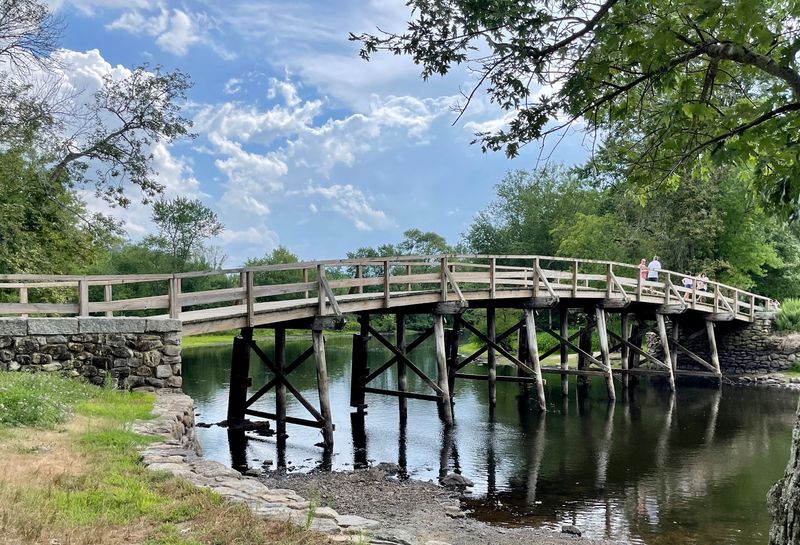
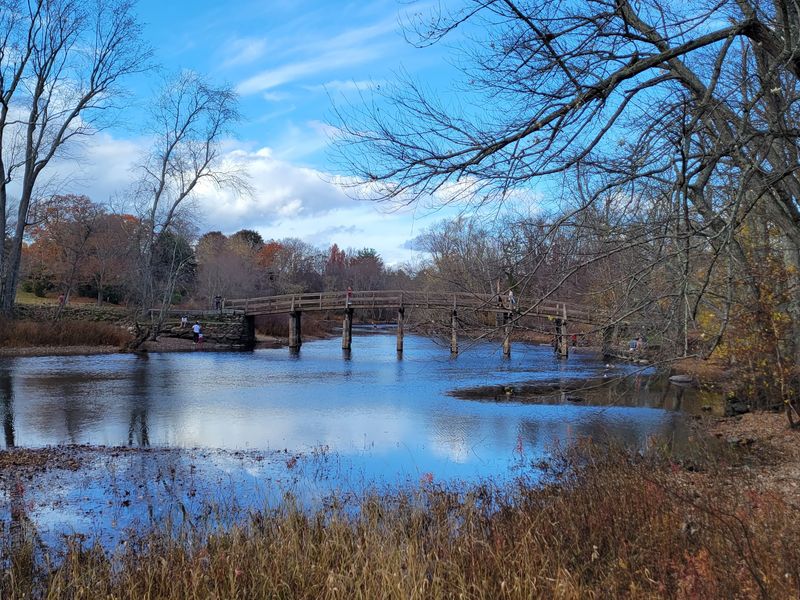
April 19, 1775, changed everything at a narrow crossing over the Concord River. Colonial militia faced British soldiers at the North Bridge, and the American Revolution truly kicked off.
Fair warning, though. The bridge you cross today is a replica, built in 1956 to match the look of the original.
That detail shouldn’t spoil the fun. Standing on those boards still gives you a clear sense of how close the two sides really were.
On one end stands the Minute Man statue, created by Daniel Chester French. He made it for the 100th anniversary in 1875, years before he sculpted the famous Lincoln at the Lincoln Memorial.
Look at the base for lines from Emerson’s Concord Hymn. That poem gave the world the phrase about the shot heard round the world.
The bridge belongs to Minute Man National Historical Park. Rangers often share stories here during the warmer months, which adds great context.
Bring a camera and some patience for the perfect angle. The river reflections on a calm morning can make even a phone photo look framed and gallery-ready.
Little Women Was Born Inside This Brown Farmhouse
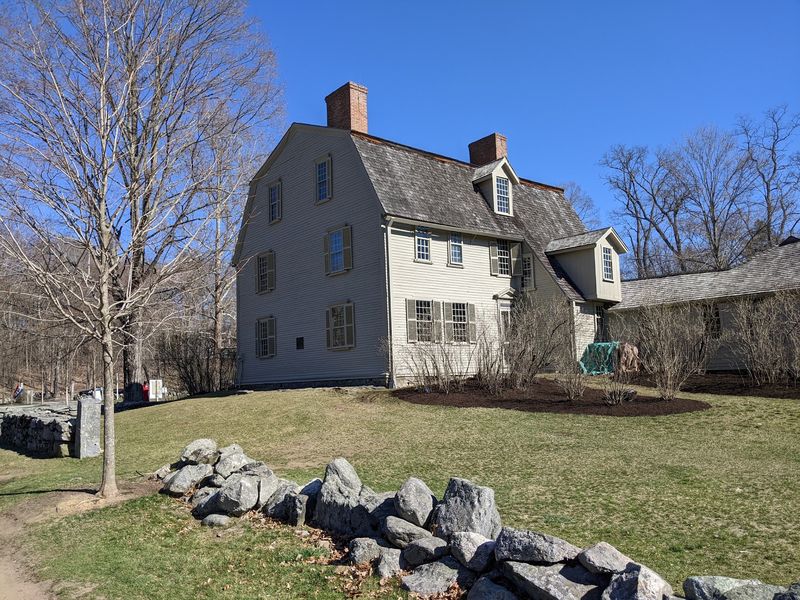
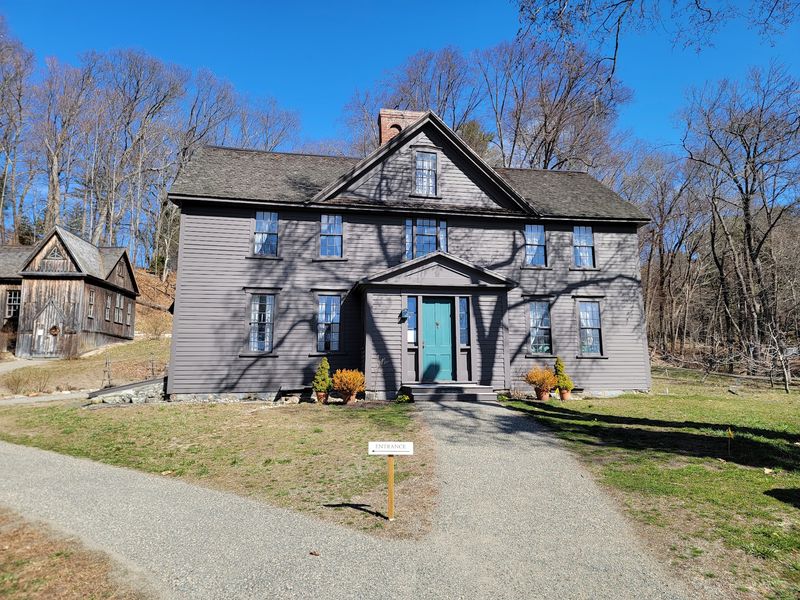
Jo March fans, this is your stop. Louisa May Alcott wrote and set Little Women at Orchard House, and the book came out in 1868.
The Alcott family lived here from 1858 to 1877. Their home now welcomes visitors at 399 Lexington Road in Concord.
Here’s a detail that feels almost unreal. About 80 percent of the furnishings on display belonged to the Alcotts themselves.
You can see the small shelf desk Bronson Alcott built for Louisa between two windows. I can’t imagine writing a classic in such a tiny space, but she clearly managed.
Her sister May was an artist, and her drawings still decorate some walls and woodwork. It’s like peeking into a sketchbook that never got closed.
Guided tours walk you through the rooms where the family read, debated, and staged plays. The stories feel very close to the novel’s cozy chaos.
Plan ahead during busy seasons, especially around school breaks. Holiday programs and special events also pop up through the year, so checking the calendar first is a smart move for any Little Women lover.
One Home, Three Famous Families, And A Tower For Writing
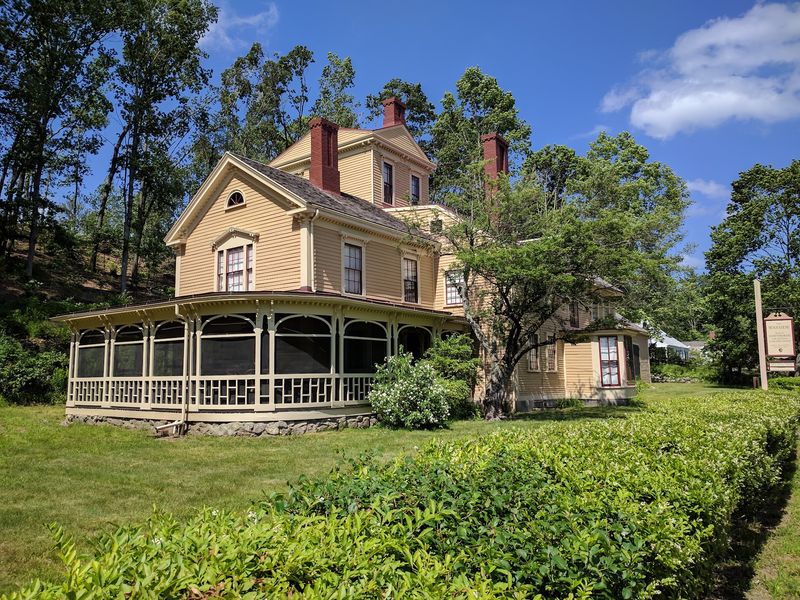
Talk about a house with a guest list. The Wayside was home to the Alcotts, then Nathaniel Hawthorne, and later children’s author Margaret Sidney.
The Alcotts lived here in the 1840s and called it Hillside. Louisa spent part of her childhood here, and some Little Women scenes echo those years.
Hawthorne bought the house in 1852 and gave it its current name. It was the only home he ever owned.
He added a tower study on top so he could write in peace. Honestly, that’s the kind of home renovation most writers still dream about.
Margaret Sidney, author of Five Little Peppers and How They Grew, lived here later. Three literary households under one roof makes this place a true heavyweight.
The Wayside is a National Historic Landmark and part of Minute Man National Historical Park. Tours run seasonally, so check the park schedule before you go.
It sits along Lexington Road, close to Orchard House. You can easily pair the two for a single afternoon packed with books, history, and some very interesting houses.
Peek At The Home Base Of America’s Big Thinker
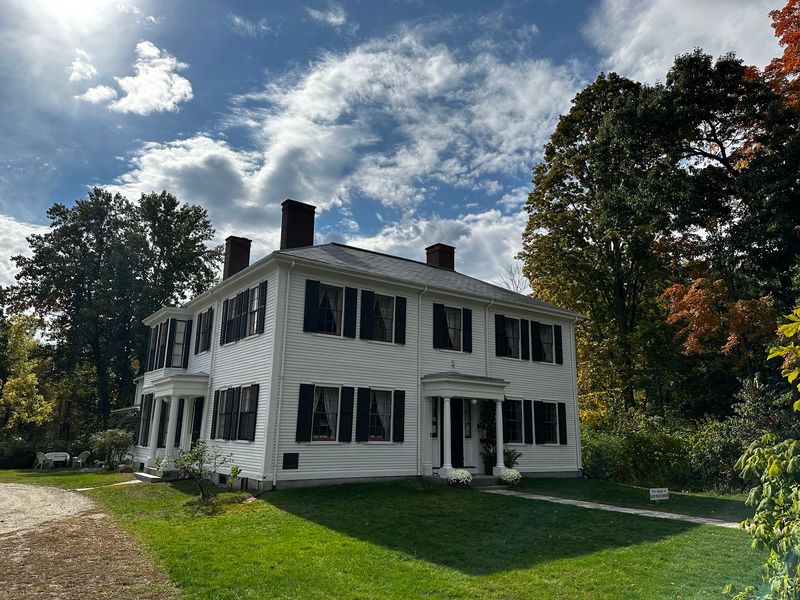
Ralph Waldo Emerson moved into his white house on the Cambridge Turnpike in 1835. He lived there until 1882, and it became a magnet for big ideas.
Thoreau, the Alcotts, and other thinkers spent time around this home. You could call it the headquarters of Transcendentalism, the movement that celebrated nature and self-reliance.
The house stayed in Emerson family hands for generations. A family association still looks after it today, which gives it a personal feel.
Many rooms hold furnishings from Emerson’s own time. Walking through gives you a quiet look at how a famous writer actually lived day to day.
A fire damaged the house in 1872. Townspeople pitched in to help the family rebuild, which says a lot about Concord’s community spirit.
One fun twist awaits. The contents of Emerson’s study are now displayed in a replica of the room at the nearby Concord Museum, so you can see both.
The house usually opens seasonally with limited hours. I believe it’s worth timing your trip around those days, because few places show a writer’s world this clearly.
A Lantern From Paul Revere’s Night Waits In This Museum
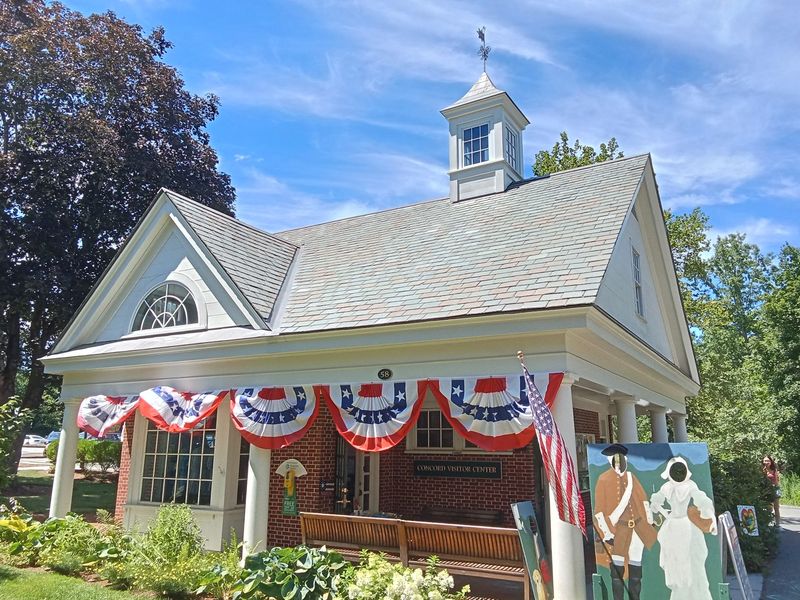
Remember the lanterns hung in Boston’s Old North Church on the night of Paul Revere’s ride? The Concord Museum displays one it identifies as among them.
That alone makes the trip worthwhile. But the collection keeps going in surprising ways.
You’ll find a replica of Emerson’s study, furnished with his own books and furniture. It recreates the room where he read and wrote.
Henry David Thoreau’s simple desk from his Walden cabin is here too. It’s a modest piece, which feels perfectly on brand for a man who loved living simply.
The museum sits at 200 Lexington Road, close to Orchard House and The Wayside. That makes it an easy anchor for a day of exploring Concord, Massachusetts.
Exhibits also cover the town’s earlier history and its everyday crafts. Families can find hands-on activities, which helps younger visitors connect with the stories.
Start here if you want the big picture first. Once you know the background, every house and bridge around town suddenly makes more sense.
The Tiniest Building In Town Might Be The Most Famous
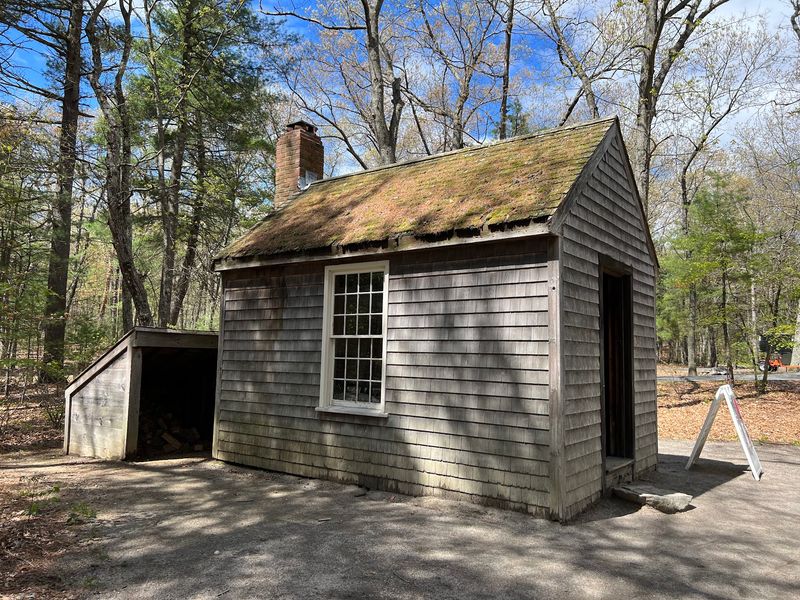
One room, one bed, one desk, and a few chairs. That’s about all Henry David Thoreau needed when he lived beside Walden Pond from 1845 to 1847.
His experiment led to the book Walden. It still shows up on reading lists across the country today.
The original cabin is long gone. A replica stands near the parking area at Walden Pond State Reservation, along with a statue of Thoreau.
You can step inside and see how small his world really was. Honestly, it makes most closets look roomy.
The actual cabin site sits along a trail by the water. Stone markers show where it once stood, and visitors often add stones to a cairn nearby.
Walden Pond is a deep, clear kettle pond formed by glaciers. The state of Massachusetts manages it, and summer brings swimming at the beaches.
Arrive early on warm days because parking can fill and close the lot. A walk around the pond is a peaceful way to see what pulled Thoreau out here in the first place.
Monument Square Packs Centuries Into One Short Stroll
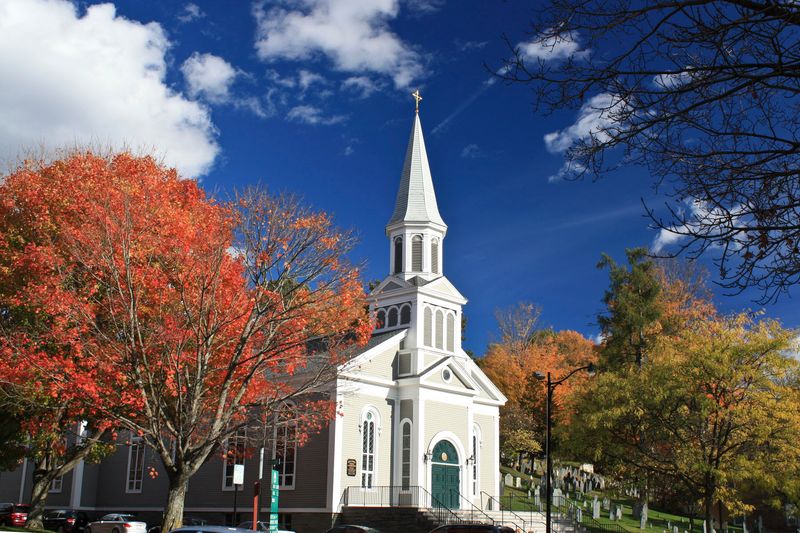
Want history without the hike? Monument Square in the center of town delivers several old buildings within a few minutes on foot.
The Wright Tavern was built in 1747. On April 19, 1775, it played a role as both colonial militia and British officers used it that day.
Today it’s a National Historic Landmark. Seeing a building that old still standing on a busy corner feels a little magical.
Nearby, the Concord Colonial Inn says the oldest part of its building dates to 1716. It still welcomes overnight guests and diners, so history comes with a pillow here.
The Town House at 22 Monument Square, Concord, Massachusetts 01742, serves as a center of local government. Its spot on the square keeps civic life right in the middle of the old village.
Leafy Main Street spreads out from here with shops and cafes. It’s a pleasant place to grab a snack between museum stops.
I like how the square feels lived-in rather than frozen. People still run errands among buildings that watched the nation get started.
Getting Here Is Easier Than Old Travelers Ever Had It
No horse required. The MBTA Fitchburg Line commuter rail runs from Boston’s North Station to Concord Center, making a car-free day trip totally doable.
From the station, downtown is an easy walk. Many key sites sit within a short drive or bike ride of each other.
Save a few minutes for the Concord Free Public Library on Main Street. Its main building opened in 1873, and it holds special collections about the town’s famous writers.
Book lovers will feel right at home there. It’s a fitting stop in a town that produced so many classic authors.
Timing matters for the houses. Several sites open seasonally or require guided tours, so checking schedules ahead can save a disappointing knock on a locked door.
Patriots’ Day in April brings reenactments and parades marking the events of 1775. Fall, with its colorful leaves, makes the old buildings look extra photogenic.
Wear comfortable shoes and pace yourself. Concord, Massachusetts rewards slow exploring, and you’ll probably leave wondering how such a small town fit this much history inside its borders.
Share this story