May in Michigan hits different — the weather is warming up, the crowds haven’t fully arrived yet, and there’s no better excuse to get out and explore. Whether you’re a history buff, an art lover, or just looking for something fun to do with the family, the state’s museum scene has something for everyone.
From Detroit’s world-class institutions to hidden gems tucked away in smaller cities, Michigan’s museums are seriously worth the trip. Pack a light jacket, grab your curiosity, and get ready to be impressed.
1. Detroit Institute of Arts, Detroit

Few museums in the country carry the kind of cultural weight that the Detroit Institute of Arts does. Known simply as the DIA by locals, this place is a true heavyweight — its collection spans more than 65,000 works across thousands of years of human creativity.
Walking through its doors feels like stepping into a different world entirely.
May is a great month to visit because the museum tends to be less crowded than in summer, giving you room to actually breathe and take things in at your own pace. The Rivera Court, home to Diego Rivera’s iconic Detroit Industry Murals, is genuinely jaw-dropping.
Those massive frescoes tell the story of Detroit’s industrial soul, and standing in the middle of them is an experience that sticks with you.
Beyond the murals, the DIA has an incredible range of galleries covering African art, European masterpieces, ancient Egypt, and contemporary works. The building itself, a Beaux-Arts landmark, is stunning from the outside too.
If you’re visiting with kids, the museum offers interactive programs that make art feel approachable and exciting rather than stuffy. Parking is available nearby, and the museum is located in Midtown Detroit’s Cultural Center, so you can easily pair your visit with a meal or a walk around the neighborhood.
Admission is free for residents of Wayne, Oakland, and Macomb counties, which makes this an even easier yes. For everyone else, the ticket price is well worth every penny.
The DIA isn’t just a museum — it’s one of Michigan’s most important cultural landmarks, and May is the ideal time to experience it without the summer rush breathing down your neck.
2. University of Michigan Museum of Art, Ann Arbor

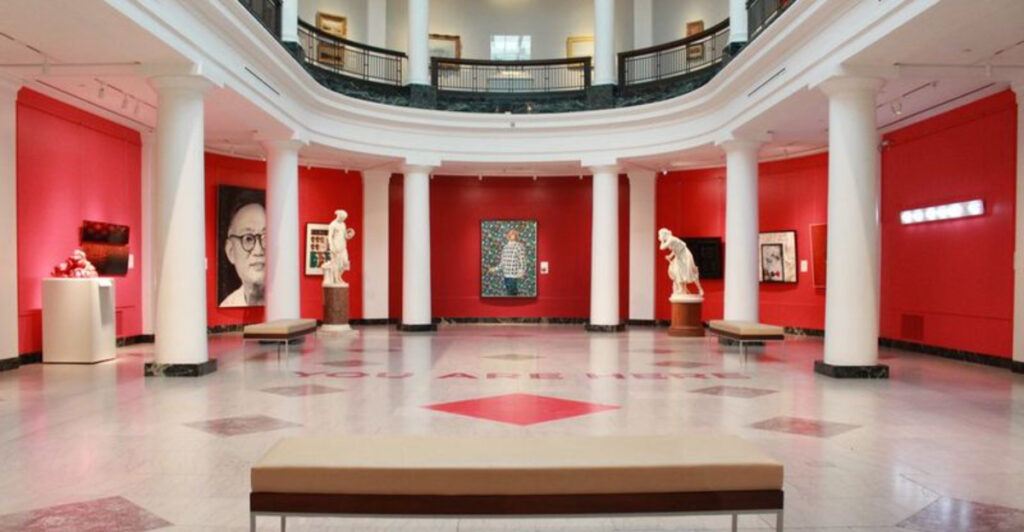
There’s something quietly special about an art museum that sits right in the middle of a buzzing college campus. The University of Michigan Museum of Art — UMMA for short — brings that energy in a big way.
Housed in Alumni Memorial Hall, a stunning building that dates back to 1910, the museum blends old-world architecture with a surprisingly modern and diverse collection inside.
May is prime time to visit Ann Arbor. The university’s campus is alive with end-of-semester energy, flowers are blooming across the Diag, and the city’s restaurant scene is in full swing.
Stopping into UMMA feels like a natural part of a perfect Ann Arbor day. Admission is always free, which makes it even easier to pop in for an hour or linger for three.
The collection here covers an impressive range — Japanese prints, African sculpture, European paintings, photography, and contemporary works all share space under one roof. The museum does a great job of presenting art in a way that feels relevant and thought-provoking rather than distant or academic.
Special exhibitions rotate throughout the year, so there’s almost always something new to see even if you’ve visited before. The building’s grand entrance hall alone is worth a look, with its high ceilings and elegant stonework setting the tone for what’s inside.
UMMA also hosts events, lectures, and family programs that make it more than just a gallery space — it’s a genuine community hub. If you’re planning a day trip to Ann Arbor in May, this museum deserves a solid spot on your itinerary.
It’s the kind of place that surprises you with how much it offers, and you’ll likely leave wanting to come back.
3. Frederik Meijer Gardens & Sculpture Park, Grand Rapids
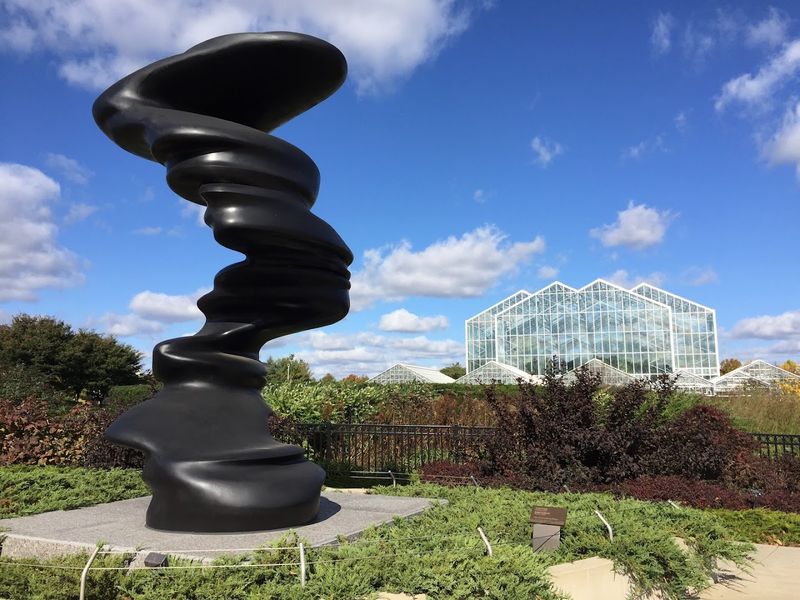
Step outside and into one of the most breathtaking outdoor experiences Michigan has to offer. Frederik Meijer Gardens and Sculpture Park in Grand Rapids is part botanical garden, part world-class sculpture museum, and entirely unforgettable.
In May, the outdoor grounds explode with color as tulips, cherry blossoms, and spring perennials come into full bloom — making it arguably the best month of the entire year to visit.
The sculpture collection here is genuinely impressive, featuring works by artists like Auguste Rodin, Henry Moore, and Deborah Butterfield spread across 158 acres of beautifully maintained grounds. Walking the trails feels like going on a treasure hunt — you turn a corner and suddenly there’s a massive bronze figure standing among the trees.
It never gets old, no matter how many times you’ve been.
Inside, the conservatories house tropical plants, carnivorous species, and rotating floral exhibitions that are just as stunning as anything outdoors. The Michigan Farm Garden gives visitors a peek at agricultural history, while the children’s garden is a hit with younger visitors who want to run and explore.
Meijer Gardens also hosts a world-renowned summer concert series that kicks off in late May, so visiting early in the month might mean you catch the excitement building up to opening night. Restaurants and a café on-site make it easy to spend a full day without needing to leave.
Whether you’re a serious art collector, a casual nature lover, or a parent looking for a place that keeps the whole family engaged, this place checks every box. It’s one of West Michigan’s crown jewels, and May is when it truly shines brightest.
4. Detroit Historical Museum, Detroit
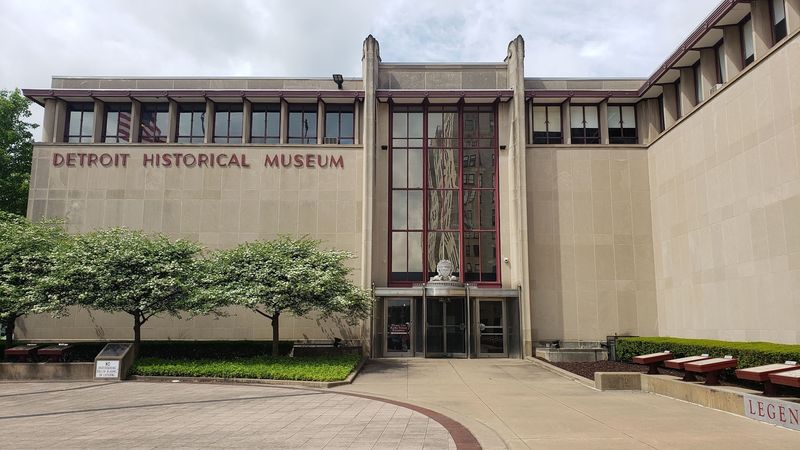
Detroit has one of the most compelling stories of any American city — and the Detroit Historical Museum tells it like nobody else can. Located in Midtown, this museum has been preserving and sharing the city’s history since 1928, making it one of the oldest institutions of its kind in the state.
If you want to understand Detroit — the real Detroit, not just the headlines — this is the place to start.
The Streets of Old Detroit exhibit is a fan favorite, recreating the look and feel of the city’s streets from the 1840s through the early 1900s with remarkable detail. You can walk through cobblestone lanes, peer into shop windows, and get a genuine sense of what life looked like in a rapidly growing industrial city.
It’s the kind of exhibit that makes history feel alive rather than locked behind a glass case.
May is a wonderful time to visit because the museum often features rotating spring exhibitions and special programming tied to the city’s cultural calendar. The Frontiers to Factories exhibit traces Detroit’s evolution from a French colonial outpost to the Motor City, while the Detroit: The Arsenal of Democracy section highlights the city’s extraordinary role in World War II manufacturing.
Admission is free on Sundays, which makes it an accessible outing for families on a budget. The museum is also steps away from the DIA and the Michigan Science Center, so you can easily build a full cultural day in Midtown without driving between spots.
Locals love this place for its honest, nuanced take on Detroit’s complicated and inspiring past. First-timers are often surprised by how much there is to see — plan for at least two hours.
5. Cranbrook Art Museum, Bloomfield Hills
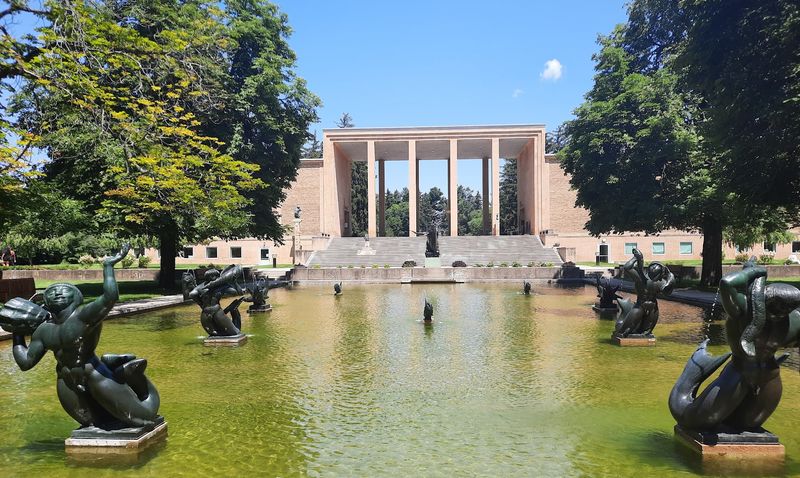
Cranbrook is one of those places that feels almost too beautiful to be real. Nestled in the wooded hills of Bloomfield Hills, the Cranbrook Educational Community is a National Historic Landmark, and the Art Museum at its center is a crown jewel of Michigan’s cultural landscape.
Designed by the legendary Finnish-American architect Eliel Saarinen, the museum building is itself a work of art worth making the trip for.
The museum focuses on modern and contemporary art, with a particular emphasis on works connected to the Cranbrook Academy of Art — one of the most prestigious graduate art schools in the country. Alumni of the academy include some genuinely big names in American design and art history, from Charles and Ray Eames to Harry Bertoia.
Seeing where that creative lineage was nurtured adds a layer of meaning to every piece on display.
May is a magical month to visit Cranbrook because the surrounding grounds are in full spring bloom. After touring the museum, you can wander the campus, visit the Cranbrook Art Museum’s outdoor sculpture collection, or explore the nearby Cranbrook Institute of Science.
The whole property has a serene, almost otherworldly quality that makes it feel like a genuine escape from everyday life. The museum regularly hosts artist talks, opening receptions, and community events, so checking the calendar before you go is always a smart move.
Parking is free and the campus is easy to navigate. Whether you’re an art school grad who feels a personal connection to the academy’s legacy or simply someone who appreciates beautiful spaces filled with thought-provoking work, Cranbrook delivers an experience that’s hard to replicate anywhere else in the Midwest.
6. The Henry Ford Museum of American Innovation, Dearborn

You don’t have to be a car person to be completely blown away by The Henry Ford Museum of American Innovation. Sure, there are iconic vehicles here — the Rosa Parks bus, the presidential limousine from the Kennedy assassination, and some of the earliest Ford automobiles ever built — but this place is about so much more than wheels.
It’s a deep, fascinating look at how American ingenuity has shaped the world over the past few centuries.
The sheer scale of the museum is something you have to see to believe. At over nine acres under one roof, it’s one of the largest indoor museums in the United States.
Exhibits cover everything from the history of agriculture and manufacturing to popular culture, home life, and the civil rights movement. The breadth of it all can feel overwhelming at first, so it helps to prioritize a few key areas before you arrive.
May is a particularly good time to visit because the adjacent Greenfield Village outdoor history attraction also opens up fully for the season. Combining both in one visit gives you a full day of exploration that’s hard to match anywhere in the Midwest.
Greenfield Village includes historic homes, working farms, and the actual laboratory where Thomas Edison worked — all relocated to Dearborn from their original sites. Families with kids tend to absolutely love this place because there’s so much hands-on, interactive content woven throughout.
The museum also has solid dining options on-site, so you won’t need to leave to refuel. Tickets are on the pricier side, but the experience is legitimately worth it.
Block out a full day — you’ll need every minute of it.
7. Kalamazoo Valley Museum, Kalamazoo
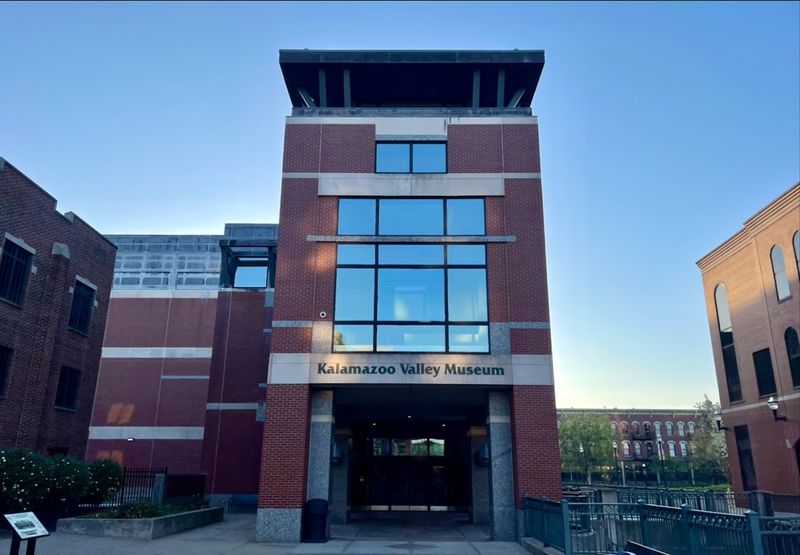
Kalamazoo doesn’t always get the credit it deserves as a cultural destination, but the Kalamazoo Valley Museum is one very good reason to pay attention. Free and open to the public, this downtown gem covers science, history, and culture in a way that feels genuinely engaging rather than textbook-dry.
It’s the kind of museum that gets kids excited about learning without them even realizing it’s happening.
The planetarium inside the museum is a standout feature — one of the best in the state, with regular shows covering astronomy, space exploration, and natural phenomena. Catching a planetarium show on a May afternoon is a surprisingly wonderful experience, especially for families visiting with younger children who are just starting to get curious about the universe.
The space itself is cozy and immersive in a way that larger venues sometimes can’t match.
Beyond the stars, the museum covers Kalamazoo’s local history with thoughtful exhibits that trace the region’s Indigenous heritage, its role in the pharmaceutical industry, and its evolution as a mid-sized Midwest city. Rotating exhibitions keep things fresh and give repeat visitors something new to discover.
The museum is located right in the heart of downtown Kalamazoo, which means it’s easy to pair a visit with lunch at one of the city’s many excellent restaurants or a stroll along the Kalamazoo Mall — one of the first outdoor pedestrian malls in the country. May weather in Kalamazoo is usually lovely, making it a natural time to explore both the museum and the surrounding neighborhood.
If you’ve never made the drive out to Kalamazoo before, this museum is a genuinely great reason to finally do it. Locals already know — now you do too.
8. Ella Sharp Museum, Jackson
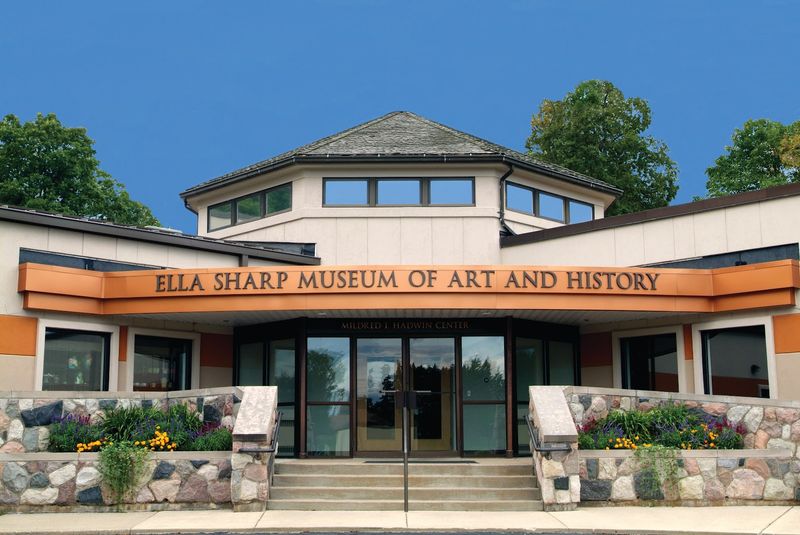
Not every great museum announces itself with a big-city skyline behind it. The Ella Sharp Museum in Jackson, Michigan, sits on a beautifully preserved 530-acre park and tells a story that’s deeply rooted in the land, the people, and the history of mid-Michigan.
Named after a beloved local philanthropist who donated her estate to the city in the early 1900s, this museum has a warmth and personality that’s hard to find elsewhere.
The museum complex includes the historic Hillside Farm, a collection of 19th-century buildings that give visitors a hands-on look at rural Michigan life from generations past. Walking through the farmhouse, the one-room schoolhouse, and the old barn feels like stepping back in time in the best possible way.
The attention to detail in preserving these structures is impressive, and the staff does a great job of making the history feel relevant to modern visitors.
Inside the main gallery building, rotating art exhibitions showcase regional and national artists, giving the museum a contemporary edge that balances nicely with all the historical programming. May is a great time to visit because the surrounding park is gorgeous in spring, and the museum often hosts outdoor events and community programming as the warm weather returns.
The park itself — with its trails, nature center, and open green spaces — makes Ella Sharp a full afternoon destination rather than just a quick stop. Admission is reasonably priced, and the combination of art, history, and outdoor exploration makes it an especially good choice for families.
Jackson is an easy drive from Lansing, Ann Arbor, and Battle Creek, so it works well as a day trip anchor. Underrated?
Absolutely. Worth the detour?
Without question.
9. Museum of Contemporary Art Detroit, Detroit

MOCAD — as everyone in Detroit calls it — operates on a completely different frequency than your typical museum. Housed in a converted auto dealership on Woodward Avenue, the Museum of Contemporary Art Detroit is raw, unconventional, and unapologetically bold.
The industrial bones of the building aren’t hidden — they’re celebrated, giving exhibitions a gritty, real-world energy that feels perfectly suited to Detroit’s creative spirit.
The museum doesn’t maintain a permanent collection, which means every visit is a fresh experience. Instead, MOCAD rotates large-scale, often immersive exhibitions from both emerging and established artists working at the cutting edge of contemporary practice.
This approach keeps the programming adventurous and occasionally unpredictable — which is exactly the point. If you’re the kind of person who wants their art to challenge them a little, MOCAD is your spot.
May is a particularly exciting time to visit because the museum tends to launch new exhibitions in spring, and the surrounding Midtown neighborhood is buzzing with activity. After your visit, you’re steps away from some of Detroit’s best coffee shops, galleries, and restaurants.
MOCAD also runs a beloved café and hosts frequent events — film screenings, artist talks, music performances — that blur the line between museum and cultural hub in the best way. Admission is pay-what-you-can, which reflects the museum’s genuine commitment to accessibility and community.
That philosophy has made MOCAD one of the most beloved institutions in Detroit, not just among the art crowd but among everyday residents who feel genuinely welcomed here. First-time visitors sometimes walk in unsure of what to expect and leave feeling genuinely inspired.
That kind of impact is what contemporary art is supposed to do.
10. Grand Rapids Public Museum, Grand Rapids
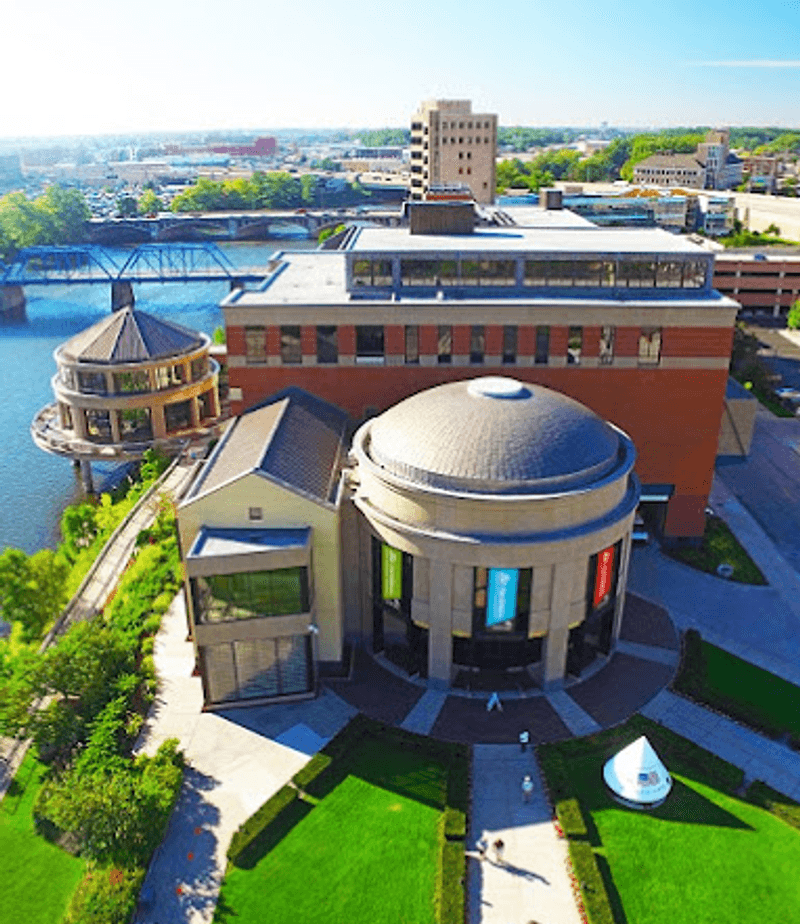
The Grand Rapids Public Museum has been one of West Michigan’s favorite destinations for well over a century, and it shows no signs of slowing down. Perched along the Grand River in the heart of downtown, the museum covers natural history, cultural heritage, and regional identity with a collection that spans millions of years — literally.
From ancient fossils to artifacts from the city’s furniture-making heyday, there’s a lot of ground to cover here.
One of the museum’s most beloved features is its 1928 Spillman carousel, a beautifully restored antique ride that still operates inside the building. Watching kids light up when they see it for the first time is genuinely one of the sweetest things about visiting.
The carousel sits near the museum’s main entrance and serves as a perfect symbol of the institution’s commitment to preserving things that bring people joy.
The Roger B. Chaffee Planetarium — named after the Grand Rapids-born astronaut who died in the Apollo 1 tragedy — offers regular shows that are both educational and emotionally resonant.
The natural history galleries feature impressive dinosaur fossils, Great Lakes ecology displays, and exhibits on Michigan’s Indigenous peoples that are handled with thoughtfulness and care. May is a wonderful time to visit because the riverfront location is especially scenic in spring, and the museum’s programming often ramps up as the season changes.
Downtown Grand Rapids is walkable and vibrant, so combining a museum visit with lunch at a nearby restaurant or a stroll along the river makes for a well-rounded afternoon. The GRPM is the kind of museum that works for every age group and every level of curiosity — a true community anchor that keeps getting better.
11. Flint Institute of Arts, Flint

Flint’s story is complicated, and anyone who’s followed the news over the past decade knows that. But the Flint Institute of Arts is one of the city’s most enduring sources of pride — a reminder that Flint has always been home to people who care deeply about beauty, creativity, and community.
The FIA, as locals know it, is one of the largest art museums in Michigan, and its collection is genuinely impressive for a city of its size.
The permanent collection includes over 8,000 works spanning ancient art through contemporary pieces, with particular strengths in American art, European paintings, and decorative arts. The galleries are well-curated and easy to navigate, making it a comfortable visit whether you’re a seasoned museum-goer or someone who’s never set foot in an art museum before.
That welcoming atmosphere is something the FIA has always prioritized, and it comes through clearly.
May is a smart time to visit Flint because the city’s cultural institutions tend to host spring programming that draws people together in meaningful ways. The FIA regularly features rotating exhibitions alongside its permanent galleries, so there’s almost always something new on the walls.
The museum also runs robust education programs and community outreach initiatives that reflect its deep roots in the Flint community. Admission is free, which removes any barrier to entry and signals that the FIA genuinely wants everyone to feel at home here.
The museum is located near other Flint cultural institutions, making it easy to build a full day around the arts. If you haven’t been to Flint recently, the FIA is a compelling reason to go — and you might be surprised by what else you find when you get there.
12. Dennos Museum Center, Traverse City
Traverse City in May is one of Michigan’s best-kept seasonal secrets. The cherry blossoms are just fading, the tourists haven’t fully descended yet, and the whole bay area has a fresh, unhurried energy that’s hard to beat.
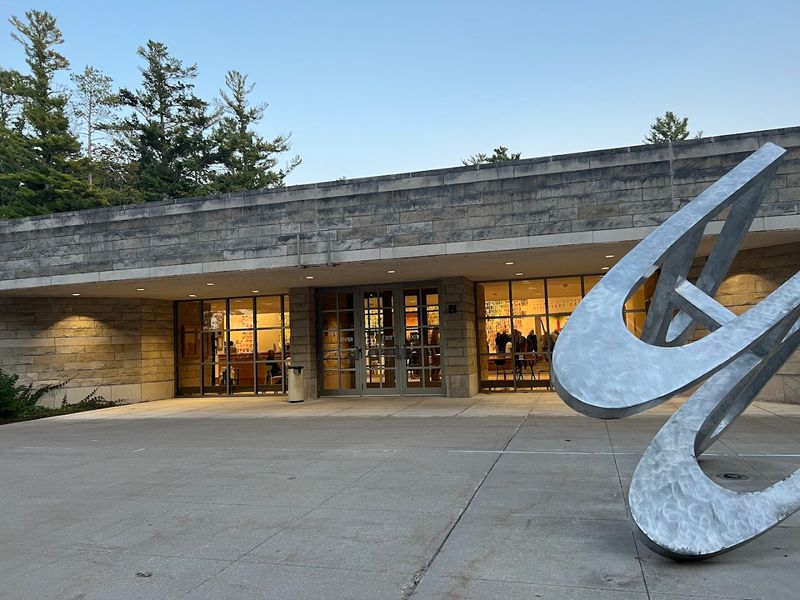
Right in the middle of it all sits the Dennos Museum Center, a cultural gem attached to Northwestern Michigan College that punches well above its weight.
The museum is best known for its extraordinary collection of Inuit art — one of the largest and most significant collections of its kind in the United States. The works, many created by Indigenous artists from Arctic Canada, range from intricate prints to powerful sculptures that offer a window into a culture and worldview that most visitors have never encountered before.
It’s the kind of collection that stops you in your tracks and makes you reconsider what you thought you knew about art history.
Beyond the Inuit galleries, the Dennos features rotating contemporary exhibitions, a hands-on Discovery Gallery designed for families, and a performance hall that hosts music, theater, and community events throughout the year. The museum’s location on the NMC campus gives it a lively, intellectually curious atmosphere that feels energizing rather than stuffy.
May visitors can easily combine a trip to the Dennos with exploring Traverse City’s booming food and drink scene — the city has become a legitimate culinary destination in recent years, with excellent restaurants, breweries, and wineries all within easy reach. Admission is affordable, and the combination of world-class Indigenous art and rotating contemporary exhibitions makes this a must-visit on any northern Michigan road trip.
Don’t sleep on this one — it’s far better than most people expect.
13. Muskegon Museum of Art, Muskegon
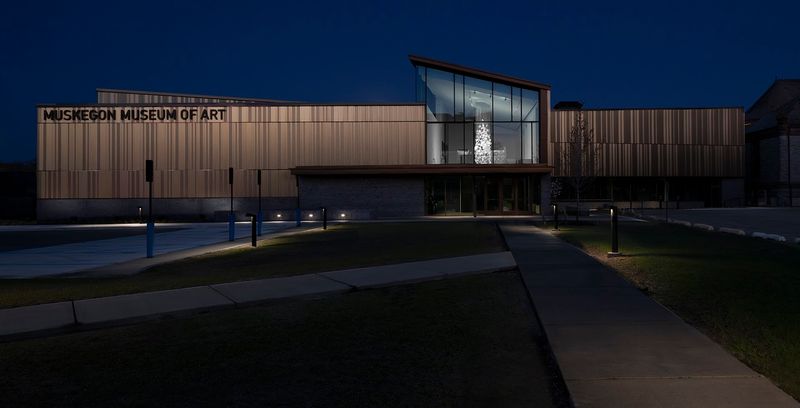
Muskegon doesn’t always top people’s Michigan road trip lists, but maybe it should. The Muskegon Museum of Art is a genuinely outstanding institution — one that consistently surprises visitors who wander in without high expectations and leave thoroughly impressed.
Founded in 1912, it’s one of the oldest and most respected art museums in the state, and its collection reflects over a century of thoughtful, passionate collecting.
The permanent collection here includes American and European paintings, works on paper, photography, and glass art. The Midwest Prints and Drawings collection is particularly notable, offering an in-depth look at printmaking traditions that rarely get this kind of dedicated attention.
The museum’s holdings of American Impressionism are also worth seeking out — there are works here by artists you’d recognize from major national institutions, which is a pleasant surprise for a regional museum.
May is a great time to visit Muskegon because the lakeside city is shaking off winter and coming alive again. After the museum, you can head over to Muskegon Lake or Pere Marquette Beach for some of the best waterfront scenery in the Lower Peninsula.
The museum itself is located in a beautiful historic building downtown, and the surrounding neighborhood has been seeing steady revitalization in recent years. Admission is free, which makes the MMA one of the most accessible quality art experiences in West Michigan.
The staff and volunteers are known for being warm and genuinely enthusiastic about sharing the collection with visitors. If you’re building a West Michigan museum crawl — and May is the perfect time to do exactly that — Muskegon deserves a firm spot on the route.
You’ll be glad you made the stop.
14. Grand Rapids Art Museum, Grand Rapids

Grand Rapids has quietly become one of the Midwest’s most exciting art cities, and the Grand Rapids Art Museum — GRAM — sits at the center of that reputation. Located in a LEED-certified building in the heart of downtown, the museum is as notable for its architecture as it is for what’s inside.
When it opened its current home in 2007, it became the first new museum building in the United States to earn LEED Gold certification — a fact that reflects the institution’s forward-thinking values.
The permanent collection spans five centuries of art, with particular strengths in prints, drawings, and design. The museum’s dedication to design as a fine art discipline sets it apart from many of its peers and connects naturally to Grand Rapids’ long history as a center of furniture design and manufacturing.
Rotating exhibitions bring in major works from around the country and the world, keeping the programming dynamic and worth returning to season after season.
May is prime time to visit GRAM because downtown Grand Rapids is electric in spring. ArtPrize — the city’s famous international art competition — happens in the fall, but the museum’s spring programming is consistently strong and far less crowded.
After your visit, you’re perfectly positioned to explore the city’s thriving restaurant row along Monroe Center, grab a beer at one of the many local breweries, or stroll along the Grand River just a few blocks away. The museum is also conveniently close to the Grand Rapids Public Museum and Frederik Meijer Gardens, making it easy to build a full cultural itinerary around a single visit to the city.
GRAM is the kind of place that rewards curiosity — show up open-minded and leave genuinely moved.
Share this story