Michigan is surrounded by the Great Lakes, and tucked within those massive bodies of water are some of the most stunning islands you’ll ever see. From wild, untouched wilderness to charming villages frozen in time, these islands feel like they belong in a storybook.
Whether you’re into hiking, history, or just escaping the noise of everyday life, Michigan’s islands have something that’ll stop you in your tracks. Pack a bag, because these eight spots are about to completely change how you think about the Great Lakes State.
1. South Manitou Island
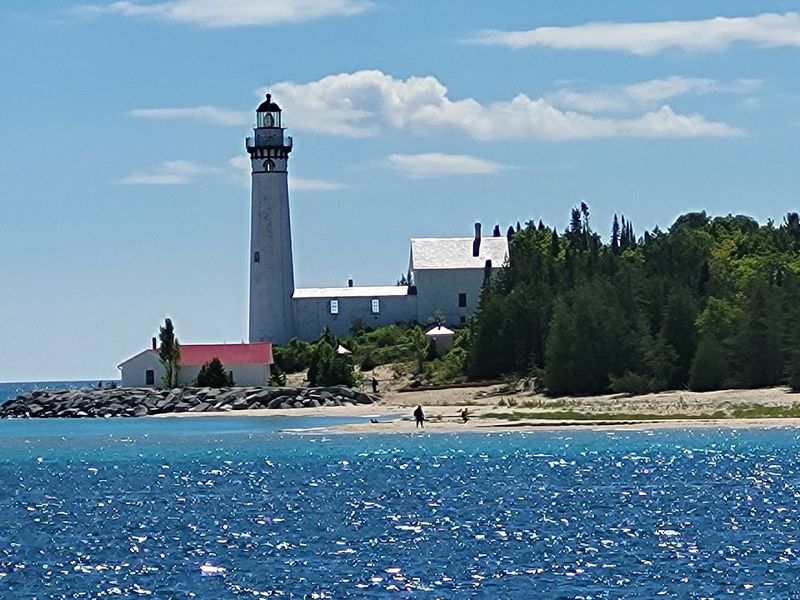
Step onto South Manitou Island and you’ll immediately feel like the rest of the world just hit the mute button. Accessible only by ferry from Leland, this remote gem sits in the northern reaches of Lake Michigan and is part of Sleeping Bear Dunes National Lakeshore.
There are no stores, no hotels, and no Wi-Fi — and honestly, that’s the whole point.
The island is home to one of the most photographed lighthouses in the state, a towering white structure that has guided ships through the Manitou Passage since the 1800s. You can climb it on ranger-led tours during summer months for a sweeping view of the lake that genuinely takes your breath away.
The wreck of the Francisco Morazan, a cargo ship that ran aground in 1960, sticks out of the shallow water near the south shore and draws curious visitors every season.
Hikers will love the trails that wind through ancient white cedar forests, where some trees are believed to be over 500 years old. The Valley of the Giants, a grove of massive cedars, feels more like a cathedral than a forest.
Camping is available in three designated areas, and falling asleep to the sound of Lake Michigan waves is an experience that doesn’t get old.
Wildlife sightings are common here — white-tailed deer roam freely, and bald eagles are frequently spotted overhead. The island has no permanent residents, so nature runs the show.
If you’re the kind of traveler who wants to feel genuinely small in the best possible way, South Manitou Island delivers that feeling better than almost anywhere else in Michigan.
2. Drummond Island
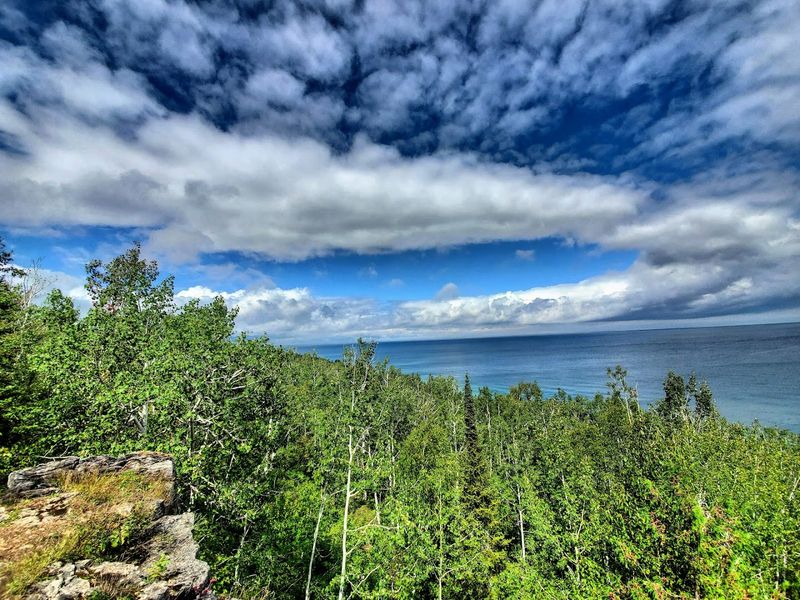
Drummond Island doesn’t try to impress you — it just does. Sitting at the eastern end of the Upper Peninsula where Lake Huron meets the St. Marys River, this island is the largest freshwater island in the United States that’s accessible by car ferry.
And once you get there, leaving feels like a genuinely bad idea.
The landscape here is raw and rugged in a way that feels authentically Michigan. Limestone formations jut out along the shoreline, and the water takes on colors that seem more Caribbean than Great Lakes.
Kayakers absolutely love paddling the coastline, especially around the smaller surrounding islands that dot the area like scattered puzzle pieces. The fishing is legendary among locals — walleye, perch, and bass are pulled from these waters regularly.
Off-road enthusiasts have claimed Drummond Island as their own kind of paradise. The island has an extensive network of trails that wind through forests, wetlands, and rocky outcroppings, making it one of the best places in the Midwest for four-wheeling and trail riding.
The Drummond Island Resort and Conference Center offers comfortable lodging for those who want to explore without roughing it too hard.
What really sets Drummond apart from other Michigan islands is its sense of quiet authenticity. There’s no tourist trap energy here — just a small, tight-knit community that genuinely loves where they live.
The Drummond Island Historical Museum gives visitors a peek into the island’s rich past, including its Native American heritage and its role in the War of 1812. Come in fall when the colors are blazing and the crowds are gone, and you might just decide to stay longer than planned.
3. Charity Island
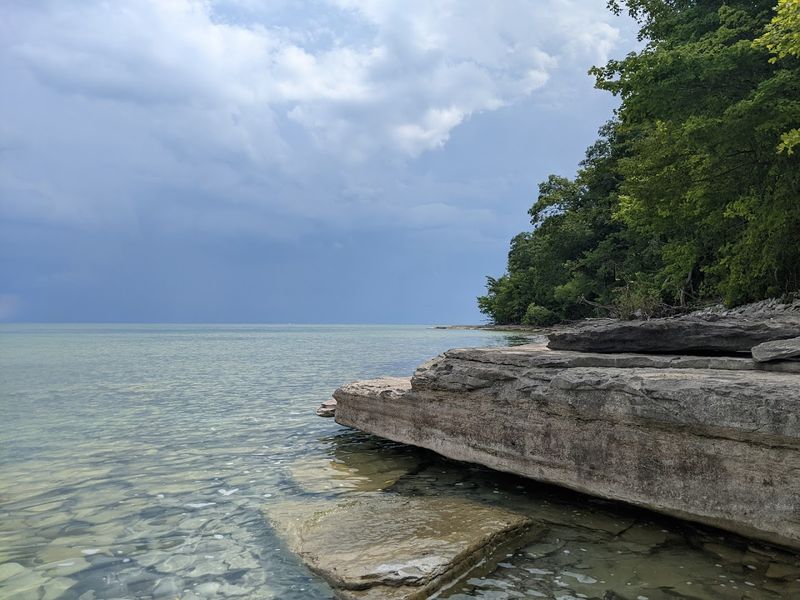
Most people have never heard of Charity Island, and that’s exactly what makes it so special. Perched in the middle of Saginaw Bay on Lake Huron, this small island carries a big history and an even bigger sense of peaceful isolation.
It’s the kind of place that feels like a secret you want to keep — but also can’t help telling everyone about.
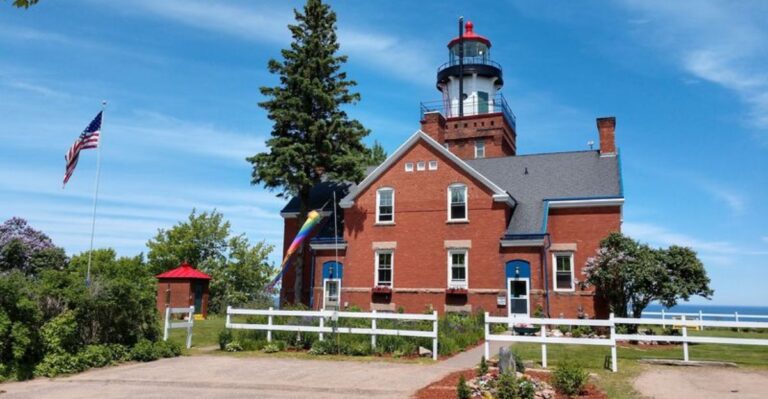
The island’s most iconic landmark is its lighthouse, which dates back to 1857. Big Charity Island Light stands as one of the oldest surviving lighthouses on the Great Lakes, and its weathered brick exterior tells the story of every storm that’s rolled through Saginaw Bay.
Boat tours from the mainland bring visitors over during the warmer months, and guides share the island’s layered history with just the right amount of storytelling flair.
Charity Island is also a birder’s dream. The island sits along a major migratory flyway, meaning spring and fall bring an impressive variety of species passing through.
Shorebirds, warblers, and raptors have all been spotted here, making it a worthy detour for anyone with a pair of binoculars and a lot of patience. The forested interior adds to the habitat diversity, giving birds — and curious hikers — plenty to explore.
Because it’s not connected by ferry service like some of Michigan’s bigger islands, getting to Charity Island requires a bit more planning. Charter boats and private vessels make the trip possible, which naturally keeps the crowds thin.
That limited access is actually a feature, not a bug. Visitors who make the effort to get there are rewarded with a rare kind of stillness that’s increasingly hard to find anywhere near a Great Lake in summer.
4. Bois Blanc Island
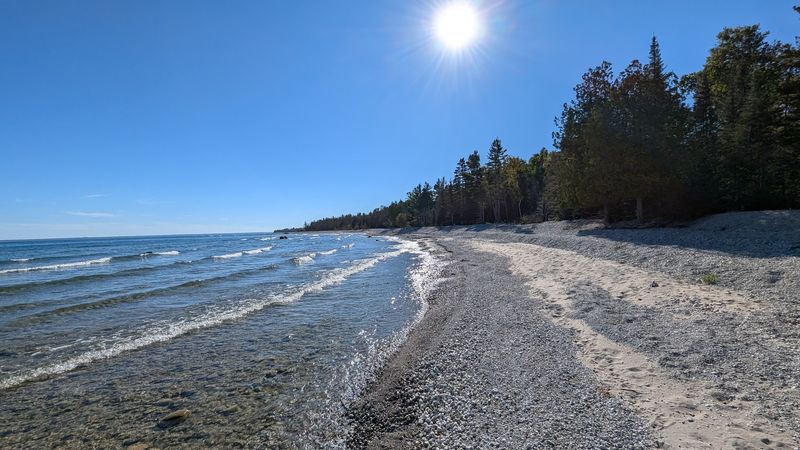
Bois Blanc Island — pronounced “Bob-lo” by locals, which immediately tells you something about how laid-back this place is — sits just south of Mackinac Island in Lake Huron, and it could not be more different from its famous neighbor. Where Mackinac buzzes with tourists and fudge shops, Bois Blanc is all pine trees, gravel roads, and the kind of quiet that actually makes you exhale.
The island is accessible by ferry from Cheboygan, and most of the roughly 500 year-round residents have chosen this life very intentionally. There’s a small general store, a handful of seasonal cottages, and not much else in terms of commercial development.
That minimalist setup is a massive draw for people who want a genuine escape rather than a packaged one. Cell service is spotty, and somehow that feels like a gift.
Outdoor recreation is the main event on Bois Blanc. The island has miles of trails and two-track roads perfect for mountain biking, hiking, and snowshoeing in winter.
Fishing in the surrounding waters is excellent, and the island’s inland lakes offer calm paddling for canoes and kayaks. Hunters also visit in fall, as the island has healthy populations of white-tailed deer.
There’s a lighthouse on the northeastern tip of the island — the Bois Blanc Island Lighthouse — that dates back to 1829, making it one of the oldest lighthouse sites on Lake Huron. The current structure isn’t open to the public, but it’s visible from the water and adds a historic anchor to the island’s atmosphere.
Bois Blanc isn’t trying to compete with anyone, and that confidence is exactly what makes it worth the trip.
5. Grand Island
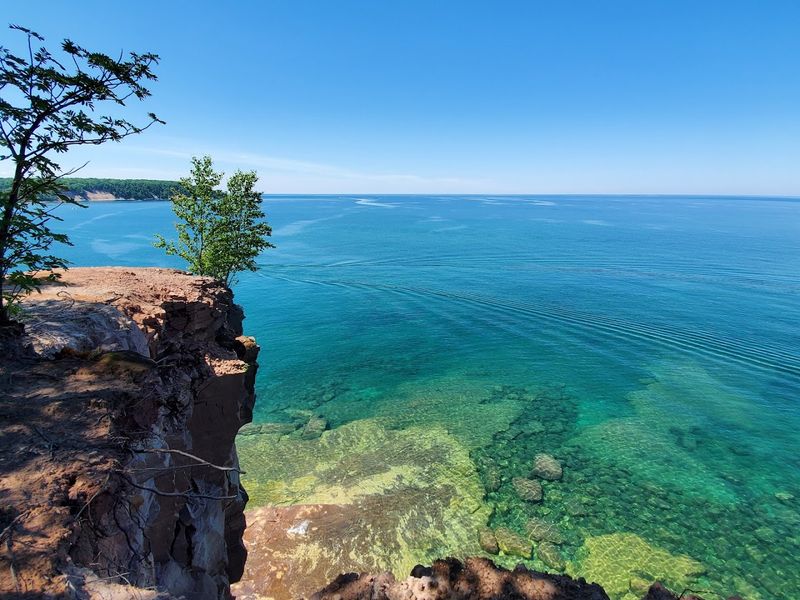
Just a short ferry ride from Munising sits Grand Island, a place so visually dramatic it looks like someone designed it specifically to make photographers cry happy tears. Towering sandstone cliffs, crystal-clear Lake Superior water, and miles of undeveloped shoreline make this one of the most photogenic spots in the entire Upper Peninsula — which is already saying a lot.
Grand Island is managed by the Hiawatha National Forest and is largely undeveloped, which means your experience here is shaped by how much you’re willing to explore. The island has roughly 40 miles of trails and roads that wind past old-growth forests, inland lakes, and stunning overlooks.
The North Rim cliffs are a particular highlight — standing at the edge and looking out over Lake Superior feels genuinely cinematic.
History adds another layer to Grand Island’s appeal. The island was once home to a thriving community, and remnants of that era are still visible in the form of an old cemetery, a historic lighthouse, and the weathered foundations of former homesteads.
The Grand Island East Channel Lighthouse, a wooden structure dating back to 1870, is one of the most distinctive lighthouses in the state and sits at the southern tip of the island.
Camping is available on Grand Island, and spending the night here means waking up to Lake Superior sunrises that don’t need any filter. Mountain biking is popular on the island’s dirt roads, and kayaking around the coastline lets you see the sandstone formations up close in a way that hiking simply can’t match.
Grand Island is the kind of place that turns a weekend trip into a story you’ll still be telling five years later.
6. Mackinac Island
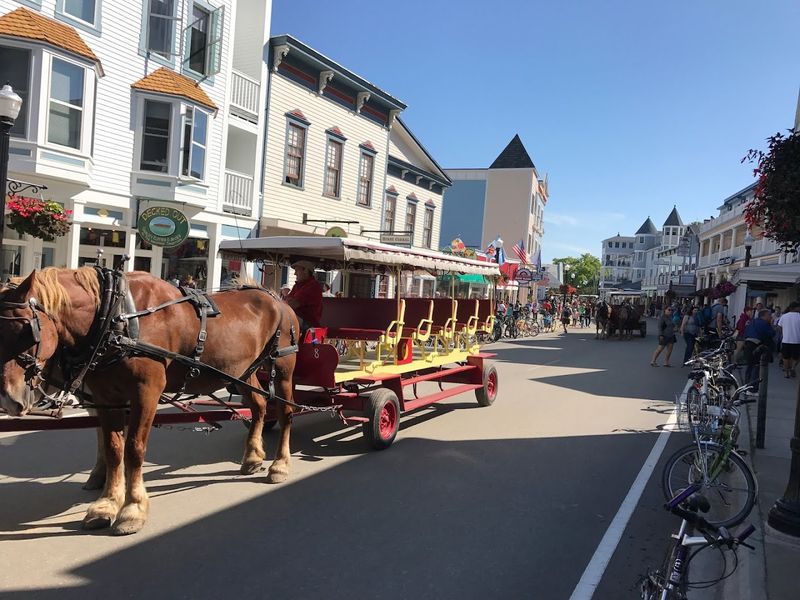
No cars. Horse-drawn carriages rolling down streets lined with Victorian-era buildings.
Fudge so good it has its own fan base. Mackinac Island operates on a completely different frequency than the rest of Michigan, and that’s been true for well over a century.
Located in the Straits of Mackinac where Lake Huron meets Lake Michigan, this island is one of the most visited destinations in the entire Midwest — and it earns every bit of that reputation.
The ban on motor vehicles, which has been in place since the 1890s, gives Mackinac Island a pace of life that feels genuinely restorative. You get around by bike, on foot, or by horse-drawn carriage, and the absence of engine noise makes the whole place feel like a living museum that also happens to serve excellent food.
The famous Grand Hotel, with its 660-foot front porch — the longest in the world — has been welcoming guests since 1887 and remains one of the most iconic buildings in the state.
Fort Mackinac, perched on a limestone bluff overlooking the harbor, brings the island’s history to life through reenactments, cannon firings, and well-curated exhibits. The fort played a role in both the Revolutionary War and the War of 1812, and the costumed interpreters make the stories feel immediate rather than dusty.
History here doesn’t feel like homework — it feels like entertainment.
Beyond the fudge shops and carriage rides, Mackinac Island has 80% of its land protected as state parkland, which means the trails are spectacular and the natural scenery rivals anything you’ll find on a more rugged island. Arch Rock, a natural limestone arch towering 146 feet above Lake Huron, is worth the hike alone.
7. Isle Royale
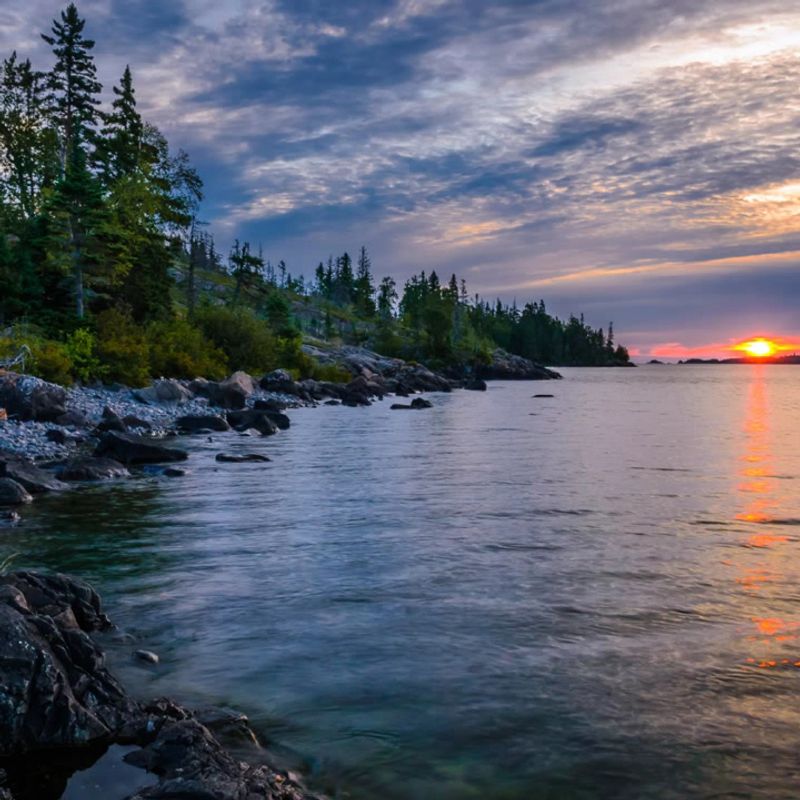
Isle Royale is not for the faint of heart — and that’s exactly the highest compliment you can give it. This remote archipelago in the northwestern corner of Lake Superior is Michigan’s only national park, and it holds the distinction of being one of the least-visited national parks in the entire country.
Getting there requires a ferry ride of several hours or a seaplane flight, and there are no roads connecting it to the mainland. Ever.
What you get in exchange for that effort is something genuinely rare: a wilderness experience that feels untouched. The island is home to a well-studied wolf and moose population that has been monitored by researchers for decades, making it one of the most important ecological research sites in North America.
Spotting a moose in the wild here isn’t a lucky accident — it’s practically expected if you spend a few days on the trails.
The hiking on Isle Royale is world-class. The Greenstone Ridge Trail runs the length of the island — about 40 miles — and offers sweeping views of Lake Superior and the surrounding island chain.
Backpackers treat this trail as a bucket-list challenge, and the reward at the end is a sense of accomplishment that’s hard to replicate anywhere else in the Midwest. Paddlers love the island’s coves and inland lakes, which are accessible by canoe or kayak.
Isle Royale closes entirely from November through mid-April, which only adds to its mystique. The park sees fewer than 30,000 visitors per year — compare that to Yellowstone’s millions — so solitude is essentially guaranteed.
Stargazing here is extraordinary thanks to the near-total absence of light pollution. Isle Royale doesn’t just feel remote; it redefines what remote actually means.
8. Beaver Island
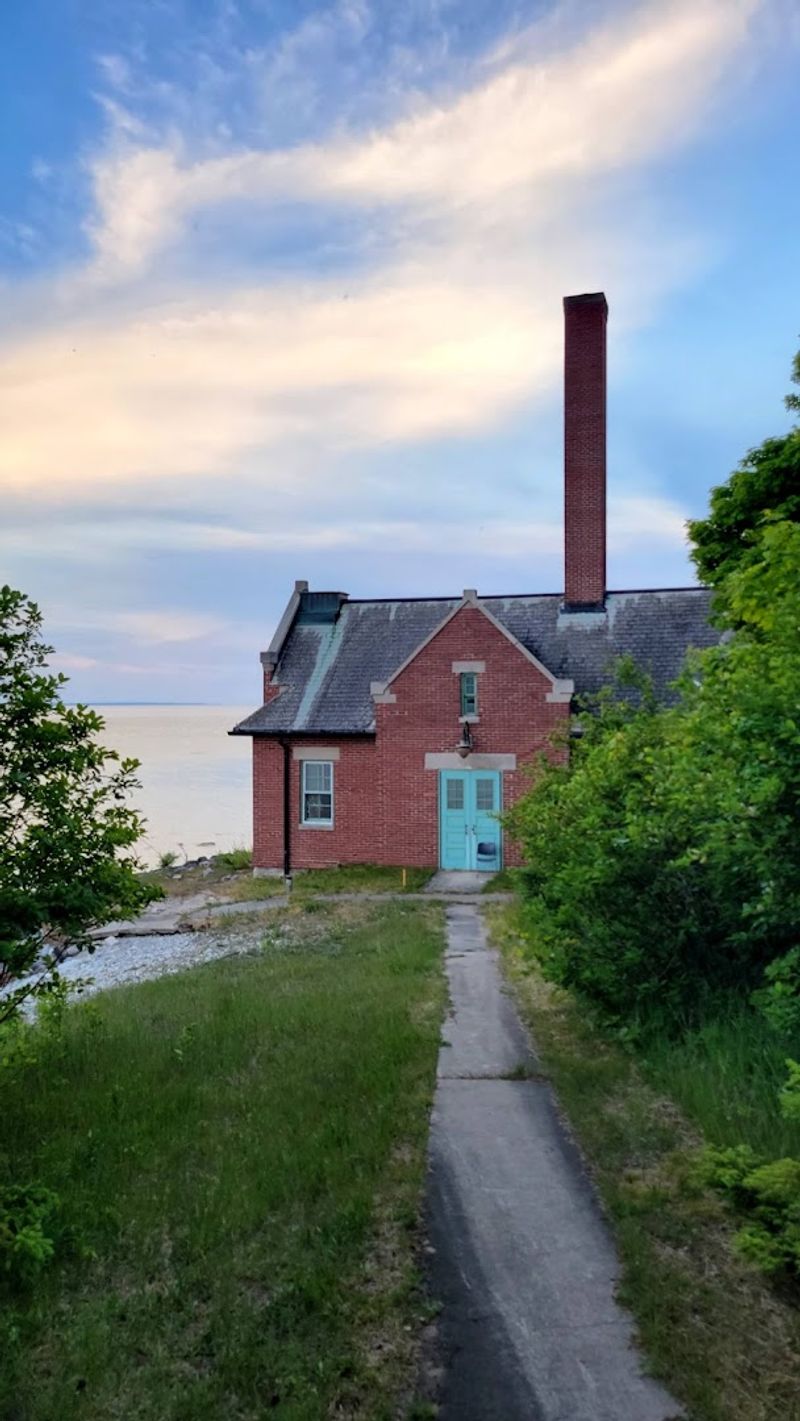
Beaver Island has one of the strangest and most entertaining backstories of any island in the country. In the 1850s, a self-proclaimed king named James Strang led a Mormon splinter group to the island and declared himself ruler — complete with a crown and a throne.
His reign ended when two disgruntled subjects shot him, and the islanders eventually expelled his followers. That’s not a legend; that actually happened.
Welcome to Beaver Island.
Today, the island has traded its royal drama for a quieter kind of charm. Located about 32 miles from Charlevoix in northern Lake Michigan, Beaver Island is home to around 650 year-round residents and a thriving summer community.
A ferry from Charlevoix makes the roughly two-hour crossing, and a small airport also serves the island. The main village of St. James has a handful of restaurants, shops, and the kind of unhurried atmosphere that makes an afternoon feel twice as long in the best way.
The natural side of Beaver Island is seriously impressive. The island has miles of undeveloped shoreline, several inland lakes perfect for swimming and fishing, and forests that are ideal for hiking and mountain biking.
The Beaver Island Birding Trail draws serious birders from across the region, especially during spring migration when the island becomes a stopover for dozens of species.
Two lighthouses stand watch on the island — the Beaver Island Light and the St. James Harbor Light — both of which add to the island’s scenic and historical texture. The Beaver Island Historical Society runs a pair of small museums that cover everything from the island’s Native American roots to the wild Strang era.
Beaver Island is proof that the best travel stories come from places with the most unexpected histories.
Share this story