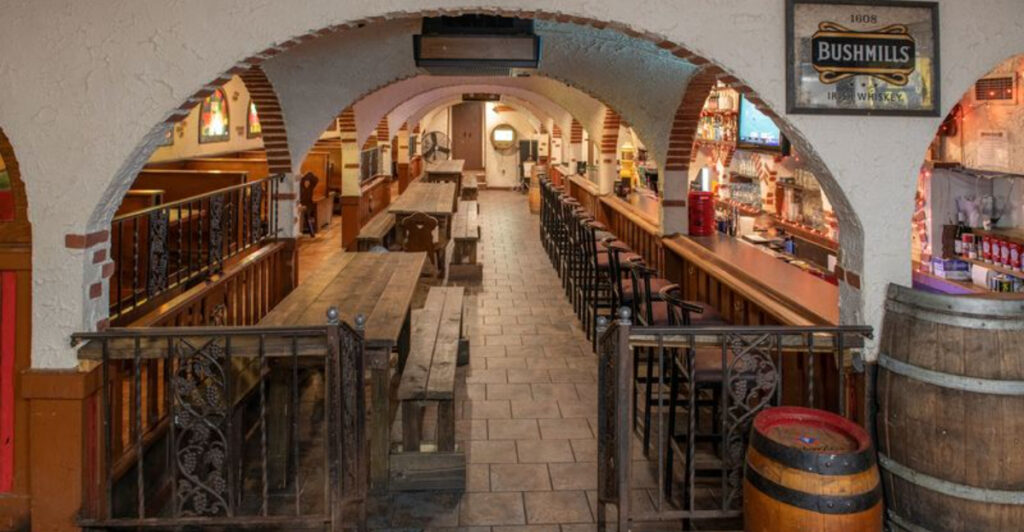
Michigan has a surprisingly rich German heritage, and the food scene reflects that in the most delicious ways possible. From old-school Detroit institutions to charming Bavarian villages tucked into small towns, the state is packed with spots serving up schnitzel, bratwurst, pretzels, and cold steins of beer.
Whether you’re craving a slow-roasted pork knuckle or just want a warm, cozy atmosphere that feels like a trip to Bavaria without the passport, Michigan has you covered. Here are the 13 best German and Bavarian-inspired restaurants worth making a trip for.
1. Jacoby’s
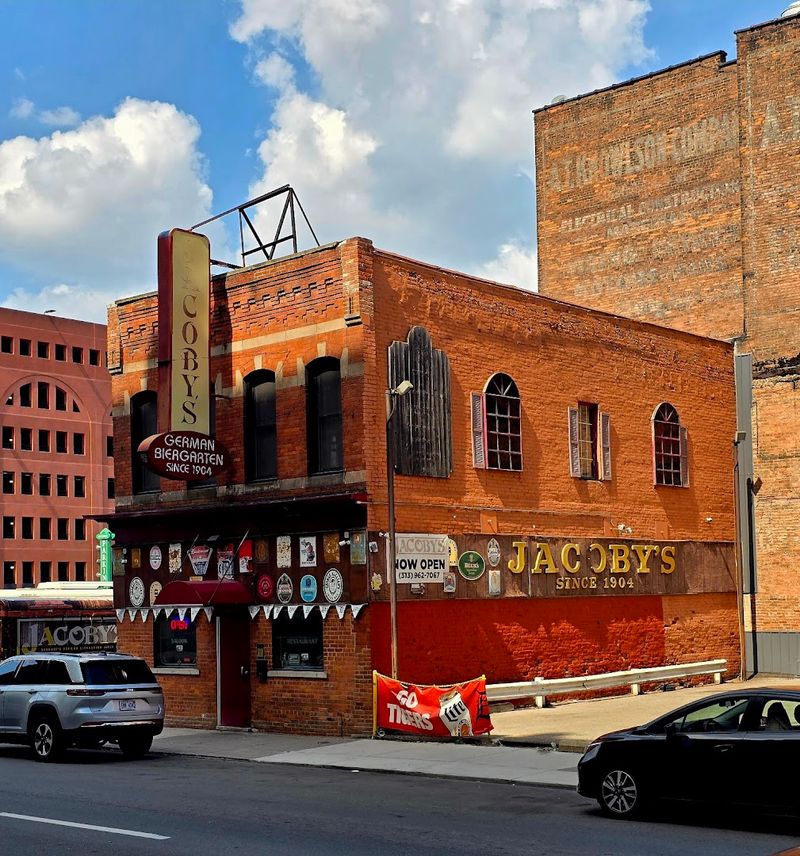
Detroit’s oldest operating bar carries the kind of weight that makes you want to slow down and order another round. Jacoby’s has been a fixture in the city since the late 1800s, and walking through its doors feels like stepping into a piece of living history.
The dark wood interior, the worn bar stools, and the old-world charm are all part of the package.
The menu leans hard into German classics — think hearty bratwurst, tangy sauerkraut, and warm pretzels that pair perfectly with a cold German lager. The food is straightforward and honest, the kind of cooking that doesn’t need a fancy presentation to impress.
Portions are generous, and the flavors are bold without being over-the-top.
What keeps locals coming back isn’t just the food — it’s the atmosphere. Jacoby’s has the kind of energy that makes strangers feel like regulars.
The bar staff knows their stuff, and the beer selection leans toward German imports and craft options that complement the menu well.
Sitting at the bar on a weekday afternoon, surrounded by Detroit history and a plate of grilled sausage, is honestly one of the city’s most underrated experiences. Jacoby’s doesn’t try too hard to be cool — it just is.
If you’re a first-timer, order the bratwurst plate and a German pilsner, find a spot at the bar, and let the place do the rest. It’s the kind of restaurant that reminds you why old-school spots matter in a city that’s always changing.
A true Detroit original that deserves every bit of its legendary reputation among local food lovers.
2. Zehnder’s of Frankenmuth
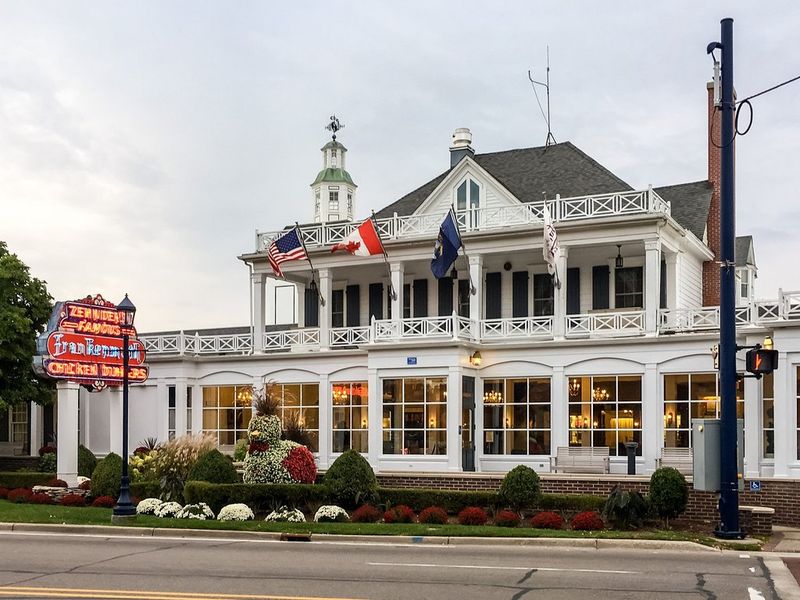
Frankenmuth is basically Michigan’s little slice of Bavaria, and Zehnder’s is the crown jewel of the whole town. This iconic restaurant has been feeding families since 1856, and it shows — not in a tired way, but in the way a beloved institution earns its reputation meal after meal, decade after decade.
The menu is famous for its all-you-can-eat chicken dinners, but the German-inspired sides steal the show for a lot of regulars. Buttered egg noodles, creamy coleslaw, and warm bread served family-style make every meal feel like a celebration.
The dining rooms are grand in scale but warm in feeling, with Bavarian decor that leans into the town’s heritage without feeling like a theme park.
Zehnder’s is the kind of place where three generations of a Michigan family might sit down at the same table and all leave happy. Kids love the comfort of the familiar food, adults appreciate the quality and consistency, and grandparents get a little nostalgic for the old days.
That cross-generational appeal is genuinely rare and hard to manufacture.
Frankenmuth itself is worth the drive from anywhere in the Lower Peninsula — the town is charming, walkable, and packed with German-inspired shops and attractions. But Zehnder’s is the main event.
Make a reservation on weekends because the wait can be long, and don’t skip dessert. The homemade pies are a serious contender for the best in the state.
Whether you’re on a road trip or planning a dedicated food pilgrimage, Zehnder’s earns its spot on every Michigan bucket list without breaking a sweat.
3. Bierkeller Tavern & Eatery
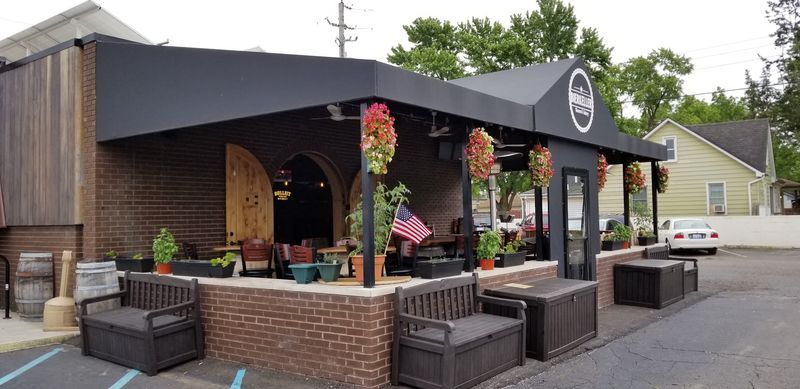
Underground vibes and above-average food — that’s the short version of what Bierkeller Tavern & Eatery brings to the table. The name literally means “beer cellar” in German, and the atmosphere leans fully into that concept with a moody, cave-like setting that makes every visit feel like a little escape from the ordinary.
The menu is built around German pub classics done with real care. Soft pretzels with whole-grain mustard, crispy schnitzel, and rich, slow-cooked dishes anchor the food side of things.
The kitchen doesn’t cut corners, and you can taste the difference between food that’s been thoughtfully prepared versus thrown together. That attention to detail is what separates a good German restaurant from a great one.
The beer list is where things get especially interesting. The tap selection rotates and leans toward German-style lagers, hefeweizens, and dark bocks that pair beautifully with the food.
The staff is knowledgeable about pairings without being snobby about it, which makes the whole experience accessible whether you’re a craft beer enthusiast or just someone who wants a cold one with dinner.
Bierkeller draws a crowd that’s equal parts food nerds, after-work regulars, and couples looking for somewhere with actual personality. The noise level is lively but not overwhelming, and the booth seating gives you enough privacy to actually have a conversation.
Weekend evenings can fill up fast, so arriving early or calling ahead is a smart move. If you want a German dining experience that feels modern and rooted in tradition at the same time, Bierkeller Tavern & Eatery hits that balance better than most spots in the state.
4. Heidelberg Restaurant & Bar
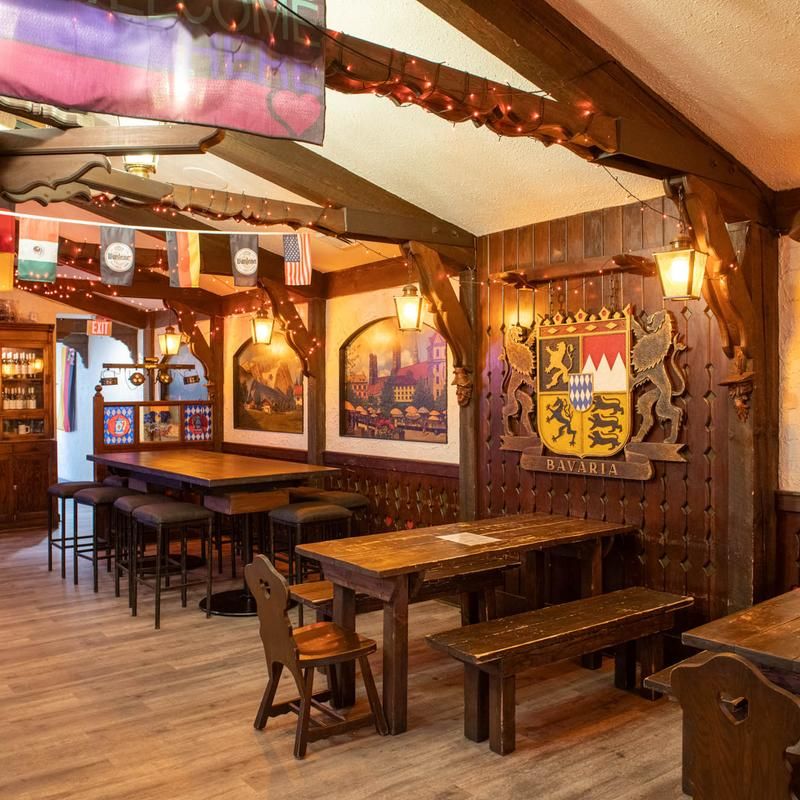
Named after one of Germany’s most romantic cities, Heidelberg Restaurant & Bar brings a certain old-world elegance to the Michigan dining scene that’s hard to replicate. The decor nods to traditional German culture — think carved wood accents, regional artwork, and the kind of warm lighting that makes everyone look good and every meal feel special.
Sauerbraten is the dish that keeps regulars coming back here. The slow-marinated pot roast served with red cabbage and potato dumplings is the kind of meal that takes patience to make right, and Heidelberg’s version is a textbook example of how German comfort food should taste.
It’s rich, deeply savory, and complex in flavor without being heavy-handed.
The bar program is equally impressive, with a solid lineup of German imports alongside locally brewed options that pair well with the menu. The staff has clearly been trained to recommend pairings, and their suggestions are consistently spot-on.
A dunkel with the sauerbraten or a crisp pilsner with the schnitzel are combinations worth trying on your first visit.
Heidelberg attracts a mix of longtime locals who’ve been coming for years and curious newcomers who stumbled in and never looked back. The restaurant carries a sense of pride in what it serves, and that energy translates into a dining room that feels genuinely welcoming rather than performatively warm.
Dress is casual-to-smart casual, and the vibe works equally well for a date night or a family dinner. Whatever brings you through the door, the food will be the reason you come back.
Heidelberg is the real deal, no gimmicks needed.
5. Küsterer Brauhaus
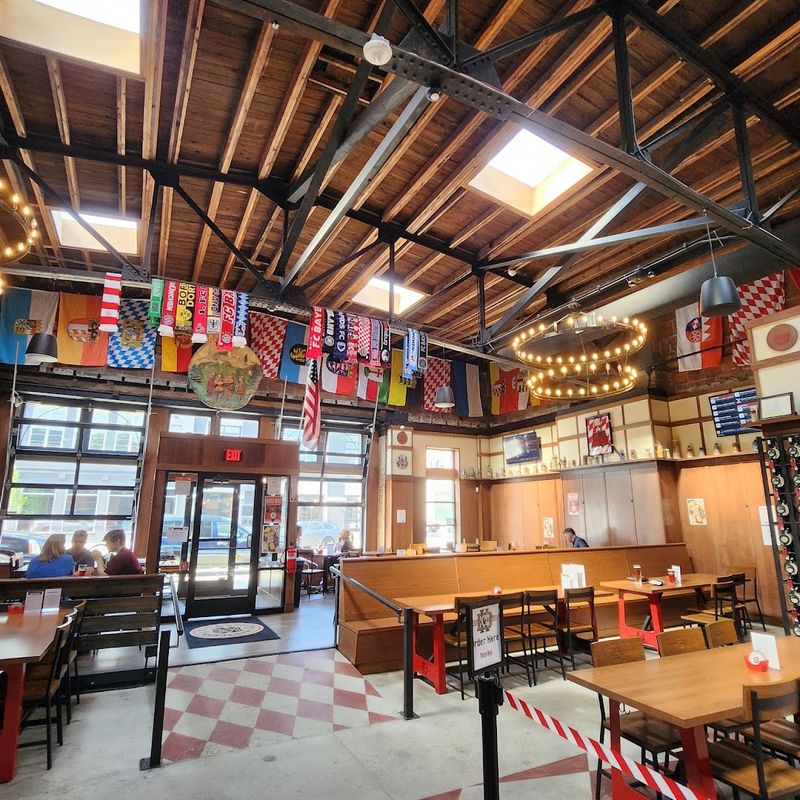
There’s something deeply satisfying about eating great German food while watching the beer being brewed just a few feet away. Küsterer Brauhaus leans into the brewery-restaurant concept with serious conviction, offering house-brewed beers that are crafted to complement the food menu rather than just exist alongside it.
The integration of the two is what makes this place stand apart.
The brewing program draws inspiration from traditional German styles — hefeweizens, märzens, and dunkel lagers that taste like they belong in a Munich beer hall. Each batch is brewed with an eye toward balance and drinkability, which means you can have a couple over the course of a long meal without feeling overwhelmed.
That approachability is part of the charm.
On the food side, the kitchen keeps things rooted in German tradition while leaving room for seasonal creativity. Sausage boards, house-made mustards, and slow-roasted meats form the backbone of the menu.
The pretzel bread served at the start of the meal sets a high standard, and the kitchen manages to meet it consistently throughout. Nothing on the menu feels like an afterthought.
The space itself has that open, communal brewery feel — long tables, exposed industrial elements, and the hum of a busy kitchen creating a backdrop that’s energetic without being chaotic. Groups do particularly well here because the communal seating and shareable dishes make it easy to order a spread and dig in together.
Solo diners and couples are just as welcome at the bar, where the brewing staff often chats about what’s on tap. Küsterer Brauhaus is a must-visit for anyone who takes both beer and food seriously in equal measure.
6. Dakota Inn
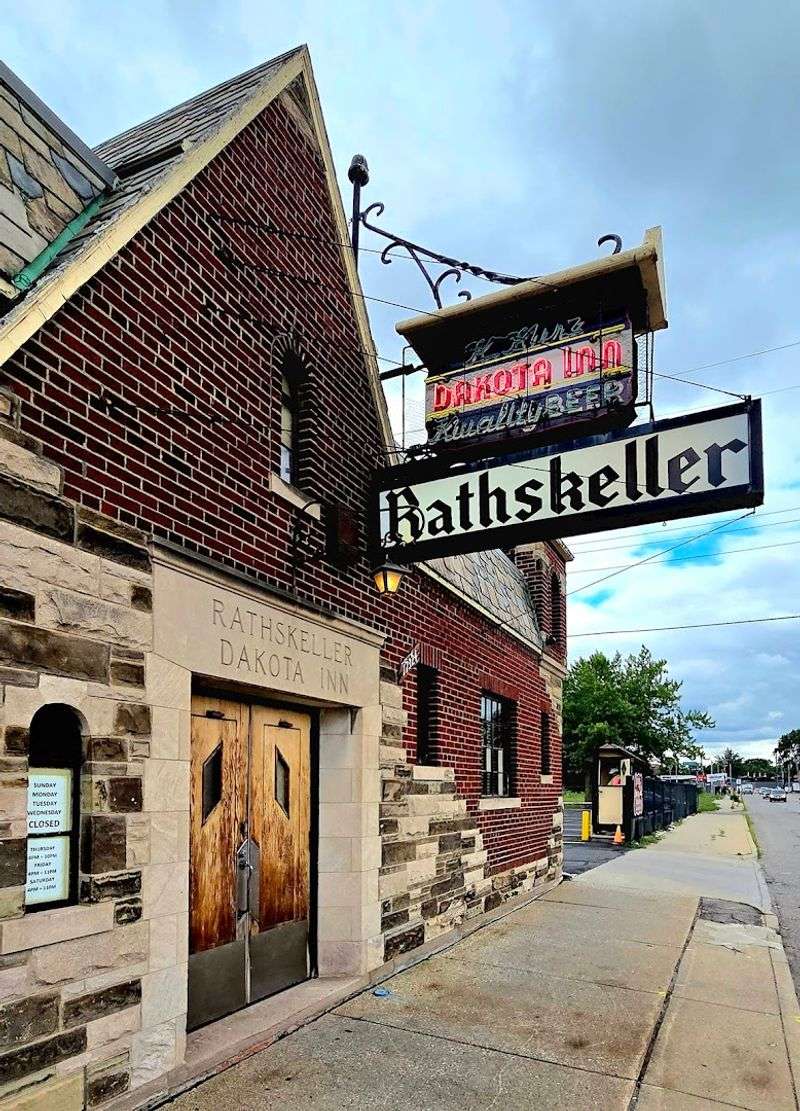
Since 1933, the Dakota Inn has been holding down a corner of Detroit with a stubbornness that’s earned nothing but respect. Originally opened by German immigrant Karl Kurz, the restaurant has remained in family hands for generations, and that continuity shows in every detail — from the hand-painted murals to the accordion music that fills the dining room on weekends.
The food menu reads like a love letter to old Bavaria. Knockwurst, liver dumpling soup, beef rouladen, and house-made spaetzle are all on the rotation, and the recipes haven’t been “modernized” for the sake of trend-chasing.
That commitment to authenticity is increasingly rare, and at the Dakota Inn it feels like a point of genuine pride rather than stubbornness.
Live German music is a defining feature of the experience here. On certain nights, the accordion comes out and the whole room shifts into something that feels closer to a neighborhood gathering than a restaurant service.
Regulars know the songs, newcomers pick up the energy quickly, and by the end of the night, everyone feels like they’ve been part of something special.
The Dakota Inn is the kind of place that gets more valuable as time passes. In a city that has seen countless restaurants come and go, this one endures because it offers something real — a connection to a community, a culture, and a culinary tradition that deserves to be celebrated.
First-timers should arrive hungry and with no particular rush. The Dakota Inn rewards patience and a willingness to linger over a stein and a plate of rouladen.
It’s one of Michigan’s most irreplaceable dining experiences, full stop.
7. Alpino Detroit
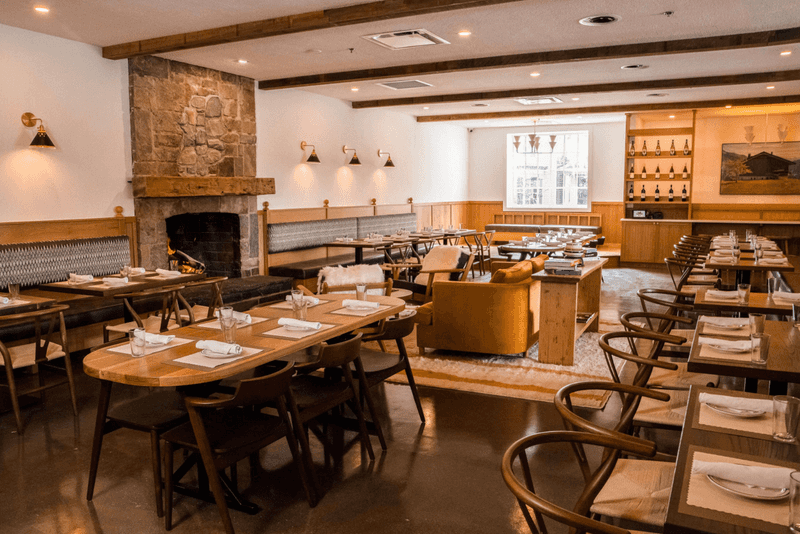
Alpino Detroit takes the mountain lodge aesthetic and runs with it in the best possible way. The interior channels the spirit of the German and Austrian Alps — think reclaimed wood, warm amber lighting, and an overall vibe that makes you want to order a stein and stay for hours.
It’s cozy in a way that feels intentional rather than forced.
The menu bridges the gap between traditional Alpine German cooking and modern Detroit food culture, which is a tricky balance to strike. Alpino pulls it off by keeping the foundations firmly rooted in European tradition — schnitzels, wursts, and hearty stews — while using locally sourced ingredients that give the food a distinctly Michigan character.
It’s a smart approach that honors both worlds.
The beer and cocktail program is equally thoughtful. German lagers and wheat beers share tap space with Michigan craft offerings, and the cocktail list features Alpine-inspired drinks that use herbs, bitters, and spirits in clever, approachable ways.
The drinks menu feels like it was designed by someone who actually loves what they’re pouring, not just filling space on a list.
Detroit’s dining scene has no shortage of ambitious restaurants, but Alpino earns its place by delivering on the promise of its concept consistently. The service is engaged without being hovery, the noise level is lively but conversation-friendly, and the food arrives at the table looking and tasting like it was made with actual care.
Weekend brunch has developed a loyal following as well, offering a German-inflected take on morning comfort food that’s worth setting an alarm for. Alpino is a newer addition to Detroit’s dining landscape that already feels like it’s been there forever.
8. Metzger’s
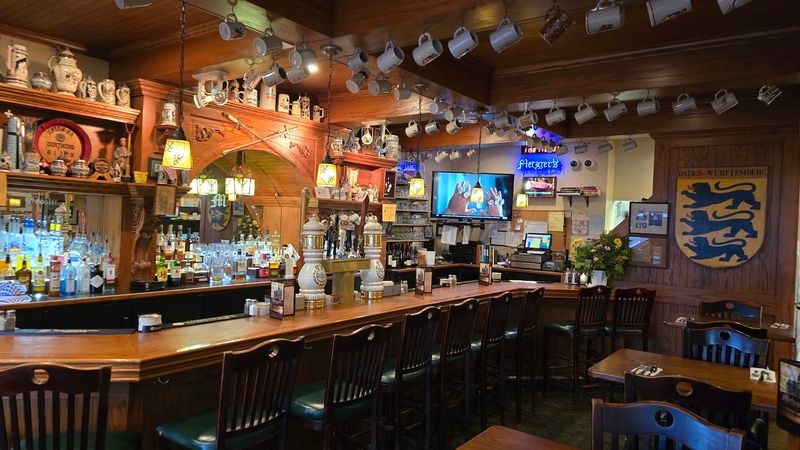
Ann Arbor’s love affair with Metzger’s goes back to 1928, making it one of the oldest German restaurants in the entire state. The restaurant has fed generations of University of Michigan students, faculty, and locals over the decades, and it carries that legacy with a quiet confidence that only comes from nearly a century of doing things right.
The Wiener schnitzel here is the stuff of local legend. Pounded thin, breaded perfectly, and fried to a golden crisp, it’s served with a wedge of lemon and a side that lets the quality of the main dish shine.
Simple execution of a classic dish is harder than it sounds, and Metzger’s makes it look effortless. That’s the mark of a kitchen that’s had a lot of practice.
Beyond the schnitzel, the menu covers all the German classics with the same level of care. Sauerbraten, bratwurst, red cabbage, and potato pancakes all have their devoted fans among the regulars.
The soup of the day is worth asking about — the kitchen rotates through traditional German recipes that change with the seasons and often reflect what’s freshest.
The atmosphere at Metzger’s is warm and a little nostalgic, with Bavarian decor that feels earned rather than decorative. The dining room fills up on football weekends and stays busy year-round, which speaks to the restaurant’s standing in the community.
Service is friendly and unhurried, which fits perfectly with the kind of long, leisurely meal the food is built for. Metzger’s is the rare restaurant where the reputation and the reality are perfectly aligned — and that’s saying something after nearly 100 years of service.
9. Irene’s Craft Kitchen + Biergarten
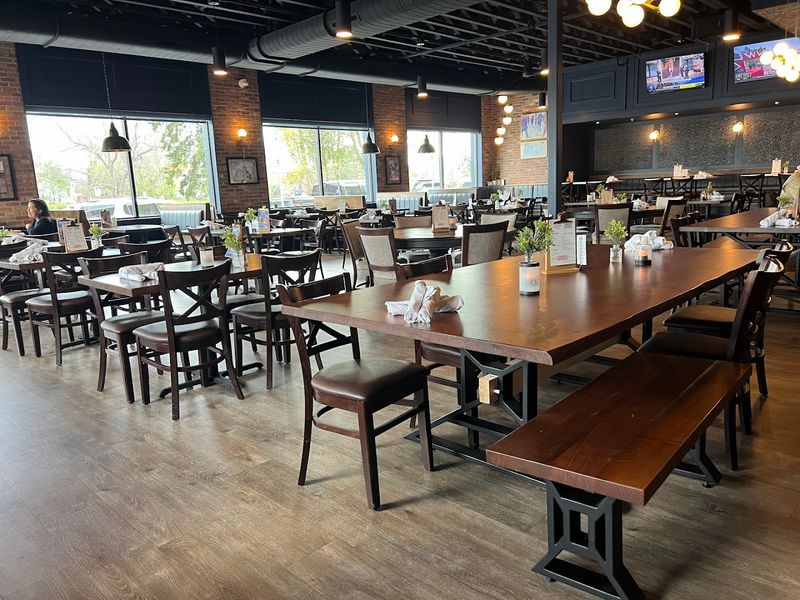
Few things in life match the pleasure of sitting outside on a warm Michigan evening with a cold stein in hand and a plate of good food on the table. Irene’s Craft Kitchen + Biergarten was built with exactly that experience in mind, and the outdoor biergarten space delivers it season after season.
String lights, communal tables, and a relaxed energy make this spot feel like a backyard party that anyone can join.
The kitchen leans into German-inspired craft cooking with a menu that balances crowd-pleasing staples with more adventurous options. The sausage selection is a highlight — house-made links with distinct seasoning profiles served alongside sharp mustards and housemade kraut that has real depth of flavor.
The pretzel board is another must-order, arriving warm and chewy with a variety of dipping options.
Craft beer is taken seriously here, with a rotating tap list that features both German-style brews and Michigan craft options. The staff is enthusiastic about the beer program and happy to guide you through the options based on your taste preferences.
That kind of knowledgeable, low-pressure service makes the whole experience more enjoyable for beer newcomers and enthusiasts alike.
Irene’s draws a younger crowd on weekends but maintains a welcoming atmosphere for all ages and groups. The indoor space is equally inviting when the weather doesn’t cooperate, with warm wood accents and a lively bar scene that keeps the energy up year-round.
Brunch service has become a popular draw, offering German-inspired morning dishes that pair surprisingly well with a mid-morning hefeweizen. Irene’s manages to feel both neighborhood-casual and genuinely special — a combination that’s harder to pull off than most restaurants make it look.
10. Schnitzelbank Biergarten
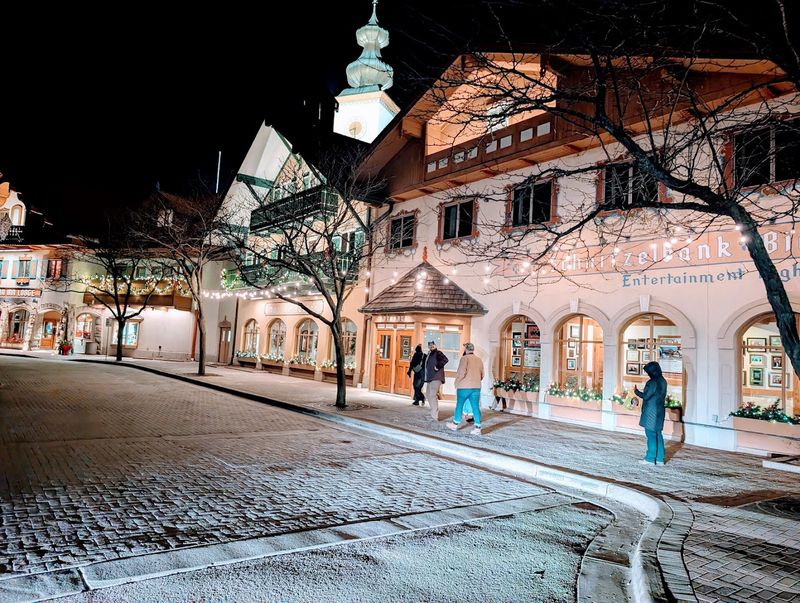
The name alone should tell you everything you need to know about priorities here. Schnitzelbank Biergarten is unapologetically German, from the massive pretzel that arrives at your table to the long communal tables that encourage strangers to become fast friends over a shared love of good beer and great food.
This place doesn’t hedge its bets — it goes full Bavaria and never looks back.
Schnitzel is obviously the centerpiece of the menu, and there are enough variations to keep even dedicated fans exploring. From the classic Wiener style to versions topped with mushroom cream sauce or crispy onions, the kitchen treats each preparation with the same level of care.
The pork is consistently well-sourced and properly pounded, which makes a bigger difference in the final texture than most people realize.
The biergarten component is fully realized here, not just a patio slapped onto an existing restaurant. The space was designed for communal dining and long evenings, with enough room to spread out and enough warmth to keep things cozy even when it’s packed.
Live German music appears on the schedule regularly, and those nights have a genuine festival energy that’s contagious.
Beer selections span German imports, domestic German-style crafts, and a few Michigan-brewed options for the locally inclined. The steins are properly sized, the pours are honest, and the staff keeps things moving without rushing anyone out the door.
Groups of friends, families, and solo bar-sitters all seem to find their groove here without much effort. Schnitzelbank Biergarten is the kind of place that makes you genuinely happy to live in Michigan — or at the very least, very glad you made the drive to visit it.
11. Oma’s Restaurant
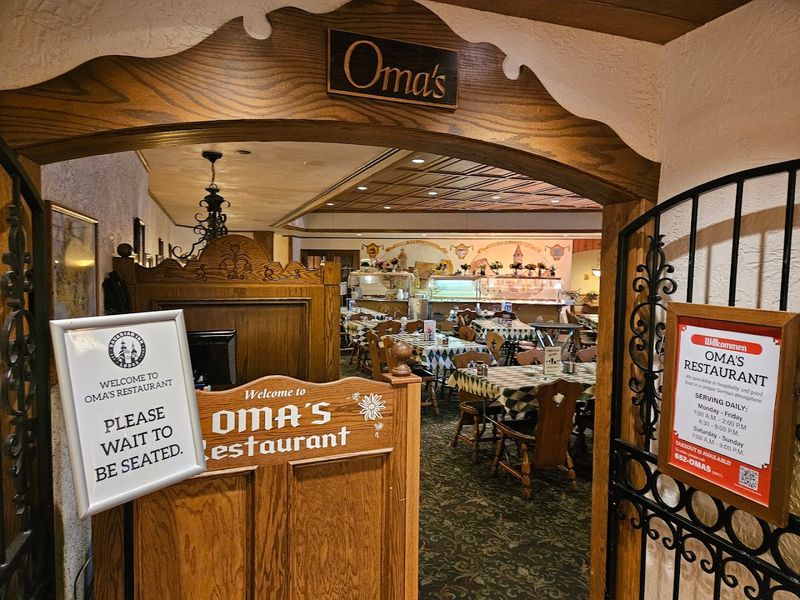
“Oma” means grandmother in German, and everything about this restaurant leans into that warm, home-cooked promise. Walking into Oma’s Restaurant feels less like entering a business and more like being welcomed into someone’s home — the kind of place where the recipes have been passed down rather than developed by a corporate kitchen team.
That authenticity comes through in every bite.
The menu reads like a greatest hits collection of German home cooking. Hearty lentil soup, hand-rolled spaetzle, stuffed cabbage rolls, and slow-braised meats form the core of what the kitchen does best.
The spaetzle in particular has a texture and flavor that’s hard to find outside of actual German households — slightly chewy, buttery, and rich in a way that makes it hard to stop eating.
Portion sizes are generous in the way only grandmothers and German restaurants can justify. You will leave full.
Leftovers are not only possible but likely, and they reheat beautifully the next day, which is its own kind of gift. The pricing reflects the no-frills, substance-over-style philosophy that defines the entire operation.
The dining room has a relaxed, unhurried pace that encourages you to linger over coffee and dessert rather than rushing out the door. Apple strudel and Black Forest cake make regular appearances on the dessert menu, and both are worth saving room for.
The staff treats every table like a regular, even on a first visit, which creates a warmth that’s increasingly rare in the restaurant industry. Oma’s is the kind of place that quietly becomes your favorite — not because of a flashy opening or viral moment, but because the food is just that consistently good.
12. Bavarian Inn Restaurant
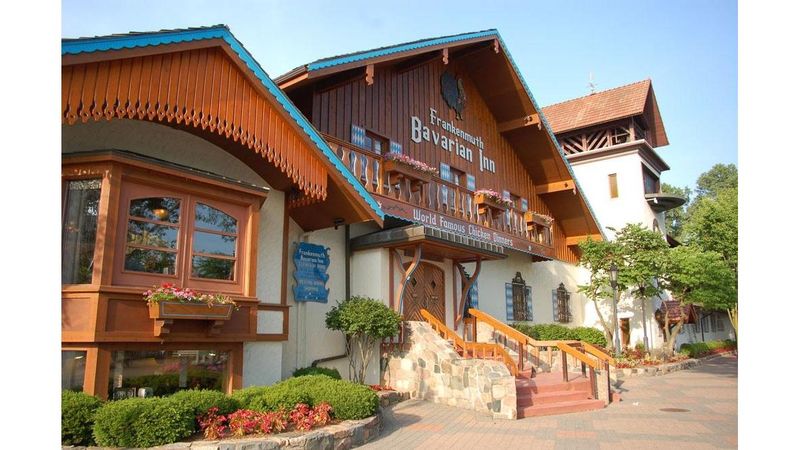
Right across the river from Zehnder’s in Frankenmuth sits the Bavarian Inn Restaurant, and the friendly rivalry between these two landmarks has been good for everyone who loves German food in Michigan. The Bavarian Inn leans hard into its theme — the architecture is stunning, the staff wear traditional Bavarian attire, and the whole experience feels like a full cultural immersion rather than just a meal out.
The chicken dinner is the signature draw, served family-style with an assortment of sides that includes potato stuffing, buttered noodles, and fresh-baked bread. It’s the kind of meal that requires zero decision-making once you’ve committed to it, which is oddly liberating.
Families with kids especially appreciate the approachable format and the fact that everyone at the table gets exactly what they want.
Beyond the famous chicken, the menu includes a solid range of German classics — sauerbraten, bratwurst, and seasonal specials that reflect traditional Bavarian cooking at its most festive. The kitchen handles volume without sacrificing quality, which is genuinely impressive given how busy the restaurant gets during peak tourist season in Frankenmuth.
The Bavarian Inn complex includes a hotel, shops, and a mini-golf course, making it a full destination rather than just a dinner stop. Families often build a whole weekend around a visit to Frankenmuth with the Bavarian Inn as the centerpiece.
The restaurant has earned a national reputation over the decades, and it continues to deliver on that promise with consistency and genuine hospitality. If you’ve never experienced a Frankenmuth chicken dinner, the Bavarian Inn is as good a place as any to have that first, unforgettable meal.
13. DeutschTroit German Food and Catering
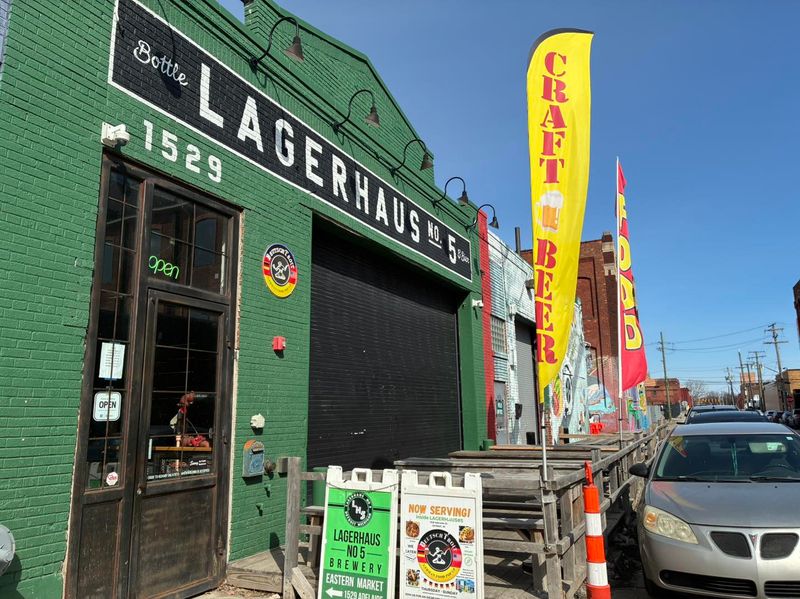
DeutschTroit is doing something genuinely exciting in the Detroit food scene — bringing authentic German street food and catering culture to a city that’s always hungry for something original. The name is a clever mashup of “Deutsch” (German) and “Detroit,” and the concept is just as sharp as the branding suggests.
This isn’t a sit-down restaurant in the traditional sense; it’s a more flexible, event-forward approach to German food that reaches people where they are.
The menu focuses on the kind of bold, portable German flavors that translate beautifully to events, pop-ups, and catering situations. Bratwurst, currywurst, German potato salad, and giant soft pretzels are all executed with the same care you’d expect from a dedicated brick-and-mortar kitchen.
The currywurst in particular is a standout — the spiced ketchup sauce has real depth and the sausage has a satisfying snap that sets it apart from lesser versions.
What makes DeutschTroit especially worth following is the team’s obvious passion for German culinary culture and their desire to share it with a Detroit audience that’s always receptive to something new and authentic. They show up at markets, festivals, and private events with a consistency and quality that has built a devoted following in a relatively short time.
For anyone planning a corporate event, backyard party, or neighborhood gathering, the catering operation is a seriously fun option that will make your event memorable for all the right reasons. Keep an eye on their schedule for pop-up appearances around the metro area — these are typically announced through social media and fill up fast.
DeutschTroit proves that great German food doesn’t need four walls to make a serious impression on the people eating it.
Share this story