Michigan is one of those states where the landscape feels like it was designed specifically for people who need a serious break from screens, schedules, and noise. From towering sand dunes to star-filled skies, the state is packed with hidden corners that most tourists completely overlook.
Whether you live here or you’re just passing through, these spots will make you want to leave your phone in the car and actually look around. Get ready to discover some of Michigan’s most stunning and underrated places to breathe, wander, and reset.
1. Old Faceful — Pierport
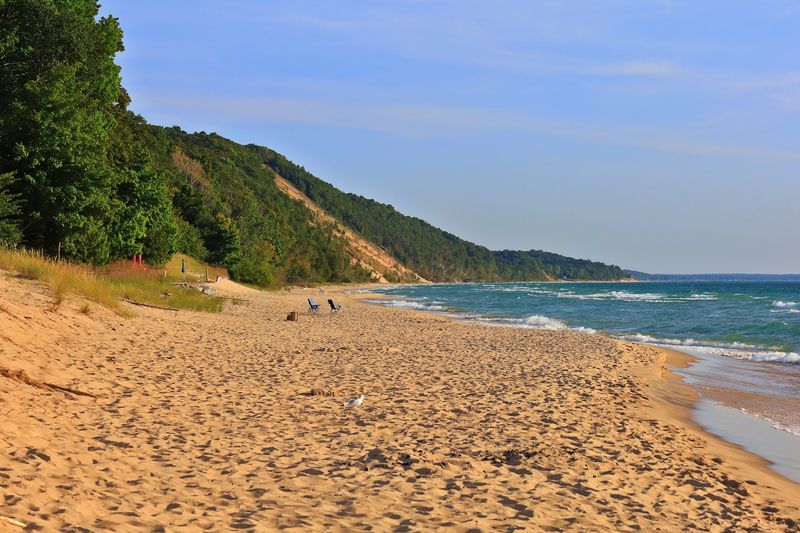
Somewhere along a quiet stretch of the Lake Michigan shoreline near Pierport, there is a natural artesian well that has been quietly bubbling up from the ground for longer than most people can remember. Locals call it Old Faceful, a playful nod to the famous Old Faithful geyser out west — except this one is smaller, calmer, and entirely Michigan in character.
It does not shoot water into the air dramatically, but it does flow steadily and reliably, which feels oddly satisfying in a world that rarely delivers on its promises.
Getting to Old Faceful involves a short walk through the kind of Michigan woodland that smells like pine and lake air all at once. The trail is not heavily trafficked, which means you can actually hear the birds and the rustling leaves without another person’s podcast competing with them.
That quiet alone is worth the trip.
The spring sits near the base of a dune system, and the surrounding area gives you easy access to the Lake Michigan shoreline if you want to extend your walk. Families with kids tend to love this spot because there is something undeniably magical about water just appearing from the earth.
Adults tend to love it because it requires zero equipment, zero admission fee, and zero cell signal in most spots.
Pierport itself is the kind of blink-and-you-miss-it community that makes Michigan’s western shoreline so charming. There are no big resorts or crowded boardwalks nearby — just forest, dunes, and the occasional passerby who looks equally relieved to be somewhere unhurried.
Pack a lunch, wear comfortable shoes, and plan to stay longer than you think you will. Old Faceful has a way of slowing time down in the best possible way.
2. Interlochen State Park — Interlochen
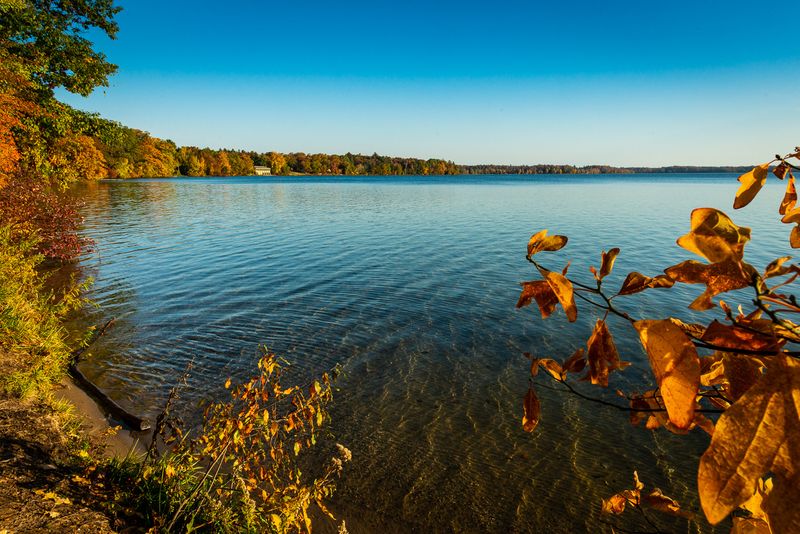
Interlochen State Park holds something rare in Michigan’s Lower Peninsula — a genuine stand of virgin pines, ancient trees that somehow escaped the logging era and have been quietly growing for centuries. Walking among them feels less like a hike and more like stepping into a cathedral.
The scale of these trees puts everything into perspective in a way that no motivational quote ever could.
The park sits between Duck Lake and Green Lake, which means water access is essentially everywhere you look. Swimmers, kayakers, and canoeists all find their rhythm here, and the campsites along the lakefront fill up fast during summer for good reason.
Booking early is not optional — it is survival strategy if you want a spot between Memorial Day and Labor Day.
What makes Interlochen especially interesting is its proximity to the Interlochen Center for the Arts, one of the most respected arts academies in the country. During summer, live performances often drift through the air near the park, giving the whole area an unexpectedly cultured atmosphere.
You could be roasting marshmallows and hear a student orchestra warming up nearby, which is a genuinely strange and wonderful combination.
The park’s campground is well-maintained and offers both rustic and modern sites, so comfort levels vary by preference. Hiking trails wind through the old-growth sections, and interpretive signs explain the ecological significance of what you are looking at without being boring about it.
Wildlife sightings are common, especially in early morning when the light comes through the pines in long golden shafts. Interlochen is the kind of place that does not need to advertise itself because everyone who visits ends up doing the advertising for it afterward.
3. Nordhouse Dunes Wilderness Area — between Ludington and Manistee
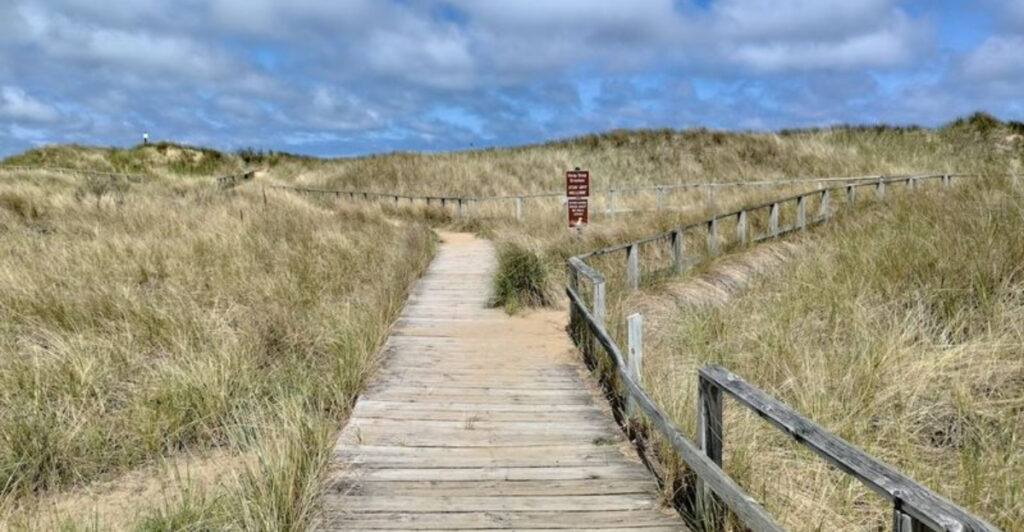
Nordhouse Dunes is the only federally designated wilderness area in Michigan’s Lower Peninsula, which is a fancy way of saying it is one of the wildest, most untamed stretches of land you will find below the Mackinac Bridge. No roads cut through it.
No concession stands. No parking lot gift shops.
Just sand, forest, Lake Michigan, and whatever you carried in on your back.
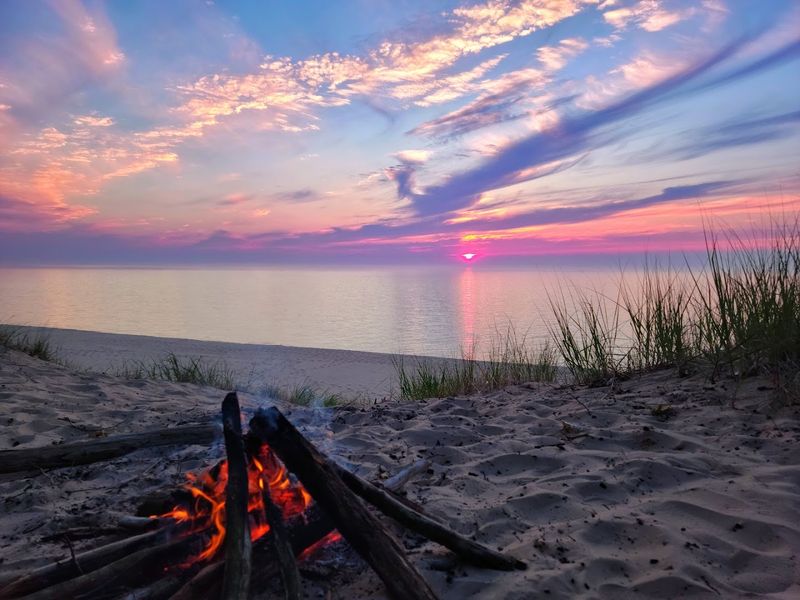
The dunes here rise dramatically from the lake, and some of the best views in the entire state can be found by scrambling up to a high ridge and looking west toward the water. At sunset, the colors that roll across the sky and reflect off Lake Michigan are the kind that make people go silent mid-sentence.
It happens every time, to nearly everyone who makes the effort to get up there.
Backcountry camping is allowed throughout the wilderness area, and because there are no designated sites, you have a genuine sense of choosing your own spot in the landscape. That freedom feels unusual and honestly a little exciting in an era when most campsites come with a QR code and a neighbor six feet away.
Leave-no-trace principles apply strictly, and the people who visit Nordhouse tend to take that seriously.
Trailheads are accessible from the Lake Michigan Recreation Area nearby, which offers restrooms and parking for day hikers. The terrain mixes open dune walking with forested paths, so the experience shifts as you move through it.
Bringing plenty of water is essential because the sandy ground and sun exposure can wear you out faster than expected. Nordhouse rewards those who come prepared and punishes those who do not, which feels like a fair and honest arrangement.
4. Cherry Hill Nature Preserve — Superior Township / Ann Arbor area
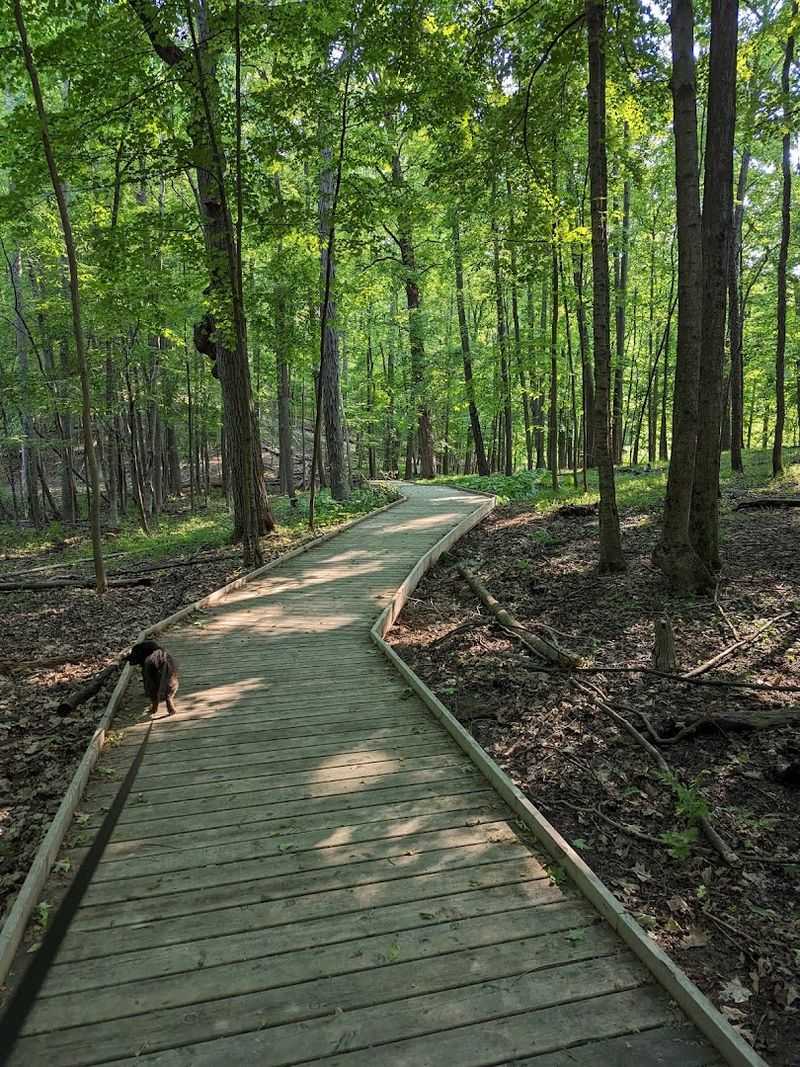
Just outside Ann Arbor’s busy orbit, Cherry Hill Nature Preserve offers something the city itself cannot — genuine quiet. The Washtenaw County Parks and Recreation Commission manages this preserve, and it punches well above its weight for a spot that most people outside the immediate area have never heard of.
Trails loop through wetlands, upland forest, and open meadows in a way that feels like a complete little world tucked away from the suburban sprawl surrounding it.
Spring is when Cherry Hill really earns its name. Wildflowers push up through the leaf litter in waves, and the forest floor goes from brown to brilliant in a matter of weeks.
Trillium, wild ginger, and hepatica are among the species that regular visitors learn to look for as the season turns. Knowing what to spot transforms a casual walk into something that feels almost like a treasure hunt.
The trail system is well-marked and accessible for most fitness levels, making it a solid option for families with younger kids or anyone easing back into outdoor activity after a long winter. Dogs are welcome on leash, which is a detail that matters enormously to a significant portion of the population.
The parking area is small and fills up on nice weekend mornings, so arriving early is a smart move.
What Cherry Hill lacks in dramatic scenery it more than compensates for in atmosphere. There is a stillness here that feels earned rather than manufactured.
The sounds you hear are frogs, wind, and the occasional woodpecker — not traffic or notification pings. For Ann Arbor residents who need a reset without a long drive, this preserve is genuinely one of the best-kept secrets in the county.
5. Port Crescent State Park — Port Austin
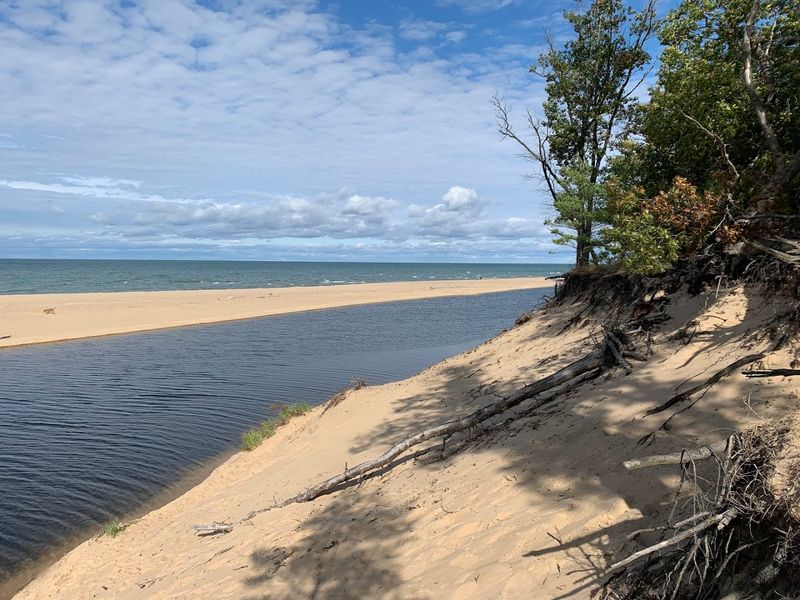
Port Crescent State Park sits at the tip of Michigan’s Thumb, which is already one of those places people underestimate simply because it does not have a famous name attached to it. That underestimation is your gain.
The park stretches along three miles of undeveloped Saginaw Bay shoreline, and the beach here — wide, sandy, and largely uncrowded — rivals anything you will find on the more famous western coast of the state.
The Pinnebog River winds through the park before meeting the bay, creating a mix of habitats that wildlife absolutely loves. Birding at Port Crescent is quietly excellent, particularly during spring and fall migration when the Thumb acts as a natural funnel for birds moving along the lakeshore.
Binoculars are worth bringing even if you do not consider yourself a serious birder, because what shows up here can genuinely surprise you.
Port Crescent is also one of the better spots in the Lower Peninsula for stargazing. The Thumb’s low light pollution and wide-open skies create conditions that reward anyone willing to stay past dark.
The park occasionally hosts astronomy events, and even without organized programming, a clear night here will remind you how many stars actually exist above the cloud cover you normally live under.
Camping options include modern and rustic sites, and the campground has a comfortable, unhurried feel to it. Hiking trails loop through dune and forest terrain, offering variety without requiring serious athletic commitment.
The town of Port Austin is close enough for a meal or ice cream run but far enough away that it does not intrude on the park’s peaceful character. Port Crescent is the Thumb’s best argument for itself, and it makes that argument convincingly.
6. Duck Lake State Park — Whitehall
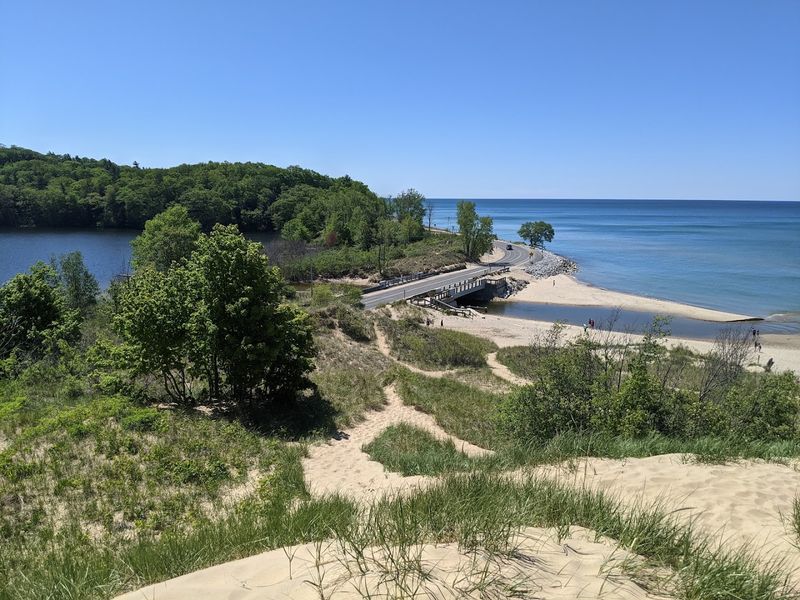
Duck Lake State Park pulls off something genuinely unusual for a Michigan state park — it gives you two completely different water experiences within walking distance of each other. On one side, Duck Lake offers calm, warm, protected swimming that families with small children find ideal.
On the other side, Lake Michigan delivers the full Great Lakes experience with open horizon, stronger waves, and that particular shade of blue-green that photographs never quite capture accurately.
A narrow sandy channel connects the two bodies of water, and watching that transition point where the calm lake water meets the pull of Lake Michigan is oddly mesmerizing. Kids especially love scrambling around the channel area, and adults tend to plant themselves nearby with a book and absolutely no complaints.
The whole setup feels like a geographic coincidence that someone wisely decided to protect and share.
The park is located near Whitehall and Montague, two small towns that together have built a surprisingly lively arts and food scene for their size. Grabbing breakfast in town before heading to the park is a routine that local regulars have perfected.
The White River Light Station Museum is also nearby for anyone who wants a quick history detour before hitting the sand.
Parking can get competitive on peak summer weekends, so morning arrivals are strongly encouraged. The park does not have a large campground, which actually helps preserve the low-key atmosphere that makes it worth visiting in the first place.
Trails are short but scenic, and the beach on the Lake Michigan side often has enough space to spread out even when the lot is full. Duck Lake is the kind of place you feel slightly guilty sharing, but here we are.
7. Lake Gogebic State Park — Marenisco / Lake Gogebic area
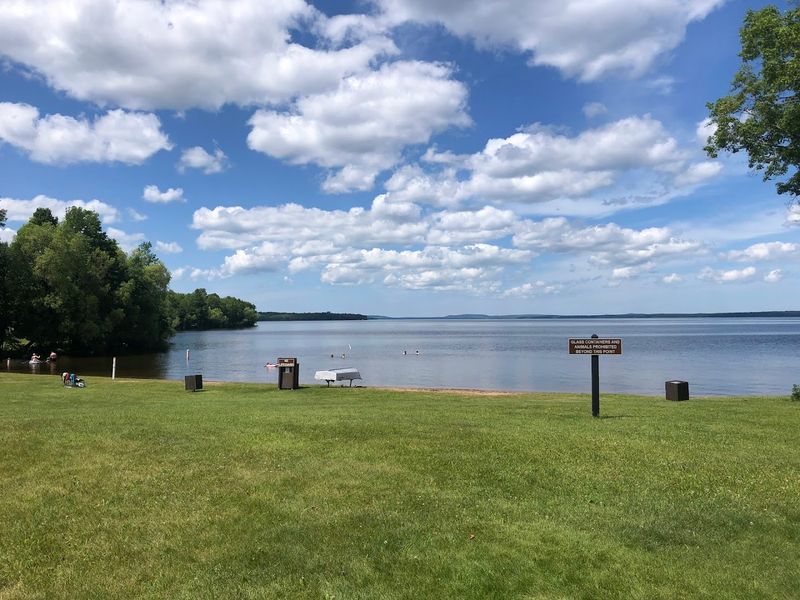
Lake Gogebic is the largest inland lake in Michigan’s Upper Peninsula, and somehow that fact alone has not turned it into the overcrowded destination it probably deserves to be. Lake Gogebic State Park wraps around part of the western shoreline and offers a camping and day-use experience that feels genuinely remote even though the facilities are perfectly comfortable.
The UP has a way of making civilization feel optional, and this park leans into that quality completely.
Fishing is a serious pursuit here, and walleye anglers in particular treat Lake Gogebic with a kind of reverence. The lake’s depth and clarity support healthy fish populations, and early morning on the water — fog still sitting low, no sound except the creak of a boat — is the kind of experience that rewires your brain chemistry in a positive direction.
You do not need to be a dedicated angler to appreciate it, but it helps to have at least a passing interest.
The surrounding Ottawa National Forest adds enormous recreational context to any visit. Hiking, mountain biking, and waterfall hunting are all accessible within a short drive, making Lake Gogebic a practical base camp for broader UP exploration.
Bond Falls and Agate Falls are both within reasonable range and worth every minute of the drive to reach them.
Autumn at Lake Gogebic is something that UP regulars talk about in hushed, almost protective tones. The hardwood and conifer mix produces a color display that peaks earlier than the Lower Peninsula and hits harder than almost anywhere else in the state.
If you can only make one fall color trip in your life and you want it to count, the Gogebic area deserves serious consideration. Pack layers — the UP does not negotiate on temperature.
8. Headlands International Dark Sky Park — Mackinaw City
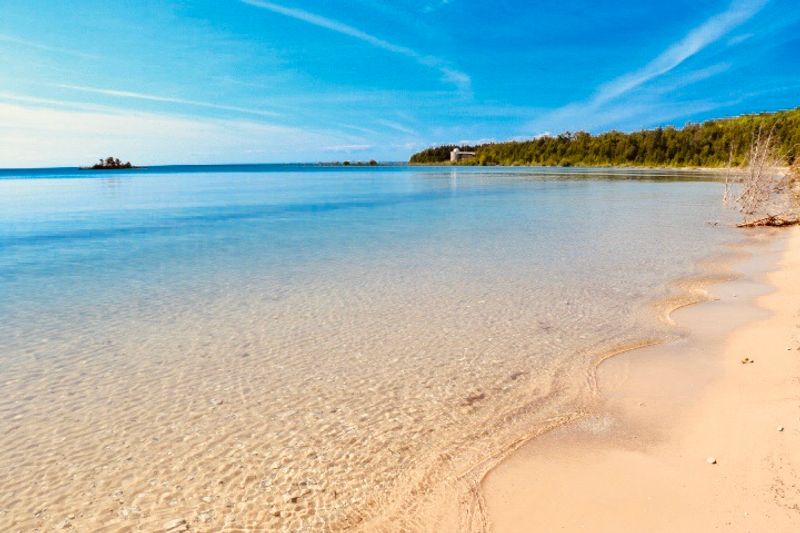
Headlands International Dark Sky Park earned its designation by protecting one of the darkest patches of sky in the eastern United States, and standing on its shoreline at midnight makes that designation feel completely earned. The Milky Way is not just visible here — it is overwhelming.
People who grew up in cities and have never truly seen the night sky tend to go very quiet when they look up for the first time. That reaction is universal and somehow never gets old to witness.
The park covers about 600 acres of Lake Michigan shoreline and forest near Mackinaw City, and during the day it is a genuinely lovely place to hike and watch for wildlife. But the real reason to make the trip is after sunset.
The park hosts regular astronomy events with telescopes available for public use, and the volunteer astronomers who show up to these events are enthusiastic in a way that is completely contagious.
Mackinaw City itself is a short drive away, which means you can grab dinner in town and then head to the park for the evening without any complicated logistics. The combination of Mackinac Island history, Straits of Mackinac scenery, and Headlands stargazing makes this corner of Michigan one of the most rewarding long-weekend destinations in the state.
You get layers of experience that build on each other well.
Auroras are occasionally visible from Headlands during periods of high solar activity, and the park’s social media channels tend to post alerts when conditions look promising. Checking those accounts before a trip north is worth adding to your planning routine.
Bring a blanket, a red-light flashlight that preserves your night vision, and absolutely no expectations of falling asleep at a reasonable hour. The sky here makes that impossible in the best way.
9. First Street Beach — Manistee
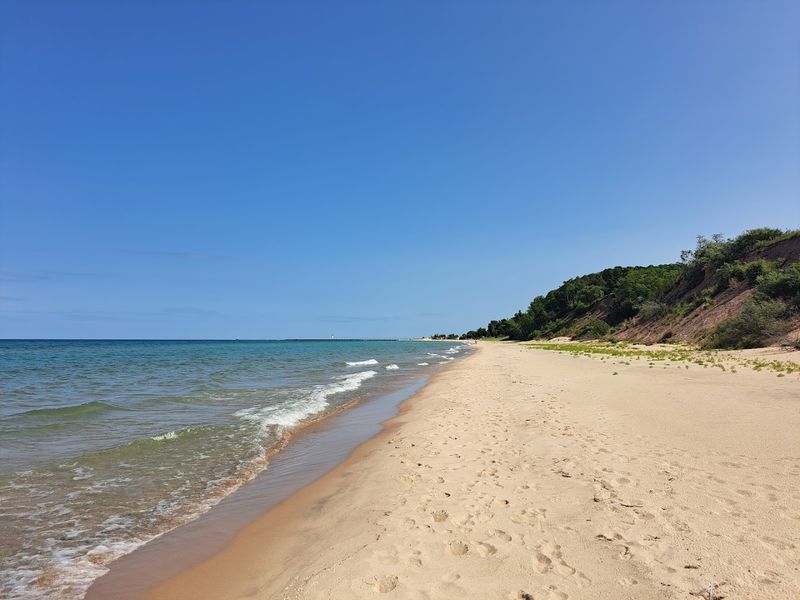
Manistee does not always show up on the lists that dominate Michigan travel coverage, and that is genuinely puzzling once you spend a day there. First Street Beach is the kind of municipal beach that smaller towns dream of having — wide, clean, sandy, and backed by a well-maintained park with actual shade trees and picnic areas that make extended stays comfortable rather than just tolerable.
The beach faces Lake Michigan directly, delivering those classic Great Lakes sunsets that remind you why people have been moving to this shoreline for generations.
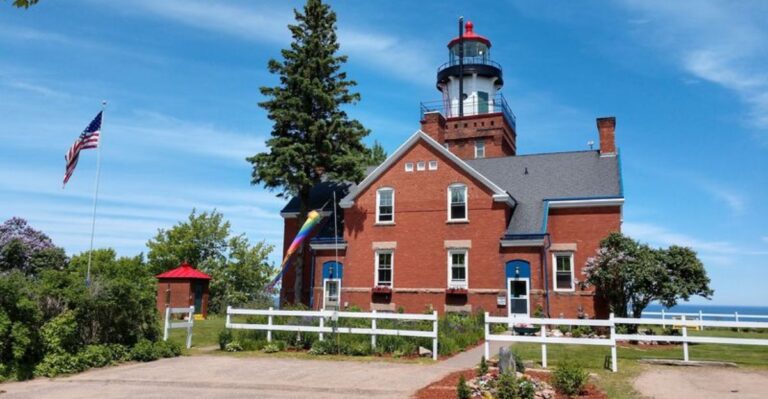
The Manistee North Pierhead Lighthouse stands at the end of a walkable pier nearby, and the combination of beach, pier, and lighthouse creates a visual that feels almost too classically Michigan to be real. Photographers tend to arrive in the late afternoon when the light goes golden and the pier’s red lighthouse catches the color in a way that looks filtered even without a filter.
Timing your visit to overlap with that window is a solid strategy.
Downtown Manistee is walkable from the beach area and rewards exploration. The city has preserved a remarkable collection of Victorian-era architecture, and the historic district gives the whole town a character that feels authentic rather than manufactured for tourism.
Good coffee shops and local restaurants are scattered throughout, making it easy to build a full day around the beach without ever needing to drive anywhere.
Summer weekends draw crowds, but Manistee’s beach manages to absorb them without losing its relaxed personality. Shoulder season visits — late May or September — offer the best of both worlds: pleasant temperatures, lower crowds, and a locals-only energy that makes every interaction feel more genuine.
First Street Beach is Manistee’s front porch, and the town keeps it in excellent shape.
10. Clear Springs Nature Preserve — Montague
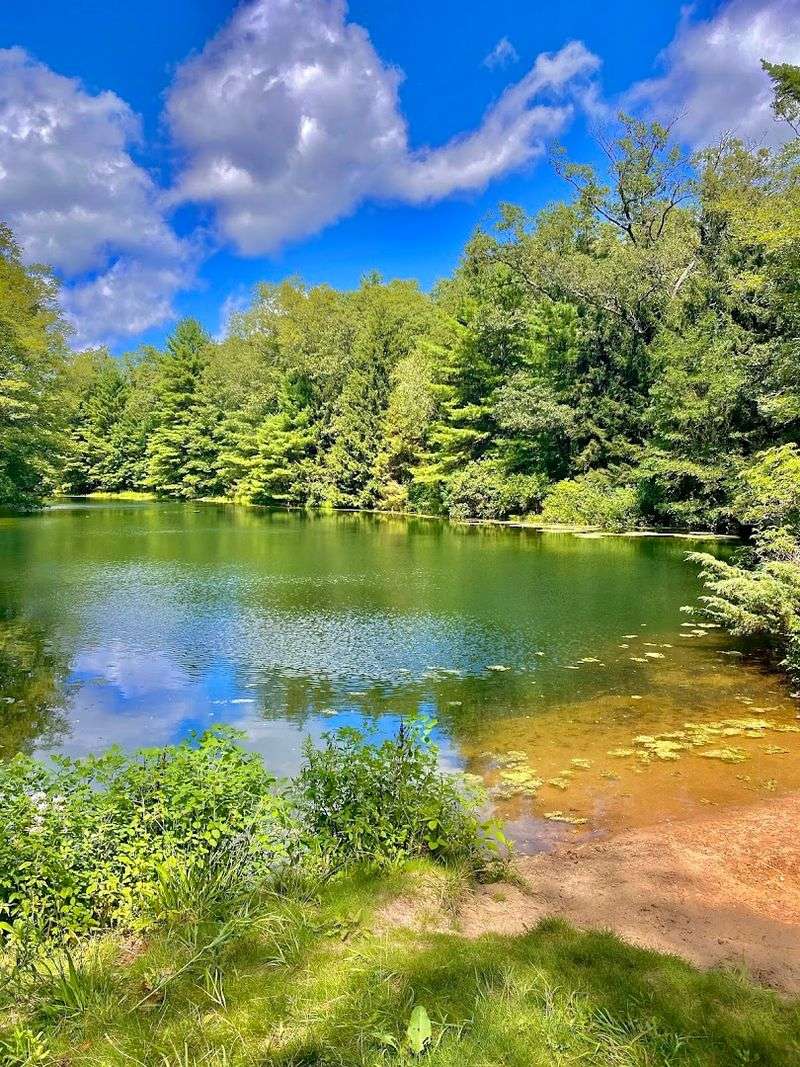
Clear Springs Nature Preserve sits in the White Lake area near Montague and operates at a pace that feels entirely out of step with modern life — which is precisely the point. The Muskegon County Land Conservancy manages this property, and the care they have put into maintaining its natural character shows in every corner of the trail system.
This is not a destination you visit for dramatic scenery. You visit it for the specific kind of calm that only genuinely undisturbed nature can produce.
True to its name, the preserve features spring-fed water features that give the landscape a clarity and freshness that synthetic environments simply cannot replicate. Walking near the springs, especially on a warm day, offers a cooling effect that feels almost luxurious in its simplicity.
The sound of moving water through a quiet forest has a way of slowing your breathing down without you even noticing it is happening.
The trails here are not long, but they are well-maintained and clearly marked, which makes the preserve accessible for walkers of most ability levels. Interpretive information about the local ecology is available, and paying attention to it adds genuine depth to the experience.
Understanding what you are looking at — why certain plants grow near the springs, what the soil composition means for the tree species overhead — turns a pleasant walk into something more meaningful.
Montague and neighboring Whitehall offer enough amenities to round out a full day trip without requiring an overnight stay. The White Lake area as a whole is worth more attention than it typically receives from people outside the immediate region.
Clear Springs is a quiet anchor for that broader exploration — the kind of place you find yourself describing to friends with a slightly defensive enthusiasm, as if you are not quite ready to share it but feel obligated to anyway.
11. Empire Bluff Trail — Empire
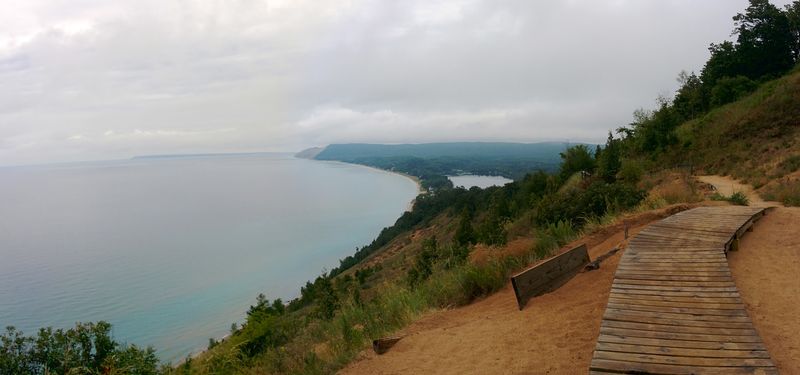
Empire Bluff Trail might be the best short hike in Michigan’s Lower Peninsula, and that is not a statement made lightly. The trail is only about 1.5 miles round trip, but it climbs through a beautiful beech-maple forest before delivering you to one of the most dramatic overlooks in the entire Sleeping Bear Dunes National Lakeshore.
The view from the top — Lake Michigan spreading out in every direction, the Manitou Islands floating on the horizon, the dune landscape rolling south — is the kind that makes people stop mid-step and just stare.
The trail itself is moderately challenging, with a steady climb that earns the reward at the top rather than handing it over immediately. Families with reasonably fit kids handle it well, and the payoff at the bluff makes the effort feel more than justified for everyone involved.
Coming down through the forest on the return trip has its own quiet pleasure — the light filters differently, and you notice things you rushed past on the way up.
Timing matters here. Sunrise and sunset visits produce views that are almost unfair in their beauty, and the bluff faces west, which means evening light turns the lake surface into something resembling hammered copper.
Weekday mornings in shoulder season offer the best combination of solitude and comfortable temperatures. Summer weekends can bring significant crowds to the trailhead, and parking fills early.
Empire is a small village with a genuinely warm character, and the Sleeping Bear area surrounding it deserves as many days as you can give it. The Empire Bluff Trail is the perfect introduction — short enough to fit into any schedule, memorable enough to anchor the entire trip in your mind long after you have returned home and started looking at your calendar for the next visit.
12. Onaway State Park — Onaway / Black Lake
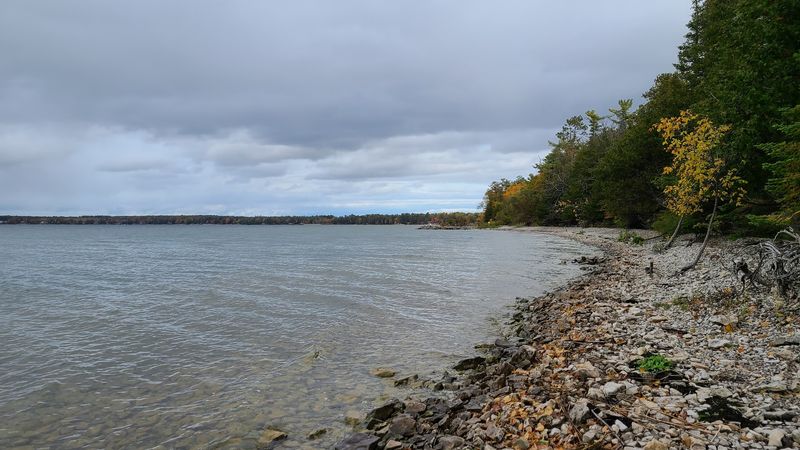
Black Lake rarely gets mentioned in the same breath as Torch Lake or Walloon Lake, and that relative anonymity is exactly what makes Onaway State Park worth knowing about. The park sits on the northern shore of Black Lake in Presque Isle County, an area of Michigan so quietly spectacular that people who discover it tend to return on a near-annual basis without ever feeling the need to tell too many others.
The lake itself is large, clear, and productive for fishing — muskellunge anglers consider it one of the better muskie lakes in the state.
The campground at Onaway is comfortable without being crowded with amenities that strip away the outdoor feel. Sites along the waterfront are the ones to request, and securing them requires booking well in advance during peak season.
Waking up to a Black Lake morning — mist sitting on the water, loons calling, the smell of pine and lake mixing in the air — is the kind of experience that recalibrates your relationship with mornings in general.
The surrounding area offers access to a remarkable concentration of natural features. Sinkholes in nearby Onaway State Forest are a genuinely unusual geological attraction that most people have never heard of.
The Pigeon River Country State Forest is also within driving range, offering hiking, trout fishing, and elk viewing opportunities that add serious depth to any northern Michigan itinerary.
Onaway the town is small and unpretentious, with the kind of local diner energy that road-trippers actively seek. The whole area has a working-class northern Michigan character that feels honest and unperformed.
Onaway State Park fits that character perfectly — no frills, no gimmicks, just good water, good trees, and the particular peace that comes from being somewhere most people have not yet found.
13. Sunrise Coast Pure Michigan Byway / US-23 Heritage Route — Lake Huron shoreline
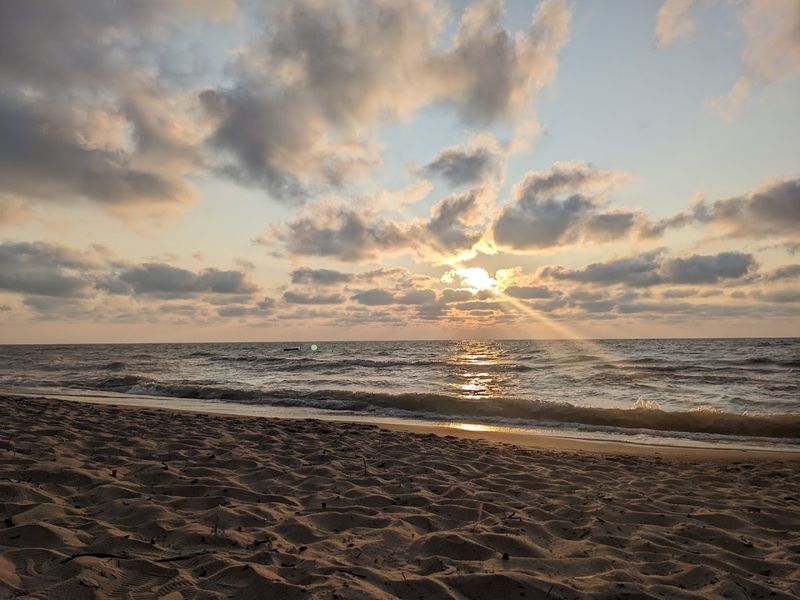
Driving the Sunrise Coast along US-23 is one of those experiences that reminds you why road trips exist as a concept. The route follows Lake Huron’s western shoreline through a stretch of Michigan that trades drama for consistency — consistently beautiful, consistently uncrowded, consistently the kind of scenery that makes you drop your speed and open the windows whether or not the temperature actually calls for it.
The byway runs through small harbor towns, past sandy beaches, and alongside wetlands that catch the light in ways that make pulling over feel mandatory.
The towns along the route each have their own personality worth pausing for. Rogers City is known for its limestone quarry heritage and a downtown that punches above its population.
Harrisville offers a state park beach that rivals anything on the western shore without the associated crowds. Oscoda sits near the mouth of the Au Sable River, one of the most celebrated trout streams in the country, which adds a whole additional dimension to any stop there.
Sunrise is not just a marketing term for this coast — Lake Huron faces east, and the morning light that comes off the water is genuinely something to plan around. Setting an alarm and walking to the shoreline before breakfast rewards the effort with a color show that the western coast, for all its famous sunsets, simply cannot match in the early hours.
It is a perspective shift that changes how you think about the whole state.
The byway works well as a destination in itself or as a connector between other northern Michigan stops. Spending two or three days driving it slowly, stopping whenever something catches your eye, is a legitimate travel strategy.
The Sunrise Coast does not rush you, and you should return the favor by not rushing through it.
14. Pictured Rocks National Lakeshore — Munising / Grand Marais
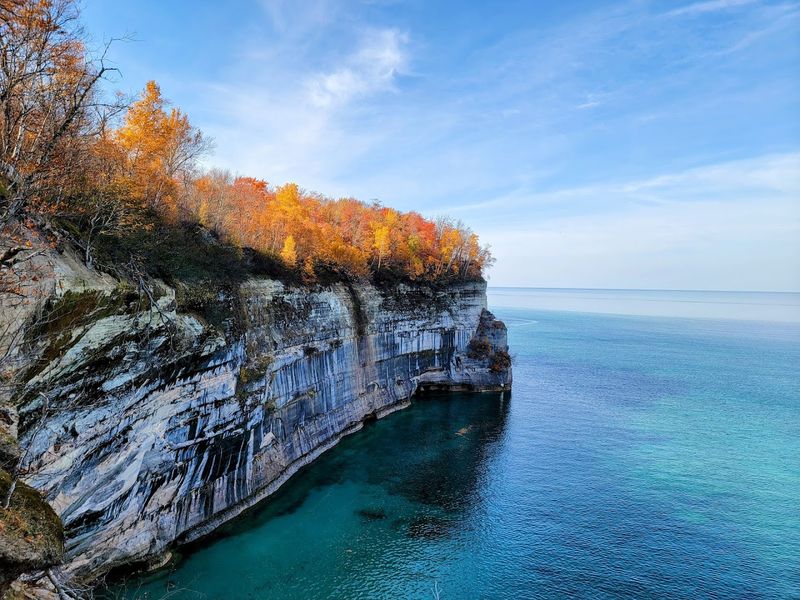
Pictured Rocks National Lakeshore is the kind of place that makes people question why they ever went anywhere else. Stretching roughly 42 miles along Lake Superior’s southern shoreline between Munising and Grand Marais, the park features sandstone cliffs that rise up to 200 feet above the lake, streaked with minerals that stain the rock face in colors ranging from deep rust to pale green to near-white.
No filter required, no exaggeration needed — the real thing is actually more impressive than the photographs suggest.
Getting on the water is the most popular way to experience the cliffs, and kayak tours operated by local outfitters put you directly beneath the rock faces in a way that boat tours cannot fully replicate. Paddling into the sea caves when conditions allow is one of those Michigan experiences that belongs on any serious outdoor bucket list.
The scale of the cliffs from water level is genuinely humbling in the best possible way.
Hiking options range from short waterfall walks to multi-day backcountry routes along the North Country Trail. Chapel Falls, Miners Beach, and Twelvemile Beach are all accessible to day hikers and each offers a distinct experience within the park’s larger landscape.
Backcountry camping requires permits and planning, but the reward — waking up on a bluff above Lake Superior with no one else visible in any direction — is the kind of thing that redefines what you think camping can be.
Grand Marais on the eastern end of the park is a small community with an outsized amount of character and a growing reputation for good food and local art. Munising on the western end handles the bulk of park visitors and has the infrastructure to support it.
Arriving with a few extra days and no rigid agenda is the correct approach to Pictured Rocks — it will fill those days completely without any effort on your part.
Share this story