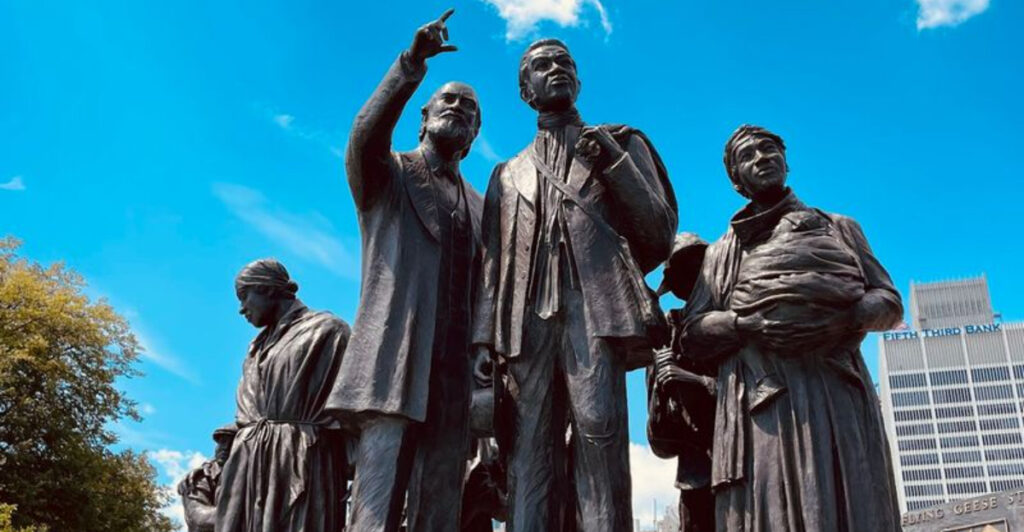
Michigan played a remarkable role in one of America’s most courageous chapters — the Underground Railroad. Enslaved people risked everything to reach freedom, and Michigan’s towns, homes, and churches became their final stops before crossing into Canada.
From small rural villages to bustling cities, the state is dotted with landmarks that tell stories of bravery, sacrifice, and hope. Walking these sites today is a powerful reminder of how ordinary people did extraordinary things to fight for justice.
1. Battle Creek
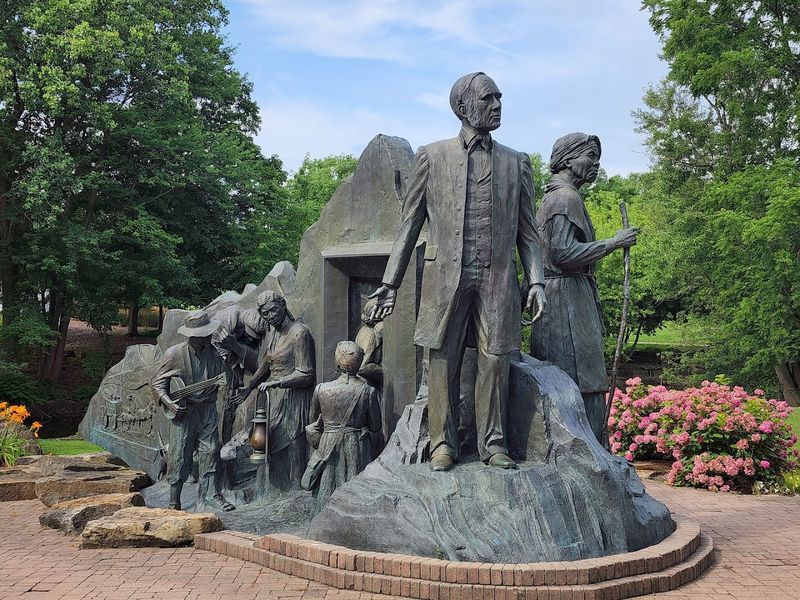
Battle Creek earned its nickname “Freedom City” long before it became famous for cereal — and that title carries serious weight. During the mid-1800s, this southwest Michigan city was a major hub on the Underground Railroad, sheltering freedom seekers on their way to Canada.
Abolitionists here were bold, organized, and deeply committed to the cause.
One of the most celebrated figures connected to Battle Creek is Sojourner Truth, the legendary abolitionist and women’s rights activist who made the city her home for many years. Her presence gave the local freedom movement a passionate and powerful voice that echoed far beyond Michigan’s borders.
A statue of Truth now stands downtown, honoring her legacy in the community she loved.
The city’s network of safe houses stretched across neighborhoods, with local families quietly opening their doors to people fleeing bondage. Churches played a central role too, providing both shelter and spiritual strength to exhausted travelers.
The courage shown in Battle Creek was not loud or celebrated at the time — it was whispered, hidden, and deeply personal.
Today, visitors can explore the Sojourner Truth Institute, which preserves her story and the broader history of the Underground Railroad in the region. The institute hosts educational programs, guided tours, and events that bring this history to life in meaningful ways.
Battle Creek also hosts annual commemorations that draw history lovers from across the Midwest.
Walking through this city today, you get a sense that freedom was not just an idea here — it was a daily act of resistance. Battle Creek reminds us that ordinary citizens can change history when they choose courage over comfort.
This city’s story deserves to be known by every Michigan resident and visitor alike.
2. Cassopolis
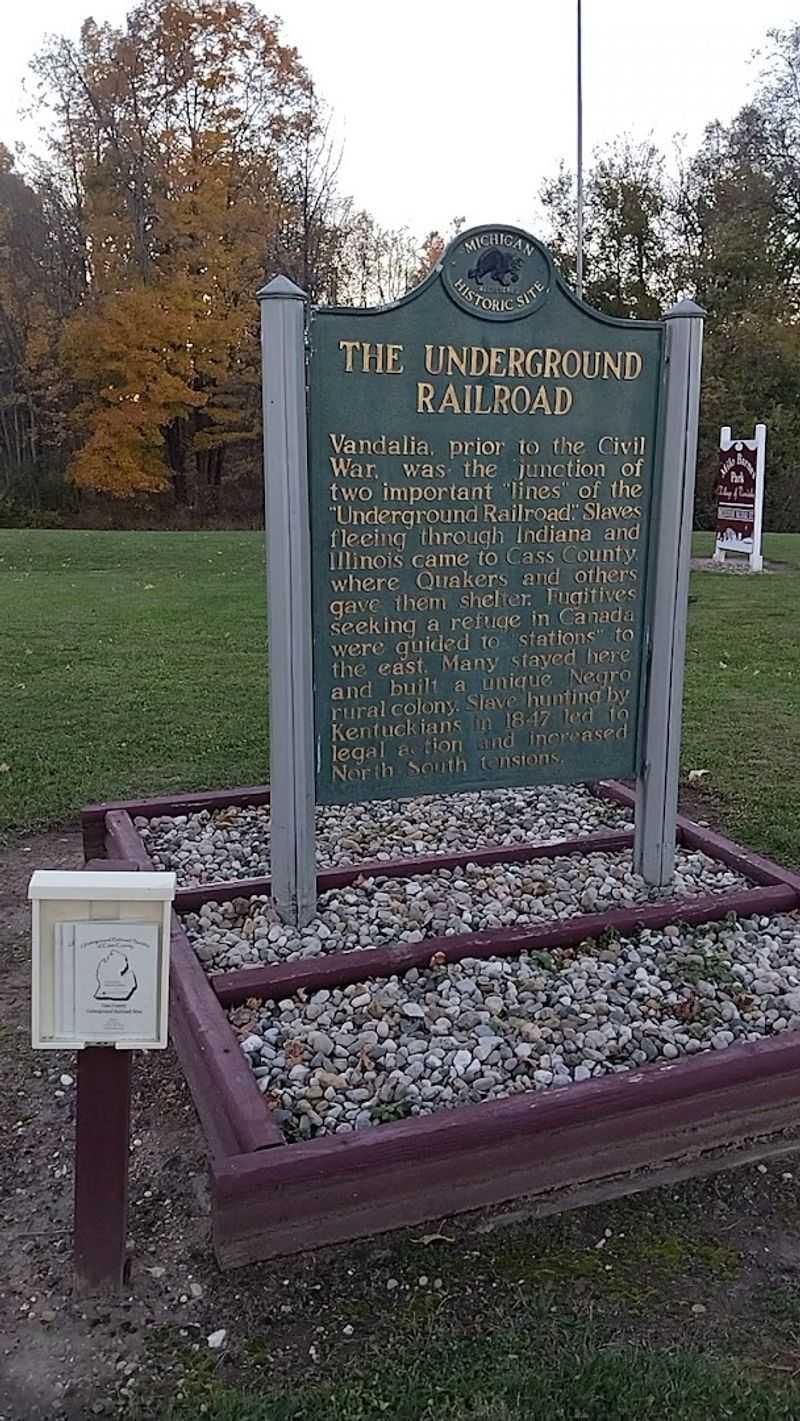
Cassopolis sits quietly in Cass County, but its history roars with defiance and determination. This small town was once considered one of the safest places in Michigan for freedom seekers, thanks largely to a remarkable community of Quakers and free Black residents who worked side by side to protect those escaping slavery.
The county became so well known as a refuge that slavecatchers specifically targeted it.
In 1847, a dramatic standoff known as the “Cass County Raid” took place when Kentucky slaveholders arrived with armed men to reclaim people they considered their property. Local residents — Black and white alike — confronted the raiders and helped ensure the freedom seekers escaped.
It was one of the most direct acts of collective resistance against the Fugitive Slave Act in the entire country.
The free Black farming communities in Cass County were unusually prosperous and politically active for their time. These families owned land, built churches, and established schools, creating a foundation of stability that made the area a genuine sanctuary.
Their strength was not just in hiding people — it was in building a community that refused to be intimidated.
Calvin Township, just outside Cassopolis, is home to several historic sites tied to this legacy, including old cemetery grounds where freedom fighters are buried. The Bonine House, a documented Underground Railroad station, still stands as a testament to the risks taken by white allies in the movement.
Preservation efforts continue to protect these irreplaceable pieces of history.
Cassopolis proves that geography and community spirit can shape history in ways that textbooks rarely capture. Cass County’s story is one of the most compelling Underground Railroad narratives in the entire Midwest.
Anyone serious about understanding Michigan’s freedom history needs to put Cassopolis near the top of their list.
3. Detroit
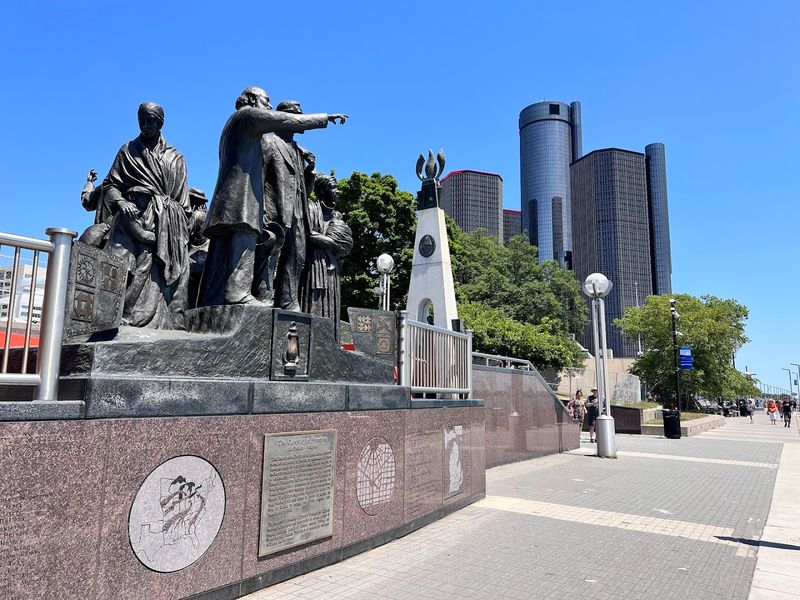
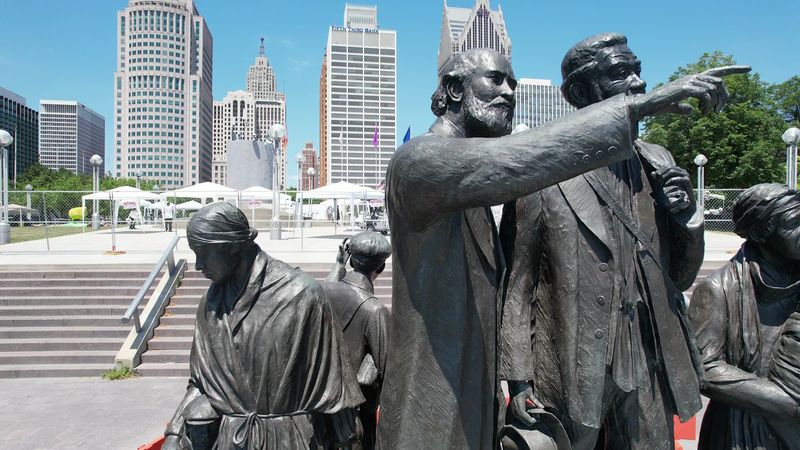
Detroit was not just a city on the Underground Railroad — it was the finish line. Situated directly across the Detroit River from Windsor, Ontario, this city served as the last stop before freedom seekers set foot on Canadian soil and out of reach of American slave laws.
For thousands of people, Detroit meant the difference between bondage and liberty.
The Second Baptist Church, founded in 1836 by formerly enslaved people, is one of the most significant Underground Railroad sites in the entire country. The church’s basement sheltered hundreds of freedom seekers over the decades, and its congregation was deeply involved in abolitionist organizing.
It still stands today and continues to serve its community with pride and purpose.
Detroit’s proximity to Canada made it uniquely powerful, but crossing the river was still dangerous. Slave catchers patrolled the waterfront, and bounty hunters lurked in the city’s streets.
Local conductors like George DeBaptiste and William Lambert ran a sophisticated network that guided people safely to boats and across the water under cover of darkness.
The Detroit River itself became a symbol of hope — narrow enough to see the other side, but wide enough to require courage and help to cross. Stories passed down through generations describe the relief and tears that came when freedom seekers finally stepped onto Canadian ground.
That emotional crossing is something no history book can fully capture.
Today, the Museum of African American History in Detroit holds exhibits that explore this chapter of the city’s past with depth and sensitivity. Walking along the riverfront today, it is easy to imagine the tension and hope that once filled these same banks.
Detroit’s role in the Underground Railroad is a defining part of what makes this city so historically significant and deeply human.
4. Ypsilanti
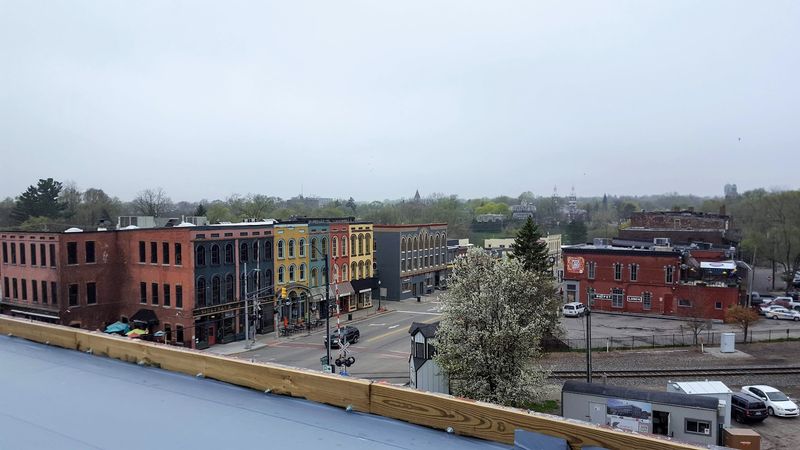
Ypsilanti carries a quiet confidence about its history, and rightly so. Tucked along the Huron River in Washtenaw County, this college town was a significant stop on the Underground Railroad, with a network of safe houses and determined residents who refused to look the other way.
The city’s abolitionist roots run deep, shaped by both its geography and the moral convictions of its early settlers.
The local African American community in Ypsilanti was especially active in the freedom movement. Free Black residents and white allies collaborated to shelter and guide freedom seekers northward, often working in coordination with networks in nearby Ann Arbor and Detroit.
Communication between these communities was careful and coded, making the operation remarkably effective despite the constant threat of discovery.
One of the most fascinating aspects of Ypsilanti’s role is how ordinary homes became extraordinary places of resistance. Farmhouses, church basements, and even commercial buildings along key routes were quietly transformed into temporary sanctuaries.
The people who opened those doors risked imprisonment, fines, and social ruin — but they did it anyway.
Eastern Michigan University, which grew from the Michigan State Normal School founded in Ypsilanti in 1849, has long been connected to progressive social values in the region. The university’s archives contain historical records that shed light on the community’s abolitionist activities.
Local historians continue to uncover new details about safe houses and freedom routes through ongoing research.
Ypsilanti also hosts the Ypsilanti Historical Museum, which features exhibits covering the city’s role in the broader Michigan freedom network. The museum is a great starting point for anyone wanting to understand how this community contributed to one of history’s most courageous movements.
Ypsilanti’s story is proof that small cities can leave enormous marks on history.
5. Niles
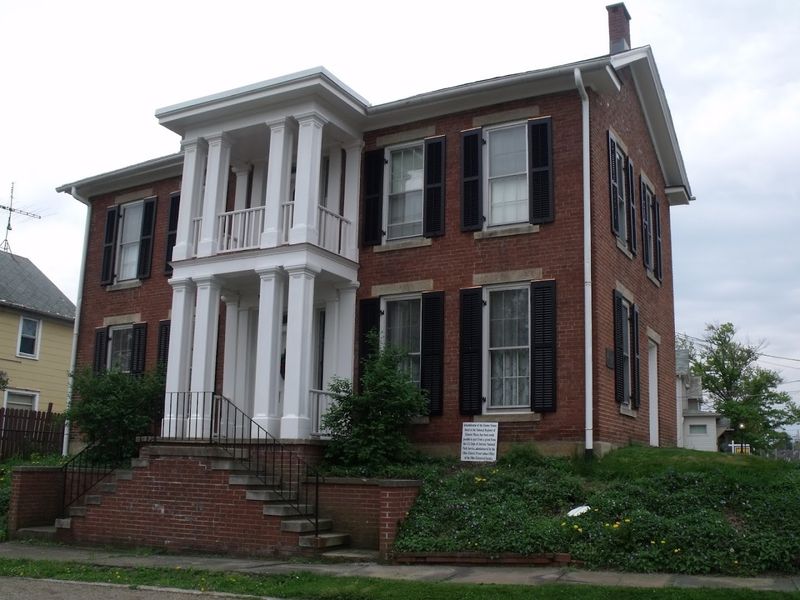
Niles sits right in the southwestern corner of Michigan, close enough to Indiana that its Underground Railroad history was shaped by its position as a gateway into the state. Freedom seekers crossing from Indiana often entered Michigan through Niles, making it one of the first Michigan communities to welcome and shelter those on the run.
That role placed enormous responsibility on the town’s residents.
The city had a notable population of abolitionists who were connected to broader national networks. Local Quaker families and free Black residents worked quietly but effectively to move people through the area and further north toward Detroit and the Canadian border.
Their methods were careful and their commitment was absolute, even as federal law threatened serious consequences for helping freedom seekers.
One of the most intriguing elements of Niles’ history is its connection to the broader Southwest Michigan corridor, which historians now recognize as one of the most active Underground Railroad routes in the region. The St. Joseph River valley provided natural cover and navigational guidance for those moving through the area at night.
Geography and community combined here to create a remarkably effective freedom route.
The Fort St. Joseph Museum in Niles touches on the city’s layered history, including its connections to the freedom movement. Local preservation groups have worked to identify and document properties believed to have served as safe houses during the antebellum period.
Some of those buildings still stand, their walls holding secrets that took generations to surface.
Niles is the kind of place where history feels personal rather than distant. The town’s modest size makes it easy to imagine the lives of the people who passed through seeking freedom.
Visiting Niles means stepping into a story that was never meant to be told out loud — and that makes it all the more powerful to discover.
6. Grand Rapids
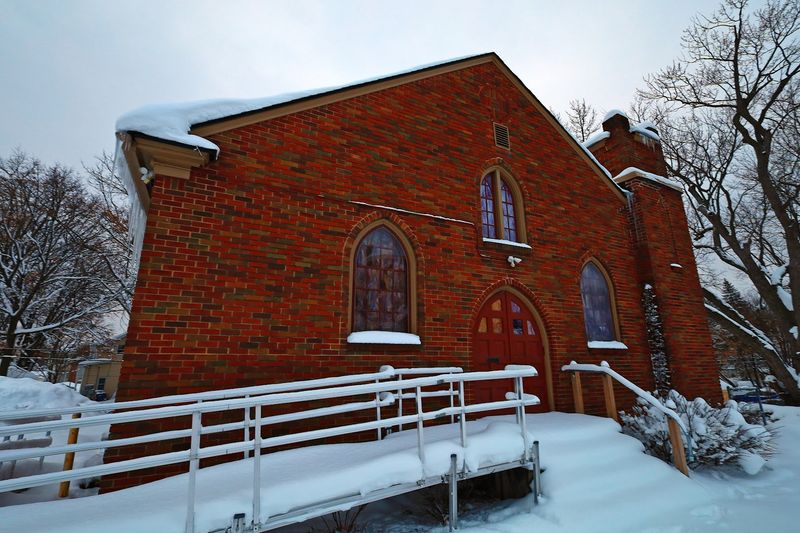
Grand Rapids might be known today for its furniture industry and craft beer scene, but beneath that modern identity lies a rich abolitionist history that shaped the city’s character. During the mid-1800s, Grand Rapids was a functioning stop on the Underground Railroad, with a community of freedom advocates who organized discreetly and effectively.
The city’s location in western Michigan made it a key point in routes heading toward Lake Michigan and the Canadian border.
The local African American community, though small in number, was remarkably organized and connected to larger freedom networks across the state. Black churches in Grand Rapids served as gathering points where information was shared and shelter was coordinated.
These congregations were not just spiritual homes — they were command centers for one of the most daring humanitarian operations in American history.
White abolitionist families in the city also played critical roles, hiding freedom seekers in homes and businesses while keeping their activities hidden from neighbors who might not share their convictions. The tension of that secrecy is something that gets lost in modern retellings, but it was very real and very dangerous.
Being caught meant criminal charges, public shame, and the potential destruction of a family’s livelihood.
The Grand Rapids Public Museum holds historical artifacts and documents related to the city’s role in the freedom movement. Researchers and educators have worked to piece together the network of safe houses and conductors that operated in the region.
New discoveries continue to emerge as old properties are renovated and historical records are examined more closely.
Grand Rapids rewards curious visitors who look beyond its well-known attractions to find the deeper stories embedded in its neighborhoods and old buildings. The city’s Underground Railroad history adds a layer of moral seriousness to its identity that makes exploring it genuinely moving.
Grand Rapids was never just a stop — it was a statement of values.
7. Schoolcraft
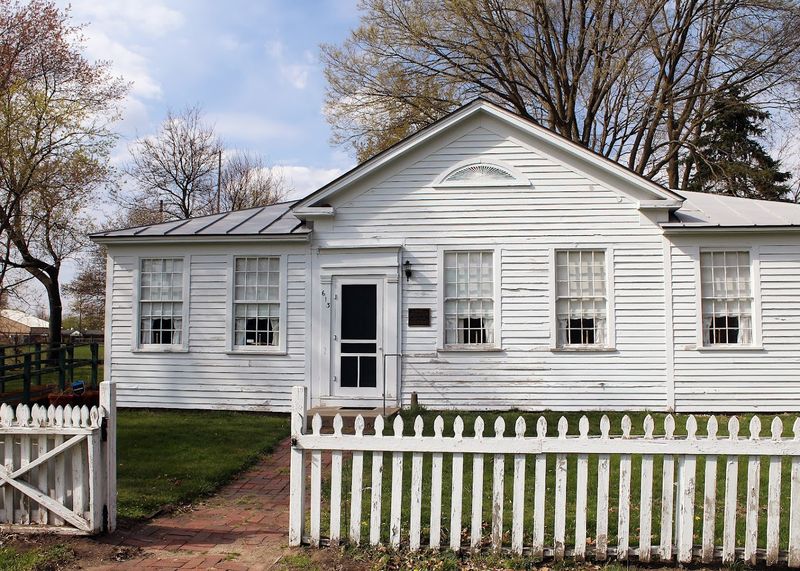
Not every Underground Railroad landmark is a grand building or a famous name — sometimes it is a small village that simply did the right thing. Schoolcraft, a quiet community in Kalamazoo County, was one such place.
Its location along a key north-south corridor through southwest Michigan made it a natural waypoint for freedom seekers moving through the state toward Lake Michigan or Detroit.
The village had a tight-knit community of residents with strong moral convictions, many of them connected to religious traditions that viewed slavery as a fundamental sin. These were not radical outsiders — they were farmers, merchants, and teachers who quietly made their homes available and their mouths shut.
That combination of courage and discretion is exactly what made the Underground Railroad function as effectively as it did.
Local oral histories passed down through Schoolcraft families describe secret rooms, hidden cellars, and coded signals used to communicate when it was safe to move. While not every detail can be verified with certainty, the patterns in these stories align closely with documented Underground Railroad practices across the region.
History lives in these accounts even when paper trails are thin.
Kalamazoo County as a whole was deeply involved in the abolitionist movement, and Schoolcraft was an important part of that county-wide network. Connections between Schoolcraft, nearby Vicksburg, and the city of Kalamazoo created a chain of safe stops that helped guide freedom seekers northward with greater confidence.
The coordination between these communities was impressive given the technology and communication limitations of the era.
Schoolcraft today is peaceful and largely unchanged in feel, which makes visiting it a surprisingly reflective experience. Standing in this small village, you realize that history does not always happen in big cities or famous buildings.
Sometimes it happens in the most unassuming places, carried by the most ordinary people doing something genuinely extraordinary.
8. Marshall
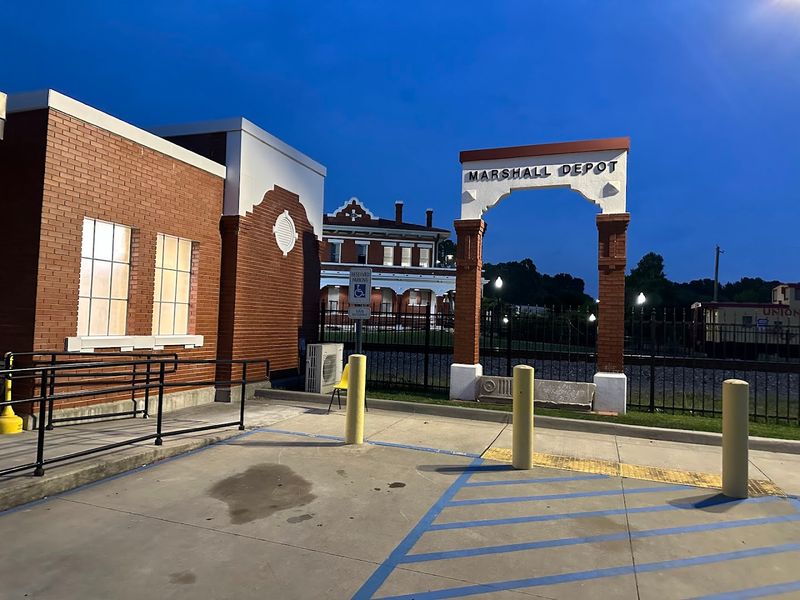
Marshall is one of those Michigan towns that looks like it was frozen in time — and in many ways, its history was frozen too, until researchers began uncovering just how central it was to the Underground Railroad. This beautifully preserved city in Calhoun County is famous for its stunning collection of 19th-century architecture, but its most compelling story is the one hidden inside those historic walls.
The Adam Crosswhite incident of 1847 put Marshall on the national map in a dramatic way. Crosswhite, an enslaved man who had escaped from Kentucky with his family, was living in Marshall when slave catchers arrived to forcibly return them.
The entire town mobilized to protect the Crosswhite family, blocking the arrest and allowing them to escape to Canada. The incident became a flashpoint in national debates about the Fugitive Slave Act.
The backlash from Marshall’s defiance was significant — Kentucky slaveholders sued Marshall residents and won a financial judgment against them. But rather than silencing the community, the episode hardened its resolve.
Marshall became even more committed to the abolitionist cause in the years that followed, its residents wearing the lawsuit as a badge of honor rather than a mark of shame.
The Crosswhite Boulder, a historical marker in Marshall, commemorates this defining moment in the city’s history. Walking past it today, you get a sense of how one community’s refusal to comply with an unjust law helped shift the national conversation about slavery.
The marker is modest in size but enormous in what it represents.
Marshall’s Underground Railroad history is woven into its identity in a way that feels genuine and unperformed. The city embraces this past not as a tourist attraction but as a true reflection of who its people were and what they stood for.
That authenticity makes Marshall one of the most meaningful stops on any Underground Railroad tour of Michigan.
9. Birmingham
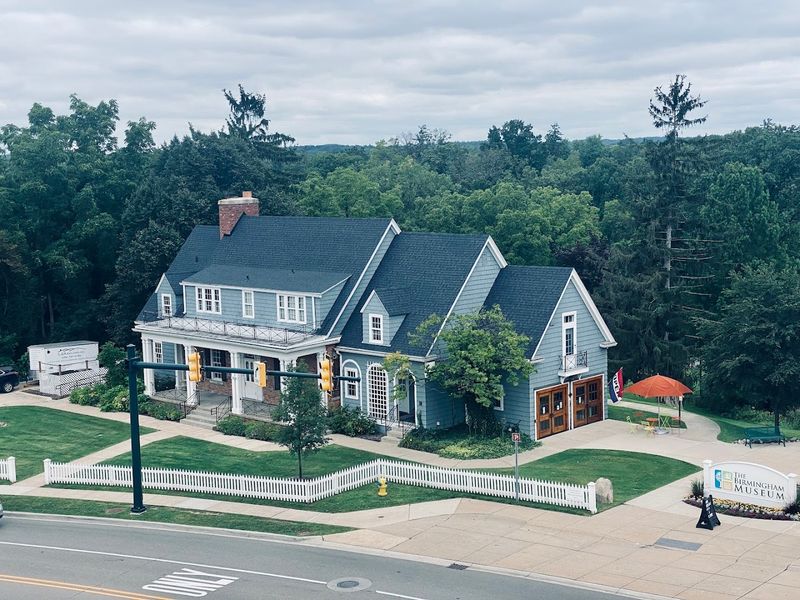
Birmingham might conjure images of upscale boutiques and leafy suburban streets today, but this Oakland County community has a freedom history that runs surprisingly deep. During the antebellum period, Birmingham was situated along routes that connected freedom seekers moving through southeastern Michigan toward Detroit and the Canadian border.
Its proximity to major transportation corridors made it a logical and valuable stop.
The town’s early settlers included families with strong religious convictions who viewed the assistance of freedom seekers as a moral obligation. These were not people looking for recognition — they were acting on principle in an era when doing so carried real legal risk.
The Fugitive Slave Act of 1850 made helping escaped enslaved people a federal crime, yet Birmingham residents continued their work without flinching.
Historical research into Birmingham’s Underground Railroad connections has revealed several properties believed to have served as safe houses during this period. Some of these homes still stand in the community, their Victorian-era facades concealing the extraordinary events that once unfolded inside.
Local historical societies have worked to document and preserve these connections for future generations.
The Birmingham Historical Museum has explored the city’s role in the broader southeastern Michigan freedom network through exhibits and community programming. Educators in the area have incorporated this history into school curricula, ensuring that younger generations understand the moral courage that shaped their community’s early identity.
That kind of educational commitment keeps history alive in a meaningful way.
Birmingham’s Underground Railroad story challenges the assumption that this history belongs only to rural areas or major cities. Suburban communities had their own roles to play, and Birmingham played its quietly and effectively.
Discovering this layer of the city’s past adds genuine depth to what might otherwise seem like a straightforward story of prosperity and growth. Birmingham earned its place on Michigan’s freedom trail.
10. Ann Arbor
Ann Arbor has always had a reputation for progressive thinking, and that reputation goes back much further than most people realize. Long before the University of Michigan became a center of student activism, the city itself was a hotbed of abolitionist sentiment and Underground Railroad activity.
The combination of educated residents, strong religious communities, and geographic positioning made Ann Arbor a critical node in Michigan’s freedom network.
The city’s connection to the University of Michigan gave the abolitionist movement here an intellectual dimension that was somewhat unique. Faculty members, students, and community leaders engaged in open debates about slavery at a time when such discussions were dangerous in many parts of the country.
That culture of open inquiry created an environment where helping freedom seekers was not just tolerated — it was respected.
Several documented safe houses operated within Ann Arbor’s city limits, sheltering freedom seekers as they moved through Washtenaw County. The routes through Ann Arbor often connected with those running through Ypsilanti to the east and onward to Detroit.
This corridor through Washtenaw County was one of the most active in the entire state, handling a significant volume of freedom seekers over the decades.
The Ann Arbor District Library holds historical archives that include letters, property records, and newspaper accounts related to the city’s Underground Railroad activities. Researchers have used these documents to map safe house locations and reconstruct the networks that operated here.
The work of local historians in piecing together this story has been genuinely impressive.
Ann Arbor’s abolitionist heritage is a reminder that the city’s progressive identity was not invented in the 1960s — it was forged in the 1840s and 1850s by people who risked real consequences for their convictions. That historical backbone gives the city’s modern values a sense of earned authenticity.
Ann Arbor’s role in the Underground Railroad is a story every resident should know and feel proud of.
11. Vandalia
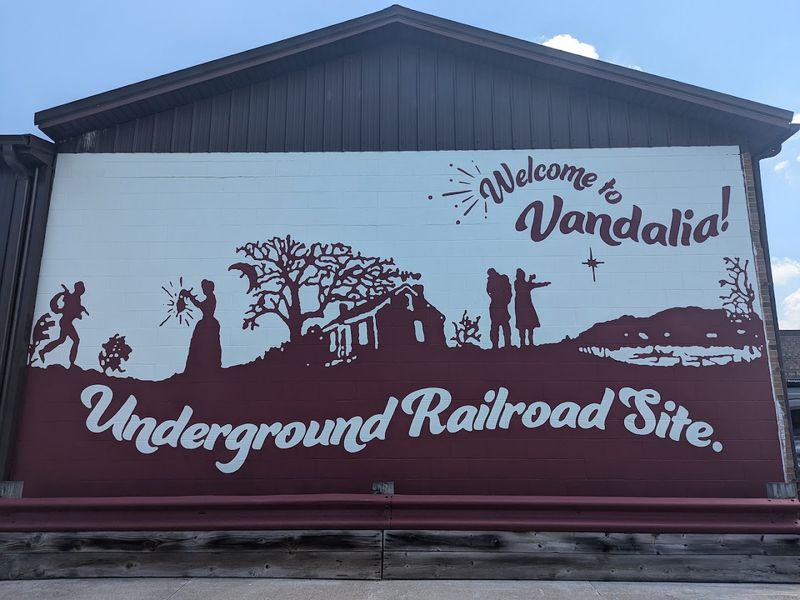
Vandalia is one of those places where you have to slow down and really pay attention to understand what you are looking at. This small Cass County community was home to one of the most remarkable free Black farming settlements in antebellum Michigan, and its residents were among the most active Underground Railroad participants in the entire state.
What happened here was not just history — it was a blueprint for what freedom could look like when given the chance to grow.
The Ramptown community, centered near Vandalia, was a thriving settlement of free Black families who had purchased land and built lives of genuine independence. These families were not simply surviving on the margins — they were prospering, educating their children, and actively helping others reach the same freedom they had fought so hard to claim.
Their farms and homes served as safe houses along one of the most traveled freedom routes in southwest Michigan.
The courage required to operate as a safe house in Vandalia was not abstract — it was specific and personal. Slave catchers knew about Cass County’s reputation as a freedom haven and targeted it aggressively.
Families here were routinely harassed, threatened, and sometimes physically confronted by those trying to reclaim freedom seekers. Yet they held their ground with remarkable consistency.
Today, the Vandalia area is part of ongoing preservation and research efforts focused on documenting the full scope of its Underground Railroad history. The graves of community members who participated in the freedom movement can be found in local cemeteries, quiet markers of lives lived with extraordinary purpose.
Organizations dedicated to preserving this history continue to work in the area.
Vandalia’s story is deeply human — it is about people building something worth protecting and then protecting it fiercely. There is no more honest or powerful Underground Railroad story in Michigan than the one rooted in this small Cass County community.
Vandalia deserves far more recognition than it typically receives.
12. Jackson
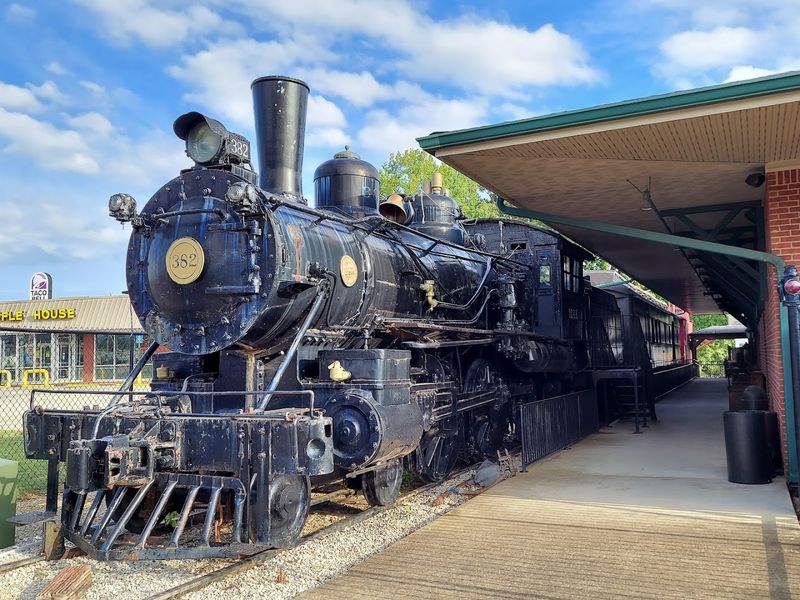
Jackson holds a remarkable dual distinction in Michigan history — it is the birthplace of the Republican Party AND a documented stop on the Underground Railroad. That combination of political and moral history makes this south-central Michigan city one of the most layered and fascinating places to explore in the entire state.
The two stories are not unrelated: the anti-slavery convictions that fueled the Underground Railroad in Jackson also helped birth a new political movement dedicated to halting slavery’s expansion.
The city’s position along major travel routes through south-central Michigan made it a natural waypoint for freedom seekers moving east toward Detroit or north toward Lansing and beyond. Local conductors in Jackson operated with a level of organization that reflected the city’s generally progressive political culture.
Being a stop on the Underground Railroad here was less of a secret and more of an understood community commitment among those who shared abolitionist values.
Churches in Jackson played a particularly strong role in sheltering and supporting freedom seekers. Congregations that openly preached against slavery extended that conviction into practical action, opening their buildings and their members’ homes to people in desperate need.
The connection between spiritual belief and direct action was especially visible in Jackson’s freedom network.
The Under the Oaks site, where the Republican Party was formally organized in 1854, is just a short distance from properties associated with Underground Railroad activity. Walking between these two landmarks gives visitors a powerful sense of how the same community that sheltered freedom seekers was simultaneously reshaping national politics.
History in Jackson does not come in neat, separate boxes — it overlaps and reinforces itself in fascinating ways.
Jackson is an underappreciated gem in Michigan’s historical landscape. Its combination of political founding mythology and genuine Underground Railroad history makes it a must-visit for anyone serious about understanding how Michigan shaped American history.
The city’s past is bold, complex, and absolutely worth exploring.
Share this story