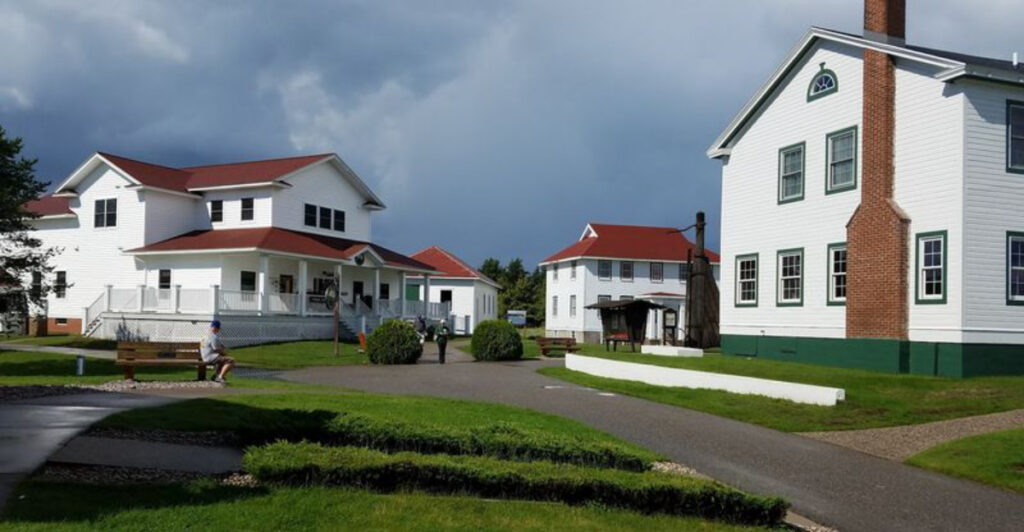
Lake Superior doesn’t give up its dead easily. Along the remote shoreline of Whitefish Point in Paradise, Michigan, a remarkable complex of historic buildings stands as a permanent tribute to the ships and sailors lost in the world’s largest freshwater lake.
The Great Lakes Shipwreck Museum and Whitefish Point Light Station tells those stories with stunning artifacts, a working lighthouse, and a stretch of beach that looks almost too beautiful to be this dangerous. If you’ve ever felt the pull of deep water mysteries, this place will stay with you long after you leave.
The Edmund Fitzgerald Bell and What It Really Means to See It
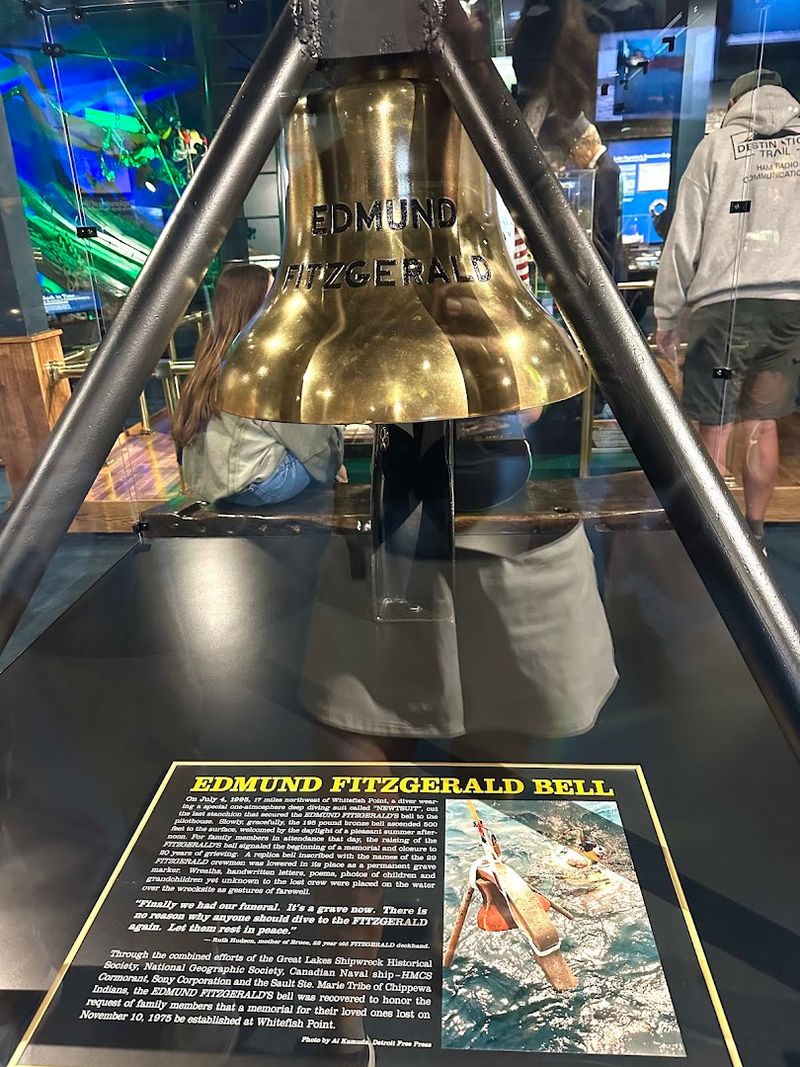
There are museum artifacts you read about, and then there are artifacts that stop you completely. The bell recovered from the Edmund Fitzgerald is firmly in the second category.
Sitting under careful lighting inside the museum, this massive bronze bell is the single most powerful object on the grounds, and standing in front of it feels different from anything a photograph can prepare you for.
The Edmund Fitzgerald sank on November 10, 1975, during a brutal Lake Superior storm, taking all 29 crew members with it. The wreck became one of the most famous maritime disasters in American history, partly due to Gordon Lightfoot’s legendary ballad, but mostly because no survivors were ever found and no definitive cause was ever confirmed.
The bell was recovered during a 1995 expedition and brought to Whitefish Point, where it now serves as the official memorial to the lost crew.
A replacement bell, engraved with all 29 names, was sent down to rest with the wreck. That exchange carries enormous weight.
The museum displays the original bell with a reverence that feels completely earned, and the 15-minute film shown on-site adds context that transforms the artifact from impressive to genuinely moving.
Watching the film in a small theater before seeing the bell creates a natural emotional progression. By the time you’re standing next to the actual object pulled from 530 feet of icy water, the names and faces from the film are already in your head.
Tissues are not an overreaction here. Plan to spend real time in this section of the museum rather than rushing through.
The bell deserves a slow, quiet moment, and so do the 29 men it represents.
Whitefish Point Light Station: Michigan’s Oldest Active Lighthouse
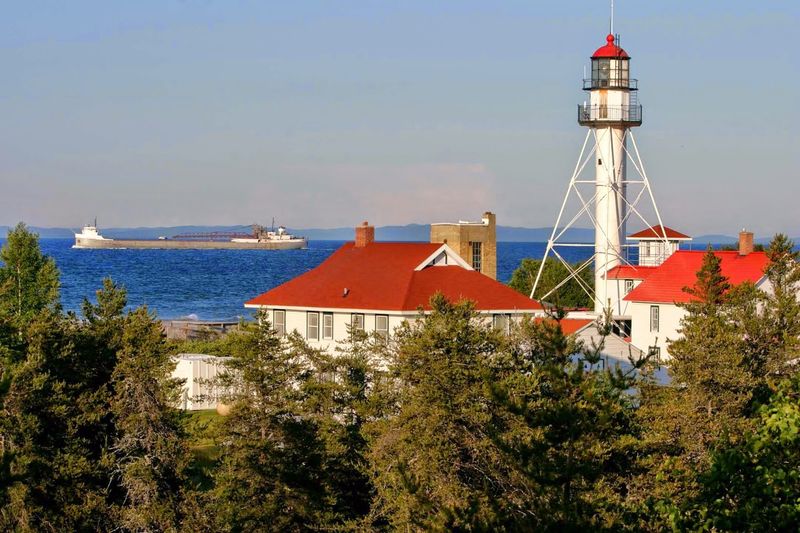
Whitefish Point Light Station holds the title of the oldest active lighthouse on Lake Superior, first lit in 1849. That’s not a detail that gets old.
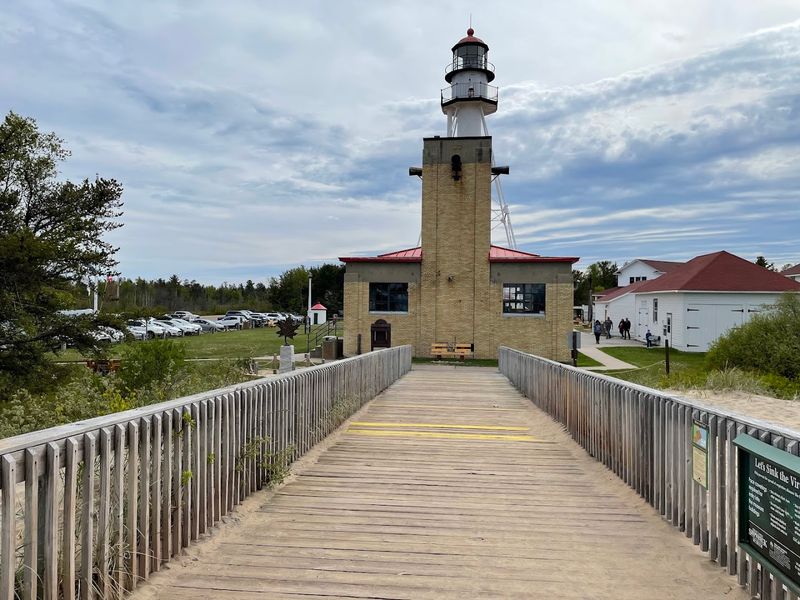
The current skeletal iron tower, built in 1861, has been guiding ships through one of the most treacherous stretches of the Great Lakes ever since, and it still functions as an active aid to navigation today. Standing at its base, looking up at the latticed steel framework rising against a wide northern sky, gives you a clear sense of how serious this location is.
The point itself juts into Lake Superior at a spot where weather systems collide with alarming regularity. Sailors historically called this area the graveyard of the Great Lakes, and the lighthouse was built precisely because so many ships were failing to make it through.
The structure’s skeletal design was chosen for its ability to withstand the punishing winds that regularly tear across this exposed tip of Michigan’s Upper Peninsula.
Visitors can explore the lighthouse keeper’s residence, which has been carefully restored to reflect life as it was actually lived here. Period furniture, old dishes, cast iron cookware, and personal items fill the rooms with a quiet authenticity.
The residence is reportedly haunted, which adds an extra layer of atmosphere that the museum doesn’t shy away from acknowledging.
From certain vantage points on the grounds, you can watch modern freighters passing through Whitefish Bay, using the same navigational channel that the lighthouse has protected for over 160 years. The continuity between past and present is striking.
A lighthouse that once saved ships from wrecking now overlooks a museum dedicated to those that didn’t make it. That contrast is built right into the geography of the place.
Five Buildings, One Admission: How the Museum Complex Actually Works
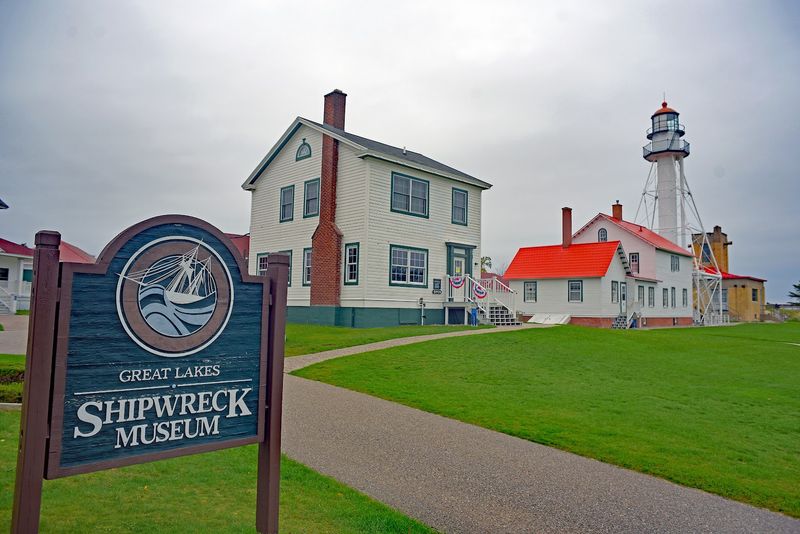
One ticket covers a surprisingly large amount of ground. The Great Lakes Shipwreck Museum isn’t a single building with a gift shop attached.
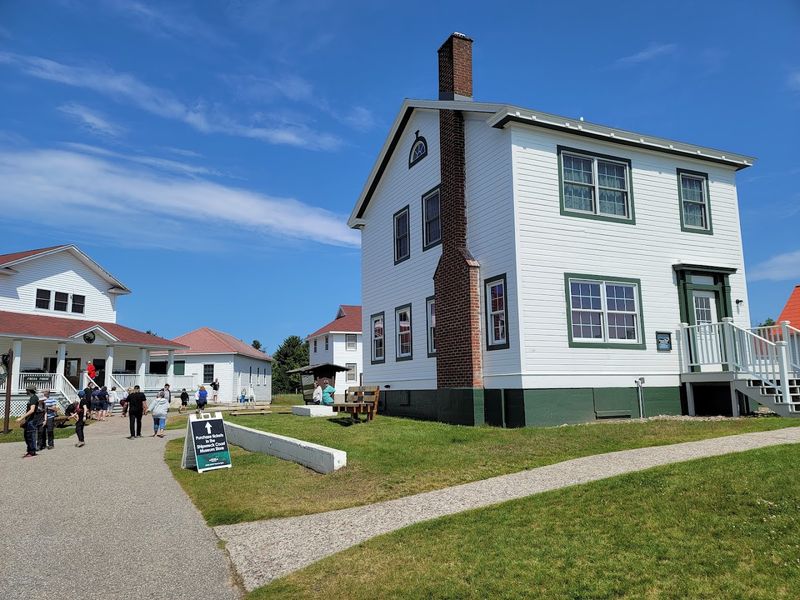
It’s a spread-out complex of five separate structures, each serving a different purpose, set across the grounds of what was once an active United States Coast Guard station. Walking between them takes you through a property that still feels operational rather than preserved behind glass.
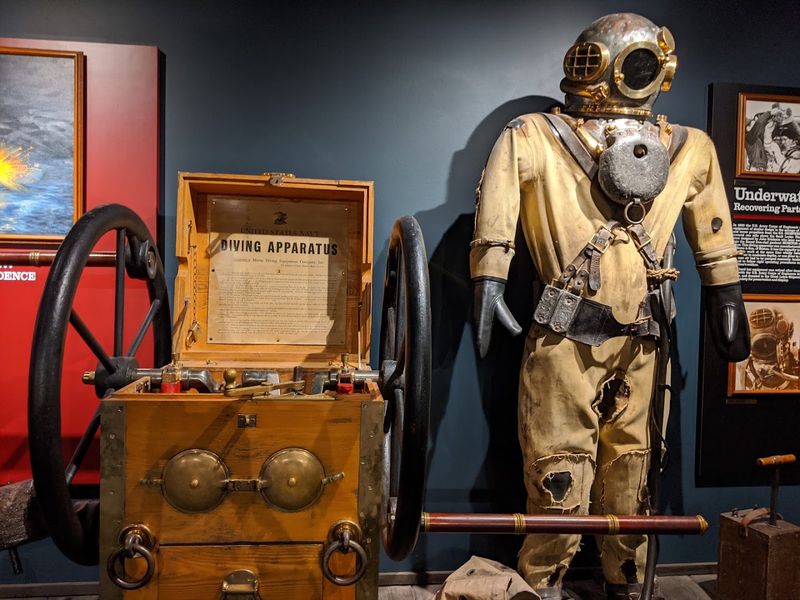
The main museum building houses the core shipwreck exhibits, including the Fitzgerald bell, detailed wreck histories, and recovered artifacts from multiple disasters across the Great Lakes. Adjacent buildings include the lighthouse keeper’s residence, a Coast Guard crew’s quarters that offers a look at the daily life of the people stationed here, and additional exhibit spaces packed with maritime equipment, rescue gear, and historical photographs.
Plan for at least two to three hours if you want to move through everything without rushing. Forty minutes won’t cut it, and several reviewers have noted that hustling through means missing the best details.
The buildings are close enough together that walking between them isn’t a problem, but each one has enough content to hold your attention independently.
A boardwalk leads from the museum grounds out toward Lake Superior, ending at an observation deck that’s fully accessible and offers an open view of the lake and the passing ship traffic. A separate elevated deck serves as a bird-watching platform, since Whitefish Point is also one of the most significant raptor migration corridors in North America.
The gift shop, which helps fund the museum’s ongoing operations, carries books on Great Lakes history, Michigan shipwrecks, and local lore. Parking is free and ample, which matters given how remote this location actually is.
The Beach at Whitefish Point Deserves Its Own Afternoon
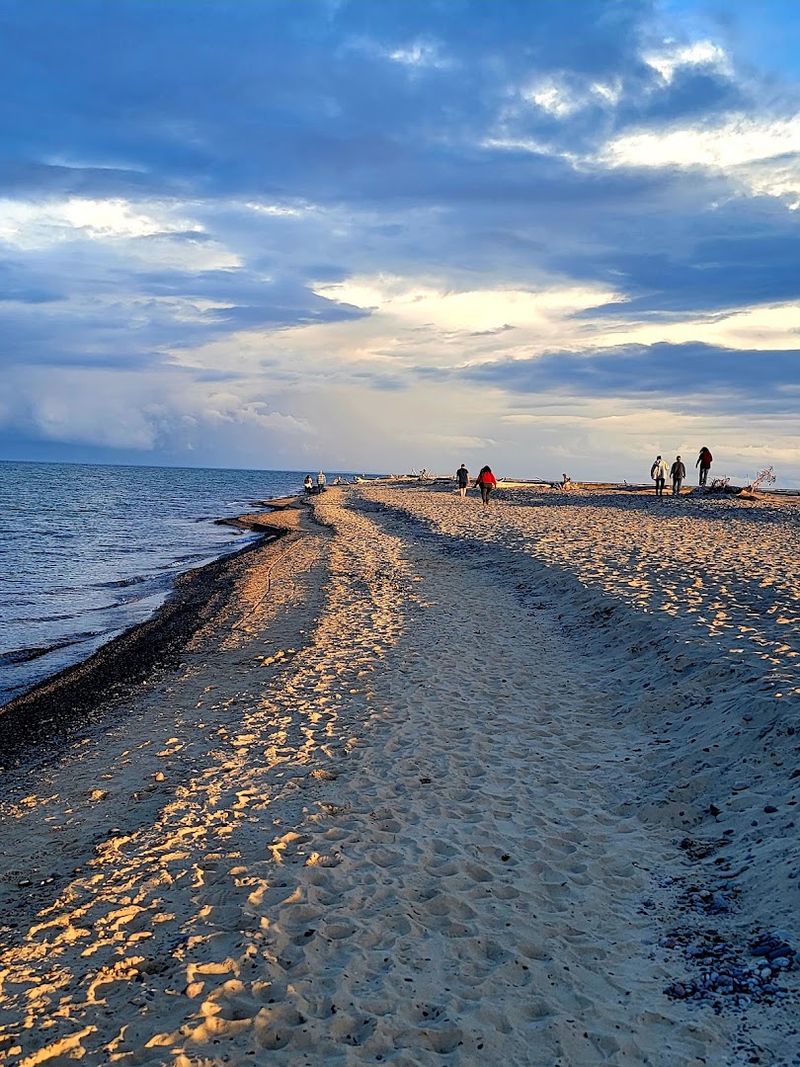
Most people come for the museum and discover the beach as a bonus. That’s the wrong order of priorities.
The shoreline at Whitefish Point is genuinely remarkable, stretching wide and open along the edge of Lake Superior with a mix of smooth rocks, sand, and cold clear water that looks almost tropical from a distance until you actually touch it.
Lake Superior runs cold even in summer. Visitors in May have reported water temperatures around 36 degrees, and even in warmer months the lake stays bracingly cold.
That doesn’t stop people from wading in, and there’s something satisfying about dipping your feet into water this vast and this ancient. The lake holds roughly 10 percent of the world’s surface fresh water, and standing at the edge of it makes that number feel real.
Rock hunting is a popular activity along the beach. Smooth agates, basalt, and other stones worn by centuries of wave action make the shoreline worth exploring slowly.
Signs posted around the area remind visitors that rocks can be collected but driftwood cannot be taken, and metal detectors are prohibited. These rules exist to protect the integrity of a site that sits within a nature preserve.
The boardwalk from the museum grounds makes beach access easy and fully accessible. Walk west from the main access point and you’ll eventually find a weathered memorial near the dunes, featuring photographs of some of the Edmund Fitzgerald’s crew members.
It’s a quiet, understated tribute that most visitors miss entirely. The beach is large enough that even on busy days it absorbs the crowd without feeling packed.
Binoculars are available on the observation deck, useful for spotting both freighters and migrating birds depending on the season.
The Stories Behind the Wrecks: More Than Just the Fitzgerald
Gordon Lightfoot made the Edmund Fitzgerald famous, but the museum doesn’t let that one wreck overshadow the hundreds of others that happened in these waters. Lake Superior alone has claimed an estimated 350 ships over the course of recorded history, and Whitefish Point’s position at the eastern end of the lake made it a witness to a disproportionate share of those losses.
The exhibits inside work hard to give individual stories to ships and crews that history might otherwise have forgotten entirely.
The M.M. Drake propeller is one of the standout artifacts beyond the Fitzgerald collection.
Seeing a ship’s propeller up close resets your sense of scale in a way that photographs simply don’t achieve. These weren’t small vessels.
Many of the ships that sank were massive working freighters carrying iron ore, grain, and coal, crewed by men doing industrial labor in some of the most dangerous weather conditions on the continent.
Each exhibit is written clearly enough that younger visitors can follow along, but the content never talks down to adults. The layout rewards reading rather than skimming.
Panels include details about weather conditions, cargo, crew backgrounds, and the rescue attempts that followed each sinking. Some of those rescue stories are as gripping as the wrecks themselves, particularly the accounts involving the Coast Guard crews who were stationed at Whitefish Point.
The museum does an exceptional job of framing Lake Superior not as a scenic backdrop but as a genuinely powerful force that shaped the economic and human history of the entire Great Lakes region. By the time you finish moving through the exhibits, the lake visible just outside the windows reads completely differently than it did when you arrived.
That shift in perspective is the whole point.
Getting to Paradise, Michigan: What the Drive Actually Involves
Paradise, Michigan earns its name more in scenery than in convenience. Reaching Whitefish Point requires real commitment, particularly if you’re coming from the Lower Peninsula or from the Mackinac area.
The drive from the Mackinac Bridge runs roughly 90 minutes to two hours depending on your starting point, and the final stretch of road narrows into a single route in and out of the point. There’s no shortcut and no alternate path.
Gas is a legitimate concern. Stations become sparse well before you reach Paradise, and prices in the area tend to run noticeably higher than what you’d find in larger Michigan towns.
Filling up before you commit to the final leg is practical advice rather than an exaggeration. Cell service also gets thin in this part of the Upper Peninsula, which is worth knowing if you purchased tickets online and planned to pull them up on your phone.
The museum staff can look up reservations by name, so a dead phone isn’t a crisis, but it’s better to know in advance.
Construction delays can add time during peak summer months when road maintenance crews work the limited infrastructure of the U.P. Building extra time into your schedule prevents the drive from becoming stressful.
Arriving early in the day gives you the best light for the beach and the most time to move through all five buildings without feeling pressured.
The remoteness is actually part of what makes this place work. Whitefish Point doesn’t feel like a curated tourist destination dropped into a convenient location.
The isolation is honest. Ships wrecked here because this stretch of water is genuinely dangerous and far from help, and arriving after a long drive through dense forest reinforces that reality before you ever walk through the front door.
Why This Spot on Lake Superior’s Edge Hits Differently Than Other Museums
Maritime museums exist in plenty of Great Lakes cities, but most of them feel separated from the water they’re documenting. Whitefish Point eliminates that distance entirely.
The lake is right there, visible from nearly every building, audible when the wind picks up, and accessible on foot within two minutes of walking through any door. That proximity changes the emotional register of everything inside the exhibits.
The complex sits on the grounds of a former Coast Guard station, which means the buildings themselves are part of the historical record. These aren’t replicas or reconstructions built to suggest what life here looked like.
The crew quarters, the lighthouse keeper’s residence, and the operational structures were all actually used by the people whose stories the museum tells. That layer of authenticity is rare and worth recognizing.
The staff consistently stands out in accounts from people who’ve visited. Knowledgeable, genuinely enthusiastic, and present throughout the buildings rather than clustered at a single information desk, they add a human dimension that printed panels alone can’t replicate.
Asking questions here actually leads somewhere interesting rather than a polite redirect to a brochure.
The rating of 4.7 stars across nearly 5,000 reviews reflects something real. High ratings at remote locations with a single access road mean people made a deliberate effort to get here and left satisfied enough to say so publicly.
This isn’t a stop you stumble across on the way to somewhere else. Every person who visits chose this place specifically, often after years of it sitting on a list they kept meaning to check off.
Open daily from 9 AM to 5 PM, the museum runs seasonally, so confirming dates before making the drive is worth the extra step. The admission fee supports ongoing preservation work at a site that genuinely needs it.
Share this story