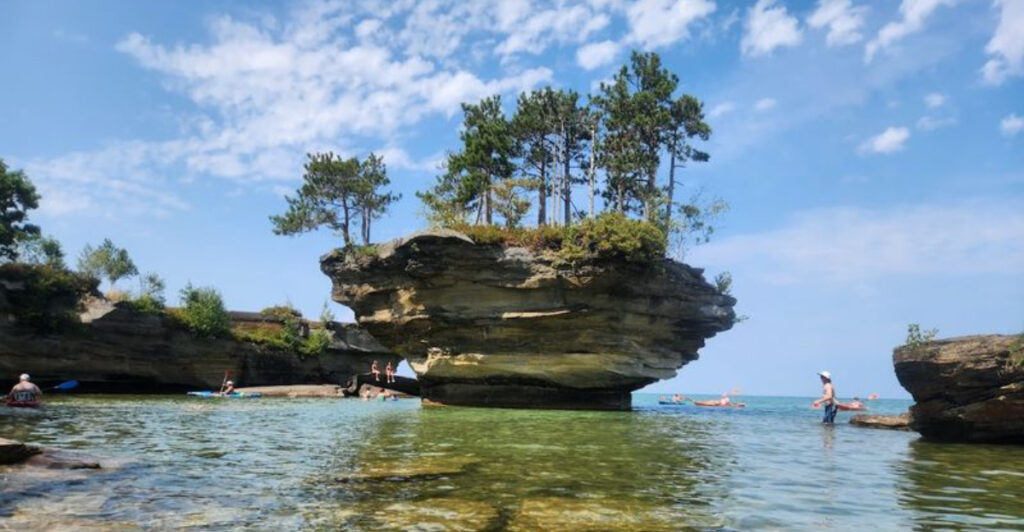
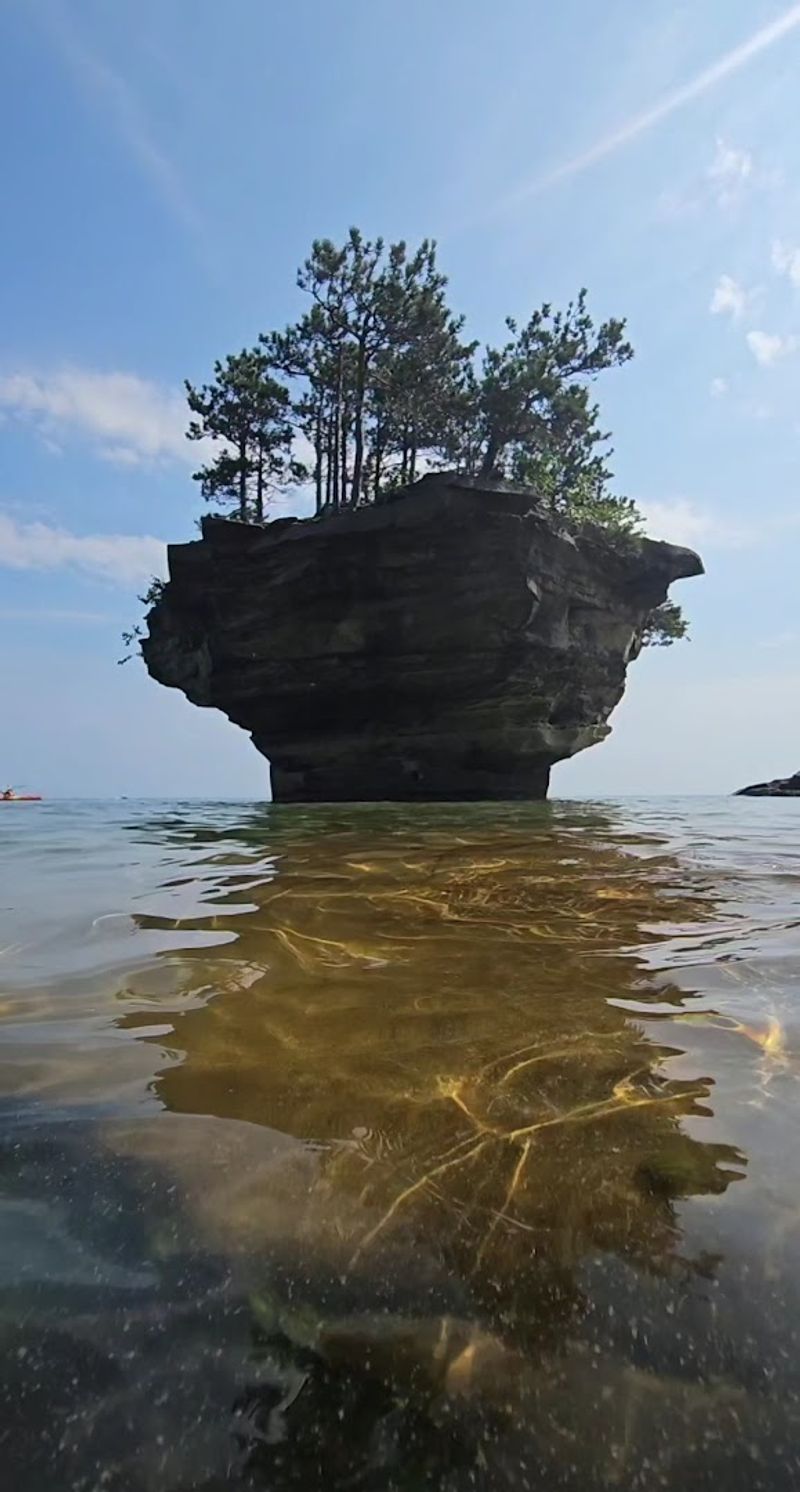
Just off the Lake Huron shoreline near Port Austin, Michigan, there is a place that feels like it should be hidden on a treasure map. Turnip Rock rises from the water in a surreal mushroom shape, its narrow stone base holding up a tree-covered top carved by centuries of waves.
Part of the magic is that you cannot simply drive up to it — you have to arrive by kayak, paddleboard, or boat. That journey makes the view feel even more unreal, like you have paddled your way into a Michigan legend.
The Gravity-Defying Shape of Turnip Rock
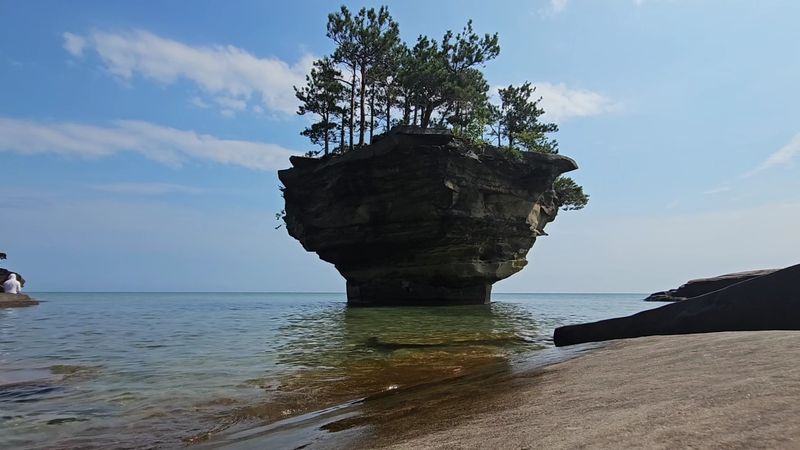
Nothing quite prepares you for the first time Turnip Rock comes into view from the water. The rock earns its quirky name honestly — its silhouette looks almost exactly like an upside-down turnip, with a wide, tree-covered top balancing on a narrow, wave-sculpted base.
It is the kind of shape that makes your brain do a double-take because it genuinely looks like it should not be standing.
What created this wild formation? Over thousands of years, Lake Huron’s relentless waves wore away the softer rock at the base while leaving the harder cap intact.
The result is a towering pillar that seems to mock the laws of physics every single day. Trees have taken root on the top, which only adds to the surreal, dreamlike quality of the whole scene.
Visitors consistently describe it as smaller than expected but far more striking in person than any photo suggests. The rock sits just offshore, and paddling around its full circumference gives you a 360-degree appreciation of just how remarkable the natural sculpting process really is.
From certain angles, the trees on top look like a tiny floating island hovering above the lake surface.
Photographers absolutely love the golden-hour light here, when warm tones hit the rock face and the water glows around it. Whether you are shooting with a phone or a professional camera, the composition practically arranges itself.
Turnip Rock is proof that Michigan’s natural wonders do not need a marketing campaign — they just need someone willing to paddle out and see them.
Kayaking to Turnip Rock: What the Paddle Is Really Like
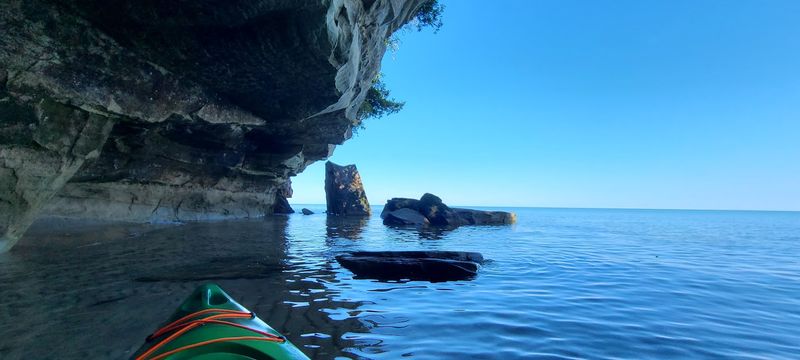
Grab a paddle and buckle your life vest — the journey to Turnip Rock is a legitimate workout, and that is a big part of what makes it so rewarding. Most paddlers launch from Bird Creek Park or the state harbor in Port Austin, and the one-way trip typically takes between one and two hours depending on wind speed and your fitness level.
Calm mornings are your best friend out here.
The water is generally shallow near the shoreline, which sounds reassuring until you realize there are rocks just beneath the surface that can catch your kayak off guard. As you round the northernmost bend toward the rock, waves can pick up noticeably, sometimes reaching over a foot high.
Staying focused and keeping a steady pace through that stretch pays off the moment Turnip Rock slides into your field of view.
Reviewers who have made the trip multiple times recommend going early in the day before crowds arrive and before afternoon winds build. The return paddle, aided by a change in wind direction, often takes considerably less time — sometimes as little as 30 minutes.
That asymmetry between the outbound grind and the breezy return feels like the lake rewarding you for your effort.
People of moderate fitness handle the trip comfortably, but novice paddlers should think carefully before heading out solo. Renting a tandem kayak is a solid option for those who want company and a little extra paddling power.
Kayak rentals are available in the Port Austin area, and some outfitters offer guided trips that take the navigation stress completely off your plate. Whatever your experience level, arriving at Turnip Rock under your own paddle power hits differently than any boat tour ever could.
The Sea Caves Near Turnip Rock
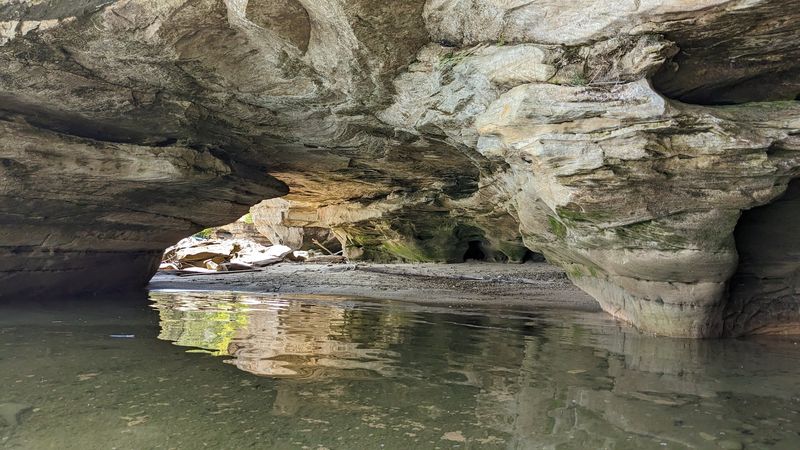
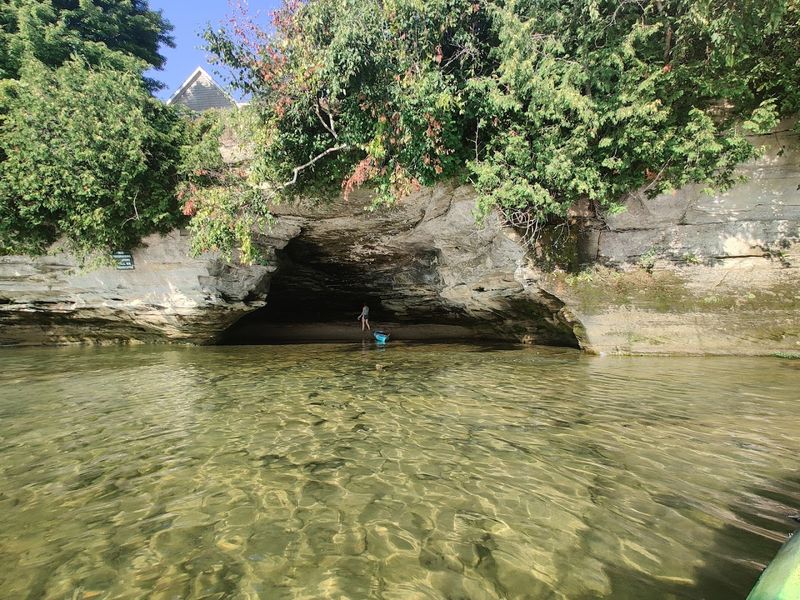
Just past Turnip Rock, a series of sea caves carved into the limestone cliffs wait for paddlers who have the energy and curiosity to keep going. These caves are one of the most underrated features of the entire area, and experienced kayakers consistently say they are absolutely worth the extra effort.
The rock walls inside shift from gray to amber depending on how the light filters through the openings.
Water levels play a big role in whether you can actually paddle through the caves or just admire them from the entrance. When lake levels run high, the ceiling clearance drops and paddling inside becomes impractical or unsafe.
Visiting during lower water periods opens up the full experience, letting you glide through narrow passages with rock walls close enough to touch on both sides.
The caves formed through the same wave erosion process that shaped Turnip Rock itself, making them a natural extension of the same geological story. Spending time in and around them feels like reading the next chapter of a book the lake has been writing for millennia.
The acoustics inside are surprisingly striking — the sound of water echoing off stone walls adds a whole sensory layer that photos simply cannot capture.
Morning light tends to illuminate the cave openings most dramatically, giving photographers a narrow window of genuinely spectacular shots. If you are already committing to the paddle out to Turnip Rock, tacking on an extra 15 to 20 minutes to explore the caves is an easy decision.
Multiple reviewers who skipped the caves on their first visit made a specific point of returning just to see them. That kind of pull says everything about how memorable this stretch of Lake Huron shoreline truly is.
Launching From Bird Creek Park
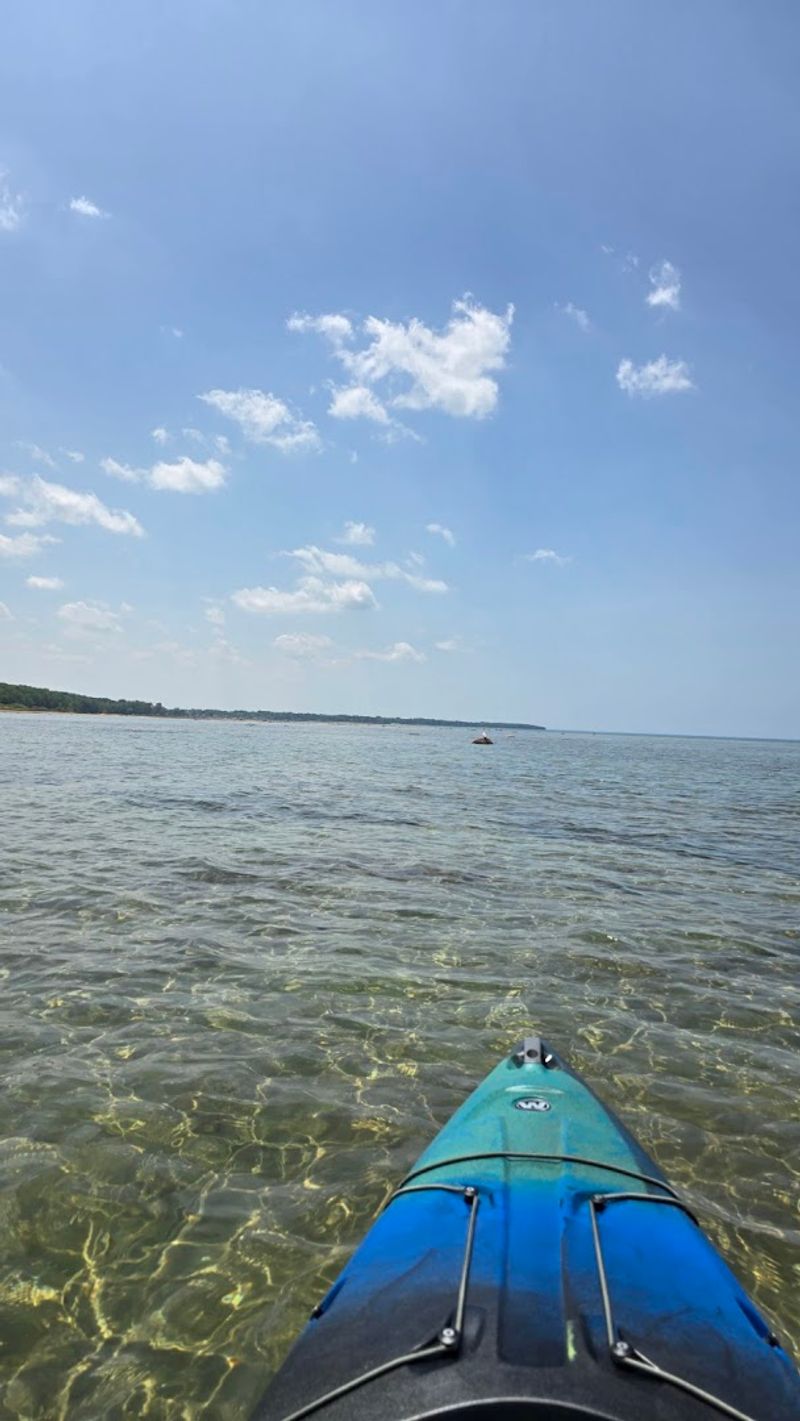
Bird Creek Park is the go-to launch point for most people paddling to Turnip Rock, and for good reason. The park sits conveniently close to the route, offers parking, and provides a manageable entry point to the water without requiring a long initial paddle before the real journey begins.
Locals treat it as the unofficial starting line for the Turnip Rock experience.
From the launch, you hug the shoreline heading northeast, keeping the tree-lined coast to your left as Lake Huron opens up to your right. The early portion of the paddle is generally calm and scenic, passing modest cottages, wooded bluffs, and the occasional great blue heron standing motionless in the shallows.
One reviewer mentioned spotting a bald eagle returning to its nest in a towering pine along this stretch — the kind of wildlife sighting that makes you forget you are technically exercising.
Knowing the route before you launch saves a lot of second-guessing on the water. A quick look at a map beforehand helps you identify the key bend in the coastline where wave conditions can shift and where Turnip Rock will finally appear.
Cell service can be spotty once you are out on the water, so downloading an offline map or taking a screenshot is a genuinely smart move.
The park itself is a pleasant place to regroup after the return paddle. Stretching out on the grass, refueling with snacks, and replaying the highlights of the trip with your paddling partners is a perfectly satisfying way to close out the adventure.
Port Austin’s small-town charm, complete with good local food spots and ice cream, sits just a short drive away whenever you are ready to celebrate the accomplishment properly.
Best Time of Year and Day to Visit Turnip Rock
Timing your visit to Turnip Rock is not just a matter of preference — it genuinely affects how safe and enjoyable the whole experience will be. Summer weekends draw the biggest crowds, with Labor Day and Memorial Day weekends being particularly popular.
If you want the rock mostly to yourself with calmer water, weekday mornings in late spring or early fall are the sweet spot most locals will quietly recommend.
Morning paddles win on almost every count. Wind speeds are typically lowest in the early hours, which means flatter water, easier paddling, and better photo conditions.
Afternoon winds on Lake Huron can build quickly and without much warning, as more than one reviewer learned the hard way after being caught in choppy water well before reaching the rock. Starting your paddle by 7 or 8 a.m. gives you a comfortable buffer before conditions shift.
Golden hour — that window of warm, low-angle light just after sunrise — transforms Turnip Rock into something almost otherworldly. The amber tones hit the rock face while the surrounding water stays glassy, creating a reflection effect that makes the whole scene look like a painting.
Multiple visitors have specifically mentioned wanting to return just to experience the rock in that evening or morning light.
Late-night paddles, while adventurous, carry real risks on these waters. One detailed reviewer recounted a nine-hour round trip that turned treacherous after dark due to choppy water, submerged rocks, and zero moonlight.
Flashlights, bug spray, and a life vest are non-negotiable if you are pushing into evening hours. Stick to daylight whenever possible, and always check the weather forecast the morning of your paddle — not the night before.
Boat Tours as an Alternative to Kayaking
Kayaking is the fan-favorite way to experience Turnip Rock, but it is not the only option on the table. Boat tours operate in the Port Austin area and offer a completely different perspective on the rock — one that does not require any prior paddling experience or physical conditioning.
For families with young children, older visitors, or anyone who simply prefers a motorized ride, a charter tour is a genuinely solid alternative.
The tradeoff is immersion. On a boat tour, you see the rock from a distance and from a fixed viewpoint, which is still impressive but lacks the slow, intimate approach that a kayak provides.
Several reviewers who took the boat route noted they wished they had kayaked instead, specifically because the kayak allows you to circle the rock, peek into the sea caves, and pause wherever the scenery demands it. A boat keeps moving on someone else’s schedule.
That said, boat tours eliminate the weather-related risks that make kayaking genuinely dangerous on bad days. Lake Huron does not play around when the wind picks up, and having a captain who knows these waters handling navigation is a meaningful safety advantage.
For first-time visitors who are unsure about their paddling ability, a boat tour can serve as a useful preview before committing to a full kayak trip on a future visit.
Checking with local outfitters in Port Austin before your trip is the best way to find current tour options and availability. Some operators combine the Turnip Rock stop with other points of interest along the shoreline, making the outing feel like a broader introduction to this corner of Lake Huron.
Either way you choose to get there, the rock itself delivers — every single time.
Wildlife and Scenery Along the Turnip Rock Paddle Route

The paddle to Turnip Rock is not just a means to an end — the route itself is packed with natural beauty that deserves its own appreciation. Wooded bluffs, limestone outcroppings, and stretches of quiet shoreline line the way, creating a backdrop that feels genuinely remote even though Port Austin sits just a few miles back.
Michigan’s Upper Thumb coastline has a raw, unhurried quality that is hard to find anywhere else in the Midwest.
Wildlife sightings along this stretch are common enough that paddlers should keep their eyes scanning both the water and the tree line. Great blue herons are practically fixtures here, standing like statues in the shallows before lifting off with slow, prehistoric wingbeats.
One reviewer described watching a bald eagle return to its nest in the tallest pine along the bank — a sight that reportedly stopped the entire paddling group mid-stroke.
The water clarity in this section of Lake Huron is genuinely impressive on calm days. Shallow areas reveal sandy bottoms and submerged rocks in vivid detail, and the color of the water shifts from pale green near shore to deep blue farther out.
Kayakers who keep their pace relaxed rather than racing to the destination tend to notice far more of these details and come away with a richer overall experience.
Sunsets viewed from the water on the return paddle can be spectacular, painting the sky in colors that reflect off the lake surface and make the whole trip feel cinematic. One reviewer who visited back in 1985 returned 40 years later and reported the area was still just as stunning as the first time.
That kind of staying power is the truest measure of a place worth visiting — Turnip Rock and the waters surrounding it have earned it completely.
Share this story