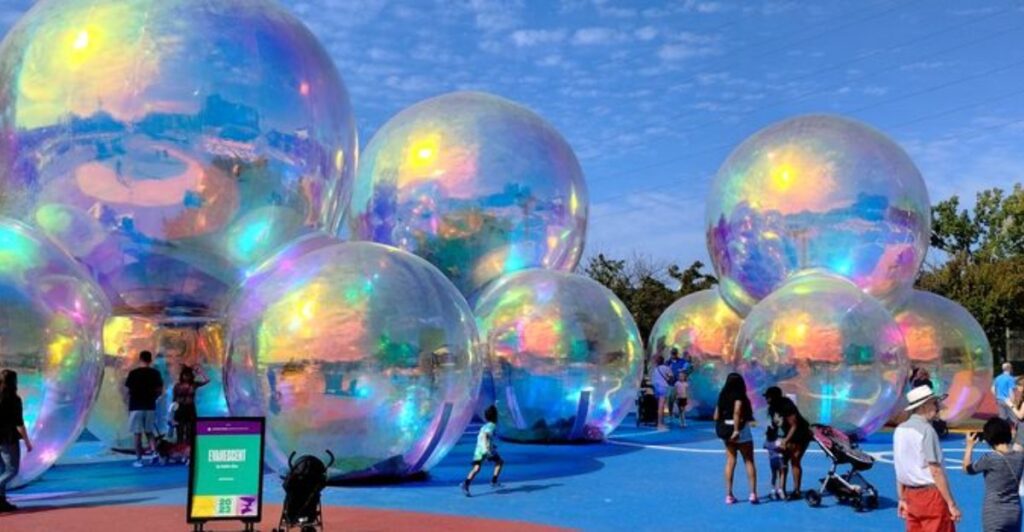
Downtown feels completely different when art starts showing up in parks, churches, hotel lobbies, museums, storefronts, and right along the sidewalk. From Friday, September 18 through Saturday, October 3, 2026, ArtPrize turns Grand Rapids, Michigan, into a massive public art experience, with Preview Week running September 12–17 for an early look at select entries.
Paintings, sculptures, installations, and unexpected pop-up pieces make the whole city feel like a gallery. The appeal is how open it feels: visitors do not need a big budget, an art degree, or a formal plan to take part.
For anyone who loves Michigan outings with creativity, city energy, and plenty of free things to see, ArtPrize is one of the season’s most exciting events.
Downtown Grand Rapids Becomes the Gallery
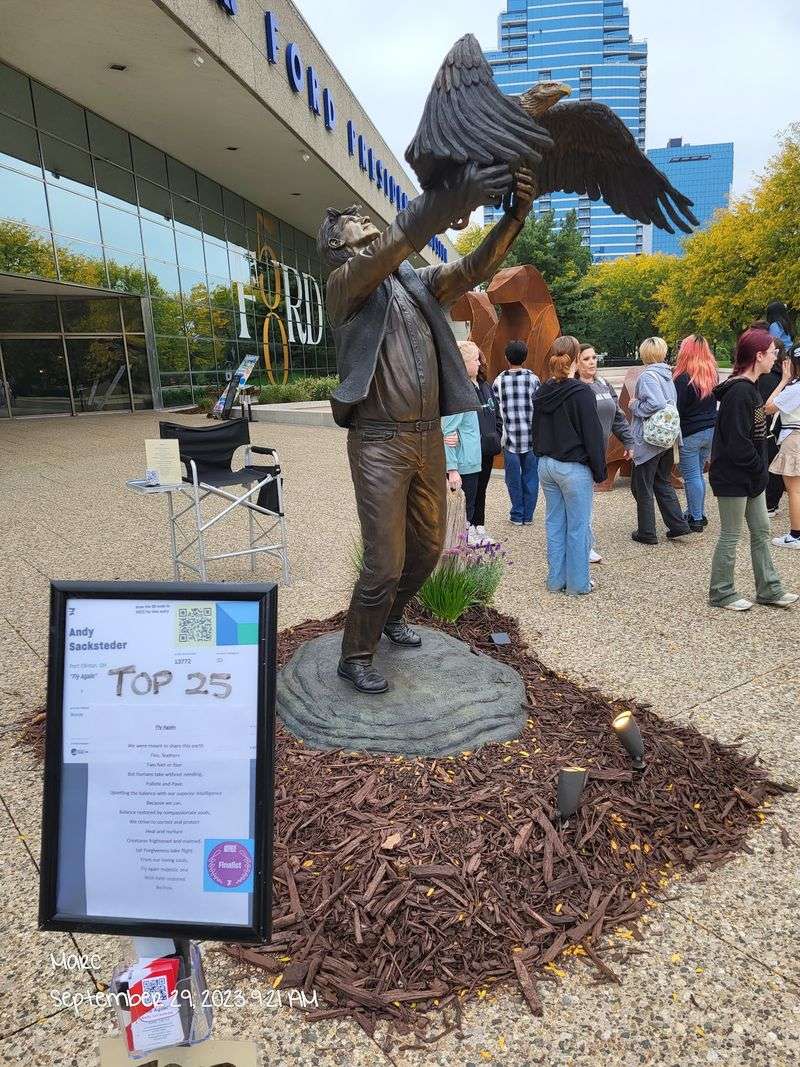
One of the smartest things about ArtPrize is how quickly it changes the look of downtown Grand Rapids. Ordinary blocks start doing double duty.
Streets still carry office workers, hotel guests, and dinner crowds, but they also become routes between giant sculptures, window displays, temporary exhibits, and art tucked into unexpected corners.
Instead of entering one giant fairground, you move through a working city that has been taken over by creativity. That shift makes the event easier to approach than many formal art shows.
You can start with a short stroll, pause for coffee, cross the river, and suddenly run into a piece large enough to stop traffic with a single glance.
The visual mix is part of the thrill. Brick buildings, glass towers, old churches, plazas, and riverside paths all give the artwork different backdrops.
A bright inflatable structure lands differently near water than a framed painting inside a quiet lobby. Even when a piece is not your favorite, the setting can still make the stop interesting.
Because the art is spread through real neighborhoods, you also notice details of Grand Rapids that might otherwise slip by. One block may feel polished and busy, while the next opens into a calmer pocket with benches or a broad sidewalk perfect for lingering.
That movement keeps the event from feeling trapped in one mood.
If you are visiting for the first time, plan to look up often and slow down more than usual. ArtPrize rewards wandering, but it also rewards attention.
The city itself becomes part of the exhibition, and that turns a simple walk into a rolling series of discoveries across downtown.
Free Entry Opens the Door for Everyone
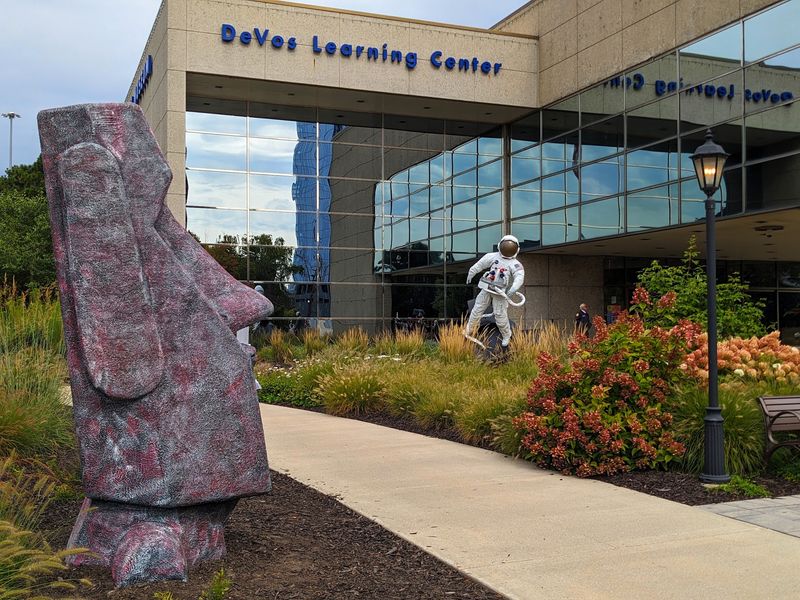
Art events can sometimes sound expensive before you even leave home. ArtPrize flips that idea in a refreshing way because exploring the event itself costs nothing.
You can spend a whole afternoon looking at major installations, stepping into host venues, and following the artwork across Grand Rapids without paying an admission fee just to participate.
That free access changes who gets to join in. Families can bring children without calculating several ticket prices.
Teenagers can explore with friends. Curious travelers who are unsure how much contemporary art they like can give it a try without pressure.
Even a quick hour between other plans can turn into a worthwhile outing.
The event also feels more relaxed than places where every room is guarded by a ticket scan. You are not locked into one building or one route.
If a venue feels crowded, move on. If a piece grabs your attention, stay longer.
That flexibility helps people of different ages and energy levels enjoy the day in their own way.
Accessibility is not only about money, either. ArtPrize places work in public-facing spaces where art meets everyday life.
Hotels, museums, churches, and business interiors can become part of the experience, and outdoor pieces offer easy entry for anyone who simply wants to start walking and looking.
A little planning still helps. Wear comfortable shoes, check which venues are open during the hours you plan to visit, and allow extra time if anyone in your group needs frequent breaks.
Grand Rapids gives you plenty of places to sit, snack, and regroup. Free admission lowers the barrier, but smart pacing makes the event easier and more enjoyable for everybody.
Art Variety Keeps the Walk Interesting
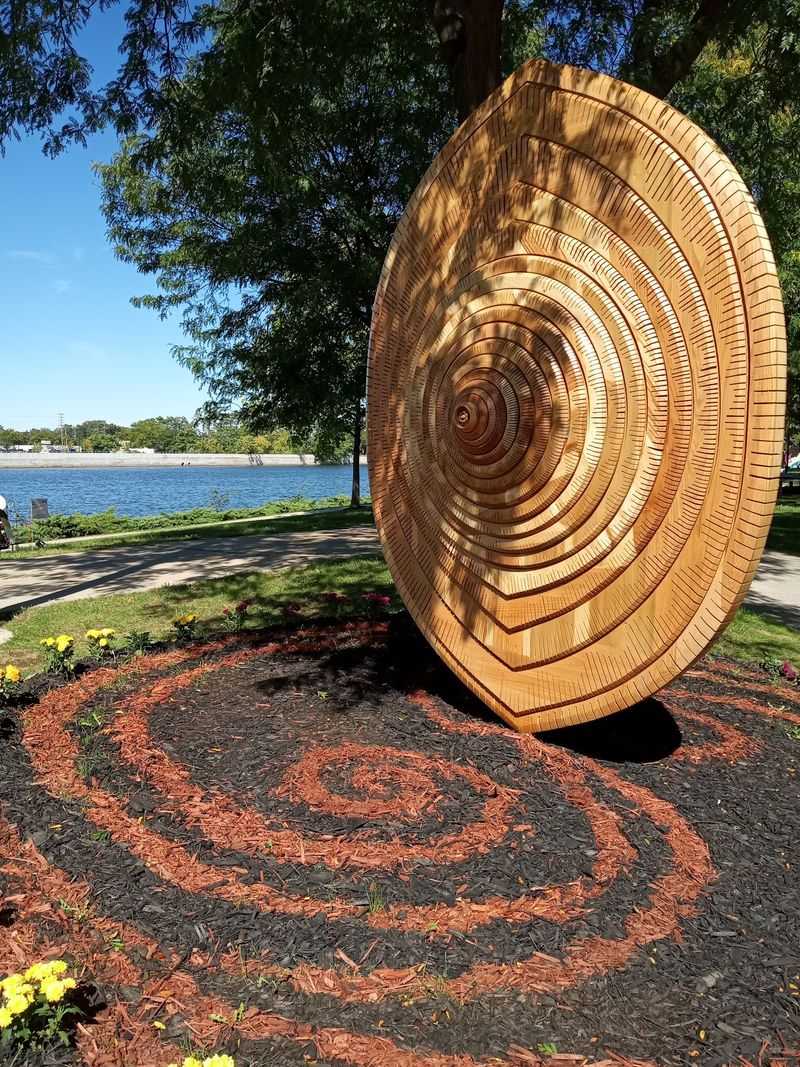
A good ArtPrize day usually includes at least one moment of surprise. Maybe it is a huge outdoor piece by the river.
Maybe it is a delicate glass work inside a venue that suddenly quiets the noise of downtown. The event stays lively because the art is not all trying to do the same job.
You can expect a broad range of styles, sizes, and ideas. Some entries are bold and playful, built to catch your eye from half a block away.
Others are smaller and more thoughtful, asking you to stop, read the artist statement, and spend a minute understanding the message behind the materials, story, or technique.
That range matters for practical reasons, too. Not every visitor wants the same experience.
Kids may react first to movement, color, and scale. Adults who enjoy craft might linger over glass, textile, or painted detail.
Friends walking together can disagree about favorites and still have fun because the next venue may offer something completely different.
Reading artist notes can add a lot. Several visitors have pointed out how much perspective those statements bring, and they can turn a puzzling piece into one of the strongest stops of the day.
Even when the work remains challenging, the context helps you connect with the thought behind it rather than dismiss it too quickly.
The best approach is to mix your pace. Let some works hit fast, almost like visual exclamation points, then slow down for pieces that ask for closer attention.
ArtPrize works well when you stop expecting every entry to impress you in the same way. The variety is the point.
Each turn offers a new medium, a new mood, or a new conversation starter.
Michigan Energy Runs Through the Event
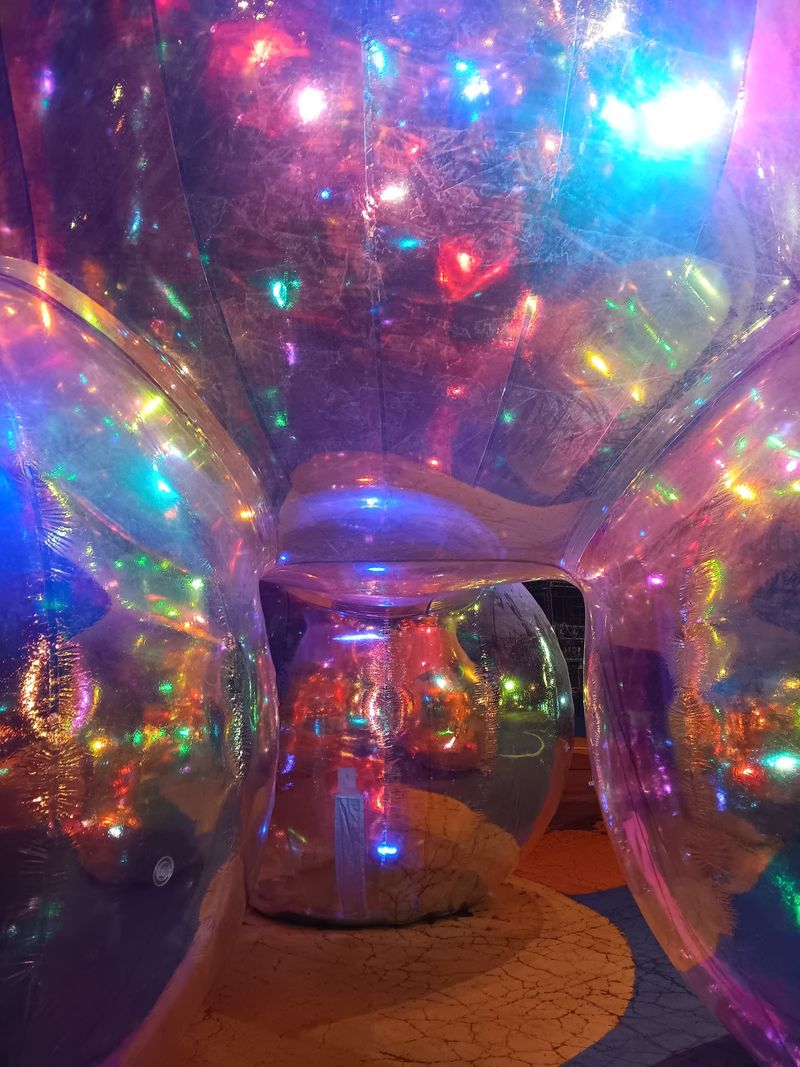
Grand Rapids does not stage ArtPrize as a sealed-off attraction dropped into town for a weekend. The event works because it is tied to the city and to Michigan creative life in visible ways.
Host venues across downtown become part of the structure, which means local buildings and businesses help shape how the whole experience unfolds.
That connection gives the event a more rooted character than a typical convention hall show. Art appears in places with their own history and personality, so the city is not merely providing square footage.
A church, hotel, museum, or office lobby changes how you read the work inside it. The surroundings quietly join the conversation.
Reviews also hint at a strong regional element, with mentions of Michigan artists and the chance to discover more of Grand Rapids by following the exhibit map. That matters because the event is not only about seeing finished objects.
It is also about seeing how a city presents creativity in public and how neighborhoods participate in a shared cultural moment.
You notice that civic side in the small interactions. People compare favorites on sidewalks.
Groups step indoors to escape weather, then find another exhibit. A block that usually feels like part of the workweek suddenly hosts conversations about color, meaning, craft, or technique.
ArtPrize gives Grand Rapids a temporary common topic.
If you are coming from elsewhere in Michigan, the event can serve as a fresh way to experience the state’s creative range without needing a formal itinerary. If you already know Grand Rapids, it offers a reason to see familiar places differently.
That local backbone keeps ArtPrize from feeling generic, even when opinions on specific entries vary from year to year.
How to Explore Without Wearing Yourself Out
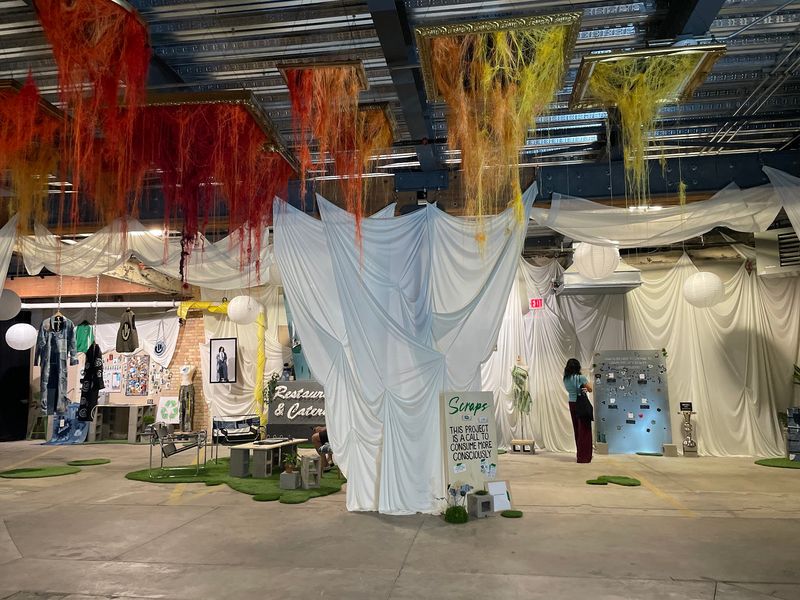
Here is the trick that makes ArtPrize more fun: do not try to conquer all of it in one sweep. The event can stretch across a wide area, and several visitors have mentioned that seeing everything in a single outing is unrealistic.
A better plan is to treat the day like a series of small loops instead of one giant march.
Start by choosing a focus zone. Downtown venues near each other can give you a strong first round without burning your energy early.
After that, decide whether to cross the river, head toward a museum stop, or explore a cluster of indoor spaces where you can rest your feet between exhibits.
Maps matter more than you might expect. Some visitors have wished navigation were easier, and the spread of venues can make the event confusing if you arrive unprepared.
Before heading out, check the current listings, mark a handful of must-see entries, and build in room for accidental finds. That balance keeps the day organized without making it rigid.
Timing also helps. Earlier hours can make popular venues easier to handle, while later periods may bring stronger street energy in busy areas.
If you are with children or older relatives, plan bathroom breaks, snack stops, and a place to sit. Art is easier to enjoy when nobody is melting down from hunger or sore legs.
Most of all, give yourself permission to skip around. ArtPrize is not a test with extra credit for seeing every piece.
Pick highlights, notice what catches your eye, and return another day if possible. The event rewards repeat visits because different neighborhoods, lighting conditions, and crowd levels can make the same city route feel completely changed.
Crowds, Closures, and Detours Are Part of the Real Story
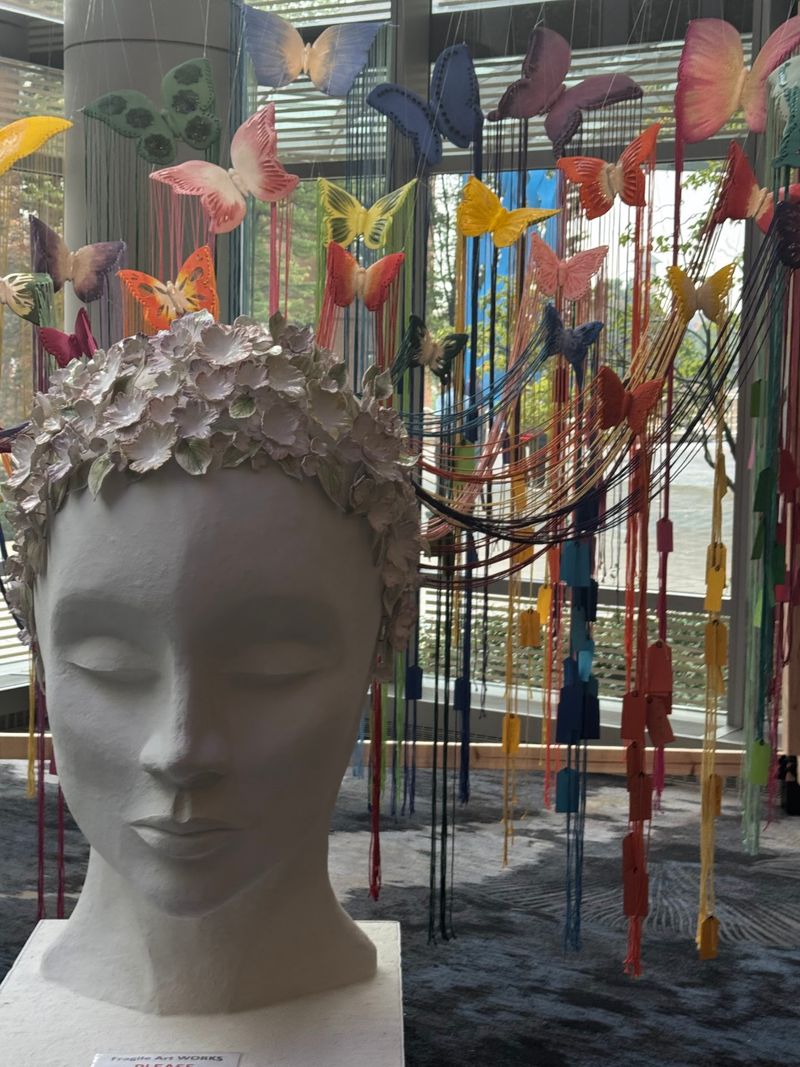
Every big public event has a less glamorous side, and ArtPrize is no exception. Knowing that ahead of time can save frustration.
Several common issues show up in visitor feedback: exhibits spread far apart, busy venues, construction or detours downtown, limited parking close to artwork, and occasional disappointment when a museum or related stop is closed during a planned visit.
None of that means the event is poorly worth seeing. It simply means your expectations should match the format.
ArtPrize unfolds across a living city, not a private campus built only for convenience. Bridges may close, traffic patterns may change, and a venue’s schedule may not line up perfectly with your preferred hour.
The easiest fix is to plan for flexibility. If one museum is closed, shift toward outdoor work or another indoor cluster nearby.
If parking close to your target area looks impossible, choose a garage or lot and commit to walking a broader section. Comfortable shoes are more useful than chasing the perfect parking spot for twenty extra minutes.
Crowds deserve smart timing. Popular buildings can get packed, especially on pleasant weekends.
Going earlier in the day or splitting your visit across more than one trip can make the experience calmer. You will spend less time squeezing through doorways and more time actually seeing the artwork.
There is also a mindset piece here. ArtPrize asks for a little patience because the city remains active while the event is happening.
Some blocks may feel polished and festive, while others feel less inviting or less dense with exhibits. Treat the day like urban exploring rather than a seamless theme park route.
Once you do that, the rough edges become easier to manage.
Why ArtPrize Still Stands Out in Michigan
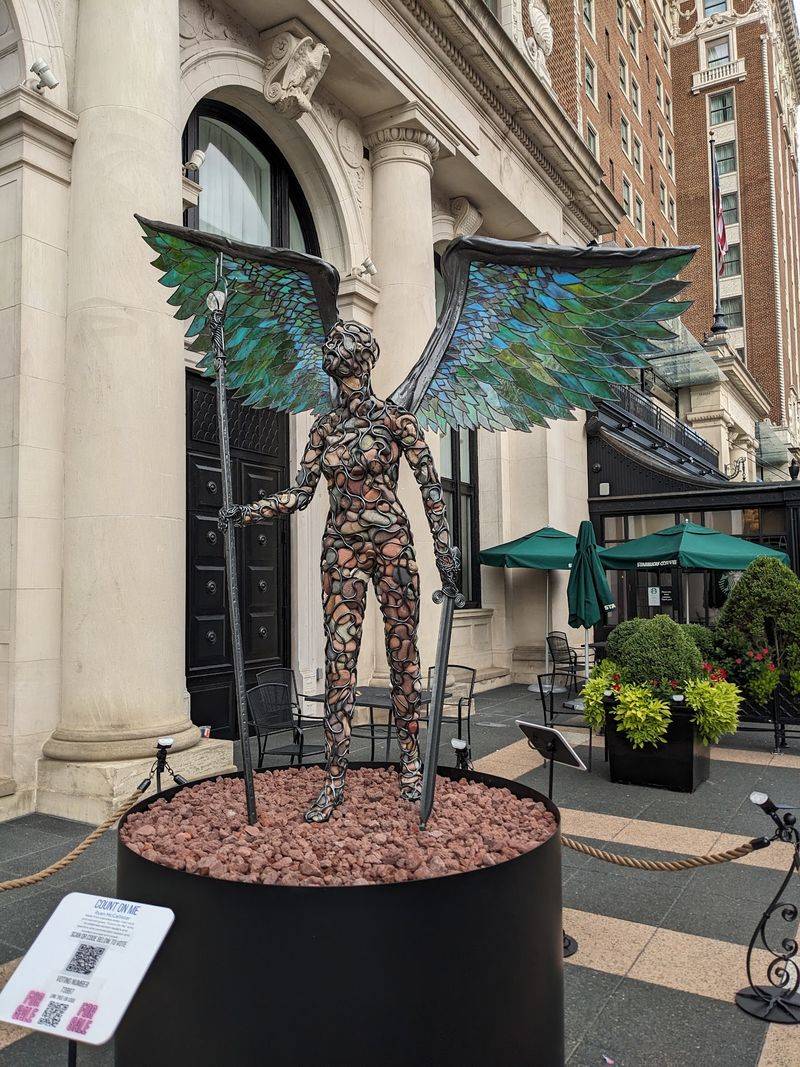
Plenty of cities host festivals. Far fewer let art spill so broadly into daily public life without putting a ticket booth in front of the experience.
That is the strongest reason ArtPrize stands out in Michigan. It gives you scale, variety, and a downtown setting while staying open to the casual stroller, the serious art fan, and the family that simply wants an interesting afternoon.
The event is not perfect, and that honesty matters. Some years draw stronger reactions than others.
Some entries impress more than others. The layout can feel wide, and practical snags can interrupt momentum.
Yet the overall concept remains unusually welcoming: a major cultural event where discovery happens while walking city streets, stepping into shared spaces, and following curiosity instead of a costly schedule.
Grand Rapids benefits from that format because the city itself becomes part of the appeal. You are not only looking at objects on walls.
You are seeing how art changes movement, conversation, and attention across downtown. A river crossing turns into a transition between exhibits.
A hotel lobby becomes a gallery. A church or museum stop changes the pace of the day.
For first-time visitors, the best expectation is simple. Do not chase total completion.
Chase a good route, a few standout pieces, and enough time to notice how the city is behaving differently during the event. That is where ArtPrize becomes more than a list of entries.
By the end of the day, what sets it apart is easy to name. ArtPrize lowers the barrier to participation, spreads creativity across Grand Rapids, and makes contemporary art easier to approach without stripping away surprise.
In a state full of seasonal outings, that combination gives Michigan one of its most open and walkable cultural experiences.