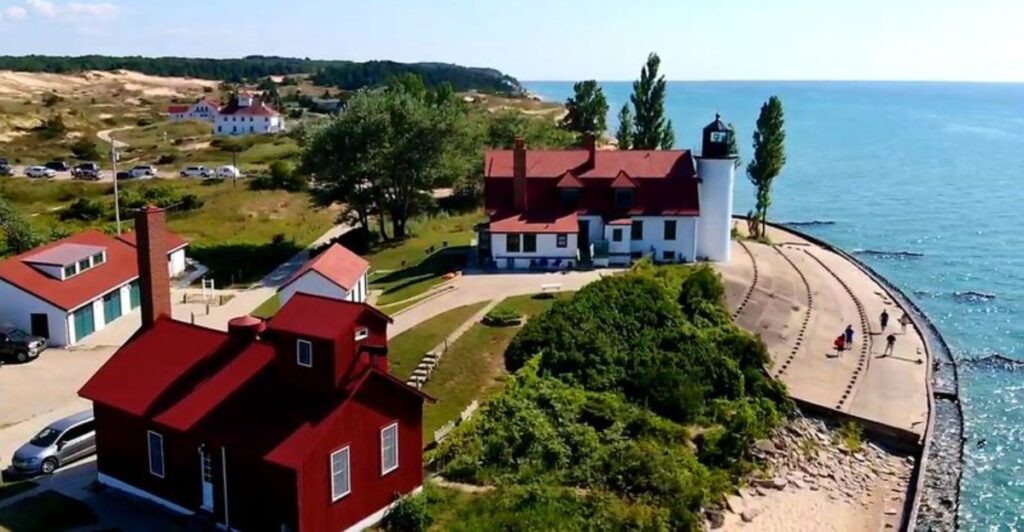
Lake Michigan landmarks feel especially powerful when wind, waves, and history all meet in the same view. Near Frankfort, Michigan, Point Betsie Lighthouse has stood along the shore for well over a century, helping guide ships through the busy Manitou Passage and leaving behind one of the state’s most striking lighthouse stories.
The appeal comes from how much the stop offers at once: preserved history, dramatic lakeshore scenery, old-building character, and a clear connection between land and water. It is beautiful enough for a quick visit, but meaningful enough to reward a slower look.
For anyone drawn to Michigan places with scenery, maritime history, and classic Great Lakes atmosphere, Point Betsie deserves a closer look.
A White Lighthouse Against Blue Water
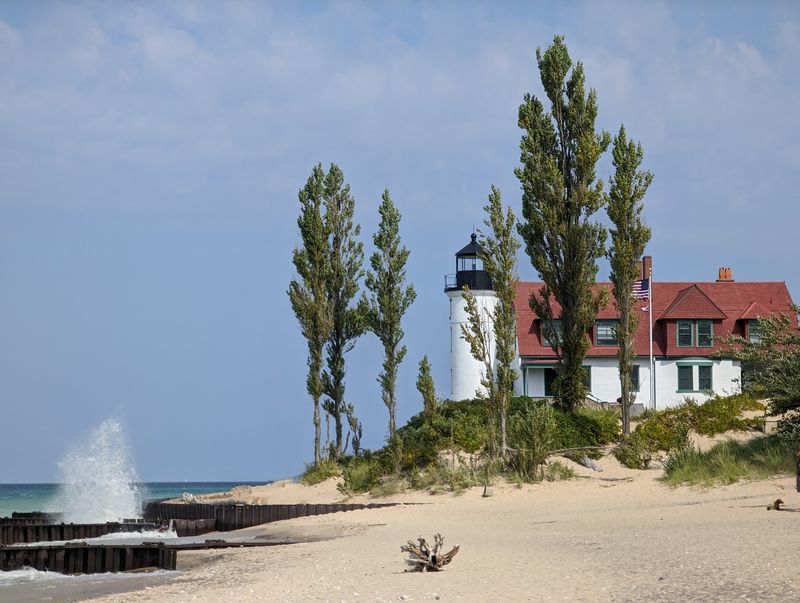
Long before you read a sign or step inside a museum room, the view does the work. Point Betsie Lighthouse rises in clean white lines against Lake Michigan, and the contrast is hard to ignore.
Blue water, pale sand, and the simple shape of the tower create a scene that looks almost too neat to be real.
The setting helps explain why this lighthouse is such a favorite stop near Frankfort. It sits close to the beach instead of hiding far inland, so the relationship between the building and the water is easy to understand at a glance.
You can look at it and immediately see its job: watch the lake, mark the shore, and stand firm when weather turns rough.
That visual power changes with the season. On a bright summer day, the place looks crisp and cheerful, with sun bouncing off the white exterior and waves rolling in nearby.
In colder months, the same structure can appear severe and dramatic, especially when wind drives spray across the shore or ice builds strange shapes around the landscape.
Photographers like Point Betsie for good reason, but you do not need a camera to enjoy the show. Even a short stop lets you take in strong details like the tower, the attached keeper’s quarters, and the open sky that makes everything seem wider.
The site feels uncluttered, which gives the lighthouse room to command attention without needing anything flashy.
If you visit for the first time, pause before rushing to the ticket area or beach. Stand back and take in the full outline from the approach.
That first broad view helps the rest of the visit make sense, because Point Betsie is not only a historic structure. It is a working lesson in how design, location, and landscape come together on the Great Lakes shore.
Why Manitou Passage Needed a Watchful Light
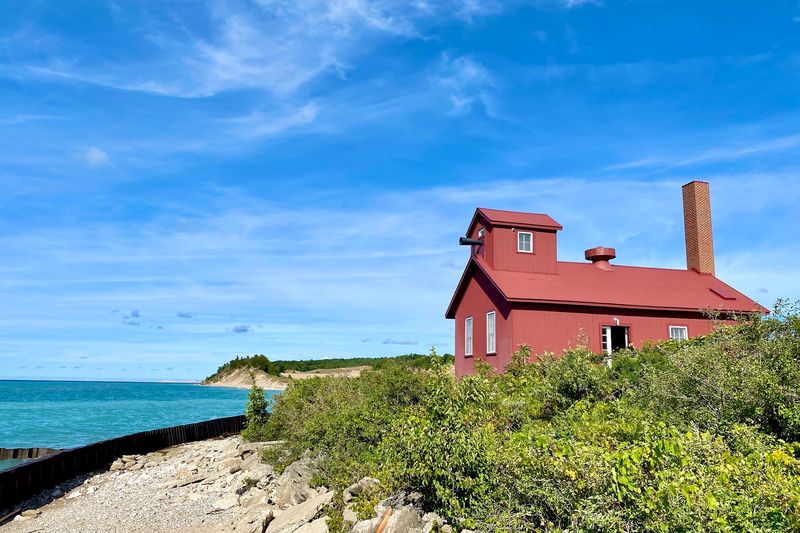
Ships crossing Lake Michigan did not need a pretty landmark. They needed dependable guidance, especially near the Manitou Passage, where traffic moved through an important stretch of water.
Point Betsie became part of that system by helping mariners judge location, avoid trouble, and stay on course along a demanding shoreline.
Manitou Passage has long mattered because it connects major lake travel routes near the Sleeping Bear area and the open water beyond. Before modern navigation tools, captains relied heavily on lights, charts, and local knowledge.
A lighthouse in the right place could mean the difference between a safe passage and a dangerous mistake, especially at night or during bad weather.
Point Betsie’s location made it useful in a very practical way. It marked a key point on the coast and gave sailors a visual reference in a region where storms, darkness, and shifting conditions could quickly raise the stakes.
Along the Great Lakes, that kind of guidance was not a luxury. It was basic protection for ships, cargo, and crews.
Understanding that role makes the site more than a scenic museum stop. You are looking at a structure tied to commerce, travel, and survival on inland seas that can behave like oceans.
Lake Michigan may look calm for a few minutes, then change fast, and the people moving across it needed help that worked every single night.
If you want the visit to feel richer, picture the shoreline without cars, smartphones, or modern harbor lights. Imagine a captain searching the dark horizon for a signal that confirms where he is.
That exercise turns the lighthouse from a postcard subject into a tool with real weight. Point Betsie guided ships through Manitou Passage because the route mattered, and because reliable navigation once depended on landmarks exactly like this one.
Standing Here Since Before the Civil War
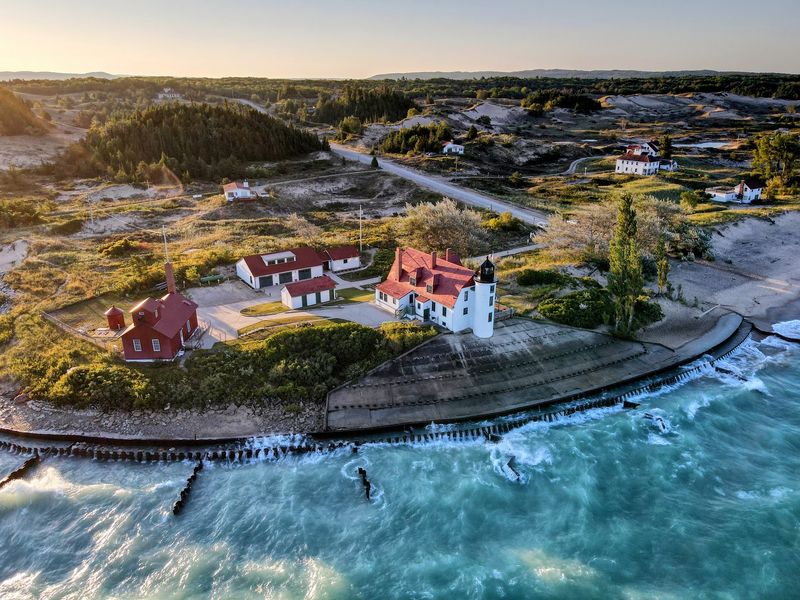
Age changes the way a place speaks to you. At Point Betsie, the biggest surprise is not just that the lighthouse is old, but that it has been guiding ships since before the Civil War.
That timeline instantly stretches the site beyond a beach stop and into a much larger American story.
When a building remains useful across so many decades, every part of it gains extra meaning. The lighthouse connects the era of sailing vessels and early industrial growth to the present day, when travelers arrive by car for tours, photos, and a walk on the beach.
Few places explain that passage of time so clearly without needing a long lecture.
The restoration matters because it helps you see the site as a lived-in workplace, not just an antique shell. Preserved rooms, museum displays, and the layout of the property reveal that lighthouse service involved routine, discipline, and steady attention.
A beacon may look romantic from a distance, but its history is also about maintenance, schedules, and people doing necessary jobs through every season.
That older world still lingers in the architecture. The tower and attached dwelling show how form followed function, with everything arranged to support life beside a busy and sometimes punishing lake.
Even if you know only a little Great Lakes history, the setting makes the lesson easier to grasp because the water is right there, still moving past the same shore.
For younger visitors, this is a great place to make history feel less abstract. Instead of memorizing dates, you can connect time to something physical and easy to picture.
A lighthouse that predates the Civil War is not just old in a vague way. It has outlasted generations, watched transportation change, and remained relevant.
That long service gives Point Betsie a seriousness many scenic roadside attractions simply do not have.
Inside the Keeper’s World and Up the Tower
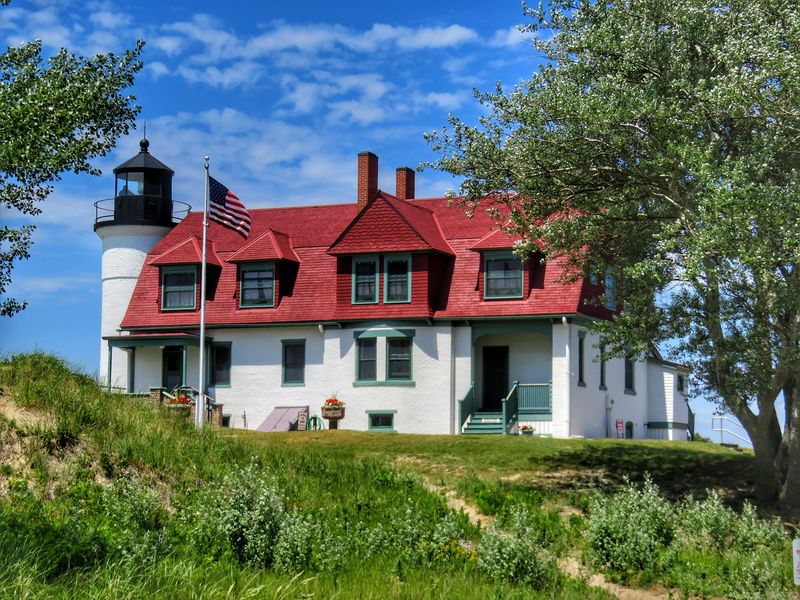
Some historic sites are best admired from outside, but Point Betsie rewards a closer look. The self-guided tour gives you access to restored spaces and interpretive exhibits that help turn the lighthouse from a nice view into a working world.
Instead of guessing how life operated here, you can move through rooms that explain it step by step.
The attached keeper’s house adds depth to the experience. It reminds you that lighthouse duty was not separate from daily life.
People lived beside this tower, managed routine tasks, and carried out responsibilities tied directly to the lake outside. That mix of home and job gives the site a practical, human scale that many bigger museums struggle to create.
Then there is the climb. Reaching the top is exciting, but it is smart to know that the tower space is tight.
Several visitors have noted that the opening near the light room can feel small and cramped, so anyone uneasy with narrow spaces should keep that in mind before heading up. For those comfortable with the stairs, the payoff is the view.
From above, the geography suddenly clicks. You can see the shoreline stretch out, watch Lake Michigan shifting in color, and better understand why a light at this location mattered so much.
On clear days, the broad sweep of water and distant land gives the whole site an even stronger sense of purpose.
Families often find the museum areas especially useful because the information is approachable rather than overwhelming. Interactive touches and kid-friendly activities can help younger visitors stay engaged, which is not always easy at historic properties.
Plan enough time to read a few exhibits, explore the grounds, and climb only if it suits your group. Rushing through would miss the point.
Point Betsie becomes most interesting when you let the details explain how lighthouse life really worked.
Michigan Wind, Waves, and a Beach Full of Stones
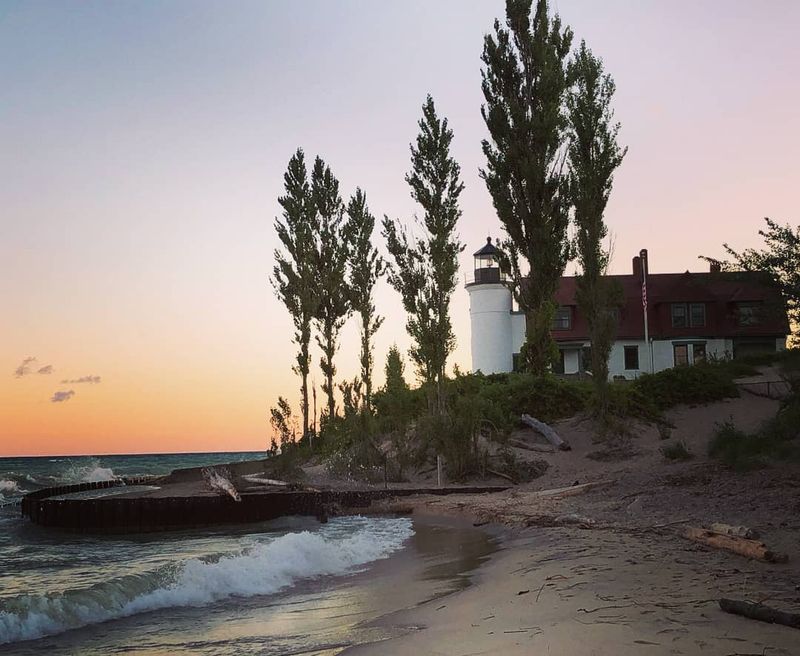
Bring sturdy shoes if you can, because the beach at Point Betsie adds a whole second reason to stop. The shoreline is known for rocks, shifting wave action, and the kind of open-lake wind that can wake you up in seconds.
It is a place where the ground invites you to look down even while the horizon keeps pulling your eyes back up.
Rock hunting is part of the fun here. The beach is full of stones in different colors, sizes, and textures, and that simple treasure-hunt quality keeps both kids and adults busy.
You may spot smooth gray stones, layered pieces, and, with luck, something more distinctive among the mix. Even people who arrive for the lighthouse often end up spending extra time near the waterline.
The lake itself rarely looks exactly the same twice. On calm days it can glow in deep blue tones and make the shore seem peaceful and open.
When the weather shifts, waves rise fast, and Point Betsie becomes a stronger, rougher landscape. Reviews often mention dramatic water, and that rings true because this stretch of Lake Michigan can turn from easygoing to fierce in a hurry.
Wind is part of the package, so dress with more caution than the forecast might suggest. A light jacket, layered clothing, and secure hats are smart even outside the coldest months.
If you are visiting in spring or fall, expect the air near the shore to feel sharper than inland conditions.
Do not treat the beach as an afterthought. It helps explain the lighthouse just as much as the museum does.
Walking beside the stones, hearing the surf, and watching the weather move across the lake shows exactly what ships and keepers were dealing with. The beach is not merely scenic space beside the tower.
It is the living edge of the story, active and changing every day.
How to Time Your Visit for the Best Experience
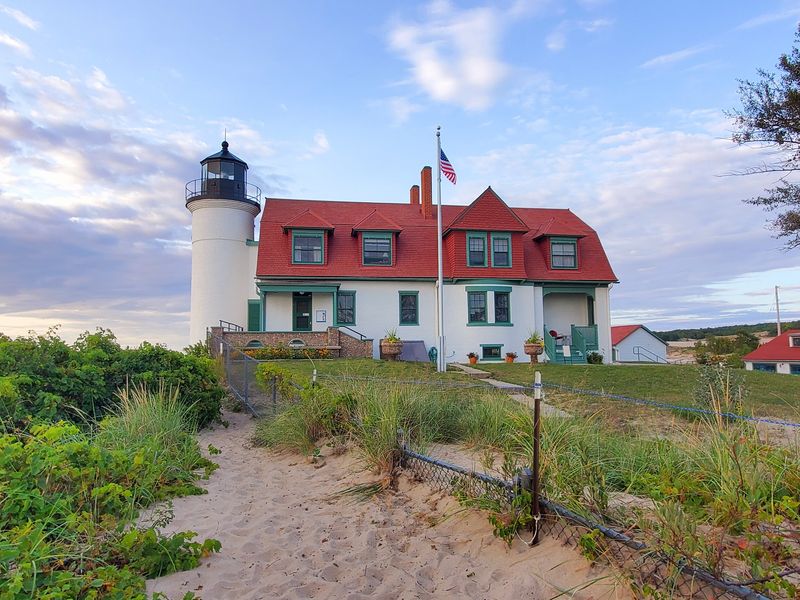
A little planning goes a long way at Point Betsie because the site works best when you match your visit to its rhythm. The lighthouse and museum operate seasonally, and posted hours show that it is closed on some midweek days, with daytime openings later in the week and on weekends.
Checking the current schedule before driving out is a smart move, especially if touring the interior is a priority.
Parking is one of the biggest practical details to understand ahead of time. Several visitors mention limited spaces and roadside parking near the end of the road.
That does not ruin the trip, but it does mean busy summer afternoons may require patience, careful maneuvering, and a short walk in. Arriving earlier in the day can make the approach easier.
If you want the broadest experience, give yourself more than a quick photo stop. Many people spend time touring the buildings, browsing the small gift shop, and then heading to the beach for views or rock hunting.
A visit of about an hour to an hour and a half gives enough breathing room to move at a relaxed pace instead of hurrying from one part to the next.
Sunset is a major draw, and it is easy to understand why. The western Lake Michigan setting gives the lighthouse a strong evening backdrop, with changing light on the tower, beach, and water.
If your goal is photography or simply sitting with the view, later afternoon into evening can be especially rewarding. Just remember that interior access may end before the best sky colors arrive.
Families, casual sightseers, and history fans can all enjoy the property, but comfort matters. Wind-ready clothing, good walking shoes, and realistic expectations about stairs make a difference.
The site has accessible features in some areas, though the beach itself is more challenging terrain. Point Betsie is easiest to enjoy when you treat it like a lakeshore landmark with a working schedule, not a drop-in stop that runs entirely on your timetable.
Why Point Betsie Still Commands Attention Today
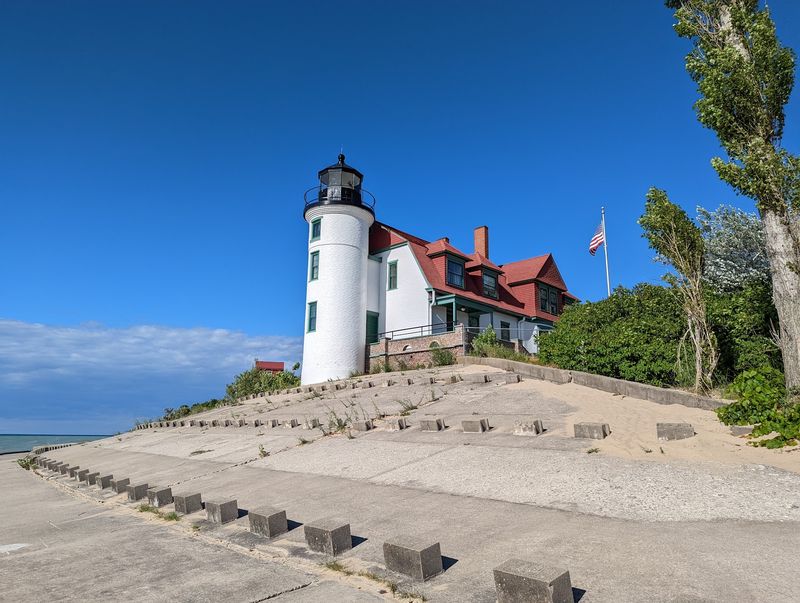
Not every historic lighthouse keeps its relevance once modern technology takes over, but Point Betsie still holds attention for clear reasons. It combines strong history, easy-to-read architecture, active lakeshore scenery, and a location that instantly explains its original purpose.
You do not have to stretch for meaning here. The place presents it directly.
Part of its power comes from balance. The site is educational without becoming stiff, scenic without feeling empty, and accessible enough for a casual stop while still rewarding a slower visit.
That mix helps different kinds of travelers connect with it. A child can enjoy the climb or scavenger hunt, a history fan can focus on preservation, and a photographer can spend an evening studying light and weather.
There is also a welcome honesty to Point Betsie. The tower is beautiful, but it does not pretend lake life was always gentle.
Wind, tight spaces, rough water, and practical building design all remind you that this was a working station built for serious conditions. That realism gives the property more depth than a polished landmark that only offers a pretty exterior.
Its setting near Frankfort adds another advantage. You can fit Point Betsie into a wider northern Michigan day trip, yet it never feels swallowed by bigger attractions.
The lighthouse remains the clear center of attention because the surrounding beach and open water support the story instead of competing with it.
If you leave with one big takeaway, let it be this: Point Betsie is memorable because form, history, and landscape still line up perfectly. The structure stands where it makes sense, the museum explains why it mattered, and the lake continues to show the forces it was built to face.
Guided ships through Manitou Passage before the Civil War, still drawing people to the same shore today, it remains one of Michigan’s clearest examples of the Great Lakes past in full view.