Most people drive through New York thinking about traffic, weather, or the quickest way home, not the unsettling history hiding just beyond the headlights. But scattered across the state are roads tied to whispered legends, tragic accidents, colonial-era folklore, abandoned sites, and ghost stories that locals still retell with a straight face, especially after dark, when the trees close in and every bend seems to hold onto its own memory.
If you have ever felt that strange hush settle over a back road, or caught yourself glancing twice at a shadow near the shoulder, these places will feel uncomfortably familiar, because each one carries a reputation built from decades of sightings, warnings, and stories that refuse to fade. Before you brush them off as myths, take a closer look at these nine New York roads, because once you know what people claim happened there, you may never drive them the same way again.
1. Buckout Road – White Plains And Harrison, Westchester County
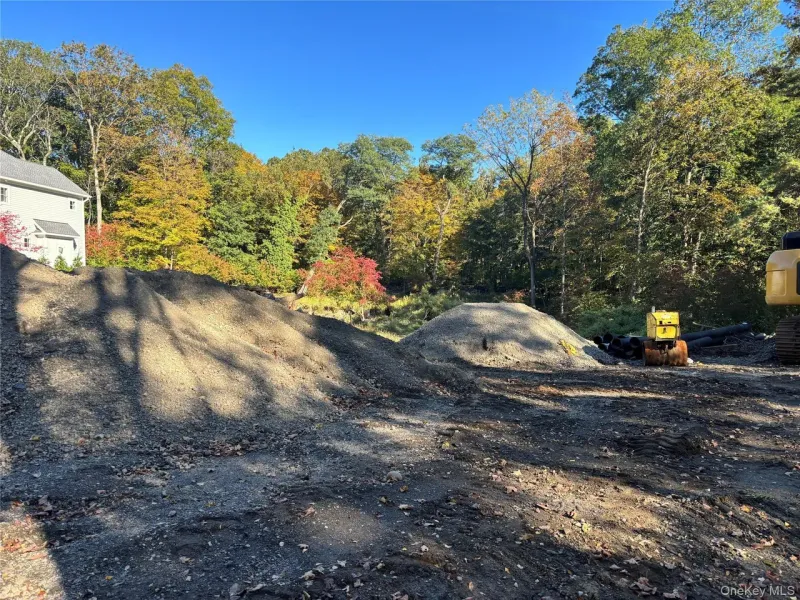
Winding through the wooded edge between White Plains and Harrison, this stretch has earned one of the most disturbing reputations in Westchester County.
You do not need much imagination here, because the road already feels heavy once the tree cover thickens and the light starts slipping away.
Even in daylight, the narrow pavement and old residential pockets make it easy to understand why Buckout Road has inspired decades of uneasy local talk.
The most repeated legend centers on a family said to have lived in isolation along the road before being murdered under brutal circumstances.
Depending on who tells it, the victims were a mother and children, or an entire household, and their spirits supposedly linger near the place where the crime occurred.
Drivers have claimed to see shadowy figures near the roadside, hear unexplained knocks, or feel as if something is following the car from one bend to the next.
Another thread in the folklore ties the area to colonial history and stories of a Hessian soldier roaming after death.
That older tale blends strangely with the newer murder legend, giving Buckout Road a layered kind of dread that feels bigger than one haunting.
When stories from different centuries stack onto the same patch of pavement, people start treating every strange sound as proof.
Locals also connect the road to satanic rumors, abandoned gatherings, and eerie late night activity, though hard evidence is usually thin.
Still, these claims helped turn an already creepy road into a destination for thrill seekers, which only fed the mythology further.
Once enough people arrive expecting something sinister, every flicker in the woods suddenly becomes part of the legend.
What makes this road memorable is not just one ghost story, but the way fear clings to its setting.
The curves, the darkness, and the feeling of being boxed in by trees do half the storytelling before you even know the backstory.
If you drive here at night, you may tell yourself it is only another suburban road, but Buckout Road has a way of making that reassurance feel thin.
2. Sweet Hollow Road – Huntington, Suffolk County, Long Island
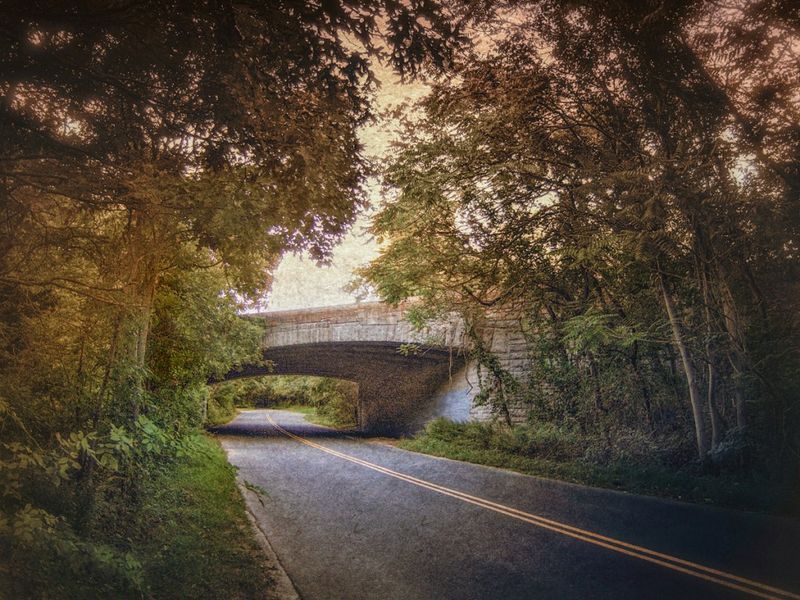
Tucked into Huntington on Long Island, this road has become one of New York’s most famous haunted drives for people who love local legends.
The atmosphere does a lot of the work, with dense trees, sudden darkness, and a sense that the modern world falls away faster than expected.
You can see why Sweet Hollow Road keeps drawing curious drivers who want to test whether its reputation is earned.
One of the best-known stories involves a police officer who was allegedly killed while hanging from a bridge in the area.
Some versions say his ghost still appears to motorists, either beneath the overpass or standing where no person should be at that hour.
The image is unsettling because it is so specific, and that kind of detail gives a legend staying power.
Another tale focuses on a woman in white, a figure common in ghost lore but no less chilling here.
She is said to appear along the roadside or near the bridge, vanishing before anyone can get close enough to explain what they saw.
Drivers also report phantom children, strange tapping sounds, and the feeling that their car is being watched from the tree line.
There are stories about a nearby hospital for people with tuberculosis, and about patients or children haunting the area after tragic deaths.
Historians often push back on parts of that narrative, but folklore does not need clean documentation to survive.
In fact, mystery only strengthens a place like this, because uncertainty lets every listener fill in the darkest gaps.
What stays with you about Sweet Hollow Road is how ordinary it seems at first glance.
It is not some ruined graveyard hidden at the end of a dirt track, but a real road people use, which makes the stories feel closer and harder to dismiss.
If you ever drive through after sunset, especially with the windows cracked and the bridge ahead, you might understand why locals still talk about Sweet Hollow Road like it keeps a secret just out of sight.
3. Albany Post Road Route 9 – Sleepy Hollow, Westchester County
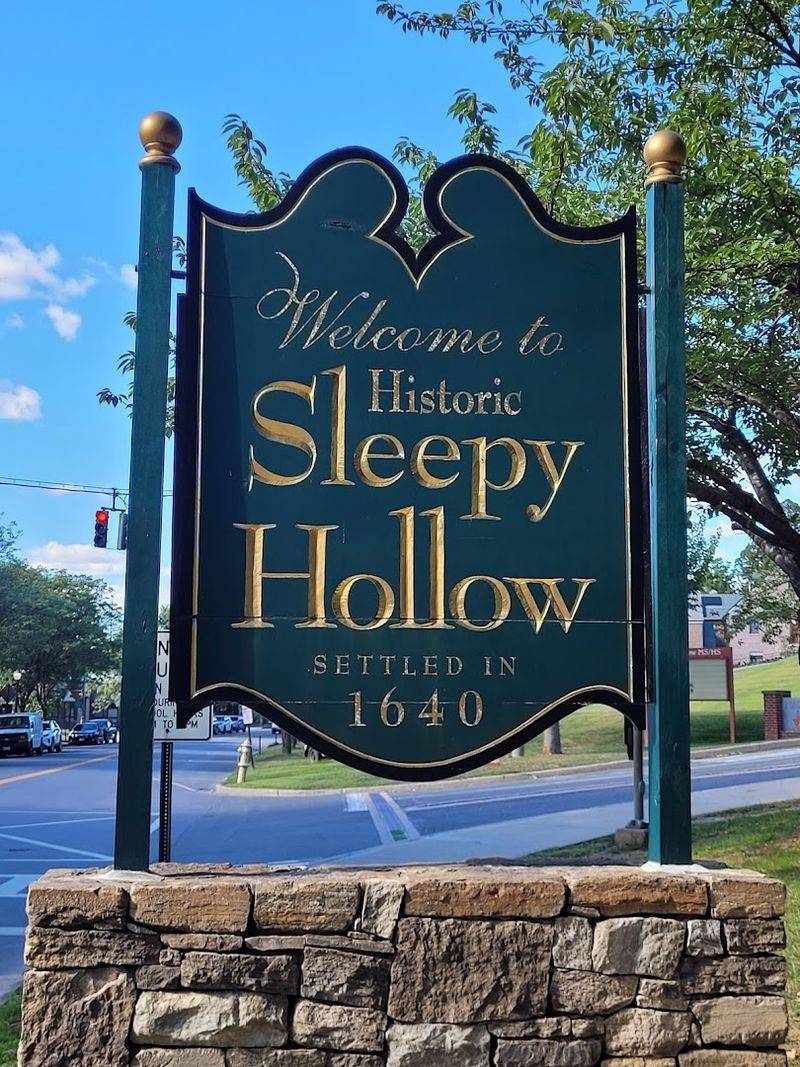
Running through a village already famous for ghost lore, this historic corridor carries an uneasiness that feels stitched into New York’s oldest storytelling traditions.
The moment you hear Sleepy Hollow, you probably think of headless riders, colonial graves, and dark woods where imagination easily outruns reason.
That is exactly why Albany Post Road, now part of Route 9, feels less like a normal highway and more like a passage through layered folklore.
The road traces one of the oldest routes in the region, linking present-day traffic to centuries of movement, war, trade, and rumor.
Historic roads tend to collect stories because they outlast generations, and this one passes through an area deeply shaped by Washington Irving’s famous tale.
Even people who have never read the full story know the image of a rider searching the night, which colors the landscape before you even arrive.
Local ghost talk often spills beyond the cemetery gates and into the surrounding roads.
Some visitors claim to see strange figures crossing unexpectedly, hear hoofbeats where there are no horses, or feel a sudden drop in temperature near old stone walls and burial grounds.
Whether these experiences come from suggestion or something stranger, the setting makes them feel vivid.
There is also the power of history itself.
Sleepy Hollow and nearby Tarrytown hold Revolutionary War stories, old churches, river fog, and burying places that naturally invite reflection on mortality.
A road running through that kind of environment becomes part of the emotional landscape, carrying the same haunted mood as the landmarks around it.
What chills people most here is not a single modern urban legend, but the sense that fiction and place have merged over time.
You are driving through a real New York roadway, yet every bend feels shadowed by stories older than your car, older than the painted lanes, older than the village name change itself.
On Albany Post Road in Sleepy Hollow, even an ordinary night drive can feel like you have slipped into a tale where history, literature, and local superstition still travel side by side.
4. Spook Rock Road – Suffern, Rockland County
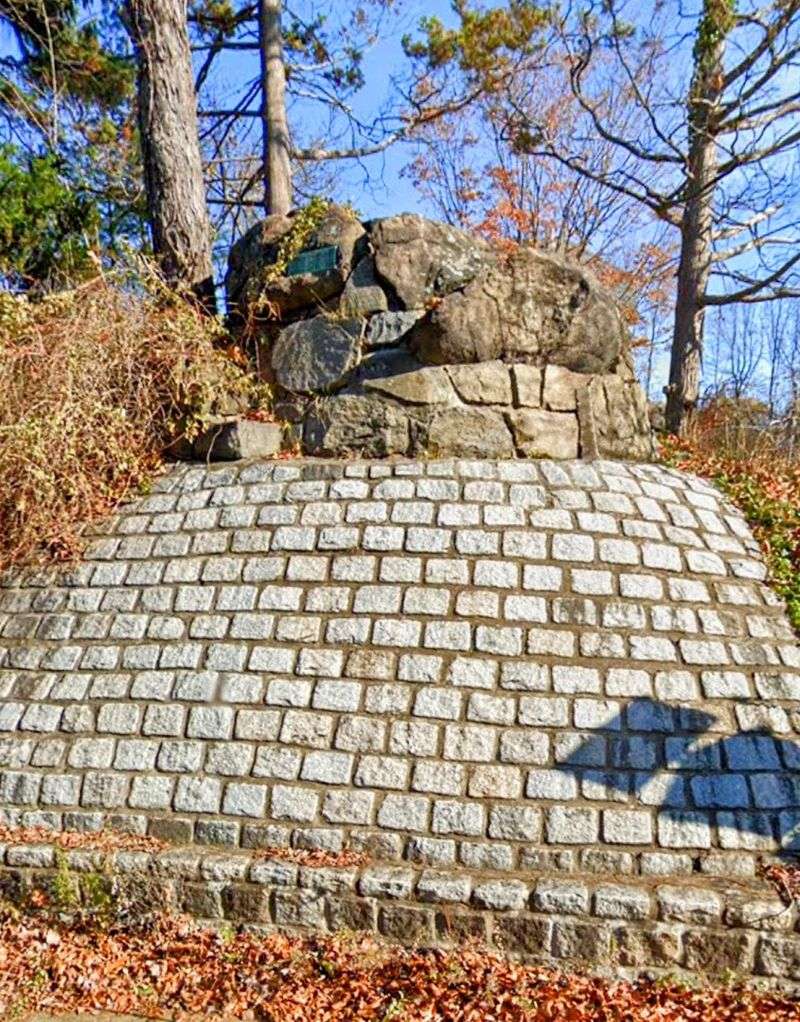
Few roads in New York sound as if they were named by a ghost story writer, and that alone gives this Rockland County route an advantage in local folklore.
Yet the unsettling pull of the place goes beyond the name, because the surrounding landscape feels old, quiet, and oddly watchful after dark.
If you are the kind of driver who notices when a road suddenly seems to absorb sound, Spook Rock Road would probably get under your skin fast.
The name is usually linked to a large boulder in the area known as Spook Rock, a landmark tied to Native American legend and later colonial storytelling.
One popular account says local people believed spirits or supernatural forces gathered there, while another claims the rock produced eerie noises that frightened passersby.
Whether those sounds came from nature, imagination, or retelling over generations, the result was a name that never lost its chill.
As the road inherited that identity, ghost stories followed naturally.
Residents and visitors have described unexplained lights, shadow figures near wooded sections, and the unmistakable feeling of being observed even when the street appears empty.
These reports are hard to verify, but they persist because the road already invites you to expect something uncanny.
There is also something powerful about a legend attached to an actual physical object.
A road can feel random, but a specific rock with a long history gives people a focal point for fear, curiosity, and storytelling.
Once a place gains that kind of symbolic anchor, every strange experience nearby seems to confirm the old reputation.
What makes Spook Rock Road memorable is how smoothly history and mood work together.
You are not just reacting to darkness or trees, but to a place whose very name announces that something unusual may have lingered there for centuries.
In a state full of haunted roads, this one stands out because the legend does not feel tacked on later – it feels baked into the landscape, waiting for each new driver to decide whether the fear is only in the mind.
5. Newell Road Spook Hill – Middlesex, Yates County
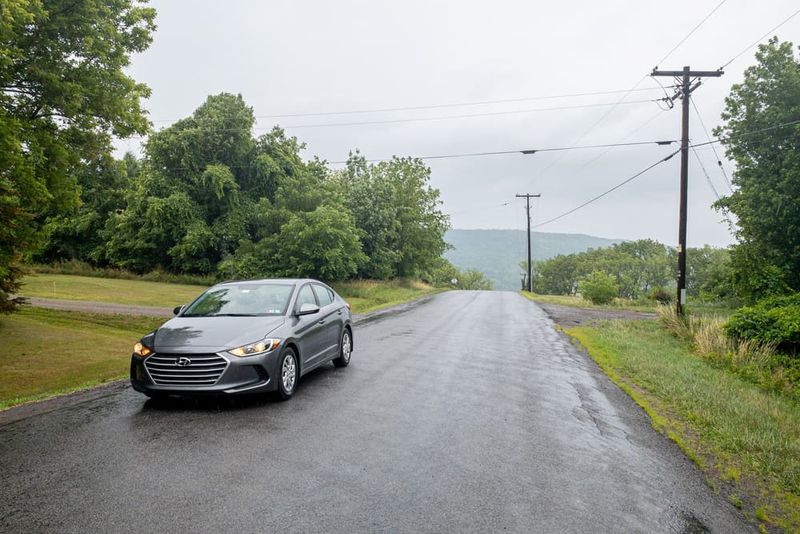
Deep in Yates County, this rural spot blends ghost lore with one of those strange road phenomena that makes people question their own senses.
The setting is quieter than the better-known haunted roads downstate, but that isolation only adds to the effect once you are standing on the pavement with no traffic, no city glow, and a hill that does not seem to behave normally.
That is where the legend of Spook Hill on Newell Road takes hold.
The main draw is the claim that a car left in neutral appears to roll uphill.
Gravity hills exist in many places and are usually explained as visual illusions caused by the surrounding landscape, but the rational answer rarely kills the thrill.
When you are actually there, watching your expectations fail, the experience feels intimate and eerie in a way a ghost story alone sometimes does not.
Because the effect is so memorable, folklore quickly gathered around it.
Some say unseen spirits push vehicles as a prank, while others connect the hill to tragic deaths, buried children, or restless presences tied to the land.
The details vary widely, which is often a sign that the place itself came first and the stories grew afterward to explain why it feels so wrong.
Rural roads are especially good at preserving this kind of legend.
There are fewer lights, fewer witnesses, and more room for imagination to stretch between farm fields and tree lines.
If something unusual happens, even something with a scientific explanation, it can still leave behind a supernatural aftertaste that people keep sharing for decades.
What fascinates me about this road is how it turns a simple driving test into a personal encounter with mystery.
You do not just hear about Newell Road’s Spook Hill – you participate, watching your car move in a direction it should not, while the countryside stays silent around you.
Even if you accept the optical illusion explanation, the emotional effect remains, and that is why this Yates County road continues to feel like one of New York’s most quietly chilling places.
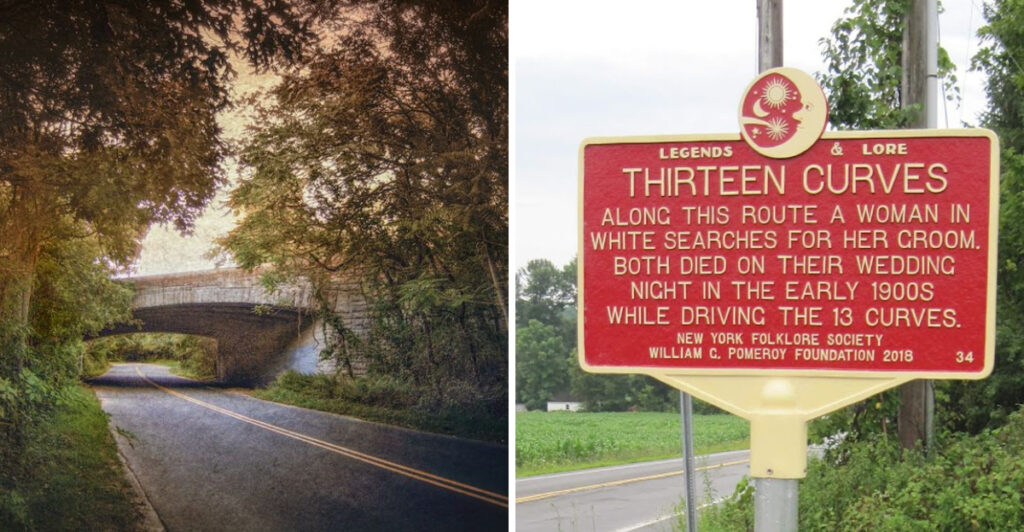
6. 13 Curves – Cedarvale Road, Marcellus, Onondaga County
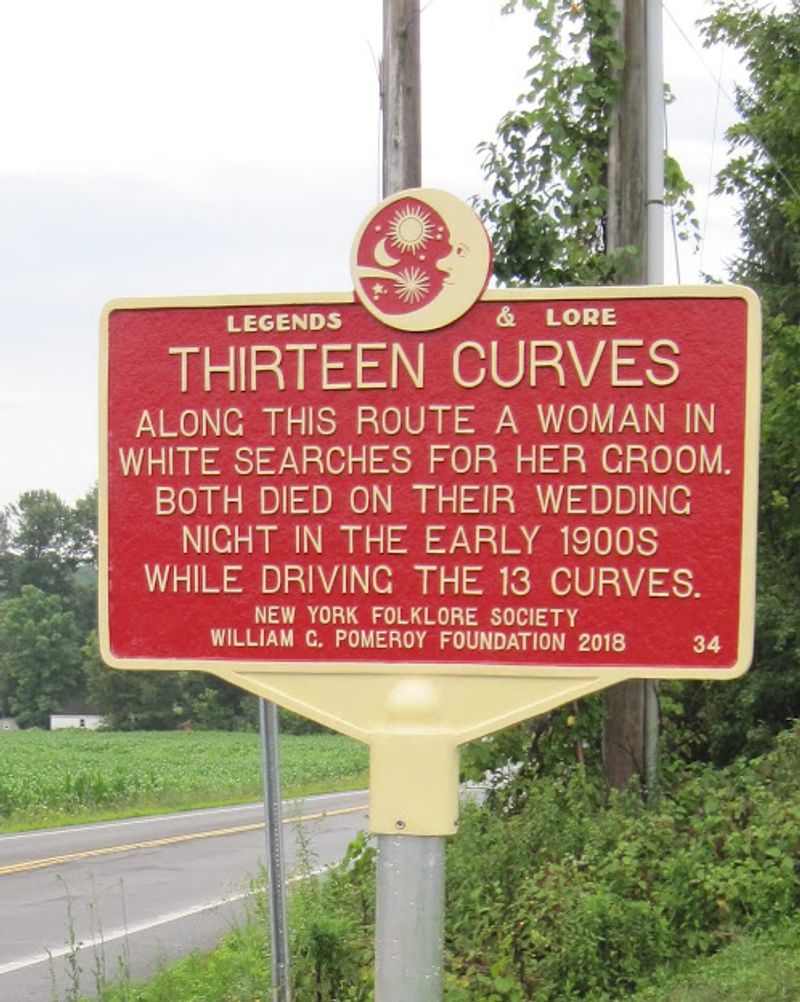
Some roads earn their reputation from history, others from tragedy, and a few from the way the road itself seems designed to unsettle anyone behind the wheel.
This notorious section of Cedarvale Road near Marcellus falls firmly into that last category, with a sequence of tight bends that has inspired fear long before any ghost story enters the picture.
Once people started calling it the 13 Curves, the number alone did half the haunting.
The road’s dangerous shape has fueled tales for years, especially stories involving fatal crashes, phantom hitchhikers, and apparitions appearing near the sharpest turns.
One recurring legend tells of a young woman, or in some versions a bride, who died in an accident and still appears to passing drivers.
Another speaks of ghostly figures glimpsed in headlights, gone the moment a car slows down or doubles back.
Because the curves demand constant attention, drivers are already tense, and that tension magnifies every shadow and reflective surface.
A branch leaning into the road, a patch of fog, or a distant farmhouse light can look deeply strange when you are entering another blind bend.
In that way, the physical experience of the road helps manufacture the supernatural mood without any extra effort.
Local lore also treats the number thirteen as more than a coincidence.
Whether the road truly has that exact number of curves matters less than the symbolism people attach to it.
Once a dangerous route gets linked to an unlucky number, every accident and strange sighting starts feeling like part of a curse instead of an ordinary risk.
What makes the 13 Curves linger in the mind is the mix of real peril and embellished legend.
You do not need to believe in ghosts to feel your pulse rise there, because the road itself is enough to keep you alert and uneasy.
Still, when a place is both physically intimidating and wrapped in stories of restless spirits, it becomes easy to understand why so many drivers leave Cedarvale Road convinced they experienced more than a challenging stretch of pavement.
7. Route 23A – Kaaterskill And Haines Falls, Greene County Catskills
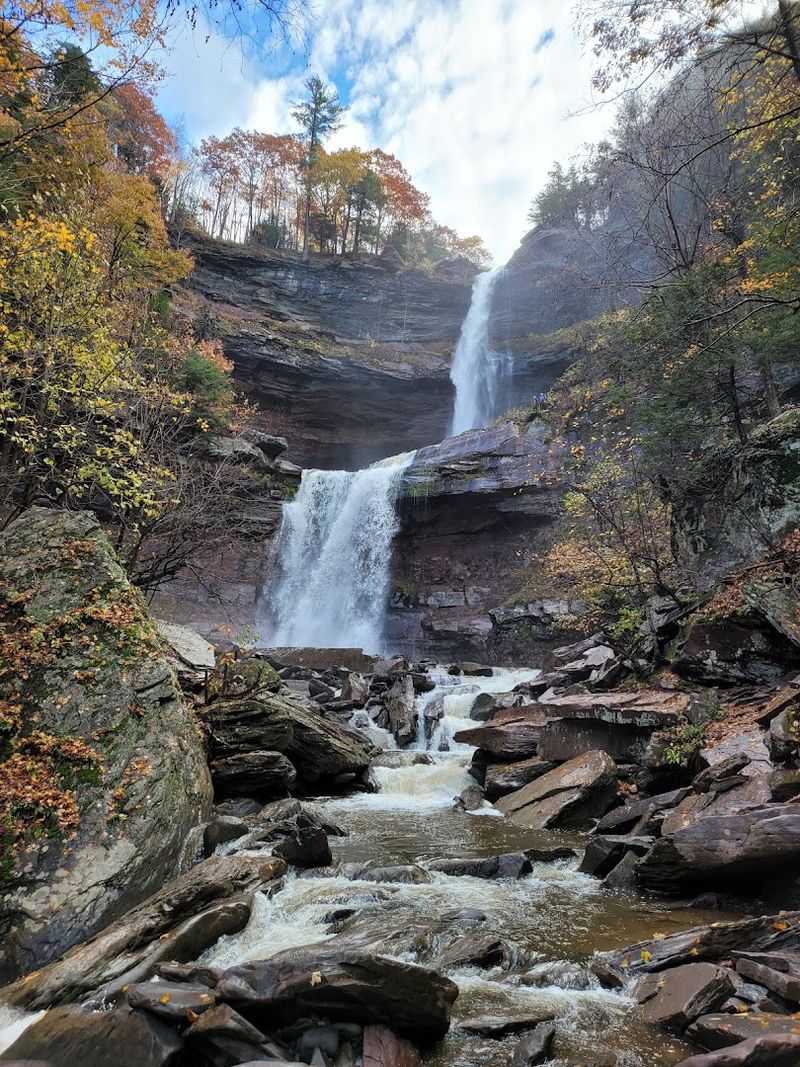
Cutting through one of the most dramatic landscapes in the Catskills, this mountain road carries a beauty that can quickly tip into something more unsettling.
Cliffs, ravines, waterfalls, and fog already make Route 23A feel theatrical, as if the scenery was built for tales of danger and apparitions.
Around Kaaterskill and Haines Falls, that atmosphere has helped turn a scenic drive into one of upstate New York’s eeriest corridors.
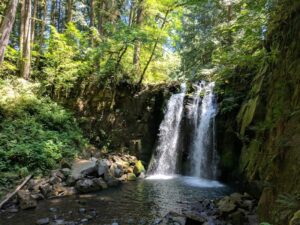
Much of the haunting reputation here connects to Kaaterskill Falls, a site long associated with accidents, sudden deaths, and the sublime terror of the wilderness.
Over generations, stories developed about hikers, lovers, and travelers whose lives ended tragically near the falls or along the roadway approaching them.
When a place repeatedly witnesses real loss, folklore tends to rise around it almost automatically.
Drivers and visitors have reported hearing voices in the mist, seeing figures near cliff edges, or catching movement that seems impossible in the fading light.
The region’s history as a nineteenth-century tourist destination adds another layer, because old mountain resorts, romantic paintings, and cautionary tales all contributed to the mythology.
The Catskills have always sold a blend of beauty and danger, and Route 23A embodies both at once.
There is also the psychological effect of the mountain roads themselves.
Narrow passages, sudden drop-offs, and changing weather keep you aware of how little control you really have.
When clouds roll in or water roars unseen through the trees, your imagination does not need much encouragement to turn unease into a ghost story.
What makes this road especially chilling is that the landscape never feels tame.
Even now, with marked routes and regular traffic, it still carries the older mood of wilderness as something grand, seductive, and potentially fatal.
If you drive Route 23A near Kaaterskill and Haines Falls at twilight, with fog drifting across the lane and the mountains disappearing into gray, you may find yourself thinking less about mileage and more about how easily New York’s natural beauty can become a stage for haunting legend.
8. Tilly Foster Mine Road – Brewster, Putnam County
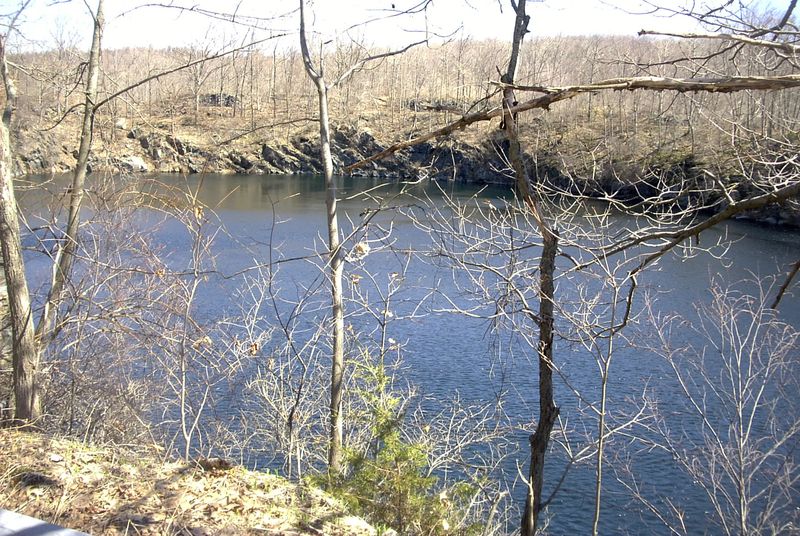
In Putnam County, this road draws much of its unease from the industrial past buried in the surrounding landscape.
Old mines have a way of holding onto dark stories, partly because they were dangerous workplaces and partly because abandoned excavation sites naturally feel like wounds in the earth.
That atmosphere follows Tilly Foster Mine Road, where local memory and imagination meet in a setting already primed for ghost tales.
The Tilly Foster Mine was once one of the region’s notable iron mining operations, and with that history came hard labor, accidents, and the constant risk that defined nineteenth-century extraction work.
People know that where labor was brutal and safety limited, tragedy was never far away.
Even without a single famous haunting to point to, the road inherits the emotional weight of everyone who worked and suffered nearby.
Stories tied to the area include strange lights, ghostly figures, and a lingering feeling of unrest around the former mine grounds.
Some versions mention the spirits of miners still wandering, while others focus on the silence that settles in certain stretches as if the place is listening.
That kind of legend feels believable to many people because abandoned industry often leaves behind an uncanny emptiness that is hard to explain away.
The landscape also matters.
Roads near former mines tend to feel cut off, uneven, and older than their pavement suggests, as if modern driving only skims over deeper, rougher histories below.
Once you know the road’s name and what used to happen in the area, every shadow can seem connected to labor, loss, and something unfinished.
What chills drivers here is not flashy folklore but the sense of residue.
Tilly Foster Mine Road feels like a place where the past was never fully cleared out, where New York’s industrial story still lingers in the terrain long after the machinery stopped.
If you pass through Brewster at night and imagine the men who once entered the earth nearby, it becomes easy to see why a road like this inspires stories about presences that never entirely found their way home.
9. Mount Misery Road – West Hills, Huntington, Suffolk County, Long Island
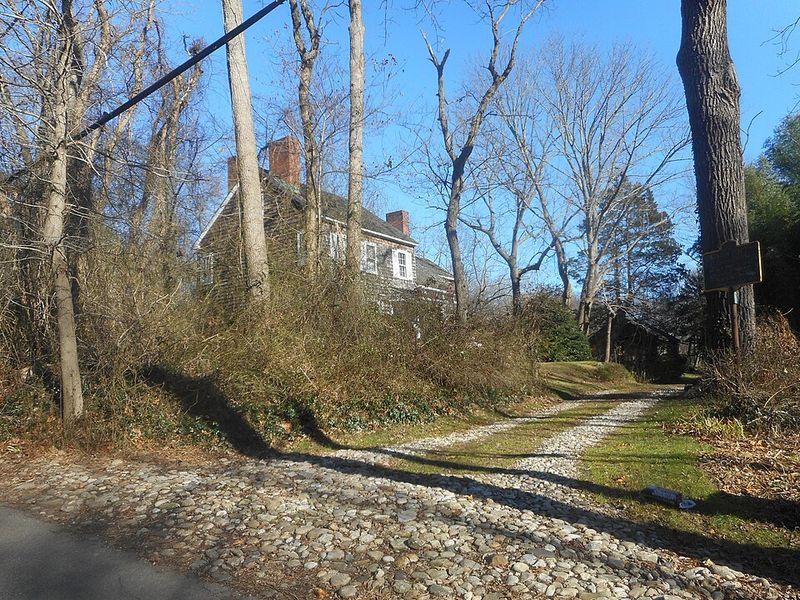
Even before you hear a single legend, the name of this Long Island road practically guarantees a sense of dread.
A place called Mount Misery Road does not sound like somewhere you casually wander after dark, and in West Hills, that expectation is matched by a wooded, quiet atmosphere that feels strangely cut off from nearby suburban life.
It is the kind of road where you lower your voice without realizing it.
Local stories are wide-ranging and often contradictory, which is usually a sign of a legend-rich place rather than a single documented event.
Some people describe ghostly hospital patients roaming the area, while others mention former asylum grounds, Native American curses, witches, or satanic gatherings in the woods.
Like nearby Sweet Hollow Road, Mount Misery has become a magnet for every type of haunting tale Long Island loves to preserve.
There are also accounts of phantom hitchhikers, glowing eyes in the trees, and figures that seem to appear at the edge of headlights before disappearing into darkness.
These stories endure because the road’s setting supports them so well.
The heavy tree cover and isolated feel create a stage where fear can step in and play the lead role.
Historically, the name itself may have more ordinary roots, likely linked to harsh terrain or difficult living conditions rather than explicit supernatural misery.
Still, folklore rarely leaves a dramatic name alone.
Once a road is called Mount Misery, every rumor gains extra force, and every strange sensation starts feeling like proof that the place earned its title in a darker way.
What makes this road one of New York’s most memorable creepy drives is the total package of mood, name, and legend.
It does not rely on one neat ghost story, but on a dense cloud of possibilities that follows you from one curve to the next.
If you find yourself on Mount Misery Road after sunset, with the woods crowding close and no clear view beyond your headlights, you may discover that the scariest part is how ready your mind becomes to believe almost anything.
Share this story