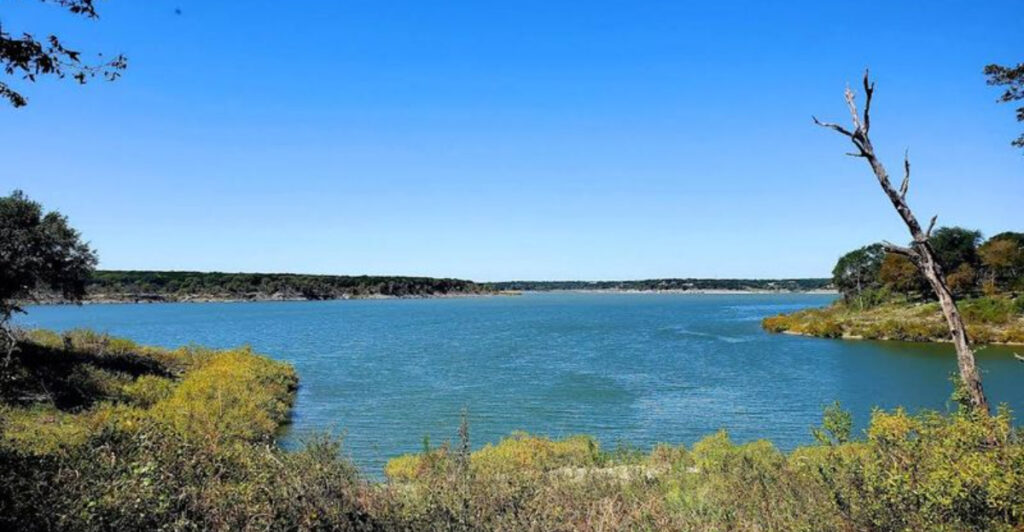
Belton Lake sparkles under the Central Texas sun like any other reservoir, drawing boaters, anglers, and families looking for weekend fun. But beneath those calm waters lies something most visitors never think about: an entire abandoned town. When the U.S.
Army Corps of Engineers dammed the Leon River in the 1950s, they didn’t just create a lake, they buried history, swallowing up communities, cemeteries, and forgotten roads that now rest silent below the surface.
1. The Town That Vanished Beneath the Waves
Back in 1954, the Army Corps of Engineers had big plans for flood control along the Leon River. What they needed was a massive dam, and what that dam needed was space. Lots of it.
The problem? Several small communities called this fertile river valley home, and they were directly in the flood zone.
Families who had lived there for generations received notices that their land would soon be underwater. Homes were abandoned or moved. Businesses shut their doors forever.
Even cemeteries had to be relocated, with graves carefully exhumed and reburied on higher ground.
By 1957, the dam was complete and water began filling the basin. Roads disappeared first, then fields, then the buildings that hadn’t been demolished or relocated. Within months, an entire landscape was gone, replaced by what we now know as Belton Lake.
Today, when the lake level drops during drought years, some folks claim you can still see foundations and old fence posts poking through the mud. It’s a haunting reminder that this popular recreation spot was once somebody’s front yard, someone’s hometown, someone’s final resting place. The lake might look peaceful on the surface, but it holds generations of stories beneath those waves.
2. Why They Built the Dam in the First Place
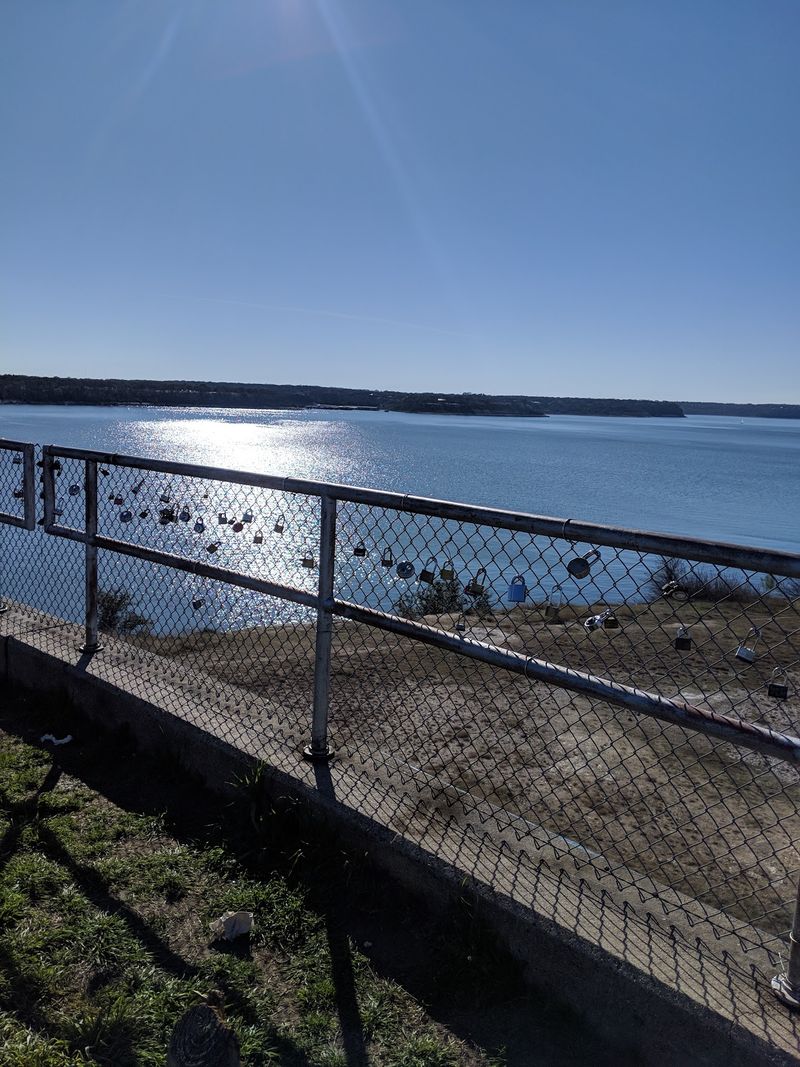
Flooding along the Leon and Lampasas Rivers wasn’t just an inconvenience back in the 1940s. It was downright dangerous. Communities downstream faced regular devastation, with crops ruined, livestock lost, and homes destroyed whenever heavy rains hit Central Texas.
Something had to change.
Congress authorized the Belton Dam project in 1946 as part of a larger flood control initiative. The goal was simple: create a reservoir that could capture floodwaters and release them slowly, protecting cities like Temple and Belton from disaster. Construction began in 1949 and took nearly eight years to complete.
The finished dam stretches 3,510 feet long and rises 194 feet above the riverbed. It’s an impressive piece of engineering that can hold back over 457,000 acre-feet of water when full. That’s enough to cover 457,000 football fields with one foot of water, if you’re trying to picture it.
But all that protection came at a price. The reservoir needed to cover approximately 12,300 acres, which meant acquiring land, relocating residents, and essentially erasing small communities from the map. Engineers and government officials saw it as a necessary sacrifice for the greater good.
For the families forced to leave, though, it meant saying goodbye to everything they knew.
3. What Life Was Like Before the Lake
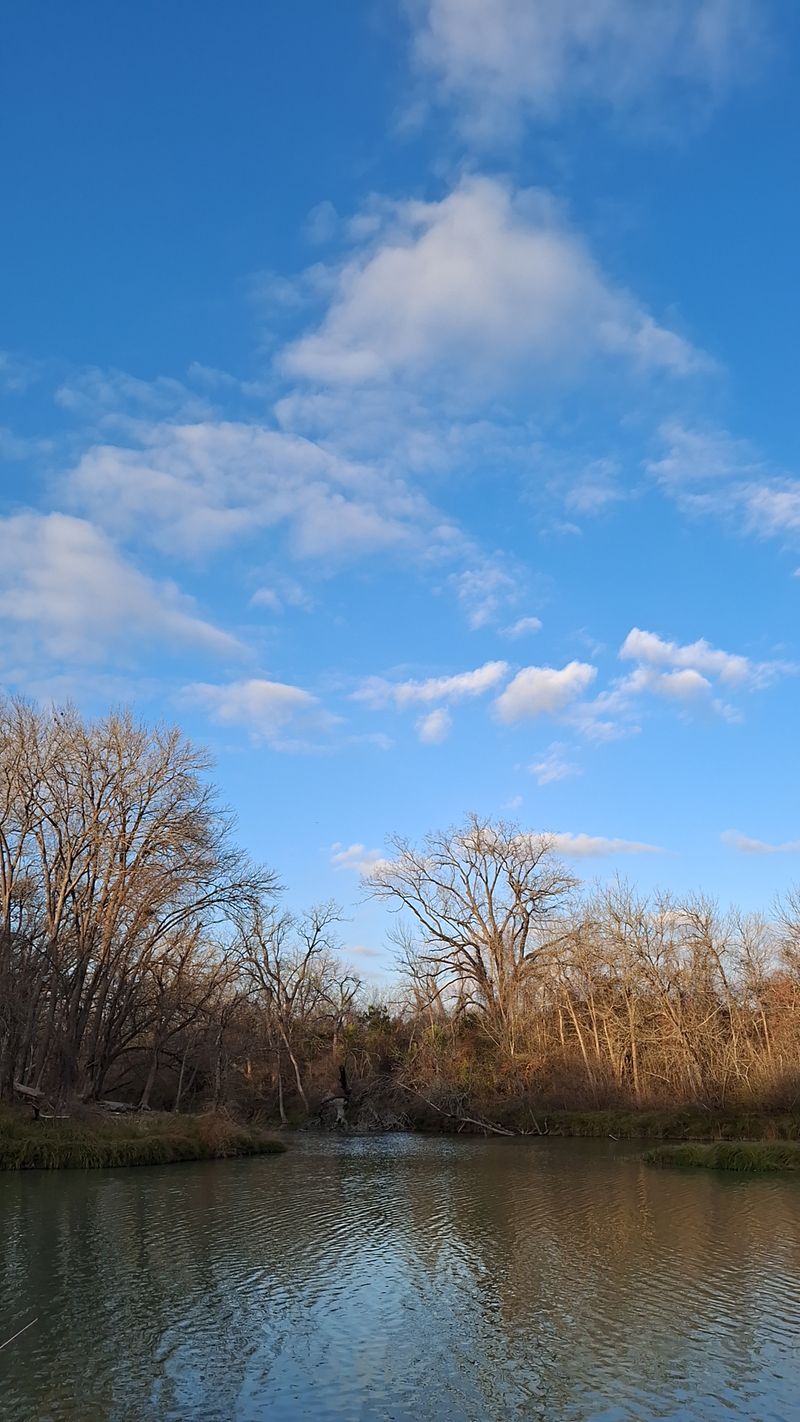
Picture Central Texas in the early 1900s, before air conditioning, before big highways, before the lake. Small farming communities dotted the Leon River valley, where families grew cotton, corn, and raised cattle on land their grandparents had settled. Life moved slower back then.
These weren’t ghost towns or forgotten outposts. Real people lived there, went to church there, buried their loved ones there. Kids walked to one-room schoolhouses.
Neighbors helped each other during harvest. Saturday nights might mean a dance or a trip into Belton for supplies.
The soil was rich near the river, which made it perfect for farming but also put these communities directly in harm’s way when floods came. Still, generations had made it work, adapting to the river’s moods and rebuilding when necessary. They had no idea their way of life had an expiration date.
When the government came knocking with buyout offers, many families resisted at first. This wasn’t just property to them. It was heritage, identity, home.
But eminent domain doesn’t care about sentiment, and eventually, everyone had to leave. Some moved to nearby towns. Others left the area entirely, scattering to cities across Texas and beyond, carrying memories of a place that would soon exist only in photographs and stories.
4. The Relocation of Cemeteries and Graves
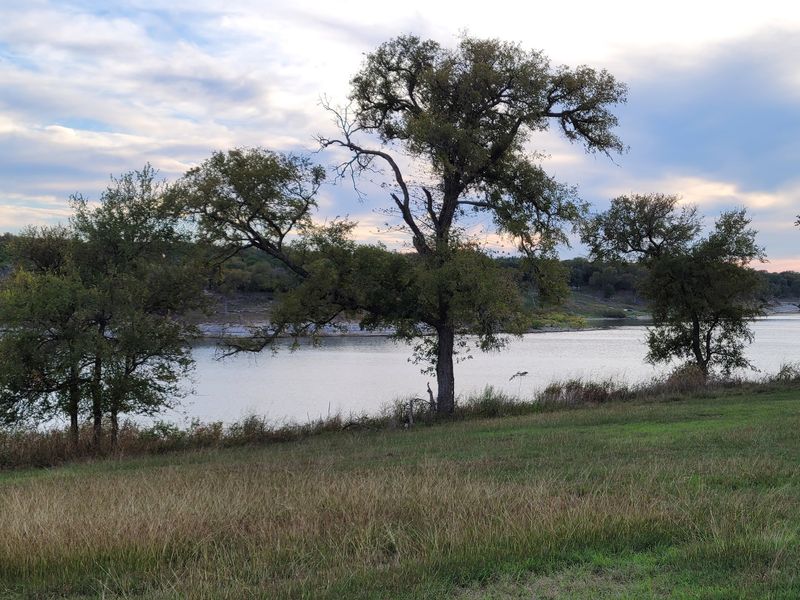
Among the most sensitive and controversial aspects of creating Belton Lake was dealing with the dead. Several small cemeteries sat in the flood zone, some dating back to the 1800s. Families who had ancestors buried there faced an impossible situation: let their loved ones rest undisturbed underwater, or move them.
The Army Corps of Engineers handled the relocations with as much care as possible given the circumstances. Workers carefully exhumed remains from multiple cemeteries, documented everything, and reburied them in new locations on higher ground. Headstones were moved too, though some were damaged or lost in the process.
Not everyone was happy with how it went down. Some families felt rushed. Others worried that not all graves were found, especially unmarked ones from the earliest settlement days.
There were rumors of graves left behind, either missed during the survey work or deliberately left because they were too difficult to access.
Even today, some locals believe that when the lake level drops significantly during droughts, you might spot old cemetery markers or grave sites along the exposed shoreline. Whether that’s true or just legend is hard to say, but it adds an eerie dimension to what seems like just another pretty Texas lake. Those waters hold more than fish and boat traffic.
5. What You Might See When Water Levels Drop
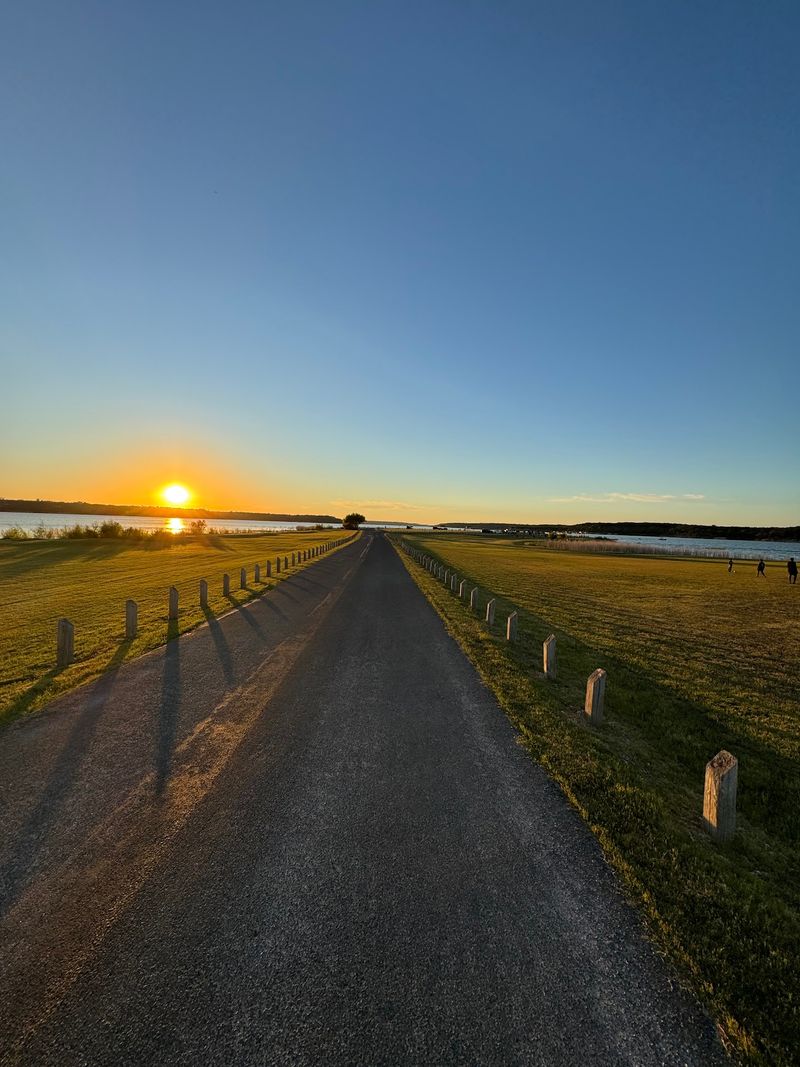
Texas droughts are nothing new, and when they hit hard, Belton Lake can drop dramatically below its normal level. That’s when things get interesting for history buffs and curious explorers. Suddenly, the lake reveals secrets it’s been hiding for decades.
Old foundations start poking through the mud like ancient ruins. Concrete slabs that once supported homes or barns become visible again after years underwater. Rusted fence posts emerge, still standing in rows that once marked property lines.
Sometimes people find old bottles, tools, or other artifacts washed up along the newly exposed shoreline.
In severe droughts, you can actually see remnants of the old roads that connected these vanished communities. They appear as faint depressions or slightly different colored soil snaking across what’s normally the lake bottom. It’s spooky and fascinating at the same time, like watching history resurface literally before your eyes.
Local historians and photographers love these low-water periods because they can document structures and features that are usually inaccessible. Some folks even wade out carefully to explore, though the mud can be treacherous and the Corps of Engineers warns against it. Still, there’s something compelling about seeing proof that a whole different world existed here before the lake swallowed it up.
It makes you wonder what else is down there, waiting for the next drought.
6. Modern-Day Recreation on Historic Ground
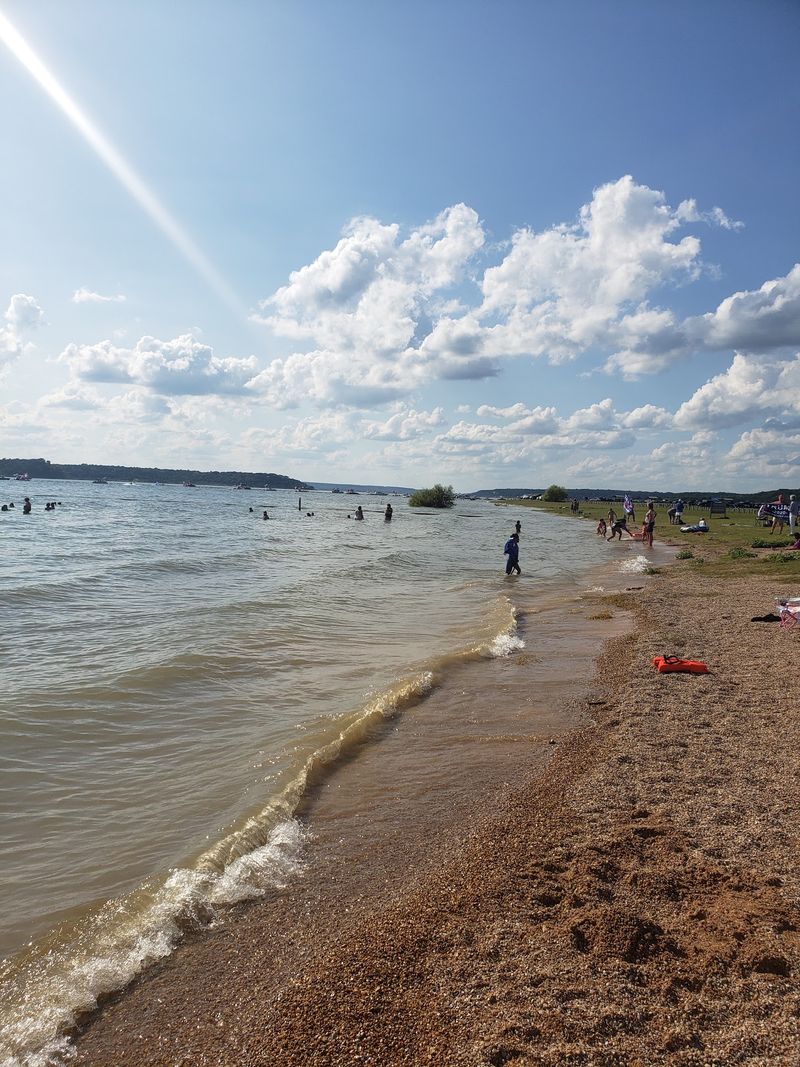
Here’s the wild part: thousands of people visit Belton Lake every year for fun, and most have no clue they’re floating over someone’s former neighborhood. Boaters zip across waters that cover old Main Streets. Anglers cast lines above what used to be farmhouses.
Swimmers splash around where kids once played in yards and walked to school.
The lake has become one of Central Texas’s favorite recreation spots, with over 12,000 acres of water perfect for sailing, skiing, and fishing. Multiple parks ring the shoreline, offering camping, picnic areas, and boat ramps. On summer weekends, the place gets packed with families escaping the heat and enjoying what nature and engineering created together.
Bass fishing here is legendary, with the lake regularly producing trophy-sized largemouth bass. Catfish and crappie keep anglers busy too. The irony?
These fish are swimming through living rooms, over old roads, past foundations where families once gathered for Sunday dinner. It’s a complete transformation from farmland to fishing paradise.
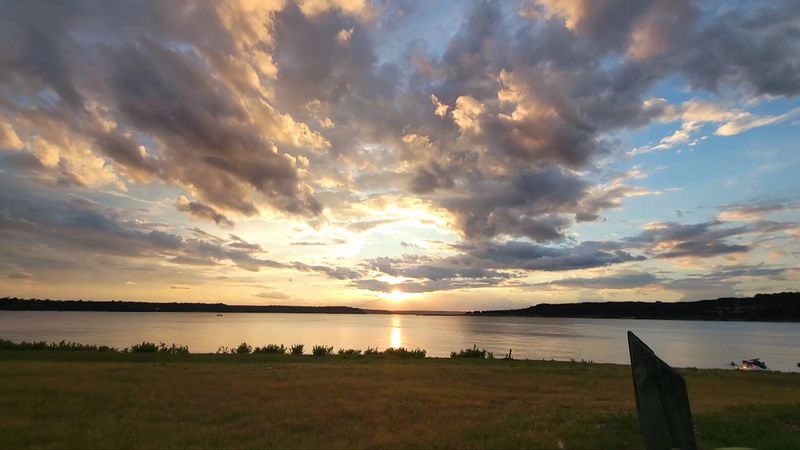
Visitors rave about how clean and well-maintained the lake is, how it’s less crowded than nearby Lake Travis, how the sunsets are absolutely gorgeous. And they’re right about all of it. Belton Lake is beautiful and fun.
But knowing what lies beneath adds a whole other layer to the experience. Every ripple on the surface is a reminder that progress sometimes requires sacrifice.
7. Stories and Legends That Persist
Anytime you submerge an entire community, you’re going to get ghost stories. Belton Lake has its share. Some folks swear they’ve heard strange sounds echoing across the water on quiet nights, sounds that don’t match typical lake noises.
Others claim to have seen lights moving beneath the surface where no boats or divers should be.
One persistent legend involves a church bell that supposedly still rings underwater during storms. According to the story, one of the churches in the flood zone had a large bell tower, and when they relocated the building, the bell was left behind. Now, when conditions are just right, you can supposedly hear it tolling beneath the waves.
Is any of it true? Probably not, but that doesn’t stop people from sharing the stories around campfires or speculating about what might be down there. The human mind loves a mystery, and there’s definitely something mysterious about a lake that covers a lost town.
Some older residents who remember the communities before the flood occasionally visit the lake and try to pinpoint where their old homes would be. They’ll point out across the water and say things like, “My grandparents’ farm was right about there,” or “That’s where the general store used to sit.” For them, it’s not just a lake. It’s a watery grave for memories, a place where their history literally went under.
8. Visiting Today and Respecting the Past
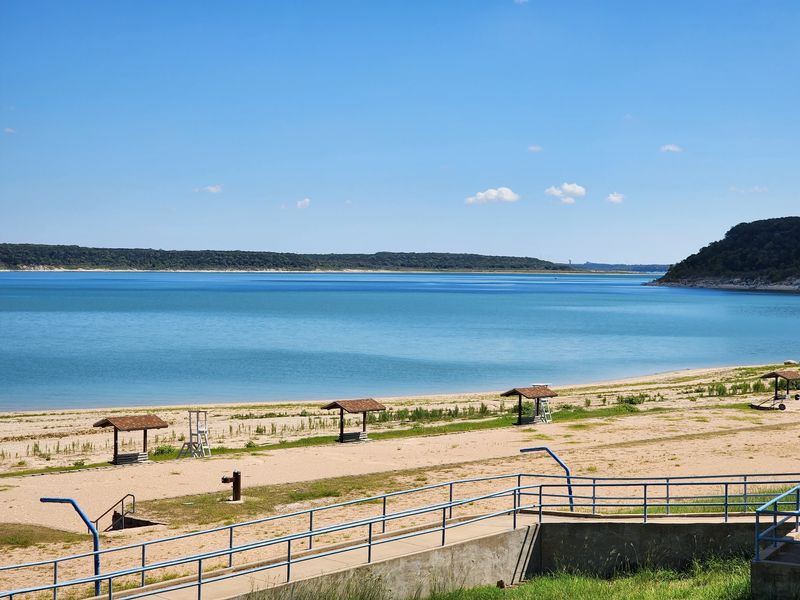
If you’re planning a trip to Belton Lake now, you’ll find excellent facilities and plenty to do. Multiple parks offer different experiences, from primitive camping to RV hookups with all the amenities. Boat ramps are scattered around the lake, and fishing from shore is popular at several access points.
The water stays relatively clean, and the scenery is classic Central Texas: rolling hills, native trees, and big sky.
But maybe take a moment while you’re there to think about what came before. This wasn’t always a recreational paradise. Real people built lives here, raised families, established communities, and created history that got erased to make way for progress and flood control.
They didn’t have much choice in the matter.
Some visitors like to learn about the history before they go, researching which communities were flooded and where they were located. Others prefer to just enjoy the lake for what it is now. Both approaches are valid, but there’s something meaningful about acknowledging that this beautiful place has a complicated past.
The next time you’re out on Belton Lake, maybe glance down into those blue-green depths and wonder what stories are sleeping down there. Foundations, roads, memories, all preserved in the mud and silt. It’s a reminder that every landscape has layers, and sometimes the most interesting ones are hidden from view, waiting quietly beneath the surface for someone to remember they existed at all.
Share this story