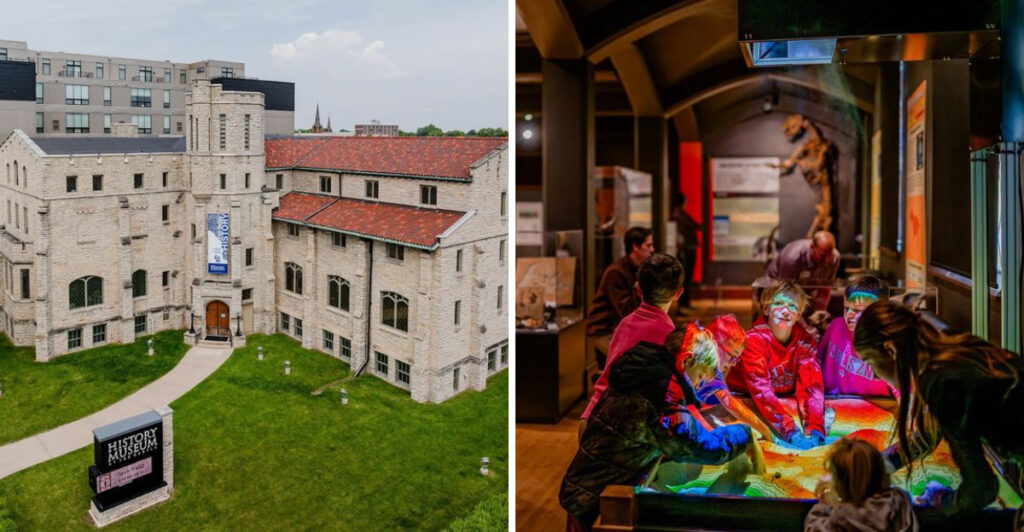
Wisconsin is known for its charming small cities and rich local history, but the History Museum at the Castle in Appleton offers an experience that surprises many first-time visitors. If you assume Appleton’s best historical attraction is just a small local museum, this Wisconsin gem quickly proves otherwise. Housed inside a striking historic building, the museum combines immersive regional storytelling, fascinating exhibits, and a genuinely entertaining Harry Houdini experience that makes it appealing to visitors of all ages.
The museum is the kind of place many travelers pass by without realizing how much is packed inside. Beyond its impressive architecture, guests can explore exhibits that bring northeast Wisconsin’s history to life through interactive displays, personal stories, and artifacts that reveal the region’s unique past. The Houdini section is especially popular, offering a closer look at the legendary magician’s connection to the area while adding a fun and unexpected element to the visit.
Part of what makes this Wisconsin attraction so memorable is the way it balances education with entertainment. Rather than feeling like a traditional museum where visitors simply read plaques, the exhibits encourage curiosity and exploration, making the experience engaging for families, history buffs, and casual travelers alike. Once you discover everything waiting inside, it becomes easy to see why the History Museum at the Castle is considered one of the most interesting attractions in northeast Wisconsin. It is a place where local history, fascinating stories, and a touch of magic all come together under one roof.
1. A Castle in the Middle of Downtown Appleton
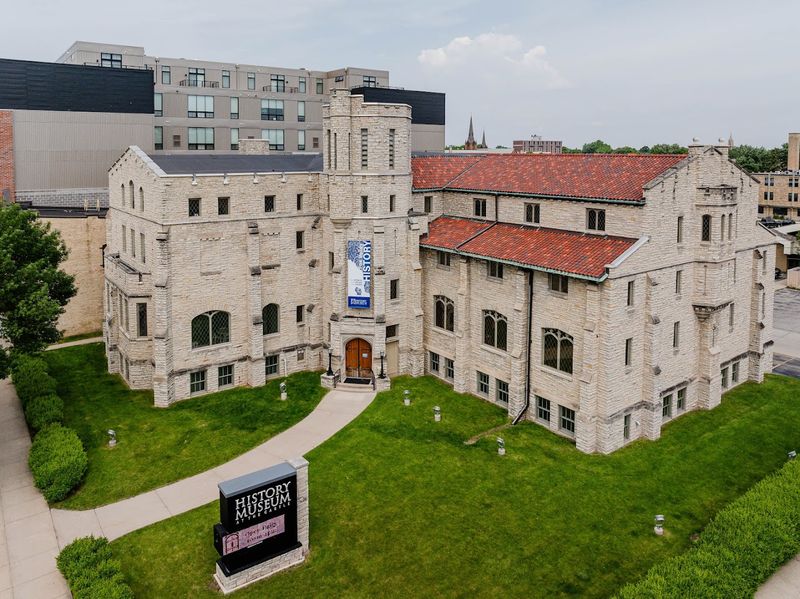
The first thing that grabbed me about The History Museum at the Castle was the building itself.
Sitting right on College Avenue in downtown Appleton, it looks far more dramatic than most people expect from a local history museum.
The former Masonic temple gives the museum instant personality, and that sense of place starts before you even step through the doors.
If you are the kind of traveler who judges a stop by whether it feels memorable, this one absolutely does.
The structure is more than a backdrop because it shapes the whole visit and makes the museum feel rooted in Appleton’s story.
Even people who say the inside feels more modern still tend to mention the architecture, which tells you how visually striking the place remains.
I think that is part of why this museum sticks with visitors.
You are not just entering a gallery space; you are entering a historic building that already feels connected to another era.
From the woodwork and older design details to the sense of climbing through distinct floors, the setting adds a quiet theatrical quality that fits a museum known for Houdini and local legends.
That combination of downtown accessibility and castle-like presence makes it easy to recommend.
Whether you are a history fan, architecture lover, or just curious about what stands out in Appleton, this museum immediately feels like somewhere worth exploring with extra time.
2. The Harry Houdini Exhibit Is the Big Surprise
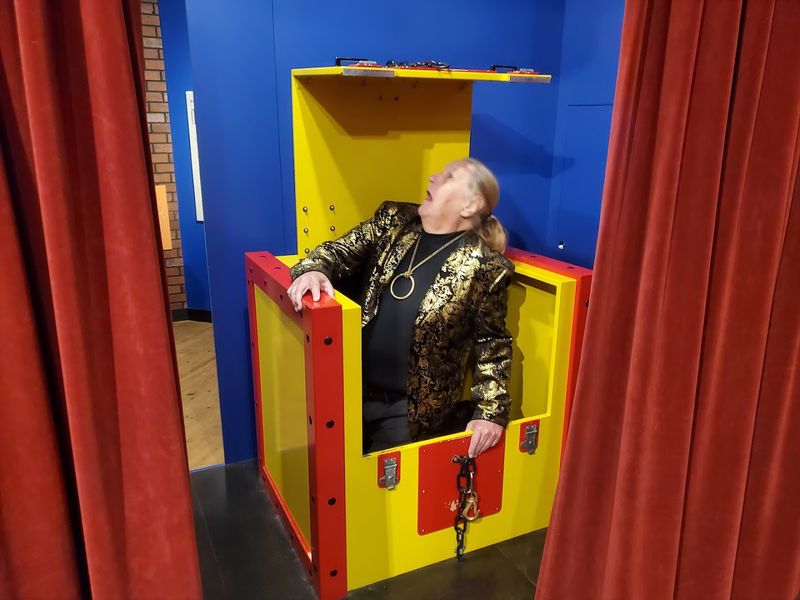
Most people hear about The History Museum at the Castle because of Harry Houdini, and honestly, that makes sense.
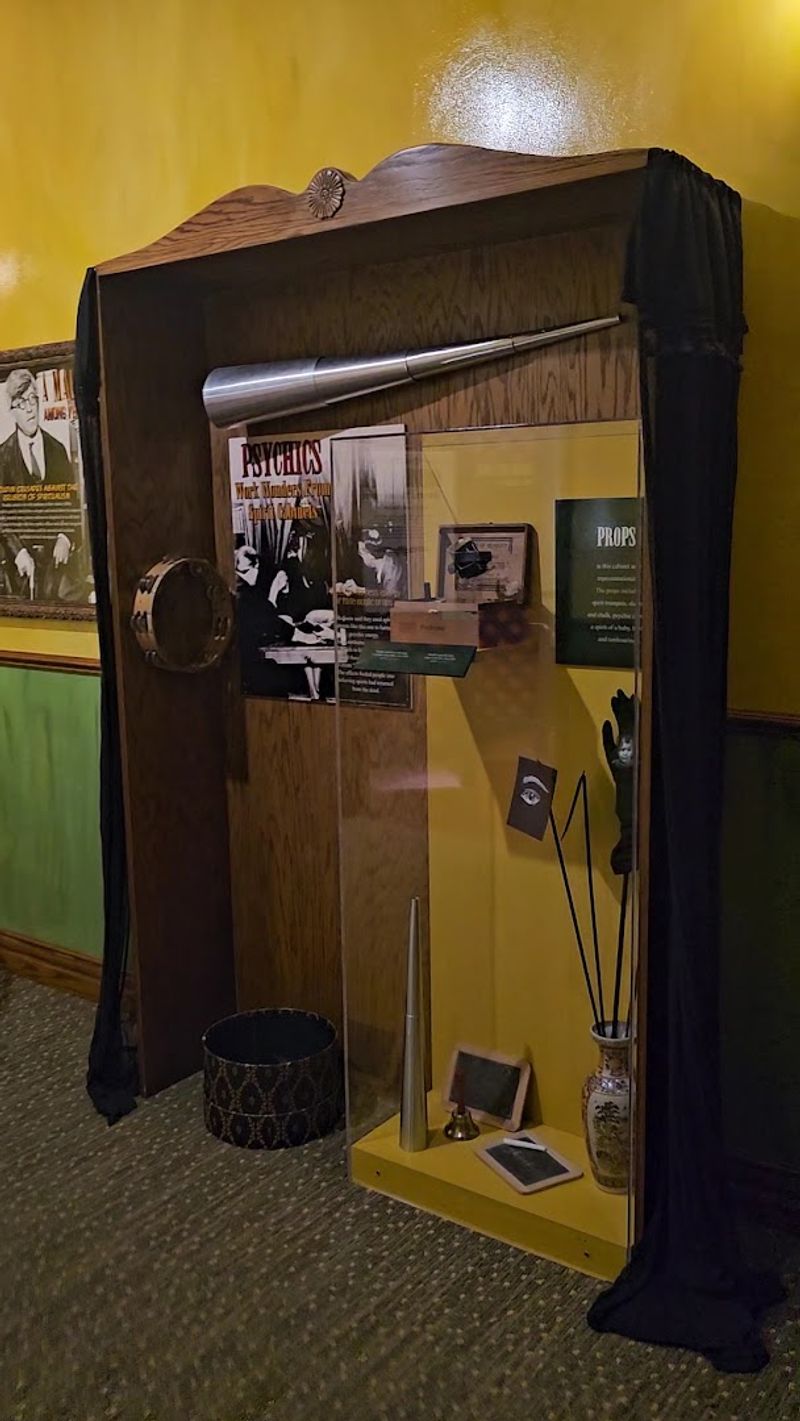
The museum’s third-floor exhibit is the biggest draw, especially since Appleton was Houdini’s boyhood home.
It is not just a few display cases, either, because the space gives you context about his life, his stunts, and the way he built a legend.
What I like most is that the exhibit leans into interaction instead of expecting you to quietly read labels the whole time.
Visitors often mention trying hands-on elements, learning how some tricks worked, and seeing demonstrations that keep kids and adults equally engaged.
That playful energy matters because it turns Houdini from a distant icon into someone you can understand as both performer and strategist.
You also get a stronger sense of why Appleton claims him so proudly.
The exhibit connects the global celebrity back to the city, which gives the museum a hook that feels unique instead of generic.
Even reviewers who thought other areas were smaller than expected often still called the Houdini section fun, memorable, and worth seeing.
If you are deciding whether this museum deserves a stop, this exhibit alone makes a compelling case.
It is educational without feeling dry, interactive without becoming gimmicky, and specific enough to make the whole museum feel unlike any other regional history attraction you might visit on a weekend trip.
3. Local History Actually Feels Relevant Here
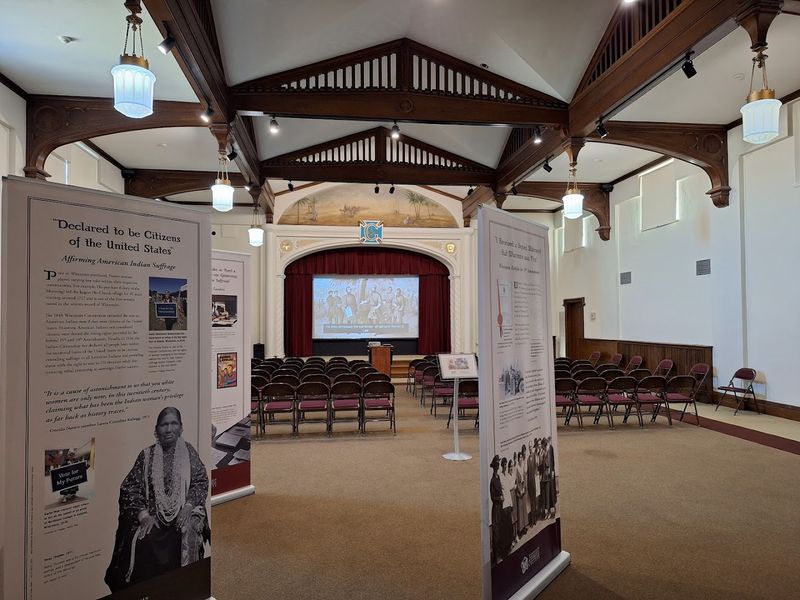
One reason this museum deserves more attention is that it does not stop with famous names.
The first floor focuses on Fox Valley history, giving you a broader sense of how Appleton and the surrounding region developed over time.
Instead of treating local history like a side note, the museum frames it as something living, layered, and directly tied to the streets outside.
I appreciate that approach because regional museums can sometimes feel scattered.
Here, the goal is clearly to help you connect what you are seeing indoors with the places you can walk past in downtown Appleton afterward.
Several visitors have said exactly that, noting how the exhibits made the area around them feel more meaningful once they stepped back outside.
The museum also tries to use interactive elements to keep the story approachable.
Some guests wanted even more updates or more immersive design, which is fair, but the underlying strength is the subject matter itself.
You are getting a focused introduction to industries, communities, and turning points that shaped the Fox Valley, not a random mix of unrelated artifacts.
That makes the experience feel personal, even if you are only in town for a day.
I like museums that help you understand where you are instead of just giving you detached information.
This place does that well, and it gives Appleton a stronger identity than you might expect from a quick stop.
4. Rotating Exhibits Add More Than You Might Expect
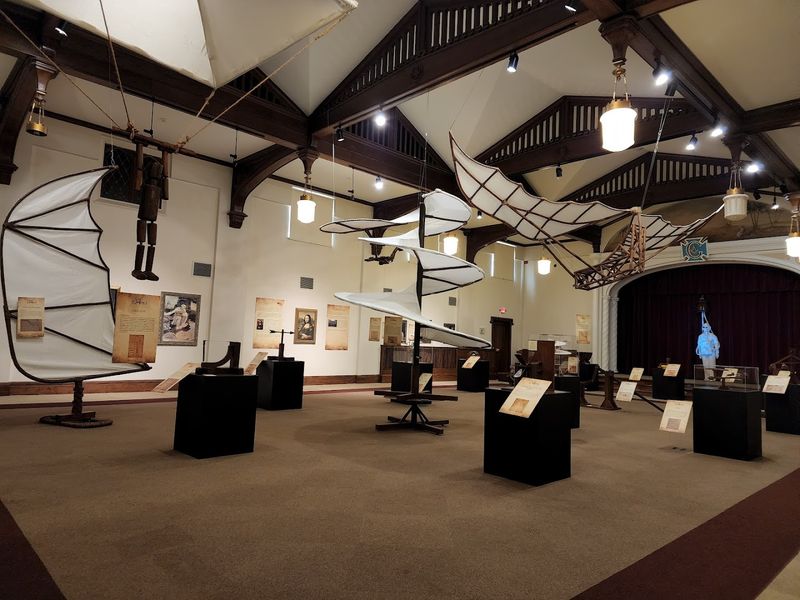
Another reason I would not write this museum off too quickly is that its temporary and changing exhibits can add real depth.
The second floor has hosted topics that move beyond traditional nostalgia, including exhibits focused on community experiences and cultural change in the Fox Cities.
That gives the museum a more current voice, which helps it feel connected to the present instead of trapped in the past.
Some visitors arrive expecting only old artifacts and Houdini memorabilia, then find exhibitions about immigration, identity, or underrepresented local stories.
I think that contrast is one of the museum’s strengths.
It broadens the idea of what local history means and reminds you that a community’s story is still being written.
Of course, rotating exhibits can create mixed expectations if someone comes for a display they saw online and it is no longer there.
That is why checking the museum website before visiting is smart.
Still, the fact that the museum keeps refreshing its content makes repeat visits more appealing than you might assume from a smaller attraction.
When a museum mixes permanent highlights with thoughtful temporary themes, it feels more alive.
That is exactly what happens here.
Even if one floor speaks to you more than another, the range of subjects shows ambition, and it proves this Appleton museum is trying to tell a fuller story about the region and the people who shape it.
5. It’s a Great Museum for Families and Curious Kids
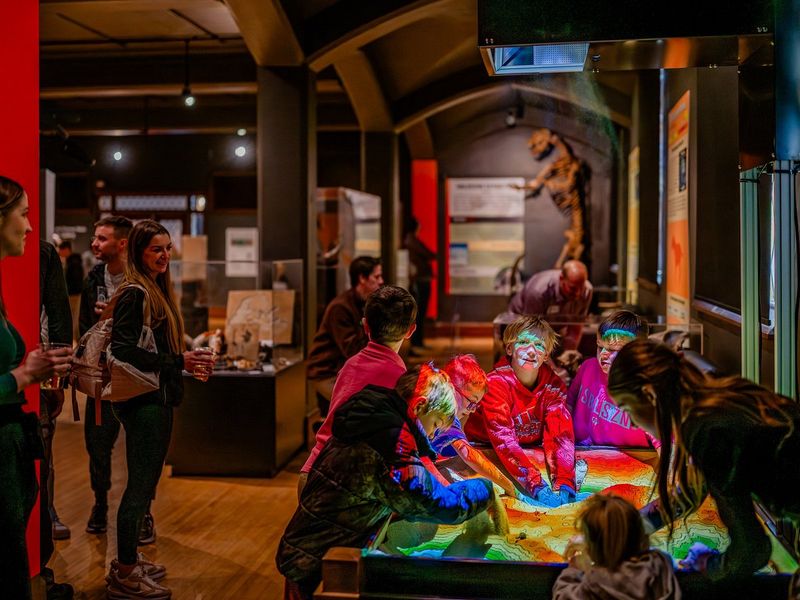
One thing that stands out about The History Museum at the Castle is how well it works for families.
Many history museums struggle to keep younger visitors interested, but this one makes a genuine effort to create an experience that feels engaging for different age groups.
That starts with the interactive exhibits scattered throughout the museum.
Instead of simply looking at artifacts behind glass, visitors are encouraged to participate, explore, and discover details for themselves.
The Harry Houdini exhibits are especially effective in this regard.
Children are naturally drawn to stories about magic, escapes, and impossible feats, while adults often enjoy learning about the discipline, creativity, and determination behind Houdini’s success.
That combination helps create an experience where parents and children can enjoy the same exhibits for different reasons.
The museum’s manageable size also works in its favor.
Large museums can sometimes feel overwhelming, particularly for families traveling with younger children.
Here, the layout allows visitors to see a variety of exhibits without feeling rushed or exhausted.
Several guests mention spending a couple of hours exploring comfortably before heading out to enjoy the rest of downtown Appleton.
I think that accessibility is one of the museum’s biggest strengths.
You do not need to be a serious history enthusiast to appreciate what is here.
Whether your family is interested in local history, famous entertainers, architecture, or simply trying something new during a weekend outing, the museum offers enough variety to keep everyone interested while remaining easy to navigate.
6. The Building Experience Is Part of the Visit

Even if you only spent an hour inside, the building would still be one of the strongest reasons to visit.
The History Museum at the Castle has the kind of interior details that make you slow down, look up, and notice how much atmosphere can shape a museum experience.
Visitors regularly mention the woodwork, windows, fireplaces, and surviving historic touches that bring warmth to the galleries.
I understand why some people expect something even more antique-looking because of the word castle.
Still, the charm is there if you pay attention to the bones of the place rather than expecting a fantasy setting.
What makes it memorable is the mix of institutional history, civic pride, and architectural character that comes from adapting a former Masonic temple into a museum.
The layout also adds to the feeling that you are moving through different layers of Appleton’s story.
Each floor has its own mood, and that progression keeps the visit from feeling flat.
Instead of one open hall with similar displays, you get a sequence of spaces that helps the museum feel more exploratory.
That matters more than people sometimes realize.
A museum can have good content, but if the setting feels generic, you forget it quickly.
Here, the physical environment adds personality and a sense of occasion.
It gives the entire visit a slightly unexpected richness that makes the museum more distinctive than its modest size might suggest.
7. A Hidden Gem in Appleton’s Cultural Scene
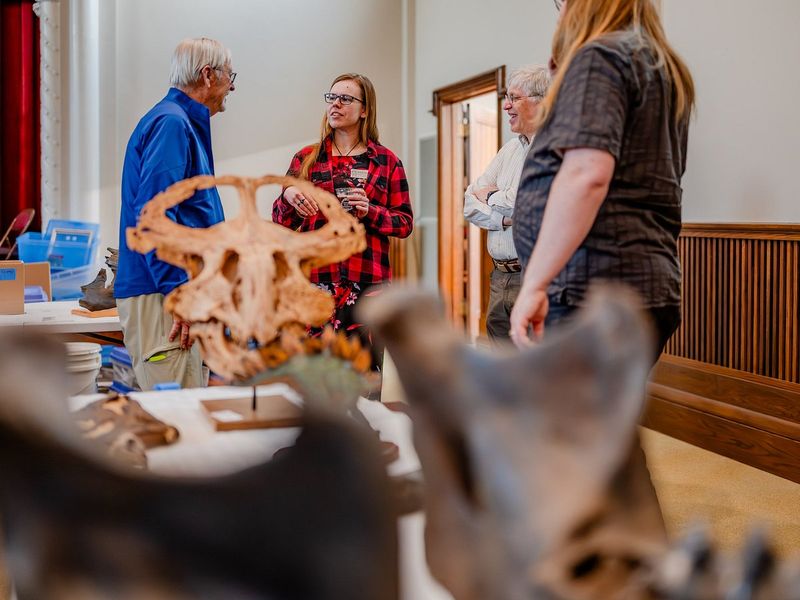
What makes The History Museum at the Castle especially appealing is that it feels like one of those attractions travelers are genuinely happy to discover.
Appleton is often known for its shopping, performing arts venues, and riverfront attractions, yet this museum offers a different perspective on the city’s identity.
Rather than focusing on entertainment alone, it helps visitors understand the people, events, and stories that shaped the community over generations.
That deeper context can make the rest of your time in Appleton feel more rewarding.
After spending time in the museum, familiar streets, buildings, and landmarks often take on new meaning because you better understand the history behind them.
I always appreciate attractions that help create that connection between a destination’s past and present.
The museum also benefits from its central location.
Because it sits directly in downtown Appleton, it is easy to include in a broader day of sightseeing.
You can visit the museum, explore nearby shops, stop for lunch, and continue discovering the city without needing to drive across town.
That convenience makes it an appealing addition to almost any itinerary.
What ultimately elevates the experience is the balance between education and accessibility.
The museum never feels overly academic, yet it still provides meaningful insight into the region.
For visitors looking to experience something beyond the typical tourist stops, it offers a thoughtful, memorable, and surprisingly distinctive look at one of Wisconsin’s most interesting communities.
8. What Visiting Is Really Like
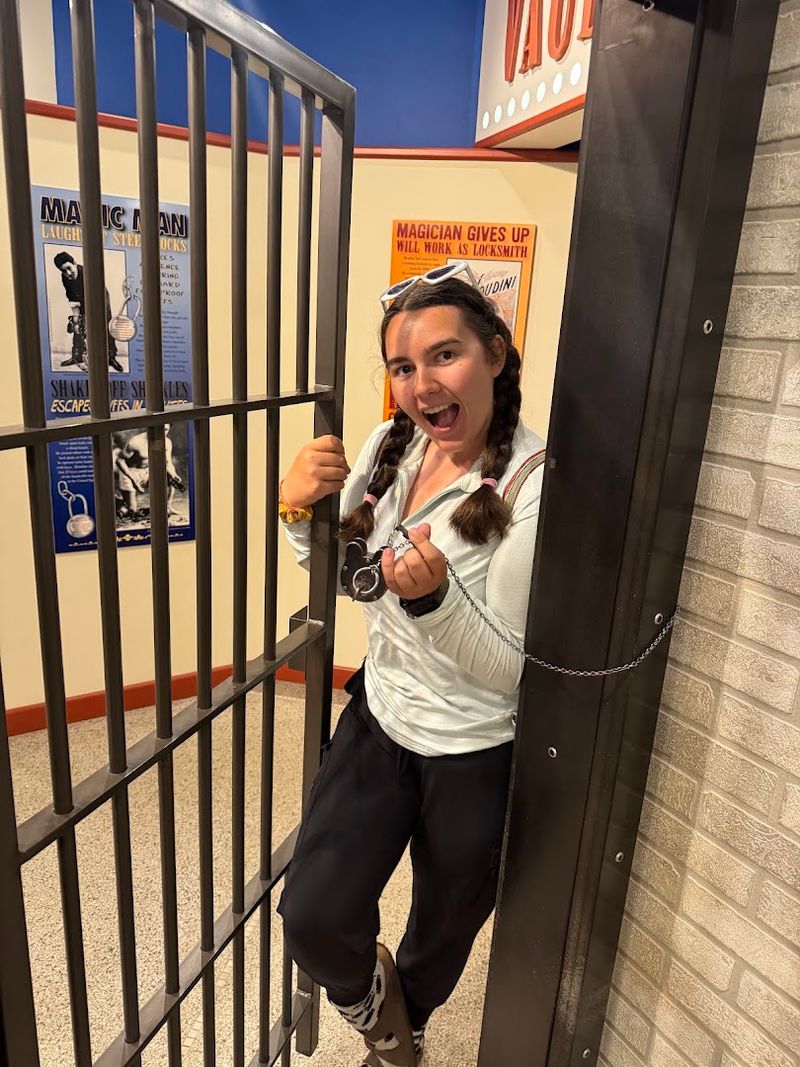
If you are wondering what a visit actually feels like, the best word is manageable.
The museum is not enormous, which can be a plus when you want something engaging without committing an entire day.
Many people describe it as a self-guided stop that fits well into a downtown Appleton itinerary, especially if you pair it with lunch or a walk along College Avenue.
I also like that the experience seems friendly rather than intimidating.
Reviews often mention helpful staff and volunteers, and those interactions can make a smaller museum feel much more personal.
When someone takes time to explain a display, share background on the building, or answer questions, it adds value that you do not always get at bigger attractions.
The museum is open daily from 10 AM to 4 PM, which makes planning simple, and practical touches like an elevator and gift shop round out the visit.
Some guests feel the admission price is high for the size, while others say the Houdini exhibit and architecture make it worthwhile.
That split usually comes down to expectations, so going in knowing it is a compact, focused museum helps a lot.
If you enjoy thoughtful stops over oversized ones, this place works.
You can move at your own pace, focus on what interests you most, and still come away feeling like you discovered something many travelers overlook in Appleton.
9. Why This Museum Is Worth Seeking Out
The History Museum at the Castle is the kind of place that gets underestimated because it is easy to label it as small before you understand what it offers.
Once you look closer, you find a museum with a memorable building, a strong Houdini connection, and a real commitment to telling Appleton’s story from multiple angles.
That combination is much harder to find than people realize.
I would recommend it most to curious travelers who like discovering places that feel specific to where they are.
This is not a museum you could drop into any city and forget by the next day.
Its best moments are tied directly to Appleton, whether you are learning about the Fox Valley, exploring the life of Houdini, or simply appreciating a historic downtown landmark that still draws people inside.
It is also a place with visible potential, and I think that matters in a good way.
Several reviews mention areas they hope will expand or improve, but they also point to the museum’s solid foundation.
You can sense that this is an institution trying to grow, stay relevant, and serve both visitors and the local community.
That is exactly why it deserves more attention.
If you are anywhere near Appleton and want a stop that blends history, architecture, and a little surprise, put this museum on your list.
You may come for Houdini, but you will leave with a better feel for the city itself.
Share this story