Tucked just off Thomasville Road, Alfred B.Maclay Gardens State Park is a floral daydream hiding in plain sight. You wander in expecting a pleasant stroll and leave feeling like you visited a private estate with museum-level gardens.
From mirror-still pools to camellias that glow in soft light, this place rivals Florida’s most famous botanical destinations. If you love peaceful paths, lake breezes, and photo-worthy moments, you are in for something special.
1. Historic Maclay House Museum
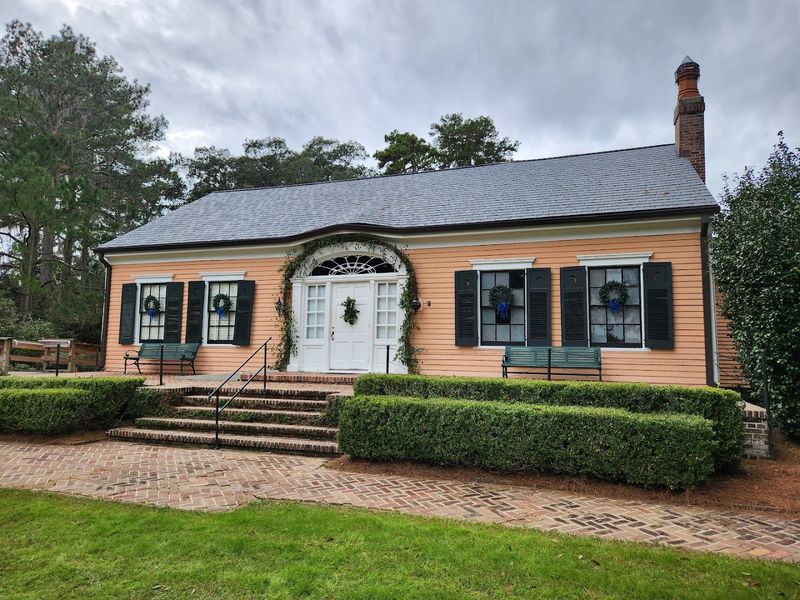
Step inside the Maclay House Museum and you feel the garden story come alive.
Rooms are staged with original furnishings, wedding photos, and floral motifs that echo the grounds outside.
Docents share how Alfred and Louise Maclay shaped these landscapes as a living love letter to North Florida.
You can linger over the veranda views, then follow brick paths that link house to garden rooms.
It is small, quietly curated, and perfect for understanding the design bones before you wander farther.
Check seasonal opening dates, since access varies with events, and expect a modest interpretive fee during peak bloom.
Photography is allowed inside from designated spots, so keep flash off and focus on textures and light and shadow.
If crowds gather, slip into the side lawn, where giant camellias frame classic lines and offer calm.
You leave with context, a timeline in your head, and a deeper appreciation for the park’s elegant bones.
2. Reflection Pool and Walled Garden
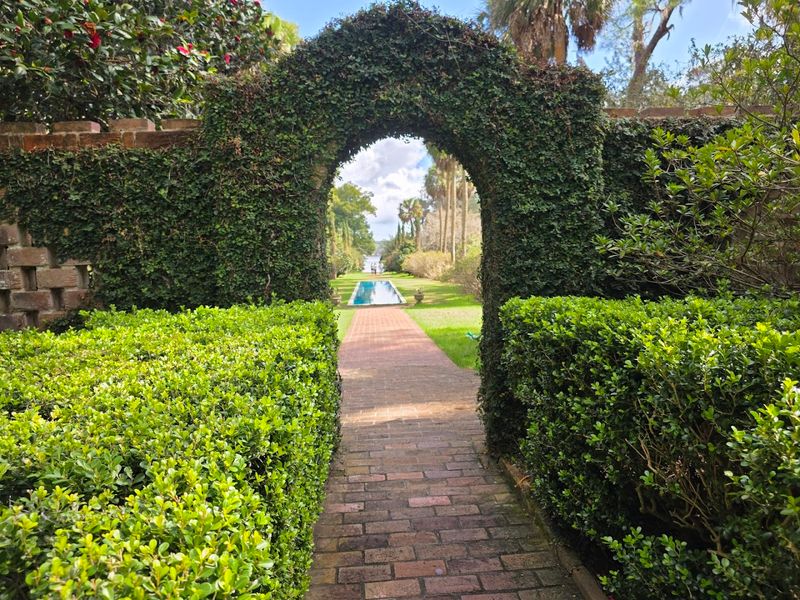
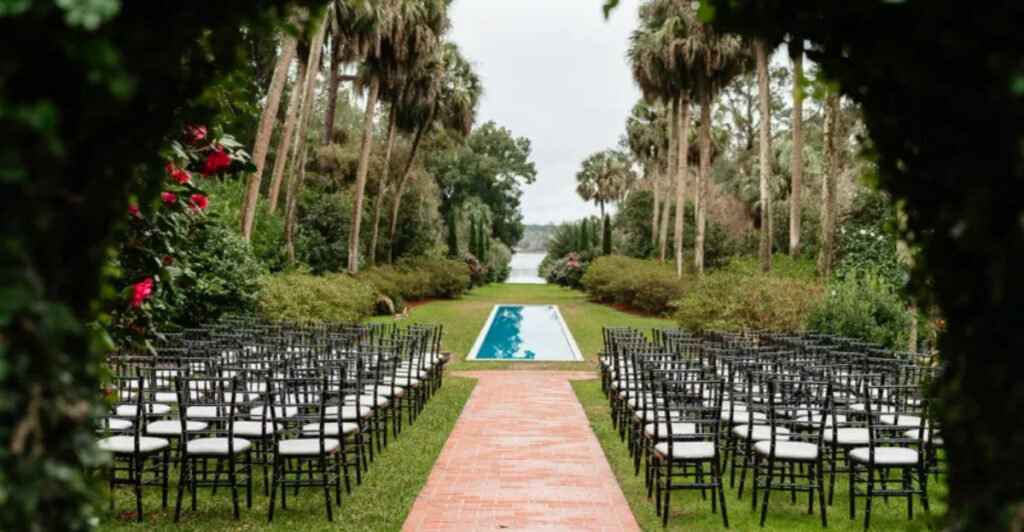
The Reflection Pool feels like the park’s heartbeat, a long mirror cradled by camellias and azaleas.
Stand at one end and you get perfect symmetry, live oaks draped in Spanish moss framing sky and water.
On still mornings, the surface barely ripples, so your photos carry that dreamy, painterly hush.
Brick walls create outdoor rooms where color, scent, and shade shift as you walk.
Benches invite you to slow down, breathe, and listen for woodpeckers tapping beyond the hedges.
Peak bloom usually hits mid-February through mid-March, but there is texture and structure all year.
If a wedding is scheduled, corridors may be roped, so ask at the gate and adjust your route.
Arrive early for quiet, or come near golden hour when petals glow and reflections deepen.
You will leave with calm shoulders and gallery-worthy shots that look impossibly expensive.
Bring a small tripod if you plan portraits, since paths are flat and staff are friendly.
3. Camellia and Azalea Bloom Season
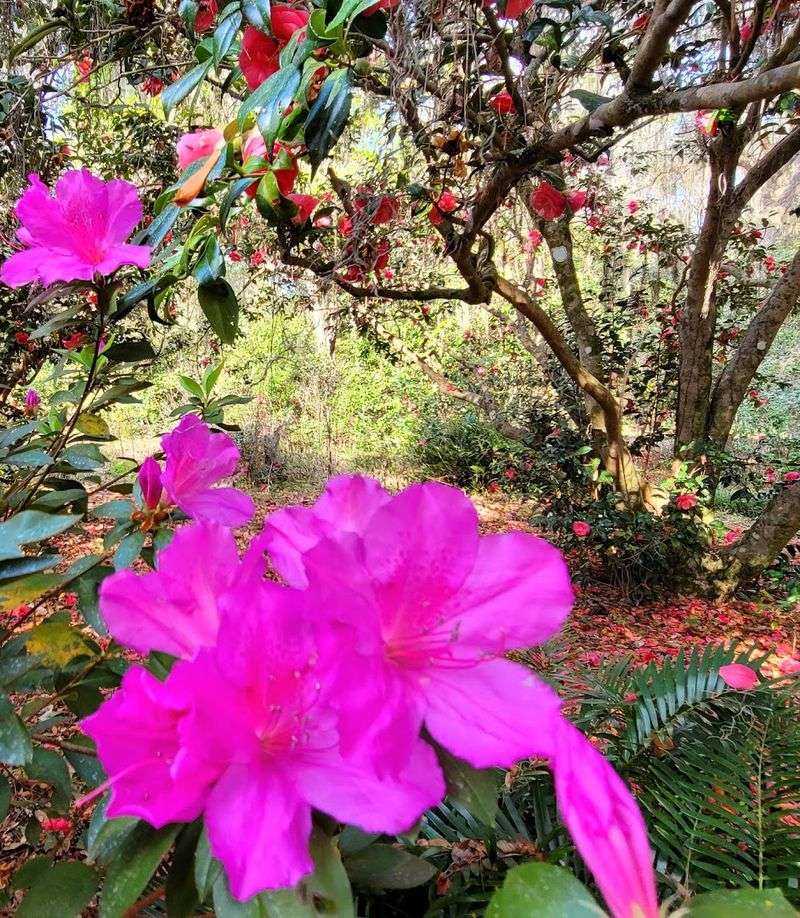
Everyone talks about spring here for a reason, because camellias and azaleas explode into layered color.
From mid February to mid-March, pathways feel perfumed, petals float on the pool, and bees hum like soft radios.
Even after cold snaps, volunteers deadhead and prune so the show keeps rolling.
You do not need horticulture knowledge to appreciate it, but plant nerds will spot heritage cultivars and clever layering.
Look for saucer magnolias opening like porcelain, then turn to camellias with names that read like old poetry.
Crowds grow on weekends, so arrive early, bring patience, and let the slower pace set your mood.
A garden ticket can cost extra during bloom season, so check the signboard and ask direct questions.
If you time it right after light rain, petals gleam and air smells like tea.
You leave grinning, phone full of color, wondering how this oasis hides in plain sight.
Come back in summer for greens and structure instead.
4. Lake Hall Recreation
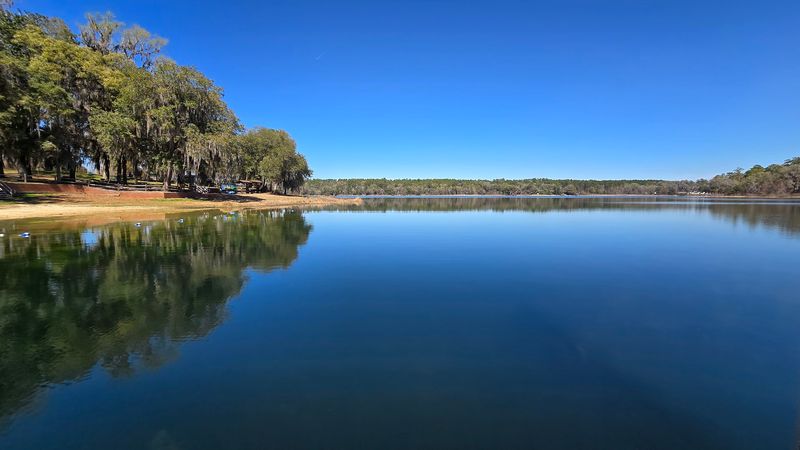
Lake Hall is the park’s cool counterpoint, a clear lake bordered by pines, cypress, and sandy launch spots.
You can swim in the roped area when open, or slip a kayak in for a quiet paddle.
Fisherfolk cast for bass, while picnickers grill nearby and watch clouds move.
Trails wrap the shoreline, giving peekaboo views of lilies, turtles, and the occasional heron.
Alligator signs are posted, so keep a respectful distance from the water’s edge and supervise kids closely.
Afternoons feel languid, mornings feel bright, and golden hour is quietly cinematic across the flat water.
Rentals are not offered on site, so bring your own gear, life jackets, and a dry bag.
There are grills, restrooms, and shady tables, which makes post paddle lunches easy.
You will leave rested, a little sun-kissed, and surprised by how peaceful Tallahassee can feel.
Weekdays are quieter, and parking by the lake fills fast on sunny Saturdays.
5. Hiking and Biking Trails
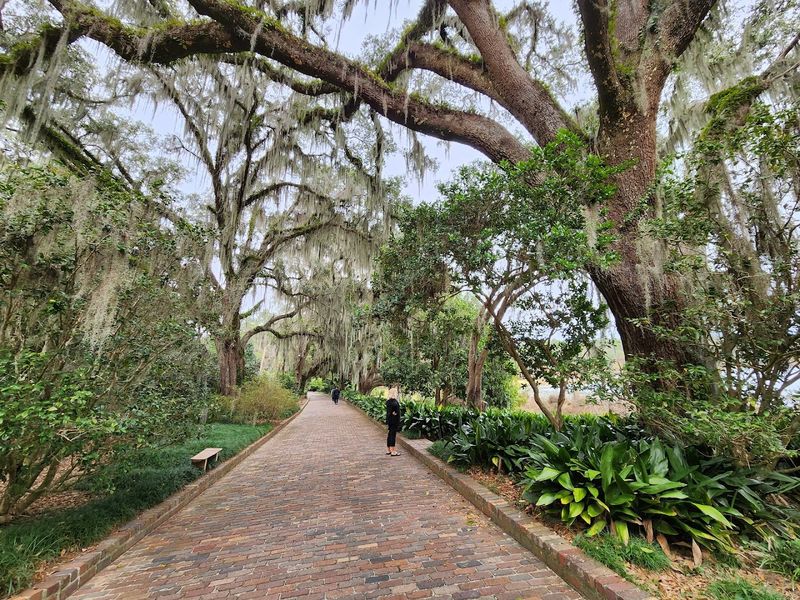
The park’s multi use trails total roughly five and a half miles, weaving through longleaf pine and hardwoods.
Wayfinding is solid, with colored blazes and maps at junctions to keep you oriented.
Elevation is gentle, so beginners, families, and runners all feel welcome.
Bikes share most paths, but etiquette is friendly, and bells or quick greetings help everyone relax.
After rain, sandy stretches firm up nicely, while clay patches can stay tacky.
Keep an ear out for woodpeckers and an eye out for deer moving through the understory.
Trailhead parking can be confusing at first, so use the map at the entrance and note bike-only roads.
Bring water, sunscreen, bug spray, and enjoy a low-impact workout under cathedral trees.
You finish energized, camera full, and ready for a lakeside cool down.
Loops connect easily, so you can tailor mileage without repeating scenery.
Morning light filters beautifully through moss, which makes photos glow.
6. Secret Garden Paths and Brick Walkways
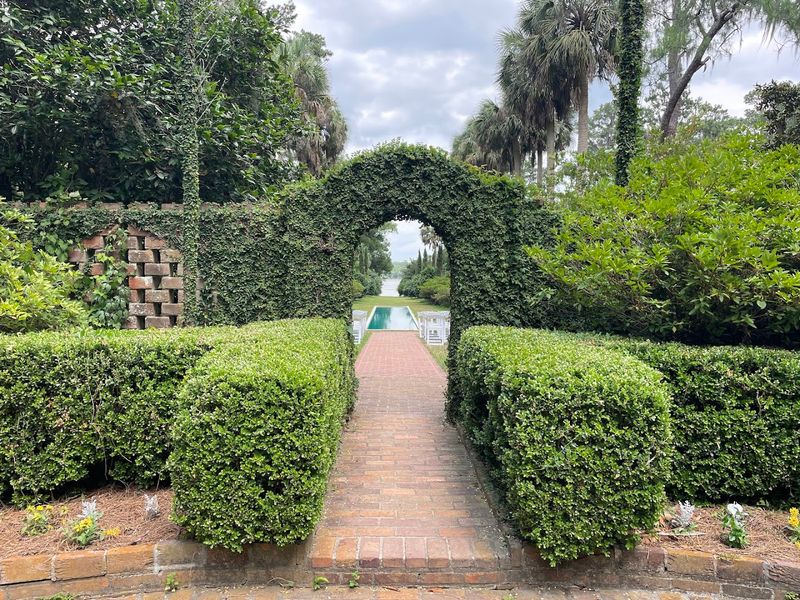
Those ballast brick walkways feel storied underfoot, guiding you through archways, hedges, and intimate garden rooms.
Look down and you will notice patterns, curves, and clever drainage that keep steps dry after showers.
Turn a corner and suddenly there is a fountain, a bench, or a framed view across the pool.
These paths slow you down, nudging you to linger, breathe deeper, and see small textures.
Children love the sense of discovery, while adults appreciate how the design feels intentional without feeling stiff.
Take a quiet lap at midday when crowds thin and lizards sun themselves on warm brick.
Shoes with soft soles help, since heels can snag and louder treads break the spell.
Please stay on the paths, because plant beds are carefully maintained by staff and volunteers.
You will leave calmer, noticing details in other places that you might have rushed past before.
Bring a sketchbook if drawing helps you slow time.
7. Spanish Moss and Live Oaks
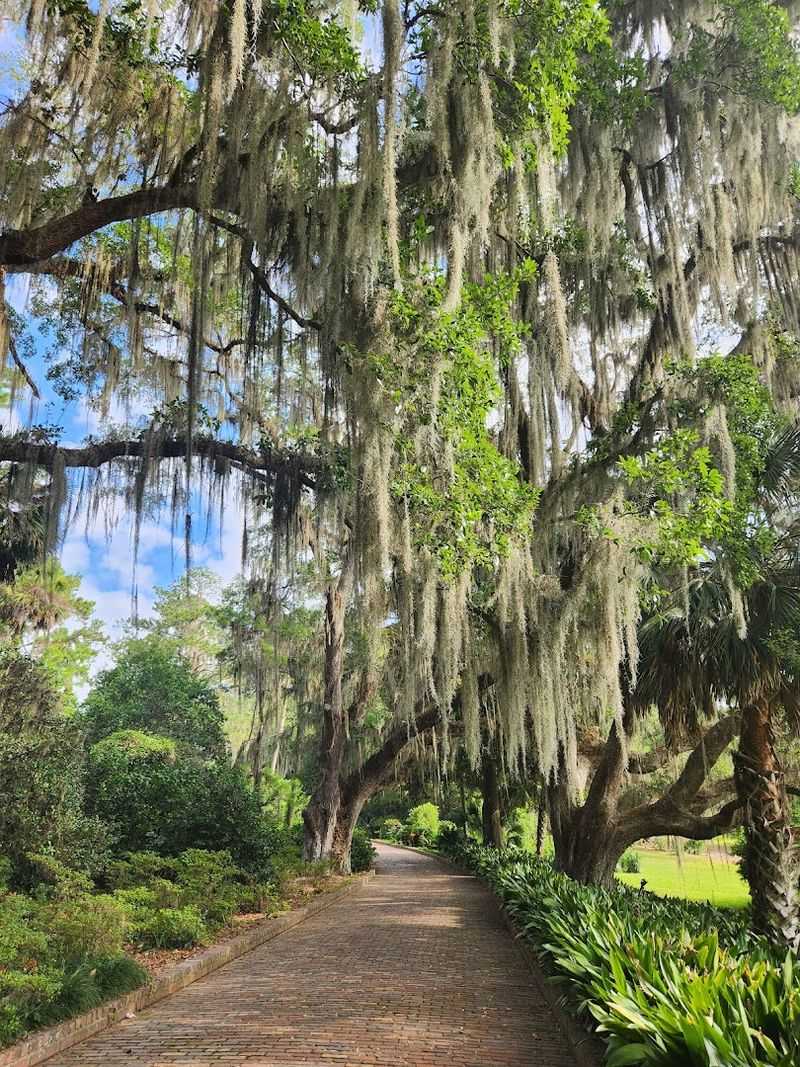
Live oaks carry curtains of Spanish moss here, softening sunlight and turning paths into outdoor cathedrals.
When the breeze lifts, strands sway and light flickers, perfect for slow-motion videos on your phone.
Squirrels dash overhead, warblers whisper, and everything smells like leaves after rain.
Despite the spooky reputation, Spanish moss is not parasitic, and the trees here look incredibly healthy.
Photographers should meter for highlights so the silver strands do not blow out.
Backlighting at golden hour turns the moss into halos, gorgeous for portraits and candid shots.
If allergies bug you, bring meds, since pollen can drift during spring bloom and tickle throats.
Pause under the biggest limbs, look up, and feel your shoulders drop.
You will remember the hush more than any single flower.
It is that timeless Southern atmosphere people imagine when they picture old Florida gardens.
Here, it feels authentic, shaded, and impossibly soothing.
Stay awhile.
Breathe slowly.
8. Photography Tips and Best Times
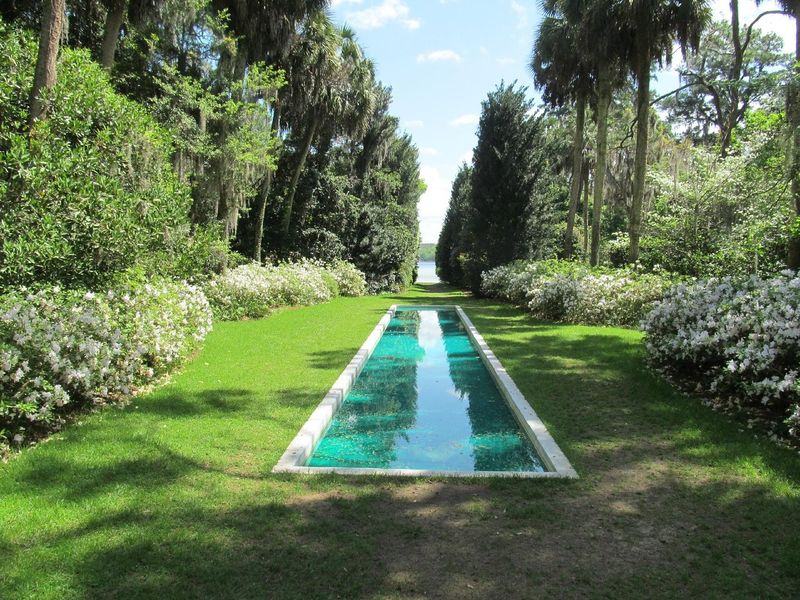
If photos are your goal, plan sunrise or golden hour, when shadows stretch and blooms glow.
Midday is fine for scouting compositions, but softer light flatters petals and people.
A polarizer tames glare on the pool and deepens sky without heavy editing.
Tripods are allowed in many areas, yet be courteous around weddings and do not block paths.
Shoot wide for context, then switch to a fast fifty for creamy bokeh on camellias.
Phone users can tap to expose for highlights, then edit gently for contrast and warmth.
Pack microfiber cloths, spare batteries, and a quiet mindset, because the mood here rewards patience.
If fog kisses the lake, lean into silhouettes and reflections for minimalist frames.
You will walk out with images and memories that feel like postcards from a slower decade.
Wear neutral clothing so you blend with the scene and do not distract your own portraits.
Silence notifications.
Breathe between shots.
9. Picnicking Areas and Facilities
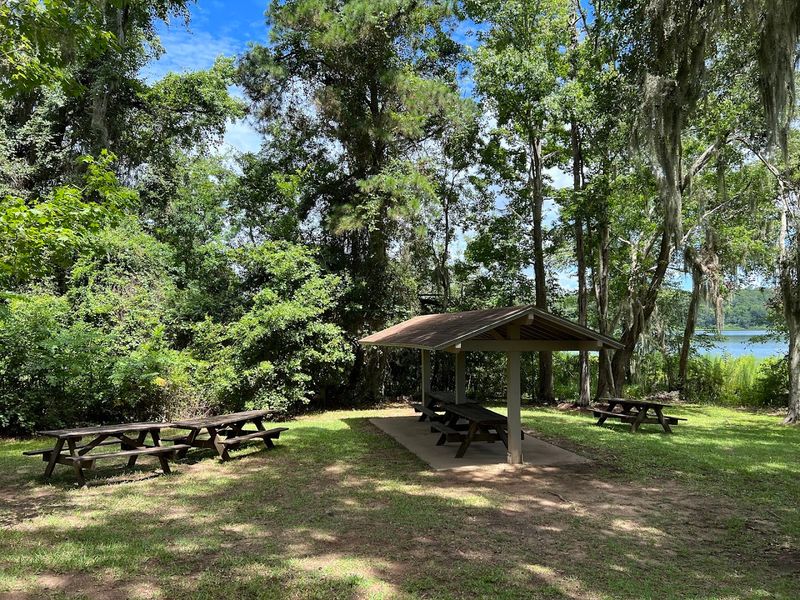
Picnic lawns near Lake Hall offer grills, shady tables, and room for kids to run.
It feels relaxed, the sort of spot where you linger after a swim and watch dragonflies skim.
Restrooms are close, and trash cans make cleanup easy.
Bring charcoal, water, and a cooler, but skip the glass so the area stays safe for everyone.
Early evening picnics are magical as the sun slides across the lake and the breeze picks up.
Weekends do fill, especially when the gardens peak, so arrive early to claim shade.
There is also a small playground, which is handy if little ones need a break from strolling.
Pack a blanket, a simple sandwich, and let the afternoon stretch long and easy.
You will leave content, fed, and sun-drowsy in the best way.
Do not feed wildlife, and always pack out what you pack in.
It keeps the lakeshore clean for everyone.
Shade moves, so adjust.
10. Wildlife and Birdwatching
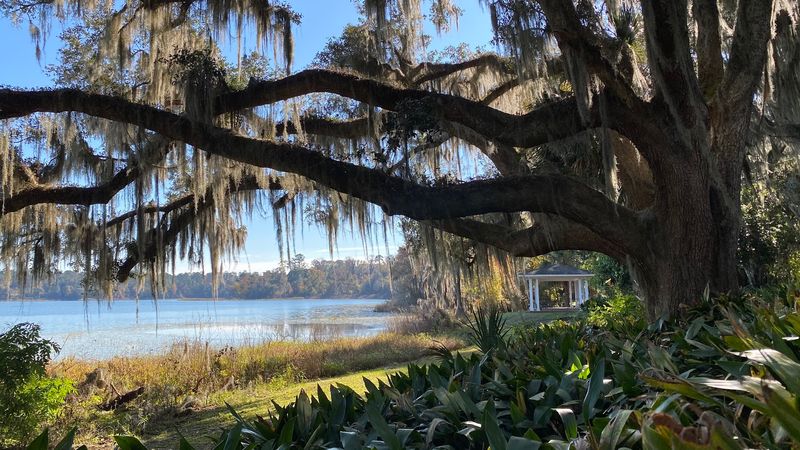
Wildlife here is subtle but steady, from turtles and lizards to herons, woodpeckers, and songbirds.
On quiet mornings, you might spot deer stepping across trails, ears twitching like antennae.
Spiders string golden webs near edges, harmless sentries that glint in the sun.
Birders should bring binoculars and listen for chips near the camellias, then watch the lake for flybys.
Winter brings migrants, while spring layers in nest building and busy feeding.
Please give wildlife space, especially around the waterline, where gators may cruise unseen.
If you bring a dog, keep leashes tight and snacks secured so curious noses do not cause trouble.
A small field guide or app makes identifications fun for kids and grown-ups.
You end the day more observant, tuned to small movements and soft sounds.
That awareness lingers long after you drive home.
Here, nature whispers, and you learn to listen.
Bring patience and a quiet step.
Breathe and look up.
11. Weddings and Events Considerations
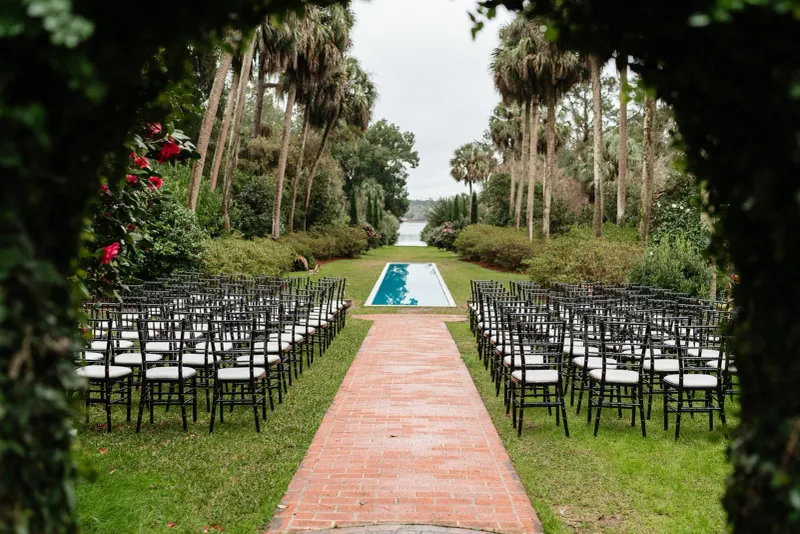
The gardens are a beloved wedding backdrop, so weekends can feature ceremonies, photographers, and reserved spaces.
It is beautiful for couples, but casual visitors should ask about events before paying extra admission.
Staff at the gate share schedules, and a quick call saves headaches.
If you do attend a wedding, arrive early, park legally, and respect roped areas and photography rules.
Guests love the reflection pool aisle and the camellia backdrops, both stunning in soft light.
Vendors appreciate flat paths, shaded prep zones, and easy load in routes.
For everyone else, remember that events add life here, but they also change traffic and noise.
Choose weekday mornings for zen, or late afternoons after vows when crowds thin.
You still get your garden fix without feeling like an accidental extra.
Either way, kindness and patience go a long way.
Smile at photographers and step aside when needed.
You will all remember the day more fondly.
12. Practical Info, Fees, and Hours
Alfred B.Maclay Gardens State Park sits at 3540 Thomasville Road in Tallahassee, with hours typically 8 AM to 8:30 PM.
The garden area sometimes carries a seasonal per-person fee from January through April, so check signage on arrival.
Call 850-487-4556 or visit the park website for updates, closures, or event impacts.
Parking lots serve both gardens and trails, but first-timers can find the map confusing.
Ask rangers for trailhead directions, bike-only routes, and accessible options.
Pack water, sun protection, insect repellent, and wear comfortable shoes.
Swimming opens seasonally at Lake Hall, and alligators live here, so follow posted rules.
Service is spotty, so download maps and save the address before you roll.
With a little prep, you spend less time stressing and more time soaking up beauty.
It is worth every minute you give it.
Set expectations with your group and you will glide through the day.
Arrive early.
Bring curiosity.
Share this story